Fabric Mats
Fabric mats offer a versatile and stylish solution for adding a touch of comfort and aesthetic appeal to any room in your home. Whether you're looking to protect your floors, define a space, or simply enhance your decor, fabric mats come in a variety of colors, patterns, and sizes to suit your unique needs. From cozy area rugs to durable carpet runners, these mats are not only functional but also add a cozy and inviting atmosphere to your living space. Explore our collection of fabric mats to find the perfect piece to elevate the look and feel of your home.
Sort
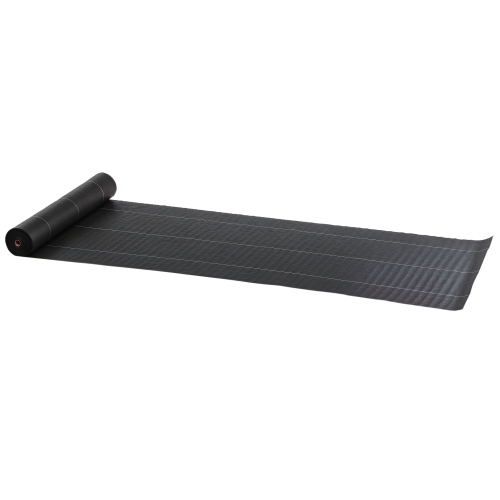
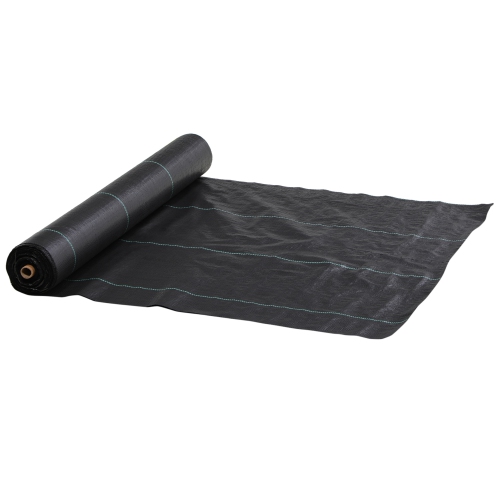
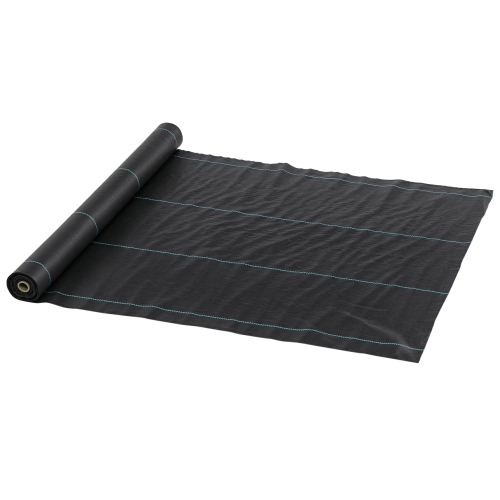

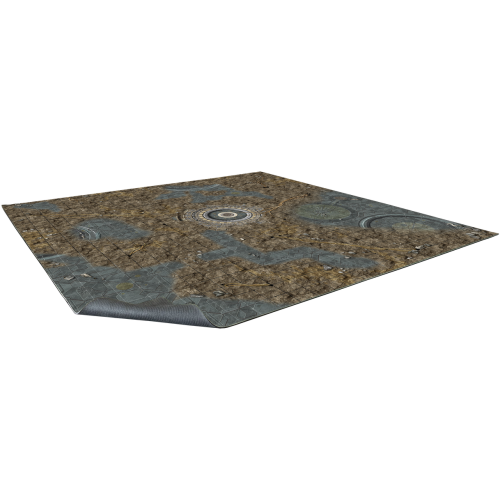

How weave and backing shape a mat’s everyday use
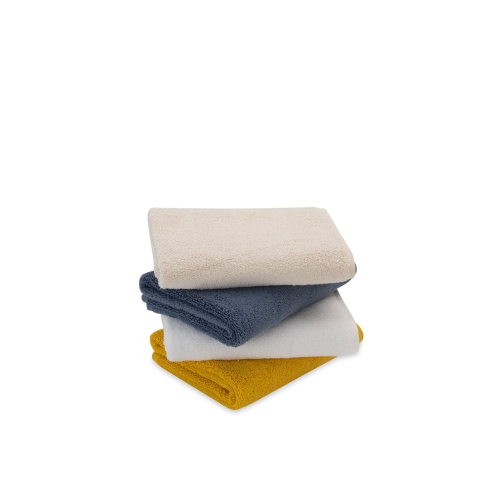
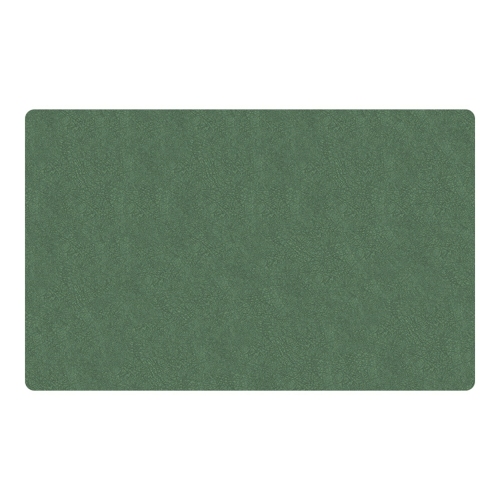
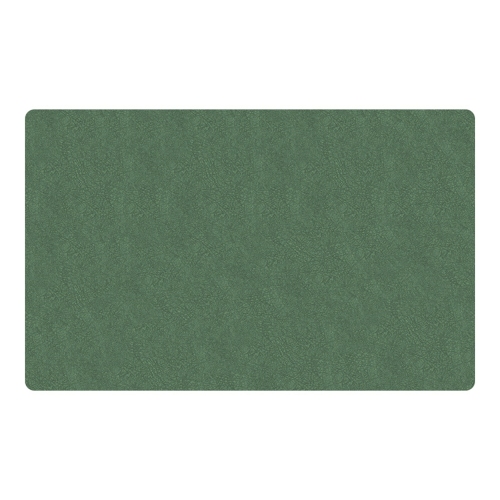
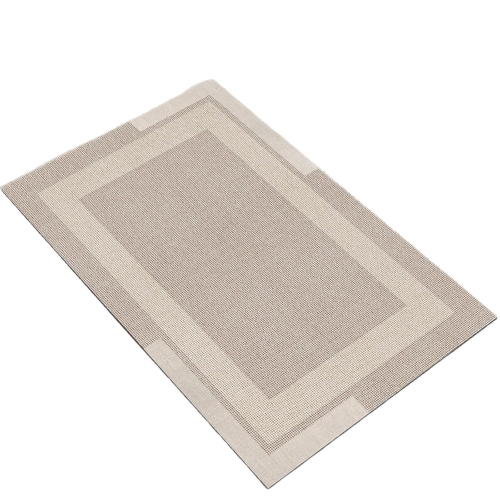
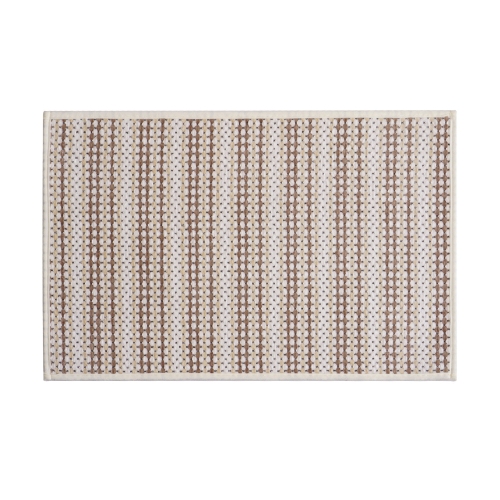
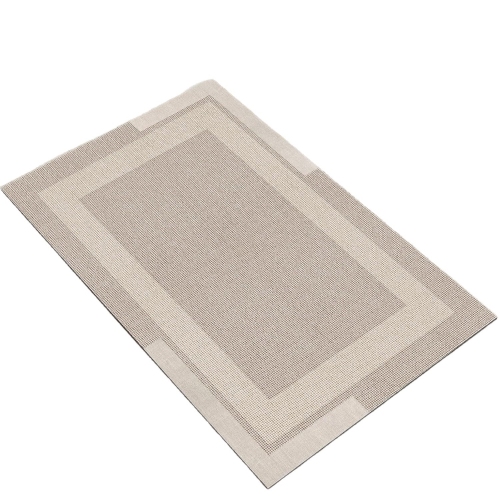
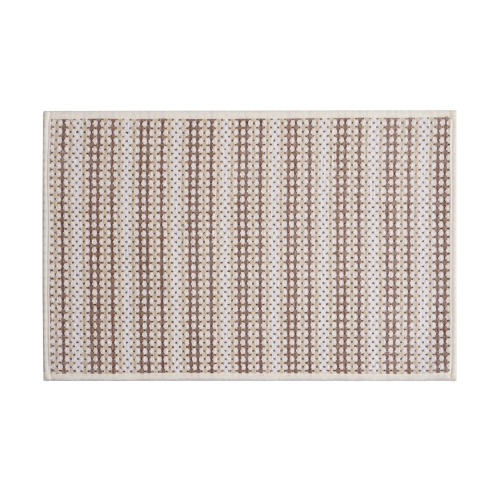
Fabric mats are mats made from textile fibres or finished with a fabric surface, commonly used on tables, floors, desks, and other household surfaces. The term covers several distinct product types: cloth placemats for dining, textile floor mats and runners, fabric-topped desk mats, and fabric-covered matboards for picture framing. It can also refer to cutting mats used for fabric crafts, although those are typically made from plastic rather than cloth. Each type serves a different purpose, so the surface material, backing, dimensions, and intended use matter more than the word “fabric” alone. Cotton offers a soft, familiar texture and is often used in washable household mats, while linen has a more pronounced weave that suits relaxed or neatly layered table settings. Polyester and other synthetic fibres can offer resistance to wear, with performance depending on the weave, construction, and finish. Blended fabrics combine characteristics of different fibres, though a blend does not automatically make a mat stain-resistant or suitable for machine washing. A tightly woven surface tends to feel smoother and can be easier to clear of loose crumbs than a deeply textured one; a looped or raised surface adds visual depth but may hold onto lint or catch on claws. Felt has a dense, non-woven structure that lends a softer look to tabletop and desktop accessories. Fabric thickness also affects how a mat behaves: a thin cloth mat folds easily for storage, while a padded or backed mat may offer more structure and cushioning. Neither thickness nor softness alone establishes heat resistance, slip resistance, or suitability for exercise. Those qualities depend on the complete construction and the uses specified by the manufacturer. Colour, texture, and shape bring these practical details into the room’s overall look, whether the goal is a quiet neutral surface beneath everyday dishes or a defined area beneath a keyboard and mouse.
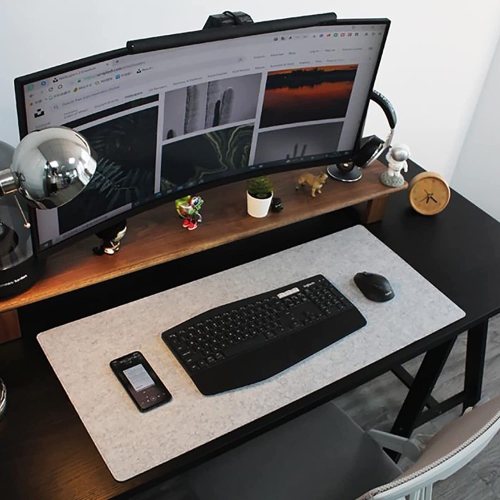
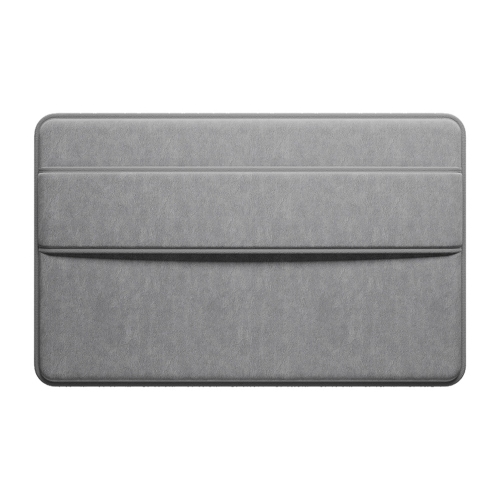
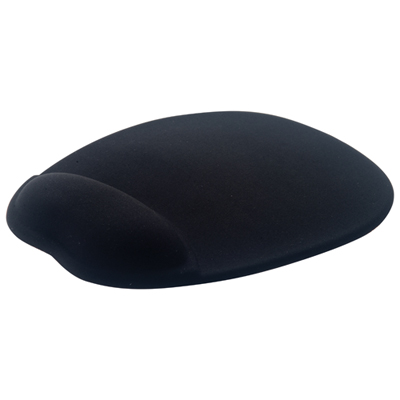
On a dining table, fabric placemats give each place setting a clear boundary and help limit direct contact between dishes and the table finish. Their size needs to accommodate a plate and cutlery without crowding neighbouring settings, particularly on a small round table where rectangular corners can overlap. Oval and round shapes can follow the lines of curved furniture, while rectangular mats create orderly spacing along a longer table. A smooth, reasonably flat weave helps glassware sit steadily; thick seams, raised embroidery, or heavily textured fabric can make a narrow-based glass less stable. Cloth can soften the sound of plates being set down, but it should not be assumed to protect against hot cookware or liquid soaking through. A serving dish taken from the oven still needs a purpose-made heat-resistant support. For households that use placemats at every meal, washable construction and clear stain-care instructions can be more useful than an elaborate finish. Smaller mats can also define a spot for a water jug, a bedside tray, or daily essentials on a console, provided their backing is suitable for the furniture finish. On a desk, a fabric-topped mat offers a continuous surface beneath frequently used accessories and can reduce direct rubbing against the desktop. Edge stitching, a flat profile, and enough space for normal mouse movement are relevant details for students, home-office users, and anyone working at a compact workstation. A mat that extends beyond the desk edge or bunches beneath a keyboard can become an irritation rather than a convenience. Darker shades create a strong outline against pale wood or a white desktop, although lint and light-coloured dust may be more noticeable on them. For a coordinated dark accent, Black Mats offer another way to explore the look. Fabric placemats and desk mats can also make practical housewarming or workspace gifts when their dimensions, style, and care requirements suit the recipient’s daily habits.
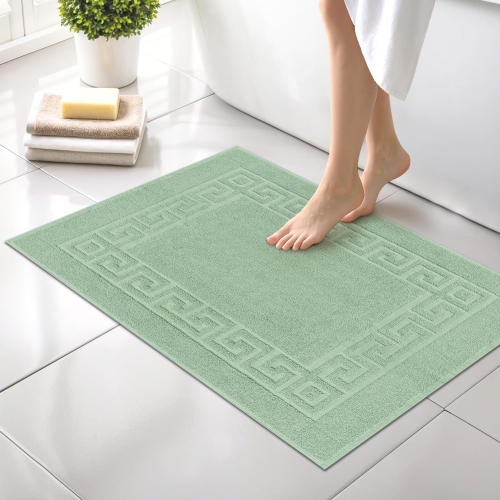
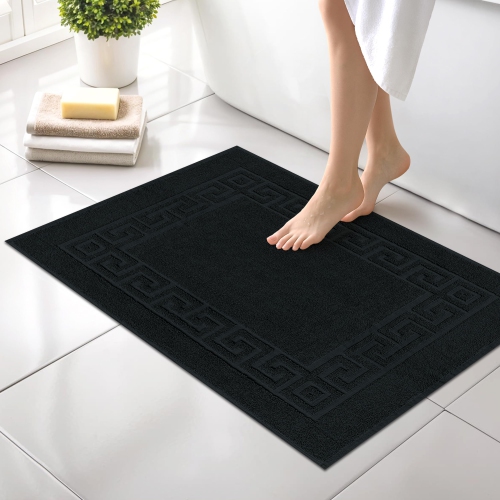
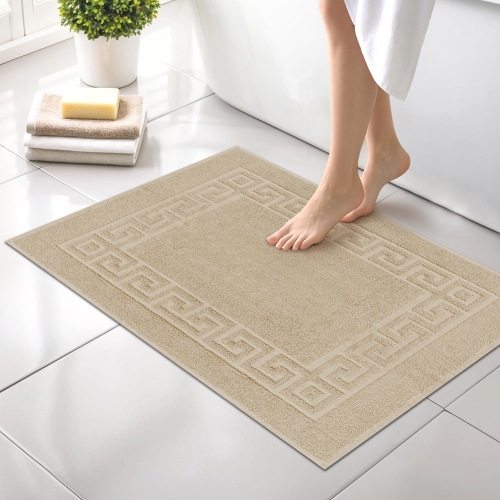
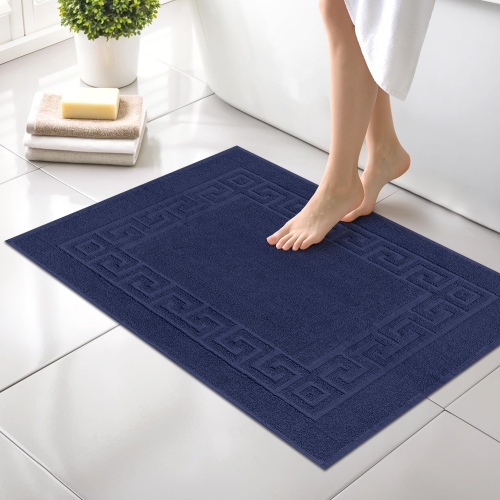
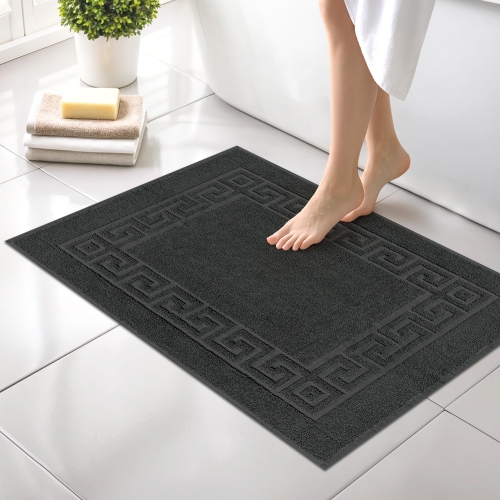
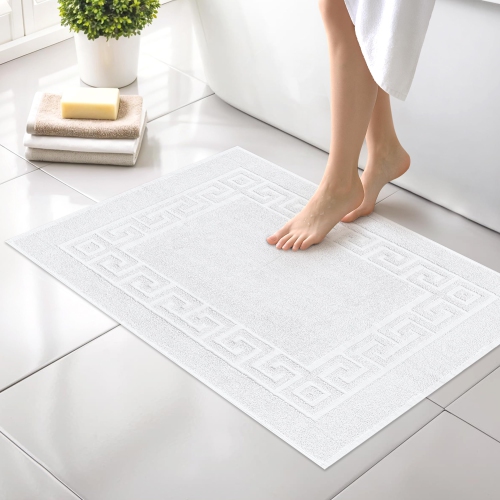
For floors, fabric mats range from compact textile surfaces beside a sink to longer runners that define a walkway or work area. Absorbent fibres can be useful where occasional splashes occur, but a damp mat needs appropriate drying and should not leave moisture trapped against the floor. Backing compatibility matters on wood, vinyl, tile, and other finishes, since some backing materials or trapped grit can mark a surface. A low profile helps a mat clear nearby doors, while secure edges and a backing suited to the floor help reduce unwanted movement. A loose cloth mat is not a substitute for a purpose-built exercise mat, and a textile kitchen runner does not necessarily provide the support of a cushioned standing mat. Comfort underfoot depends on pile, padding, firmness, and how well the mat stays in place during ordinary use. In busy homes, tightly finished edges and sturdy seams are useful durability features, especially where chair legs, shoes, or pet paws repeatedly cross the same spot. Routine care may include shaking out loose debris, vacuuming with a suitable setting, spot cleaning, or laundering, but the care label determines which methods are appropriate. Excessive heat, aggressive scrubbing, or unsuitable cleaners can affect fibres, adhesives, and backing; a washable face fabric does not mean the entire mat can go in a washing machine. Specialist uses bring different requirements. Fabric cutting mats provide a measured work surface for sewing and quilting, often with printed grids to help position material. Rotary-cutting compatibility and self-healing properties must be stated rather than assumed, and the mat should fit both the worktable and the fabric pieces being cut. Fabric-covered framing mats serve a visual role instead, adding texture and space around artwork or photographs. Their suitability for direct contact with valuable artwork depends on the matboard, covering, and adhesives. Across these categories, the most useful fit comes from matching the mat’s actual construction to its everyday task, with enough room to sit flat, appropriate surface protection, and care requirements that remain manageable over repeated use.
On a dining table, fabric placemats give each place setting a clear boundary and help limit direct contact between dishes and the table finish. Their size needs to accommodate a plate and cutlery without crowding neighbouring settings, particularly on a small round table where rectangular corners can overlap. Oval and round shapes can follow the lines of curved furniture, while rectangular mats create orderly spacing along a longer table. A smooth, reasonably flat weave helps glassware sit steadily; thick seams, raised embroidery, or heavily textured fabric can make a narrow-based glass less stable. Cloth can soften the sound of plates being set down, but it should not be assumed to protect against hot cookware or liquid soaking through. A serving dish taken from the oven still needs a purpose-made heat-resistant support. For households that use placemats at every meal, washable construction and clear stain-care instructions can be more useful than an elaborate finish. Smaller mats can also define a spot for a water jug, a bedside tray, or daily essentials on a console, provided their backing is suitable for the furniture finish. On a desk, a fabric-topped mat offers a continuous surface beneath frequently used accessories and can reduce direct rubbing against the desktop. Edge stitching, a flat profile, and enough space for normal mouse movement are relevant details for students, home-office users, and anyone working at a compact workstation. A mat that extends beyond the desk edge or bunches beneath a keyboard can become an irritation rather than a convenience. Darker shades create a strong outline against pale wood or a white desktop, although lint and light-coloured dust may be more noticeable on them. For a coordinated dark accent, Black Mats offer another way to explore the look. Fabric placemats and desk mats can also make practical housewarming or workspace gifts when their dimensions, style, and care requirements suit the recipient’s daily habits.
For floors, fabric mats range from compact textile surfaces beside a sink to longer runners that define a walkway or work area. Absorbent fibres can be useful where occasional splashes occur, but a damp mat needs appropriate drying and should not leave moisture trapped against the floor. Backing compatibility matters on wood, vinyl, tile, and other finishes, since some backing materials or trapped grit can mark a surface. A low profile helps a mat clear nearby doors, while secure edges and a backing suited to the floor help reduce unwanted movement. A loose cloth mat is not a substitute for a purpose-built exercise mat, and a textile kitchen runner does not necessarily provide the support of a cushioned standing mat. Comfort underfoot depends on pile, padding, firmness, and how well the mat stays in place during ordinary use. In busy homes, tightly finished edges and sturdy seams are useful durability features, especially where chair legs, shoes, or pet paws repeatedly cross the same spot. Routine care may include shaking out loose debris, vacuuming with a suitable setting, spot cleaning, or laundering, but the care label determines which methods are appropriate. Excessive heat, aggressive scrubbing, or unsuitable cleaners can affect fibres, adhesives, and backing; a washable face fabric does not mean the entire mat can go in a washing machine. Specialist uses bring different requirements. Fabric cutting mats provide a measured work surface for sewing and quilting, often with printed grids to help position material. Rotary-cutting compatibility and self-healing properties must be stated rather than assumed, and the mat should fit both the worktable and the fabric pieces being cut. Fabric-covered framing mats serve a visual role instead, adding texture and space around artwork or photographs. Their suitability for direct contact with valuable artwork depends on the matboard, covering, and adhesives. Across these categories, the most useful fit comes from matching the mat’s actual construction to its everyday task, with enough room to sit flat, appropriate surface protection, and care requirements that remain manageable over repeated use.
Top selling and popular products
-
 Your price for this item is $109.31
 -
 Your price for this item is $200.83
 -
 Your price for this item is $90
 -
 Your price for this item is $100
 -
 Your price for this item is $100
 -
 Your price for this item is $426.55
 -
 Your price for this item is $300
 -
 Your price for this item is $120
Discover more categories related to Fabric Mats

Top Collections:
Pokemon Centers, Kindle Devices, Best Budget Office Chairs, Apple iPhones 16, Best Laptops for Writers, iPhone 15 Apple, Canon G7X Cameras, Refurbished Apple Laptops, Alarm Clock, Motorola Razr Phones
Some products may be subject to Environmental Handling Fees
(EHF) depending on your province.
Learn more about EHFs.