Fantasy Board Games With Miniatures
Fantasy Board Games With Miniatures bring imaginative worlds to life right on your tabletop. Dive into epic adventures, strategic battles, and immersive storytelling with detailed figures that capture the excitement of every quest. Whether you’re gathering friends for a game night or expanding your collection, these games offer endless opportunities for creativity and fun. Discover a wide selection of Fantasy Board Games With Miniatures designed to enhance your gameplay experience and spark unforgettable moments.
Sort
![STEAMFORGED GAMES Dark Souls: The Board Game - Explorers Expansion [Board Game, 1-4 Players]](https://multimedia.bbycastatic.ca/multimedia/products/500x500/193/19383/19383503.jpeg)
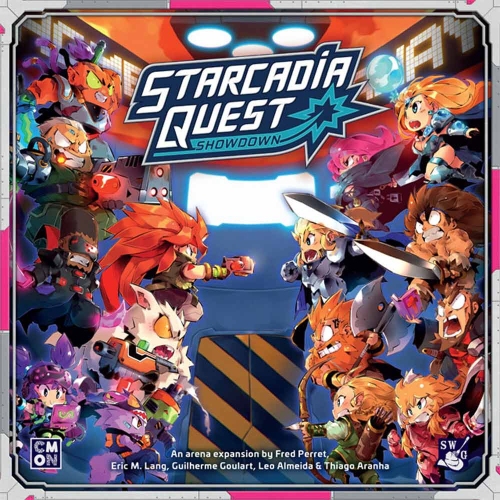
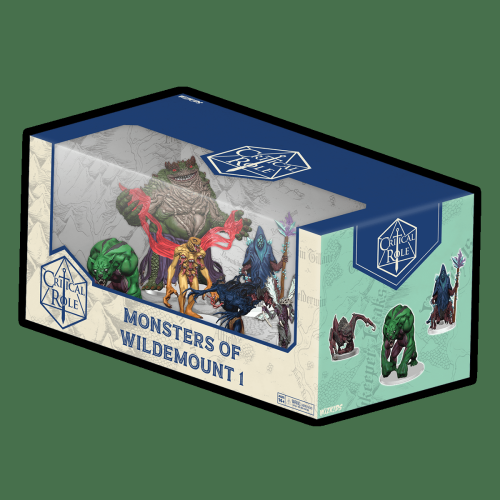
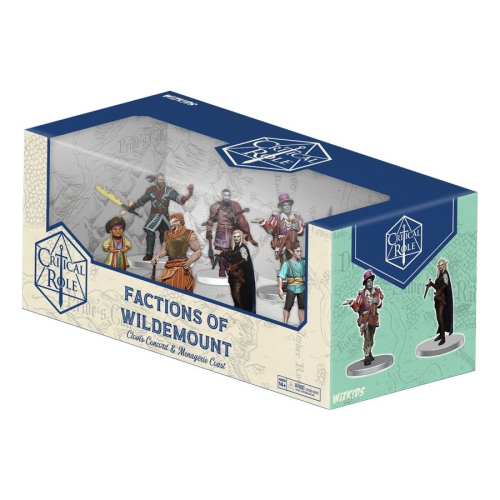
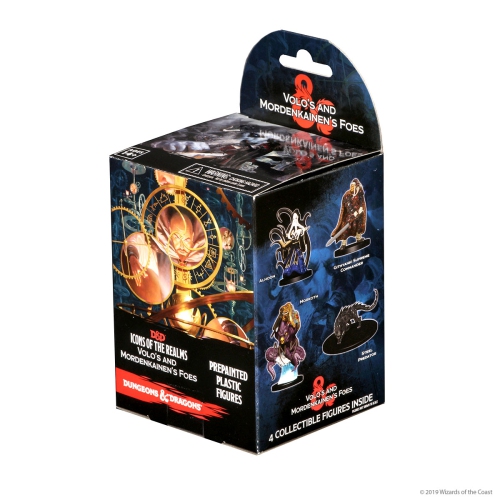
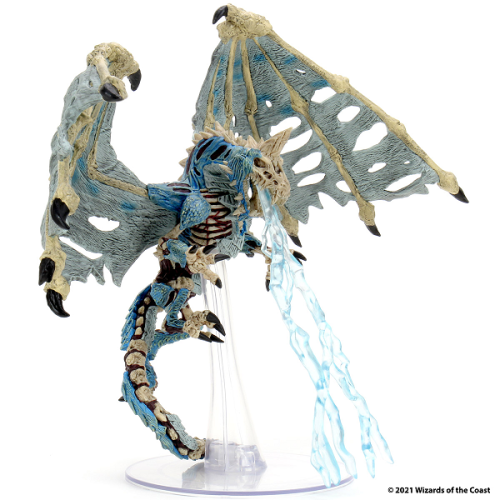
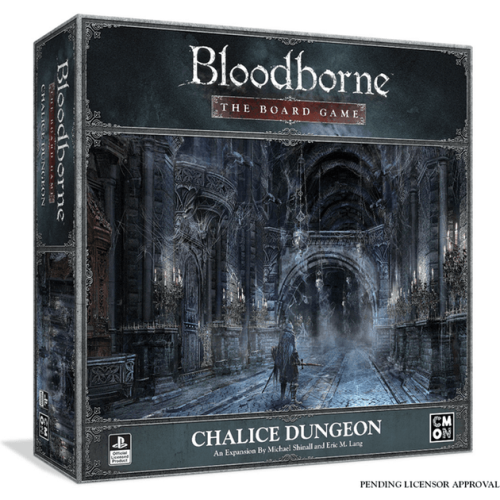
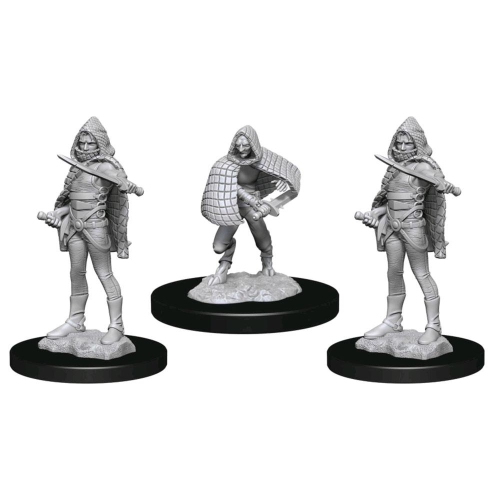
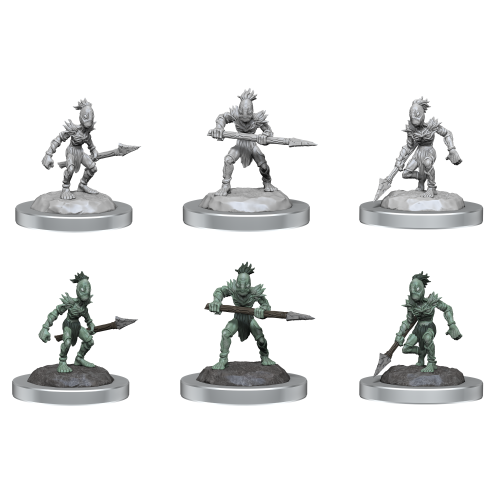
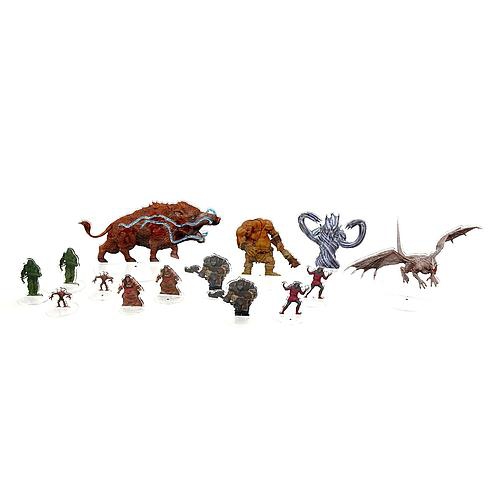
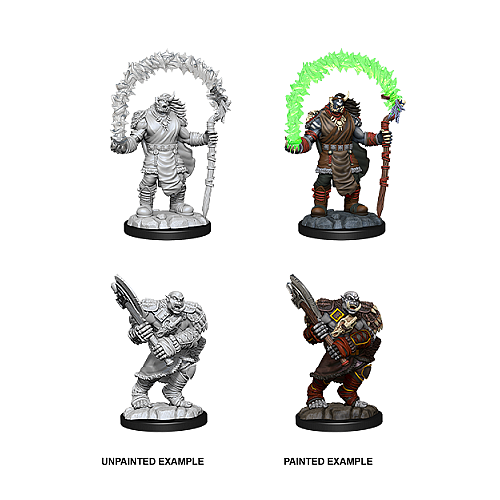
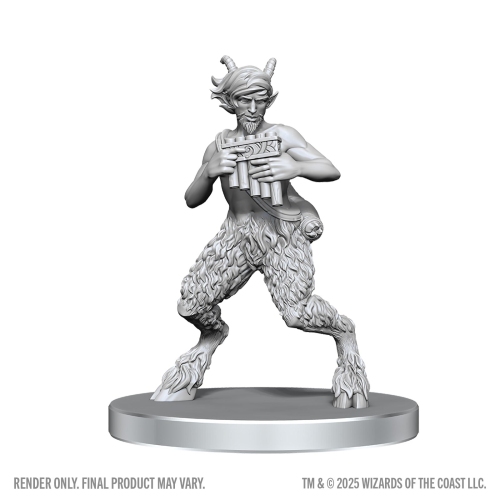
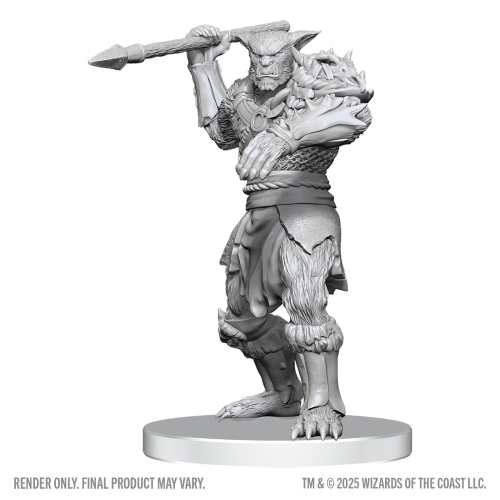
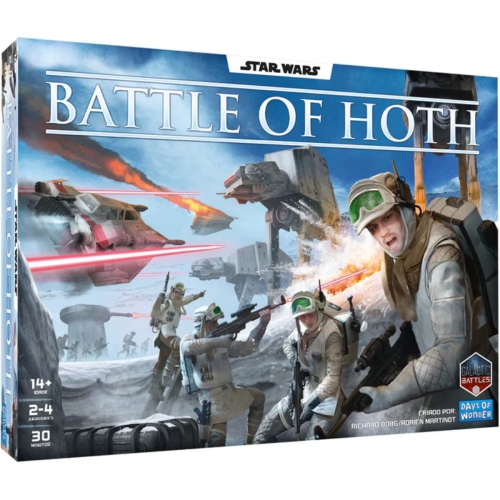
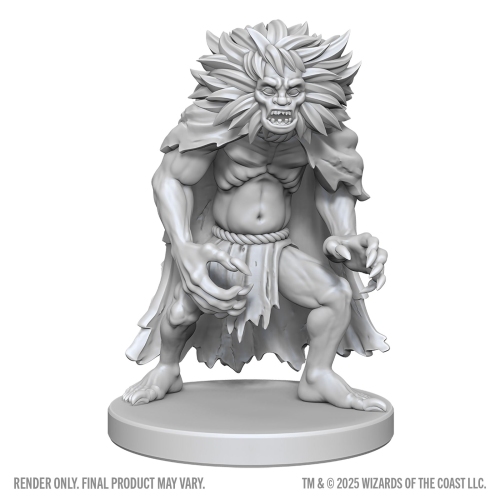
Small figures give every dungeon decision a physical presence
Fantasy board games with miniatures bring imaginary worlds to the tabletop through physical character figures, illustrated boards, and rules that turn movement, combat, and exploration into shared adventures. A small warrior standing at a dungeon doorway makes the next decision tangible: hold the entrance, search the chamber, or help an ally surrounded by monsters. The miniatures represent heroes, enemies, and sometimes terrain or objects, giving players a clear view of where the action is happening. Depending on the game, those positions can affect attack range, line of sight, movement, and access to objectives. The category spans cooperative dungeon crawlers, competitive arena battles, and story-driven campaigns, with different levels of complexity and commitment. In a cooperative game, players typically work towards a shared goal while cards, dice, scenario rules, or a compatible app control the opposition. Other formats put one player in charge of the adversaries or have players lead rival teams. Campaign games connect individual sessions through an ongoing story, sometimes allowing characters to gain abilities or carry equipment into later adventures. Standalone scenarios offer a more contained experience, with a beginning and ending that fit into a single gathering. Not every fantasy miniatures board game involves a lengthy narrative; some focus on tactical positioning, carefully timed abilities, and competing objectives. This variety makes the theme appealing to fantasy readers, tabletop role-playing fans, miniature painters, and players who enjoy seeing a battle unfold rather than tracking it entirely through cards or tokens. For groups drawn to planning and player interaction across a broader range of tabletop formats, Fantasy Strategy Board Games offers a related theme to explore. Within miniature-based games, the most meaningful distinction is often how the figures support play: as characters in an unfolding adventure, units in a tactical contest, or a mix of both. A richly sculpted creature can add drama, but readable rules and useful player aids help keep attention on the decisions around the table.
Player count, session length, and the way a group likes to interact all shape how a fantasy miniatures board game fits into regular game nights. A listed player range does not necessarily mean every participant controls just one figure; some games ask each player to manage several characters, while others assign a single hero with a focused set of abilities. Solo modes may involve controlling a party or following a separate set of rules, so their structure matters as much as the presence of a solo option. At a full table, shared planning can be a highlight, especially when one character draws an enemy away while another reaches an objective. Groups that prefer independent decisions may enjoy competitive play or cooperative systems with distinct individual roles. Age recommendations and rules complexity are useful considerations for family play, alongside reading demands, small parts, and the intensity of the artwork or story. A younger player might follow straightforward movement and dice rolls comfortably but need help managing several ability cards and exceptions. For adults with limited time, setup and packing away deserve attention alongside the stated playing time. Sorting enemy figures, arranging map tiles, and preparing decks can add to the length of an evening, particularly during the first few sessions. Campaign formats often suit a regular group that enjoys returning to familiar characters, while self-contained adventures can be easier for gatherings where attendance changes. Table space matters, too: a sprawling dungeon may need room beyond the board for character sheets, cards, dice trays, and figures waiting to enter play. App-assisted formats can add narration or manage hidden information, although device compatibility and any connection requirements need to match the household’s setup. As gifts, these games can suit someone who enjoys fantasy storytelling, strategic puzzles, or hands-on hobbies, especially when the play style matches their usual group. During the cooler months, a shared tabletop adventure can give friends or family an engaging reason to settle in for an evening, whether the session ends with a narrow escape or a hard-earned victory.
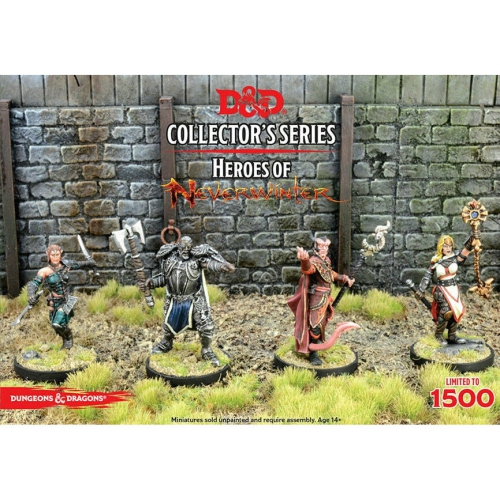
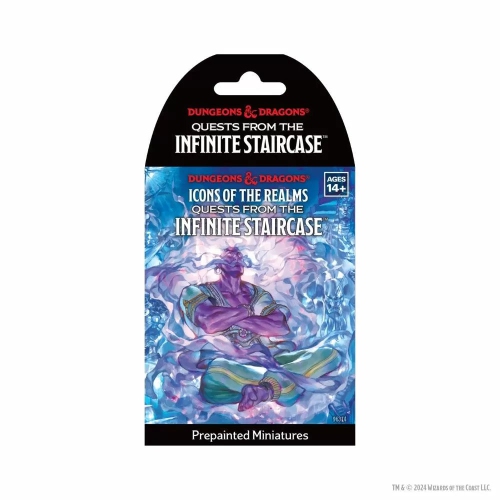
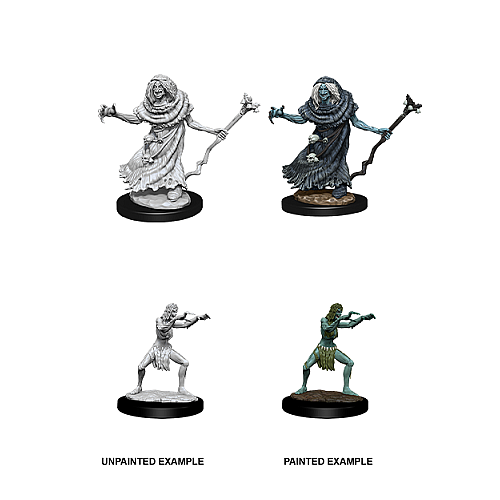
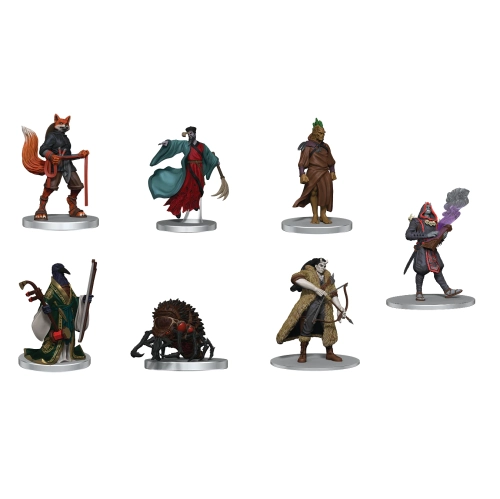
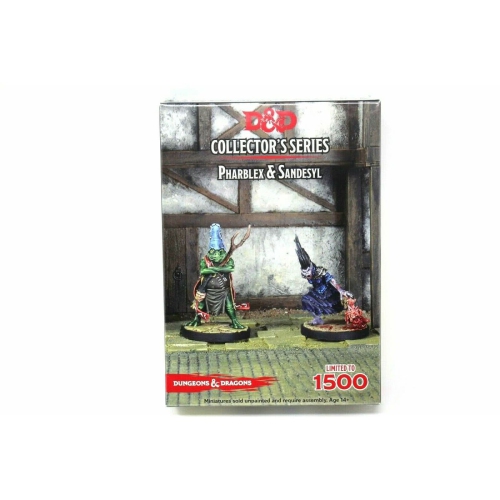
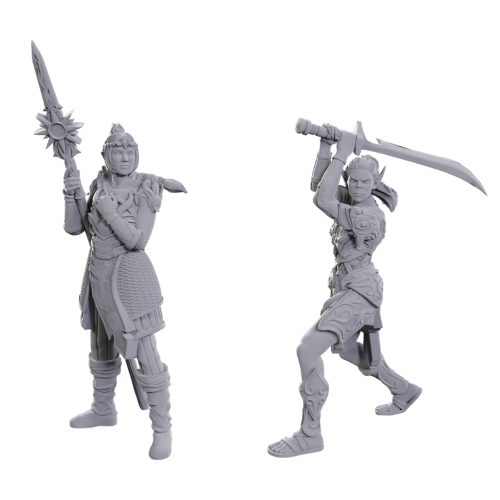
The physical construction of fantasy board games with miniatures influences both their table presence and how they hold up to repeated handling. Miniatures are often moulded plastic, although materials vary, and figures may arrive unpainted, prepainted, fully assembled, or with parts that require assembly. Unpainted figures can be used as supplied when the game’s components are otherwise ready for play; painting is generally a separate hobby choice rather than a requirement. Sculpted armour, textured fur, and raised symbols give painters details to work with, while distinct silhouettes and base shapes can help everyone identify figures during a crowded encounter. Fine projecting details, such as sword tips, wings, and staffs, may need gentler handling than a compact figure with a broad base. Lifting a miniature by its base rather than a slender feature helps limit strain, and a stable, uncluttered playing surface reduces accidental knocks. Cardboard map tiles, character boards, cards, and tokens also receive frequent handling, so overall durability depends on more than the figures alone. Dry hands, drinks kept away from the play area, and careful packing help protect printed surfaces and fitted tile edges. Card sleeves may help with heavily shuffled decks, provided their dimensions suit the cards and leave enough room in the storage insert. Compartments or suitable protective padding can keep figures from rubbing together in transit, particularly after painting. Storage works best when tall or delicate miniatures are not pressed beneath rulebooks or heavy stacks of tiles. For cleaning, follow the manufacturer’s directions and use a gentle approach; a soft brush can lift loose dust, while harsh cleaners may damage paint or finishes. Any assembly adhesive, primer, or paint should be appropriate for the stated material. Expansions and extra figures also need explicit compatibility with the base game, since a similar fantasy style does not make components interchangeable. Thoughtful component design makes a practical difference over many sessions: figures that are easy to distinguish, boards that sit flat, and organised storage let players spend less time sorting pieces and more time exploring the next chamber.
Player count, session length, and the way a group likes to interact all shape how a fantasy miniatures board game fits into regular game nights. A listed player range does not necessarily mean every participant controls just one figure; some games ask each player to manage several characters, while others assign a single hero with a focused set of abilities. Solo modes may involve controlling a party or following a separate set of rules, so their structure matters as much as the presence of a solo option. At a full table, shared planning can be a highlight, especially when one character draws an enemy away while another reaches an objective. Groups that prefer independent decisions may enjoy competitive play or cooperative systems with distinct individual roles. Age recommendations and rules complexity are useful considerations for family play, alongside reading demands, small parts, and the intensity of the artwork or story. A younger player might follow straightforward movement and dice rolls comfortably but need help managing several ability cards and exceptions. For adults with limited time, setup and packing away deserve attention alongside the stated playing time. Sorting enemy figures, arranging map tiles, and preparing decks can add to the length of an evening, particularly during the first few sessions. Campaign formats often suit a regular group that enjoys returning to familiar characters, while self-contained adventures can be easier for gatherings where attendance changes. Table space matters, too: a sprawling dungeon may need room beyond the board for character sheets, cards, dice trays, and figures waiting to enter play. App-assisted formats can add narration or manage hidden information, although device compatibility and any connection requirements need to match the household’s setup. As gifts, these games can suit someone who enjoys fantasy storytelling, strategic puzzles, or hands-on hobbies, especially when the play style matches their usual group. During the cooler months, a shared tabletop adventure can give friends or family an engaging reason to settle in for an evening, whether the session ends with a narrow escape or a hard-earned victory.
The physical construction of fantasy board games with miniatures influences both their table presence and how they hold up to repeated handling. Miniatures are often moulded plastic, although materials vary, and figures may arrive unpainted, prepainted, fully assembled, or with parts that require assembly. Unpainted figures can be used as supplied when the game’s components are otherwise ready for play; painting is generally a separate hobby choice rather than a requirement. Sculpted armour, textured fur, and raised symbols give painters details to work with, while distinct silhouettes and base shapes can help everyone identify figures during a crowded encounter. Fine projecting details, such as sword tips, wings, and staffs, may need gentler handling than a compact figure with a broad base. Lifting a miniature by its base rather than a slender feature helps limit strain, and a stable, uncluttered playing surface reduces accidental knocks. Cardboard map tiles, character boards, cards, and tokens also receive frequent handling, so overall durability depends on more than the figures alone. Dry hands, drinks kept away from the play area, and careful packing help protect printed surfaces and fitted tile edges. Card sleeves may help with heavily shuffled decks, provided their dimensions suit the cards and leave enough room in the storage insert. Compartments or suitable protective padding can keep figures from rubbing together in transit, particularly after painting. Storage works best when tall or delicate miniatures are not pressed beneath rulebooks or heavy stacks of tiles. For cleaning, follow the manufacturer’s directions and use a gentle approach; a soft brush can lift loose dust, while harsh cleaners may damage paint or finishes. Any assembly adhesive, primer, or paint should be appropriate for the stated material. Expansions and extra figures also need explicit compatibility with the base game, since a similar fantasy style does not make components interchangeable. Thoughtful component design makes a practical difference over many sessions: figures that are easy to distinguish, boards that sit flat, and organised storage let players spend less time sorting pieces and more time exploring the next chamber.
Top selling and popular products
-
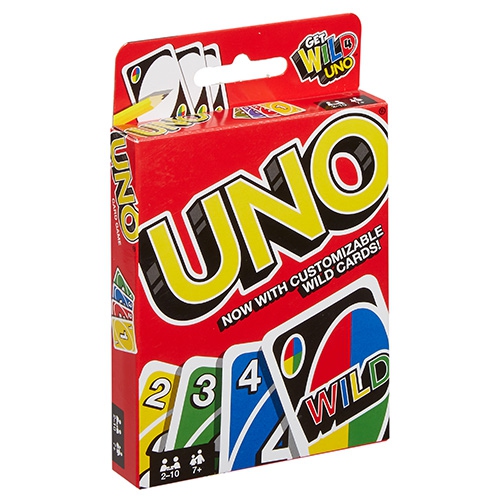 Your price for this item is $14.99
 -
 Your price for this item is $34.99
 -
 Your price for this item is $15
 -
 Your price for this item is $21.99
 -
 Your price for this item is $34.99
 -
 Your price for this item is $35.59
 -
 Your price for this item is $20.93
 -
 Your price for this item is $31.99
Discover more categories related to Fantasy Board Games With Miniatures
Top Collections:
Pokemon Centers, Kindle Devices, Best Budget Office Chairs, Apple iPhones 16, Best Laptops for Writers, iPhone 15 Apple, Canon G7X Cameras, Refurbished Apple Laptops, Alarm Clock, Motorola Razr Phones
Some products may be subject to Environmental Handling Fees
(EHF) depending on your province.
Learn more about EHFs.