Gold Toys
Looking to add a touch of sophistication and luxury to playtime? Our gold toys collection offers a dazzling array of premium toys that are sure to delight kids and adults alike. From shimmering golden accents to sleek metallic finishes, these toys bring a touch of opulence to every play session. Whether you're searching for the perfect gift or simply want to elevate your toy collection, explore our gold toys selection for a touch of glamour and fun.
Sort


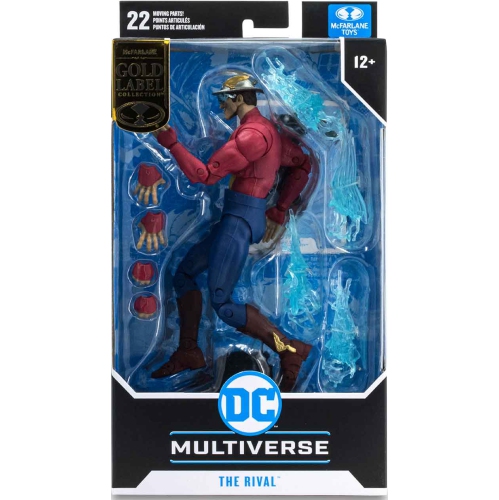


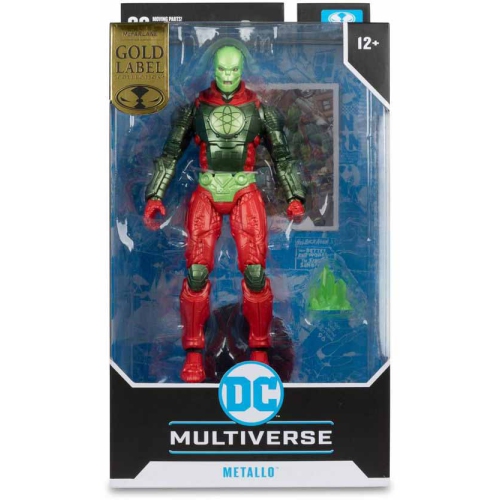


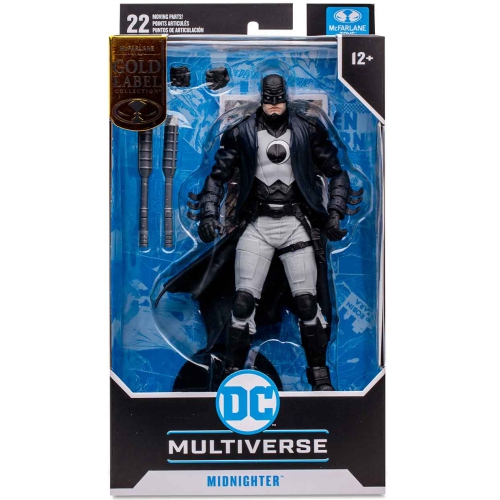


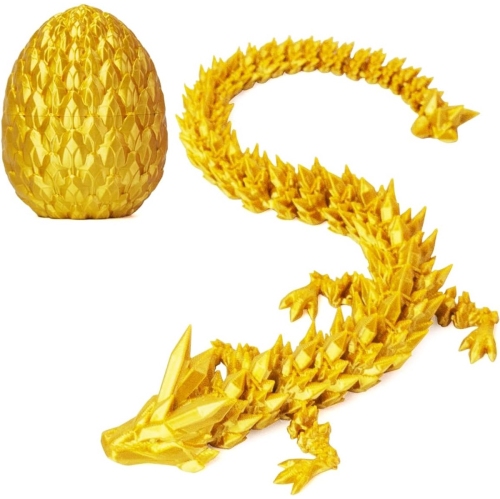


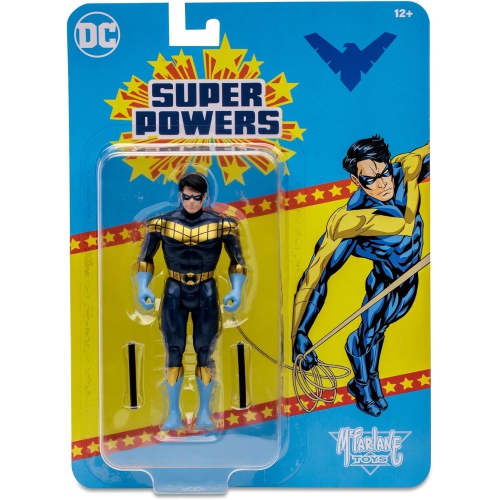


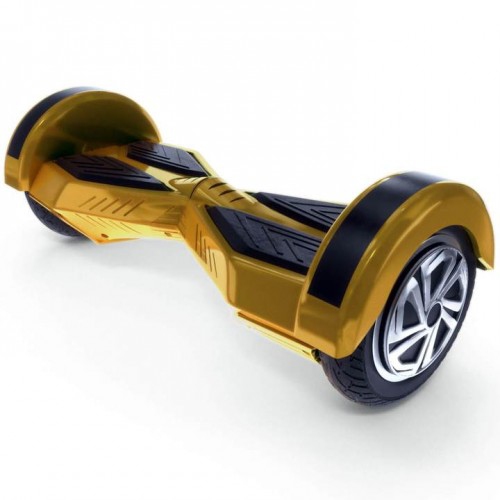

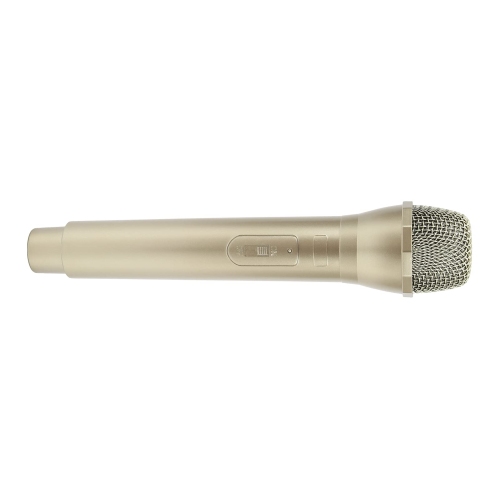
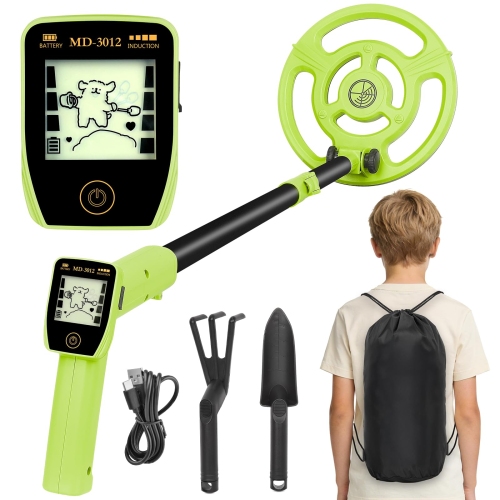


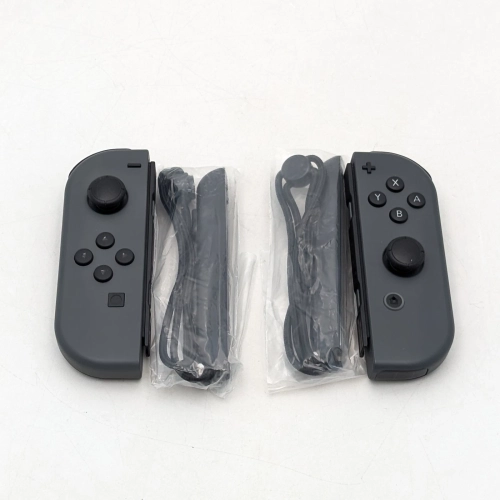
There’s more to a golden finish than shine
Gold toys are playthings and collectibles distinguished by a gold colour, metallic finish, or gold-themed design. The term usually refers to their appearance rather than construction from solid gold. This broad category can include pretend treasure, novelty gold bars, excavation kits, mystery collectibles, action figures, and display pieces. Their appeal comes partly from the way a familiar shape changes with its finish: a miniature figure takes on a trophy-like presence, while a golden brick becomes treasure for an imaginary vault. Some finishes are bright and mirror-like; others have a softer satin sheen or a yellow-gold colour without much reflection. Those differences matter when choosing between something intended for hands-on play and something meant to sit on a shelf. For children, gold-coloured toys can become props in stories about buried treasure, castles, daring rescues, or make-believe shops. A chest filled with pretend riches gives several children different roles, from drawing a map to guarding the treasure or sorting the discoveries. Excavation toys add another kind of activity, with the enjoyment centred on uncovering hidden objects using the tools and materials supplied. Depending on the design, the process may involve brushing, scraping, or sifting, so the experience can be as important as the object revealed. Mystery collectibles offer the anticipation of opening a concealed assortment, sometimes with gold-finished figures identified as special variants. A mystery format does not necessarily guarantee a gold-coloured result; the packaging should explain whether the contents are known, assorted, or part of a larger collection. Collectible figures and statues serve a different purpose again, emphasizing sculpted detail, a distinctive finish, or a coordinated display. Although these categories share a visual theme, they are not interchangeable. A lightweight prop suited to imaginative play, a hands-on discovery activity, and a finely detailed display figure each offer a different experience, making intended use a more useful starting point than colour alone.
Materials and construction help determine how a gold toy feels, how it can be handled, and how its finish wears over time. Moulded plastic can provide crisp shapes and a relatively lightweight feel, while foam creates a softer prop that is easier to carry during pretend play. Metal components add weight, but a heavier object is not automatically better suited to a child. Painted, coated, and plated surfaces also behave differently: a shiny outer layer may show fingerprints or scratches, and raised edges can receive more wear than recessed details. For toys that will be passed around, packed into a play bin, or used repeatedly in storytelling, sturdy joints and securely attached parts matter more than an elaborate surface finish. Moving features should work without excessive force, and any accessories should suit the user’s age and ability. Small figures, loose gems, detachable tools, and other little pieces require particular attention to the age recommendation and choking warnings. Packaging intended for adult collectors should not be treated as evidence that the contents are appropriate for young children. Size is another practical consideration. A prop needs to fit comfortably in the user’s hands, a wearable play accessory needs the intended fit, and a display piece needs enough space for its full height and any projecting parts. For excavation activities, a shallow tray or washable work surface can help contain loose material, while a separate container keeps recovered pieces together. Adult supervision should follow the instructions, particularly when tools or small components are involved. Care should also match the material rather than the colour. A soft, dry cloth is often useful for removing dust from metallic finishes, but washing, soaking, or applying cleaning products should depend on the manufacturer’s directions. Abrasive scrubbing can dull a coating, and water may damage parts that are not designed to get wet. Keeping detailed collectibles separate from rough play accessories helps prevent accidental scuffs; storing activity components together makes the next session easier to set up.
The best match often comes from the recipient’s existing interests and the way the toy will become part of their routine. A child who enjoys making up elaborate stories may get more use from open-ended pretend treasure than from a figure intended mainly for display. Someone who likes patient, hands-on activities may prefer the process of uncovering and sorting hidden pieces. A collector may care most about the scale, sculpting, pose, or consistency of the gold finish beside other figures. For a birthday gift, those preferences are more informative than assuming that every gold-coloured toy appeals to the same person. Age suitability remains important even when a gift looks playful, and the amount of setup or cleanup can affect how easily an activity fits into a household. Shared play works particularly well when there are clear roles and enough suitable pieces for everyone involved: one child can prepare the treasure map while another arranges the hiding place, with the discoveries gathered at the end. For collecting, checking the stated contents helps distinguish a clearly identified gold-finished piece from an assortment that may contain other colours. Details such as included accessories, assembly requirements, and display supports can also change the experience. A figure that looks balanced in a photograph may need its supplied base, and delicate projections need room so they do not catch on neighbouring objects. Gold finishes are especially noticeable against plain backgrounds, where their shape and surface detail remain easy to see. A small grouping with space between pieces can look more considered than a crowded shelf, while enclosed storage may help limit dust on intricate surfaces. A display area can also coordinate with Gold Furniture, carrying the same metallic accent into the surrounding room. Whatever the setting, toys intended for children should remain separate from fragile collector pieces that are not suitable for handling. Choosing by purpose, age, construction, and personal interest gives the gold theme a practical place, whether that is in a treasure-hunt game, a discovery activity, or a carefully arranged collection.
Top selling and popular products
-
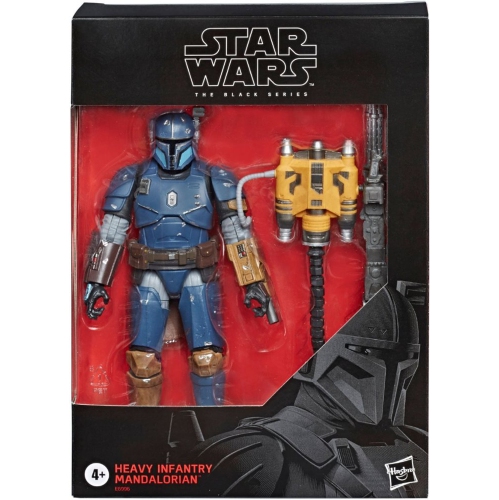 Your price for this item is $35.64
-
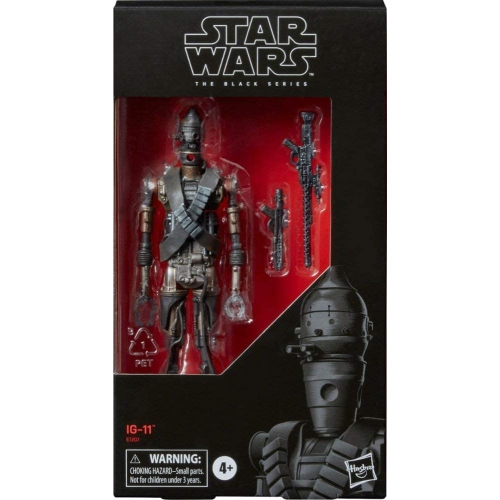 Your price for this item is $42
-
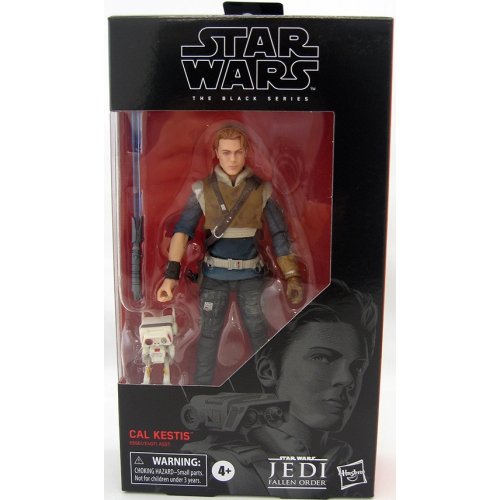 Your price for this item is $41.39
-
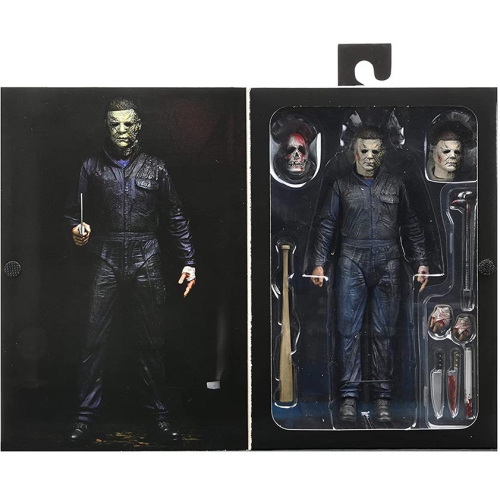 Your price for this item is $81
-
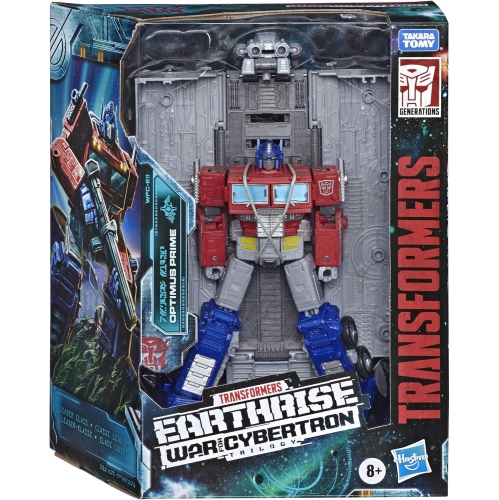 Your price for this item is $79.97
-
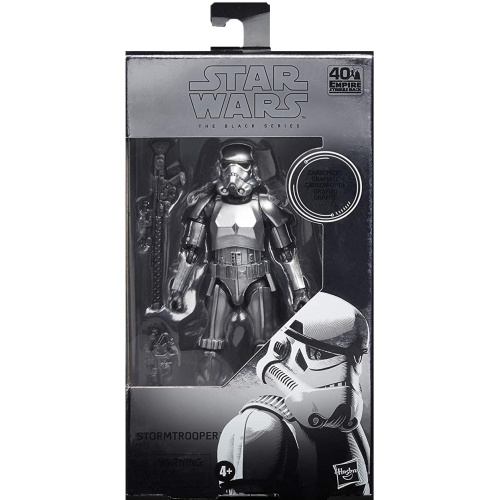 Your price for this item is $46
-
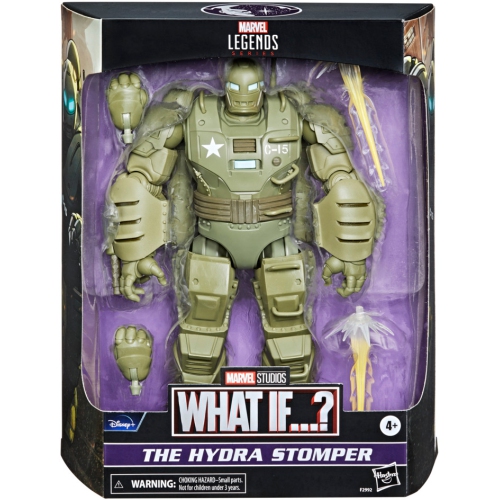 Your price for this item is $73.59
-
 Your price for this item is $36.79
Discover more categories related to Gold Toys


Top Collections:
Pokemon Centers, Kindle Devices, Best Budget Office Chairs, Canon G7X Cameras, Apple iPhones 16, Samsung Galaxy Phones, Refurbished Apple Laptops, Laptops for Students, iPhone 15 Apple, Budget Smartphones
Some products may be subject to Environmental Handling Fees
(EHF) depending on your province.
Learn more about EHFs.