Gymnastics Bars
Our collection of gymnastics bars offers the perfect solution for aspiring gymnasts of all ages. Whether you're a beginner looking to improve your skills or a seasoned athlete aiming to enhance your routine, these sturdy and versatile bars provide the ideal platform for practicing various moves and exercises. With durable construction and adjustable features, you can customize the height and width to suit your needs, making them a must-have addition to any home gym or training space. Browse our selection today and take your gymnastics training to new heights!
Sort















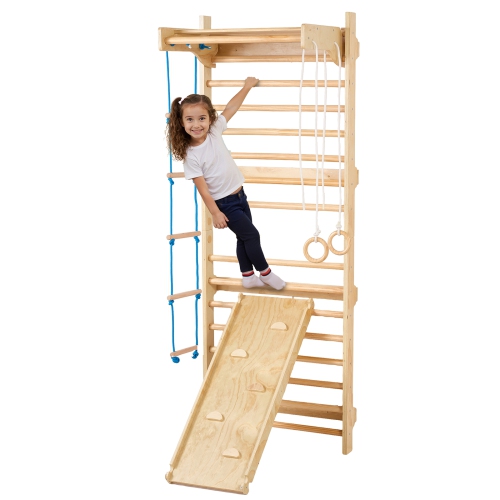
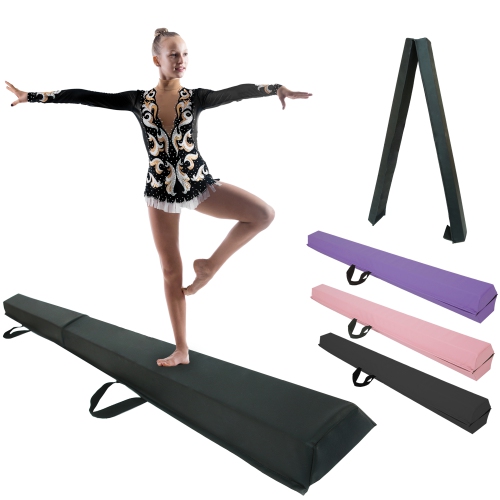

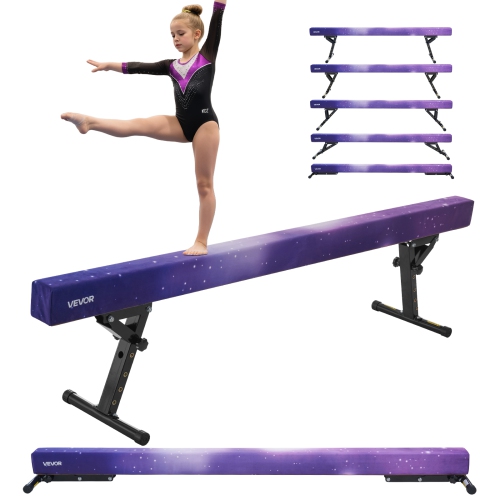
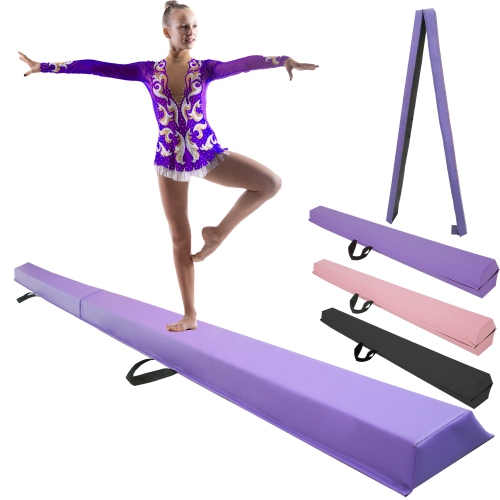
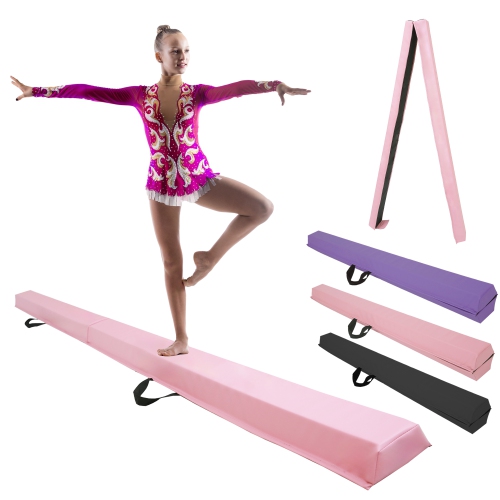

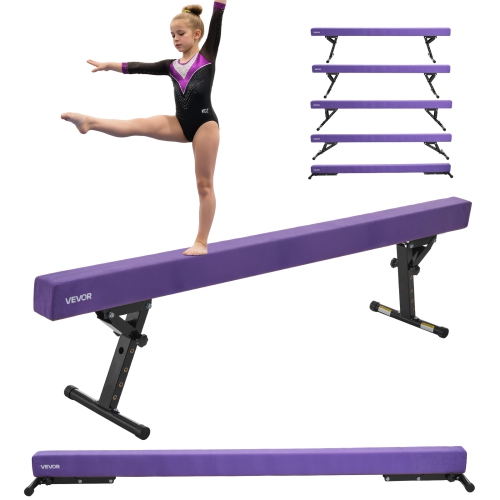

Key considerations for a stable, well-padded home setup
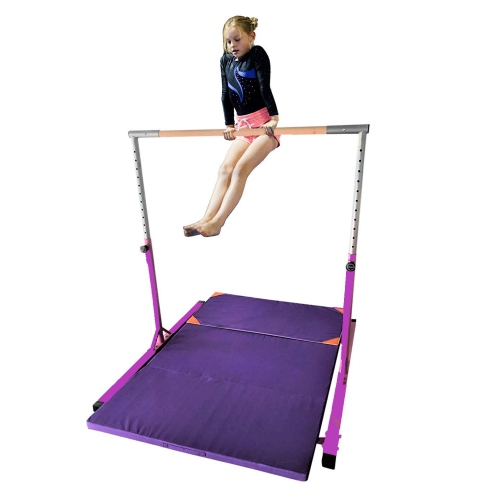
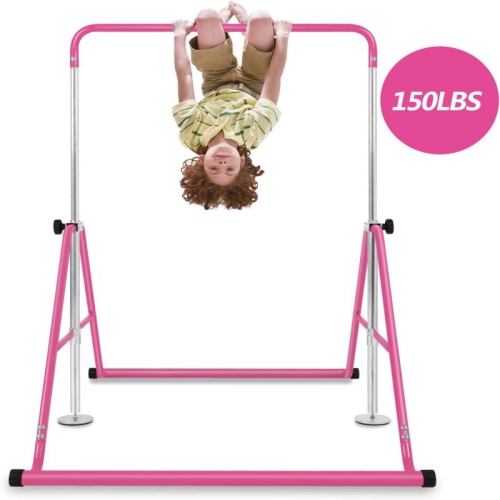
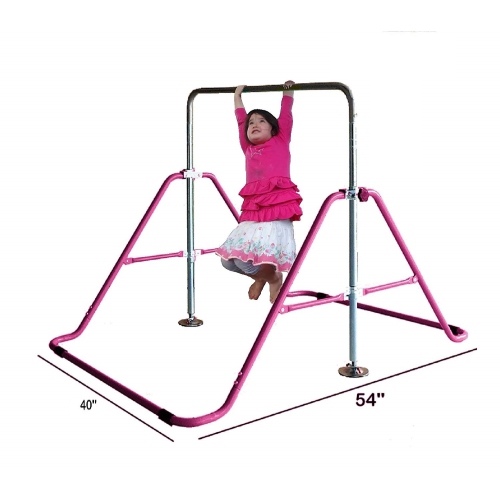
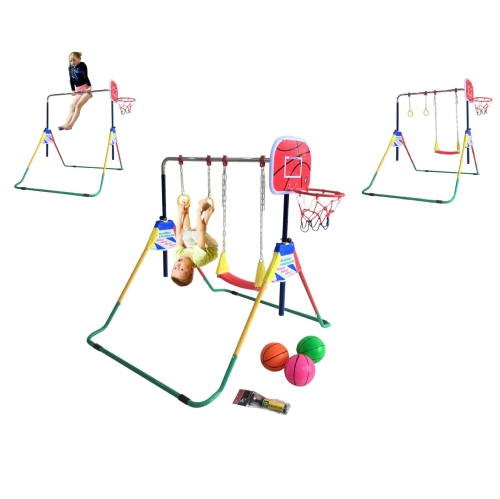
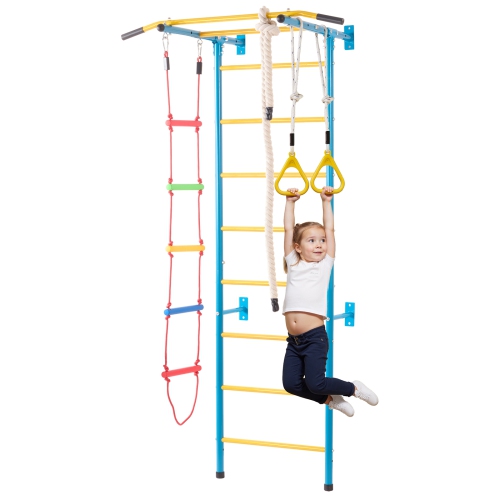
Gymnastics bars bring structured movement practice into a home, training room, or recreational space, giving gymnasts a dedicated place to build strength, coordination, balance, and confidence. The right bar depends on the type of movement being practised and the person using it. A horizontal bar supports swings, pullovers, chin-ups, holds, and progressions that develop grip and upper-body control, while uneven bars allow practice with two rails set at different heights for transitions, casts, leg lifts, and other connected movements. Parallel bars are designed for supported holds, swings, and strength exercises between two rails. Home training bars, including adjustable and folding styles, are often chosen by younger gymnasts, beginners, recreational athletes, and families looking for an indoor activity during the cooler months. They can be useful for short, regular sessions between club practices or as a way to keep familiar movements going when outdoor play is less appealing. A gymnastics bar may also make a thoughtful gift for a child who enjoys tumbling, dance, acrobatics, or active play, provided the available space, supervision needs, and skill level are considered before purchase. For a broader selection of fitness and training equipment, explore Gym Bars.
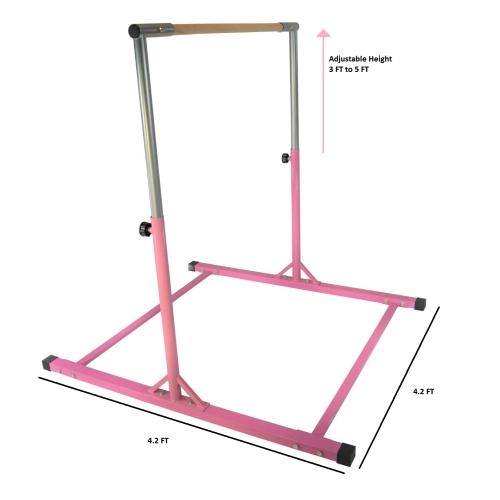
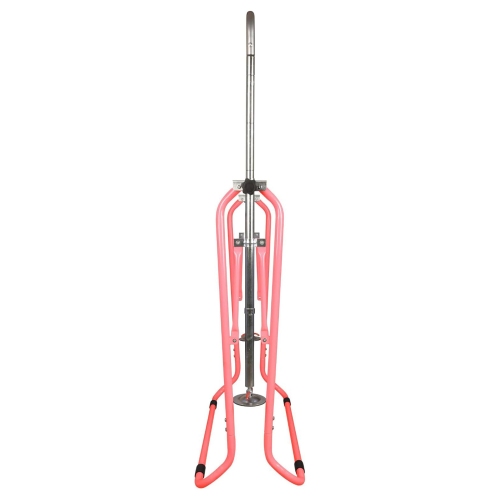
Stability should be the first consideration when comparing gymnastics bars. Look for a broad, well-supported base and a frame that remains steady during swinging, mounting, dismounting, and other dynamic movements. The listed weight capacity is important, but it should be understood in relation to activity rather than treated as a simple measure of body weight. Gymnastics creates shifting forces as the user moves, so the bar should be rated for the intended gymnast and the movements they plan to perform. Height adjustment is another practical feature, particularly for growing children or households with more than one user. Multiple height settings can support beginner drills at a lower level before the gymnast progresses to higher positions, while secure locking pins, knobs, and bolts help keep the frame in place. Check that adjustments can be made smoothly and that every locking point is fully engaged before use. Folding designs may be convenient where equipment needs to be stored between sessions, but the folded dimensions and setup process are worth considering in advance. Measure the room, including ceiling height and clearance around the frame, rather than relying only on the footprint shown in a listing. Leave enough open space for mounting, landing, stretching, and supervised movement, and keep the setup away from sharp furniture, glass, doorways, and busy walkways. A thick gymnastics mat placed beneath and around the bar is an essential part of a home setup, helping cushion landings and providing a more comfortable surface for drills. Mats should lie flat, cover the likely landing area, and be appropriate for the movements being practised; they do not replace instruction, supervision, or safe technique.
Gymnastics bars can serve different users at different stages, from a child learning basic body shapes to an experienced athlete refining familiar skills outside regular training hours. Beginners may use a bar for supported hangs, knee raises, tuck holds, controlled leg lifts, and simple pullovers taught by a qualified coach. More advanced gymnasts may use a suitable setup for kip progressions, hip circles, casts, swings, and strength work, but advanced skills require proper instruction and should not be attempted simply because a bar is available at home. Younger children should always be supervised closely, especially while mounting, dismounting, changing the height, or working near the edge of a mat. Adults should inspect the frame and hardware regularly for loose fasteners, damaged padding, bent components, or signs that the bar is shifting during use. It is also helpful to establish a simple routine: clear the area, check the mat, confirm the height and locks, warm up, practise one skill at a time, and put the equipment away when the session is finished. During the cooler months, a home bar can make indoor practice more consistent, but short sessions with careful attention to form are generally more useful than rushing through a long workout. When selecting a gymnastics bar, match the design to the gymnast’s age, height, experience, goals, and available room, then consider adjustability, portability, construction, stability, and compatible safety mats together. A well-matched setup can support playful movement, regular skill development, and a stronger connection to gymnastics at home.
Top selling and popular products
-
 Your price for this item is $3879.99
-
 Your price for this item is $126.01
-
 Your price for this item is $322.09
-
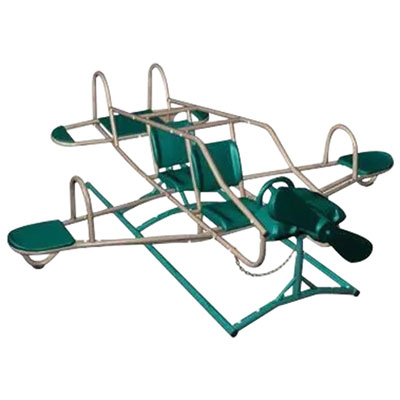 Your price for this item is $771.98
-
 Your price for this item is $99.98
-
 Your price for this item is $229.99
-
 Your price for this item is $307.99
-
 Your price for this item is $490.17
Discover more categories related to Gymnastics Bars

Top Collections:
Pokemon Centers, Kindle Devices, Best Budget Office Chairs, Canon G7X Cameras, Apple iPhones 16, Samsung Galaxy Phones, Refurbished Apple Laptops, Laptops for Students, iPhone 15 Apple, Budget Smartphones
Some products may be subject to Environmental Handling Fees
(EHF) depending on your province.
Learn more about EHFs.