High Power Telescopes
Whether you're an avid stargazer or simply looking to explore the wonders of the universe, our collection of high power telescopes is here to elevate your celestial experience. With their advanced optics and impressive magnification capabilities, these telescopes offer a gateway to the vastness of space right from the comfort of your own backyard. From capturing detailed views of distant galaxies to observing the intricate features of the moon, our selection of high power telescopes is designed to bring the cosmos closer than ever before. Embark on a cosmic journey and unlock a world of astronomical wonders with our range of powerful telescopes.
Sort
![GREEN SCENIC [Entry-Level Stargazing/long-Range Viewing] 90X High-Power Monocular Telescope 360MM Focal Length Refraction Portable Astronomical](https://multimedia.bbycastatic.ca/multimedia/products/500x500/193/19326/19326211.jpeg)
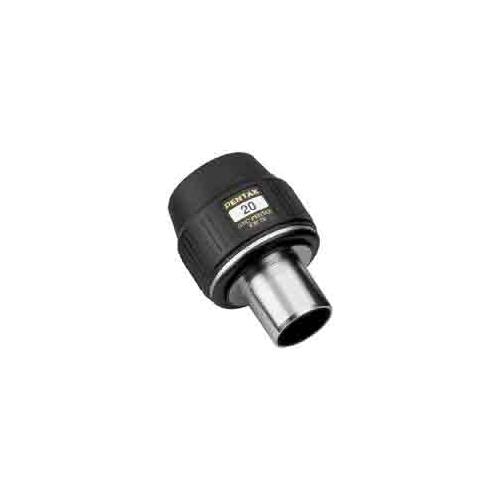
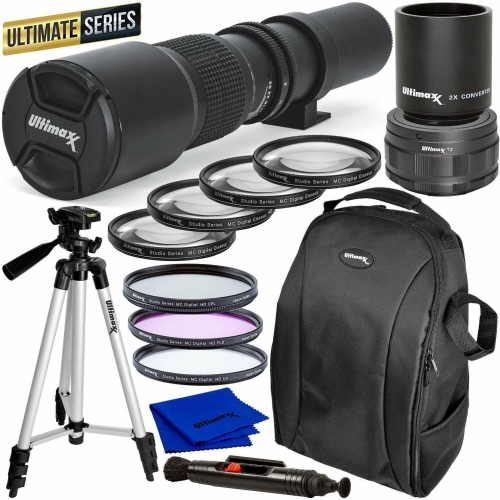
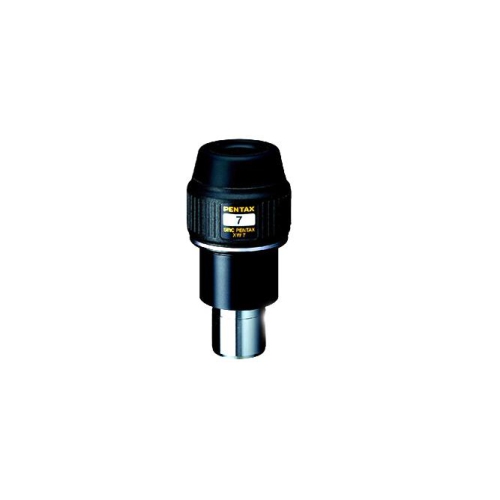
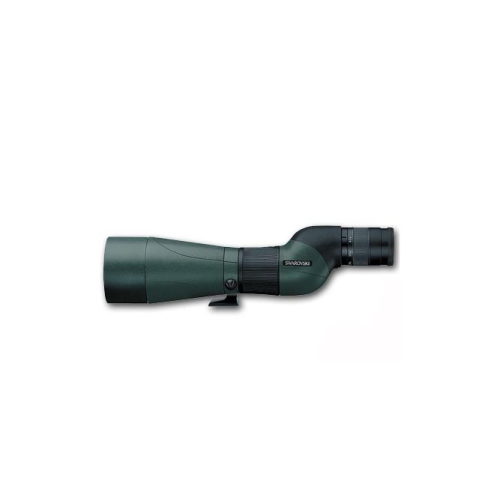
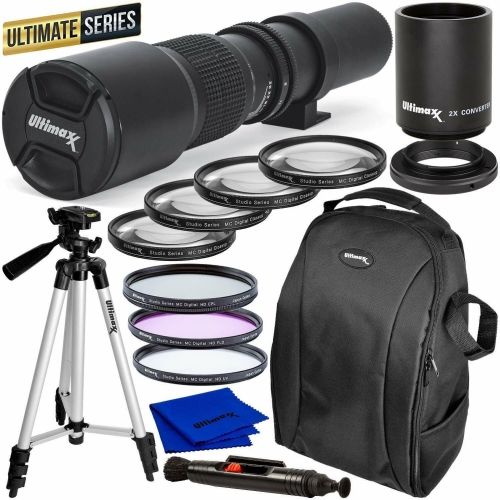
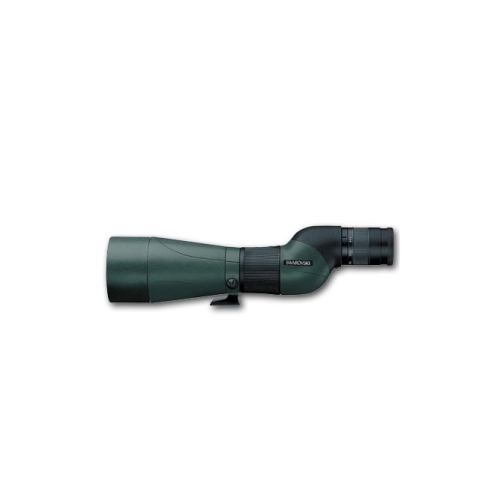
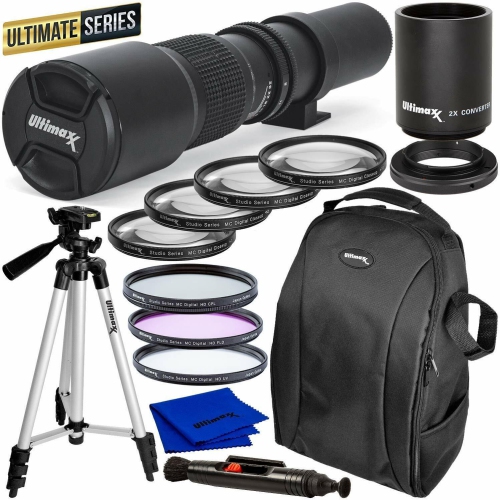
Aperture and stability matter more than magnification alone
High power telescopes bring distant objects closer by combining quality optics, a generous aperture and a stable observing platform. For home astronomy, “high power” does not refer to magnification alone. A telescope with an extremely high magnification setting can still produce a dim, shaky image if its optics or mount are not suited to the task. Aperture—the diameter of the main lens or mirror—is one of the most important specifications because it determines how much light the telescope gathers. More light can reveal finer details on the Moon, brighter views of planets and their moons, and distant deep-sky objects such as star clusters, nebulae and galaxies. Focal length also matters: longer focal lengths can make it easier to achieve useful magnification for lunar and planetary observing, while shorter systems often provide wider views that are helpful for large star fields and some deep-sky targets. A high power telescope is best chosen as a complete observing system, with the optical tube, mount, tripod or base, finder and eyepieces working together. A sturdy mount is particularly important. Even a small vibration from touching the focuser or turning a control can make a planet drift across the view, so a solid manual or motorized mount can make the experience far more enjoyable than a larger optical tube on an unstable support.
The right telescope depends on where and how it will be used. Large reflector telescopes can offer impressive light-gathering capability for backyard observing, while catadioptric designs combine mirrors and lenses in a compact tube that is convenient for users who want substantial aperture without an exceptionally long instrument. Refracting telescopes can provide crisp, high-contrast views and are often straightforward to set up, although larger apertures may increase their size and weight. Before choosing, consider storage space, transport, setup time and the location of the darkest practical observing site. A telescope that can be carried onto a balcony, patio or rural field is more likely to be used regularly than one that requires several people and a vehicle to move. Light pollution from streets and buildings can wash out faint galaxies and nebulae, but it does not prevent enjoyable views of the Moon, planets, double stars and many bright clusters. Users interested in astrophotography should pay close attention to the mount, tracking accuracy, compatible cameras, focusing controls and the telescope’s ability to support accessories. Visual observing and photography have different equipment priorities: a telescope that feels excellent at the eyepiece may not be the simplest choice for long exposures. Eyepiece selection also deserves attention. Lower-power eyepieces help locate and frame large objects, while higher-power eyepieces can bring out lunar craters, planetary bands and other fine details when the atmosphere is steady. Clear, calm nights are not always the sharpest nights; air currents can soften the view, and patient observers often achieve better results by allowing the telescope to reach outdoor temperature before using its highest useful magnification.
High power telescopes can be a memorable gift for an astronomy enthusiast, a family that enjoys learning together or someone who has begun exploring the night sky with an introductory instrument. They can turn an ordinary evening into a hands-on experience: a child may trace the Moon’s rugged edge, a new observer may spot the rings of Saturn-like planets in reference material and then look for similar details through the eyepiece, and experienced stargazers may spend an entire night comparing star colours or searching for a faint object from a prepared observing list. For a gift, it is helpful to match the telescope with the recipient’s patience, physical space and interest level rather than choosing solely by the highest advertised magnification. Beginners often benefit from a simple setup, clear controls and an accessible manual, while experienced users may value a larger aperture, computerized object locating, motorized tracking or compatibility with specialized eyepieces and cameras. Accessories can extend the experience, including a red-light flashlight that helps preserve night vision, a comfortable observing chair, a carrying case and a set of eyepieces suited to different targets. Safe storage is also important: optics should be protected from dust and moisture, and the instrument should be allowed to dry naturally after observing in damp conditions before it is covered. Those who enjoy examining details at a much smaller scale may also appreciate exploring High Power Microscopes, which offer a different way to investigate specimens, textures and structures. Whether used for casual stargazing, family learning, detailed lunar observation or more advanced astronomy, a well-matched high power telescope can encourage careful observation and make the changing night sky feel remarkably close.
The right telescope depends on where and how it will be used. Large reflector telescopes can offer impressive light-gathering capability for backyard observing, while catadioptric designs combine mirrors and lenses in a compact tube that is convenient for users who want substantial aperture without an exceptionally long instrument. Refracting telescopes can provide crisp, high-contrast views and are often straightforward to set up, although larger apertures may increase their size and weight. Before choosing, consider storage space, transport, setup time and the location of the darkest practical observing site. A telescope that can be carried onto a balcony, patio or rural field is more likely to be used regularly than one that requires several people and a vehicle to move. Light pollution from streets and buildings can wash out faint galaxies and nebulae, but it does not prevent enjoyable views of the Moon, planets, double stars and many bright clusters. Users interested in astrophotography should pay close attention to the mount, tracking accuracy, compatible cameras, focusing controls and the telescope’s ability to support accessories. Visual observing and photography have different equipment priorities: a telescope that feels excellent at the eyepiece may not be the simplest choice for long exposures. Eyepiece selection also deserves attention. Lower-power eyepieces help locate and frame large objects, while higher-power eyepieces can bring out lunar craters, planetary bands and other fine details when the atmosphere is steady. Clear, calm nights are not always the sharpest nights; air currents can soften the view, and patient observers often achieve better results by allowing the telescope to reach outdoor temperature before using its highest useful magnification.
High power telescopes can be a memorable gift for an astronomy enthusiast, a family that enjoys learning together or someone who has begun exploring the night sky with an introductory instrument. They can turn an ordinary evening into a hands-on experience: a child may trace the Moon’s rugged edge, a new observer may spot the rings of Saturn-like planets in reference material and then look for similar details through the eyepiece, and experienced stargazers may spend an entire night comparing star colours or searching for a faint object from a prepared observing list. For a gift, it is helpful to match the telescope with the recipient’s patience, physical space and interest level rather than choosing solely by the highest advertised magnification. Beginners often benefit from a simple setup, clear controls and an accessible manual, while experienced users may value a larger aperture, computerized object locating, motorized tracking or compatibility with specialized eyepieces and cameras. Accessories can extend the experience, including a red-light flashlight that helps preserve night vision, a comfortable observing chair, a carrying case and a set of eyepieces suited to different targets. Safe storage is also important: optics should be protected from dust and moisture, and the instrument should be allowed to dry naturally after observing in damp conditions before it is covered. Those who enjoy examining details at a much smaller scale may also appreciate exploring High Power Microscopes, which offer a different way to investigate specimens, textures and structures. Whether used for casual stargazing, family learning, detailed lunar observation or more advanced astronomy, a well-matched high power telescope can encourage careful observation and make the changing night sky feel remarkably close.
Top selling and popular products
-
 Your price for this item is $259.99
 -
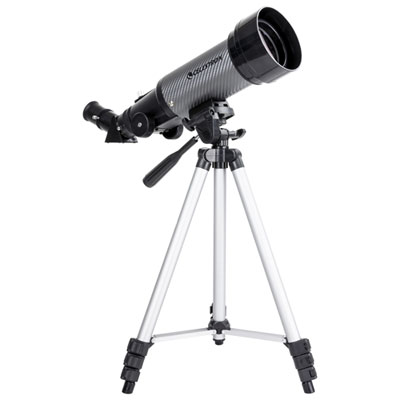 Your price for this item is $199.99
 -
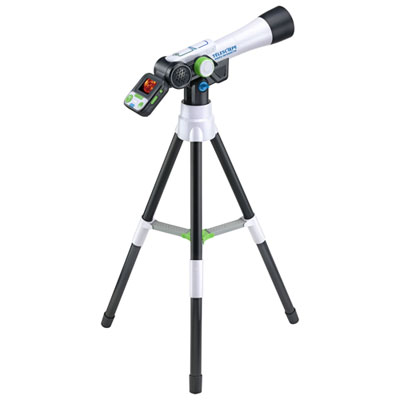 Your price for this item is $109.99
 -
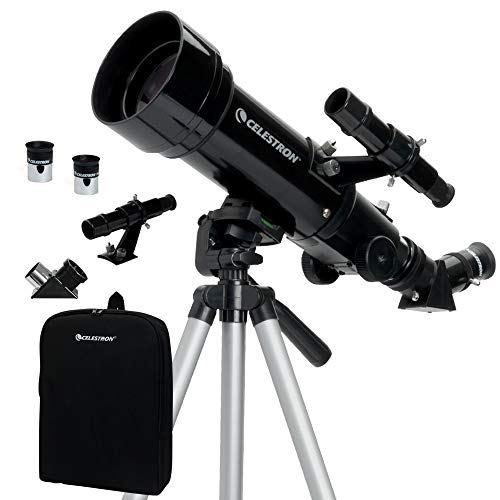 Your price for this item is $264.27
 -
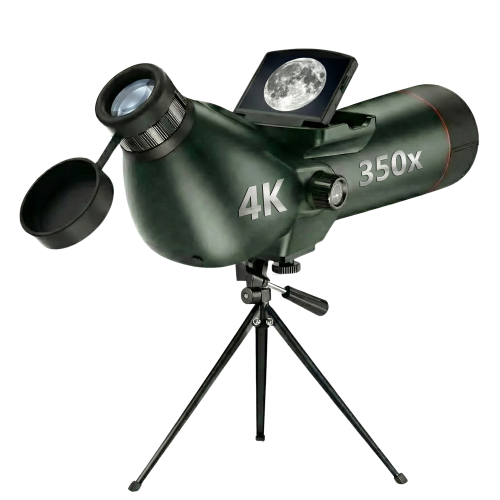 Your price for this item is $389.9
 -
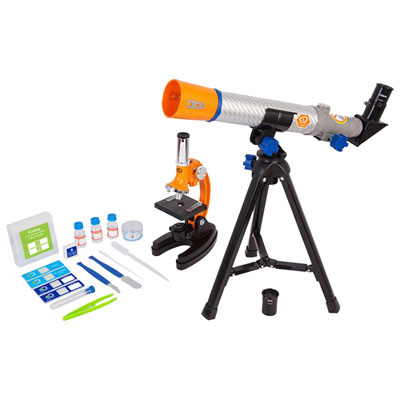 Your price for this item is $69.99
 -
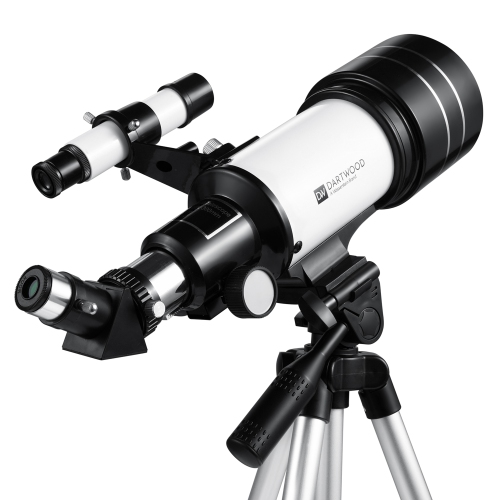 Your price for this item is $119.99
 -
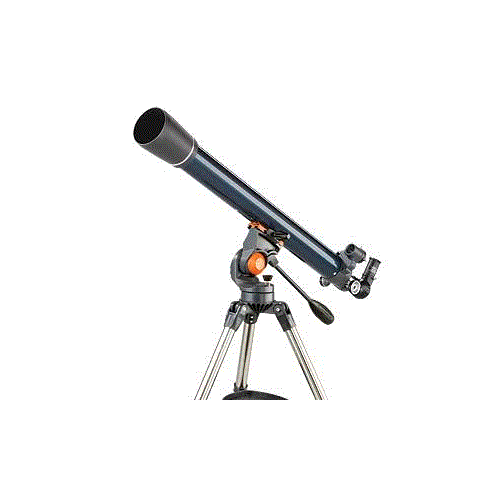 Your price for this item is $399
Discover more categories related to High Power Telescopes

Top Collections:
Pokemon Centers, Kindle Devices, Best Budget Office Chairs, Apple iPhones 16, Best Laptops for Writers, iPhone 15 Apple, Canon G7X Cameras, Refurbished Apple Laptops, Alarm Clock, Motorola Razr Phones
Some products may be subject to Environmental Handling Fees
(EHF) depending on your province.
Learn more about EHFs.