Kids Jeep
If you're looking to add some outdoor fun to your child's playtime, a kids' jeep is a fantastic choice. These miniature vehicles are designed to give little ones the thrill of driving their own car while ensuring safety and entertainment. Whether they're cruising around the backyard or exploring the local park, a kids' jeep is sure to spark their imagination and keep them active. With realistic features and easy-to-use controls, these mini jeeps are perfect for young adventurers ready to embark on exciting journeys.
Sort
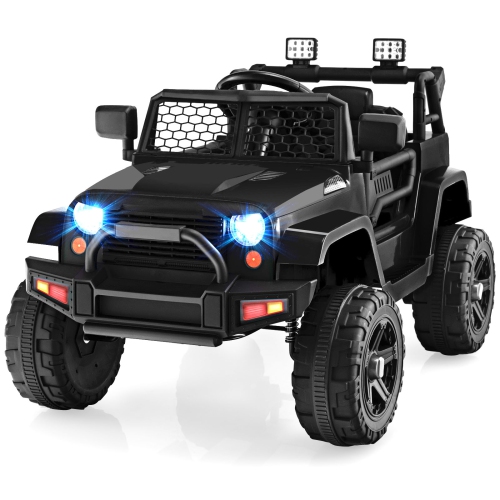
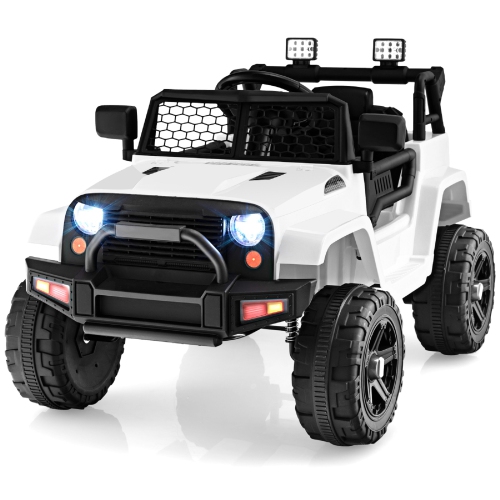
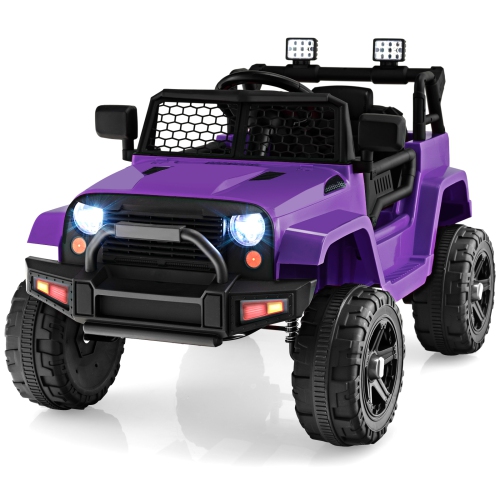
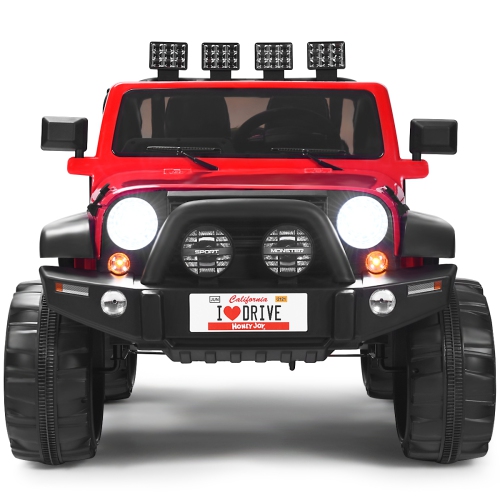
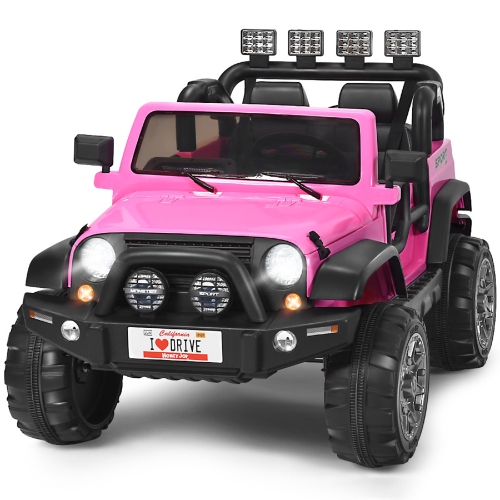
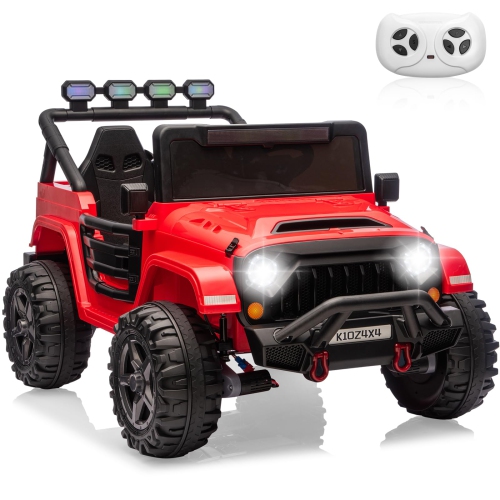
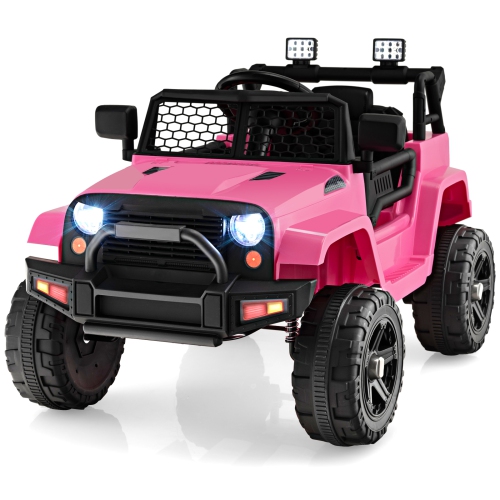


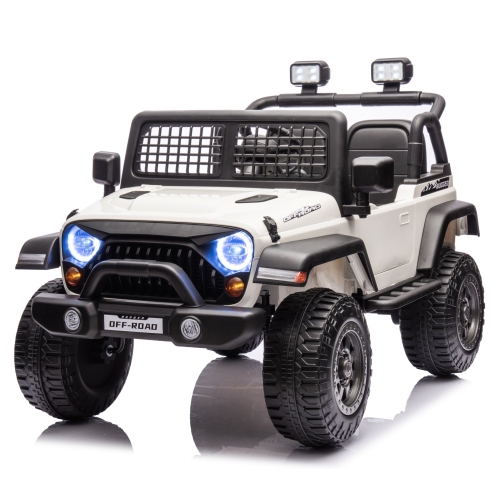
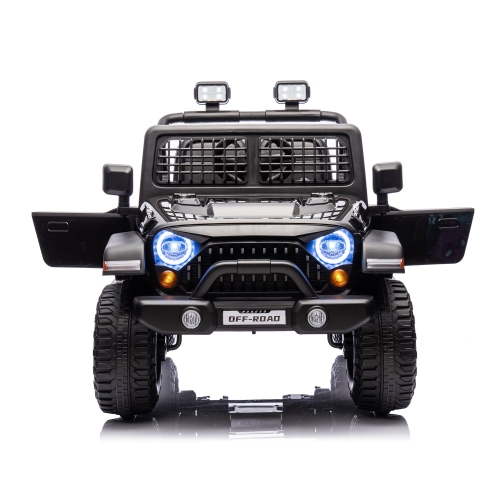

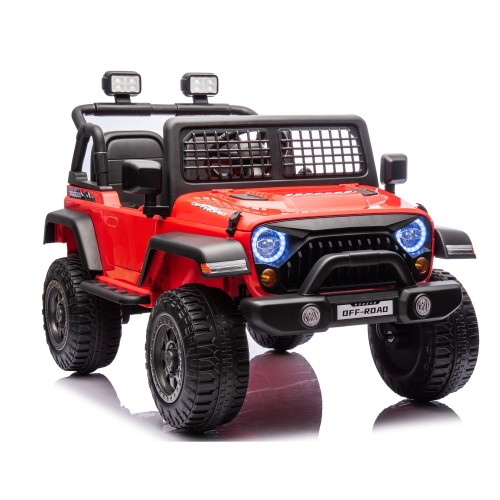


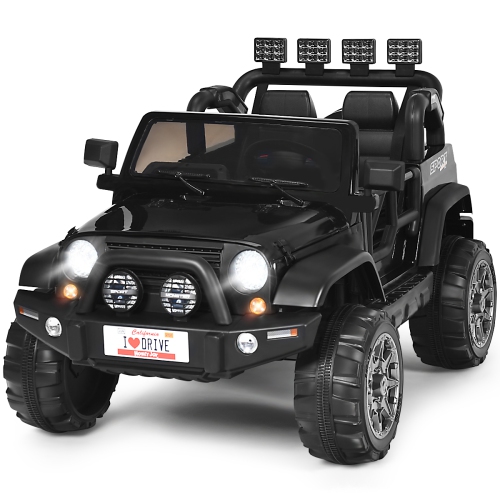


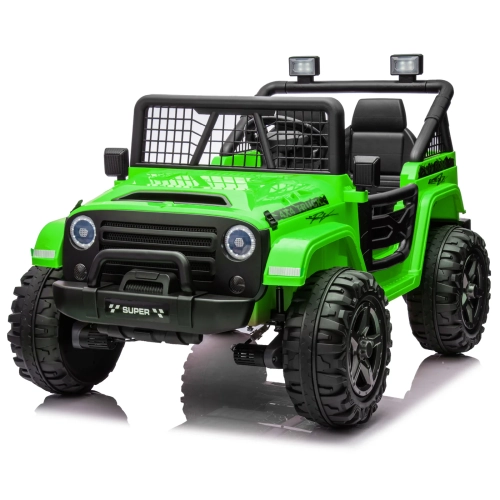
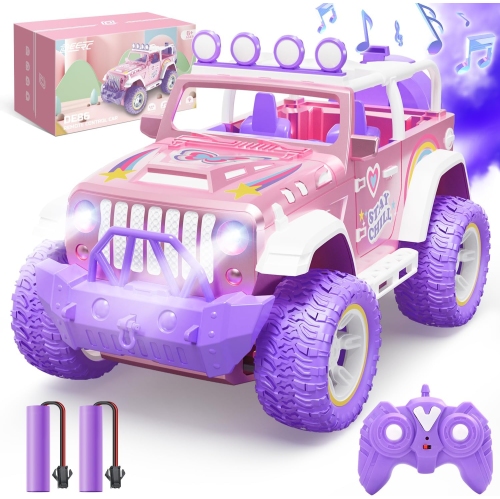


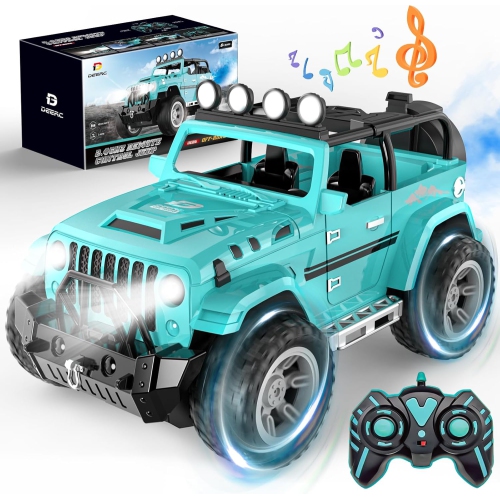

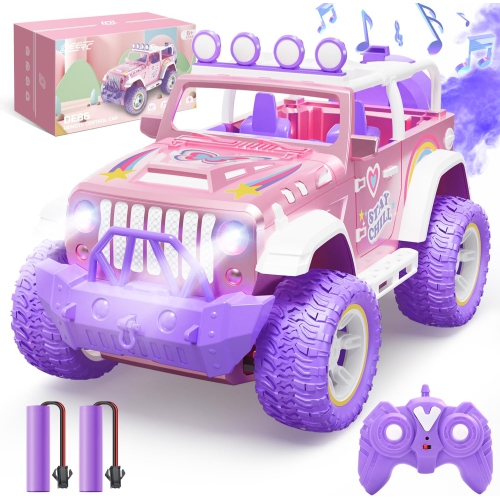
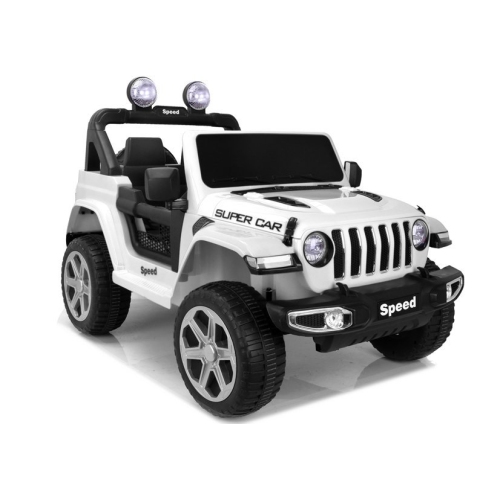
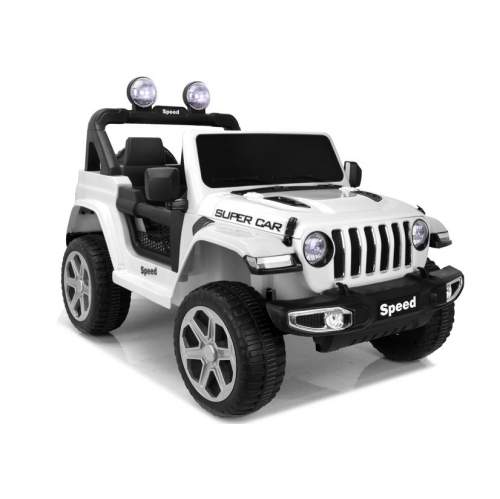
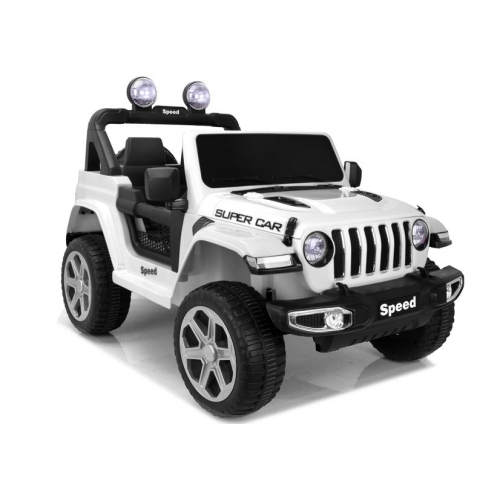
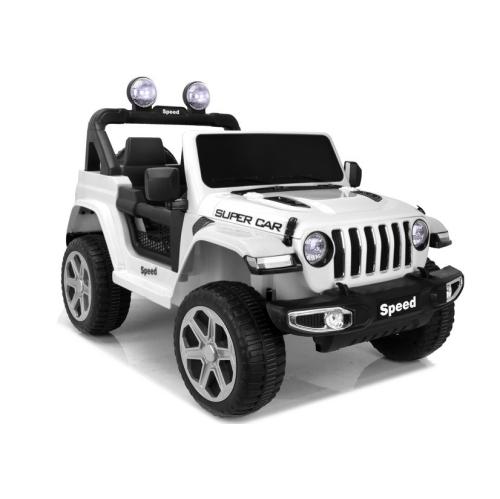


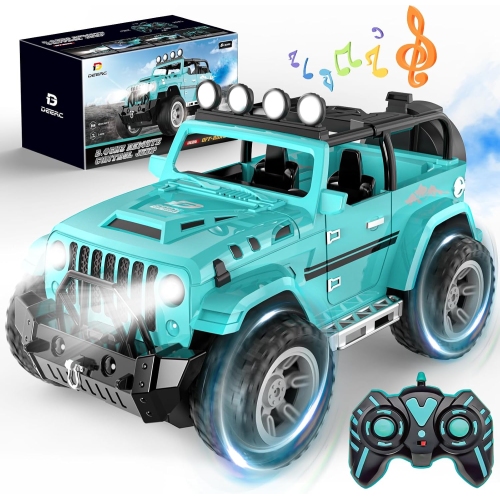

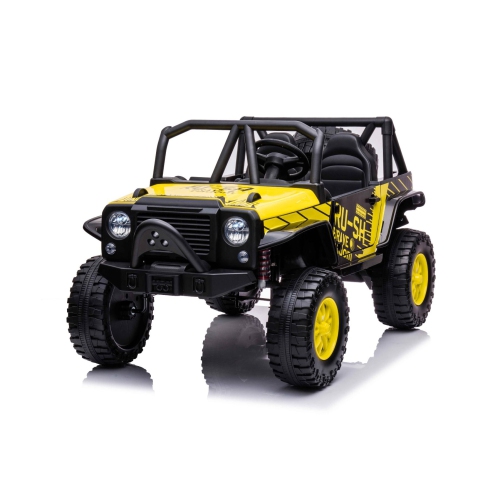
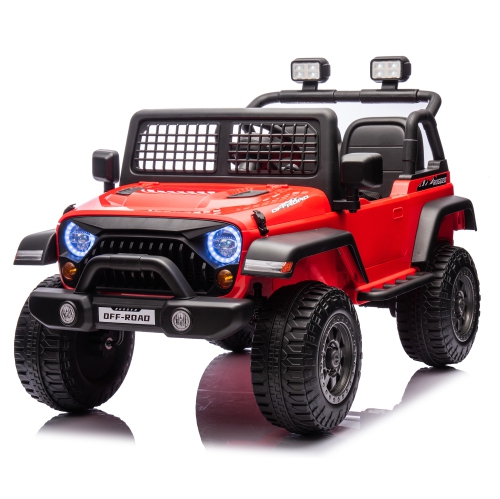
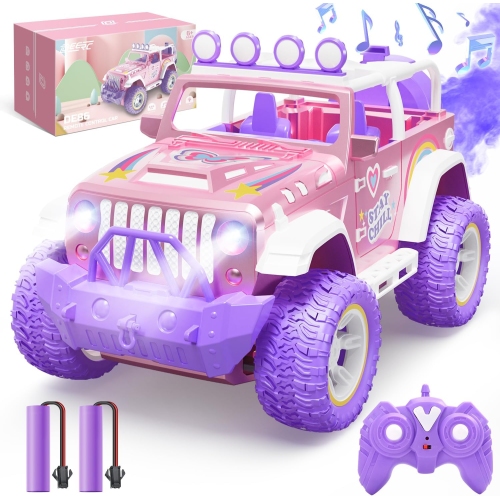
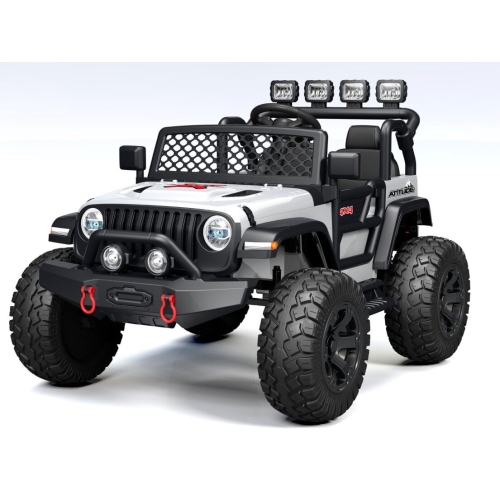
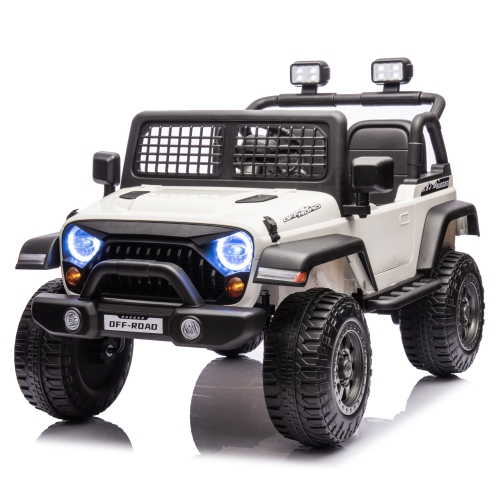
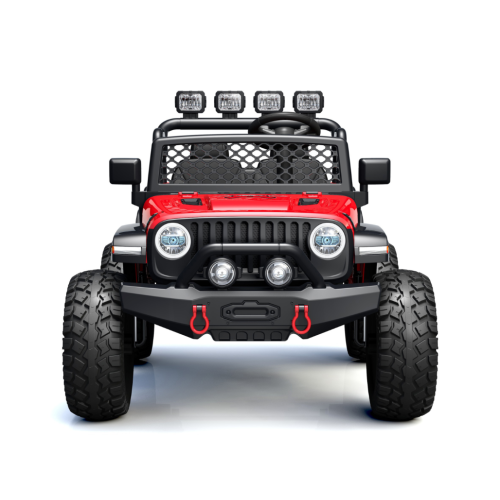
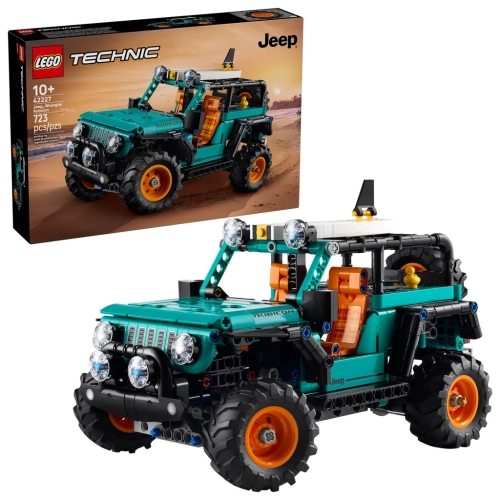

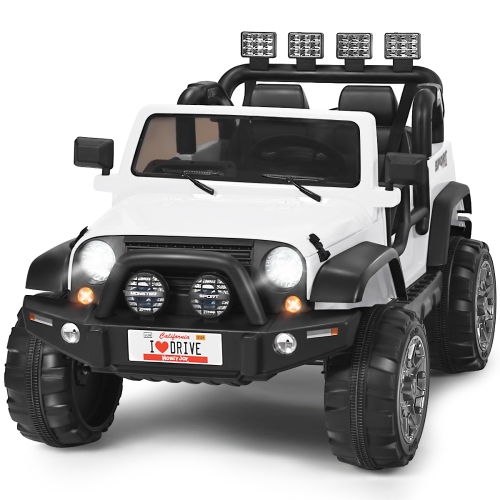


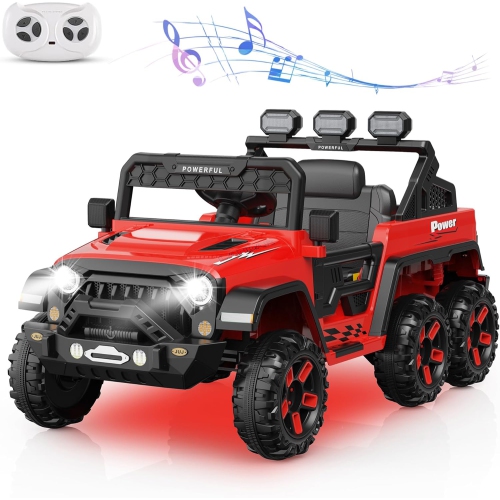


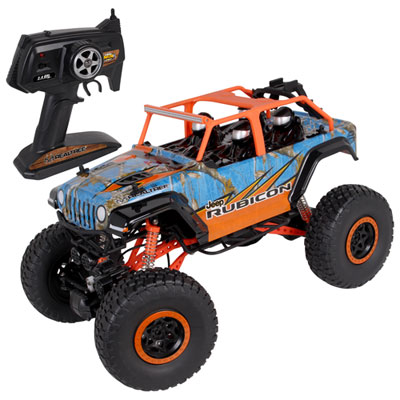
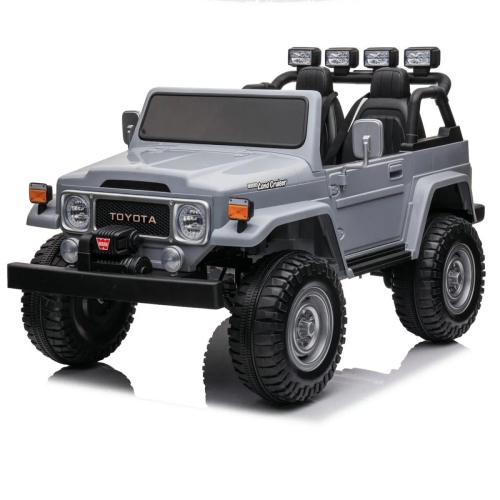
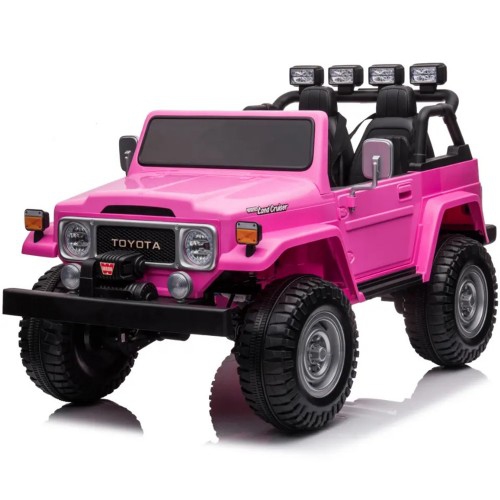


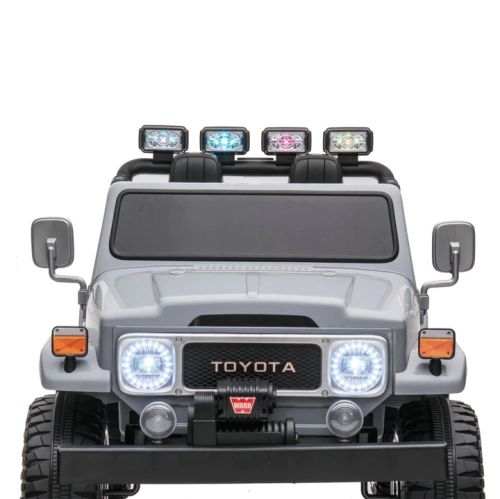
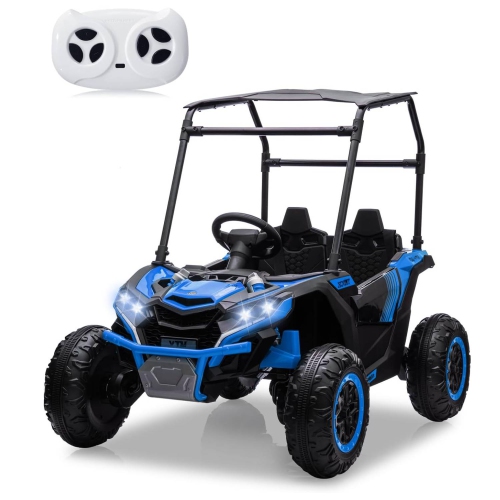
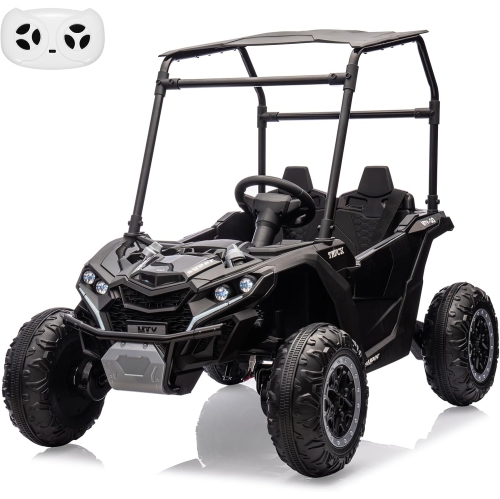
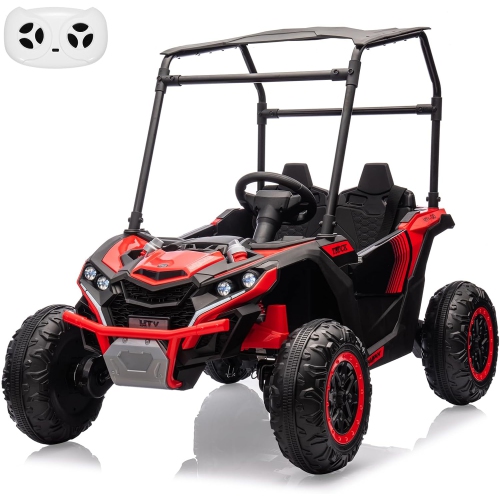

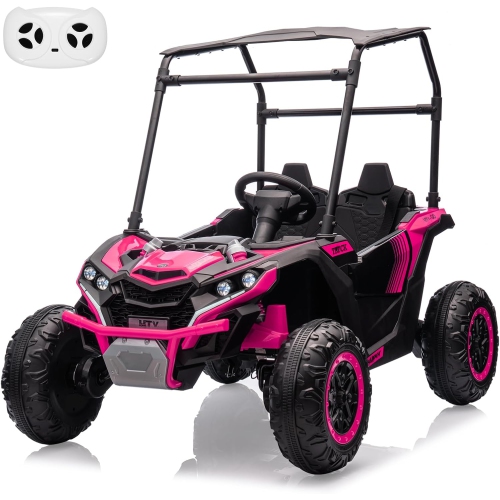

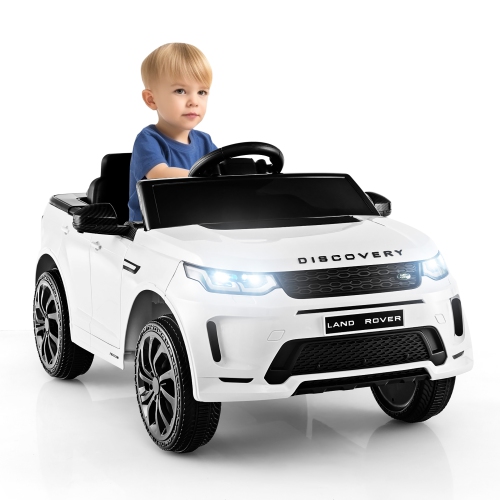
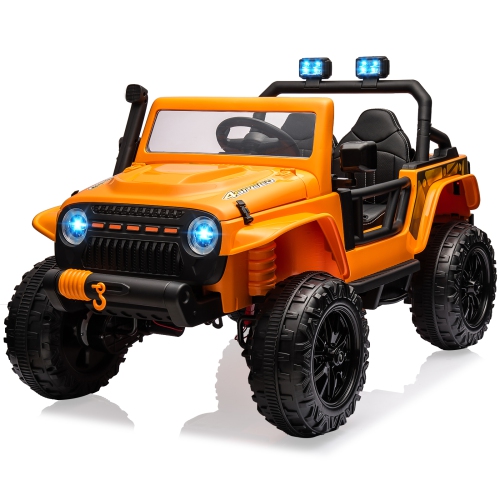

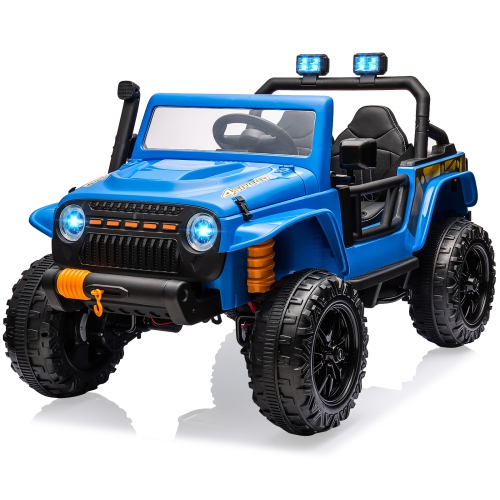
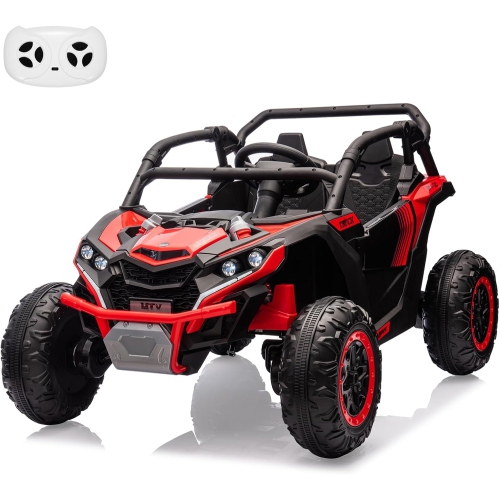


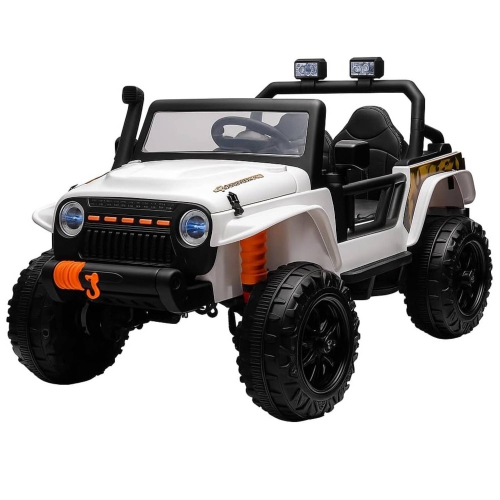
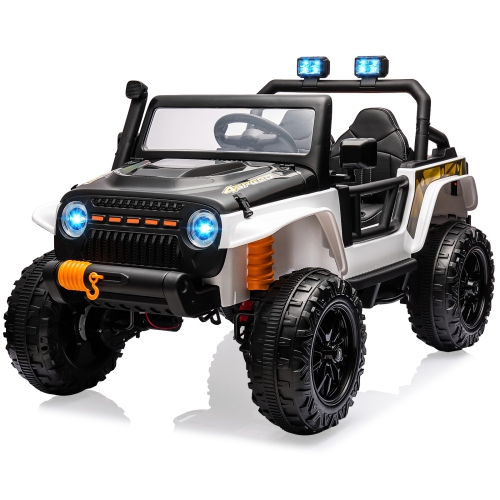
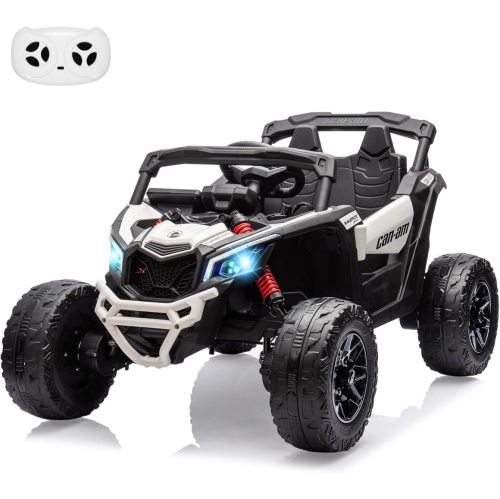


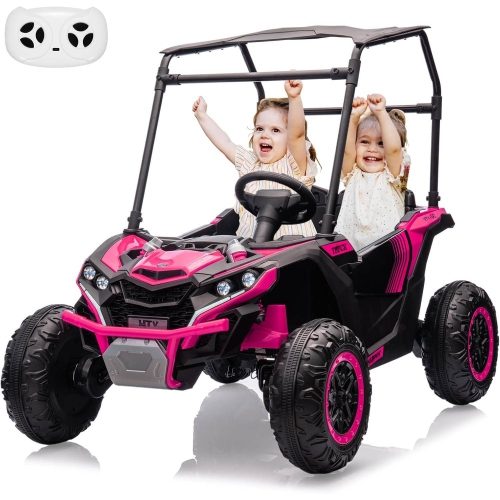


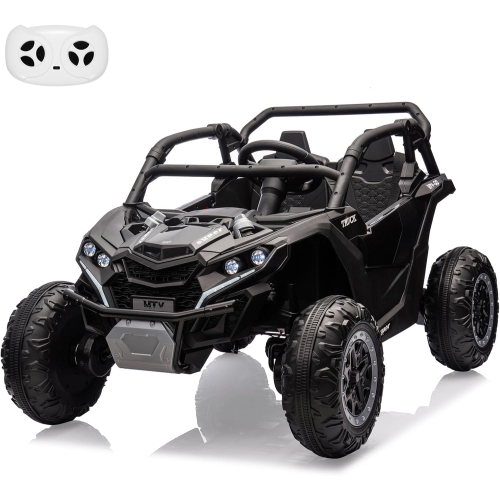
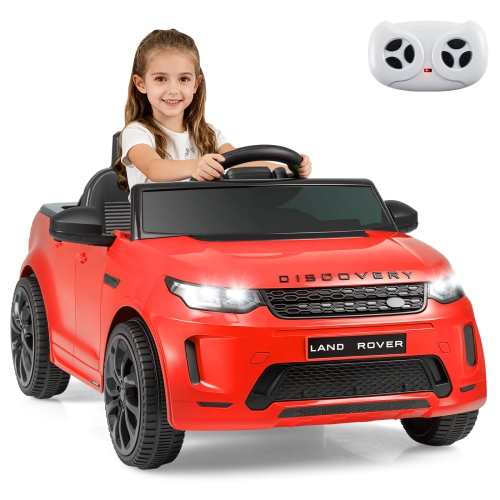

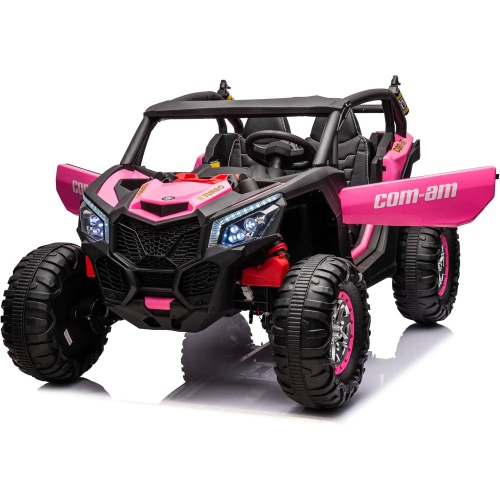
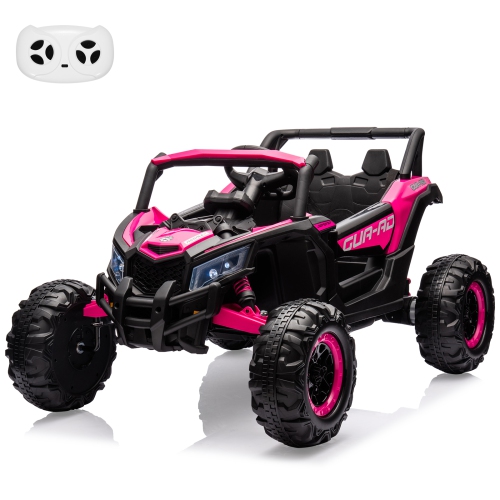
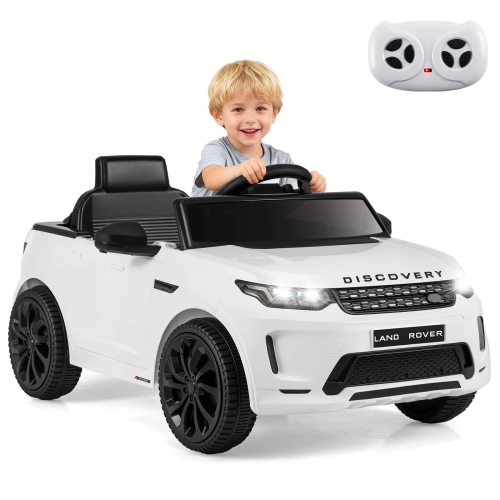
Little drivers take the wheel for supervised adventures
Kids’ jeep-style ride-ons are miniature vehicles designed for supervised play, combining the familiar shape of an off-road vehicle with child-sized seating, a steering wheel, and simple driving controls. Battery-powered versions commonly use 12V or 24V systems, with features that may include a foot-pedal accelerator, forward and reverse gears, selectable speeds, and a parental remote control. The appeal is easy to picture: a child settles into the driver’s seat, grips the wheel, and sets off on a small adventure across an approved riding area while an adult stays close. These vehicles bring movement to imaginative play, whether the afternoon’s mission involves delivering a favourite stuffed animal or pretending to drive to a campsite. Details such as moulded grilles, opening doors, working lights, and horn sounds can contribute to that experience, although features vary by model. Some also include built-in music or audio connections; these are extras rather than measures of driving performance or suitability. Single-seat designs give one child a dedicated space, while genuine two-seat versions can allow siblings or friends to ride together within the stated limits. A wide body or a bench-style seat does not necessarily mean a vehicle is approved for two riders, so the specified passenger capacity matters more than its appearance. Age recommendations also vary, and the right fit depends on the manufacturer’s guidance, the child’s size, and their ability to understand basic directions. For a birthday gift or family playtime purchase, practical details are as important as the excitement of the first ride. There needs to be an appropriate place to use the vehicle, an adult able to supervise, and enough room to store it between outings. Ride-on vehicles are toys, not transport for public roads or substitutes for adult supervision. Their rugged styling adds character, but it does not establish that they are suitable for trails, steep slopes, or the same surfaces as a full-sized off-road vehicle.
Fit and construction make a noticeable difference to how comfortable and manageable a kids’ ride-on feels. A suitable seating position allows the child to sit properly against the seat, reach the steering wheel without stretching, and operate the pedal as intended. Legroom, seat width, door openings, and the height of the side panels all affect getting in and out, particularly for children who are still developing coordination. Maximum rider weight is a firm limit rather than a target, and a two-seat vehicle’s stated capacity may refer to the combined weight of both passengers. Seat belts or harnesses, where fitted, should be used according to the instructions, but they do not make a toy vehicle safe near traffic, steps, pools, or drop-offs. Body panels are often moulded plastic, while some designs use metal structural components underneath. Durability depends on the overall construction, including wheel attachments, steering components, hinges, and how well the vehicle is assembled and maintained. Tyres may be hard plastic or use other materials, including EVA foam, and their grip and ride feel can differ across manufacturer-approved surfaces. Suspension, where included, may soften small bumps, but does not remove terrain restrictions. Battery voltage is another important specification, though it should not be treated as a shortcut for judging speed, climbing ability, or age suitability. A 24V system is not automatically the better match for every child; motors, gearing, vehicle weight, speed settings, and the intended riding surface all influence performance. Published maximum speed and terrain guidance provide more useful context than voltage alone. For a beginner, a controlled start and a manageable low-speed setting may matter more than extra power. Parental remote controls can offer help with steering or stopping on compatible models, but their functions, range, and pairing requirements vary. They remain an aid for an attentive adult, not a reason to supervise from indoors or let the vehicle travel beyond close observation. Clear space for starting, turning, and stopping helps keep the experience focused on play rather than constant manoeuvring around obstacles.
Everyday ownership includes charging, storage, and routine care, all of which are easier to plan before a large ride-on becomes part of the household. Overall dimensions matter beyond the seating area: the vehicle needs to fit through the doorway or gate used to reach its riding space, and its turning circle should suit that space. Weight also matters if an adult will regularly move it across a threshold or reposition it for storage. Assembly may involve attaching wheels, the steering wheel, mirrors, or other components, as well as connecting the battery exactly as instructed. An adult should complete the required checks before the first ride, including confirming that steering, brakes or automatic stopping functions, and any remote control operate correctly. Battery runtime is not a fixed promise; rider weight, surface resistance, speed selection, battery condition, and frequent starts can all affect how long a charge lasts. Charging time varies too, so a ride-on is best treated as a toy that needs planned charging rather than one that can always be used immediately. Only the specified charger and compatible replacement battery should be used, with charging handled by an adult according to the manufacturer’s directions. Care generally involves removing loose dirt, wiping suitable surfaces with a soft cloth, and keeping water away from electrical components and connections. Washing with a hose or immersing parts can cause damage unless the manufacturer explicitly permits it. Regular checks for loose fasteners, cracked panels, worn wheels, damaged wiring, and secure battery connections help identify when play should pause for maintenance. Storage instructions are especially important during longer breaks from use, since battery care requirements differ. Colour and styling can make a gift feel personal, but a comfortable fit, straightforward controls, and manageable upkeep are what support repeated enjoyment. For a separate look at accessories associated with full-sized vehicles, Jeep Wrangler Accessories covers a different category; those accessories should not be assumed to fit children’s ride-ons. Within the ride-on category, replacement parts and add-ons need to match the exact model and its approved specifications, keeping the focus on a toy that suits both the child and the household’s play space.
Top selling and popular products
-
 Your price for this item is $150.99
-
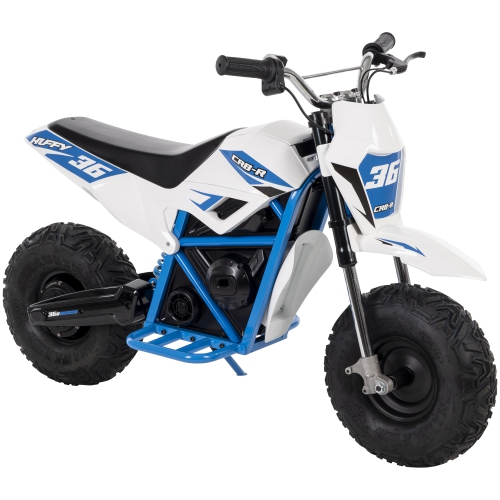 Your price for this item is $799.99
-
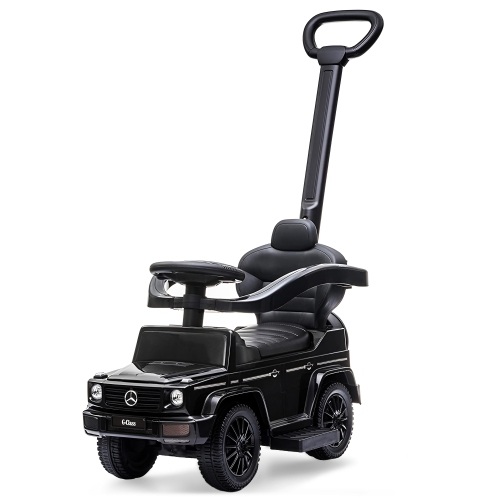 Your price for this item is $141.99
-
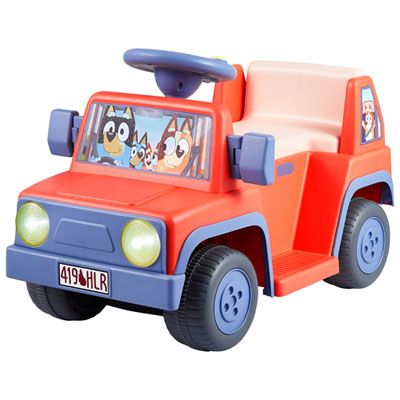 Your price for this item is $199.99
-
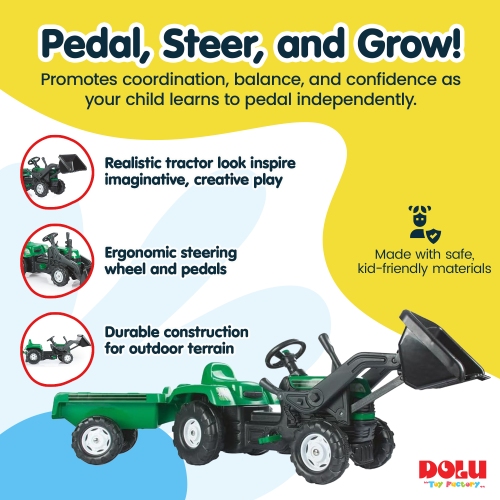 Your price for this item is $205.99
-
 Your price for this item is $199.99
-
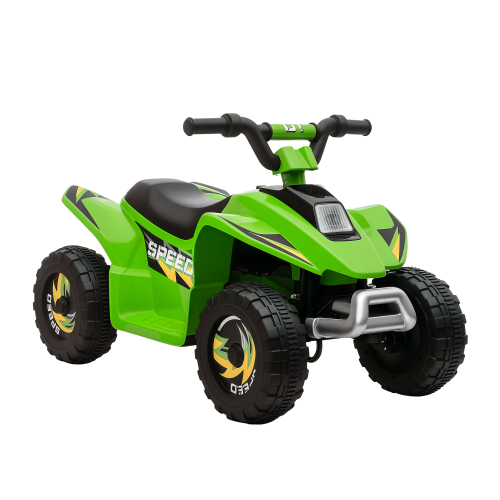 Your price for this item is $82.95
-
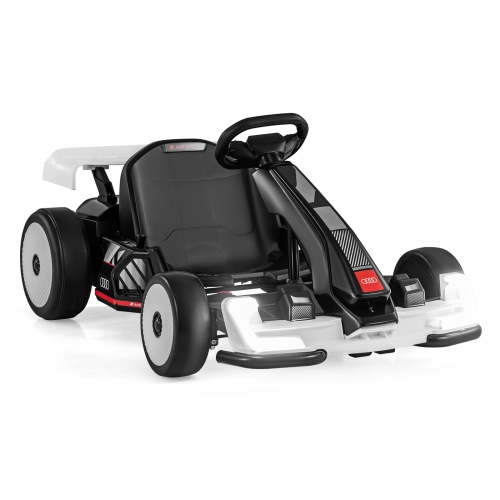 Your price for this item is $449.99
Discover more categories related to Kids Jeep


Top Collections:
Pokemon Centers, Kindle Devices, Best Budget Office Chairs, Canon G7X Cameras, Apple iPhones 16, Samsung Galaxy Phones, Refurbished Apple Laptops, Laptops for Students, iPhone 15 Apple, Budget Smartphones
Some products may be subject to Environmental Handling Fees
(EHF) depending on your province.
Learn more about EHFs.