Kids Push Car
If you're looking to add some fun and excitement to your child's playtime, a kids push car might just be the perfect addition to their toy collection. These stylish and durable push cars are designed to provide little ones with hours of entertainment while also helping them develop their motor skills and coordination. With a variety of colors and designs to choose from, there's sure to be a push car that will capture your child's imagination and keep them happily cruising around the house or backyard.
Sort

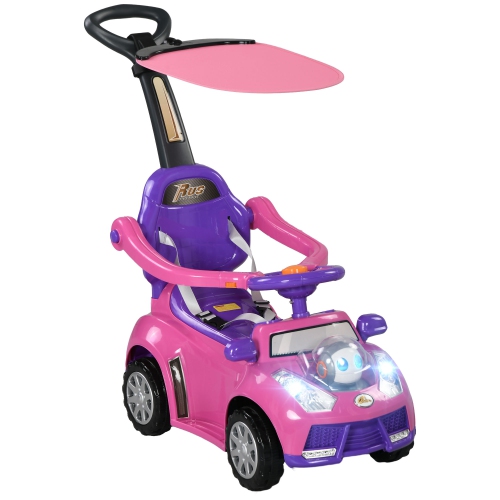
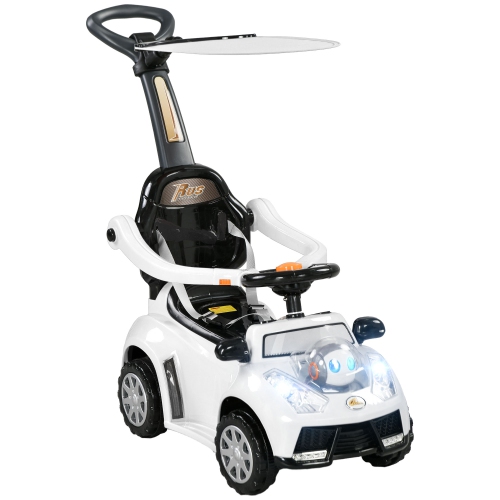

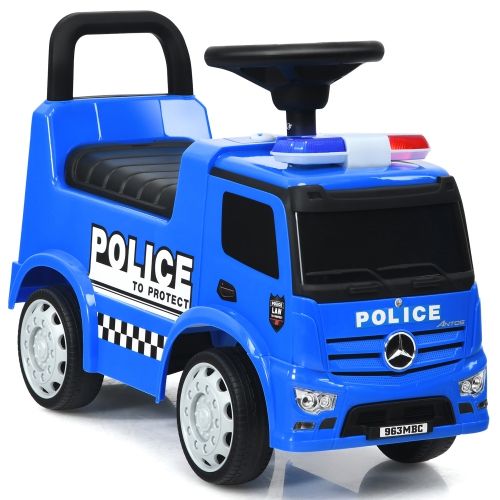
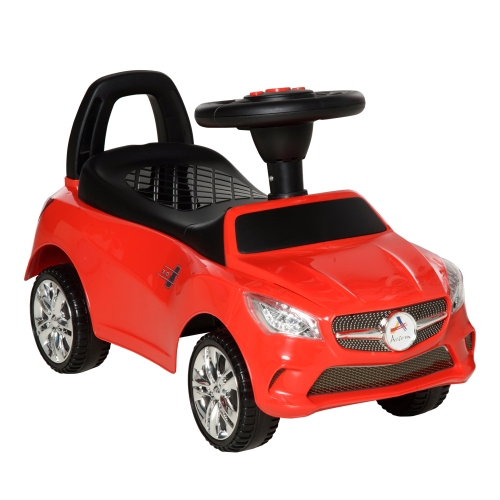


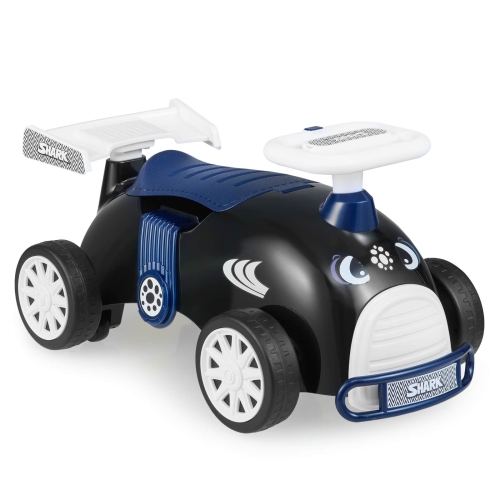


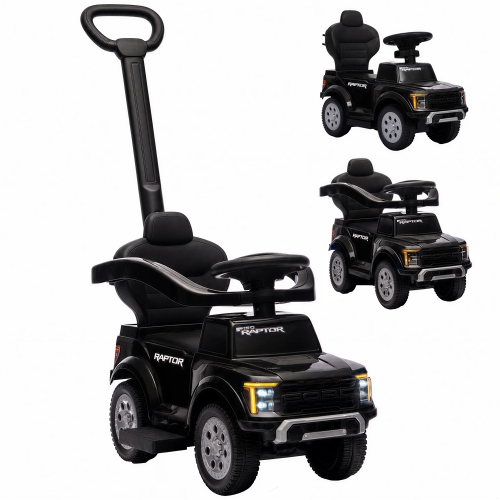
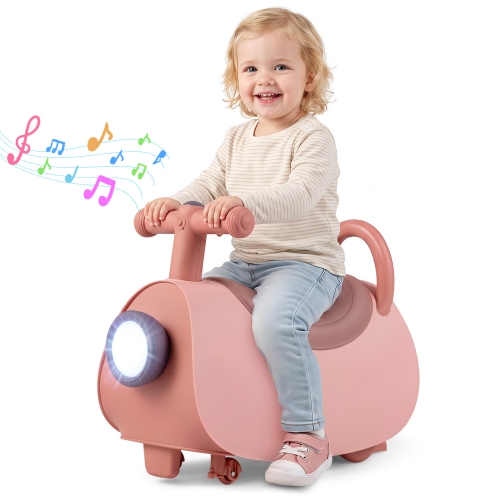
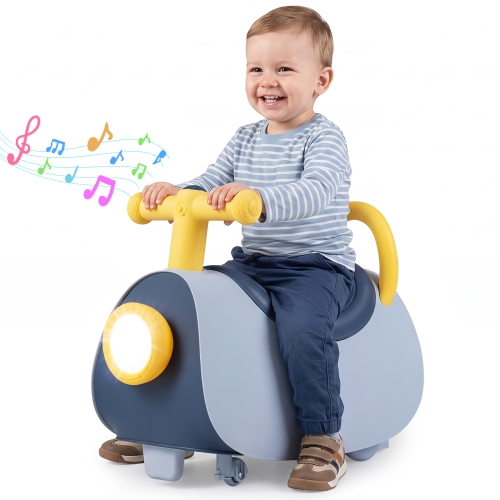


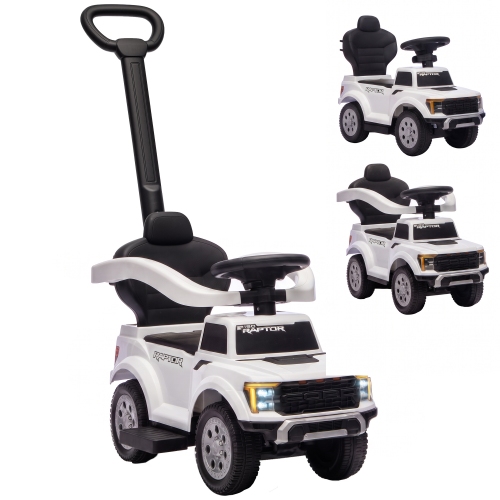
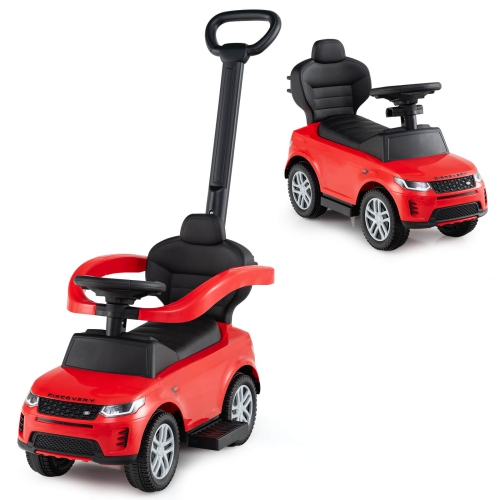
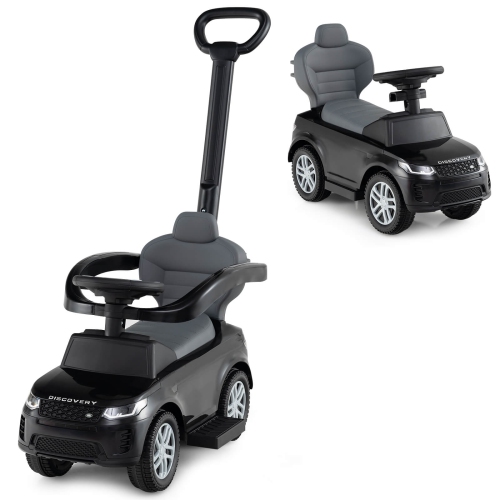
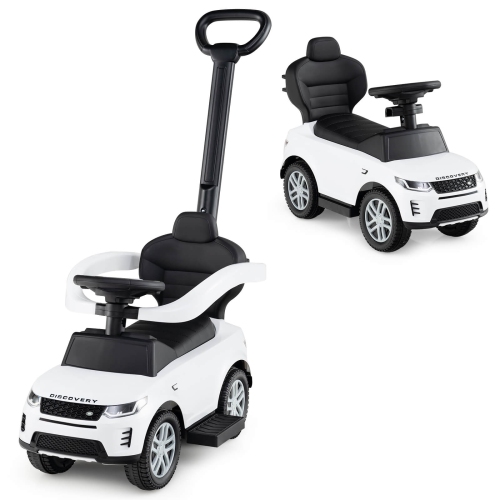
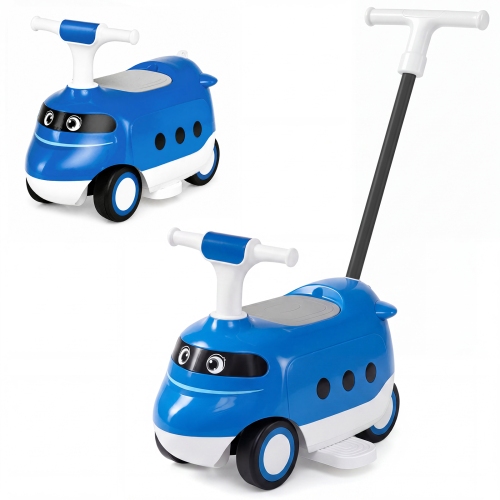
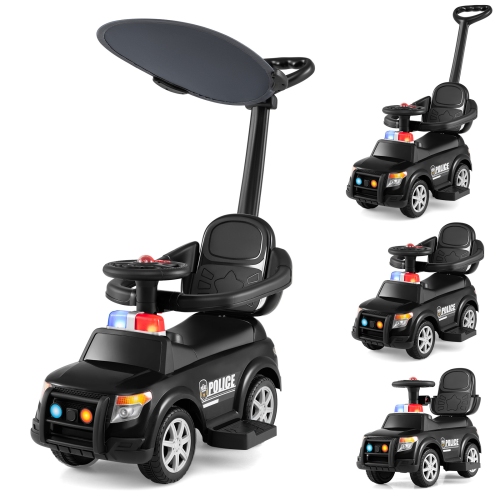
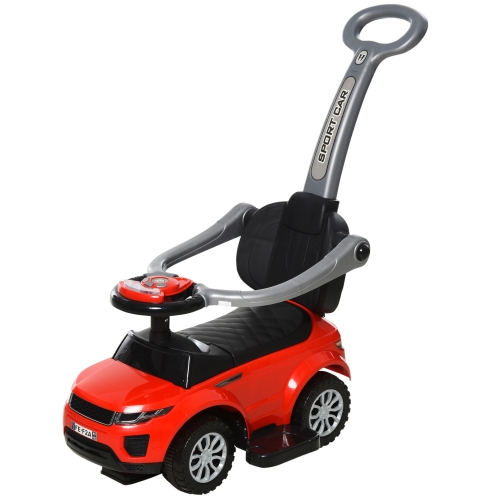
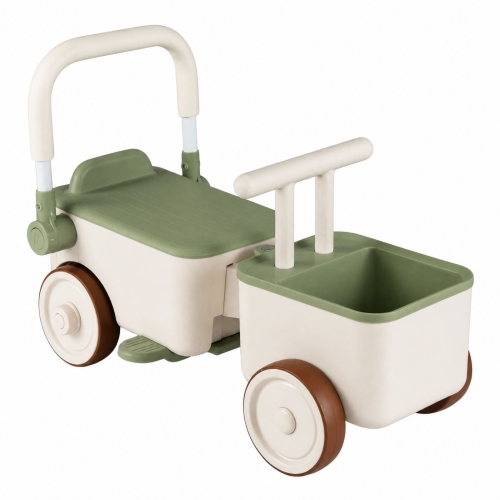
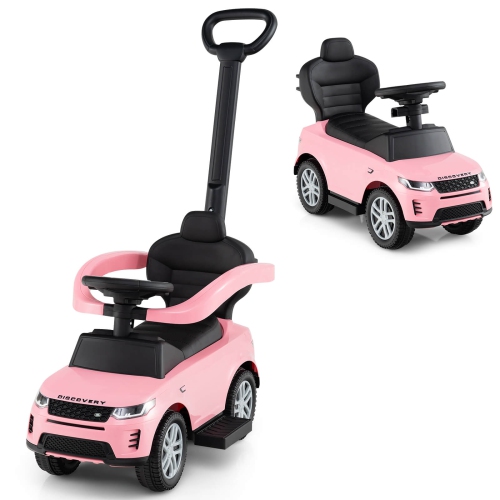
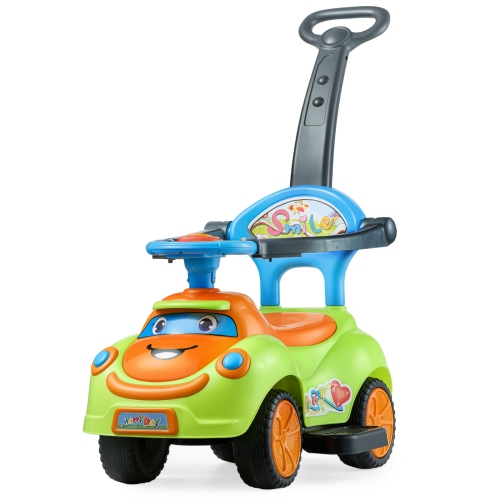


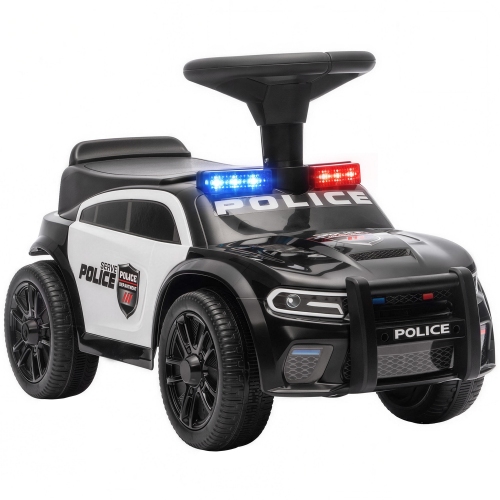

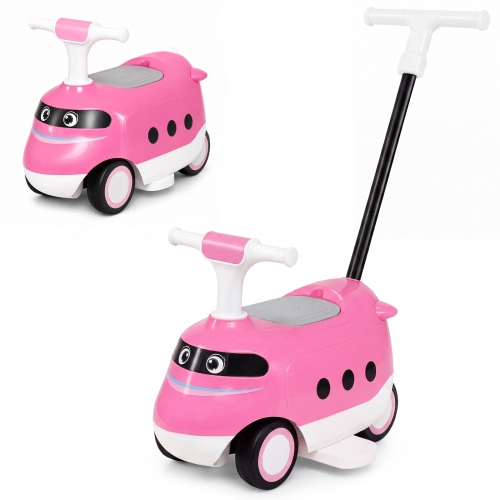

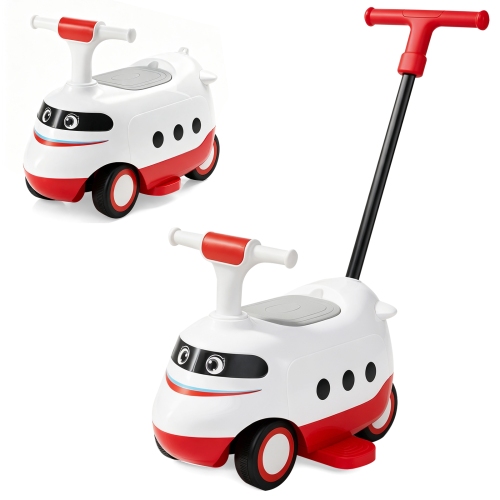
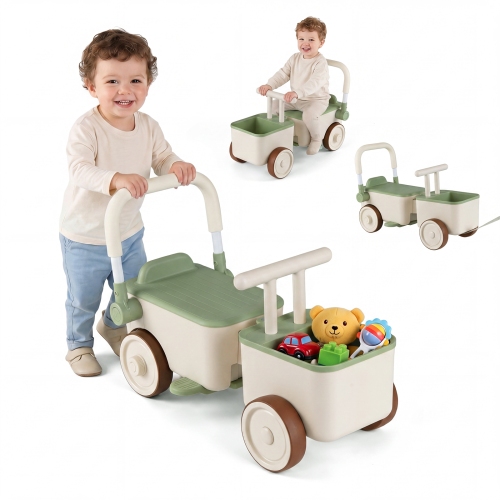

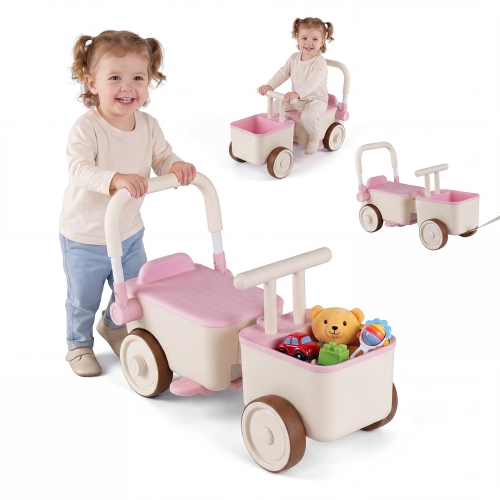
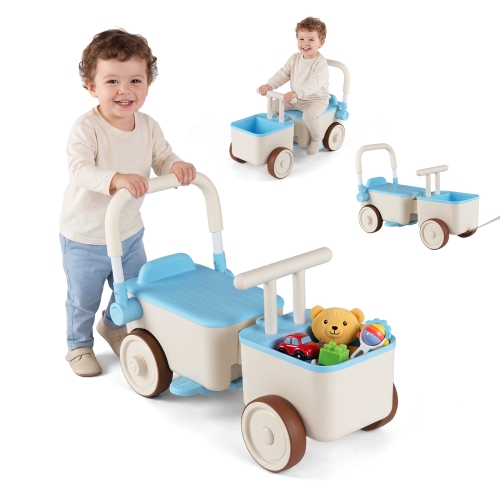
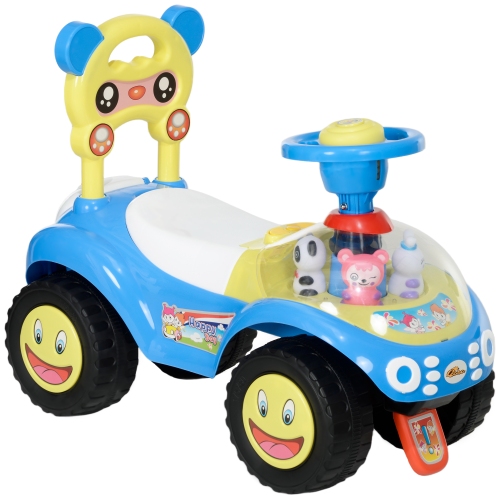
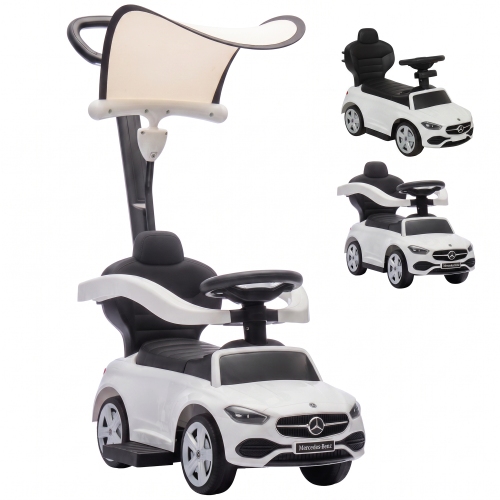
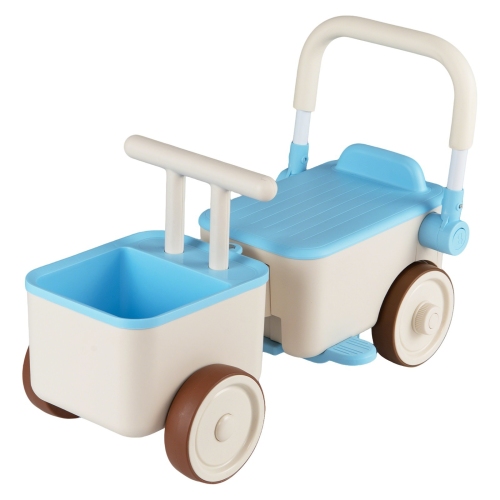

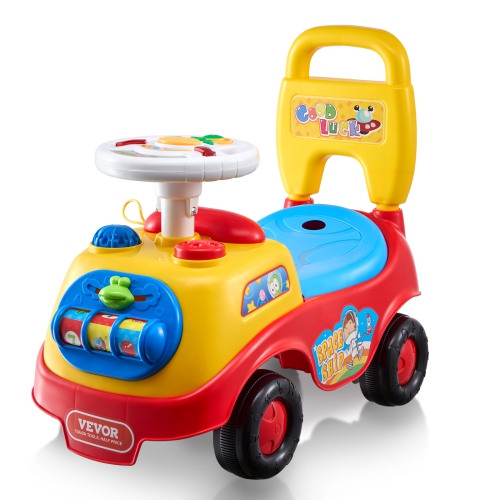
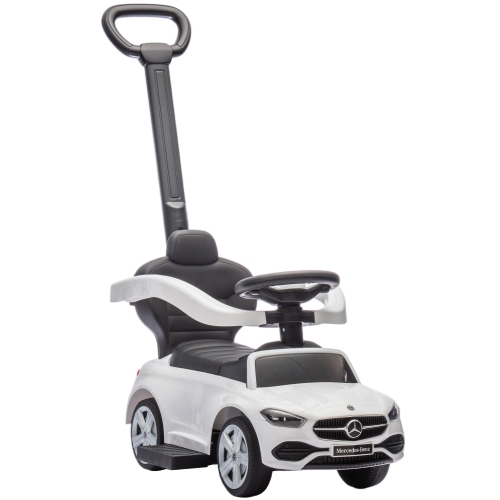

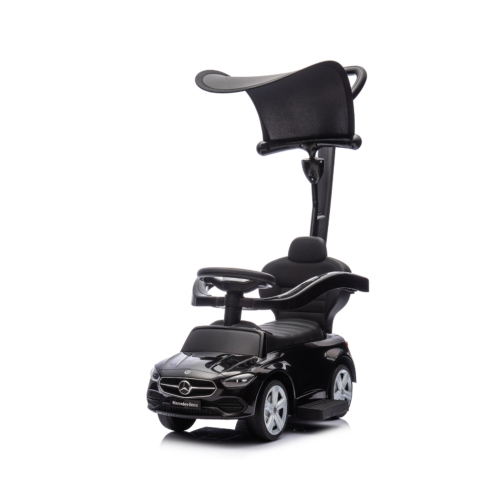
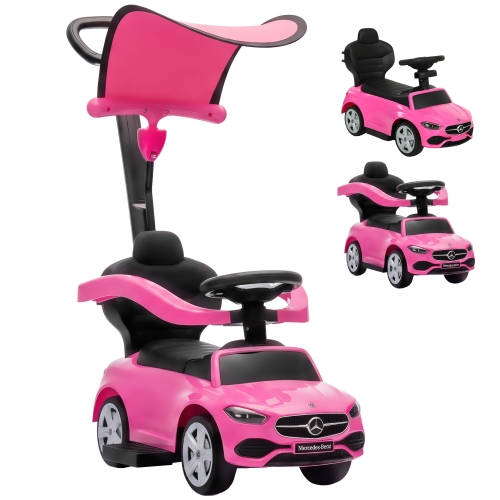
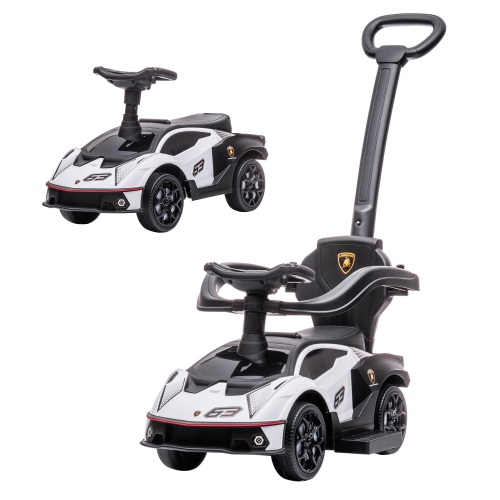


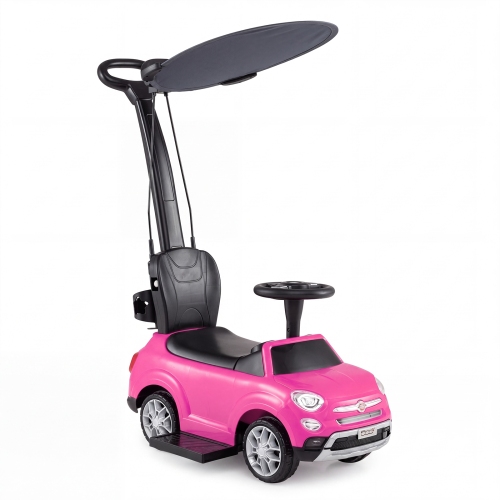

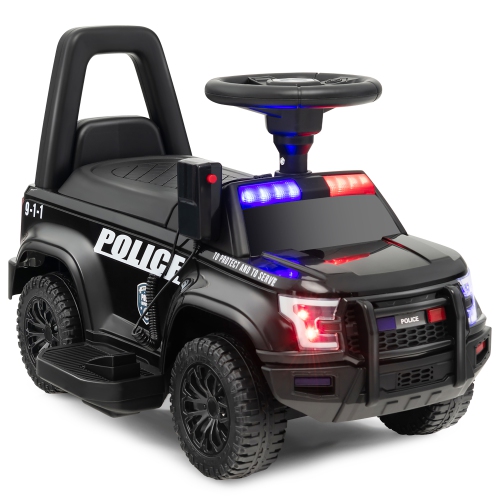


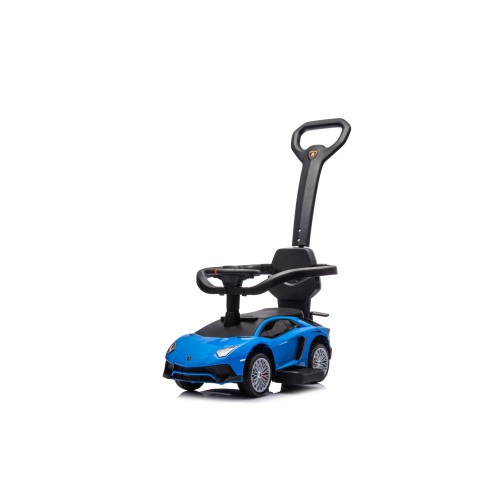
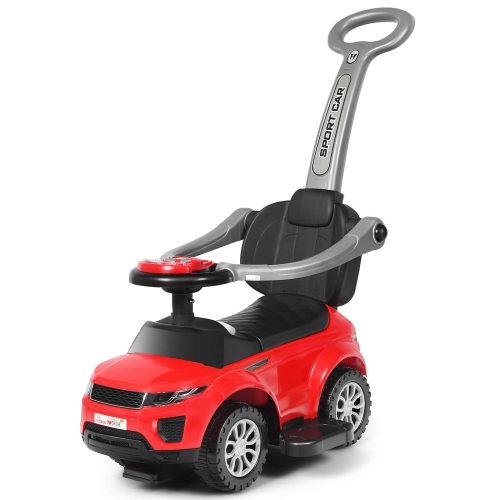
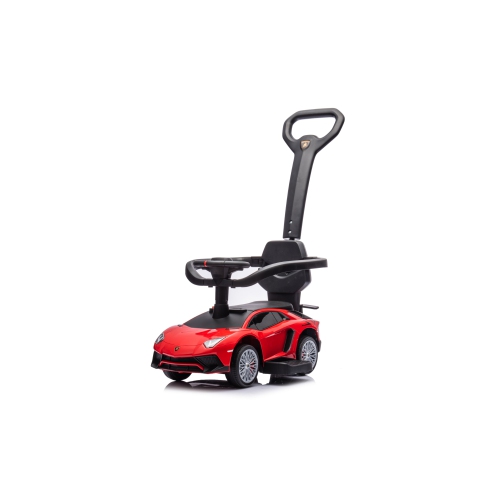
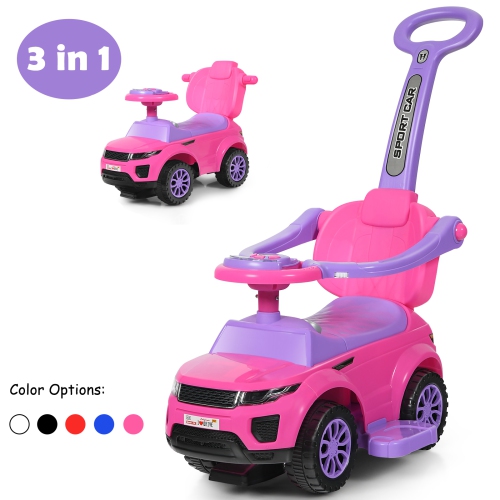
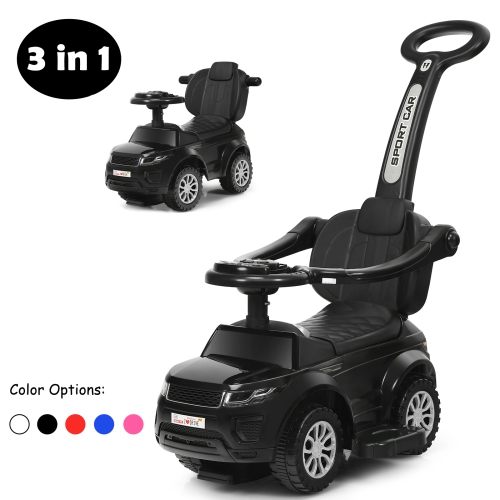
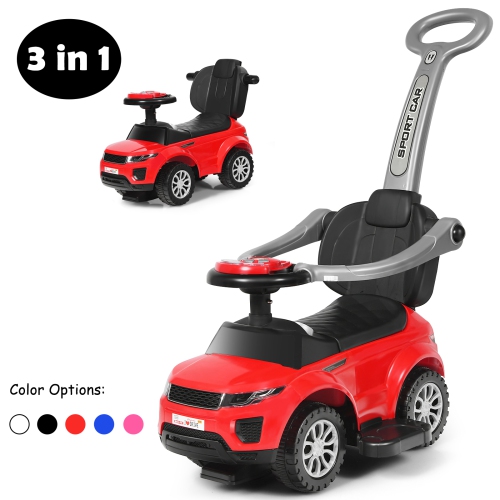
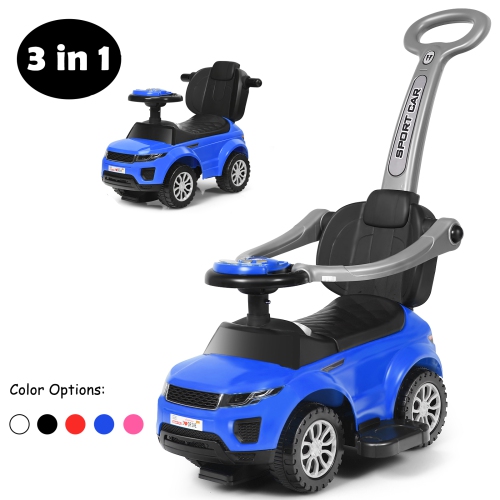
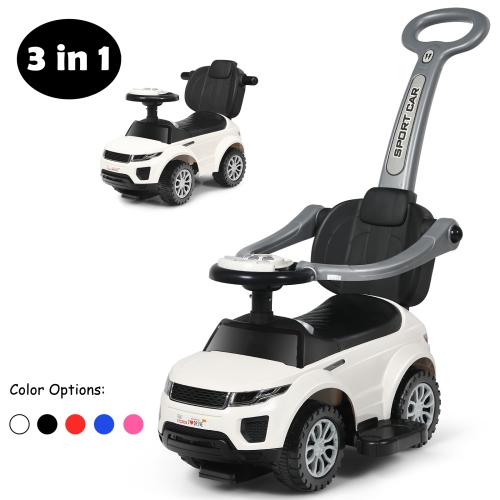

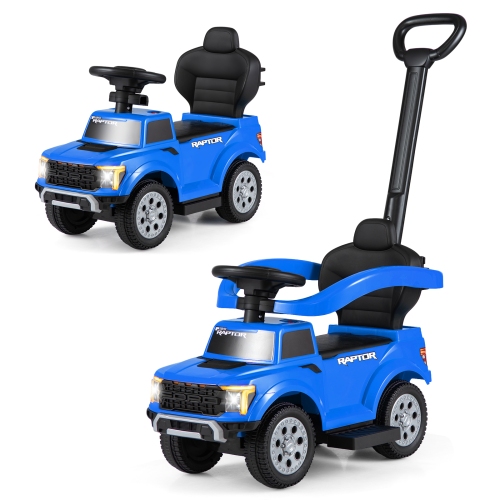
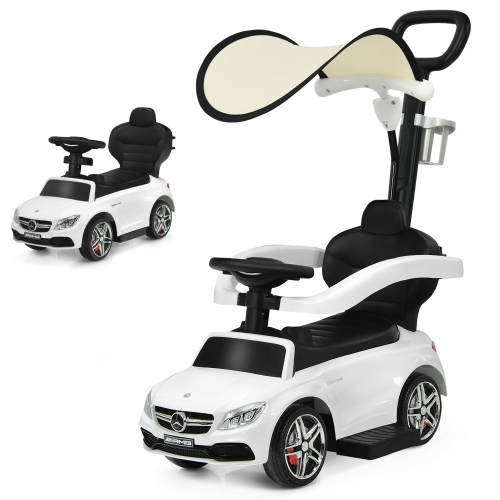
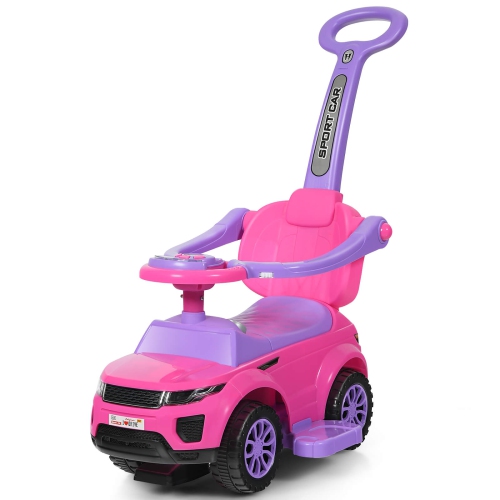

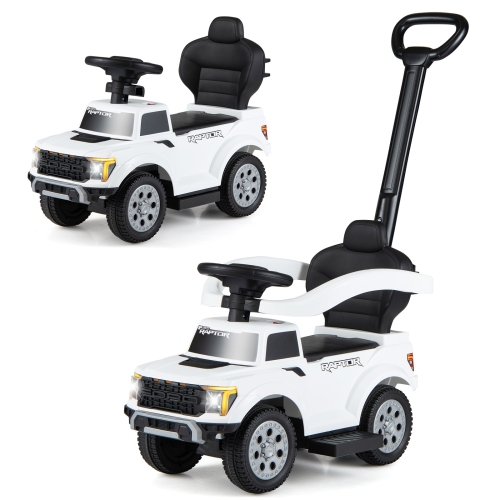
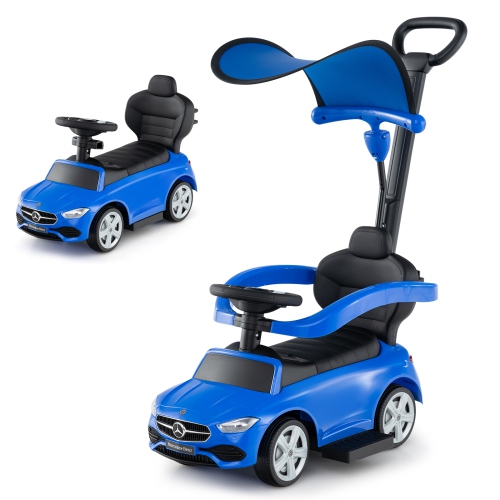
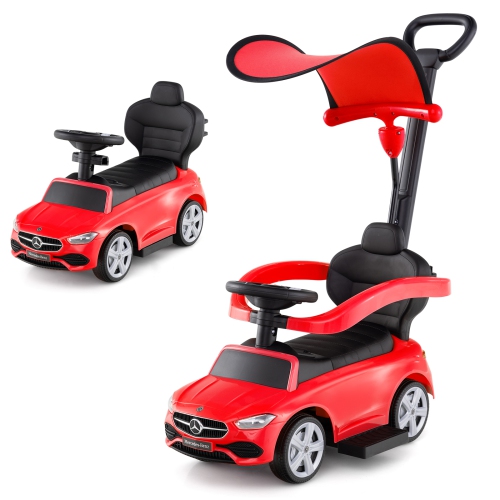
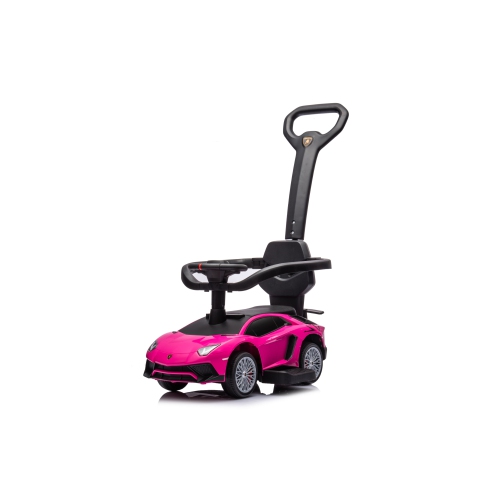

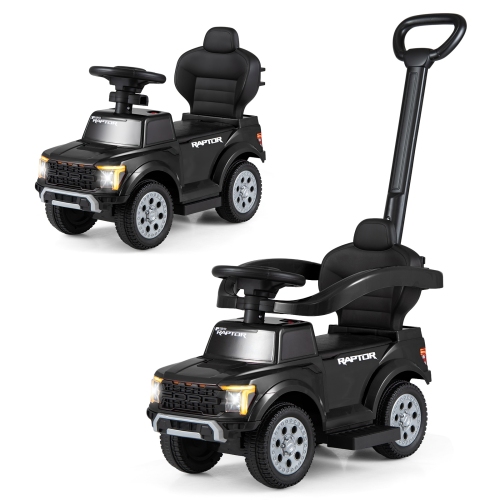
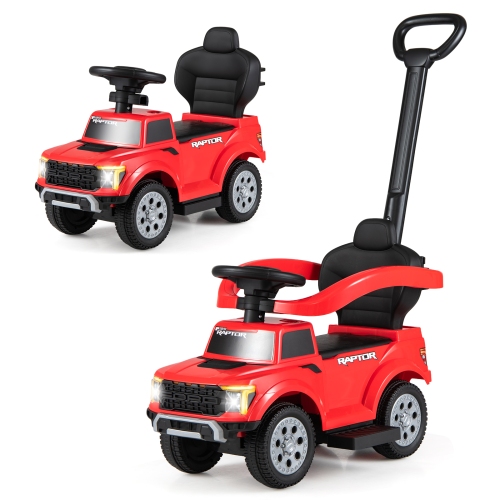

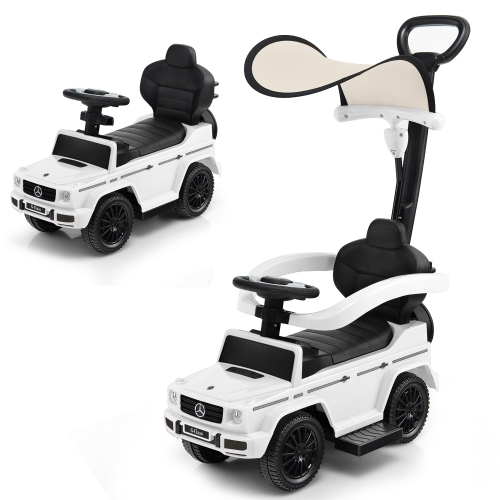
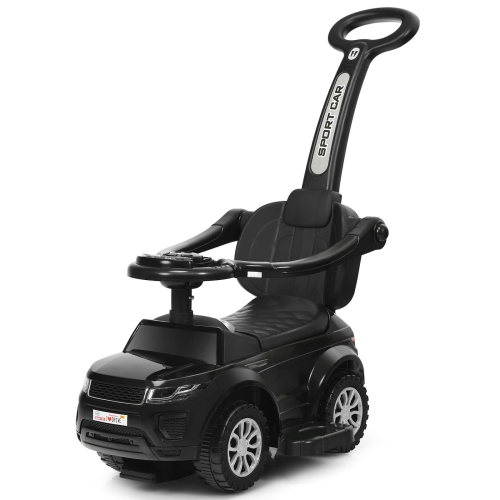
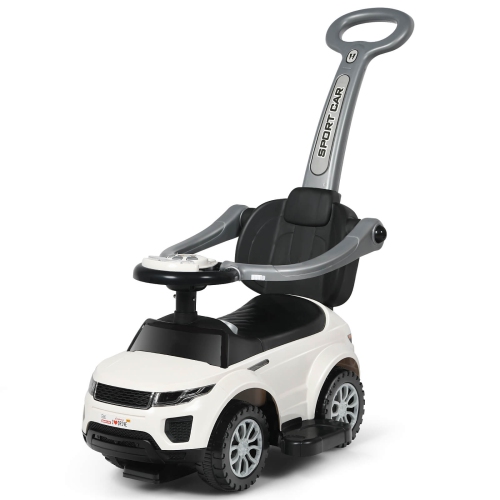

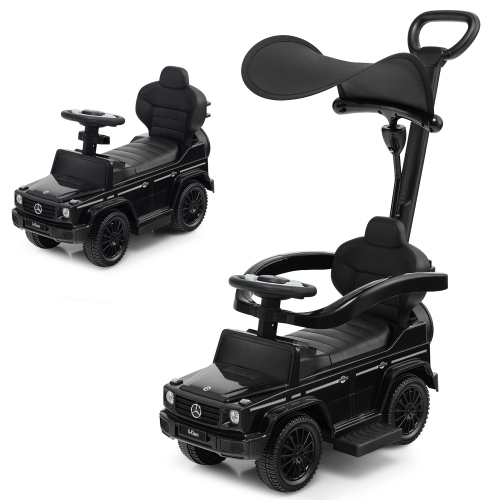
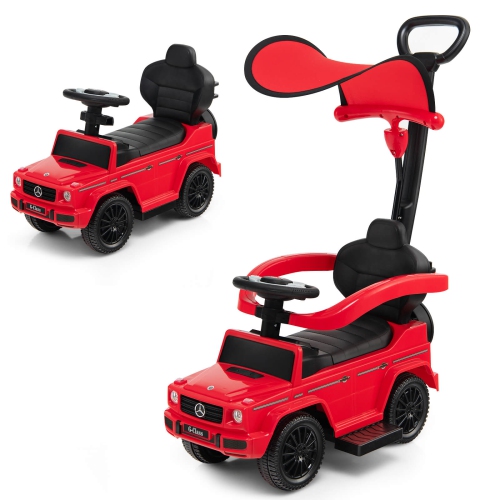
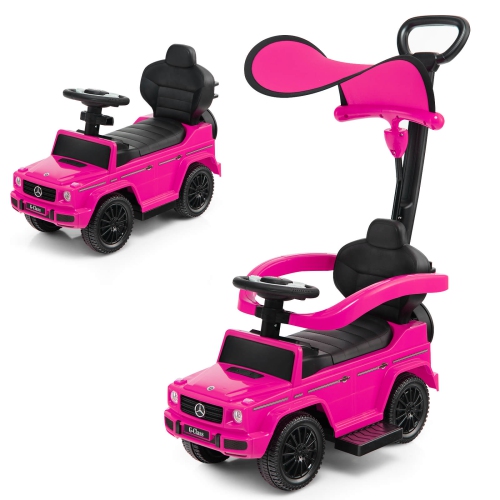
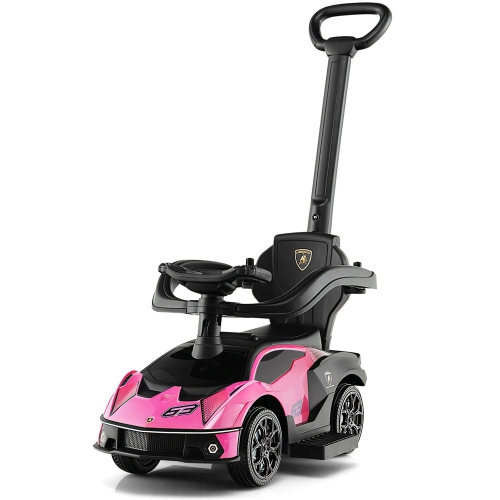
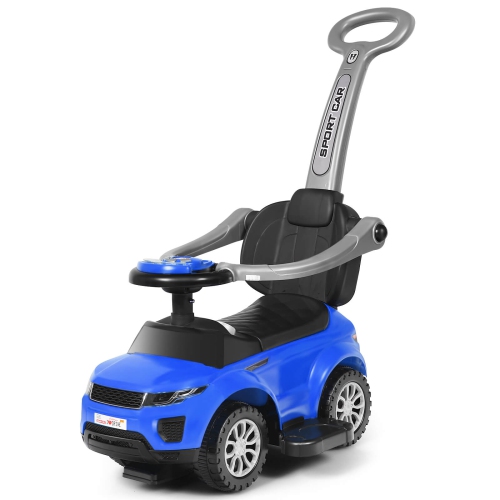
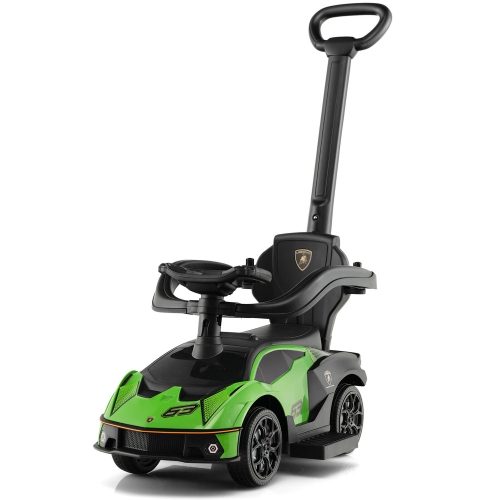


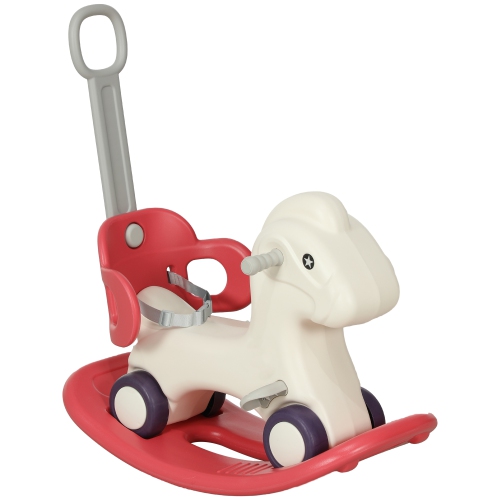
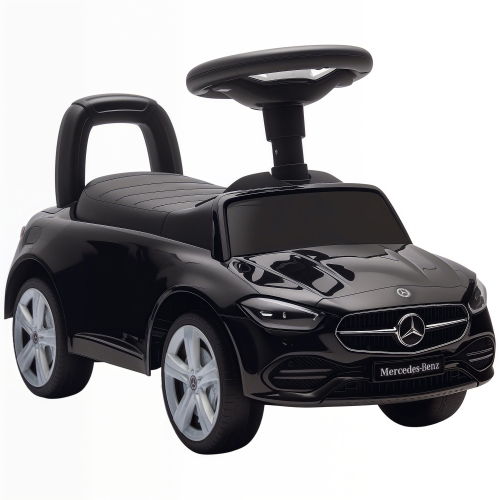
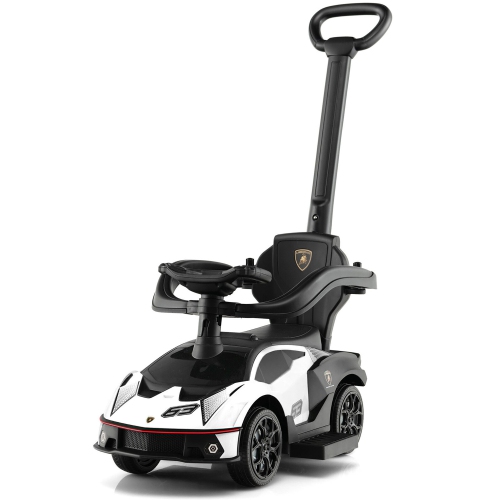
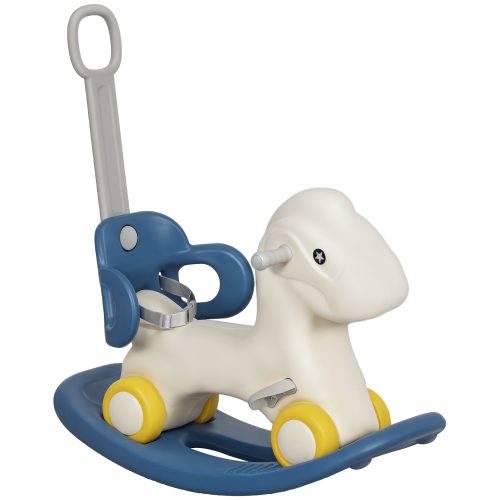
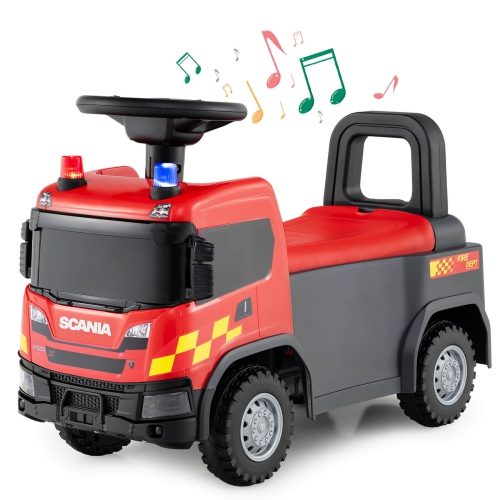
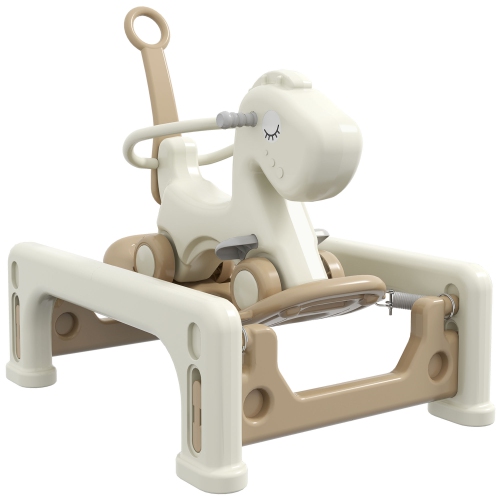
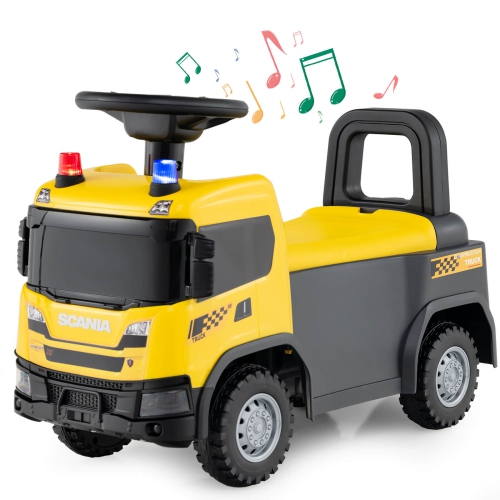
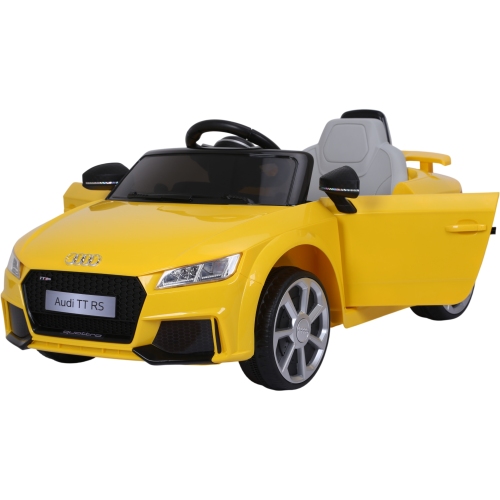
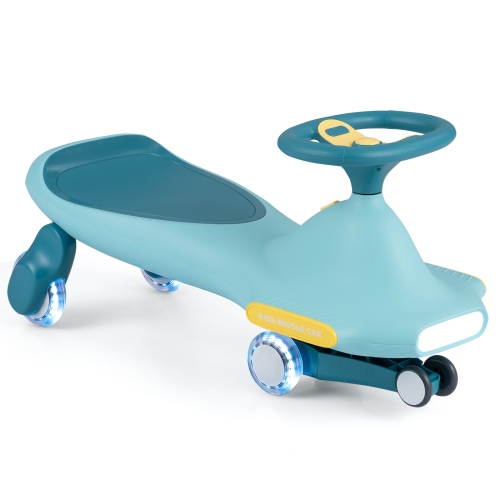

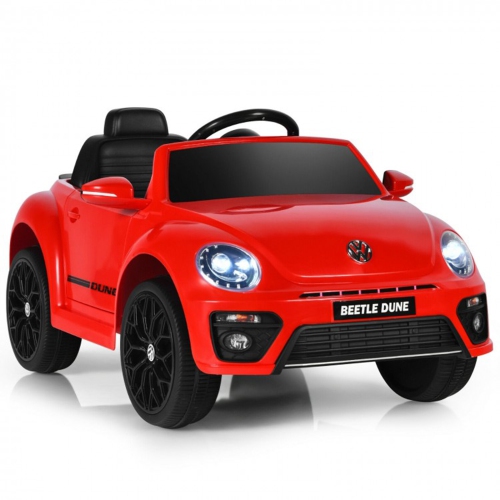

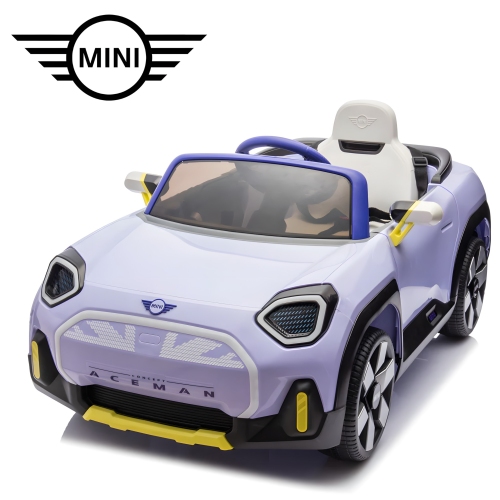
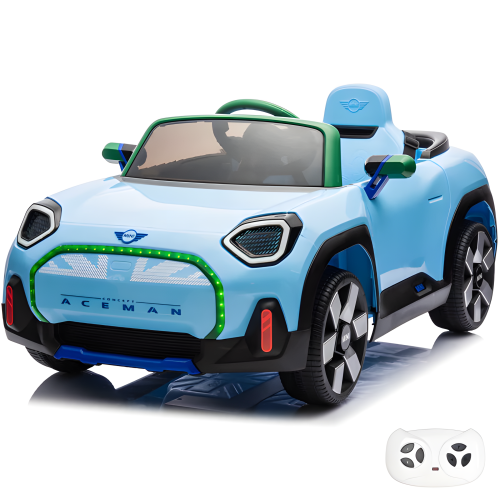


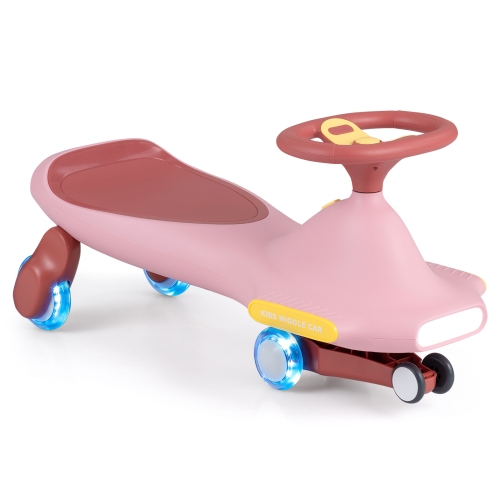


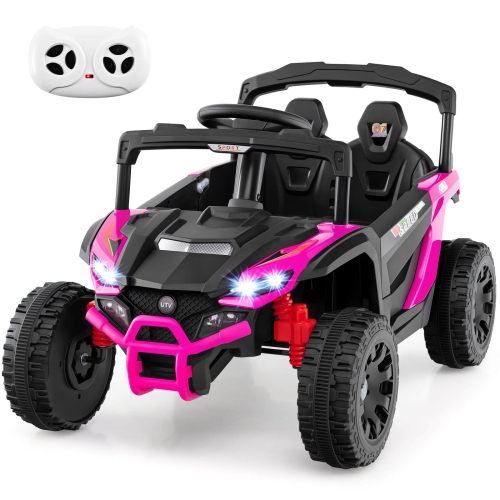
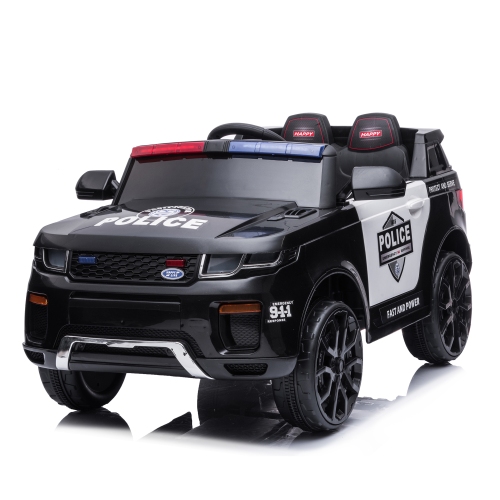
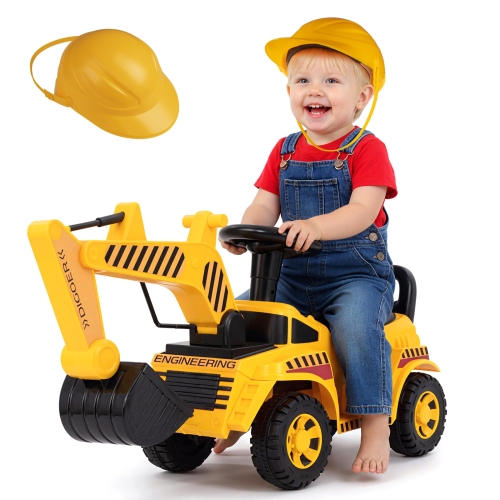
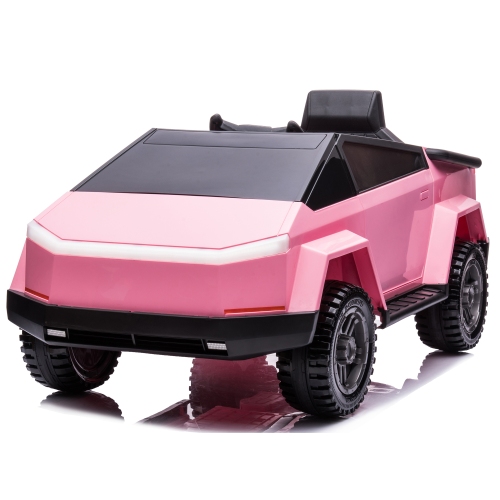
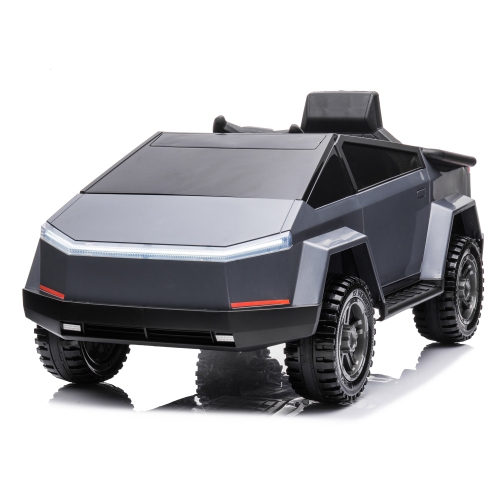

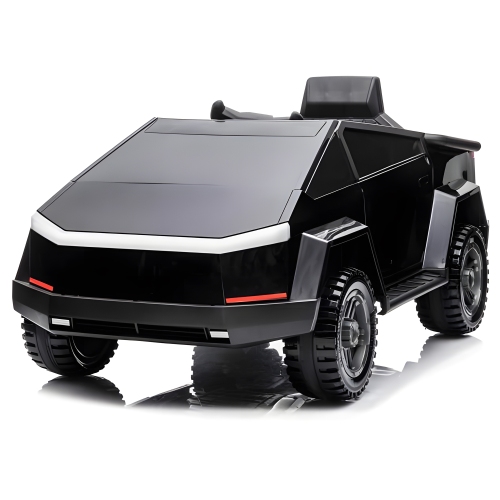


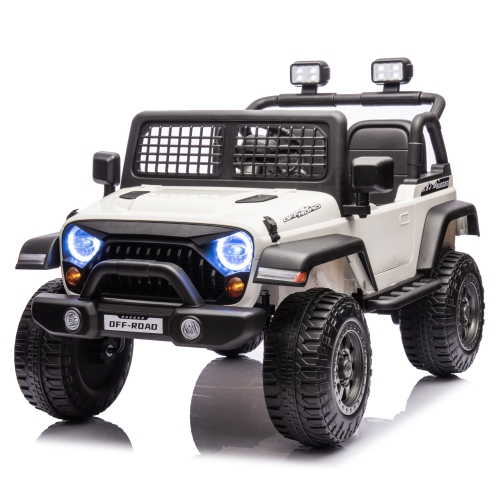
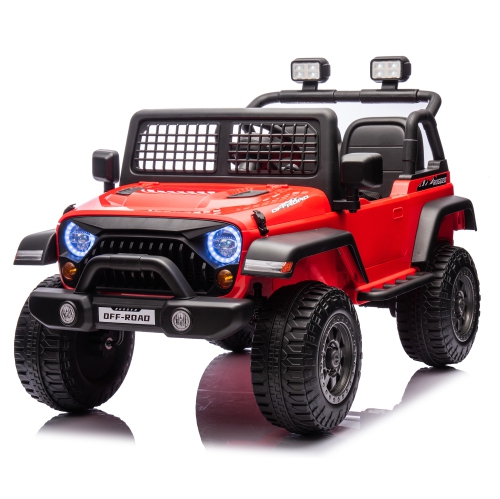


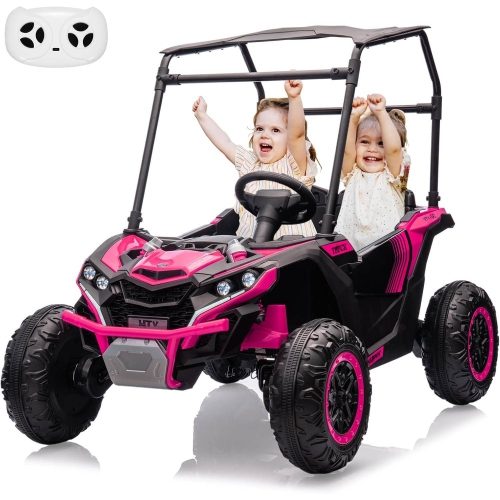


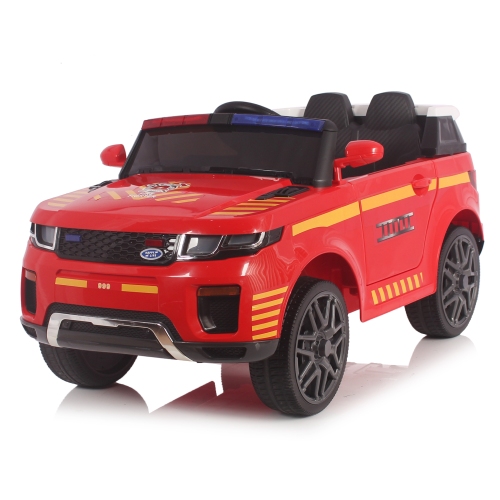


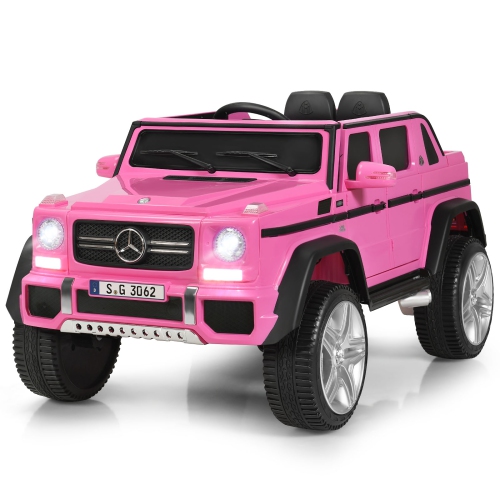

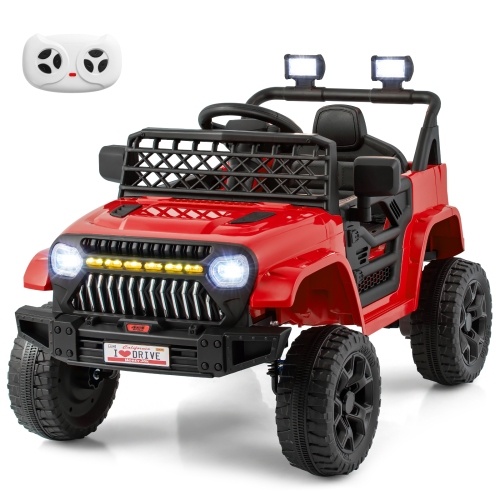

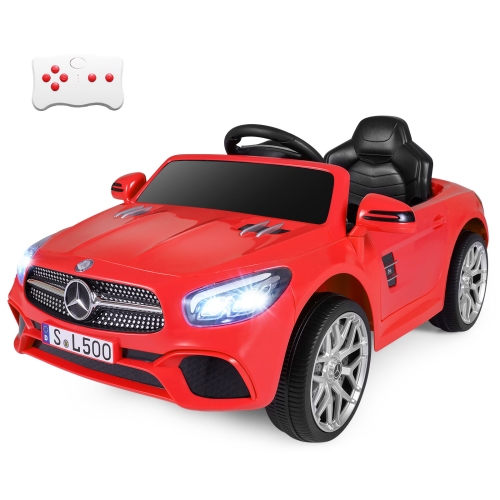


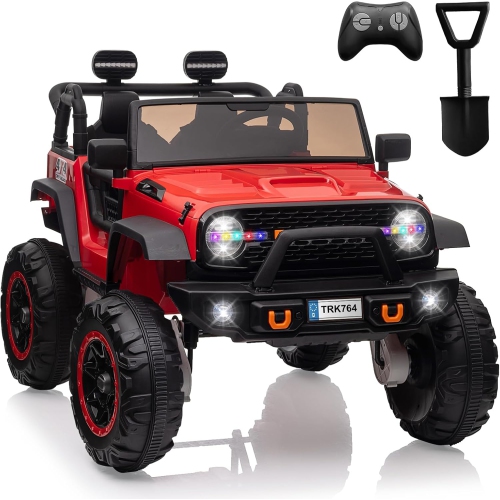
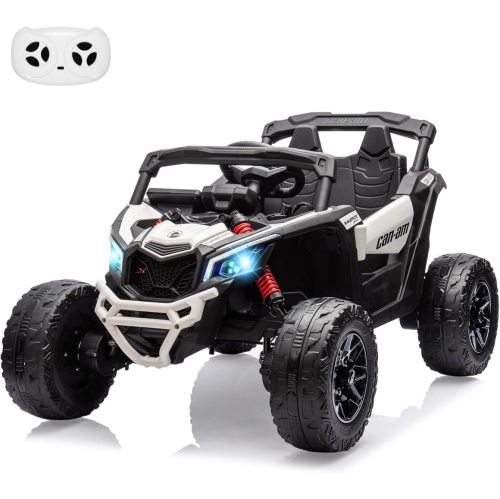

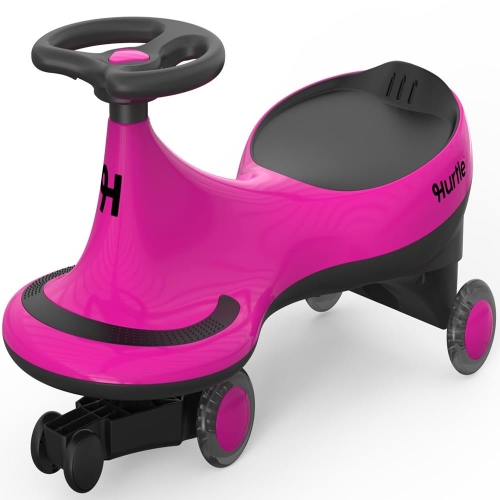
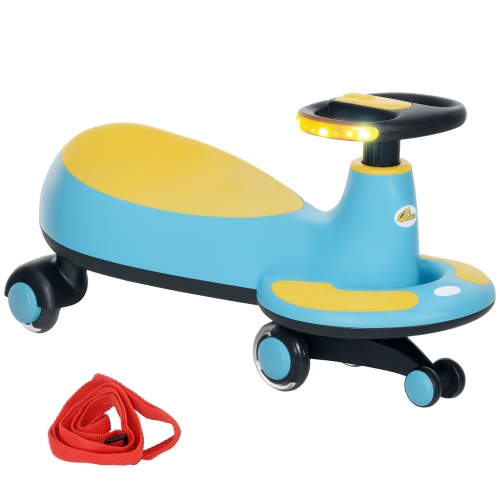
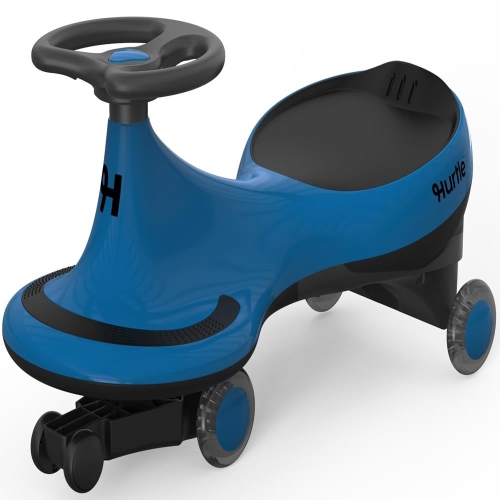
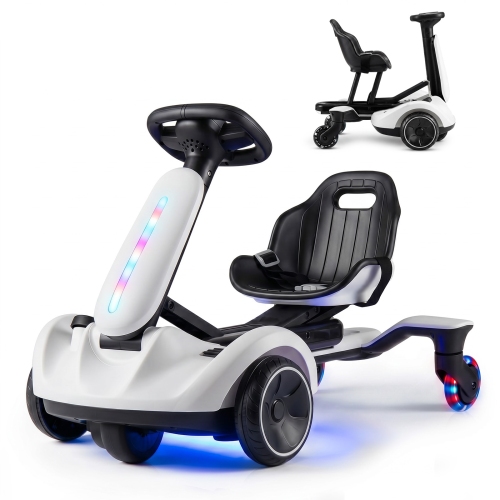


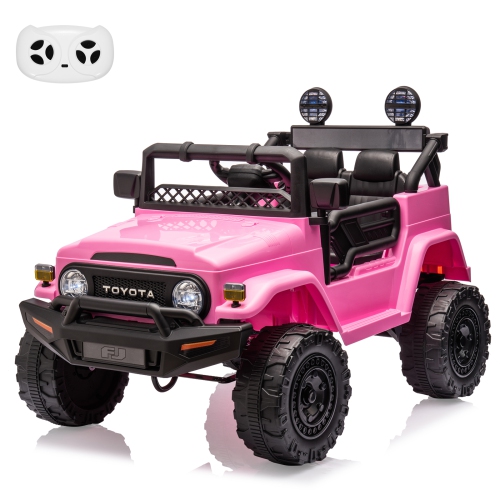
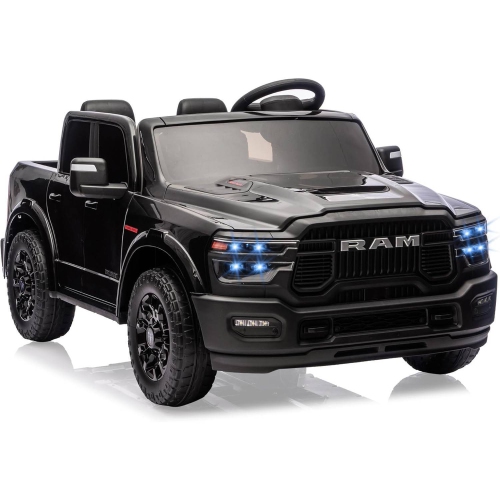
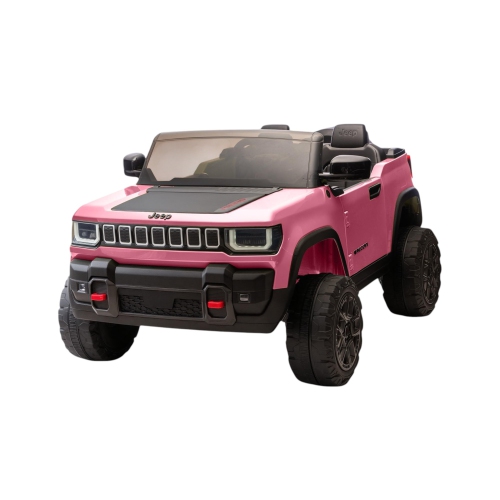


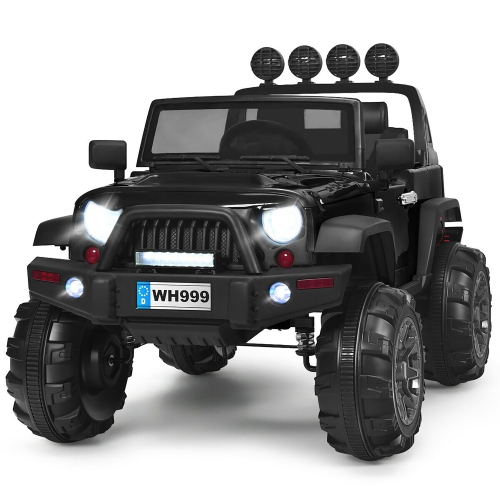
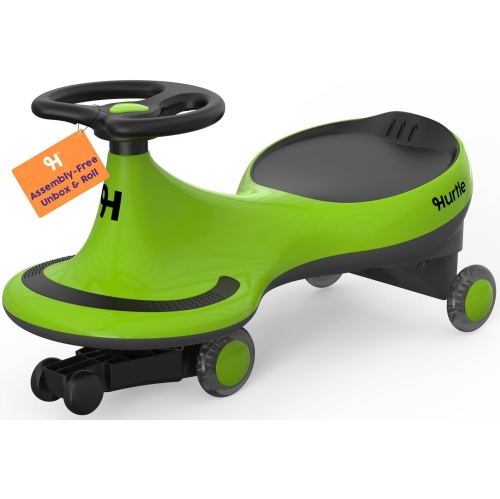
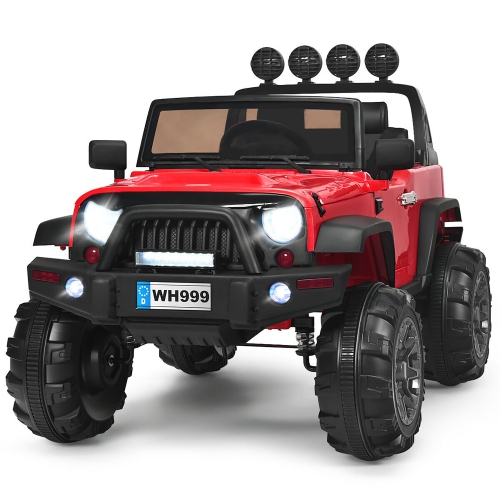
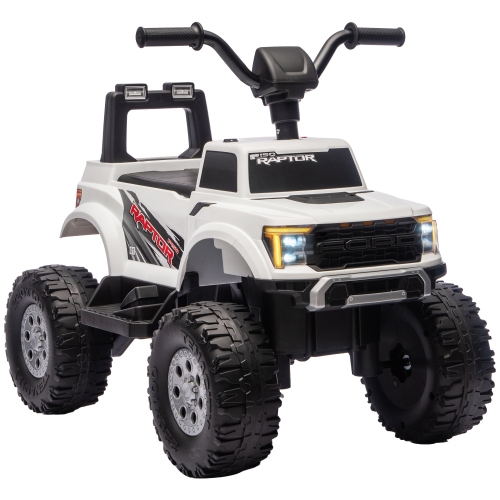


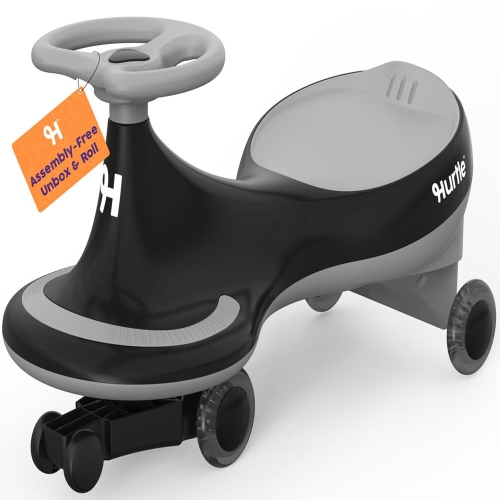


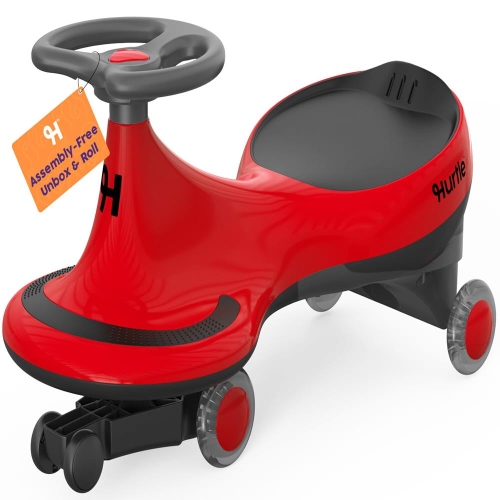



Little driving adventures with a push or a scoot
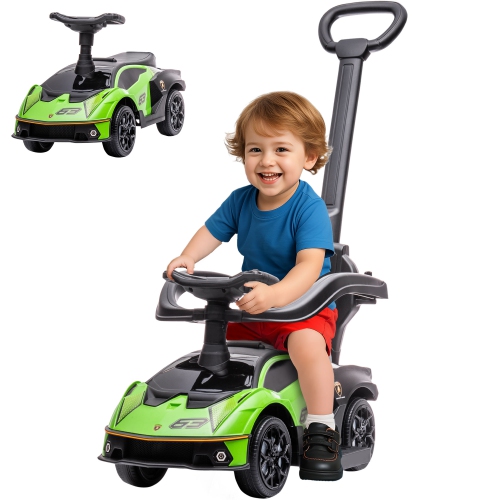
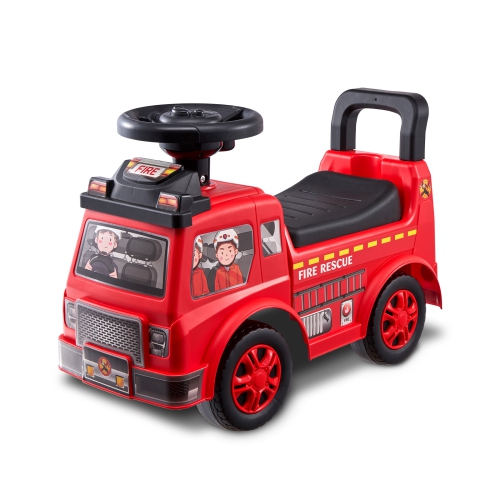
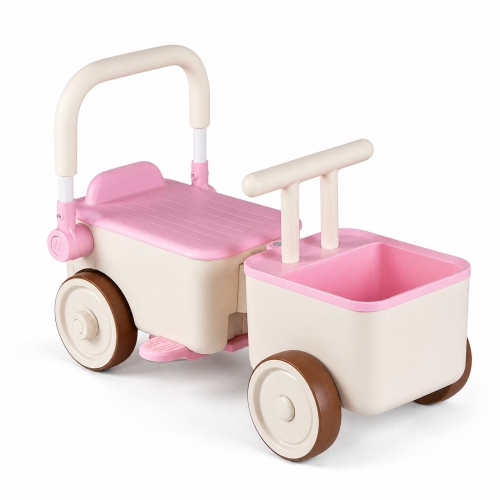
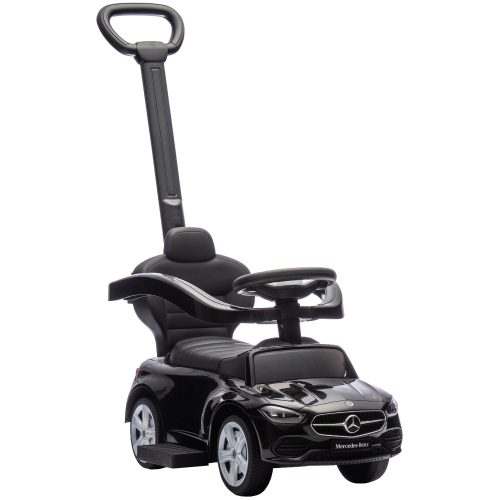
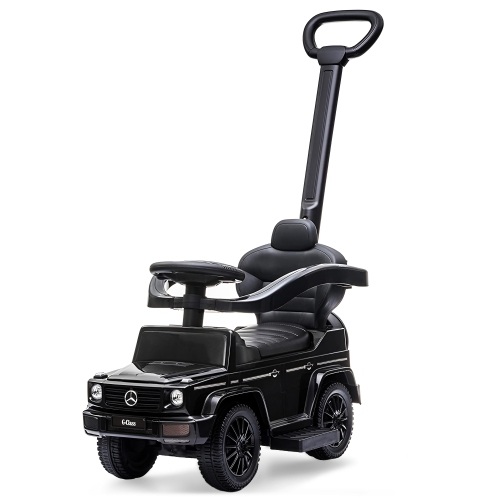
Kids’ push cars bring the fun of a small driving adventure to everyday play, whether that means a slow trip along a paved path or a pretend journey across the living room. Sized for young children, these ride-on toys typically take one of two forms: a car that an adult moves using a rear push handle, or a foot-powered car that a child propels while seated. Some designs combine these approaches, with removable footrests or other adjustable components that support different stages of use. The distinction matters because a toddler who enjoys sitting back during a supervised outing has different needs from a child eager to scoot forward independently. A steering wheel, a horn, an opening door, or a small storage compartment can add to the experience, turning a short ride into a delivery route for a favourite stuffed animal or a make-believe trip to visit family. Depending on the design, the steering wheel may guide the front wheels or serve only as a play feature, while the adult controls the direction through the handle. Push cars are generally intended for play rather than transportation, and an adult-pushed model should not be assumed to offer the same support, restraint system, or suitability for longer outings as a stroller. They can suit families looking for an active addition to supervised playtime, grandparents setting up a welcoming play space, or gift-givers marking a birthday or another childhood milestone. For households exploring different styles of vehicle-themed play, Cars for Kids provides a broader starting point alongside the more specific appeal of push cars. The strongest match is usually a car that fits the child’s present abilities and everyday play space, rather than one chosen mainly for its appearance or room to grow. A manageable seat height, a comfortable riding position, and controls the supervising adult can use easily all help make the toy a natural part of the day.
Fit involves more than the age range printed on the packaging. The manufacturer’s age, height, and weight limits establish the intended users, but the child’s sitting balance, reach, and ability to follow simple directions also matter. In a foot-powered push car, feet should reach the ground comfortably so the child can move and stop as intended without stretching or sliding forward on the seat. In an adult-pushed design, the child needs an appropriate place to rest both feet, clear of the wheels and ground. Where a restraint is supplied, it should be used and adjusted according to the instructions; it does not replace close adult supervision. Entry space deserves attention, too, especially when a child wears a jacket during the cooler months. A wide opening may make getting in and out easier, but doors, latches, and removable side supports should work securely and be appropriate for the child’s stage of development. For the adult, handle height and grip position can make a noticeable difference during a stroll. A handle that is too low may mean walking with a bent back, while limited clearance behind the car can interrupt a natural stride. Overall width and turning space matter in narrow hallways, around furniture, and near a home’s entrance. Wheel construction also influences where a push car feels most comfortable: hard plastic wheels may sound louder on indoor flooring, while wheels with a softer tread may offer a quieter ride, depending on their design and the surface. Small wheels can catch on uneven paving, loose gravel, or raised thresholds, so the intended riding surface is worth checking carefully. Flat, clear areas away from traffic, stairs, water, and steep slopes are the appropriate setting for supervised play. A push handle is not necessarily a brake, and a toy should never be left to roll downhill. Features such as cup holders, storage spaces, or a canopy can be useful, but they are secondary to a secure fit and predictable handling. Any canopy’s stated coverage should be checked rather than treated as complete sun protection.
Materials and construction affect both daily use and how well a kids’ push car stands up to repeated play. Moulded plastic bodies are common because they can provide rounded shapes and surfaces that are straightforward to wipe clean, while metal axles, fasteners, or handle components may provide support at key connection points. The feel of the assembled car matters as much as its appearance: wheels should turn as intended, the seat should remain secure, and the push handle should attach firmly without unexpected movement. Assembly requirements vary, and any change between riding modes should follow the manufacturer’s directions, including when to remove a footrest or reposition a support. Regular checks are especially useful after the toy has been moved between homes, packed into a vehicle, or stored for a while. Loose fasteners, cracked plastic, worn wheel attachments, and damaged restraints are reasons to pause use until the issue has been addressed properly. Care is usually simplest when crumbs, dirt, and moisture are dealt with before they collect around wheel hubs or inside storage compartments. A soft cloth and a cleaning method approved for the materials help protect surfaces; sound features or other electronic parts need particular care to keep water out. Removable fabric pieces, if included, may have separate washing instructions. Storage is another practical consideration for families working with a small entryway, shared garage, or limited cupboard space. A detachable handle can make a car easier to tuck away or transport, though its locking points should be checked each time it is reattached. During the cooler months, indoor play may be an option when there is enough clear floor space and the wheels are suitable for the flooring. Outdoor use depends on dry, safe surfaces rather than a child’s enthusiasm for another lap; ice, snow, and slippery leaves can interfere with control. Stored clean and dry in a sheltered space, with its condition checked regularly, a well-suited push car can support plenty of familiar little adventures, from carrying a toy passenger down the hall to enjoying an unhurried ride with a caregiver close by.
Top selling and popular products
-
 Your price for this item is $150.99
-
 Your price for this item is $799.99
-
 Your price for this item is $141.99
-
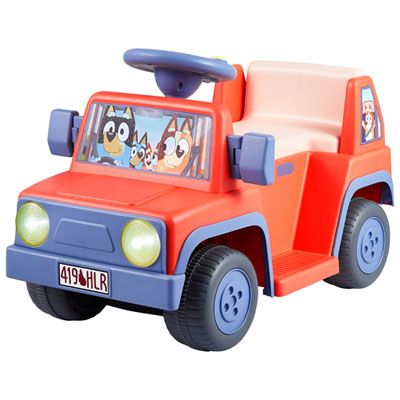 Your price for this item is $199.99
-
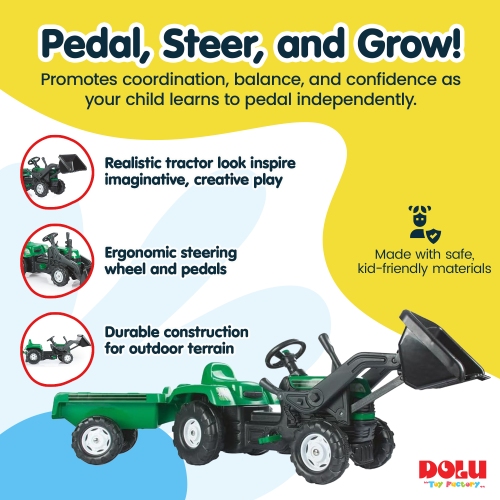 Your price for this item is $205.99
-
 Your price for this item is $199.99
-
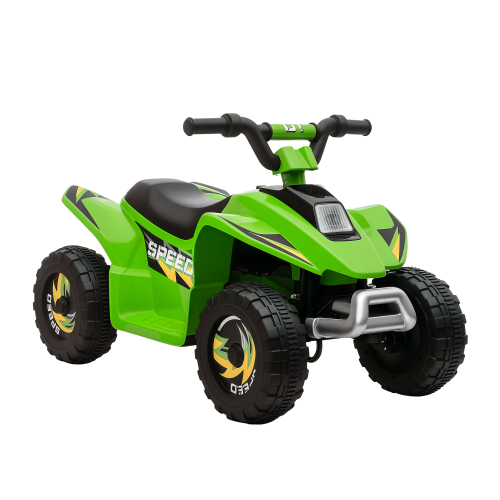 Your price for this item is $82.95
-
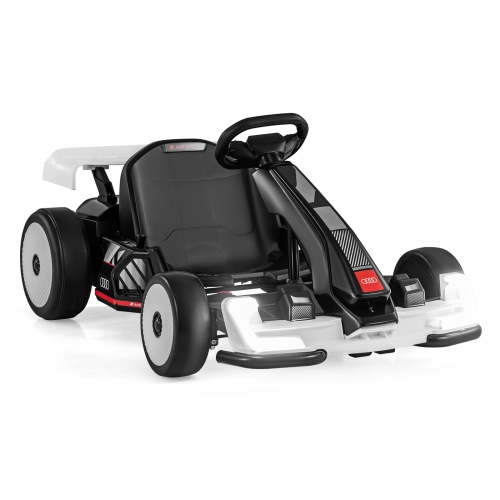 Your price for this item is $449.99
Discover more categories related to Kids Push Car

Top Collections:
Pokemon Centers, Kindle Devices, Best Budget Office Chairs, Canon G7X Cameras, Apple iPhones 16, Samsung Galaxy Phones, Refurbished Apple Laptops, Laptops for Students, iPhone 15 Apple, Budget Smartphones
Some products may be subject to Environmental Handling Fees
(EHF) depending on your province.
Learn more about EHFs.