Lighted Trucks
Transform your child's playtime into a vibrant adventure with our selection of lighted trucks. These eye-catching vehicles are designed to captivate and entertain, combining the thrill of imaginative play with the excitement of bright, colorful lights. Perfect for both indoor and outdoor fun, these trucks offer endless hours of entertainment while sparking creativity and exploration. Whether it's a birthday gift or a special treat, lighted trucks are sure to become a favorite in any toy collection. Explore the world of illuminated play and watch as young drivers navigate their way through thrilling adventures!
Sort


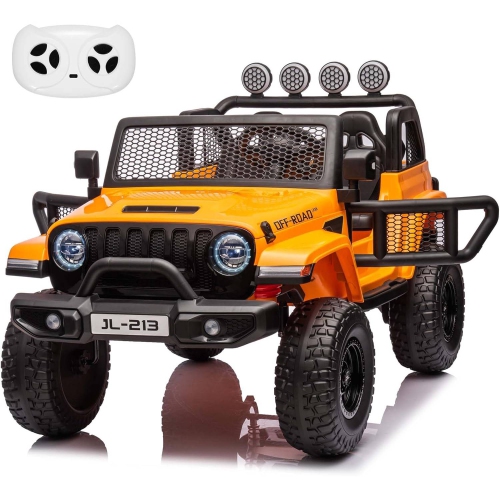
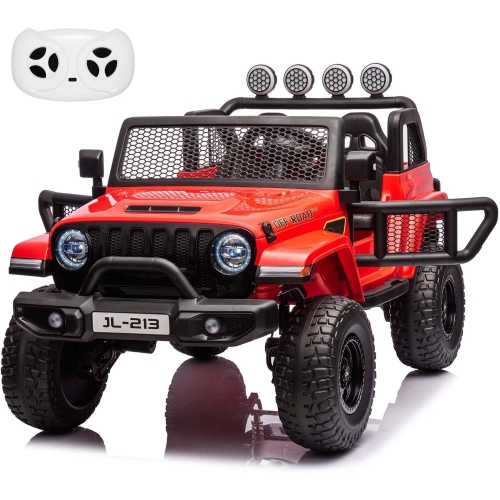
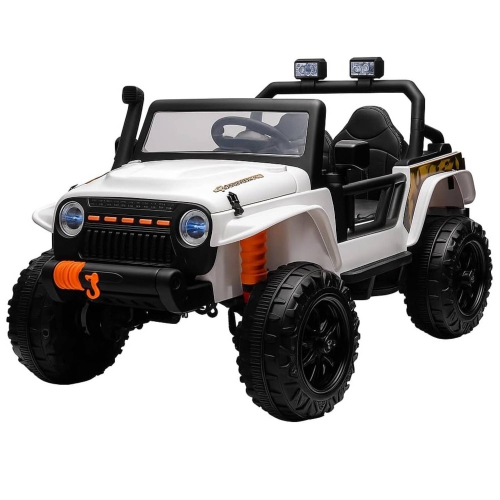
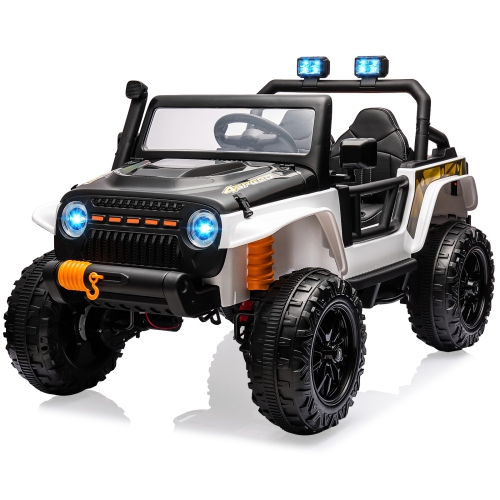
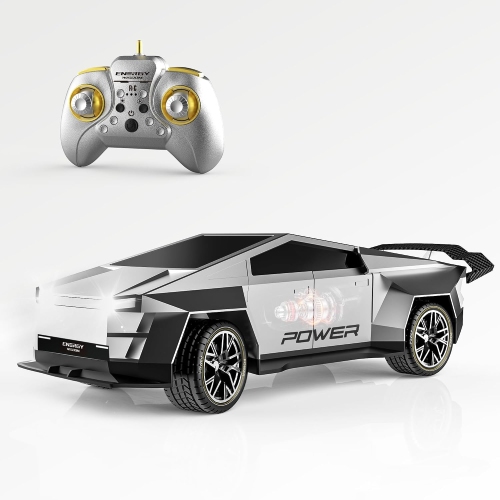

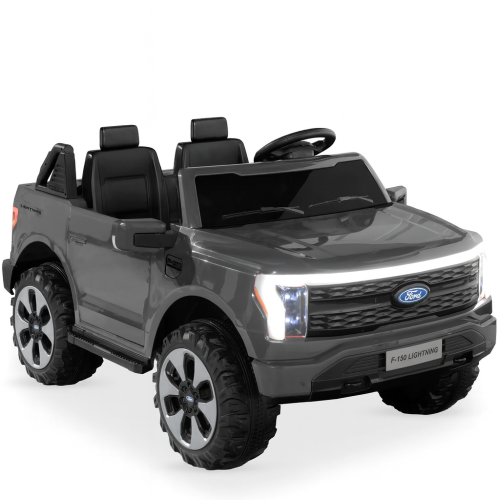
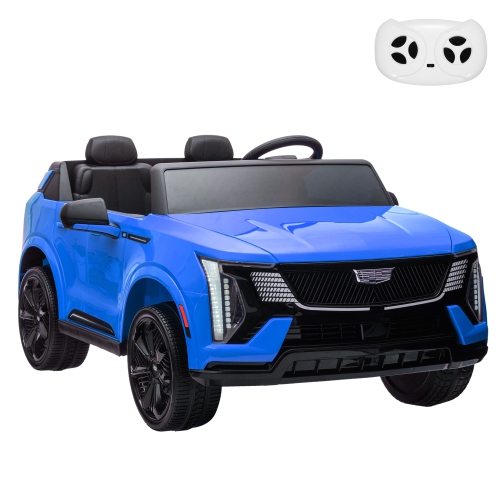
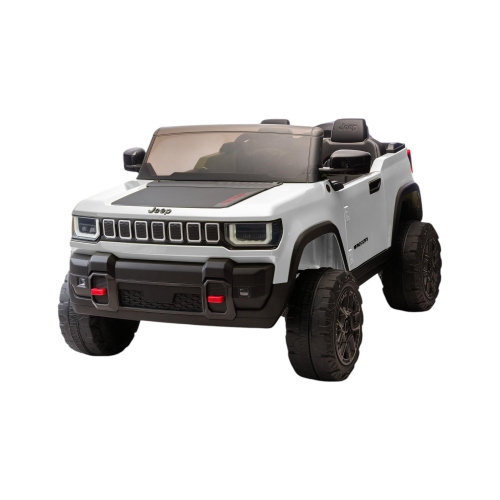


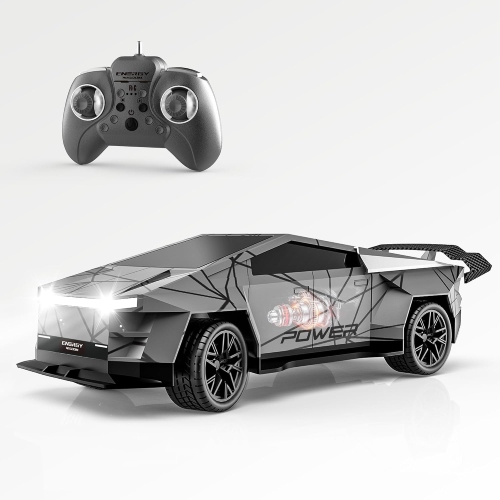


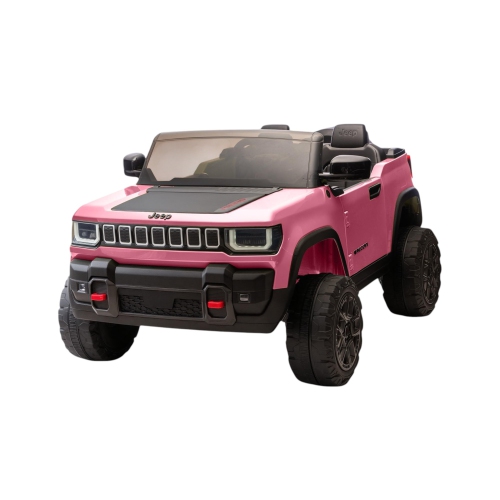


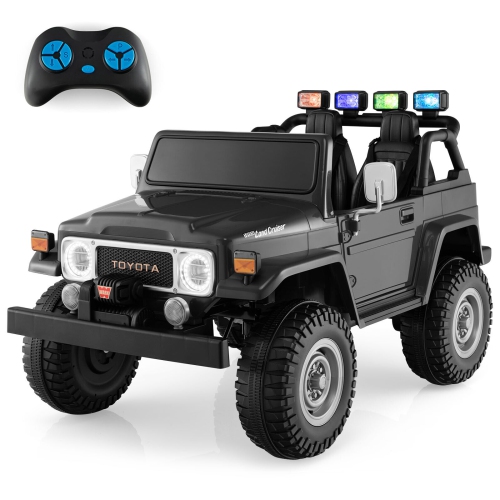
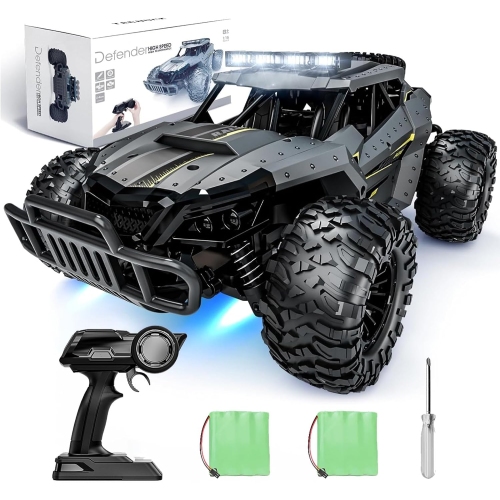
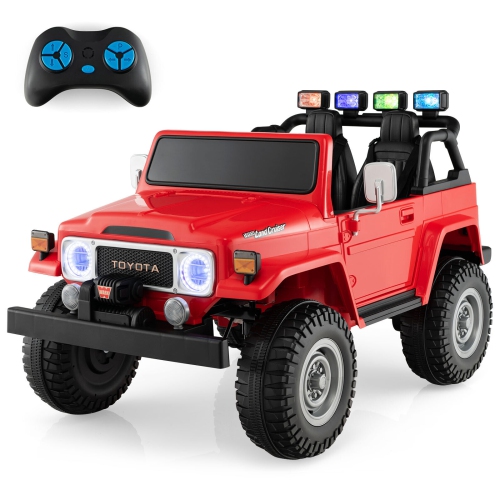
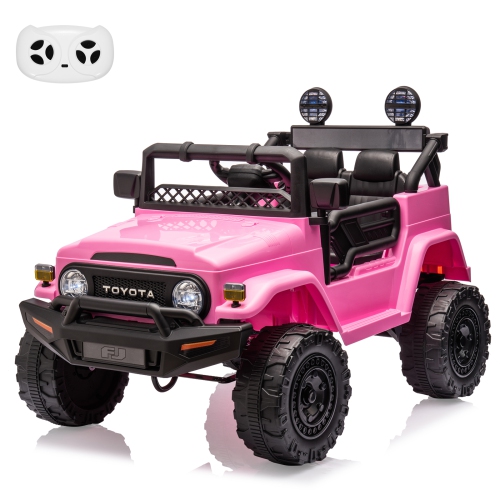
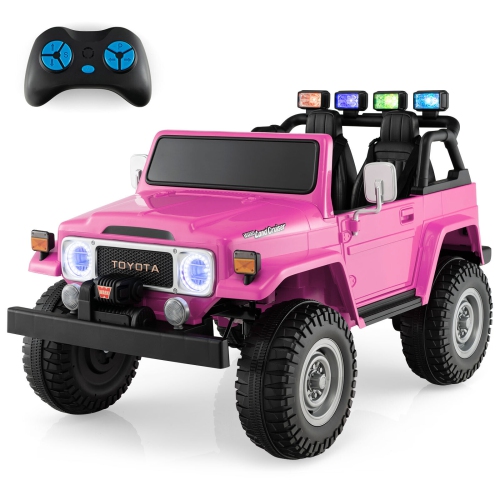
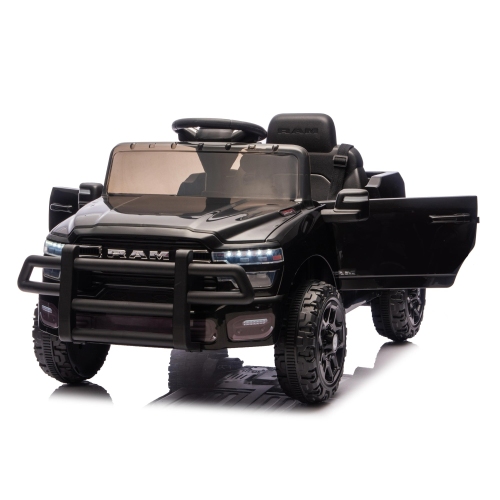
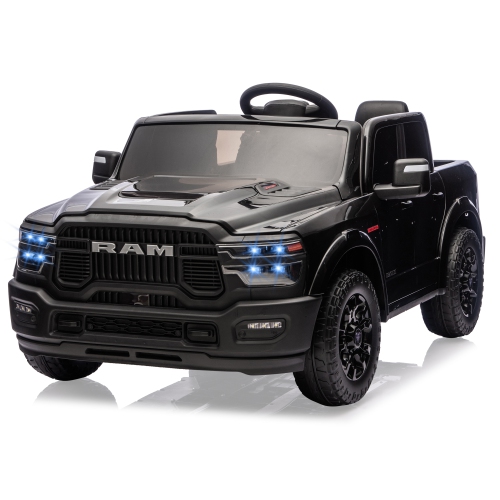
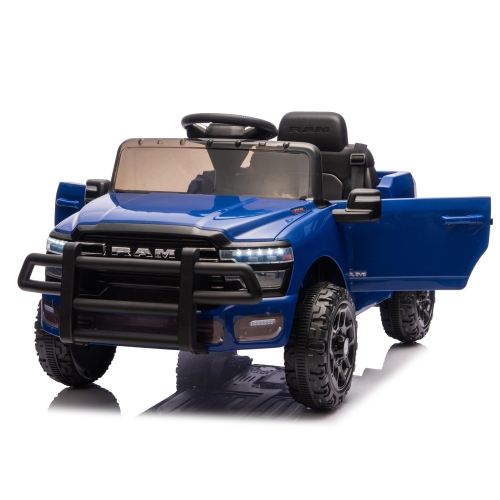
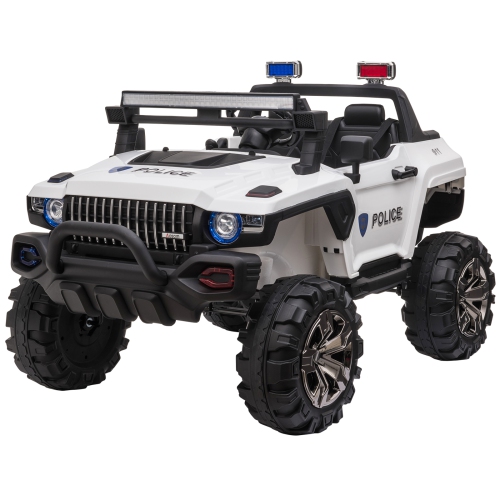
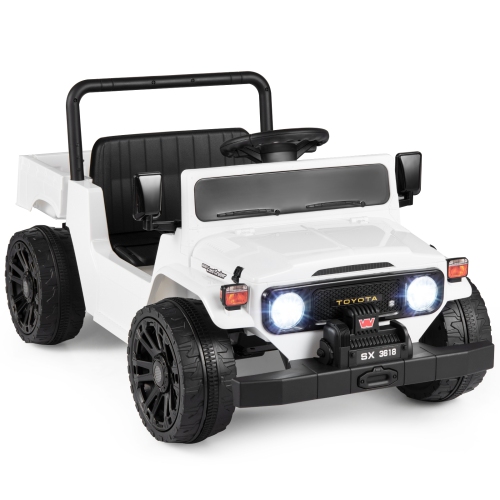




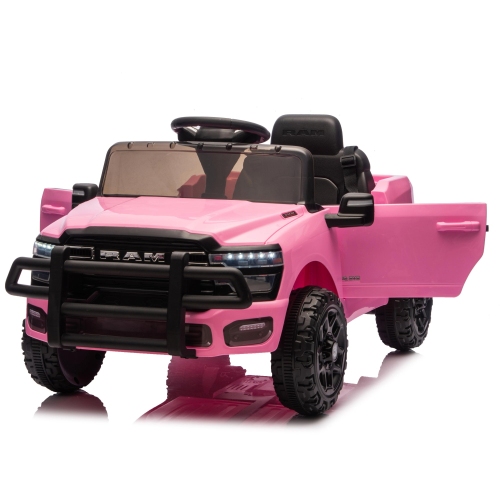


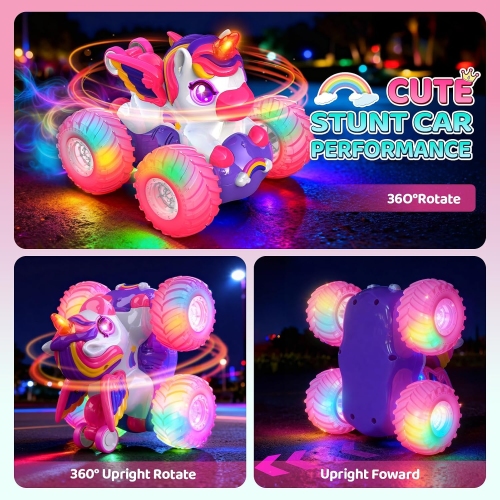
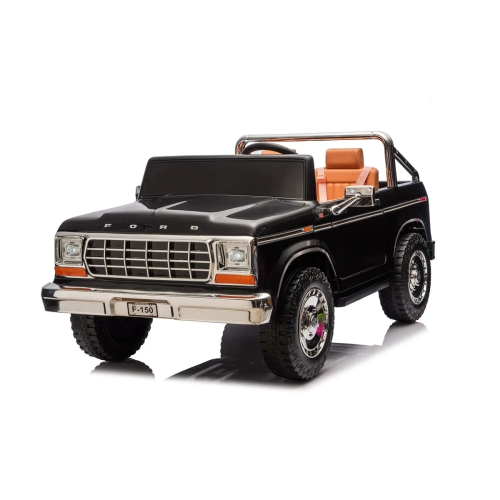

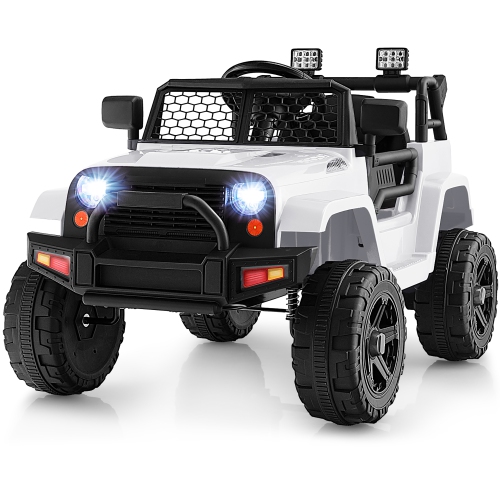
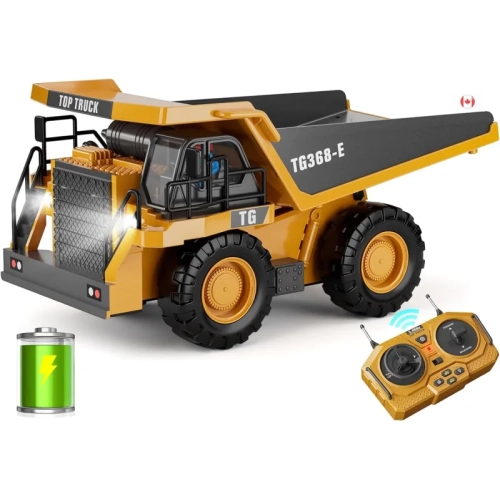
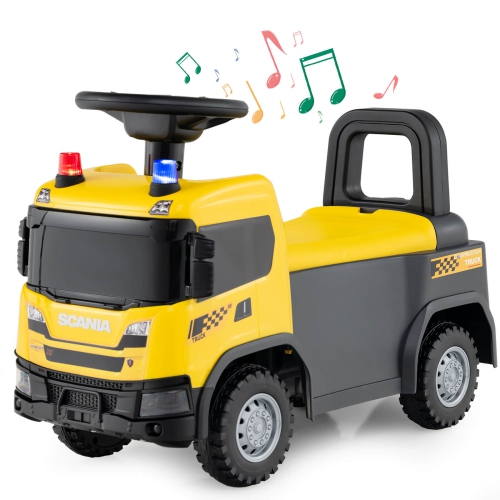

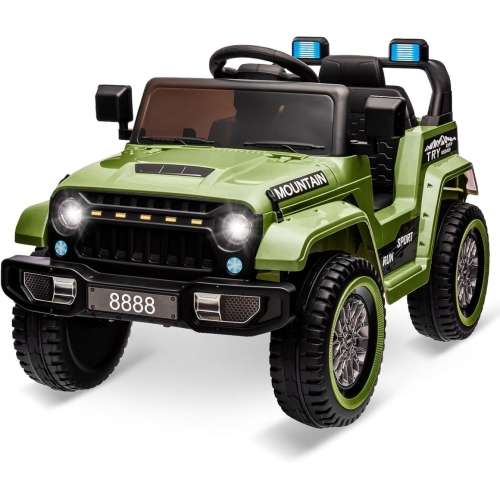
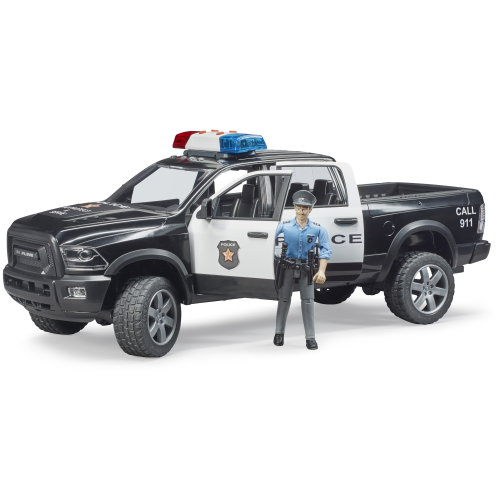


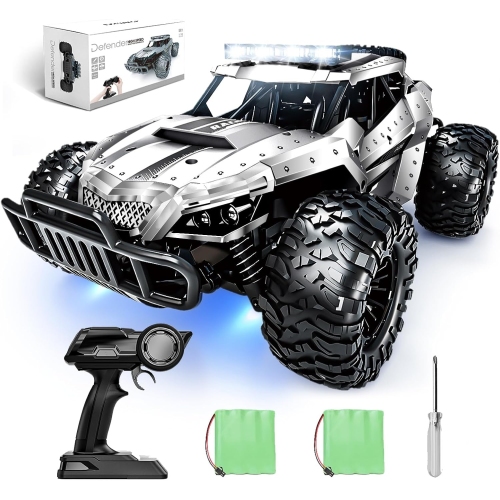


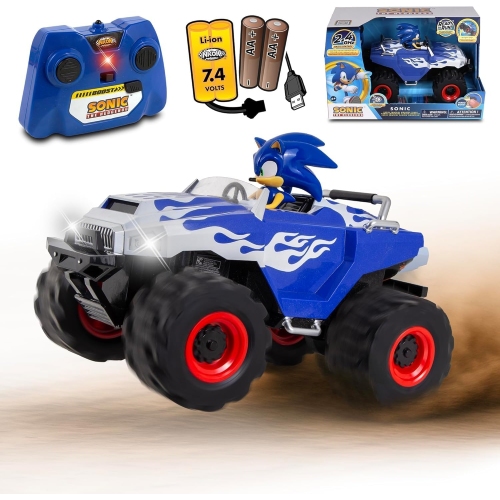
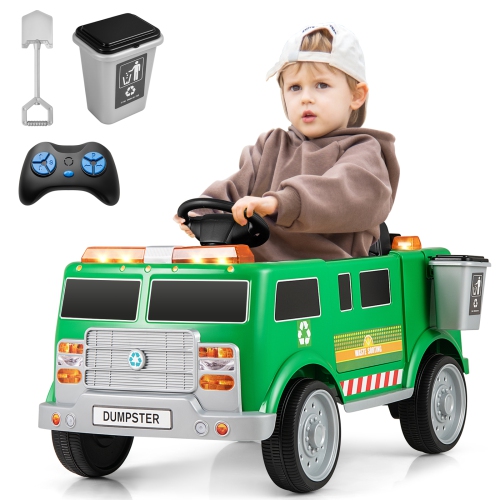

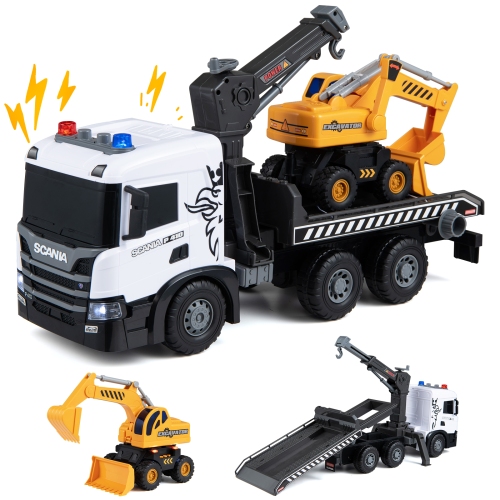


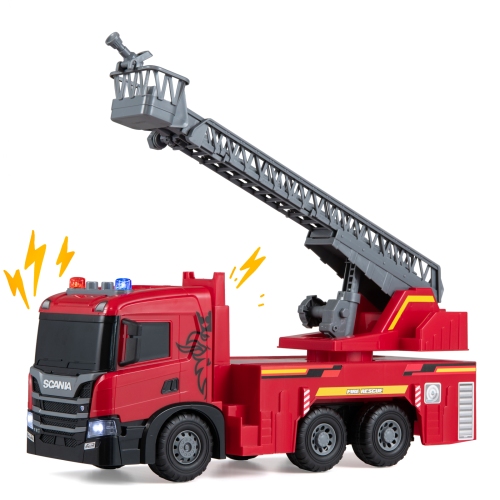
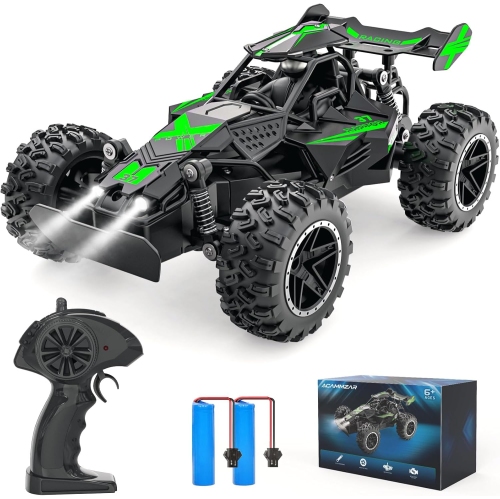
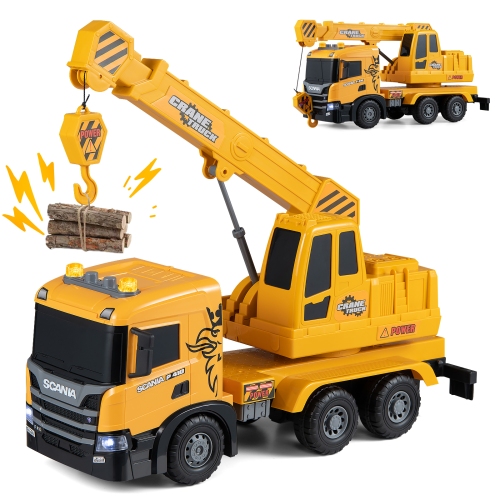


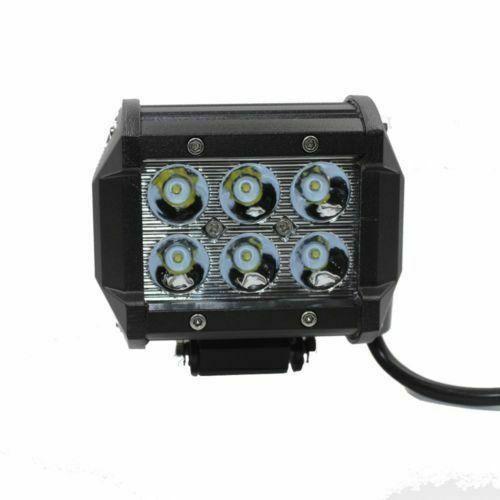
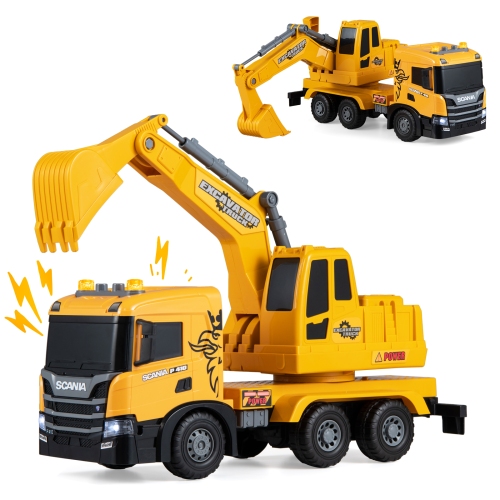
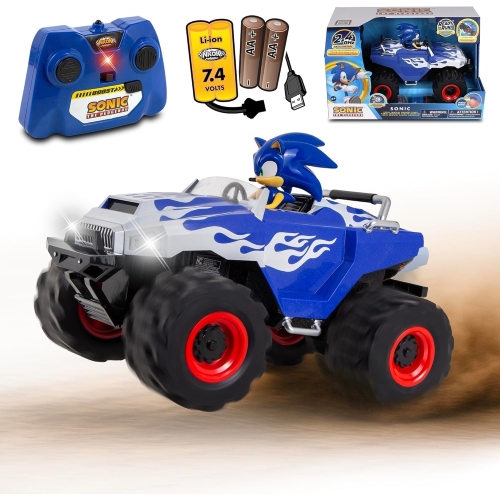


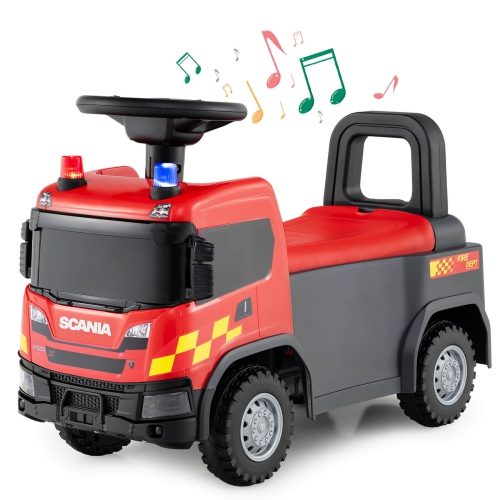

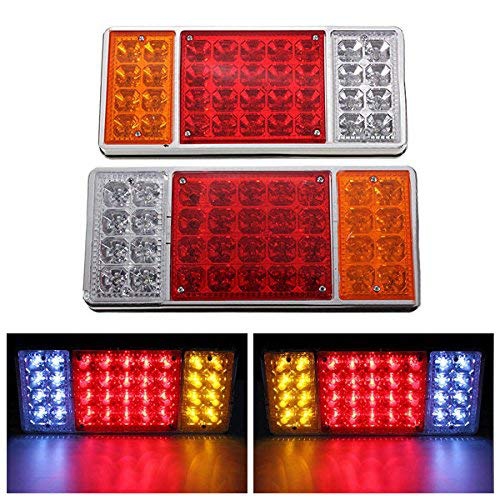


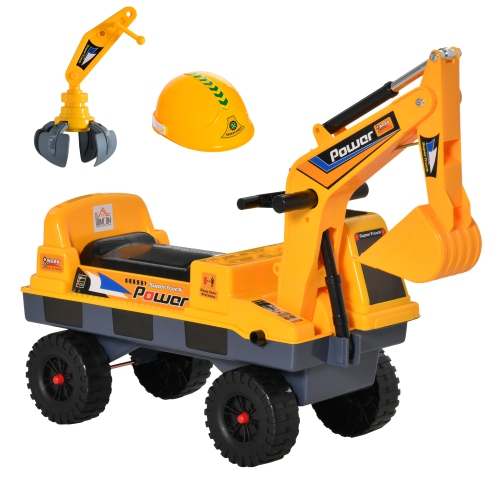
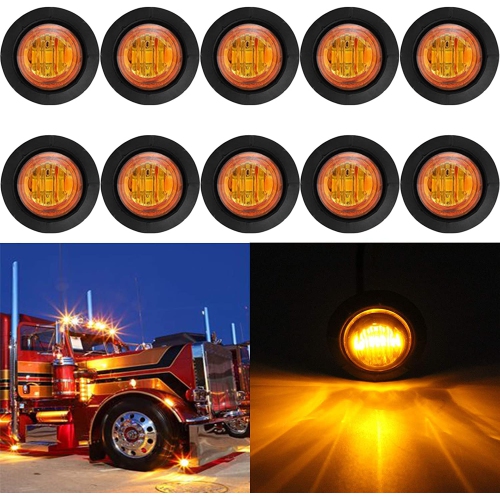
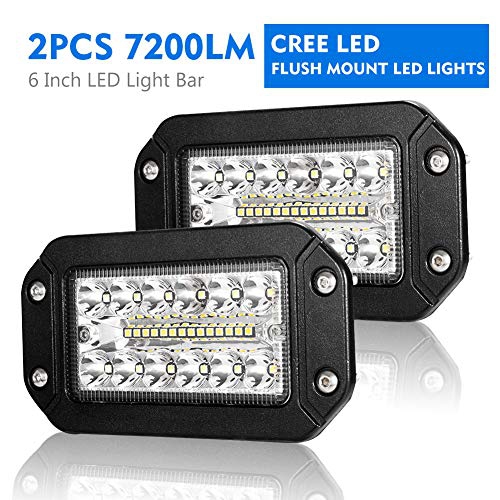
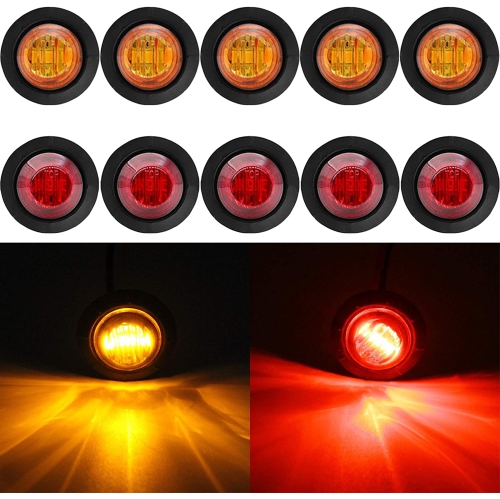

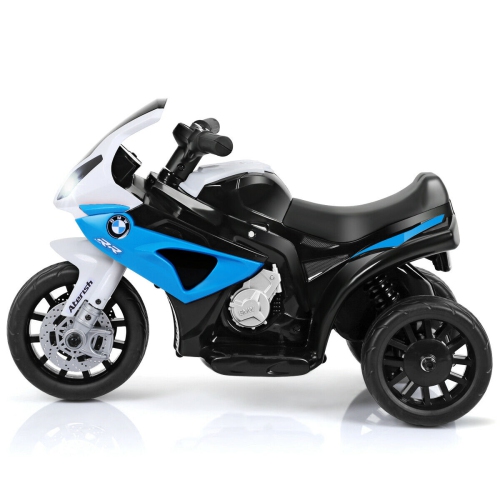

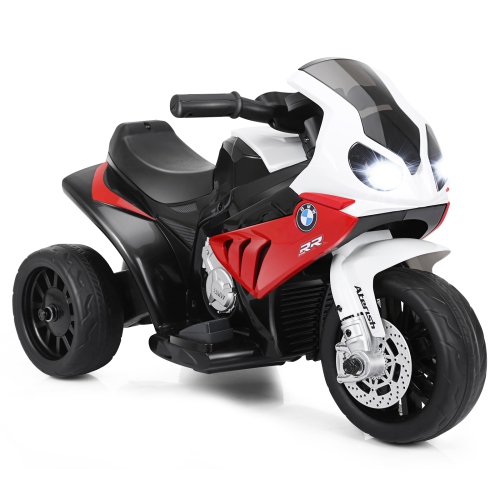


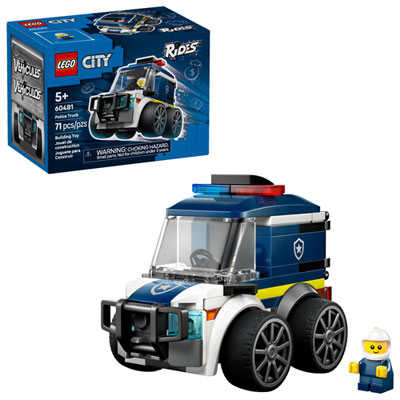





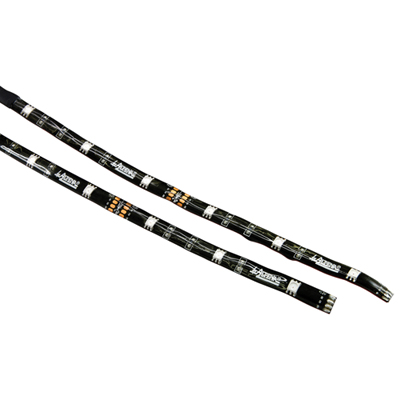


From glowing cab windows to festive truck convoys
Lighted trucks combine the familiar shape of a pickup, transport truck, or working vehicle with illumination that highlights its details. The term can describe full-size trucks outlined in lights for a holiday convoy, commercial vehicles fitted with auxiliary lighting, or truck-shaped illuminated decorations used around the home. These uses have different practical requirements: a decorative truck creates a visual accent, while lighting fitted to a road-going vehicle must suit its electrical system, mounting points, and intended application. For home displays, truck-inspired designs appeal to people who appreciate automotive history, country-style decorating, miniature scenes, or the look of a classic pickup carrying a festive load. Light shining through a cab window can give a small model a sense of depth, while an illuminated outline makes the truck’s profile visible from farther away. A compact design can sit beside books on a shelf; a larger silhouette needs enough space for its wheels, cab, and cargo area to read clearly without crowding nearby objects. Dimensions matter beyond the length of the truck itself. Raised cargo, projecting mirrors, and a battery compartment underneath can affect whether a decoration fits comfortably on a mantel or console table. Materials also influence its character and handling. Metal can give a model a crisp, structured appearance, moulded resin can capture textured details, and wood can provide a softer, more rustic finish. Transparent or translucent sections allow light to pass through, but may need gentler cleaning than the surrounding body. Painted finishes, small attachments, and exposed lighting components deserve particular attention when deciding where a piece will sit. An illuminated truck intended for display is not necessarily a toy, even if its wheels and bright colours attract a child’s attention. The manufacturer’s age guidance and intended use help distinguish a decorative object from something designed for hands-on play, and small parts or accessible batteries should remain out of children’s reach.
The effect of a lighted truck depends as much on its lighting and placement as on its shape. A soft glow inside the cab suits a close-up display, while brighter points along the body create a more pronounced outline. Warm white lighting can complement wood furniture and traditional holiday arrangements, whereas coloured lights give a scene a playful, animated character. Steady illumination is often easier to live with near a television or seating area than a flashing pattern, particularly where reflections appear in a screen or window. Battery-powered designs offer flexibility on shelves without nearby outlets, although the battery compartment should remain accessible once the display is arranged. Plug-in designs need a suitable outlet and a cord route that avoids walking paths, pinched cables, and stretched connections. Where a timer is included, its operating cycle determines when the decoration lights up and how often someone needs to handle it. Indoor and outdoor suitability should never be assumed from appearance alone. A truck decoration placed on a covered porch still needs the appropriate rating for that location, along with compatible power components and any protection specified by its manufacturer. On a tabletop, a flat base and sufficient clearance help prevent accidental knocks when curtains move or someone reaches for another object. A truck-themed scene can work alongside Lighted Signs, with spacing and brightness balanced so that both shapes remain distinct. For routine care, disconnect the power or remove batteries as directed before cleaning, use a soft cloth, and avoid getting moisture into switches, seams, or electrical compartments. Delicate cargo details and projecting trim are better supported from beneath than used as lifting points. When a display is put away, separate wrapping around fragile sections helps prevent chips and bent attachments. Follow the battery instructions for extended storage, and inspect cords, housings, and connections before the next use rather than powering a piece with visible damage.
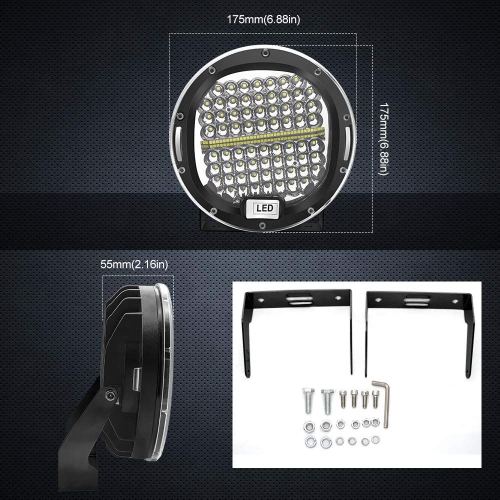
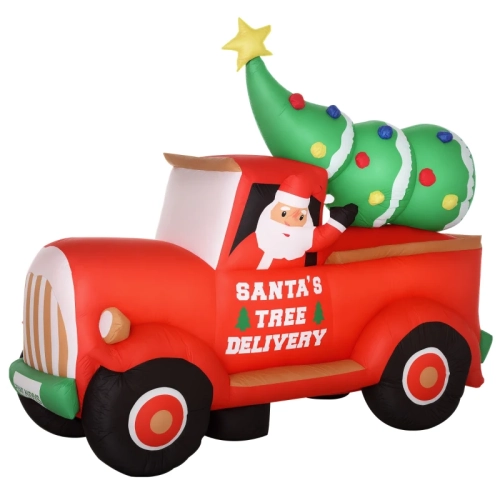
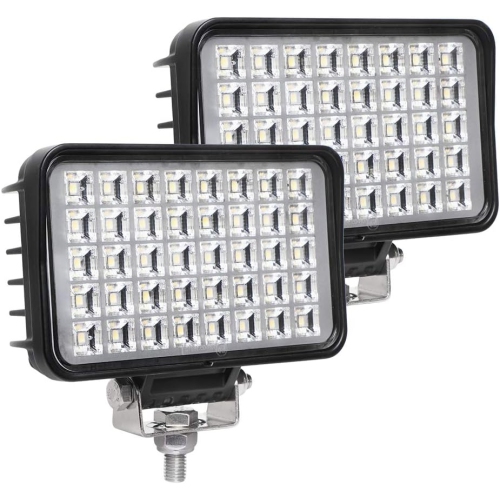
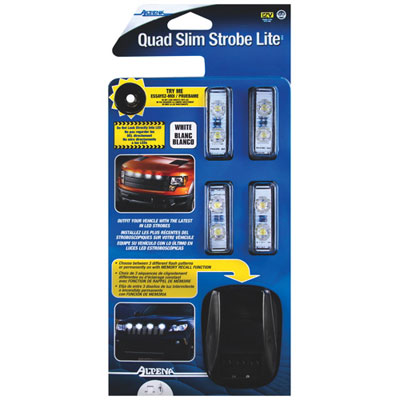
For full-size vehicles, lighted trucks serve a different purpose, ranging from festive presentation to task-specific illumination. Holiday truck convoys often turn working vehicles into moving displays, with strings of lights tracing trailers, cabs, and grilles as part of community celebrations or food and toy collection events. That visual tradition also explains the appeal of miniature illuminated trucks as Christmas decorations and gifts for drivers, vehicle enthusiasts, or someone with a family connection to trucking. On an actual truck, however, decorative lighting must not obscure required lamps, reflectors, number plates, mirrors, or the driver’s view. Attachments need to remain secure, wiring must be kept clear of moving parts and hot surfaces, and the installation must follow applicable provincial or territorial requirements and event rules. Functional auxiliary lighting has another role again: work lights can illuminate a stationary loading area or job site, while other lamp types are designed for specific driving applications. A broad flood beam spreads light across a nearby area; a narrower spot beam concentrates it farther ahead. Neither beam pattern alone establishes whether a lamp is permitted on public roads. Output, aiming, mounting position, switching, and local regulations all matter, and extra brightness can create glare rather than improve visibility when used incorrectly. Compatibility includes the vehicle’s electrical voltage, the circuit’s capacity, and the wiring and protection required by the lighting manufacturer. Weather-resistant housings, sealed connectors, and corrosion-resistant mounting hardware are useful considerations for equipment exposed to road spray and repeated washing, but a weather rating does not make every cleaning method suitable. Professional installation is appropriate when the work involves unfamiliar electrical connections or vehicle modifications. Whether the intended result is a small illuminated keepsake, a carefully arranged holiday scene, or lighting for a working truck, the important distinction is how the product will be used. Scale and finish shape a decorative display; secure fit, electrical compatibility, and approved operation govern vehicle-mounted equipment. Keeping those uses separate makes it easier to choose lighting that delivers the desired effect without asking a decorative product to perform a practical safety function.
Top selling and popular products
-
 Your price for this item is $150.99
-
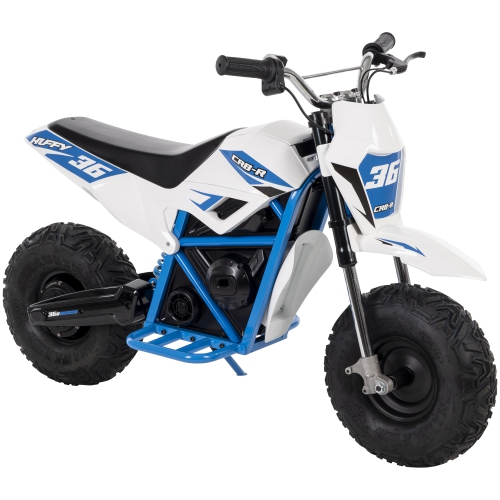 Your price for this item is $799.99
-
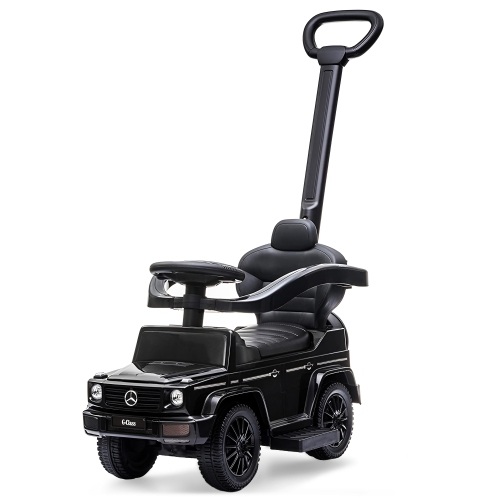 Your price for this item is $141.99
-
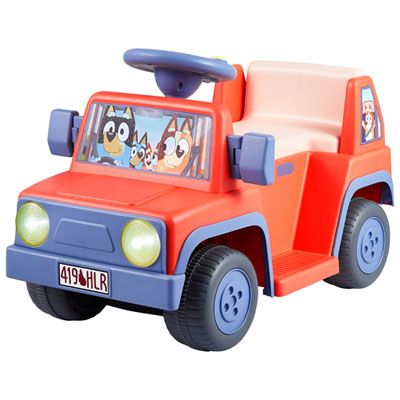 Your price for this item is $199.99
-
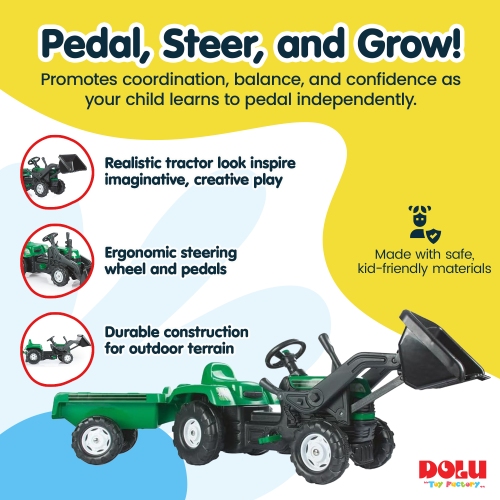 Your price for this item is $205.99
-
 Your price for this item is $199.99
-
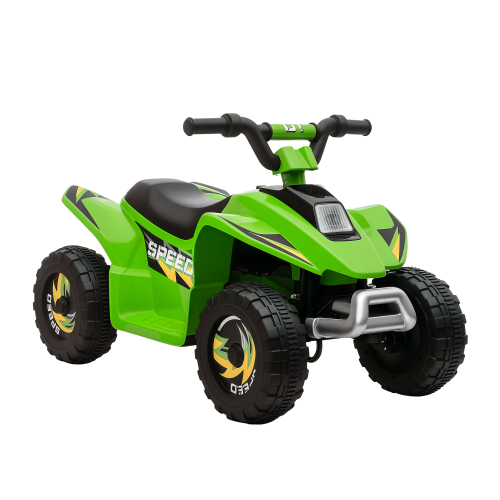 Your price for this item is $82.95
-
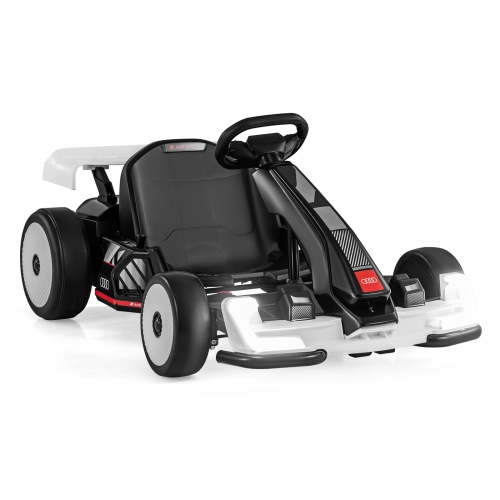 Your price for this item is $449.99
Discover more categories related to Lighted Trucks

Top Collections:
Pokemon Centers, Kindle Devices, Best Budget Office Chairs, Canon G7X Cameras, Apple iPhones 16, Samsung Galaxy Phones, Refurbished Apple Laptops, Laptops for Students, iPhone 15 Apple, Budget Smartphones
Some products may be subject to Environmental Handling Fees
(EHF) depending on your province.
Learn more about EHFs.