Nickelodeon Toys
Discover a world of fun and excitement with our wide selection of Nickelodeon toys. From beloved characters to thrilling adventures, these toys are designed to bring joy to kids of all ages. Whether you're looking for action figures, playsets, or plush toys, our Nickelodeon collection has something for everyone. Let your child's imagination soar as they embark on epic quests with their favorite Nickelodeon characters. Explore our diverse range of Nickelodeon toys and create endless hours of entertainment for your little ones.
Sort

![SHOUT FACTORY Angry Beavers, The - Season 1 & 2 - [DVD] I have been waiting for many years for Nick and MTV to finally release copies of this great program that](https://multimedia.bbycastatic.ca/multimedia/products/500x500/156/15690/15690819.jpeg)
Why play style matters as much as favourite characters
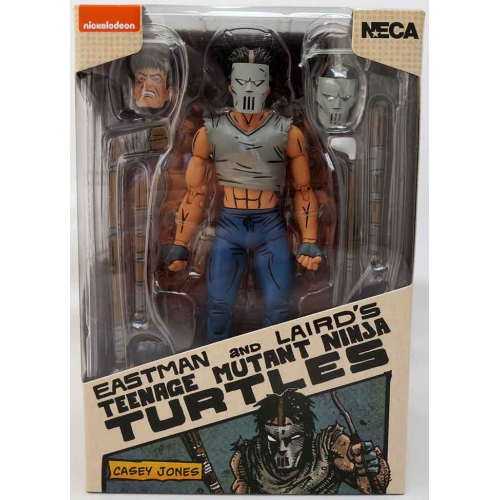
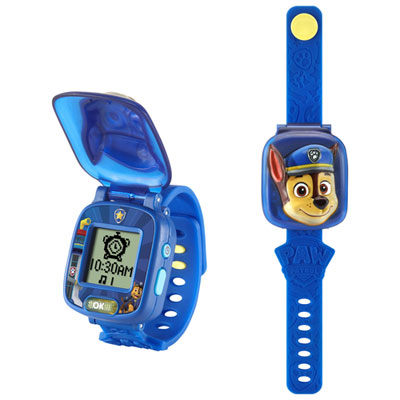
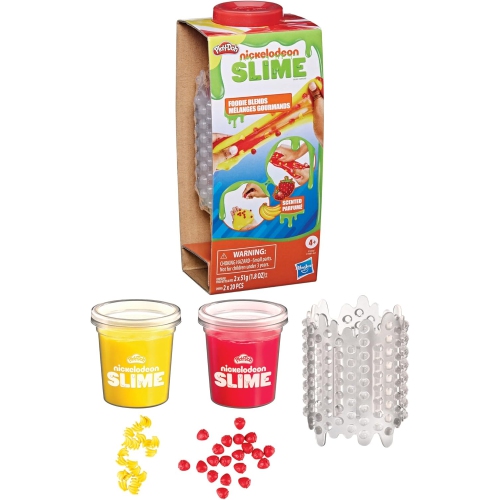
Nickelodeon toys bring familiar television characters into everyday play through action figures, playsets, plush toys, puzzles, games, and creative activities. Their appeal often starts with a familiar face, but the way a toy fits into a child’s day matters just as much as the character it features. A figure might become the hero of an adventure built from sofa cushions, while a soft character companion can share a reading nook or come along on a family visit. Character-based play gives children a starting point for their own stories, whether they recreate a favourite scene or invent an entirely different adventure. Figures and playsets lend themselves to dialogue, movement, and pretend missions; puzzles and tabletop games offer a more structured activity with a clear beginning and end. Arts and crafts materials provide another way to enjoy character themes through colouring, shaping, and hands-on making. These different formats suit different interests, so a child who loves drawing may connect with a creative activity more readily than a detailed display figure. Age labels and the description of the toy’s intended use help distinguish something designed for active play from something meant mainly for collecting. Younger children generally need pieces that are easy to grasp and features they can operate without complicated steps, while older children may enjoy more intricate builds, movable joints, or games with several stages of play. Familiarity with a character can make a toy appealing, but it does not replace checking its age rating, small-parts warnings, and supervision requirements. Fans drawn to an undersea setting can also explore SpongeBob toys for a more focused character theme. Across character interests, the most useful distinction is often between toys made for cuddling, storytelling, creating, playing together, or displaying. That distinction makes it easier to picture how a toy will actually be enjoyed beyond the excitement of opening its packaging.
Materials, construction, and size influence how character toys feel in the hand and stand up to regular use. Moulded plastic figures may have fixed poses or articulated limbs, with the latter allowing more expressive scenes but also introducing joints that need gentle handling. A broad base can help a figure stand during a tabletop adventure, while smaller accessories may need their own container to avoid disappearing between cushions. Playsets deserve attention to their full dimensions, including doors, ramps, or other features that extend beyond the main structure. Something that fits neatly on a shelf when closed may need considerably more room during play. Compatibility also matters: figures from different ranges are not necessarily the same scale, and a character may not fit the seats, openings, or attachment points of an unrelated set. Plush toys have a different set of practical considerations, including fabric texture, filling, stitching, and whether facial details are embroidered or attached. A compact plush can be easier to carry, whereas a larger one takes up more space in a bed, bag, or shared play area. For puzzles, piece count is only part of the experience; piece size, image detail, and the contrast between colours also affect how challenging assembly feels. Games vary in reading demands, number of players, setup time, and how long each turn lasts. Creative kits may include materials that require a protected work surface, adult assistance, or careful storage after opening. Care instructions should always come from the packaging or manufacturer, especially for toys with fabric, painted surfaces, sound features, or battery compartments. Some plush toys allow machine washing, while others require spot cleaning; those methods are not interchangeable. Hard toys may permit wiping with a damp cloth, but electronic components should not be immersed unless specifically designed for it. Routine checks for loose seams, cracked pieces, and damaged battery covers help keep well-loved toys suitable for their intended use. Batteries, magnets, and detachable parts also need handling and storage appropriate to the child’s age.
Nickelodeon-themed toys can suit solo play, sibling activities, family game time, and gifts for fans whose affection for a character continues beyond childhood. For a child who enjoys making up stories aloud, a few manageable figures can leave plenty of room for imagination without requiring an elaborate setup. For someone who prefers a quiet task, a puzzle or creative activity can give a rainy afternoon a comfortable rhythm: pieces spread across the table, a picture gradually taking shape, and space to pause before finishing. During the cooler months, indoor toys that can be set up and put away easily are particularly practical in rooms used for homework, meals, and family time. Shared activities work best when their demands suit everyone taking part. A game with lengthy reading may need an adult partner for a younger player, while a playset with several usable areas can give siblings room to develop parallel stories. Sound and light features can add excitement, but volume controls, an off switch, and battery requirements are worth checking when a toy will be used in a shared space. For gifting, the recipient’s interests, age, and play habits offer more useful direction than character recognition alone. A favourite character in the wrong format may spend more time on a shelf than in someone’s hands. Parents and caregivers may also appreciate knowing how much assembly is involved, whether extra supplies are required, and where all the pieces will go afterwards. A lidded container for accessories, a flat surface for an unfinished puzzle, or a reachable basket for plush companions can make repeat use easier. Adult fans may value sculpted details, expressive poses, and a size that suits a desk or display shelf, rather than features designed for energetic play. Display-focused collectibles should still be kept away from children when they contain fragile elements or small parts. Whether chosen for a birthday, a family celebration, or an everyday surprise, a character toy feels more personal when its design matches the recipient’s routines and interests. The familiar theme creates the connection; comfortable handling, appropriate complexity, and thoughtful construction help that connection last.
Materials, construction, and size influence how character toys feel in the hand and stand up to regular use. Moulded plastic figures may have fixed poses or articulated limbs, with the latter allowing more expressive scenes but also introducing joints that need gentle handling. A broad base can help a figure stand during a tabletop adventure, while smaller accessories may need their own container to avoid disappearing between cushions. Playsets deserve attention to their full dimensions, including doors, ramps, or other features that extend beyond the main structure. Something that fits neatly on a shelf when closed may need considerably more room during play. Compatibility also matters: figures from different ranges are not necessarily the same scale, and a character may not fit the seats, openings, or attachment points of an unrelated set. Plush toys have a different set of practical considerations, including fabric texture, filling, stitching, and whether facial details are embroidered or attached. A compact plush can be easier to carry, whereas a larger one takes up more space in a bed, bag, or shared play area. For puzzles, piece count is only part of the experience; piece size, image detail, and the contrast between colours also affect how challenging assembly feels. Games vary in reading demands, number of players, setup time, and how long each turn lasts. Creative kits may include materials that require a protected work surface, adult assistance, or careful storage after opening. Care instructions should always come from the packaging or manufacturer, especially for toys with fabric, painted surfaces, sound features, or battery compartments. Some plush toys allow machine washing, while others require spot cleaning; those methods are not interchangeable. Hard toys may permit wiping with a damp cloth, but electronic components should not be immersed unless specifically designed for it. Routine checks for loose seams, cracked pieces, and damaged battery covers help keep well-loved toys suitable for their intended use. Batteries, magnets, and detachable parts also need handling and storage appropriate to the child’s age.
Nickelodeon-themed toys can suit solo play, sibling activities, family game time, and gifts for fans whose affection for a character continues beyond childhood. For a child who enjoys making up stories aloud, a few manageable figures can leave plenty of room for imagination without requiring an elaborate setup. For someone who prefers a quiet task, a puzzle or creative activity can give a rainy afternoon a comfortable rhythm: pieces spread across the table, a picture gradually taking shape, and space to pause before finishing. During the cooler months, indoor toys that can be set up and put away easily are particularly practical in rooms used for homework, meals, and family time. Shared activities work best when their demands suit everyone taking part. A game with lengthy reading may need an adult partner for a younger player, while a playset with several usable areas can give siblings room to develop parallel stories. Sound and light features can add excitement, but volume controls, an off switch, and battery requirements are worth checking when a toy will be used in a shared space. For gifting, the recipient’s interests, age, and play habits offer more useful direction than character recognition alone. A favourite character in the wrong format may spend more time on a shelf than in someone’s hands. Parents and caregivers may also appreciate knowing how much assembly is involved, whether extra supplies are required, and where all the pieces will go afterwards. A lidded container for accessories, a flat surface for an unfinished puzzle, or a reachable basket for plush companions can make repeat use easier. Adult fans may value sculpted details, expressive poses, and a size that suits a desk or display shelf, rather than features designed for energetic play. Display-focused collectibles should still be kept away from children when they contain fragile elements or small parts. Whether chosen for a birthday, a family celebration, or an everyday surprise, a character toy feels more personal when its design matches the recipient’s routines and interests. The familiar theme creates the connection; comfortable handling, appropriate complexity, and thoughtful construction help that connection last.
Top selling and popular products
-
 Your price for this item is $19.99
 -
 Your price for this item is $17.25
 -
![MATTEL Jurassic World: Roarin' Super Colossal Tyrannosaurus Rex [Toys, Ages 4+]](https://multimedia.bbycastatic.ca/multimedia/products/500x500/151/15136/15136683.jpg) Your price for this item is $189.99
Your price for this item is $189.99 -
 Your price for this item is $59.95
 -
 Your price for this item is $59.95
 -
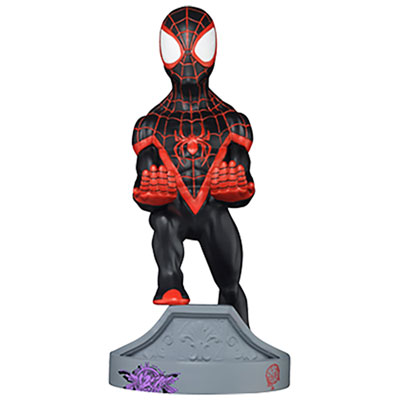 Your price for this item is $39.99
 -
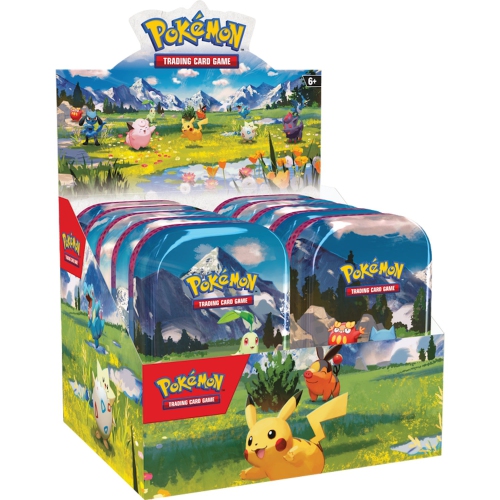 Your price for this item is $517.44
 -
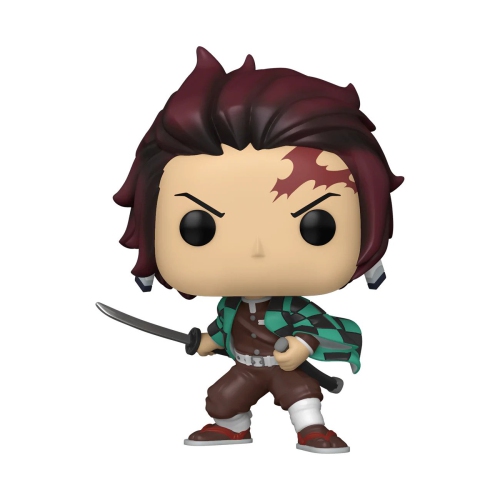 Your price for this item is $34.55
Discover more categories related to Nickelodeon Toys
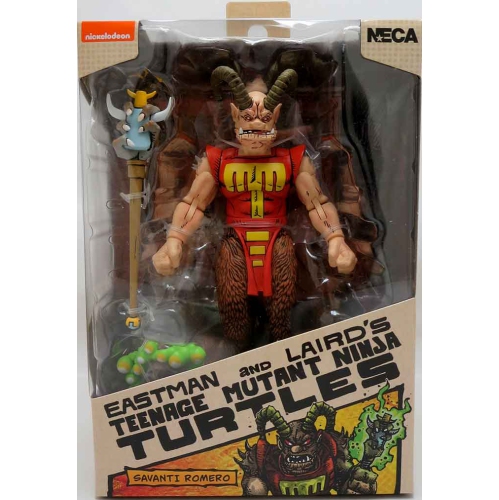
Top Collections:
Pokemon Centers, Budget 4K TVs, Best Budget Office Chairs, Kindle Devices, Canon G7X Cameras, Apple iPhones 16, iPhone 15 Apple, Laptops for Business Work, Xiaomi Phones, Flip Phones
Some products may be subject to Environmental Handling Fees
(EHF) depending on your province.
Learn more about EHFs.