Pokemon Booster Box Canada
Discover an exciting selection of Pokemon Booster Box Canada options, perfect for collectors and trading card enthusiasts. Whether you’re looking to expand your collection, find rare cards, or enjoy the thrill of opening new packs, there’s something here for every fan. Explore a variety of booster boxes available in Canada and take your Pokemon card experience to the next level.
Sort
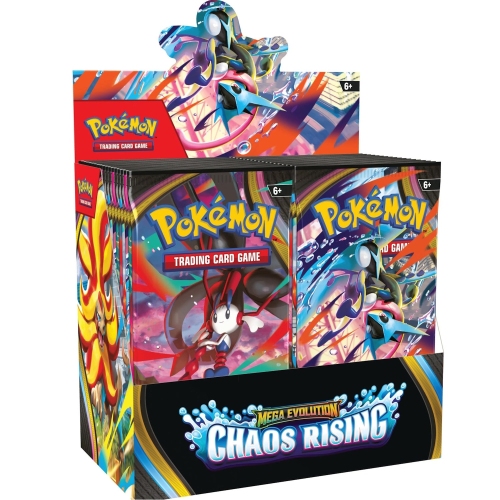
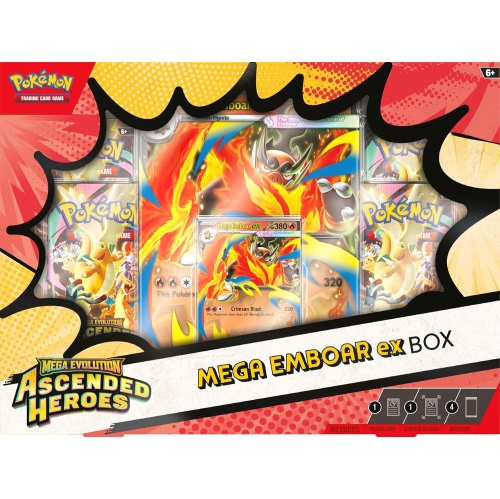
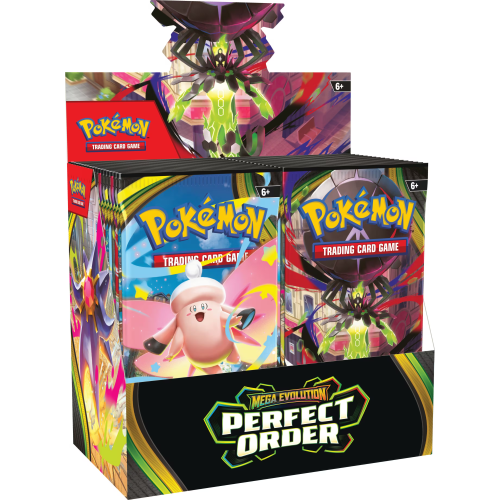
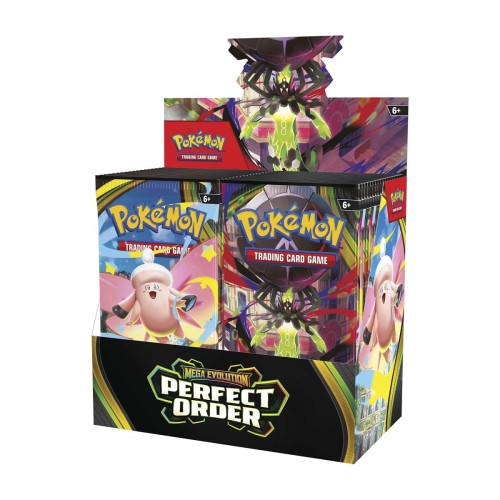
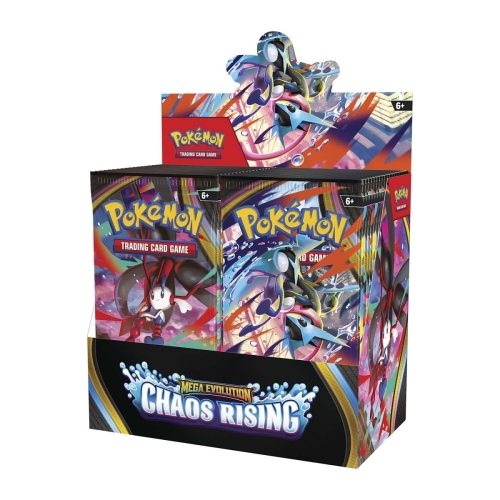
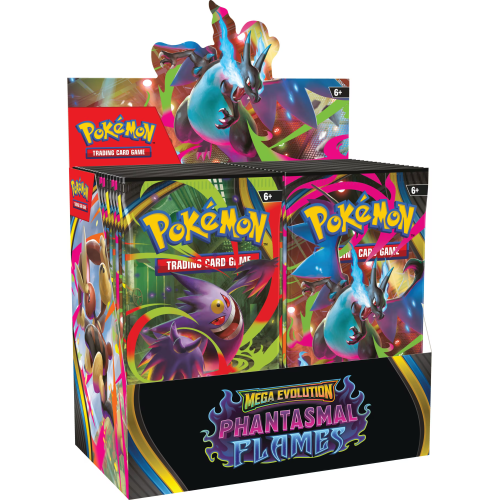
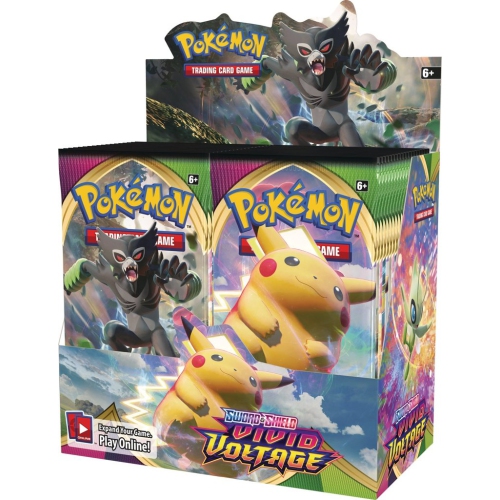
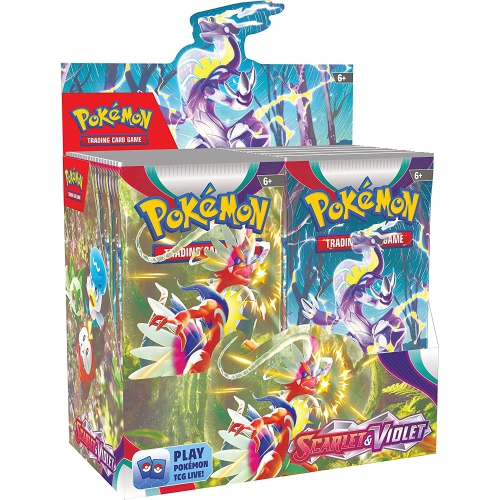
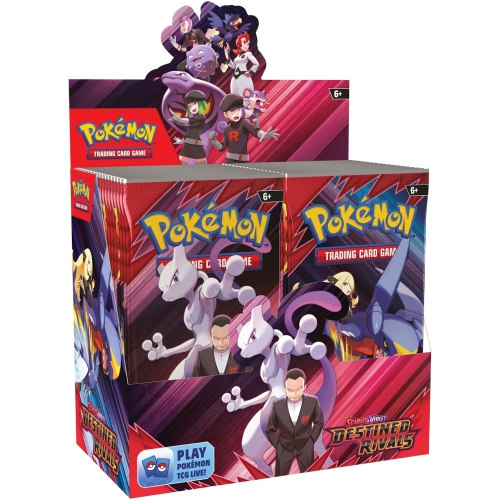
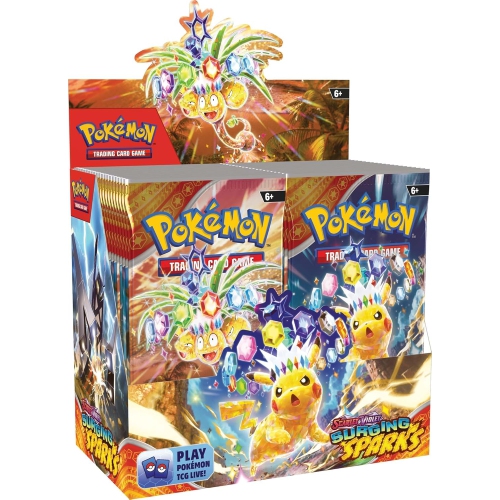
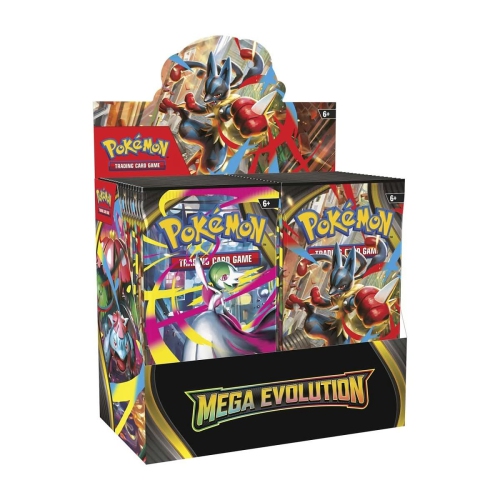
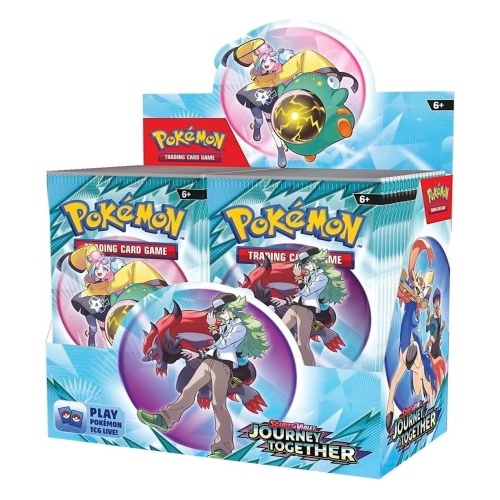
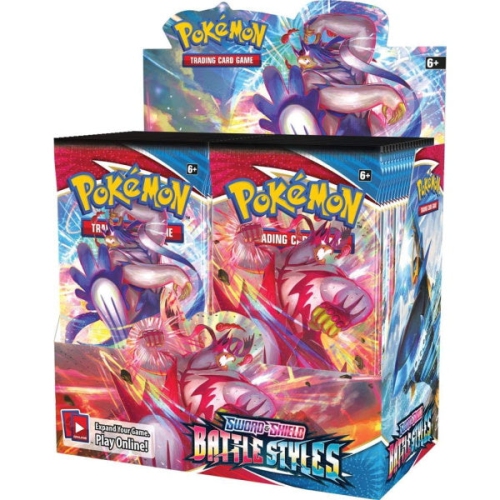
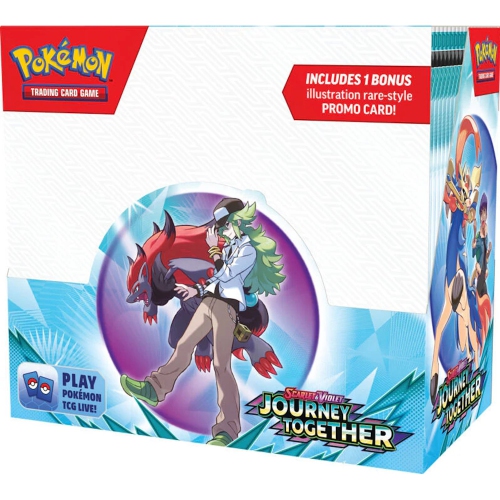
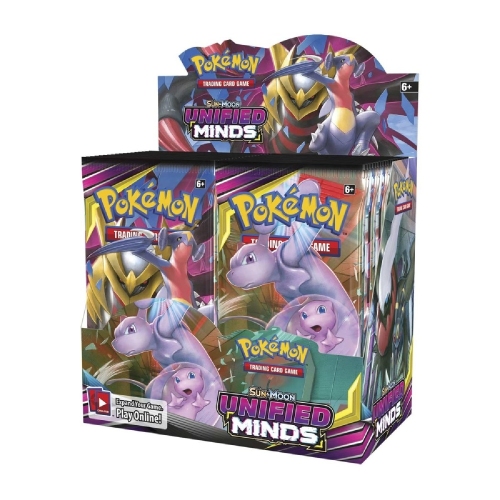
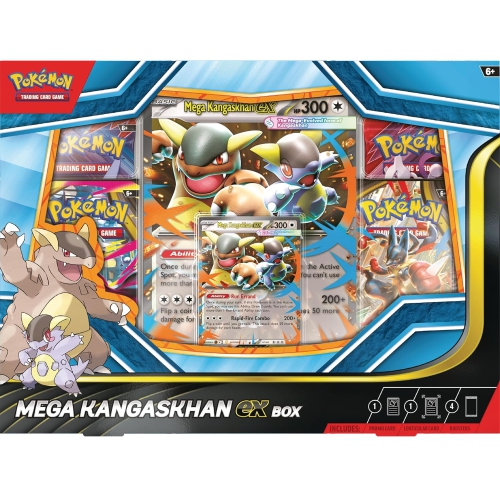

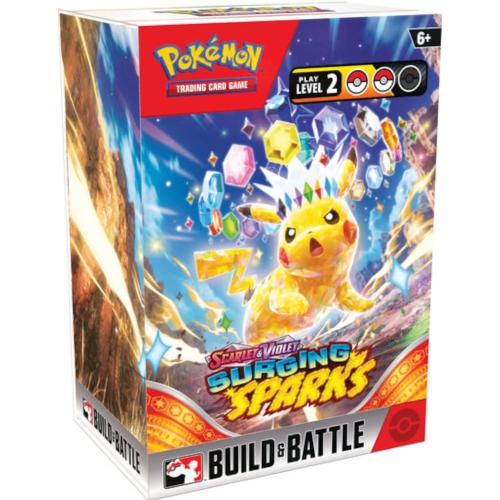
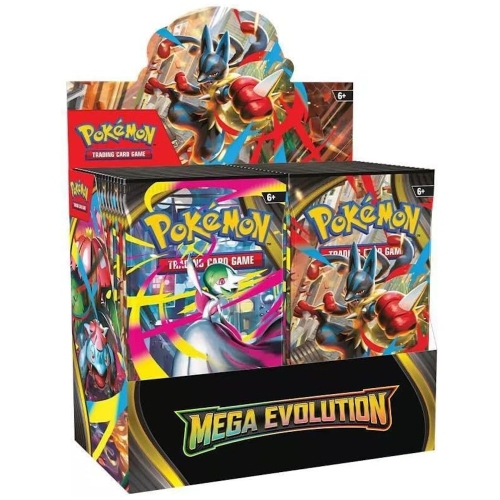
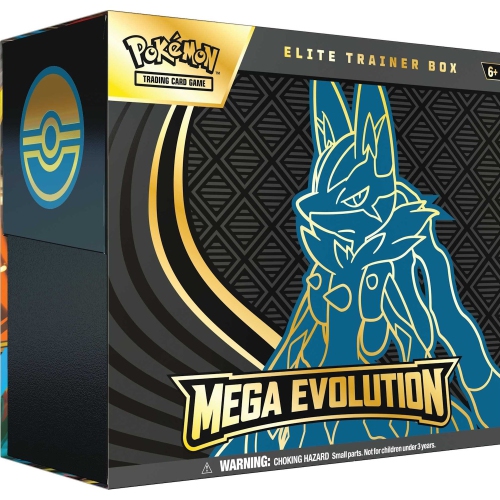
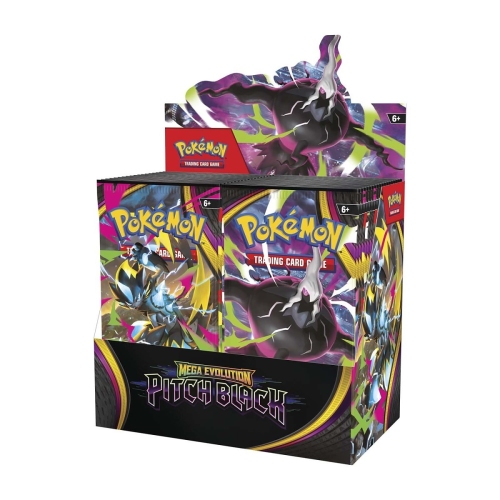

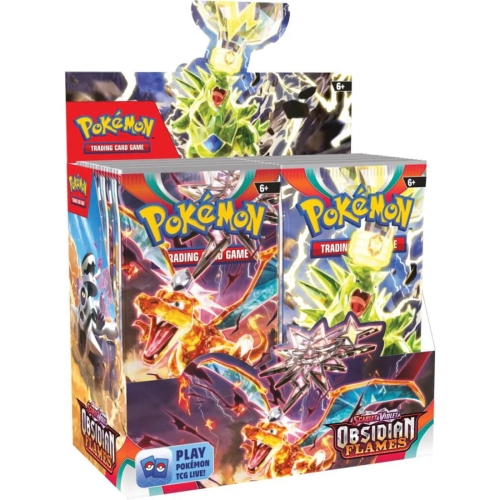
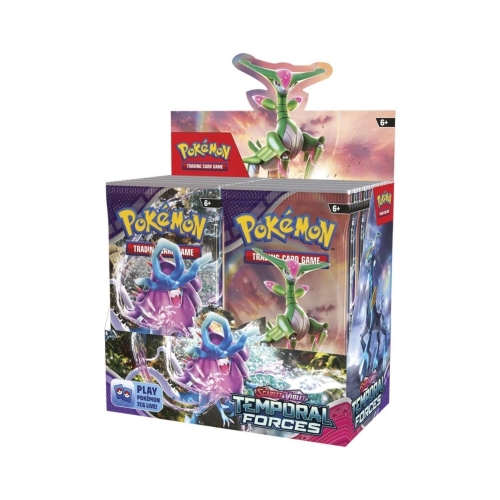
Every sealed pack holds possibilities for collections and decks
A booster box brings together multiple sealed trading card packs, making it a practical format for collectors who enjoy opening packs from the same expansion and players looking to broaden their deck-building options. The appeal is partly in the opening itself: the crinkle of a wrapper, the first glimpse of an illustration, and the possibility of finding a card that belongs in a favourite binder or a carefully planned deck. For shoppers in Canada, Pokemon Booster Boxes can suit several different interests, from starting a focused collection to sharing a pack-opening session with family or friends. Box formats differ, so the expansion name, card language, number of packs, and stated contents are more useful points of comparison than the size of the packaging alone. A booster box is not necessarily interchangeable with a smaller booster bundle or a boxed collection containing packs and accessories. Each format has its own contents, and similar-looking packaging does not mean the same opening experience. Booster packs contain a randomized selection of cards, with the exact structure depending on the release. Repeated cards are a normal part of opening several packs, and a sealed box does not guarantee a particular character, illustration, rarity, or complete set. That unpredictability is enjoyable for many collectors, but it also makes this format different from choosing individual cards to fill specific gaps. Someone interested in artwork may enjoy seeing how an expansion presents familiar characters in different scenes, while a player may pay closer attention to attacks, Abilities, and supporting cards. Neither approach requires chasing only the rarest cards. A page of matching illustrations, a collection centred on a favourite character, or a useful group of cards for casual play can make an opening feel worthwhile. The most suitable box is one whose language, expansion, and format match the way its recipient actually enjoys the hobby.
For gameplay, booster boxes are best understood as a source of possibilities rather than a complete, ready-to-play experience. A playable deck needs the right combination of cards under the rules of the chosen format, and opening packs alone may not provide that balance. Players often use new cards to adjust an existing deck, test a different strategy, or build a pool of cards for friendly games at home. A useful card might be one that helps draw through a deck, supports a particular attack, or works well with cards already in a collection. The expansion therefore matters beyond its packaging artwork: different releases introduce different combinations of characters, mechanics, and strategic options. For organized play, eligibility depends on the event format and its rules, so the age or appearance of a card is not enough to establish whether it can be used. Card language also deserves attention. Collectors may appreciate editions in more than one language, while players need to be able to read and understand the cards they use; organized events can also have language requirements. English, French, and other language editions should be treated as distinct choices rather than assumed to have identical packaging or pack configurations. At a casual table, sorting newly opened cards into groups can be part of the fun. One person might separate cards by type, another might arrange them by collector number, and a younger participant might set aside every illustration featuring a favourite character. Duplicate cards can support multiple decks, provide material for agreed-upon trades, or help siblings maintain separate collections. Trades are most enjoyable when everyone understands what is being exchanged and has time to decide without pressure. For families, opening a few packs at a time can leave room to read the cards, compare artwork, and learn how different effects work together. A booster box can support that slower pace just as naturally as a single shared opening session, without requiring every pack to be opened at once.
The cards themselves are printed paperboard, so their long-term condition depends heavily on handling and storage. Edges and corners are particularly vulnerable to rough shuffling, tight compartments, and repeated movement against other cards. Foil finishes can also show scratches when surfaces rub together. Clean, dry hands and an uncluttered table make a noticeable difference during an opening, especially when several people are sorting cards at once. Keeping drinks, food, and adhesive materials away from the sorting area helps prevent damage that sleeves cannot undo. Sleeves should fit the card dimensions without bending the edges or leaving so much extra space that cards slide around. For cards used in play, consistent sleeve size and condition help a deck shuffle more evenly; for display and collecting, clear sleeves and well-fitting binder pockets allow the artwork to remain visible while reducing direct handling. A rigid holder can add protection for an individual card, provided the card is sleeved appropriately and inserted without force. Binders are useful for browsing an expansion in order, while divided storage boxes can keep larger groups organized by type, set, or intended deck. Avoid overfilling pockets or pressing a thick stack into a compartment that is too small. Direct sunlight and excess moisture can affect both cards and packaging, so a dry storage spot away from strong light is preferable to a windowsill or an exposed shelf beside a sink. Collectors who keep boxes sealed may also want to protect corners from crushing and avoid stacking heavy objects on top. As a gift, a booster box is especially personal when its expansion and language reflect the recipient’s interests. A dedicated collector may care about a particular set, while a casual player may prefer cards connected to a familiar style of play. Manufacturer age recommendations remain relevant, and younger children may benefit from an adult’s help with wrappers, sorting, and careful handling. Whether the purpose is collecting illustrations, exploring deck ideas, or spending time together over unopened packs, thoughtful selection and simple care help the experience extend well beyond the last wrapper.
For gameplay, booster boxes are best understood as a source of possibilities rather than a complete, ready-to-play experience. A playable deck needs the right combination of cards under the rules of the chosen format, and opening packs alone may not provide that balance. Players often use new cards to adjust an existing deck, test a different strategy, or build a pool of cards for friendly games at home. A useful card might be one that helps draw through a deck, supports a particular attack, or works well with cards already in a collection. The expansion therefore matters beyond its packaging artwork: different releases introduce different combinations of characters, mechanics, and strategic options. For organized play, eligibility depends on the event format and its rules, so the age or appearance of a card is not enough to establish whether it can be used. Card language also deserves attention. Collectors may appreciate editions in more than one language, while players need to be able to read and understand the cards they use; organized events can also have language requirements. English, French, and other language editions should be treated as distinct choices rather than assumed to have identical packaging or pack configurations. At a casual table, sorting newly opened cards into groups can be part of the fun. One person might separate cards by type, another might arrange them by collector number, and a younger participant might set aside every illustration featuring a favourite character. Duplicate cards can support multiple decks, provide material for agreed-upon trades, or help siblings maintain separate collections. Trades are most enjoyable when everyone understands what is being exchanged and has time to decide without pressure. For families, opening a few packs at a time can leave room to read the cards, compare artwork, and learn how different effects work together. A booster box can support that slower pace just as naturally as a single shared opening session, without requiring every pack to be opened at once.
The cards themselves are printed paperboard, so their long-term condition depends heavily on handling and storage. Edges and corners are particularly vulnerable to rough shuffling, tight compartments, and repeated movement against other cards. Foil finishes can also show scratches when surfaces rub together. Clean, dry hands and an uncluttered table make a noticeable difference during an opening, especially when several people are sorting cards at once. Keeping drinks, food, and adhesive materials away from the sorting area helps prevent damage that sleeves cannot undo. Sleeves should fit the card dimensions without bending the edges or leaving so much extra space that cards slide around. For cards used in play, consistent sleeve size and condition help a deck shuffle more evenly; for display and collecting, clear sleeves and well-fitting binder pockets allow the artwork to remain visible while reducing direct handling. A rigid holder can add protection for an individual card, provided the card is sleeved appropriately and inserted without force. Binders are useful for browsing an expansion in order, while divided storage boxes can keep larger groups organized by type, set, or intended deck. Avoid overfilling pockets or pressing a thick stack into a compartment that is too small. Direct sunlight and excess moisture can affect both cards and packaging, so a dry storage spot away from strong light is preferable to a windowsill or an exposed shelf beside a sink. Collectors who keep boxes sealed may also want to protect corners from crushing and avoid stacking heavy objects on top. As a gift, a booster box is especially personal when its expansion and language reflect the recipient’s interests. A dedicated collector may care about a particular set, while a casual player may prefer cards connected to a familiar style of play. Manufacturer age recommendations remain relevant, and younger children may benefit from an adult’s help with wrappers, sorting, and careful handling. Whether the purpose is collecting illustrations, exploring deck ideas, or spending time together over unopened packs, thoughtful selection and simple care help the experience extend well beyond the last wrapper.
Top selling and popular products
-
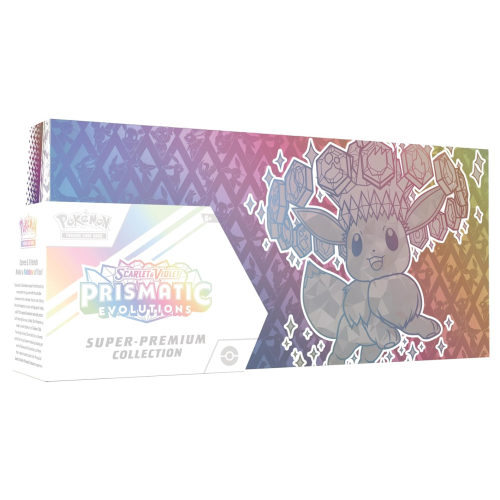 Your price for this item is $489.88
 -
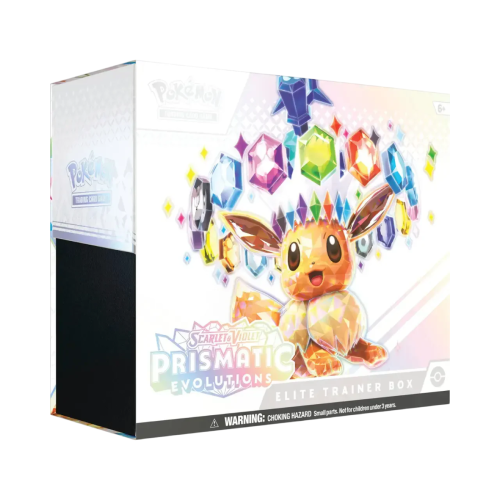 Your price for this item is $279.97
 -
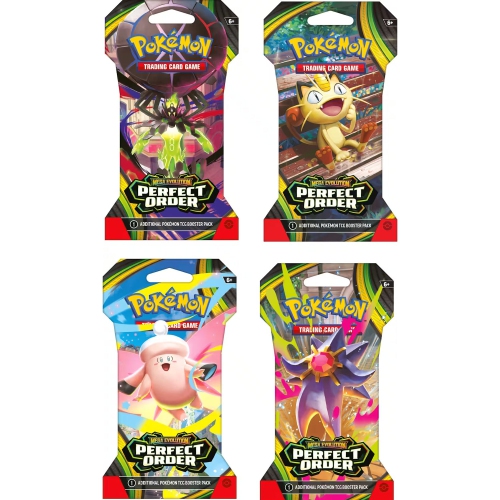 Your price for this item is $10.29
 -
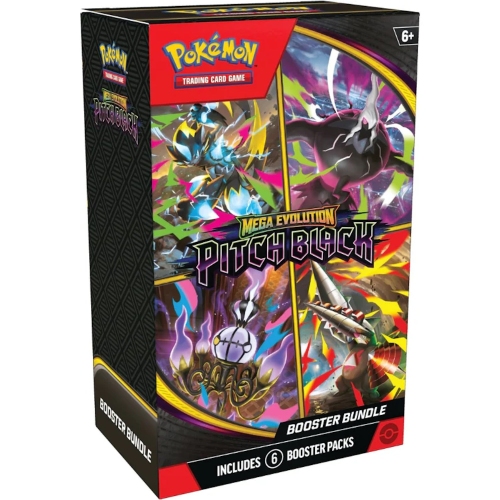 Your price for this item is $59.99
 -
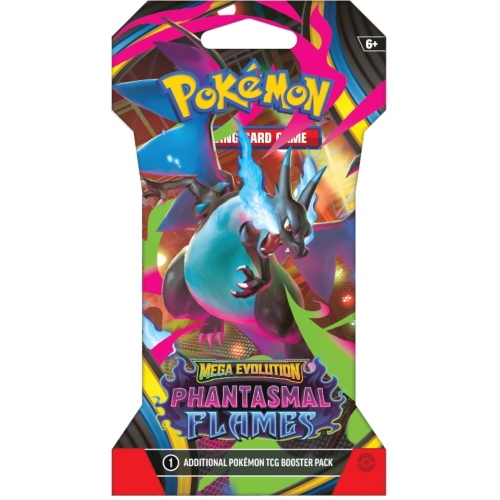 Your price for this item is $22.94
 -
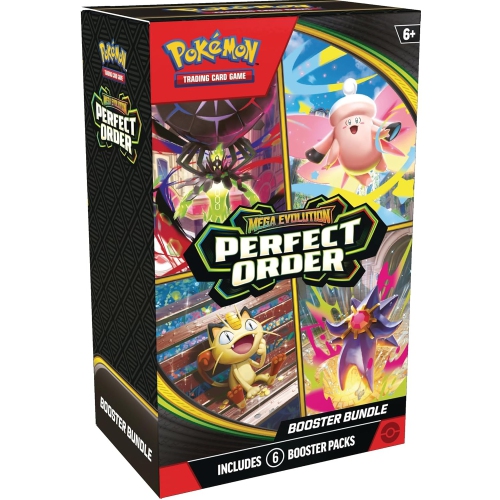 Your price for this item is $72.39
 -
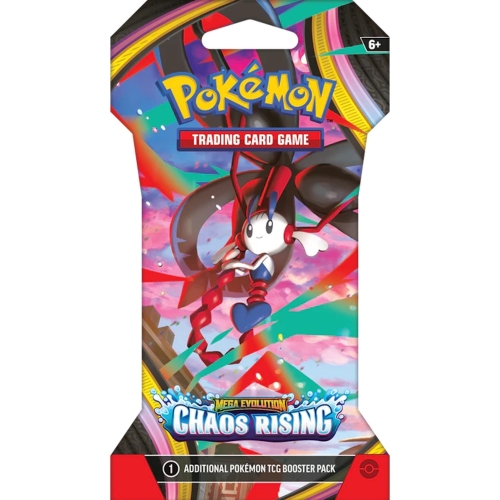 Your price for this item is $14.48
 -
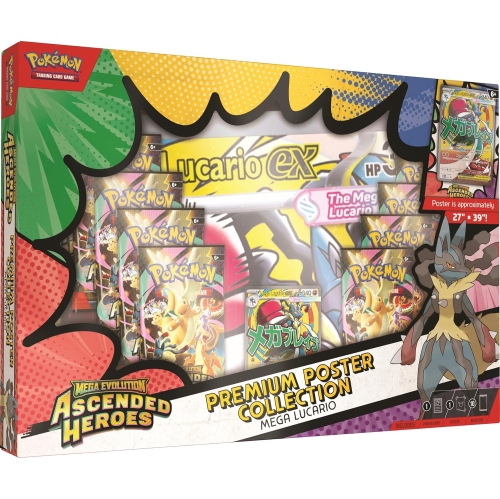 Your price for this item is $284.05
Discover more categories related to Pokemon Booster Box Canada
Top Collections:
Pokemon Centers, Kindle Devices, Best Budget Office Chairs, Apple iPhones 16, Samsung Galaxy Phones, Canon G7X Cameras, iPhone 15 Apple, Flip Phones, Best Laptops for Writers, Alarm Clock
Some products may be subject to Environmental Handling Fees
(EHF) depending on your province.
Learn more about EHFs.