Popular Card Games
Looking to add some fun and excitement to your game nights? Dive into the world of card games with our selection of popular options that are sure to keep you entertained for hours on end. Whether you're a seasoned card player or new to the game, these classic and modern card games offer something for almost everyone. From strategic gameplay to fast-paced fun, explore a variety of card games that will challenge your skills, spark friendly competition, and create unforgettable moments with family and friends.
Sort
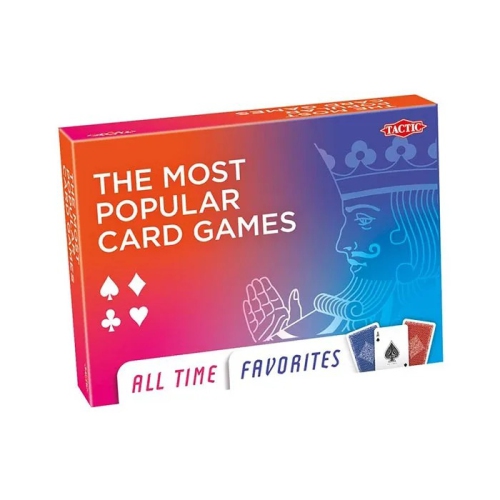
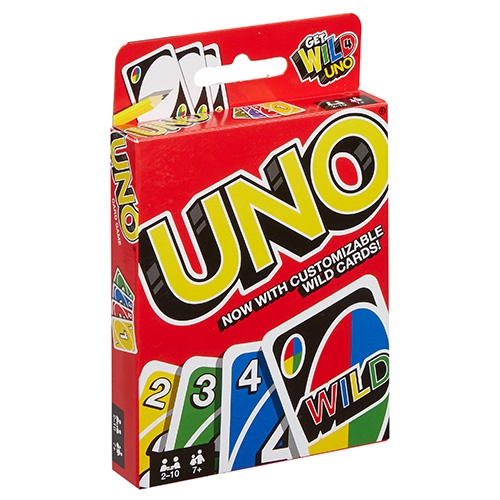
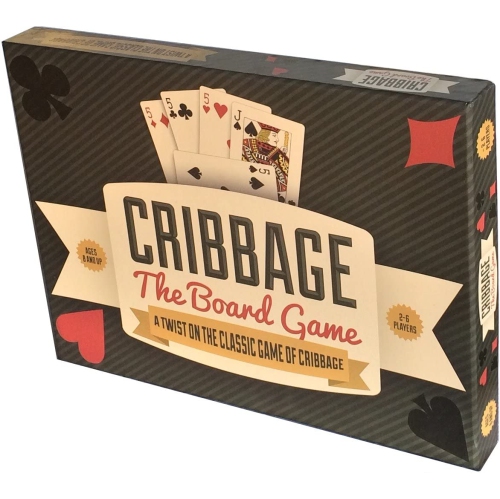
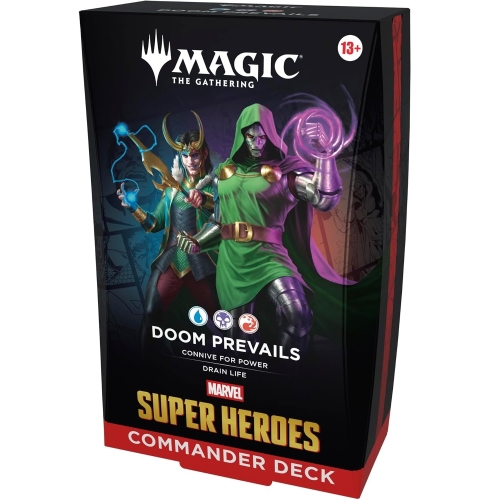


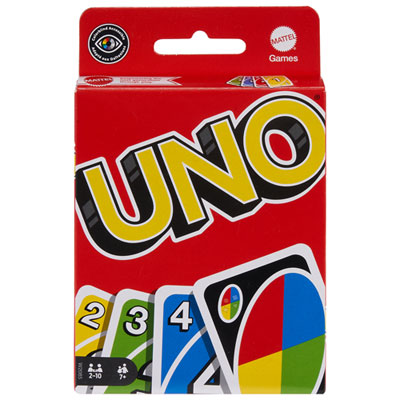

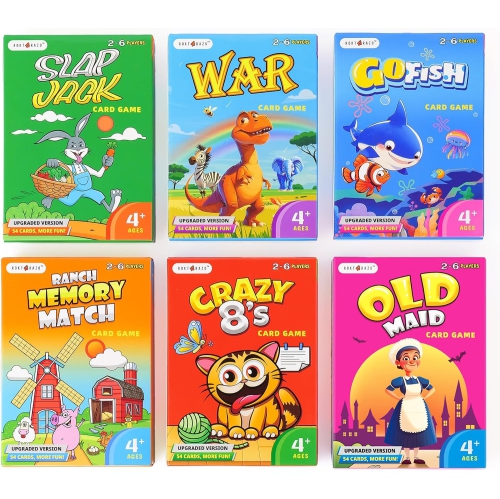
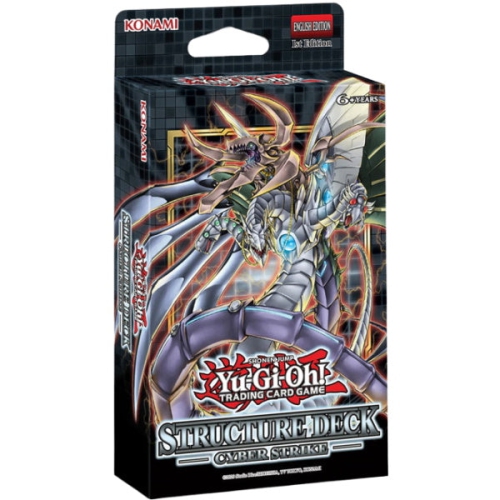
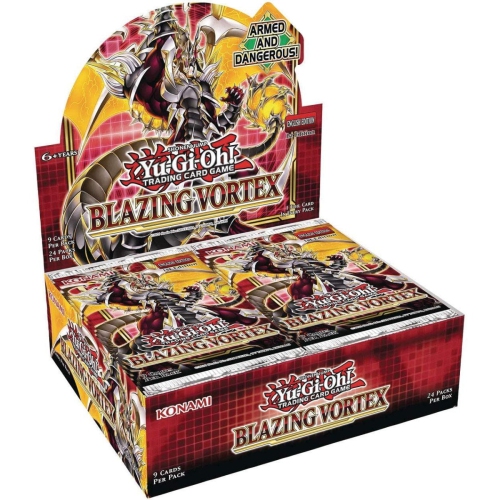






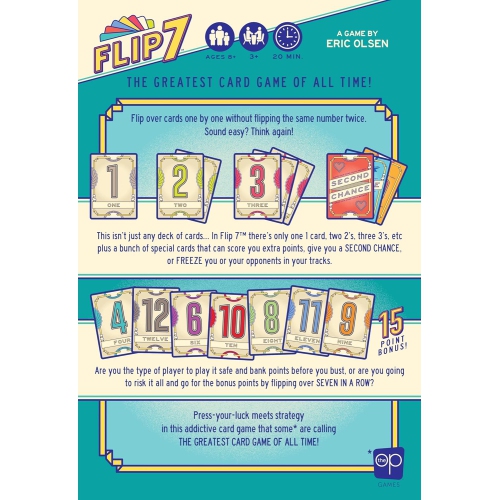
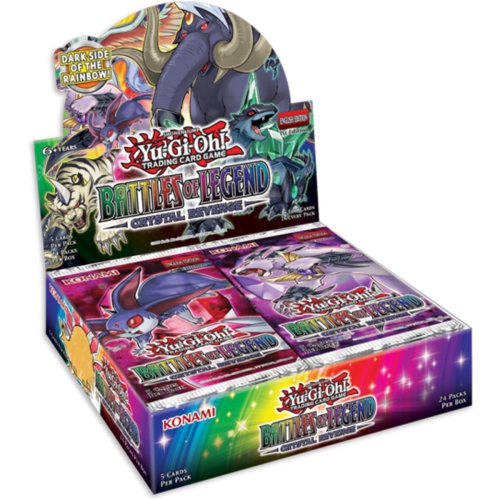
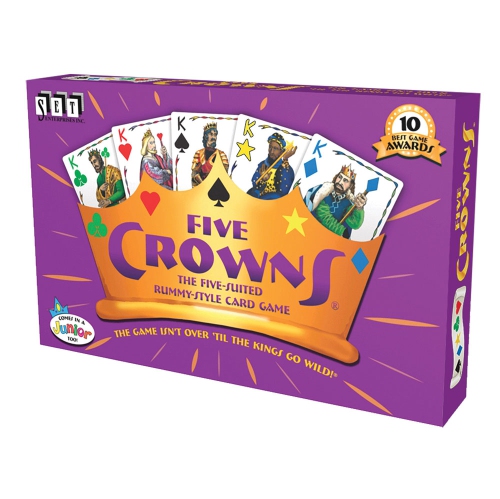
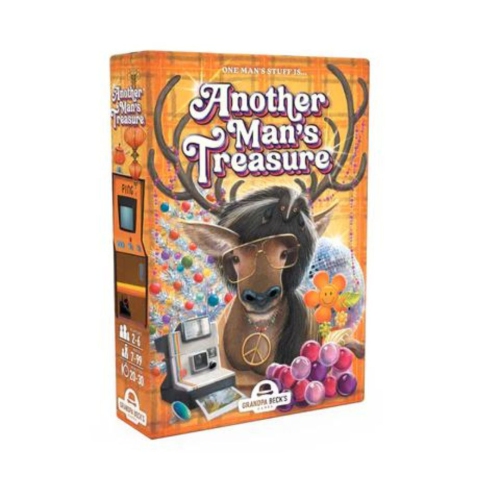






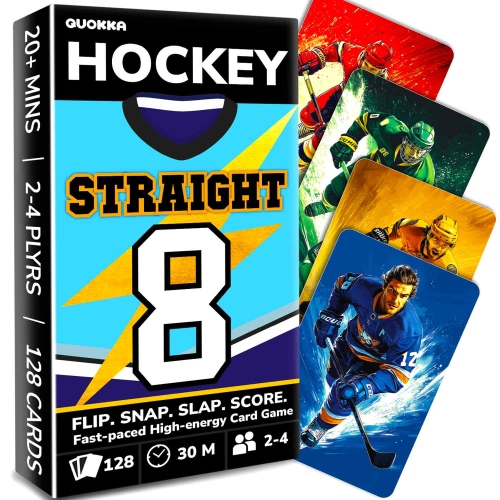
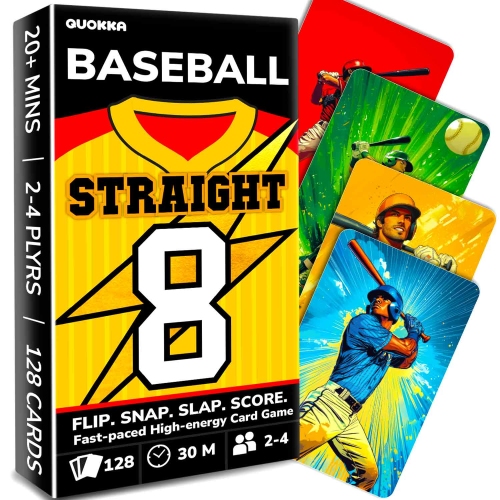


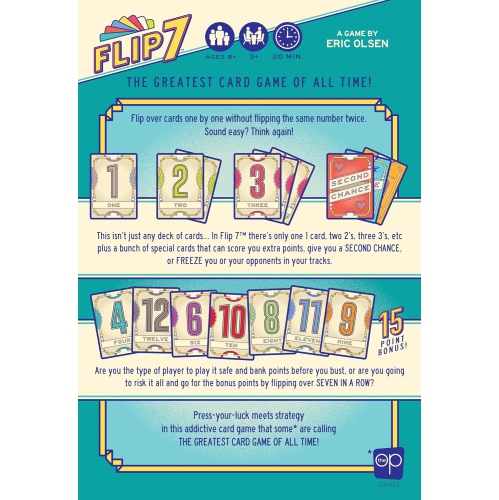


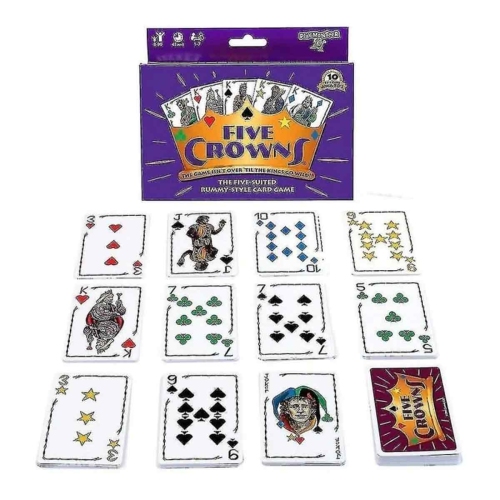






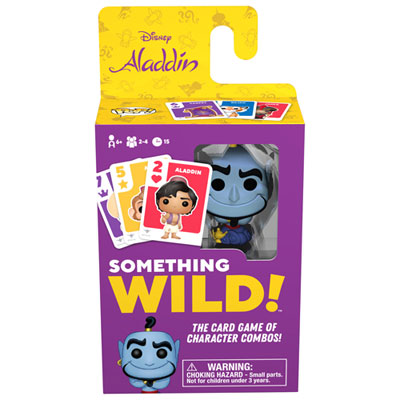

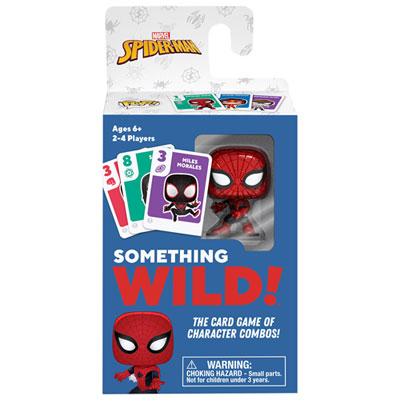


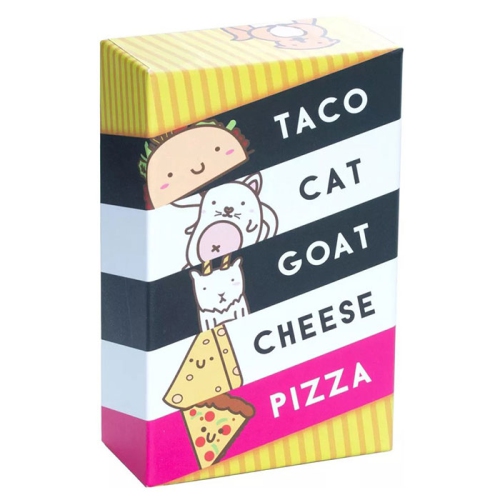

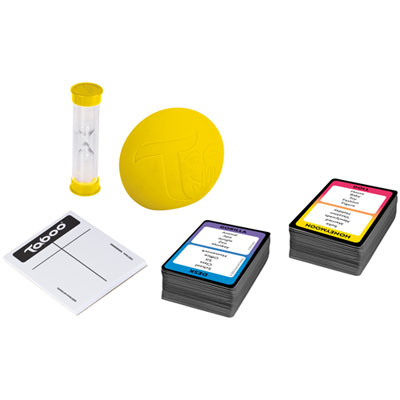
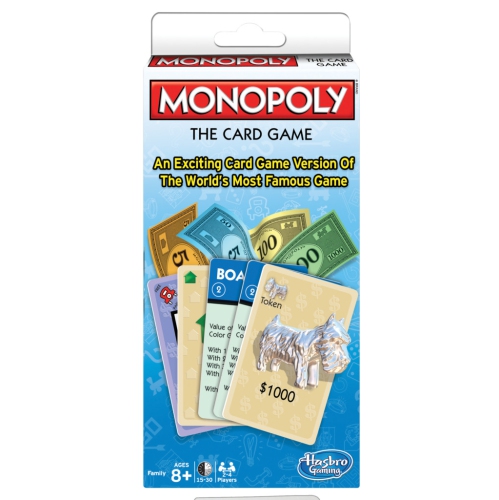
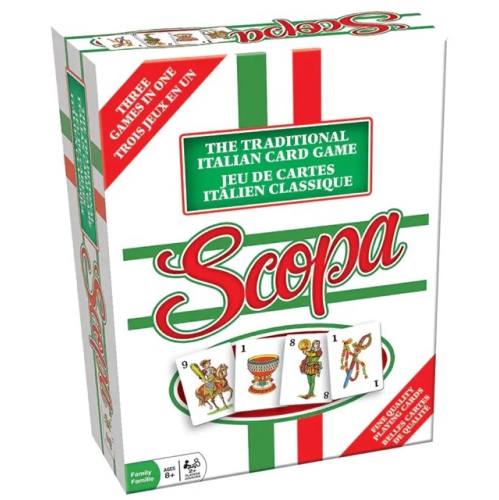
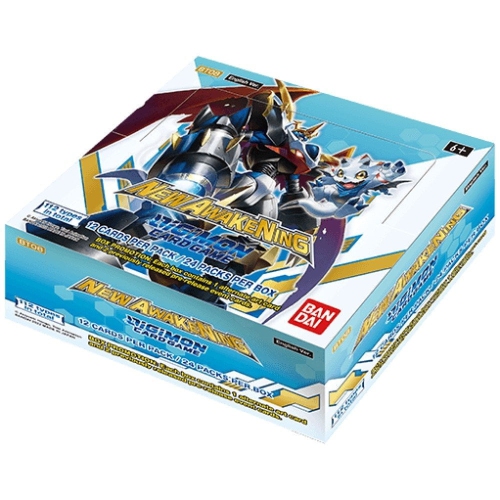
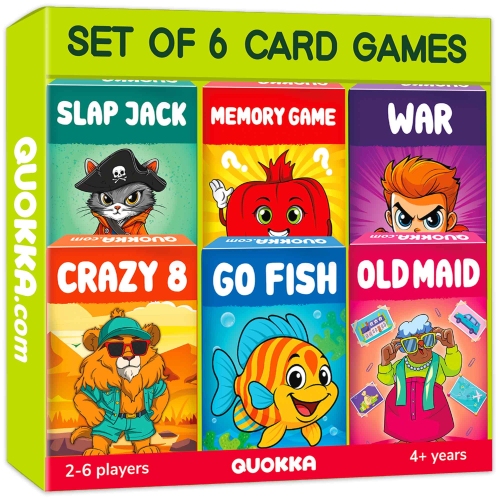

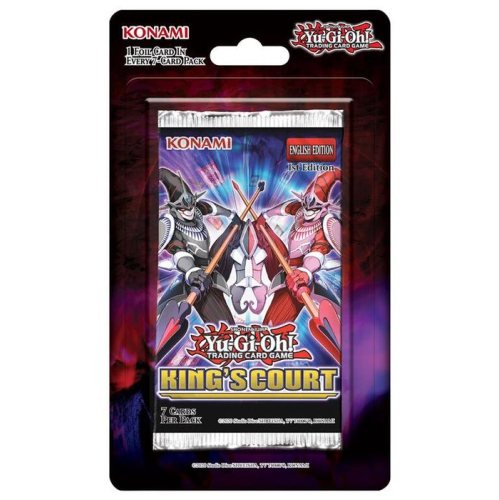
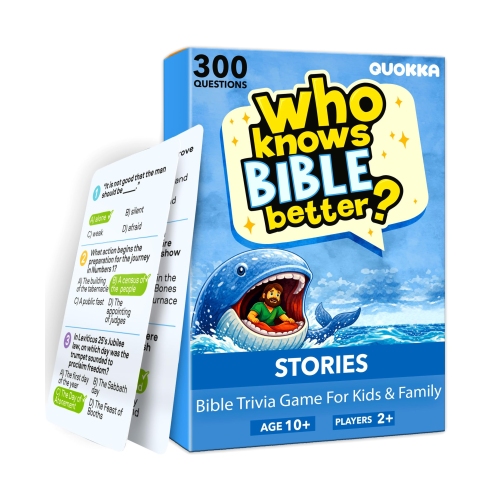
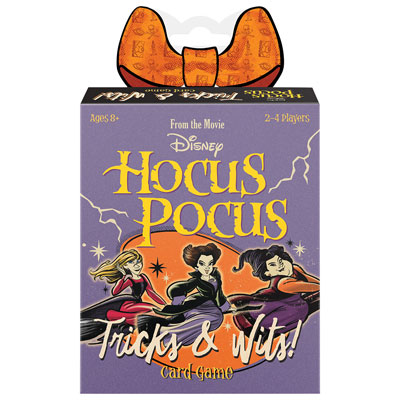
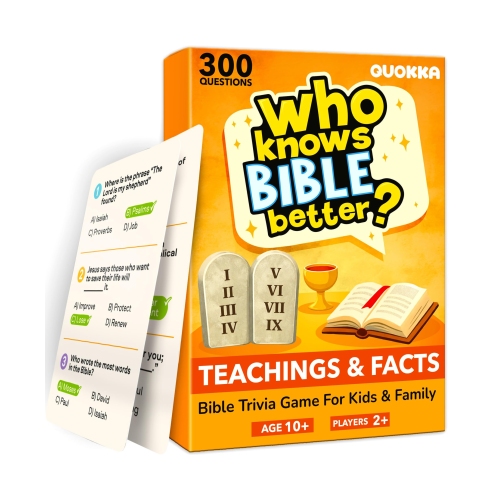
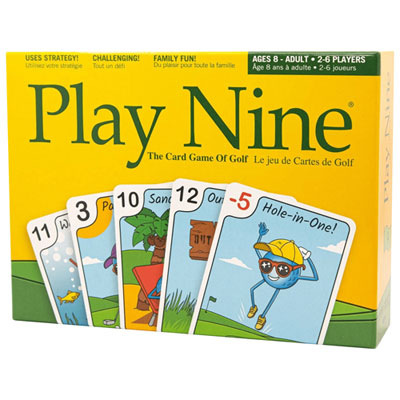
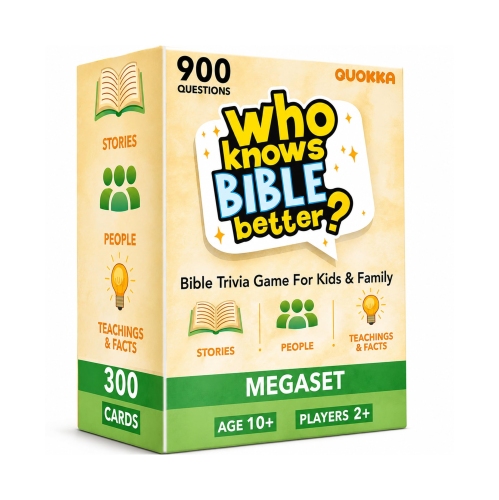
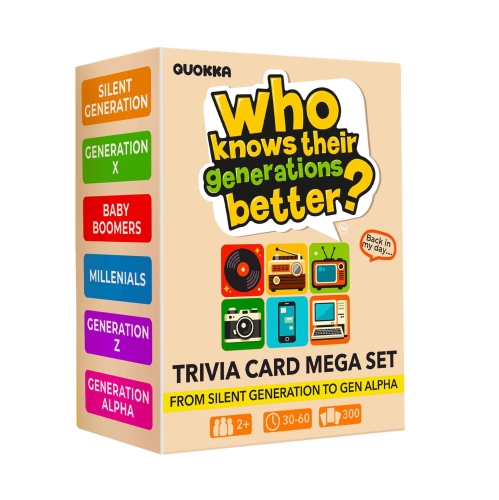
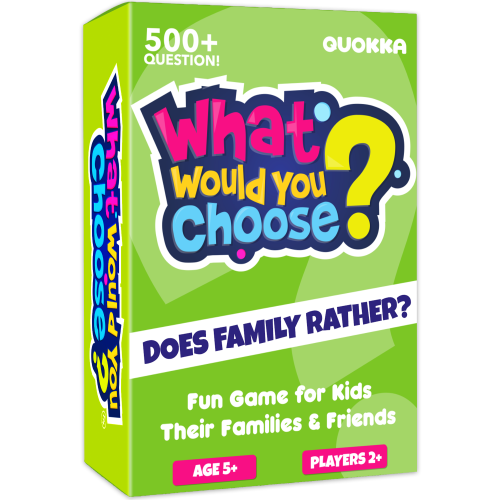










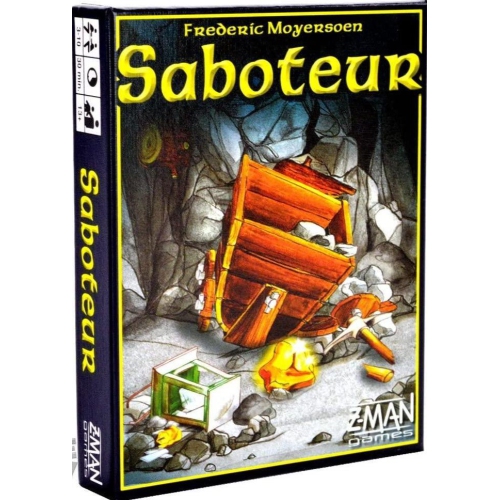
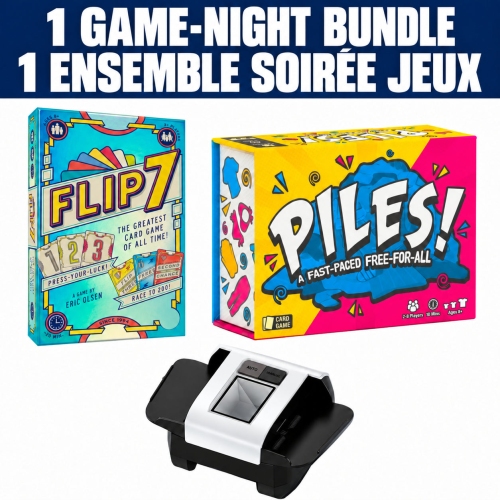

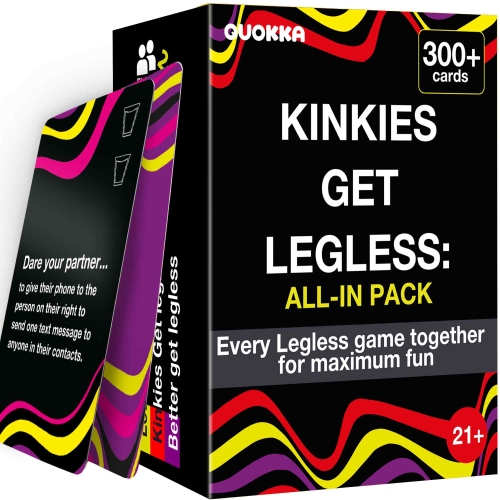
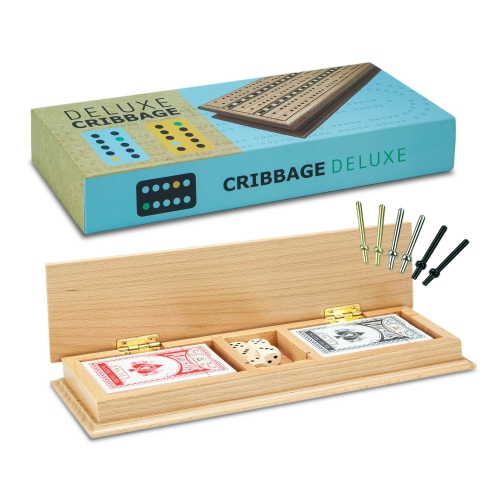




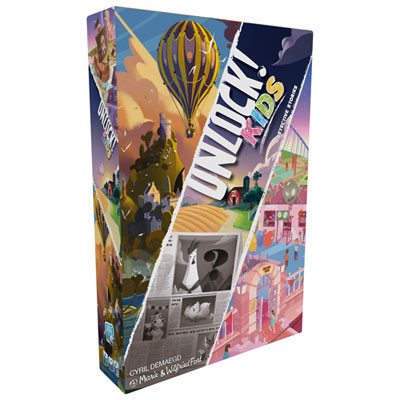
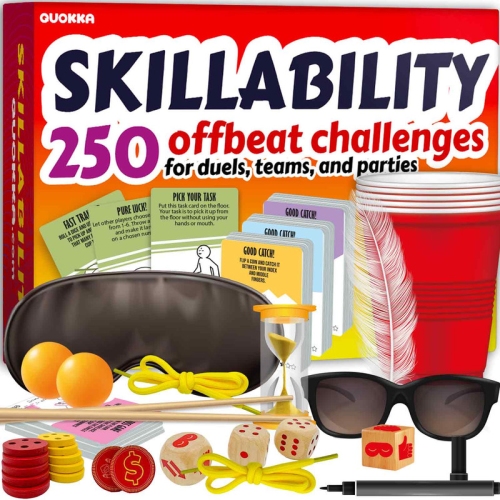

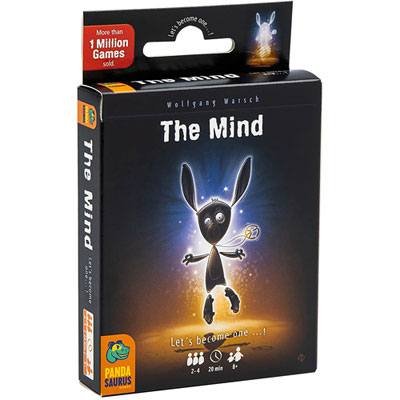

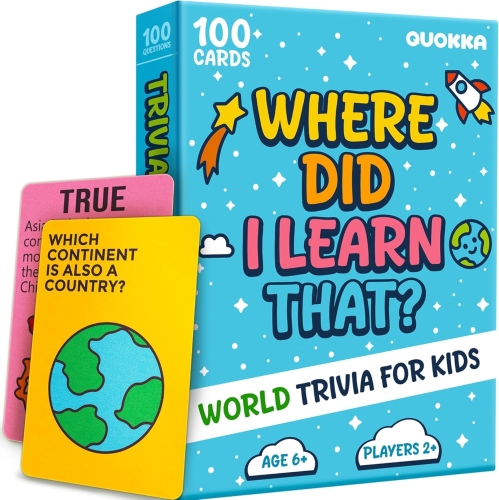






From quick matching rounds to evenings of strategy
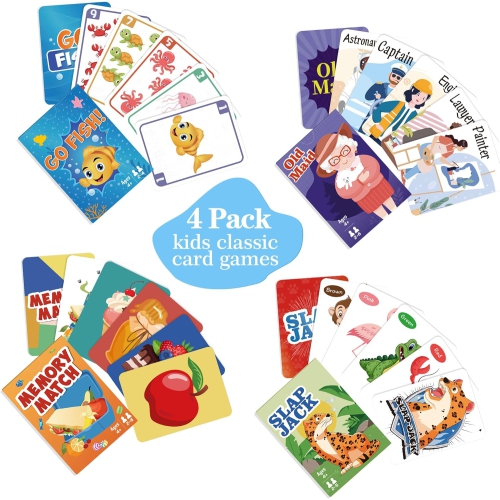
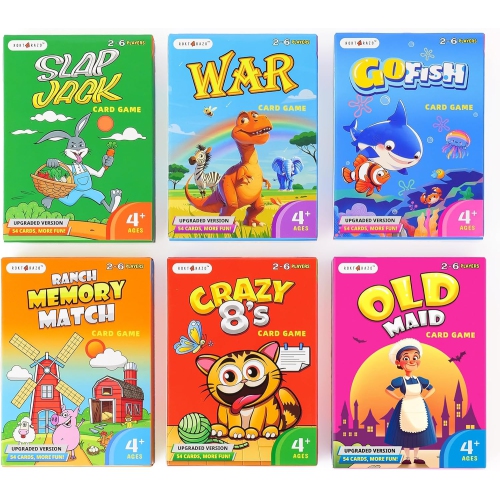
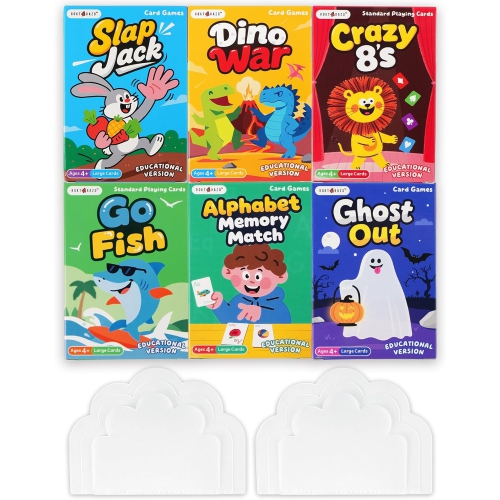
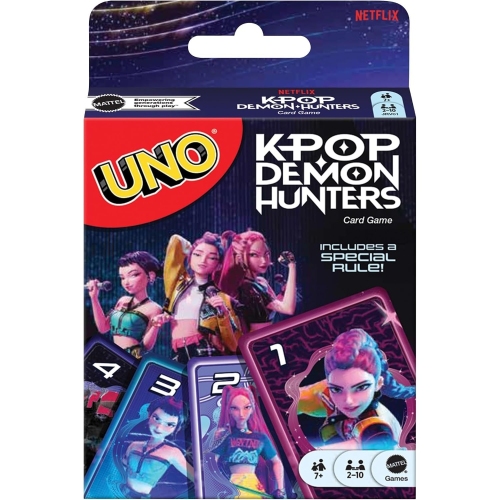
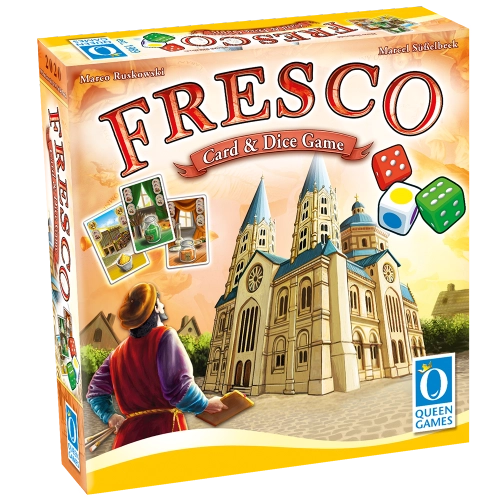
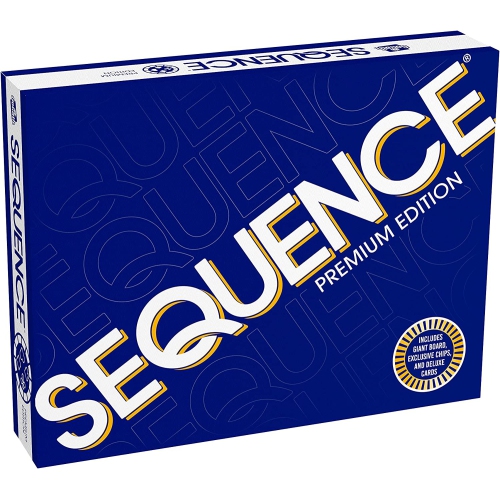
Popular card games bring people together through familiar play styles such as matching, set collection, trick-taking, bluffing, and strategic hand management. The category spans traditional games played with a standard 52-card deck and dedicated card games with their own artwork, rules, and scoring systems. Matching games usually ask players to connect cards by a shared feature, such as colour, number, or symbol, making them approachable for many beginners. Set-collection games focus on gathering useful combinations, while trick-taking games involve each player contributing a card to a round, with the winning card determined by suit, rank, or a special rule. Bluffing adds a social element, inviting players to weigh what someone claims against what their choices suggest. For quieter play, solitaire-style formats offer a satisfying puzzle without requiring a group. These different approaches explain why card games suit such a wide range of households: one deck can fill a short break at the kitchen table, while a more involved game can become the centre of an evening with friends. Traditional formats also have lasting appeal because familiar suits and ranks can support many sets of rules. Anyone drawn to that versatility can explore Classic Card Games for a related approach to tabletop play. Dedicated games, by contrast, often use specially designed cards to create a particular rhythm, whether that means quick turns, shared objectives, or careful planning over several rounds. Neither format is inherently more challenging; complexity depends on the decisions involved, the amount of reading required, and how scoring works. A simple-looking deck may reward thoughtful strategy, while a colourful boxed game may be easy to learn in a single practice round. For everyday use, the best fit is often a game that matches the group’s pace and gives everyone something meaningful to do, rather than one chosen solely for its popularity. That balance matters whether the setting is a family gathering, a cottage weekend, or a regular tabletop night.
Player count, suggested age, and typical playing time are useful starting points when comparing card games, but the details behind those labels matter just as much. A game designed around partnerships can feel very different from one in which every player competes independently. Two-player formats often make each decision more noticeable, since there is only one opponent to watch, while larger-group games may draw their energy from conversation, shifting alliances, or unexpected turns. For mixed-age families, consider how much text appears on each card and whether younger players must hold several cards at once. Clear symbols, easy-to-distinguish colours, and straightforward scoring can help children participate more independently. Games that rely on reading, deduction, or remembering earlier plays may suit older children and adults who enjoy a longer challenge. Suggested ages are helpful, though familiarity with card play and patience for learning rules also shape the experience. At a busy family table, short rounds make it easier for someone to step away between games without interrupting a long session. On an evening set aside for play, deeper strategy and cumulative scoring can give the group a reason to settle in. Co-operative card games offer another option, with players working towards a shared outcome rather than trying to defeat each other. These can suit groups that enjoy discussing possibilities, although some formats limit what players may reveal about their hands. Competitive games can be equally welcoming when turns move smoothly and an early mistake does not leave someone sitting out for most of the session. For travel, a compact box is useful, but table space deserves attention too: a small deck may still need room for several rows of face-up cards. Games with minimal setup work well on a cottage dining table or during an overnight visit, while layouts with multiple piles are easier to manage on a broad, uncluttered surface. During the cooler months, that flexibility makes card games a natural choice for relaxed indoor time without needing a screen.
The physical construction of a card game influences how comfortable it feels in the hand and how well it stands up to repeated use. Cards are commonly made from paper-based stock with a protective finish, while some decks use plastic. Thickness, stiffness, and surface texture all affect shuffling and dealing. Very flexible cards may be easy to bend accidentally, whereas a thicker deck can be harder for small hands to shuffle as a single stack. A smooth finish may help cards slide across the table; a textured finish can change their grip and handling. Plastic cards generally tolerate moisture better than paper-based cards, but care instructions still vary, particularly where printed surfaces are concerned. Card dimensions also matter. Larger faces can make numbers, symbols, and illustrations easier to see, yet holding a wide fan of oversized cards may be awkward. High-contrast printing and uncluttered layouts are worth considering for anyone who finds small text tiring, and symbols that accompany colour cues can make play easier when colours are difficult to distinguish. Durability depends on storage and habits as well as materials. Clean, dry hands, drinks kept away from the playing area, and a level surface help protect cards from spills, marks, and bent corners. Return cards to their box or a suitable case after play, and keep them away from damp conditions and prolonged direct sunlight. Where the manufacturer permits it, plastic cards may be wiped clean; paper-based cards should not be soaked. Protective sleeves can reduce wear from frequent handling, provided they match the card dimensions, though they also increase the thickness of the deck and may affect how it fits in its original box. As gifts, card games can suit students, families, hosts, frequent travellers, or friends who enjoy a standing game night. A compact format is convenient for someone with limited storage, while a game with shared goals or gentle competition may suit a household that values conversation as much as the final score. Matching the format to the recipient’s usual company and available playing space gives the gift a better chance of becoming a familiar part of their routine.
Top selling and popular products
-
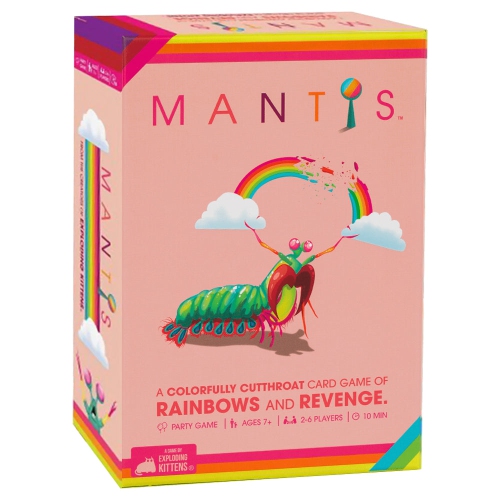 Your price for this item is $43.95
-
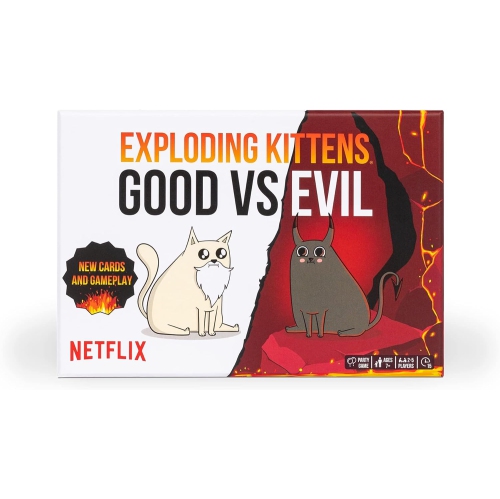 Your price for this item is $34.99
-
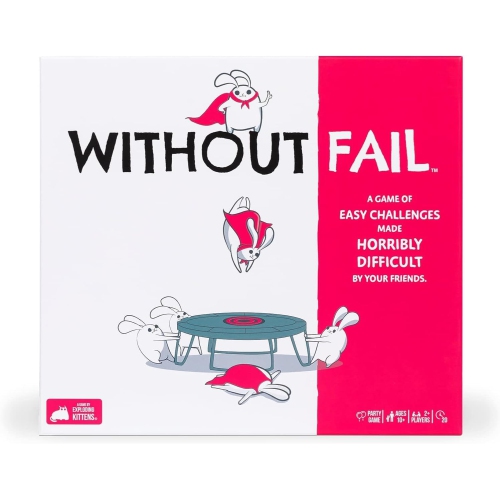 Your price for this item is $19.99
-
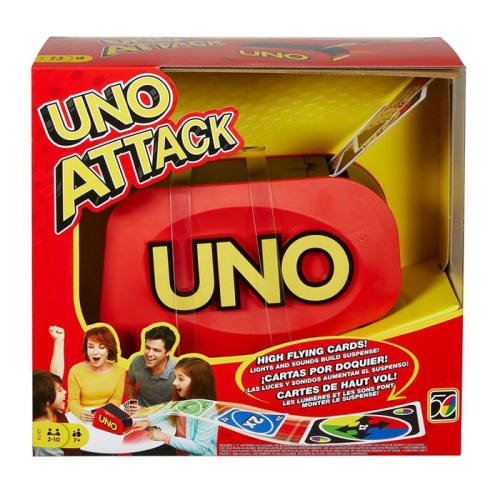 Your price for this item is $43.99
-
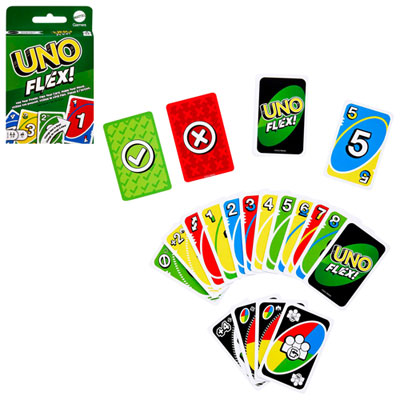 Your price for this item is $7.98
-
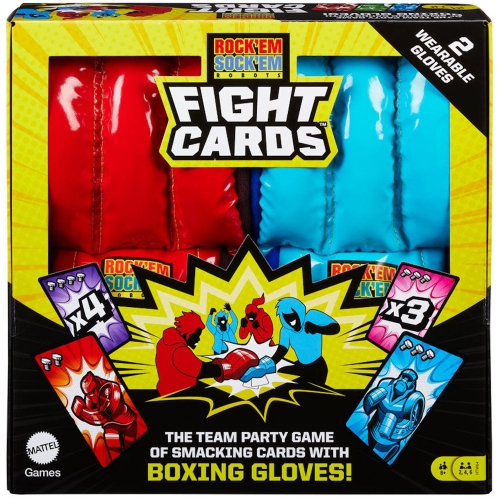 Your price for this item is $17.19
-
 Your price for this item is $40
-
 Your price for this item is $20.69
Discover more categories related to Popular Card Games

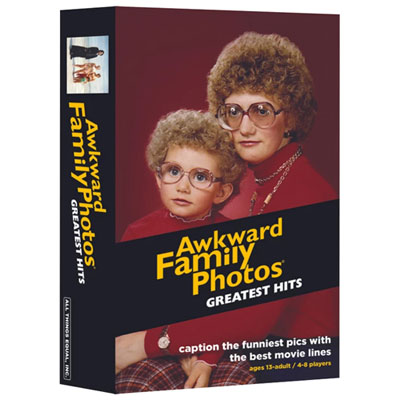
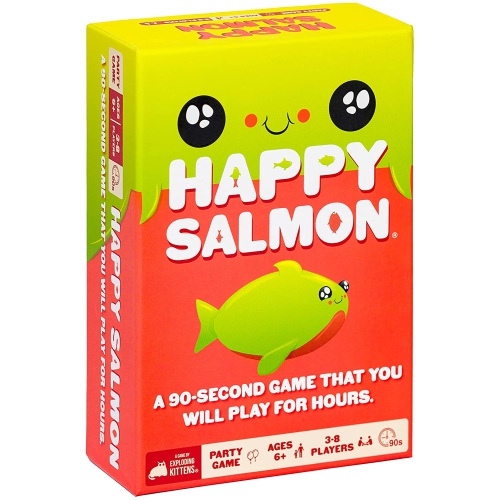
Top Collections:
Pokemon Centers, Kindle Devices, Best Budget Office Chairs, Canon G7X Cameras, Apple iPhones 16, Samsung Galaxy Phones, Refurbished Apple Laptops, Laptops for Students, iPhone 15 Apple, Budget Smartphones
Some products may be subject to Environmental Handling Fees
(EHF) depending on your province.
Learn more about EHFs.