Psychological Games
Explore a captivating selection of psychological games designed to challenge your mind and elevate your gaming experience. These intriguing games offer a blend of strategy, creativity, and problem-solving that will keep you engaged for hours. Whether you're looking to test your wits, explore new narratives, or simply enjoy a mentally stimulating pastime, our collection has something for everyone. Dive into the world of psychological games and discover how they can sharpen your cognitive skills while providing endless entertainment.
Sort
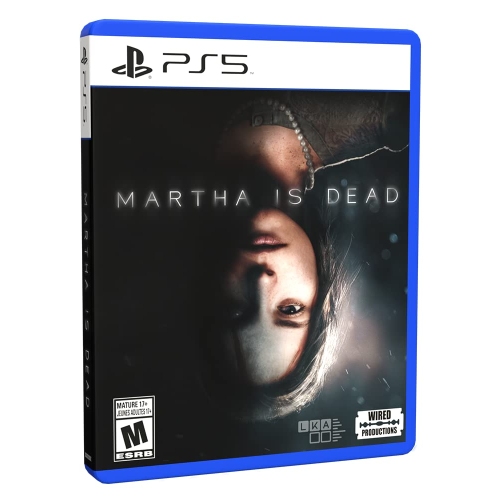


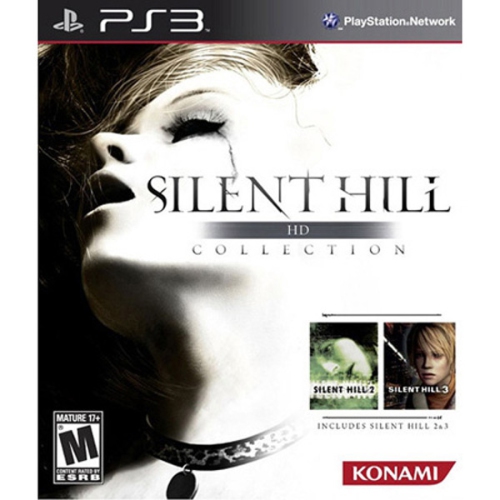
![TESURA GAMES Evil Inside [Playstation 5]](https://multimedia.bbycastatic.ca/multimedia/products/500x500/193/19382/19382952.jpeg)
![LIMITED RUN GAMES Toyko Dark Remembrance [Nintendo Switch]](https://multimedia.bbycastatic.ca/multimedia/products/500x500/193/19382/19382926.jpeg)
![MICROIDS Alfred Hitchcock - Vertigo [Nintendo Switch]](https://multimedia.bbycastatic.ca/multimedia/products/500x500/193/19383/19383714.jpeg)
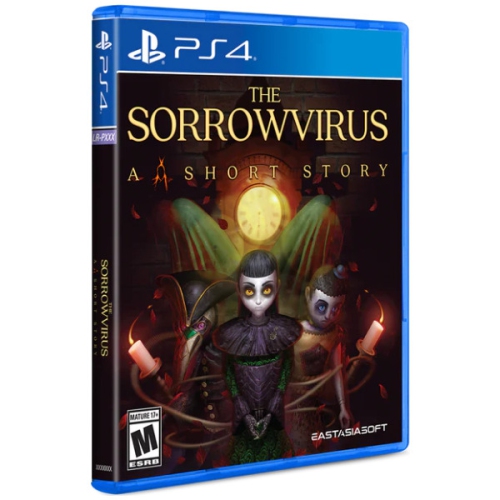
![PERP GAMES Blind - Psvr [Playstation 4]](https://multimedia.bbycastatic.ca/multimedia/products/500x500/148/14880/14880906.jpeg)
![LIMITED RUN GAMES Martha Is Dead [Playstation 4]](https://multimedia.bbycastatic.ca/multimedia/products/500x500/165/16590/16590434.jpeg)
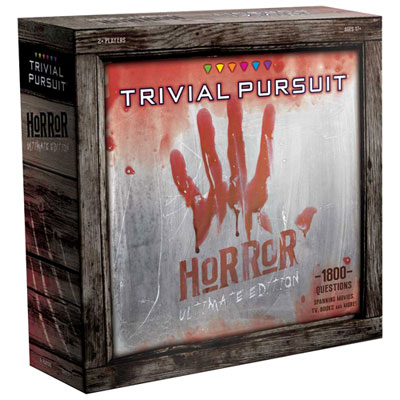
![UNIVERSAL STUDIOS Killing Eve: Season Two [Blu-Ray] Love Comer - a darling of a diva](https://multimedia.bbycastatic.ca/multimedia/products/500x500/184/18469/18469544.jpeg)
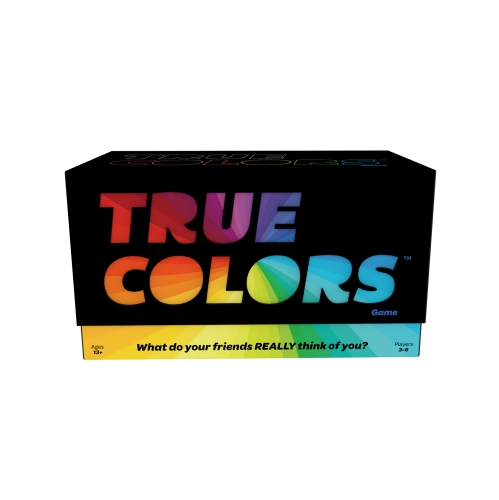


![UNIVERSAL STUDIOS The Game [Blu-Ray]](https://multimedia.bbycastatic.ca/multimedia/products/500x500/181/18197/18197970.jpeg)
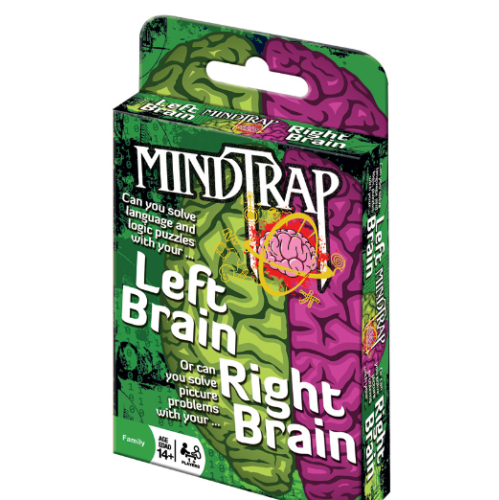
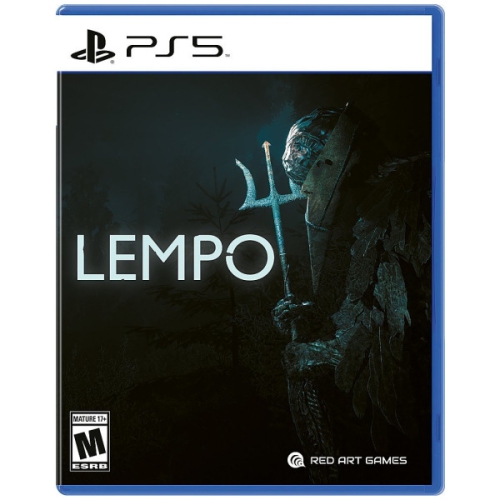
![BRAIN GAMES Deductio [Board Game, 2-4 Players]](https://multimedia.bbycastatic.ca/multimedia/products/500x500/198/19814/19814650.jpeg)
![RED ART GAMES Pillar [Playstation 4]](https://multimedia.bbycastatic.ca/multimedia/products/500x500/160/16011/16011591.jpeg)
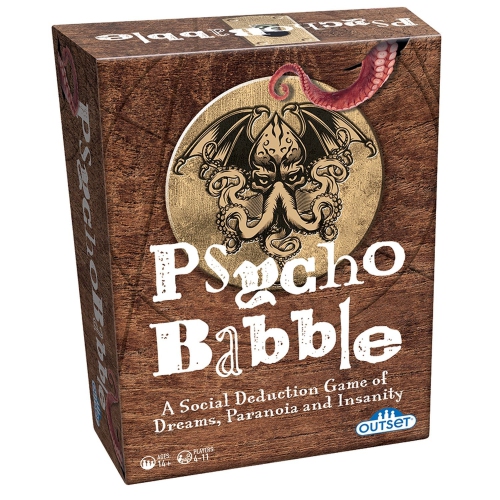
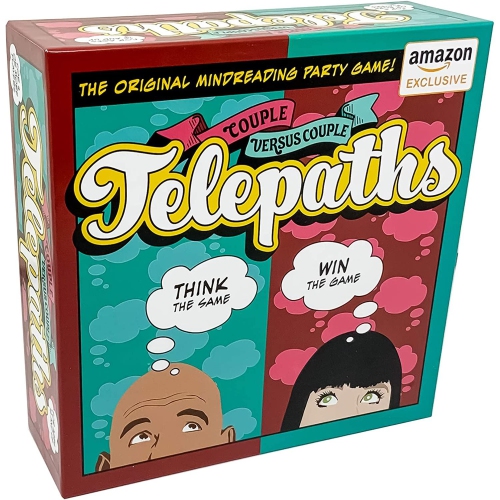
Thoughtful stories and puzzles that challenge perception and judgement
Psychological games bring together storytelling, puzzles, strategy, and social interaction to create experiences that engage the way people think, interpret information, and respond to uncertainty. In a product-listing context, the term can refer to interactive video games built around perception, memory, anxiety, identity, or emotional decision-making, as well as tabletop and party games that involve deduction, bluffing, negotiation, and reading the room. Some experiences place players in an unsettling story where reality may be unreliable; others use shifting perspectives, parallel worlds, abstract puzzles, or symbolic environments to explore themes such as grief, fear, isolation, and resilience. The common thread is an emphasis on the mind rather than reflexes alone. Instead of simply moving from one level to the next, players may need to notice a small visual detail, question a character’s motives, connect clues across different scenes, or decide how much information to reveal. This makes psychological games a fitting choice for players who enjoy thoughtful challenges and stories that stay with them after the screen is turned off. For a broader selection of language-based activities, explore Word Games, which can also provide a relaxed way to exercise vocabulary, pattern recognition, and creative thinking.
When choosing among psychological games, consider the type of engagement that best suits the player and the setting. Narrative-focused video games are often a good fit for someone who enjoys atmospheric storytelling, exploration, and solving mysteries at their own pace. Look for details such as the preferred platform, age suitability, accessibility options, play length, and whether the experience is designed for one player or supports shared play. A short, focused game can be ideal for an evening when a player wants a memorable story without committing to a lengthy adventure, while a longer title may appeal to someone who enjoys returning to a complex world and uncovering its meaning gradually. Puzzle-based games reward patience and close observation, so they can be especially satisfying for players who like logic challenges, visual patterns, and experimenting with different solutions. Social deduction and bluffing games offer a different kind of psychological challenge. They rely on conversation, memory, persuasion, and the ability to interpret expressions or changes in tone, making them lively choices for gatherings with friends or family. For these games, check the recommended player count, average play time, rules complexity, and whether the group enjoys competition. A game that encourages discussion and playful suspicion can create a warm, animated atmosphere during the cooler months, especially when everyone has gathered indoors and wants an activity that keeps people involved rather than passively watching a screen.
Psychological games can also make distinctive gifts because they reflect personal interests without requiring the recipient to have a single favourite genre. They may suit a reader who enjoys unreliable narrators, a puzzle enthusiast who likes working through layered clues, a film fan drawn to suspenseful settings, or a group of friends who enjoy testing their ability to collaborate and deceive one another in good humour. When giving one as a gift, think about the recipient’s comfort with intense themes, suspense, horror elements, or emotionally serious subject matter. Some games explore anxiety, panic, grief, identity, or difficult relationships through fictional settings, while others use those ideas more lightly as part of a mystery or strategy challenge. Reading the product description and age rating can help match the tone to the player, and checking equipment requirements can prevent surprises when it is time to play. For a family or shared household, a flexible title with adjustable difficulty, clear instructions, or multiple play modes may offer more lasting appeal. For an experienced player, unusual mechanics, layered storytelling, or a challenging deduction system may provide the sense of discovery they value. Whether played alone with headphones, around a table with animated conversation, or during a relaxed gathering at home, psychological games invite players to look closer, think creatively, and consider how perception shapes every decision.
When choosing among psychological games, consider the type of engagement that best suits the player and the setting. Narrative-focused video games are often a good fit for someone who enjoys atmospheric storytelling, exploration, and solving mysteries at their own pace. Look for details such as the preferred platform, age suitability, accessibility options, play length, and whether the experience is designed for one player or supports shared play. A short, focused game can be ideal for an evening when a player wants a memorable story without committing to a lengthy adventure, while a longer title may appeal to someone who enjoys returning to a complex world and uncovering its meaning gradually. Puzzle-based games reward patience and close observation, so they can be especially satisfying for players who like logic challenges, visual patterns, and experimenting with different solutions. Social deduction and bluffing games offer a different kind of psychological challenge. They rely on conversation, memory, persuasion, and the ability to interpret expressions or changes in tone, making them lively choices for gatherings with friends or family. For these games, check the recommended player count, average play time, rules complexity, and whether the group enjoys competition. A game that encourages discussion and playful suspicion can create a warm, animated atmosphere during the cooler months, especially when everyone has gathered indoors and wants an activity that keeps people involved rather than passively watching a screen.
Psychological games can also make distinctive gifts because they reflect personal interests without requiring the recipient to have a single favourite genre. They may suit a reader who enjoys unreliable narrators, a puzzle enthusiast who likes working through layered clues, a film fan drawn to suspenseful settings, or a group of friends who enjoy testing their ability to collaborate and deceive one another in good humour. When giving one as a gift, think about the recipient’s comfort with intense themes, suspense, horror elements, or emotionally serious subject matter. Some games explore anxiety, panic, grief, identity, or difficult relationships through fictional settings, while others use those ideas more lightly as part of a mystery or strategy challenge. Reading the product description and age rating can help match the tone to the player, and checking equipment requirements can prevent surprises when it is time to play. For a family or shared household, a flexible title with adjustable difficulty, clear instructions, or multiple play modes may offer more lasting appeal. For an experienced player, unusual mechanics, layered storytelling, or a challenging deduction system may provide the sense of discovery they value. Whether played alone with headphones, around a table with animated conversation, or during a relaxed gathering at home, psychological games invite players to look closer, think creatively, and consider how perception shapes every decision.
Top selling and popular products
-
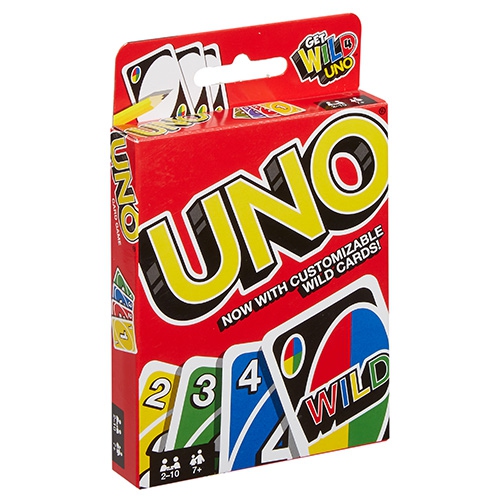 Your price for this item is $14.99
 -
 Your price for this item is $34.99
 -
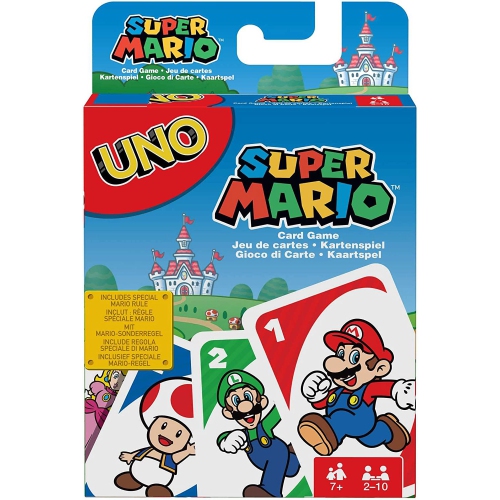 Your price for this item is $15
 -
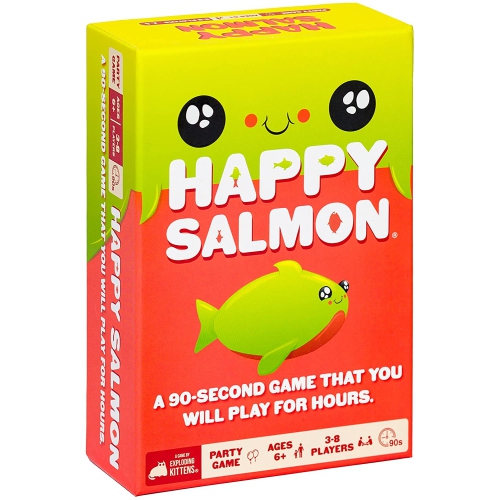 Your price for this item is $21.99
 -
 Your price for this item is $34.99
 -
 Your price for this item is $35.59
 -
 Your price for this item is $20.93
 -
 Your price for this item is $31.99
Discover more categories related to Psychological Games
Top Collections:
Pokemon Centers, Kindle Devices, Best Budget Office Chairs, Apple iPhones 16, Best Laptops for Writers, iPhone 15 Apple, Canon G7X Cameras, Refurbished Apple Laptops, Alarm Clock, Motorola Razr Phones
Some products may be subject to Environmental Handling Fees
(EHF) depending on your province.
Learn more about EHFs.