Puppet Toys
Puppet toys bring a world of imagination and creativity right to your fingertips, making them a timeless favorite for children and adults alike. These charming and interactive toys are perfect for storytelling, role-playing, and educational activities, offering endless entertainment while fostering cognitive and social skills. Whether you're looking to delight a young child or add a unique touch to a puppet show, this diverse selection of puppet toys promises to inspire joy and laughter in any setting.
Sort
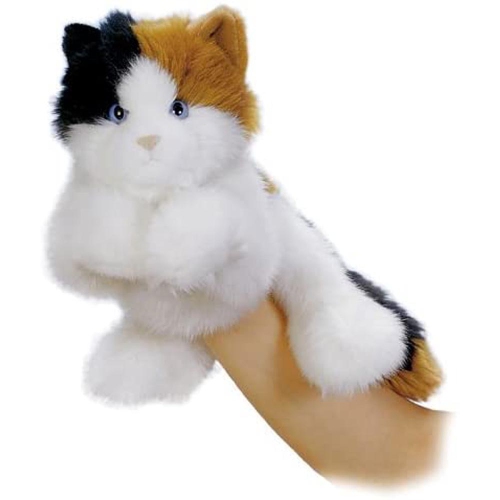
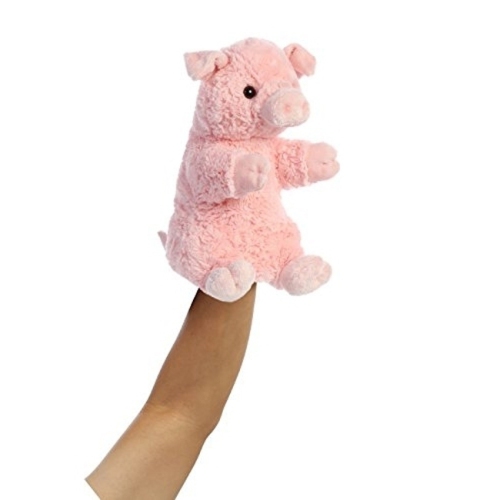
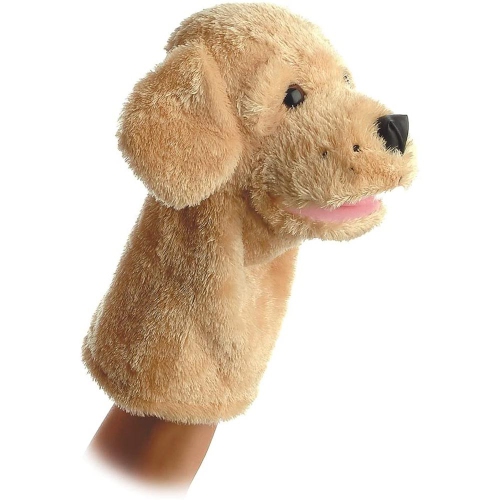
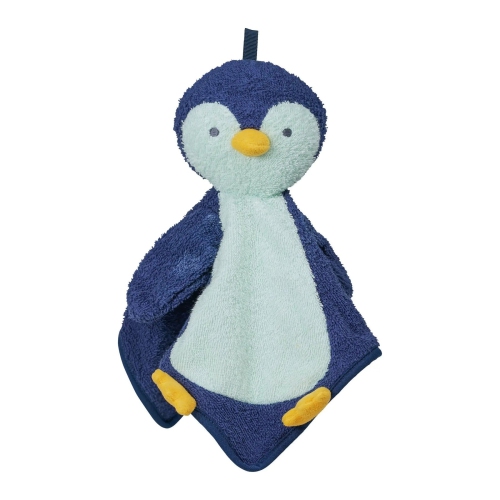
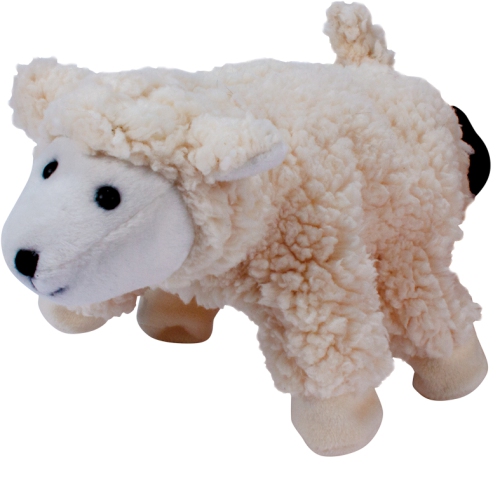
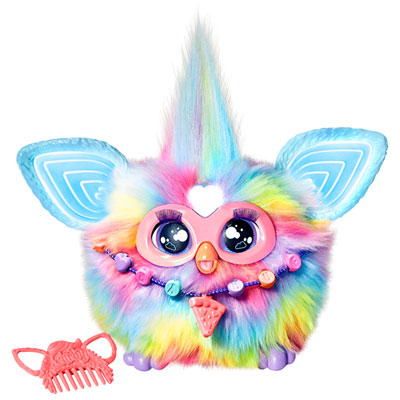
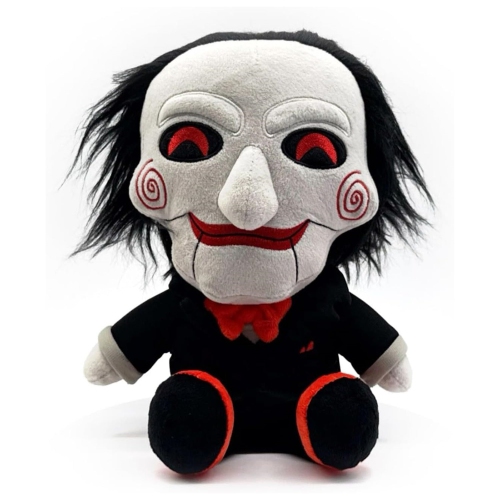
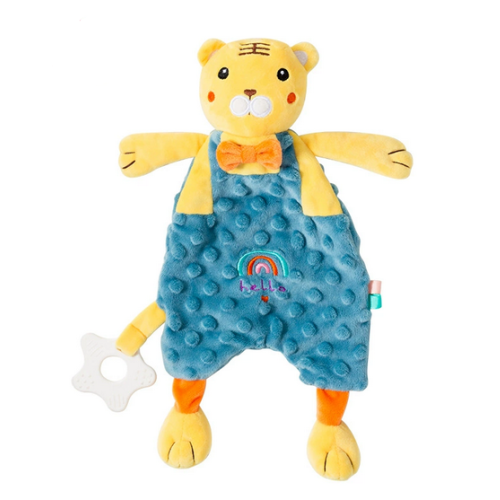
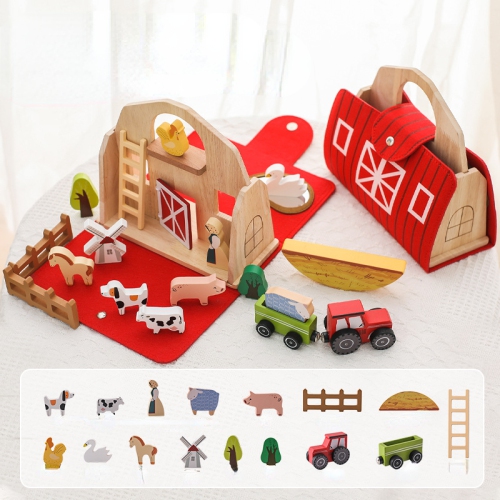
Little hands give make-believe characters voices of their own
Puppet toys are figures brought to life by a hand, finger, rod, or set of strings, giving children a playful way to tell stories, invent characters, and practise conversation. Unlike a toy with a fixed script, a puppet can take on a different personality each time it appears: a shy rabbit might whisper a greeting, a dragon might ask for help finding its lunch, or a friendly monster might narrate a familiar bedtime story. Hand puppets fit over the hand and may have a movable mouth, arms, or head, depending on their construction. Their larger gestures work well for storytelling across a table or from behind a sofa. Finger puppets sit on individual fingers, making it possible to introduce several characters in a small space or act out a counting rhyme with one figure for each verse. Rod puppets use handles to move parts of the character, while marionettes use strings attached to a control bar. These styles generally involve more deliberate coordination, so their suitability depends on the child’s abilities and the manufacturer’s age guidance. Animal puppets, people, and imaginary creatures all lend themselves to different kinds of pretend play, from retelling a favourite book to inventing a neighbourhood where every character has a job. Moving a puppet’s mouth while speaking gives children a chance to practise matching movement with sound; taking turns in a scene creates opportunities to listen and respond. These are possibilities for play rather than guaranteed developmental outcomes, and the simplest exchanges can be just as engaging as a full performance. A puppet asking a child to name something blue can start a colour game, while two characters disagreeing over a pretend snack can open a conversation about sharing. Puppet toys can suit independent storytelling, play between siblings, adult-led activities, and small groups, with the format and complexity shaping how comfortably each child can participate.
Materials, construction, and fit make a noticeable difference to how a puppet feels and moves. Plush fabrics give animal characters a soft, familiar texture, while lighter fabric bodies can be easier to fold into a storage bag or manoeuvre with a small hand. Felt details can add expressive shapes without much bulk, although their attachment and finish matter when the toy will be handled frequently. Wooden components may appear in marionettes or control handles; smooth surfaces, sound joints, and securely attached strings are important details to check. A hand puppet should leave enough room for the intended user’s fingers to reach the moving parts without stretching awkwardly. A generously sized body does not necessarily mean the mouth will be easy for a child to operate, since the position and stiffness of the mouth opening also affect control. For shared storytelling, a fit suitable for an adult’s hand may be useful, whereas a child performing alone may find a smaller, lighter puppet more manageable. Finger puppets should fit comfortably and remain reasonably stable during gentle movements, rather than slipping off with every gesture. Age ratings and warnings deserve particular attention because compact figures, detachable accessories, decorative eyes, rods, and long strings can introduce hazards for younger children. A soft appearance alone does not establish that a puppet is suitable for babies or toddlers, and supervision does not replace the manufacturer’s age restrictions. Intended use matters, too: a puppet passed around a classroom faces different demands from one used occasionally at home. Reinforced seams, firmly attached features, and fabric that tolerates the stated cleaning method can help with repeated handling. For children who prefer certain textures or find scratchy seams distracting, the inside of the puppet is as relevant as its outer surface. A comfortable lining and an opening that does not rub against the wrist can make a storytelling session much more enjoyable.
Puppet play needs little scenery to feel convincing. A cushion can mark the edge of a stage, a cardboard box can turn into a shop counter, and a folded blanket can hide the performer while a character peeks over the top. Younger children may enjoy brief, repetitive exchanges, such as a puppet greeting each family member by name or mixing up the sounds different animals make. Older children can develop longer plots, assign roles, and experiment with pauses, voices, and entrances. In a classroom or childcare setting, an adult-led puppet can introduce a story, model asking politely for a turn, or help children rehearse an everyday situation such as joining a game. Some children may prefer speaking through a character before speaking as themselves, but participation should stay comfortable and voluntary. Puppets can also accompany songs and action rhymes, with a character nodding to the beat or appearing whenever its name is sung. For play centred on both characters and music, singing toys offer another way to bring voices and melodies into an activity. Keeping puppets in good condition starts with their individual care instructions, since washable fabric bodies, structured mouths, glued details, and wooden parts may require different treatment. Machine washing is appropriate only when the care label permits it; other designs may call for surface cleaning with a damp cloth. Allow cleaned fabric to dry fully before storage, and inspect seams, attachments, and controls regularly for damage. Store string puppets with their controls supported and their lines separated to limit tangles, and avoid crushing shaped features beneath heavier toys. As gifts, puppet toys can appeal to children who enjoy animals, make-believe, books, or performing for an audience, as well as educators and caregivers who lead story-based activities. Matching the puppet’s handling requirements to the recipient matters more than choosing the most elaborate design. A character that feels comfortable to hold and easy to animate leaves more attention free for the story, whether that means a two-minute conversation at the kitchen table or a carefully rehearsed show for the family.
Materials, construction, and fit make a noticeable difference to how a puppet feels and moves. Plush fabrics give animal characters a soft, familiar texture, while lighter fabric bodies can be easier to fold into a storage bag or manoeuvre with a small hand. Felt details can add expressive shapes without much bulk, although their attachment and finish matter when the toy will be handled frequently. Wooden components may appear in marionettes or control handles; smooth surfaces, sound joints, and securely attached strings are important details to check. A hand puppet should leave enough room for the intended user’s fingers to reach the moving parts without stretching awkwardly. A generously sized body does not necessarily mean the mouth will be easy for a child to operate, since the position and stiffness of the mouth opening also affect control. For shared storytelling, a fit suitable for an adult’s hand may be useful, whereas a child performing alone may find a smaller, lighter puppet more manageable. Finger puppets should fit comfortably and remain reasonably stable during gentle movements, rather than slipping off with every gesture. Age ratings and warnings deserve particular attention because compact figures, detachable accessories, decorative eyes, rods, and long strings can introduce hazards for younger children. A soft appearance alone does not establish that a puppet is suitable for babies or toddlers, and supervision does not replace the manufacturer’s age restrictions. Intended use matters, too: a puppet passed around a classroom faces different demands from one used occasionally at home. Reinforced seams, firmly attached features, and fabric that tolerates the stated cleaning method can help with repeated handling. For children who prefer certain textures or find scratchy seams distracting, the inside of the puppet is as relevant as its outer surface. A comfortable lining and an opening that does not rub against the wrist can make a storytelling session much more enjoyable.
Puppet play needs little scenery to feel convincing. A cushion can mark the edge of a stage, a cardboard box can turn into a shop counter, and a folded blanket can hide the performer while a character peeks over the top. Younger children may enjoy brief, repetitive exchanges, such as a puppet greeting each family member by name or mixing up the sounds different animals make. Older children can develop longer plots, assign roles, and experiment with pauses, voices, and entrances. In a classroom or childcare setting, an adult-led puppet can introduce a story, model asking politely for a turn, or help children rehearse an everyday situation such as joining a game. Some children may prefer speaking through a character before speaking as themselves, but participation should stay comfortable and voluntary. Puppets can also accompany songs and action rhymes, with a character nodding to the beat or appearing whenever its name is sung. For play centred on both characters and music, singing toys offer another way to bring voices and melodies into an activity. Keeping puppets in good condition starts with their individual care instructions, since washable fabric bodies, structured mouths, glued details, and wooden parts may require different treatment. Machine washing is appropriate only when the care label permits it; other designs may call for surface cleaning with a damp cloth. Allow cleaned fabric to dry fully before storage, and inspect seams, attachments, and controls regularly for damage. Store string puppets with their controls supported and their lines separated to limit tangles, and avoid crushing shaped features beneath heavier toys. As gifts, puppet toys can appeal to children who enjoy animals, make-believe, books, or performing for an audience, as well as educators and caregivers who lead story-based activities. Matching the puppet’s handling requirements to the recipient matters more than choosing the most elaborate design. A character that feels comfortable to hold and easy to animate leaves more attention free for the story, whether that means a two-minute conversation at the kitchen table or a carefully rehearsed show for the family.
Top selling and popular products
-
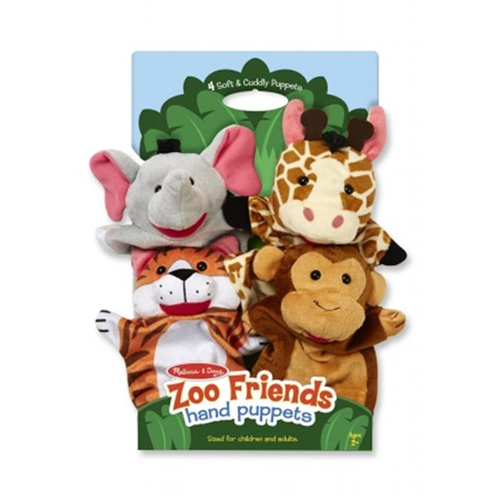 Your price for this item is $41.99
 -
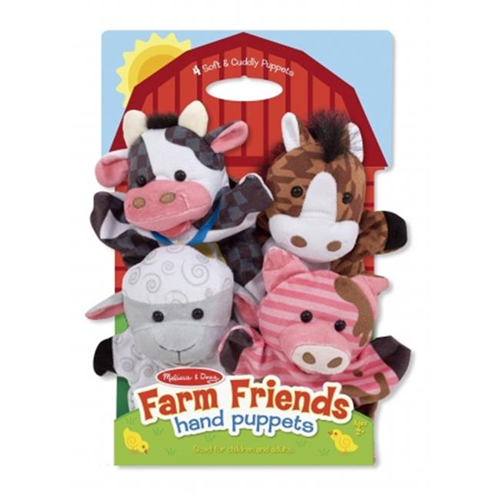 Your price for this item is $41.99
 -
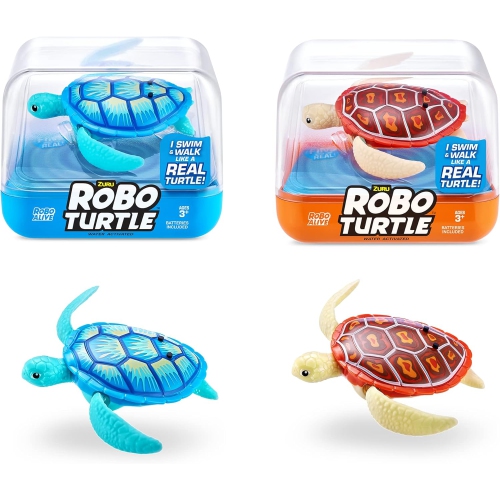 Your price for this item is $33.99
 -
 Your price for this item is $41.99
 -
 Your price for this item is $199.99
 -
 Your price for this item is $36.99
 -
 Your price for this item is $32.99
 -
 Your price for this item is $52.9
Discover more categories related to Puppet Toys
Top Collections:
Pokemon Centers, Kindle Devices, Best Budget Office Chairs, Apple iPhones 16, Best Laptops for Writers, iPhone 15 Apple, Canon G7X Cameras, Refurbished Apple Laptops, Alarm Clock, Motorola Razr Phones
Some products may be subject to Environmental Handling Fees
(EHF) depending on your province.
Learn more about EHFs.