Shape Blocks
Shape blocks are a timeless and engaging way to inspire creativity and learning in children. These versatile toys offer endless opportunities for imaginative play, helping little ones develop essential skills such as problem-solving, hand-eye coordination, and spatial awareness. Whether used for building towering structures or creating intricate patterns, shape blocks encourage exploration and discovery. Available in a variety of colors, sizes, and materials, they cater to different preferences and developmental stages. Perfect for playrooms or classrooms, these blocks provide hours of fun while fostering cognitive growth and creativity in young minds.
Sort


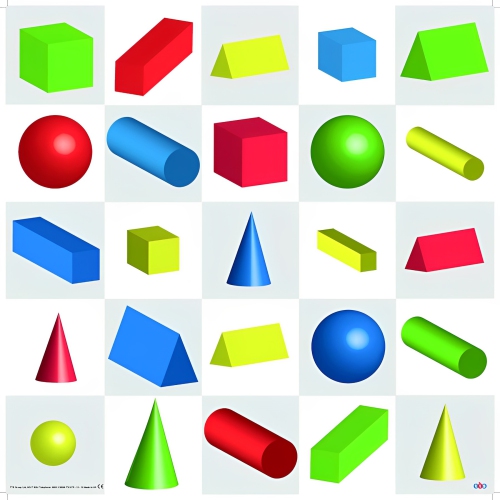
How geometric play builds imagination and early math skills
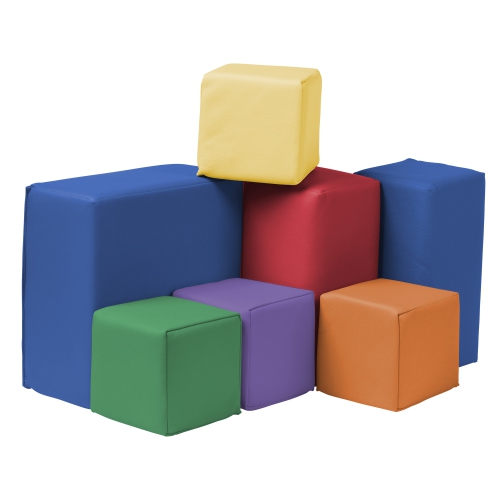
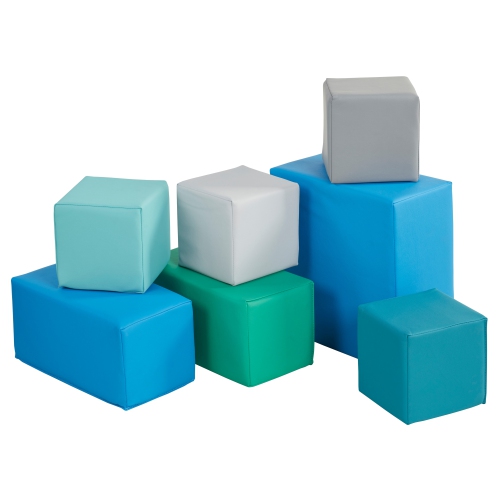
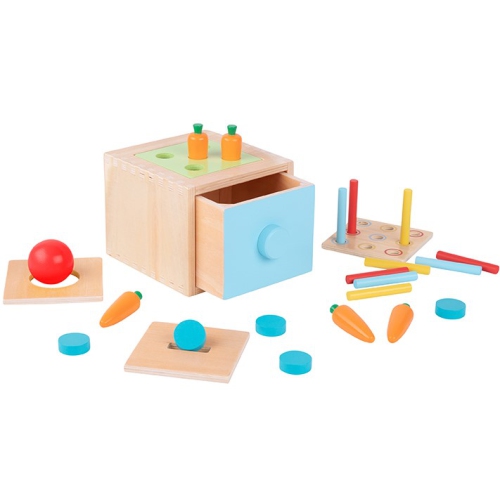
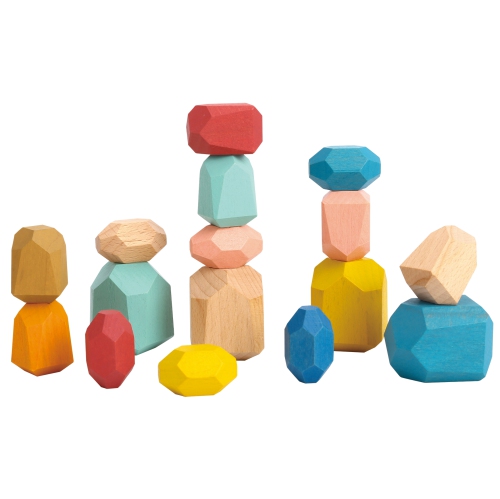
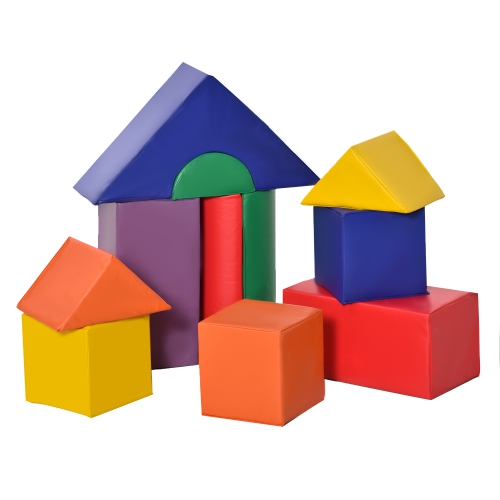
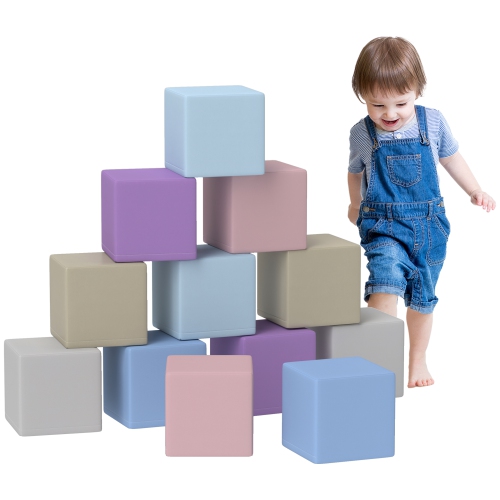
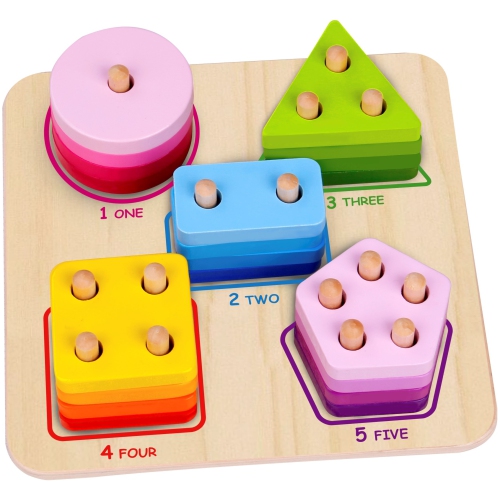
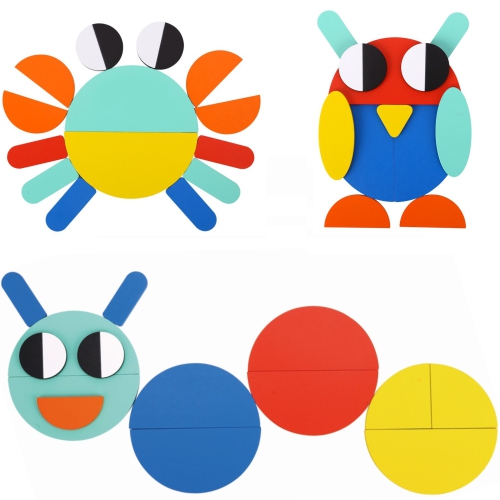
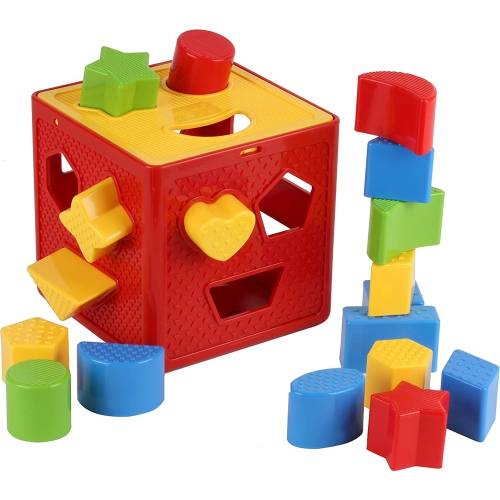
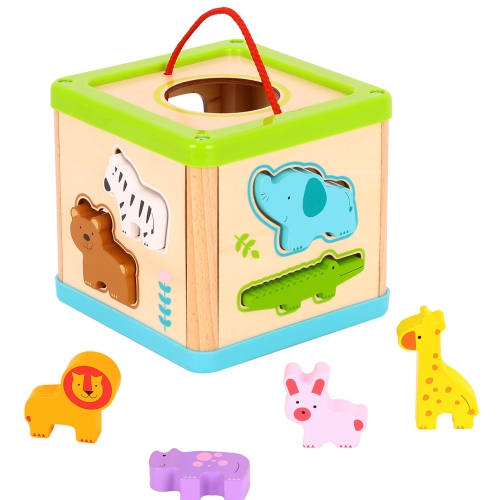
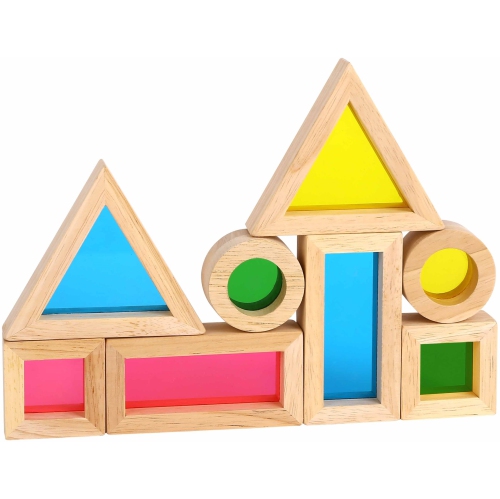
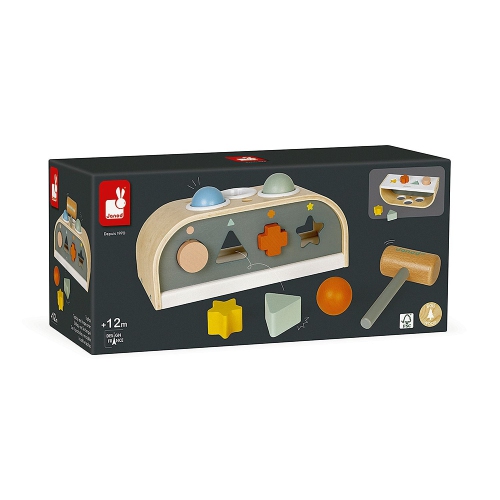
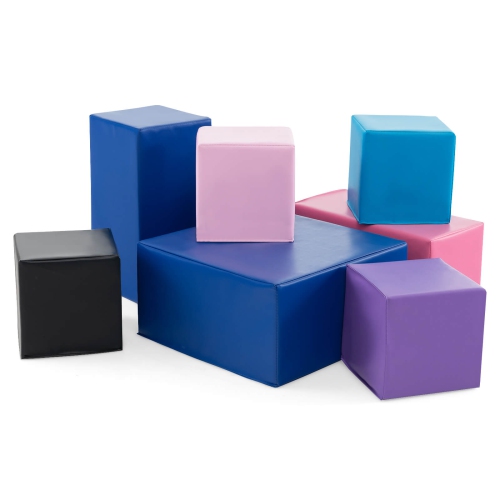
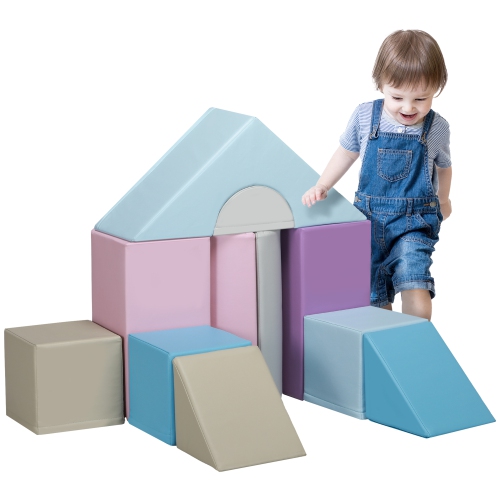
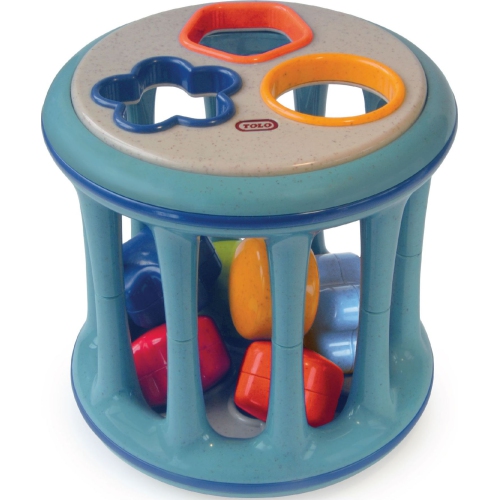
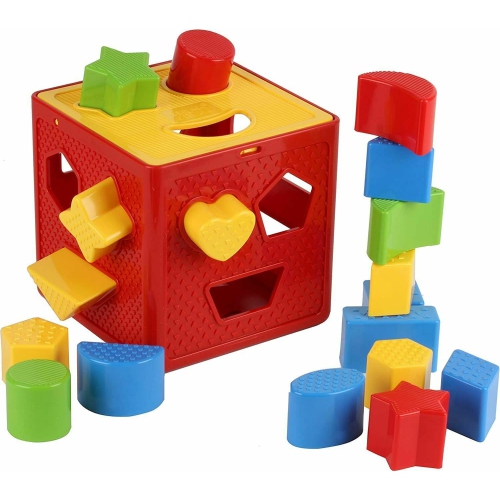
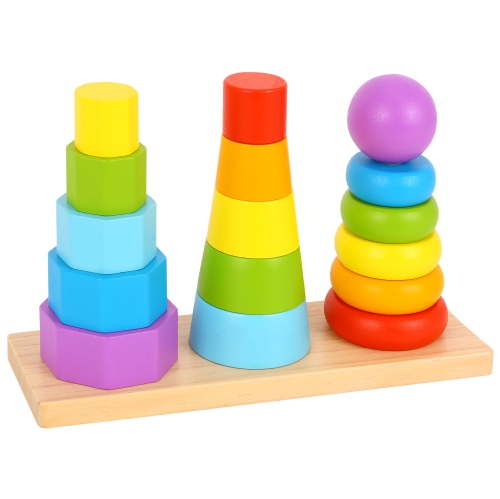
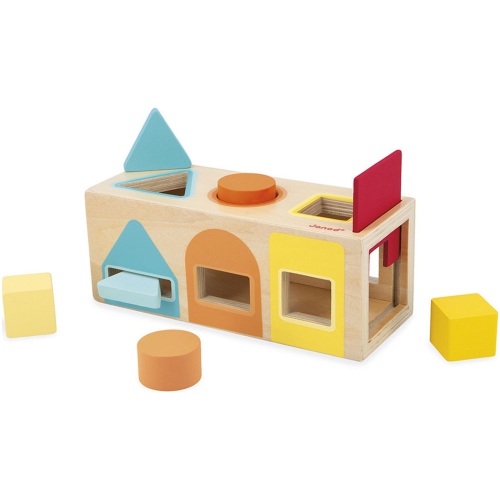
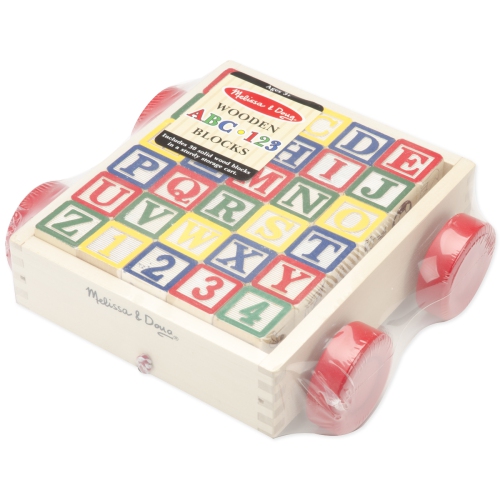
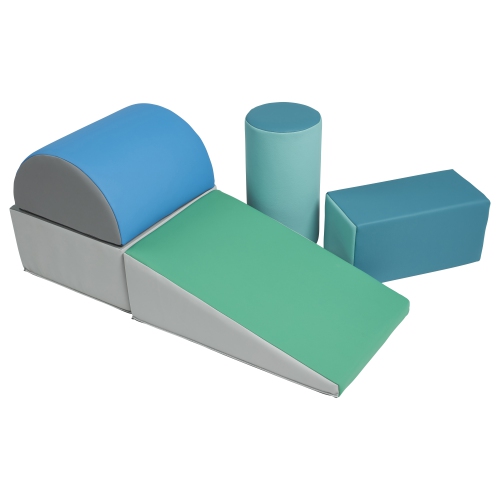
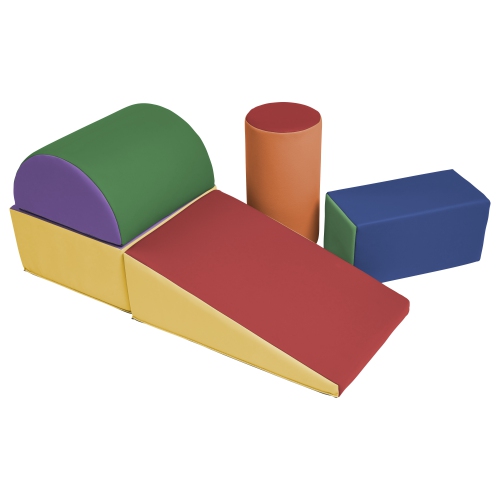
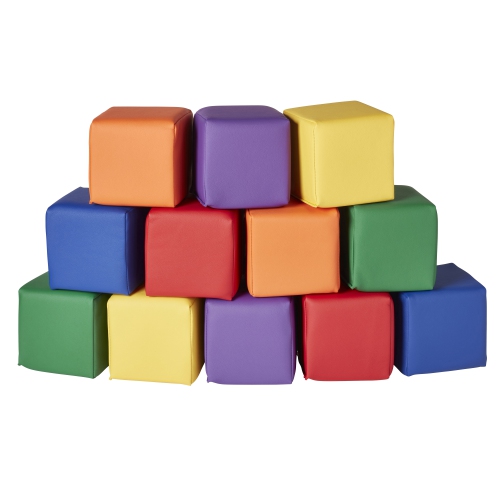
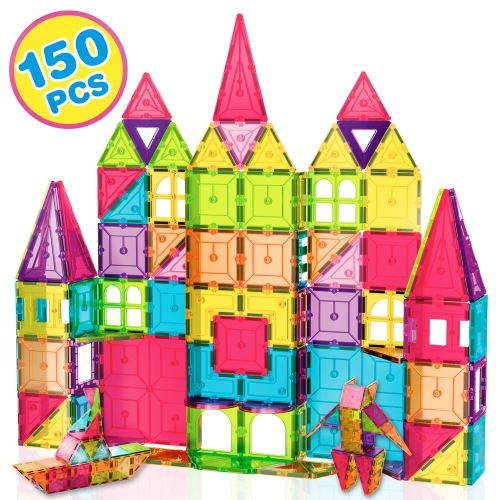
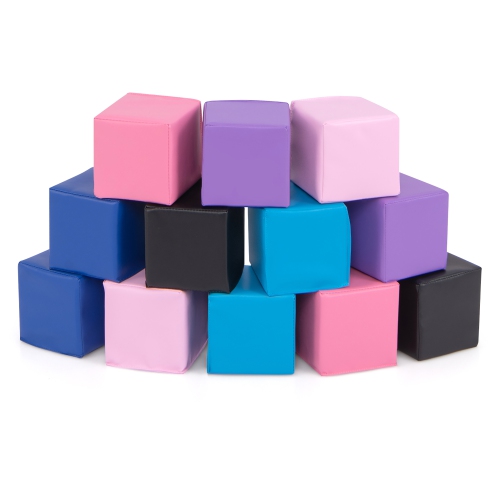
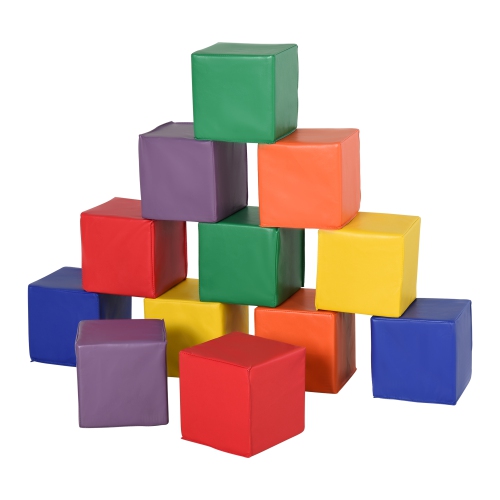
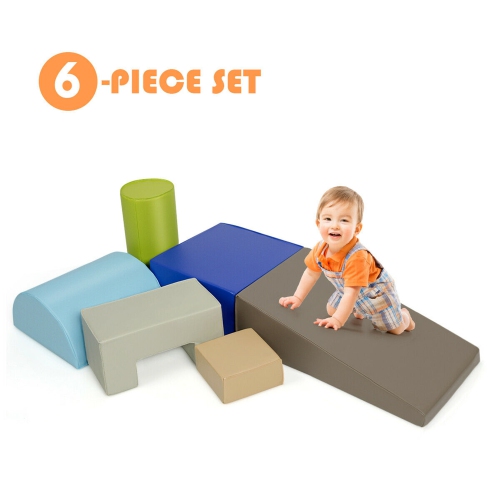
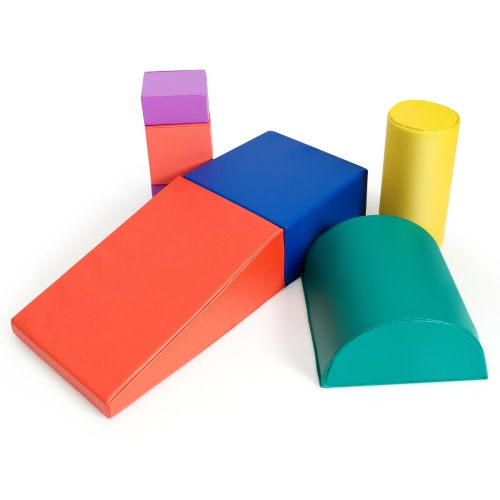
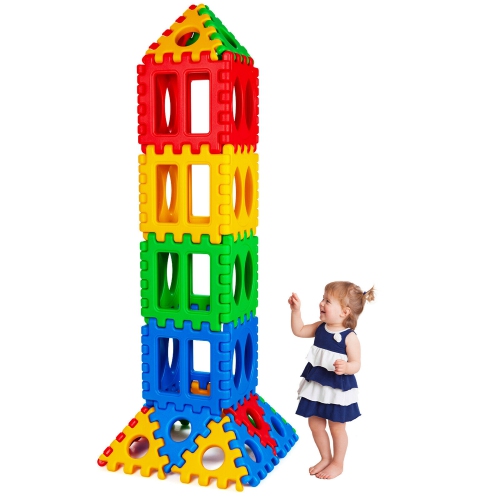
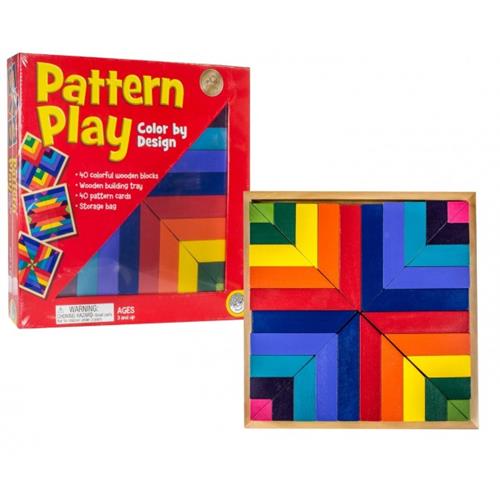
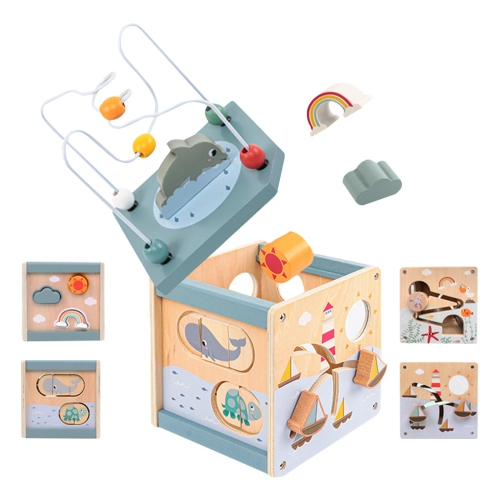
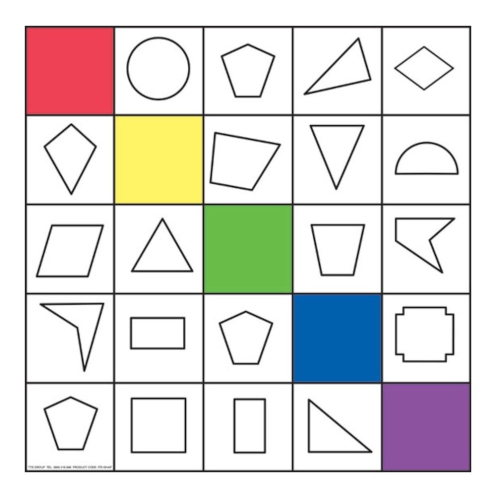
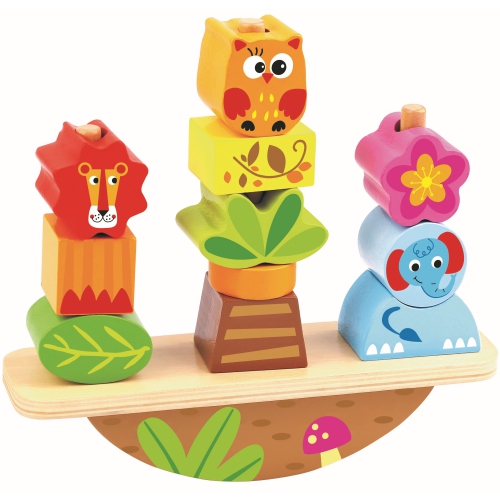
Shape blocks are geometric play pieces that children can sort, stack, match, and arrange to explore shapes, patterns, and early maths concepts. Their simple forms leave plenty of room for imagination: a triangle can become a rooftop, a row of squares can form a road, and several shapes fitted together can turn into a bird with outstretched wings. The category includes flat pieces for making pictures and tessellations, chunky blocks for building, and shapes designed to fit into matching openings. Each format offers a slightly different play experience. Flat pieces make it easier to compare edges and see how smaller shapes combine into larger ones, while three-dimensional blocks introduce height, balance, and the challenge of keeping a structure upright. Traditional pattern blocks commonly use six shapes in familiar colours: yellow hexagons, red trapezoids, green triangles, orange squares, blue parallelograms, and tan rhombuses. In standard proportioned sets, pieces fit together in predictable ways, allowing children to discover, for example, that six green triangles can fill the same space as one yellow hexagon. Not all shape blocks follow this colour system or these proportions, so the shapes, dimensions, and intended activities matter more than appearance alone. For closely related shape-and-pattern play, Patterned Blocks offer another way to explore geometric arrangements. Whether spread across a playroom table or used during a classroom activity, physical shape pieces make abstract ideas easier to handle and discuss. Children can trace an edge with a finger, turn a piece until it fits, or compare two arrangements side by side. These small actions give practice in fine motor control, hand-eye coordination, and spatial reasoning without requiring every play session to have a finished picture or a correct answer. Sometimes the most absorbing activity is simply lining up matching pieces, knocking down a short tower, or starting the same design again with a different shape.
Materials influence how shape blocks feel, sound, and behave during everyday play. Wooden blocks tend to have a reassuring weight and a firm feel, which can suit stacking and tabletop arrangements. Smooth edges, an even finish, and clearly stated age suitability are useful details to check, particularly for younger children who are still learning to handle toys carefully. Plastic blocks can be lightweight and easy to wipe clean, although their surface texture, thickness, and construction vary. Foam shapes offer a softer, quieter option for floor play, but they still need regular checks for tears, loose fragments, or other wear. No material makes a toy suitable for every age, and small geometric pieces can present a choking hazard. The manufacturer's age rating and warnings should match the child using the blocks, with particular attention to younger siblings who may share the play space. Size also changes the experience. Larger, easy-to-grasp pieces can make handling more manageable for little hands, while smaller flat pieces allow more detailed mosaics and close-fitting designs for children old enough to use them safely. For pattern work, consistent thickness and accurately formed edges help pieces sit together without distracting gaps. For building, broad bases and stable surfaces can reduce the frustration of towers falling before the next block is in place. A low table provides a useful surface for arranging flat shapes, while a firm floor area can work well for larger constructions; thick rugs may make narrow stacks less steady. Care requirements deserve the same attention as play features. Follow the cleaning directions for the material and finish, avoid soaking wooden pieces unless expressly permitted, and let cleaned blocks dry fully before putting them away. A shallow tray, divided container, or sturdy storage bin can keep shapes together and make missing or damaged pieces easier to spot. Storage that children can manage themselves also turns packing up into another opportunity to sort by shape, colour, or size.
The best fit for a household or learning space depends on how the blocks will be used, how many children will share them, and how much room there is to spread out. A younger child may enjoy matching circles and squares to familiar outlines, while an older child may spend much longer creating a repeating border or working out how to cover a larger shape without leaving gaps. Shape blocks can support early mathematical language through ordinary conversation: an adult might describe a triangle's three sides, point out a square corner, or ask a child to explain the pattern they have made. With standard proportioned pattern pieces, older children can also investigate symmetry, area relationships, and simple fractions by comparing how different arrangements occupy the same space. These activities work best when they follow the child's interest rather than turning every construction into a test. A pretend town might lead naturally to comparing tall and short buildings, while a flower made from flat pieces might invite a closer look at repeated shapes around its centre. For siblings or small groups, having enough repeated shapes helps children build alongside one another without constantly taking apart someone else's work. Shared arrangements can encourage turn-taking and conversation, although independent play has its own appeal for children who enjoy concentrating on small details. In classrooms, childcare settings, and home learning spaces, picture cards or outline mats can provide a starting point, while loose pieces leave more room for original designs. Compatibility matters if blocks will be used with existing activity cards: similar-looking shapes may differ in scale and may not fill a printed outline accurately. As gifts, shape blocks can suit children who enjoy puzzles, construction toys, drawing, or hands-on play, provided the format and age rating are appropriate. They also lend themselves to relaxed indoor activities during the cooler months, from making a colourful tabletop mosaic to building a miniature neighbourhood on the floor. A well-matched set offers room for both quick experiments and longer projects, with durable pieces, manageable storage, and shapes that remain interesting as a child's play becomes more complex.
Materials influence how shape blocks feel, sound, and behave during everyday play. Wooden blocks tend to have a reassuring weight and a firm feel, which can suit stacking and tabletop arrangements. Smooth edges, an even finish, and clearly stated age suitability are useful details to check, particularly for younger children who are still learning to handle toys carefully. Plastic blocks can be lightweight and easy to wipe clean, although their surface texture, thickness, and construction vary. Foam shapes offer a softer, quieter option for floor play, but they still need regular checks for tears, loose fragments, or other wear. No material makes a toy suitable for every age, and small geometric pieces can present a choking hazard. The manufacturer's age rating and warnings should match the child using the blocks, with particular attention to younger siblings who may share the play space. Size also changes the experience. Larger, easy-to-grasp pieces can make handling more manageable for little hands, while smaller flat pieces allow more detailed mosaics and close-fitting designs for children old enough to use them safely. For pattern work, consistent thickness and accurately formed edges help pieces sit together without distracting gaps. For building, broad bases and stable surfaces can reduce the frustration of towers falling before the next block is in place. A low table provides a useful surface for arranging flat shapes, while a firm floor area can work well for larger constructions; thick rugs may make narrow stacks less steady. Care requirements deserve the same attention as play features. Follow the cleaning directions for the material and finish, avoid soaking wooden pieces unless expressly permitted, and let cleaned blocks dry fully before putting them away. A shallow tray, divided container, or sturdy storage bin can keep shapes together and make missing or damaged pieces easier to spot. Storage that children can manage themselves also turns packing up into another opportunity to sort by shape, colour, or size.
The best fit for a household or learning space depends on how the blocks will be used, how many children will share them, and how much room there is to spread out. A younger child may enjoy matching circles and squares to familiar outlines, while an older child may spend much longer creating a repeating border or working out how to cover a larger shape without leaving gaps. Shape blocks can support early mathematical language through ordinary conversation: an adult might describe a triangle's three sides, point out a square corner, or ask a child to explain the pattern they have made. With standard proportioned pattern pieces, older children can also investigate symmetry, area relationships, and simple fractions by comparing how different arrangements occupy the same space. These activities work best when they follow the child's interest rather than turning every construction into a test. A pretend town might lead naturally to comparing tall and short buildings, while a flower made from flat pieces might invite a closer look at repeated shapes around its centre. For siblings or small groups, having enough repeated shapes helps children build alongside one another without constantly taking apart someone else's work. Shared arrangements can encourage turn-taking and conversation, although independent play has its own appeal for children who enjoy concentrating on small details. In classrooms, childcare settings, and home learning spaces, picture cards or outline mats can provide a starting point, while loose pieces leave more room for original designs. Compatibility matters if blocks will be used with existing activity cards: similar-looking shapes may differ in scale and may not fill a printed outline accurately. As gifts, shape blocks can suit children who enjoy puzzles, construction toys, drawing, or hands-on play, provided the format and age rating are appropriate. They also lend themselves to relaxed indoor activities during the cooler months, from making a colourful tabletop mosaic to building a miniature neighbourhood on the floor. A well-matched set offers room for both quick experiments and longer projects, with durable pieces, manageable storage, and shapes that remain interesting as a child's play becomes more complex.
Top selling and popular products
-
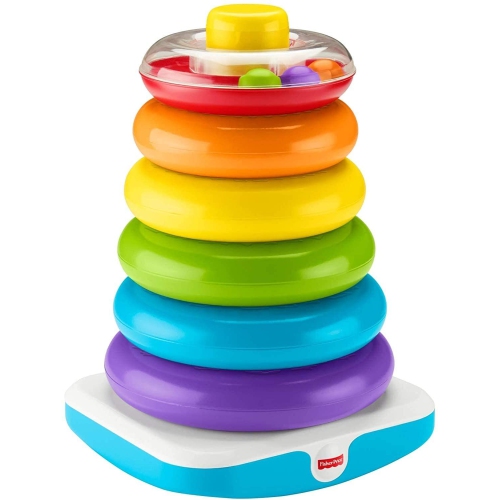 Your price for this item is $50.31
 -
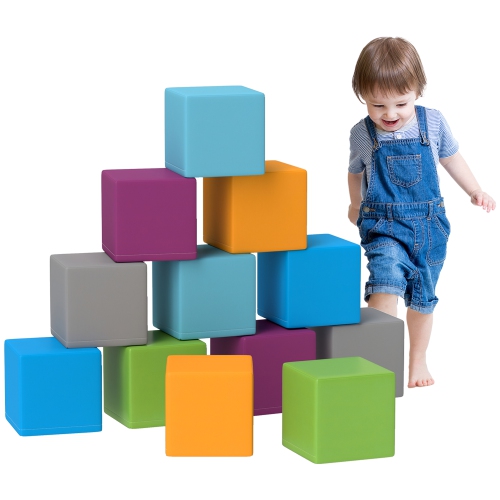 Your price for this item is $104.99
 -
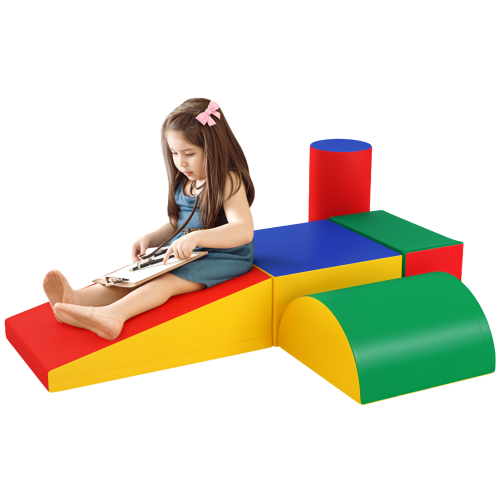 Your price for this item is $89.99
 -
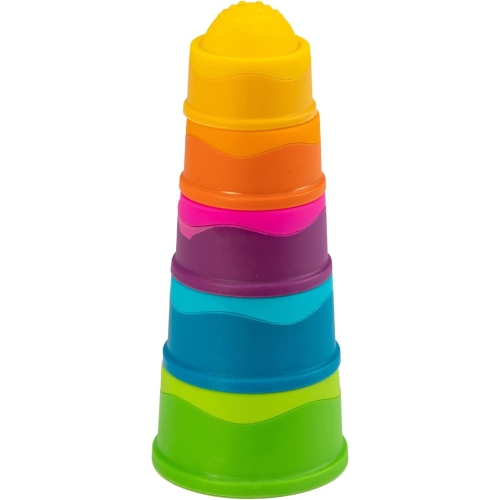 Your price for this item is $36.86
 -
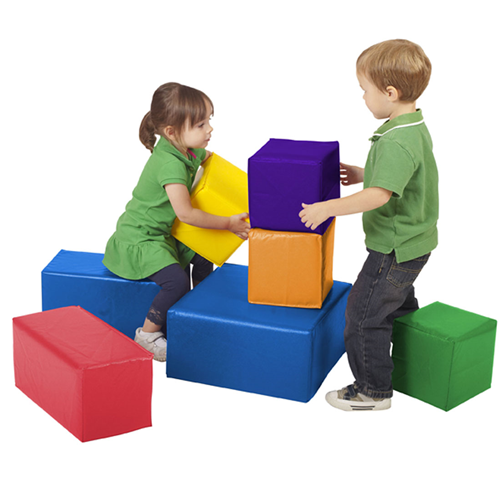 Your price for this item is $199.99
 -
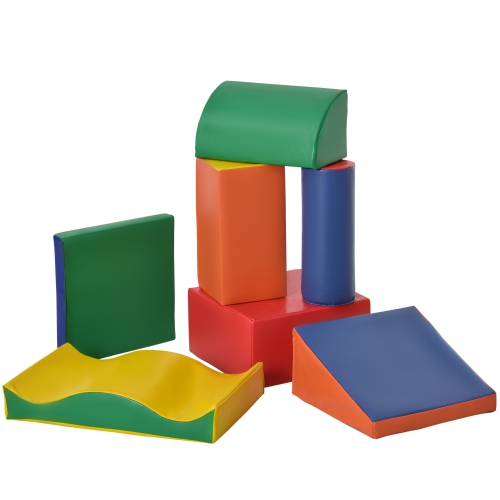 Your price for this item is $109.99
 -
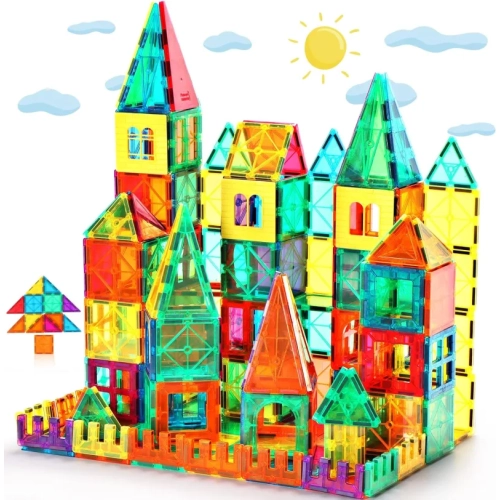 Your price for this item is $59.99
 -
 Your price for this item is $158.99
Discover more categories related to Shape Blocks
Top Collections:
Pokemon Centers, Kindle Devices, Best Budget Office Chairs, Apple iPhones 16, Best Laptops for Writers, iPhone 15 Apple, Canon G7X Cameras, Refurbished Apple Laptops, Alarm Clock, Motorola Razr Phones
Some products may be subject to Environmental Handling Fees
(EHF) depending on your province.
Learn more about EHFs.