Space Exploration Games
Embark on a cosmic adventure with our collection of space exploration games that will transport you to galaxies far, far away. Whether you're a seasoned astronaut or a curious beginner, these games offer an immersive experience where you can pilot spacecraft, discover alien worlds, and unravel the mysteries of the universe. From epic space battles to peaceful explorations, get ready to defy gravity and explore the final frontier from the comfort of your own home.
Sort
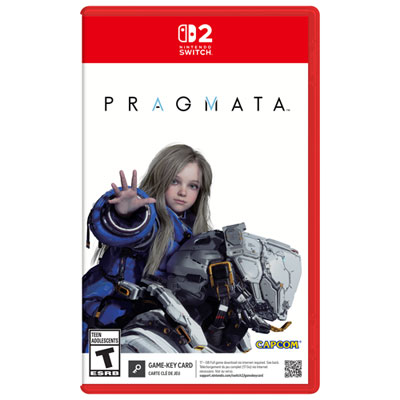
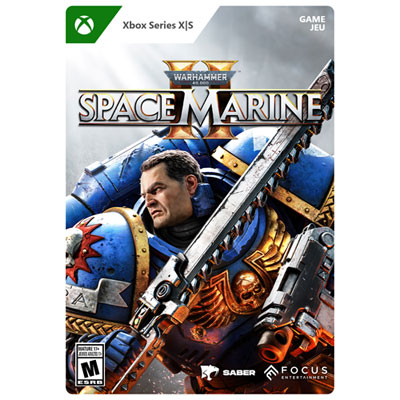
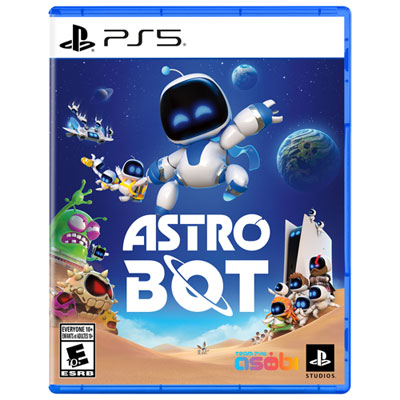
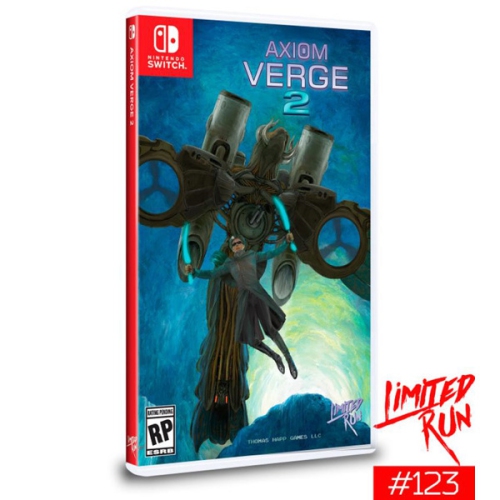
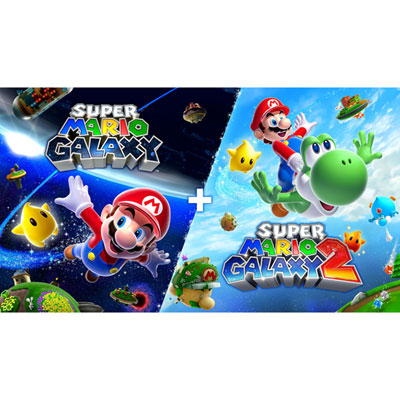
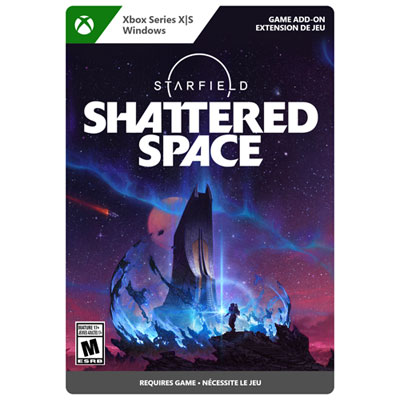
![PERP GAMES Downward Spiral: Horus Station [Playstation 4 - Vr Compatible]](https://multimedia.bbycastatic.ca/multimedia/products/500x500/152/15238/15238441.jpeg)
![OUTRIGHT GAMES Star Trek Prodigy: Supernova [Nintendo Switch]](https://multimedia.bbycastatic.ca/multimedia/products/500x500/193/19384/19384051.jpeg)
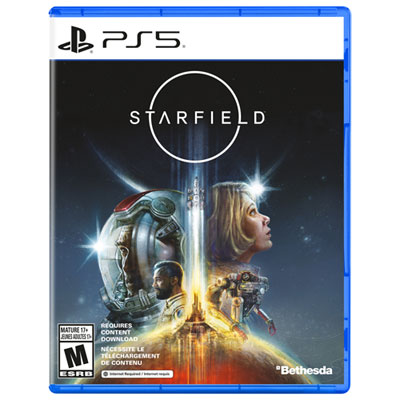
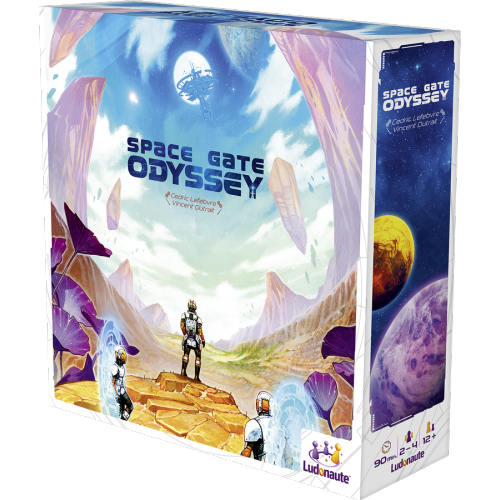
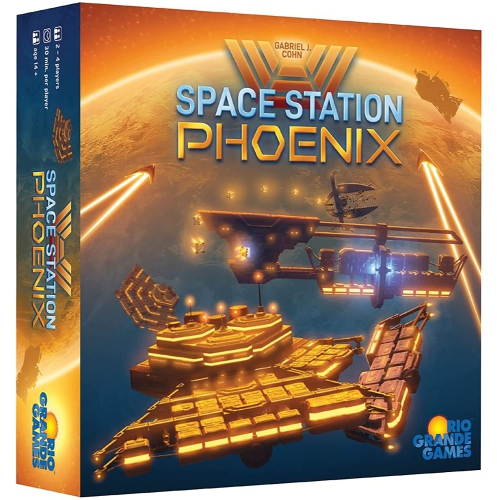
![LIMITED RUN GAMES Redout: Space Assault - Limited Run #128 [Nintendo Switch]](https://multimedia.bbycastatic.ca/multimedia/products/500x500/165/16590/16590869.jpeg)
![LIMITED RUN GAMES Redout: Space Assault - Limited Run #434 [Playstation 4]](https://multimedia.bbycastatic.ca/multimedia/products/500x500/165/16590/16590403.jpeg)
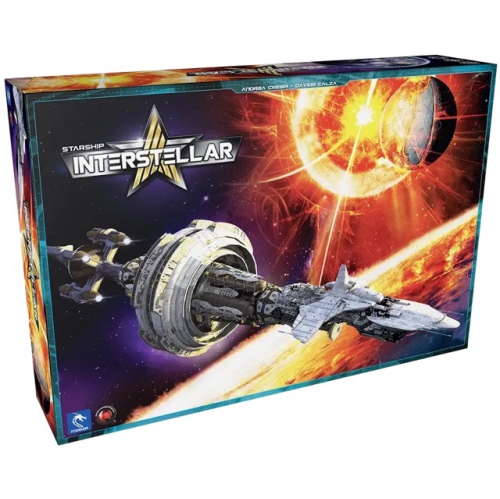
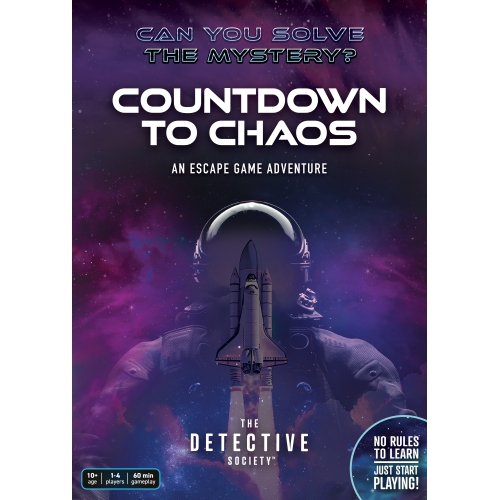
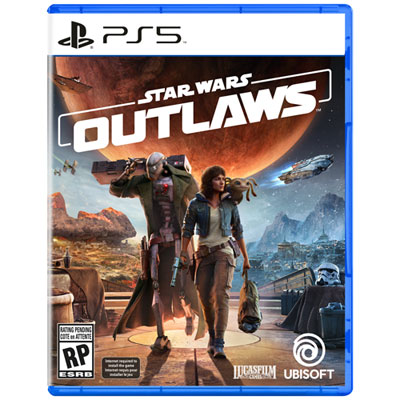

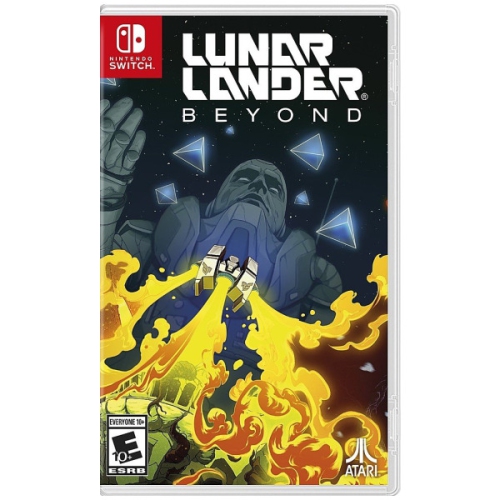
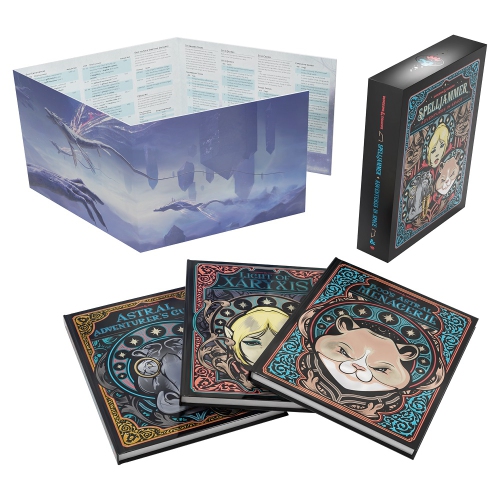
![LIMITED RUN GAMES Citizens Unite: Earth X Space [Nintendo Switch]](https://multimedia.bbycastatic.ca/multimedia/products/500x500/165/16590/16590762.jpeg)
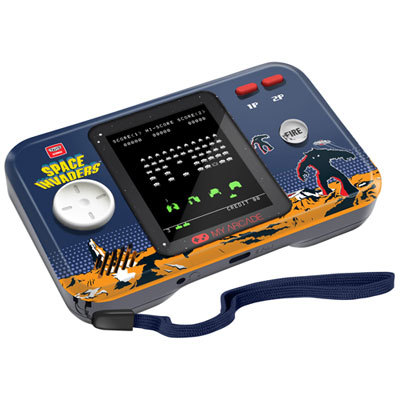
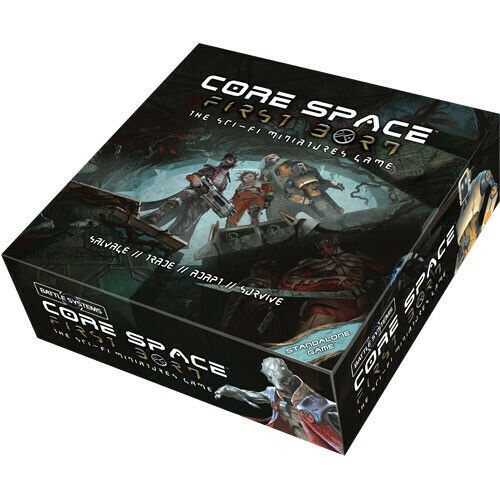
![PERP GAMES Unearthing Mars 2: The Ancient War - Psvr [Playstation 4]](https://multimedia.bbycastatic.ca/multimedia/products/500x500/152/15238/15238439.jpeg)
![CURVE GAMES Autonauts [Nintendo Switch]](https://multimedia.bbycastatic.ca/multimedia/products/500x500/193/19382/19382663.jpeg)
![LIMITED RUN GAMES Paper Beast - Psvr - Collector's Edition - Limited Run #384 [Playstation 4]](https://multimedia.bbycastatic.ca/multimedia/products/500x500/193/19382/19382618.jpeg)
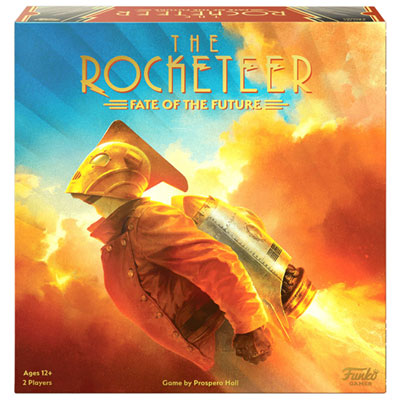
![LIMITED RUN GAMES Paper Beast - Psvr - Limited Run #384 [Playstation 4]](https://multimedia.bbycastatic.ca/multimedia/products/500x500/156/15612/15612888.jpeg)
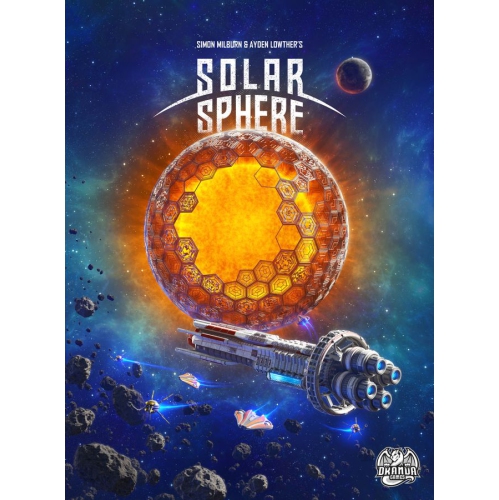
![ASMODEE Big Monster [Board Game, 2-6 Players]](https://multimedia.bbycastatic.ca/multimedia/products/500x500/165/16590/16590582.jpeg)
![LIMITED RUN GAMES Citizens Unite: Earth X Space [Playstation 4]](https://multimedia.bbycastatic.ca/multimedia/products/500x500/165/16590/16590879.jpeg)
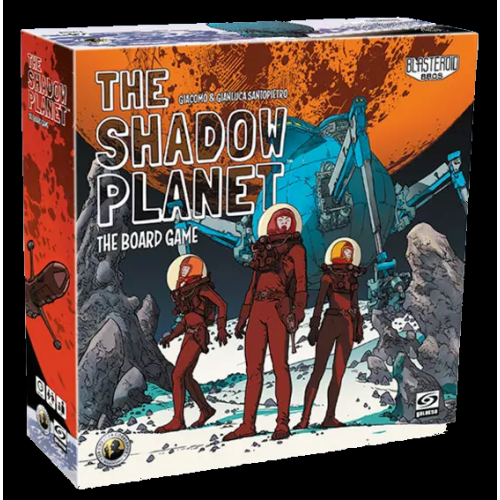

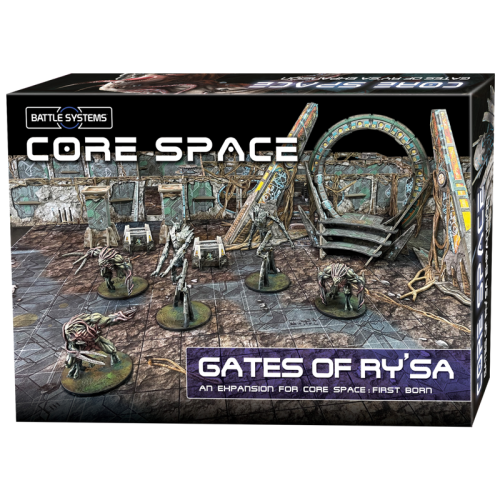
Distant worlds invite discovery, survival, and imaginative adventure
Space exploration games invite players to look beyond familiar maps and into worlds shaped by discovery, risk, and imagination. Depending on the style of game, that journey may involve piloting a spacecraft through a realistic star system, landing on unfamiliar planets, gathering materials, establishing a remote base, or following clues through an unfolding science-fiction mystery. Some games create enormous, procedurally generated universes in which every new planet, moon, or asteroid field can feel like the beginning of a fresh expedition. Others focus on a carefully designed solar system, using exploration and observation to reveal a story over time. This variety makes space exploration games appealing to players who enjoy open-world adventures, survival mechanics, role-playing, strategy, construction, or flight simulation. A player who likes setting personal goals may spend an evening charting distant systems and improving a ship, while someone who prefers a more structured experience may follow missions, investigate alien ruins, or uncover the history of a vanished civilization. Browse this selection alongside other Exploration Games to find experiences built around curiosity, discovery, and the freedom to decide what lies beyond the next horizon. The right game can turn a quiet evening into a memorable voyage, with the glow of a cockpit, the sound of a launch sequence, and an unfamiliar landscape waiting below.
When comparing space exploration games, start by considering the kind of exploration that feels most rewarding. Open-universe games often provide a broad sandbox with many possible directions, including planetary travel, trading, resource collection, crafting, base building, and encounters with other travellers. These games can be especially satisfying for players who enjoy making their own plans, whether that means creating a comfortable outpost, improving a fleet, searching for rare materials, or simply travelling without a fixed destination. Survival-focused experiences add another layer of decision-making. Oxygen, fuel, shelter, equipment durability, and available resources may determine how far an expedition can go, so preparation becomes just as important as courage. Flight and space simulation games generally place more emphasis on controls, navigation, orbital movement, docking, ship management, and the physical scale of a galaxy. They can appeal to players who appreciate learning a detailed system and gradually becoming more confident behind the controls. Physics-based building games take a different route, allowing players to design rockets, test propulsion, adjust balance, and learn from spectacular launches that do not always go according to plan. For younger players and families, a colourful planetary sandbox with approachable controls and creative building may be a better fit than a demanding simulation. For experienced players, deeper systems, longer campaigns, combat, trading, or complex resource management can provide the challenge they are seeking. It is also worth checking the supported platform, whether the game is designed for a single player or includes online multiplayer, the storage space required, and the age rating. Some adventures are calm and contemplative, while others include combat, frightening environments, or mature themes, making the rating and content details important when choosing a game for a child or as a gift.
Space exploration games can make thoughtful gifts for players who enjoy science fiction, astronomy, engineering, storytelling, or creative problem-solving. They are also a natural choice for someone who has already spent time with open-world games and is ready for a setting that feels less familiar and more expansive. A game centred on discovery can suit a curious teenager who likes experimenting with systems, while a realistic simulator may be appreciated by an adult who enjoys technology, navigation, or the satisfaction of mastering precise controls. For families sharing a console or computer, look for features that support multiple play styles, adjustable difficulty, accessible controls, and clear progress systems. A player who has limited time may prefer a game that offers shorter missions and convenient save options, whereas someone settling in during the cooler months may welcome a sprawling adventure that can be enjoyed over many sessions. Consider the available hardware as well: some titles are designed for current-generation consoles or gaming PCs, and performance can vary depending on graphics settings, display resolution, storage, and accessories. Headsets can make distant radio calls, engine noise, and atmospheric soundscapes feel more immersive, while a comfortable controller or keyboard and mouse setup can make long journeys easier to manage. The most rewarding space exploration games balance wonder with meaningful choices. They give players room to pause on a quiet moon, watch a planet rise over the horizon, or change course because an unexpected signal has appeared on the scanner. Whether the goal is to build, survive, investigate, trade, pilot, or simply see what is beyond the next star, these games offer imaginative ways to explore at a personal pace.
When comparing space exploration games, start by considering the kind of exploration that feels most rewarding. Open-universe games often provide a broad sandbox with many possible directions, including planetary travel, trading, resource collection, crafting, base building, and encounters with other travellers. These games can be especially satisfying for players who enjoy making their own plans, whether that means creating a comfortable outpost, improving a fleet, searching for rare materials, or simply travelling without a fixed destination. Survival-focused experiences add another layer of decision-making. Oxygen, fuel, shelter, equipment durability, and available resources may determine how far an expedition can go, so preparation becomes just as important as courage. Flight and space simulation games generally place more emphasis on controls, navigation, orbital movement, docking, ship management, and the physical scale of a galaxy. They can appeal to players who appreciate learning a detailed system and gradually becoming more confident behind the controls. Physics-based building games take a different route, allowing players to design rockets, test propulsion, adjust balance, and learn from spectacular launches that do not always go according to plan. For younger players and families, a colourful planetary sandbox with approachable controls and creative building may be a better fit than a demanding simulation. For experienced players, deeper systems, longer campaigns, combat, trading, or complex resource management can provide the challenge they are seeking. It is also worth checking the supported platform, whether the game is designed for a single player or includes online multiplayer, the storage space required, and the age rating. Some adventures are calm and contemplative, while others include combat, frightening environments, or mature themes, making the rating and content details important when choosing a game for a child or as a gift.
Space exploration games can make thoughtful gifts for players who enjoy science fiction, astronomy, engineering, storytelling, or creative problem-solving. They are also a natural choice for someone who has already spent time with open-world games and is ready for a setting that feels less familiar and more expansive. A game centred on discovery can suit a curious teenager who likes experimenting with systems, while a realistic simulator may be appreciated by an adult who enjoys technology, navigation, or the satisfaction of mastering precise controls. For families sharing a console or computer, look for features that support multiple play styles, adjustable difficulty, accessible controls, and clear progress systems. A player who has limited time may prefer a game that offers shorter missions and convenient save options, whereas someone settling in during the cooler months may welcome a sprawling adventure that can be enjoyed over many sessions. Consider the available hardware as well: some titles are designed for current-generation consoles or gaming PCs, and performance can vary depending on graphics settings, display resolution, storage, and accessories. Headsets can make distant radio calls, engine noise, and atmospheric soundscapes feel more immersive, while a comfortable controller or keyboard and mouse setup can make long journeys easier to manage. The most rewarding space exploration games balance wonder with meaningful choices. They give players room to pause on a quiet moon, watch a planet rise over the horizon, or change course because an unexpected signal has appeared on the scanner. Whether the goal is to build, survive, investigate, trade, pilot, or simply see what is beyond the next star, these games offer imaginative ways to explore at a personal pace.
Top selling and popular products
-
 Your price for this item is $14.99
 -
 Your price for this item is $34.99
 -
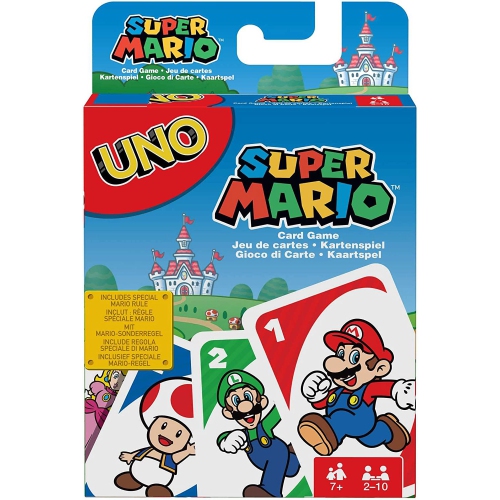 Your price for this item is $15
 -
 Your price for this item is $21.99
 -
 Your price for this item is $34.99
 -
 Your price for this item is $35.59
 -
 Your price for this item is $20.93
 -
 Your price for this item is $31.99
Discover more categories related to Space Exploration Games
Top Collections:
Pokemon Centers, Kindle Devices, Best Budget Office Chairs, Apple iPhones 16, Best Laptops for Writers, iPhone 15 Apple, Canon G7X Cameras, Refurbished Apple Laptops, Alarm Clock, Motorola Razr Phones
Some products may be subject to Environmental Handling Fees
(EHF) depending on your province.
Learn more about EHFs.