Stereo Microscopes
Looking to explore the microscopic world in stunning detail? Look no further than our collection of stereo microscopes. Designed with precision and clarity in mind, these powerful instruments allow you to examine objects up close with incredible depth perception. Whether you're a hobbyist, a student, or a professional in the scientific field, our stereo microscopes offer the perfect blend of functionality and affordability. Discover a whole new level of observation and analysis as you uncover the hidden wonders that lie beyond the naked eye.
Sort
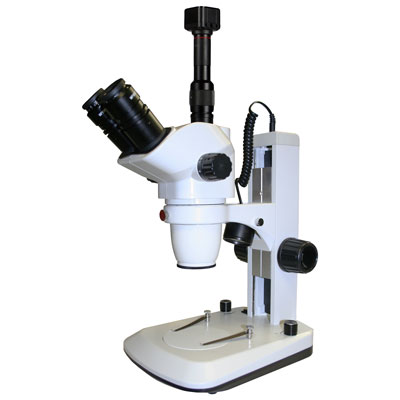
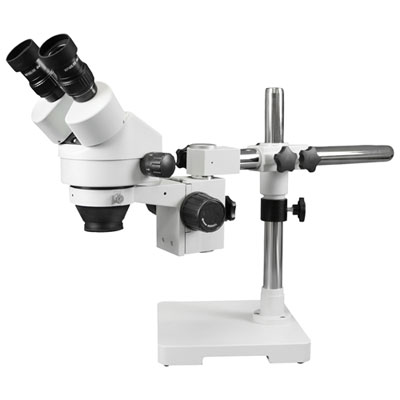
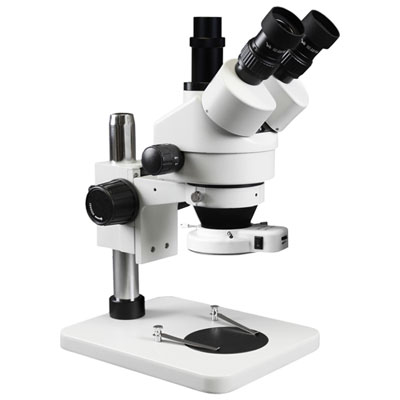

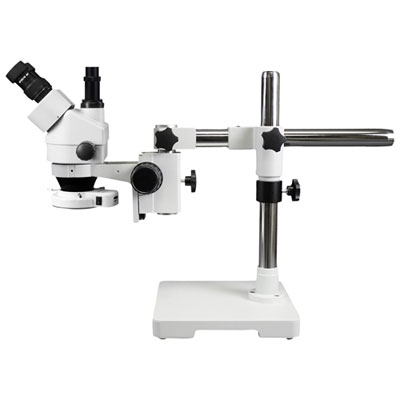
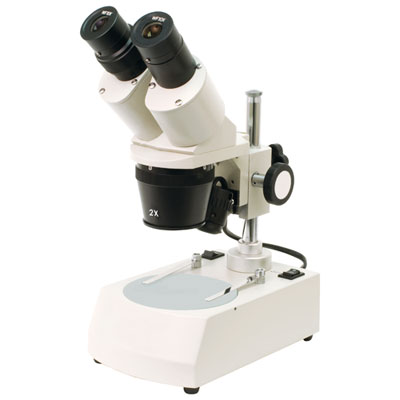
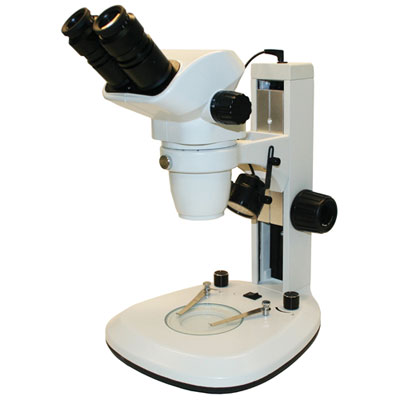
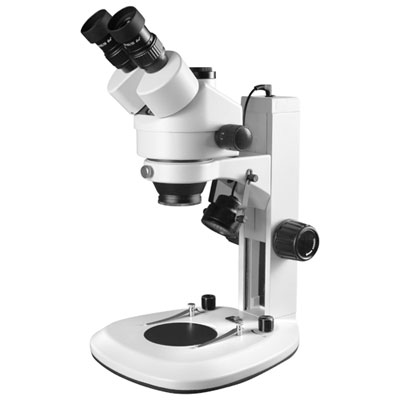
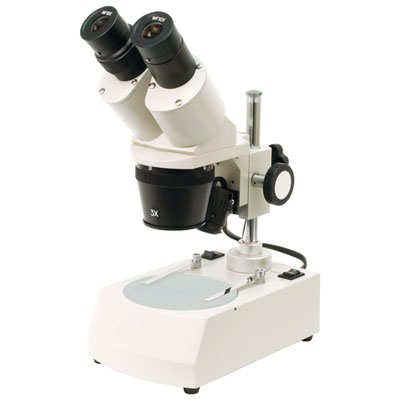
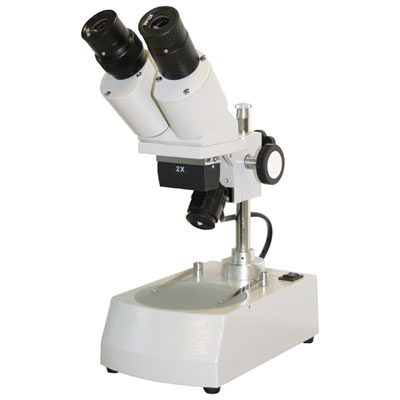
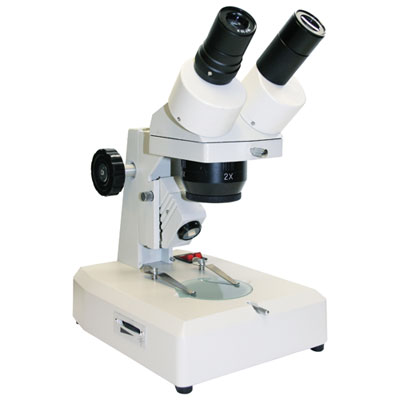
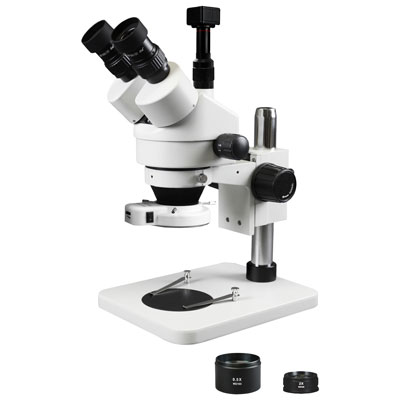
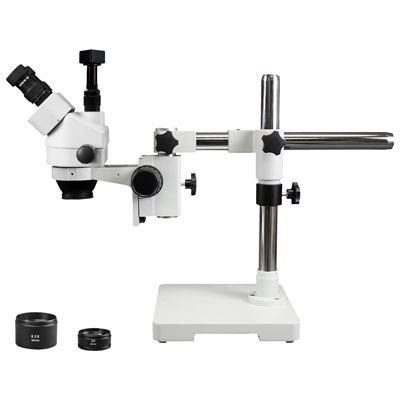
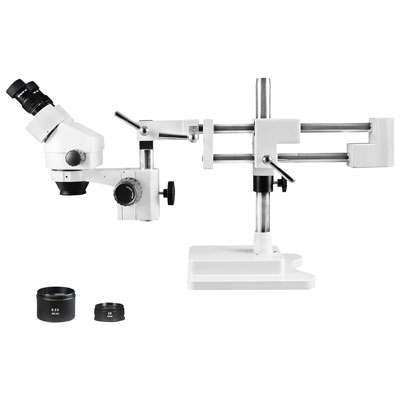
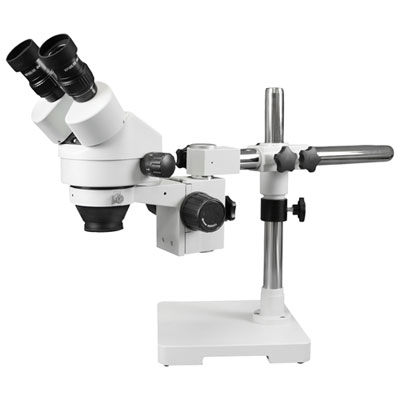
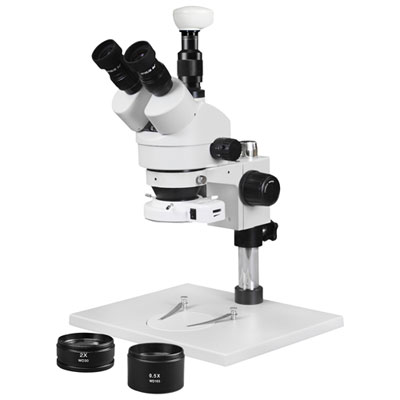
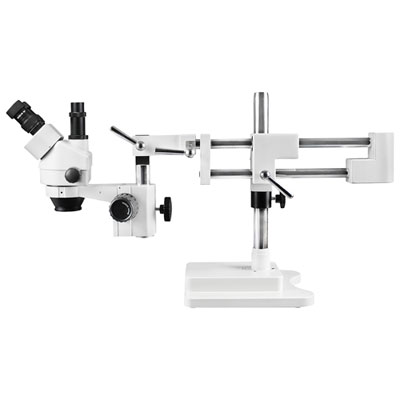
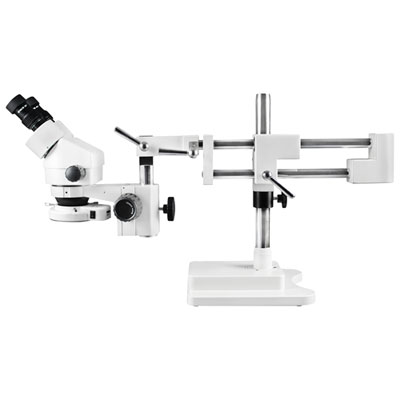
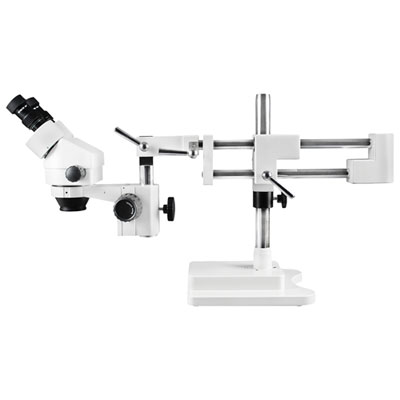
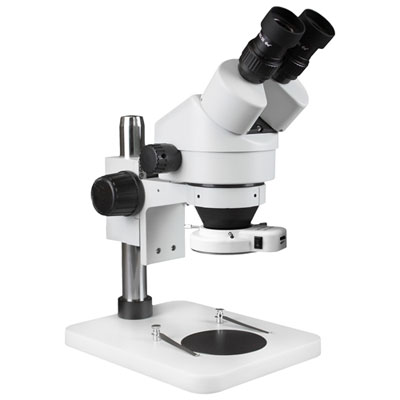
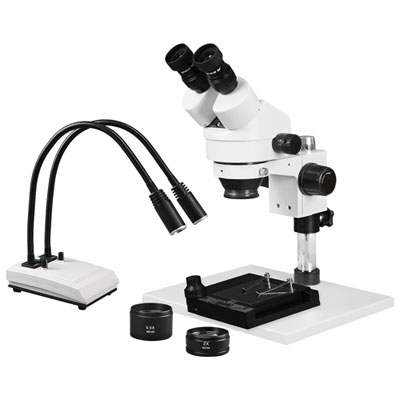
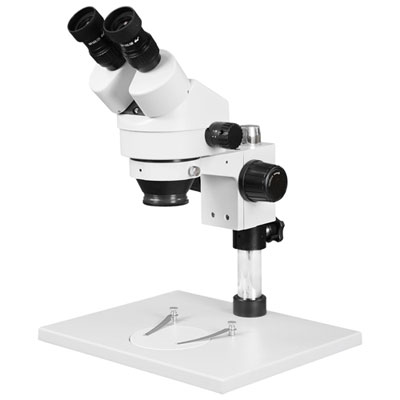
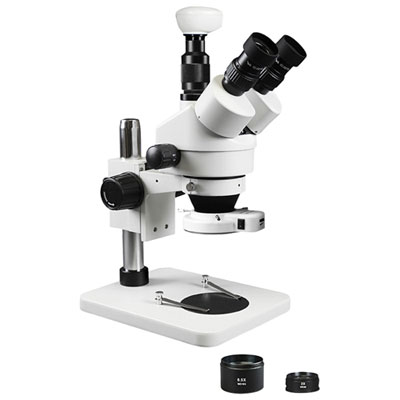
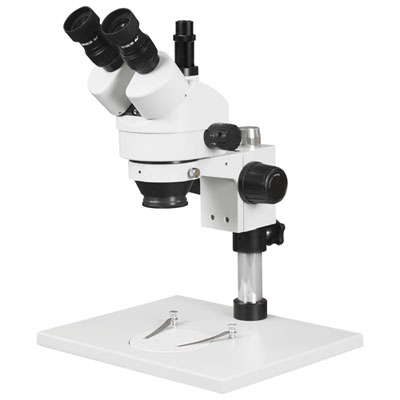
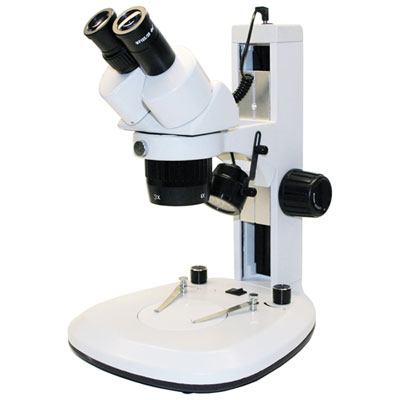
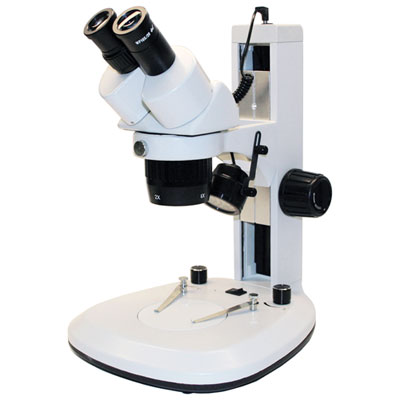
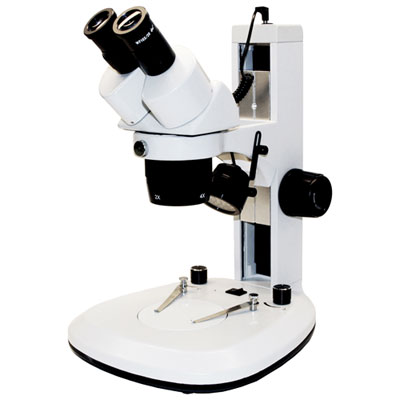
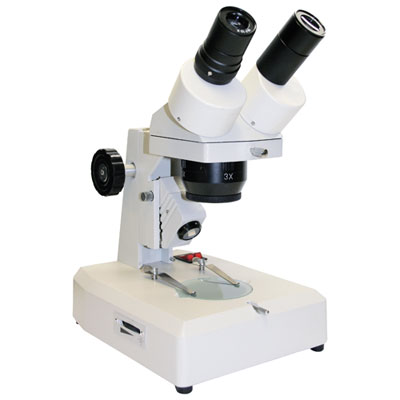
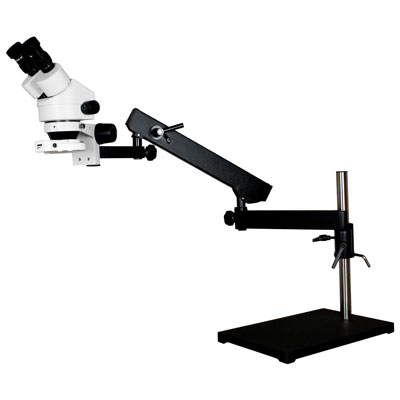
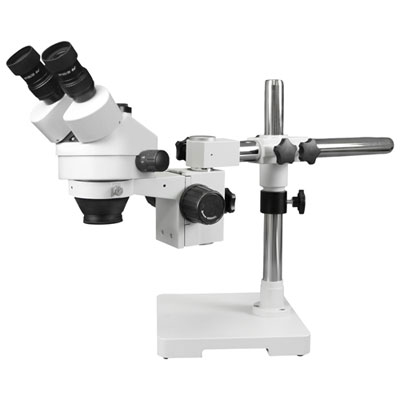
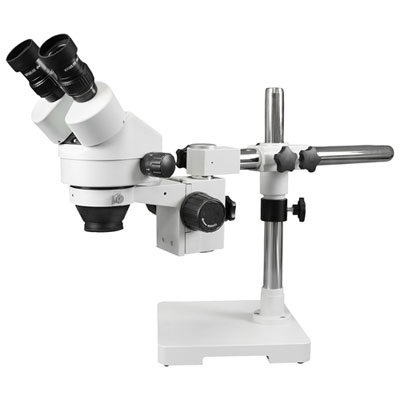
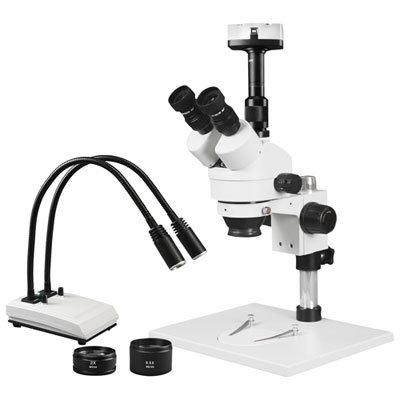
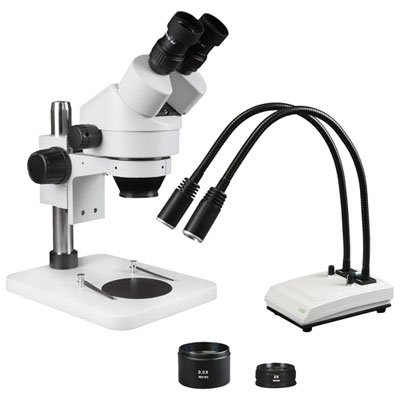
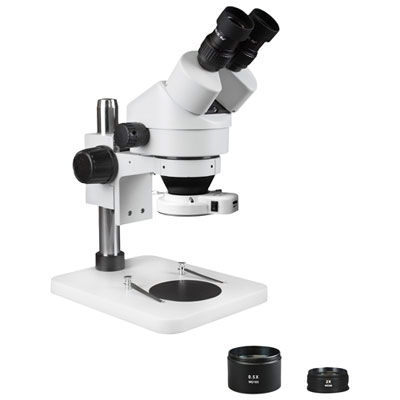
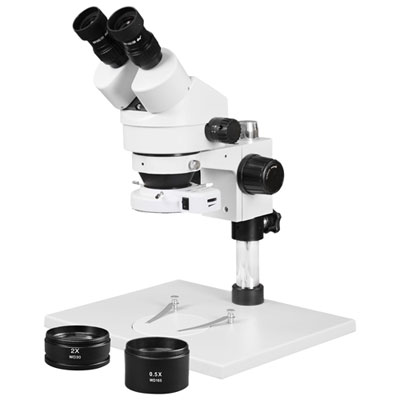
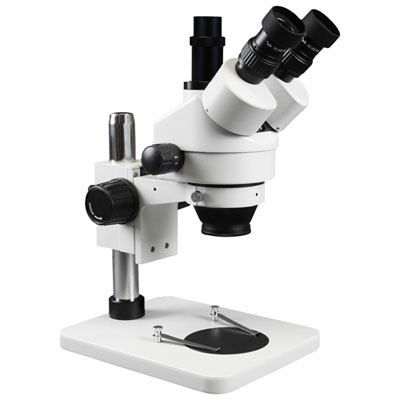
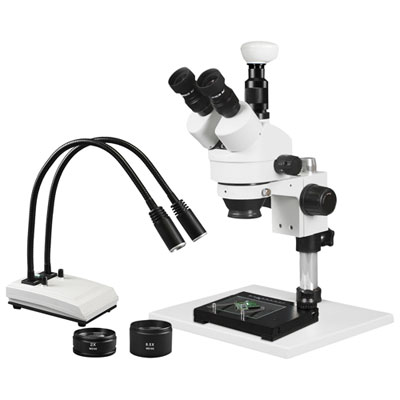
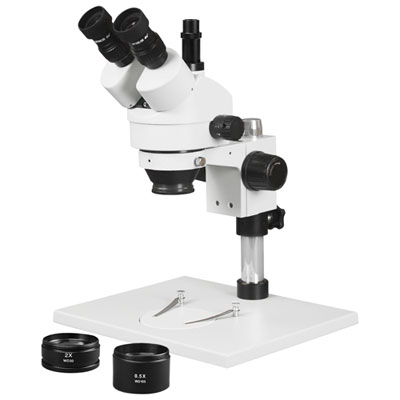
Three-dimensional views for detailed inspection and hands-on projects
Stereo microscopes, also called dissecting microscopes, are designed for viewing solid objects with a clear sense of shape, height, and depth. Unlike a compound microscope that typically shines light through a thin specimen on a slide, a stereo microscope uses two separate optical paths to present slightly different angles to each eye. The result is a three-dimensional view that makes it easier to understand the contours of a coin, the texture of a mineral, the structure of a small insect, or the fine details on a circuit board. Most models are intended for low magnification, commonly ranging from about 10x to 80x, making them well suited to whole, relatively thick objects rather than individual cells. This balance of magnification and depth perception is useful when you need to handle or manipulate the item while examining it. A long working distance leaves room beneath the objective for tweezers, probes, soldering irons, small brushes, or other tools, which is one reason stereo microscopes are used in electronics repair, model making, jewellery work, watch servicing, classroom demonstrations, and detailed inspection tasks. For solid, opaque objects, reflected light from above helps reveal surface details, edges, scratches, colour changes, and raised features. Some models also include transmitted light from below, which can help illuminate translucent specimens such as thin leaves, small stones, wings, or prepared samples. When comparing stereo microscopes, consider the type and size of the objects you expect to examine, the magnification range you will use most often, and whether you prefer fixed-power viewing or a zoom system that lets you move smoothly from a wider view to a closer inspection. A wider field of view can make it easier to locate a specimen, while a higher power can show tiny solder joints, fibre patterns, inclusions in gemstones, or minute surface flaws.
Comfort and control matter just as much as optical specifications, particularly when a microscope will be used for extended sessions. Binocular eyepieces can provide a more relaxed viewing experience than a single eyepiece, and adjustable interpupillary distance helps different users align the view comfortably. Look for smooth focus controls, a stable base, and a stage that keeps the specimen secure without obstructing access to the area being inspected. A broad working distance is especially valuable for electronics and crafts because your hands need space to move beneath the lens. Illumination should be bright enough to reveal fine features without creating harsh glare; adjustable top lighting is helpful for shiny materials such as metal, glass, beads, and polished stones, while bottom lighting can add versatility for semi-transparent samples. Some stereo microscopes accept accessories such as auxiliary lenses, eyepiece reticles, ring lights, or cameras, although compatibility can vary, so it is worth checking the specifications before planning a photography or video setup. A camera connection may be useful for documenting repairs, sharing demonstrations with students, recording a collection, or showing a close-up to someone who is not looking through the eyepieces. The stand and base also deserve attention. A compact setup can suit a workbench or study area, while a larger arm or boom stand may accommodate oversized objects and allow more freedom when positioning tools. Those selecting from Professional Microscopes may also find options intended for more specialised inspection and laboratory-style work. Before choosing, think about where the microscope will live, how often it will be moved, and whether the people using it will need straightforward controls or a wider range of adjustments.
A stereo microscope can be a practical addition to a home workshop, classroom, studio, repair bench, or collection display area. Electronics enthusiasts can use the depth-rich view to trace components, inspect solder connections, identify damaged traces, and work on compact boards with greater precision. Crafters and makers may use one to examine miniature models, paint details, fibres, paper surfaces, beads, stones, or the edges of small parts before assembling them. Collectors can study the lettering and wear on coins, the printing and perforations on stamps, the facets of gemstones, or the fine marks that are difficult to see with the unaided eye. In biology and natural science activities, a stereo microscope is useful for observing insects, plant structures, shells, seeds, feathers, and other specimens that need to remain intact during examination. It can also be a thoughtful gift for a curious student, an aspiring engineer, a jewellery hobbyist, a model builder, or someone who enjoys taking apart, repairing, and understanding small objects. For a beginner, a stable stand, built-in lighting, and an intuitive zoom range can make the first experience more rewarding than a complicated setup with features they may not use. More experienced users may place greater value on optical clarity, interchangeable accessories, a generous working distance, or the ability to connect a camera. Whether it is used for careful observation during the cooler months, hands-on projects at a dedicated workbench, or occasional close-up discoveries at home, the right stereo microscope turns small details into something tangible and easier to understand. When assessing the options on this page, match the microscope’s optical range, lighting arrangement, working space, viewing comfort, and expansion possibilities with the materials and activities that matter most to you.
Comfort and control matter just as much as optical specifications, particularly when a microscope will be used for extended sessions. Binocular eyepieces can provide a more relaxed viewing experience than a single eyepiece, and adjustable interpupillary distance helps different users align the view comfortably. Look for smooth focus controls, a stable base, and a stage that keeps the specimen secure without obstructing access to the area being inspected. A broad working distance is especially valuable for electronics and crafts because your hands need space to move beneath the lens. Illumination should be bright enough to reveal fine features without creating harsh glare; adjustable top lighting is helpful for shiny materials such as metal, glass, beads, and polished stones, while bottom lighting can add versatility for semi-transparent samples. Some stereo microscopes accept accessories such as auxiliary lenses, eyepiece reticles, ring lights, or cameras, although compatibility can vary, so it is worth checking the specifications before planning a photography or video setup. A camera connection may be useful for documenting repairs, sharing demonstrations with students, recording a collection, or showing a close-up to someone who is not looking through the eyepieces. The stand and base also deserve attention. A compact setup can suit a workbench or study area, while a larger arm or boom stand may accommodate oversized objects and allow more freedom when positioning tools. Those selecting from Professional Microscopes may also find options intended for more specialised inspection and laboratory-style work. Before choosing, think about where the microscope will live, how often it will be moved, and whether the people using it will need straightforward controls or a wider range of adjustments.
A stereo microscope can be a practical addition to a home workshop, classroom, studio, repair bench, or collection display area. Electronics enthusiasts can use the depth-rich view to trace components, inspect solder connections, identify damaged traces, and work on compact boards with greater precision. Crafters and makers may use one to examine miniature models, paint details, fibres, paper surfaces, beads, stones, or the edges of small parts before assembling them. Collectors can study the lettering and wear on coins, the printing and perforations on stamps, the facets of gemstones, or the fine marks that are difficult to see with the unaided eye. In biology and natural science activities, a stereo microscope is useful for observing insects, plant structures, shells, seeds, feathers, and other specimens that need to remain intact during examination. It can also be a thoughtful gift for a curious student, an aspiring engineer, a jewellery hobbyist, a model builder, or someone who enjoys taking apart, repairing, and understanding small objects. For a beginner, a stable stand, built-in lighting, and an intuitive zoom range can make the first experience more rewarding than a complicated setup with features they may not use. More experienced users may place greater value on optical clarity, interchangeable accessories, a generous working distance, or the ability to connect a camera. Whether it is used for careful observation during the cooler months, hands-on projects at a dedicated workbench, or occasional close-up discoveries at home, the right stereo microscope turns small details into something tangible and easier to understand. When assessing the options on this page, match the microscope’s optical range, lighting arrangement, working space, viewing comfort, and expansion possibilities with the materials and activities that matter most to you.
Top selling and popular products
-
 Your price for this item is $328.99
 -
 Your price for this item is $250
 -
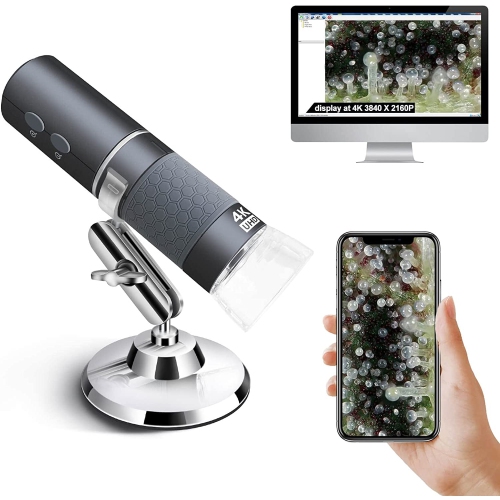 Your price for this item is $74.99
 -
 Your price for this item is $19.99
 -
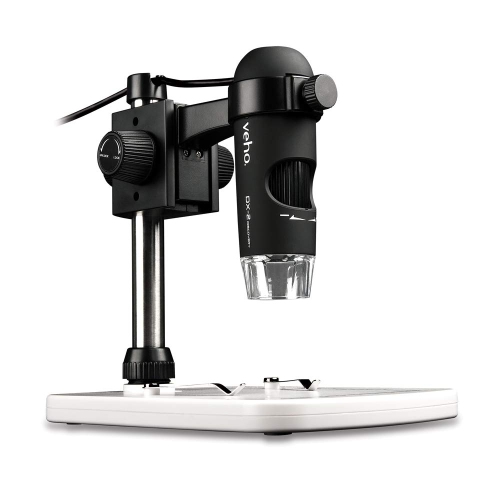 Your price for this item is $189.97
 -
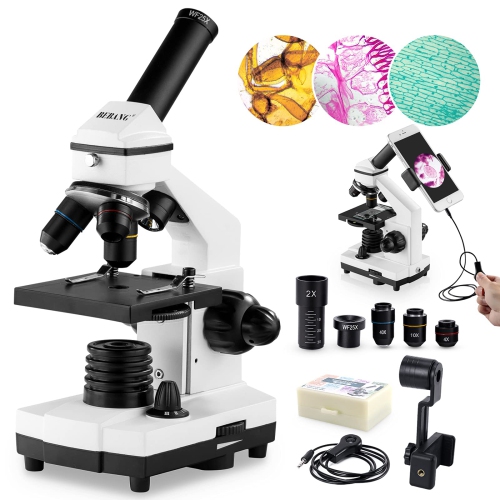 Your price for this item is $150.55
 -
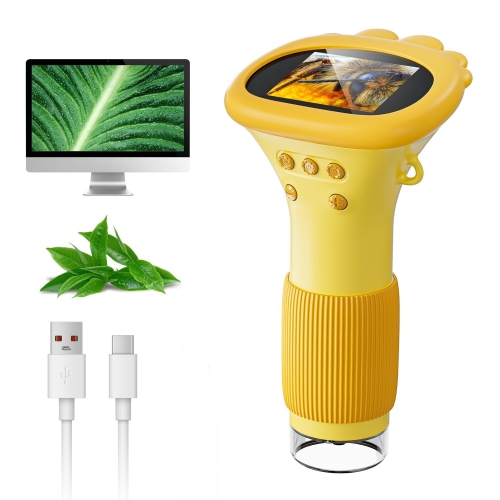 Your price for this item is $58.99
 -
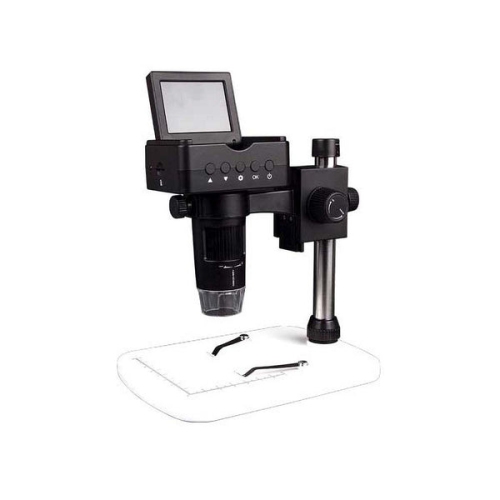 Your price for this item is $399.99
Discover more categories related to Stereo Microscopes

Top Collections:
Pokemon Centers, Kindle Devices, Best Budget Office Chairs, Apple iPhones 16, Best Laptops for Writers, iPhone 15 Apple, Canon G7X Cameras, Refurbished Apple Laptops, Alarm Clock, Motorola Razr Phones
Some products may be subject to Environmental Handling Fees
(EHF) depending on your province.
Learn more about EHFs.