Telescopes for Beginners
Embark on a journey through the cosmos with our collection of telescopes designed for beginners. Whether you're a stargazing enthusiast or a budding astronomer, these telescopes offer a gateway to the wonders of the night sky. From compact and portable models to more advanced options, there's a telescope to suit every level of interest and expertise. Start exploring the universe from the comfort of your own backyard with these entry-level telescopes that will inspire curiosity and ignite a passion for celestial discovery.
Sort


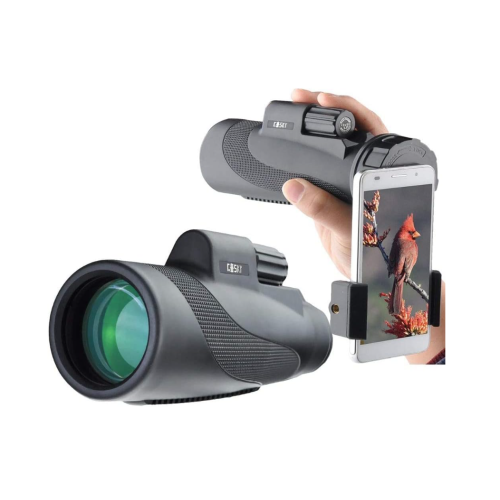
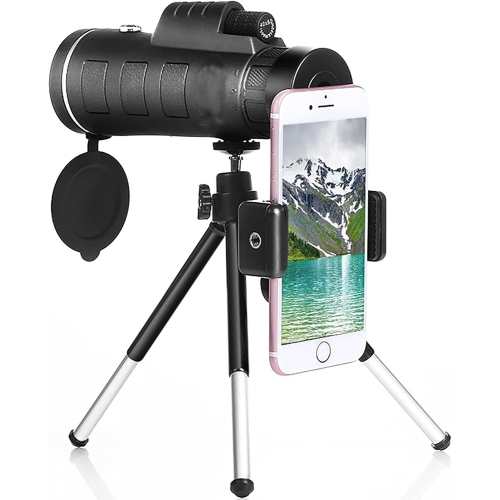
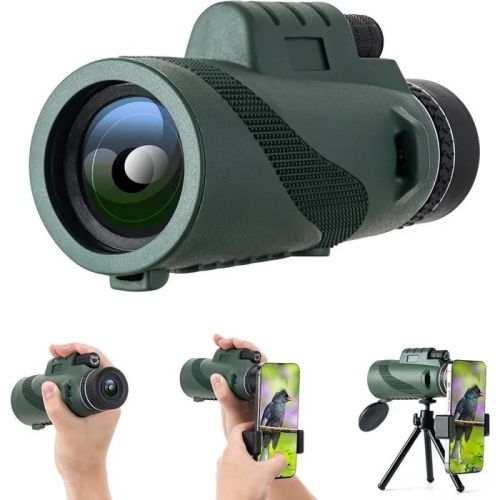
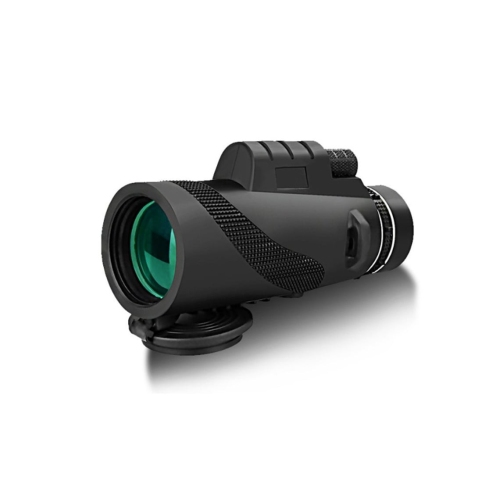
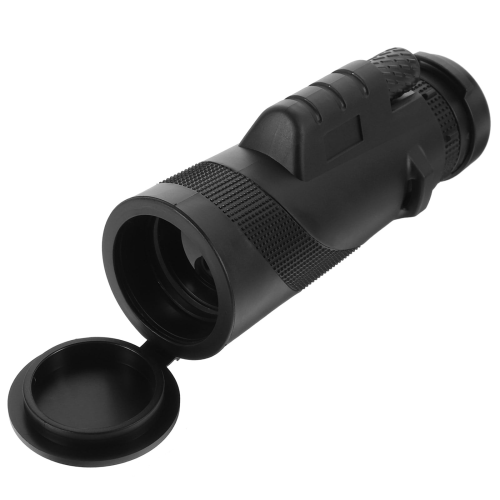
![GREEN SCENIC [Entry-Level Stargazing/long-Range Viewing] 90X High-Power Monocular Telescope 360MM Focal Length Refraction Portable Astronomical](https://multimedia.bbycastatic.ca/multimedia/products/500x500/193/19326/19326211.jpeg)

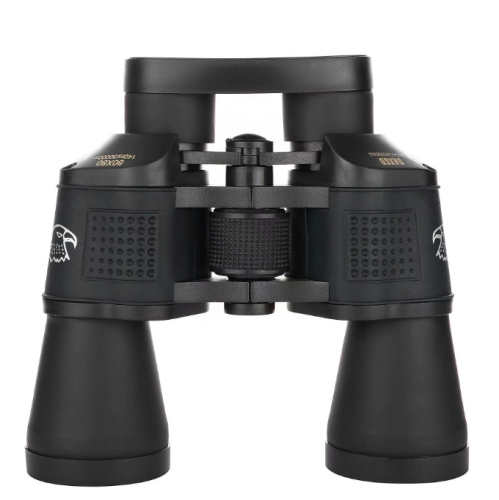
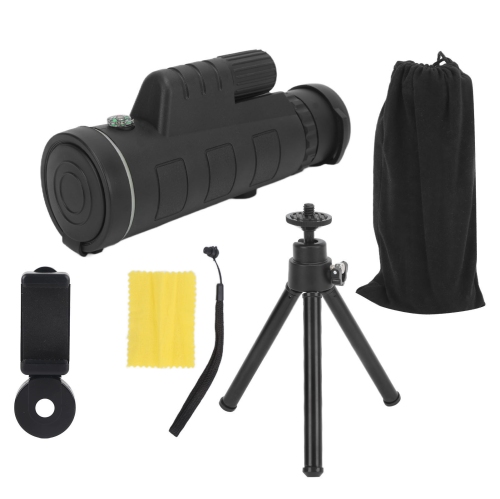
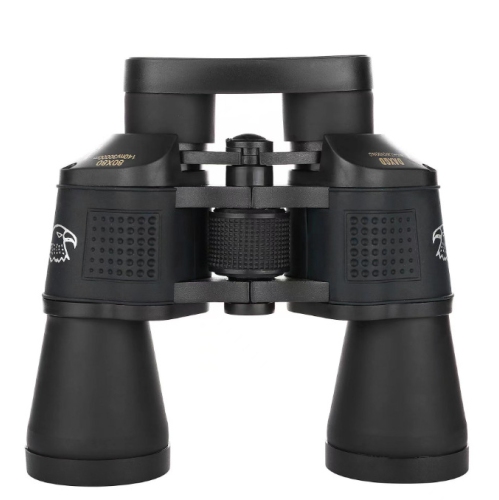

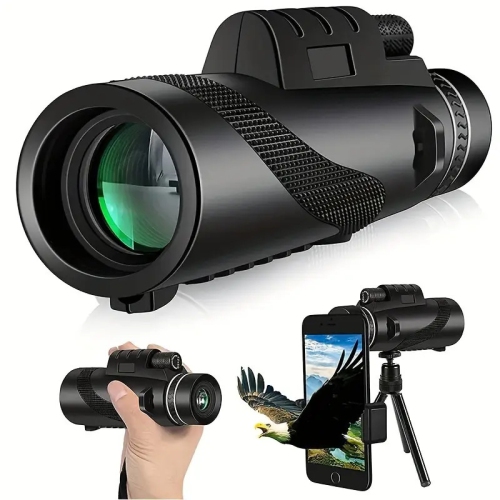




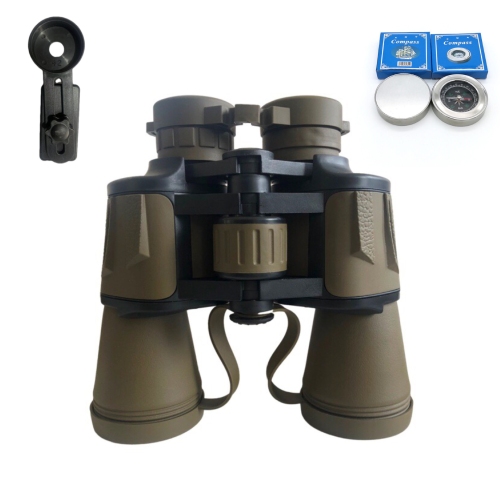
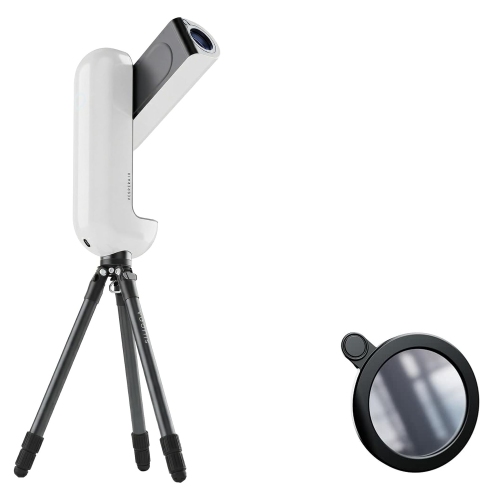
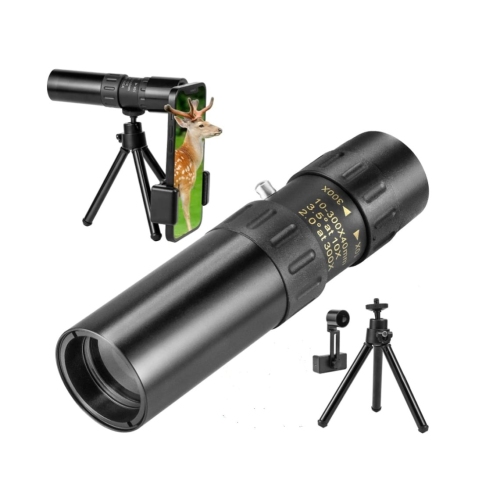
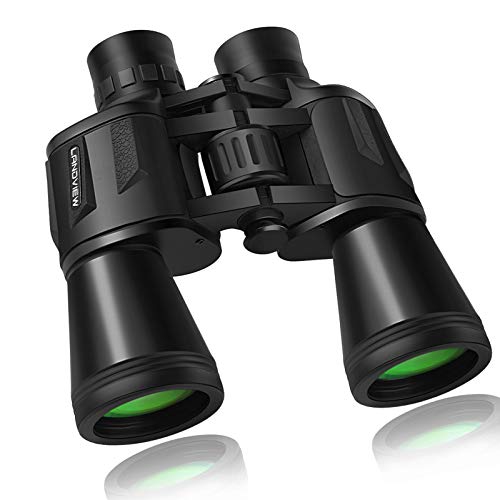
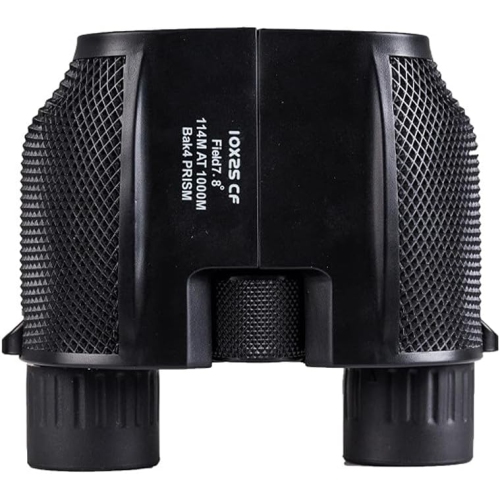
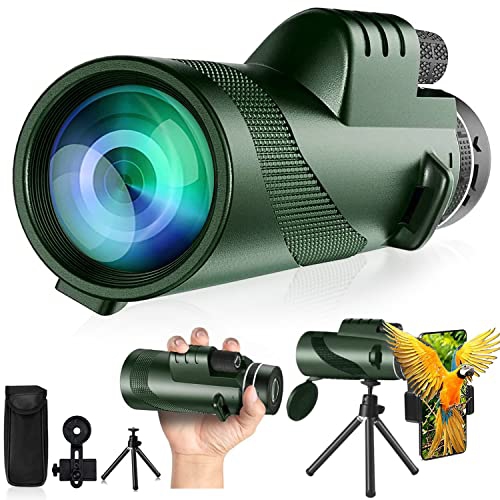
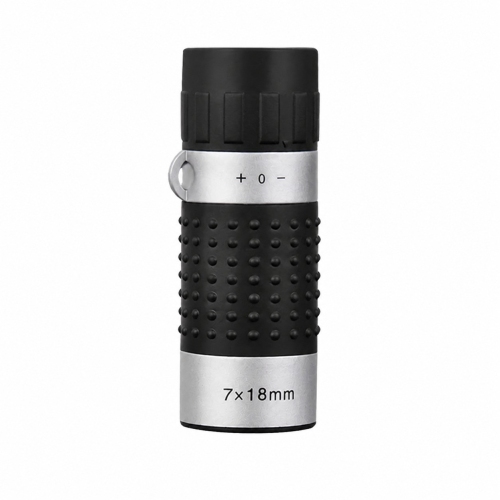
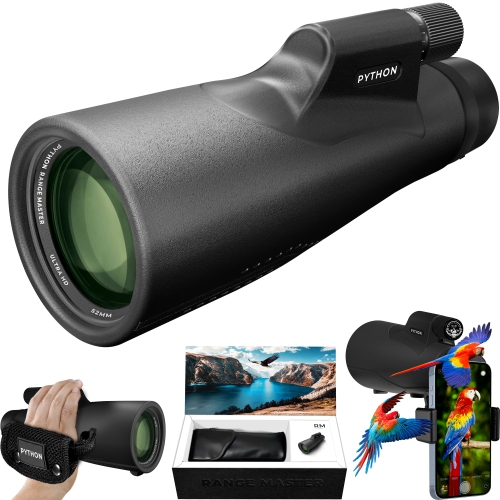
A practical guide to first nights under the stars
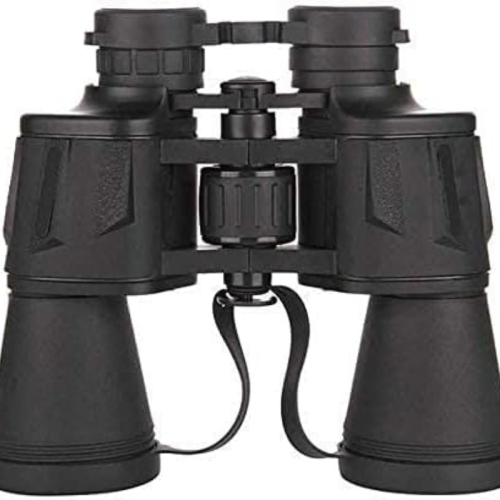
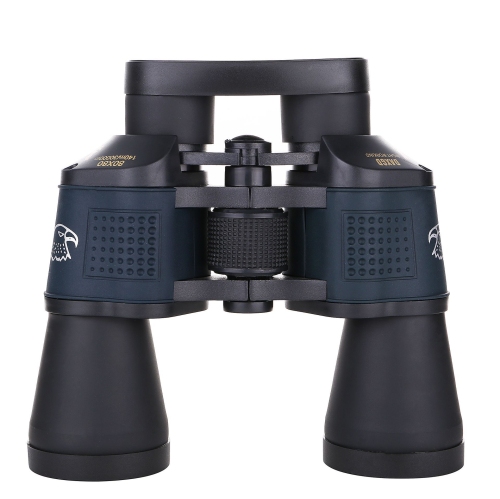
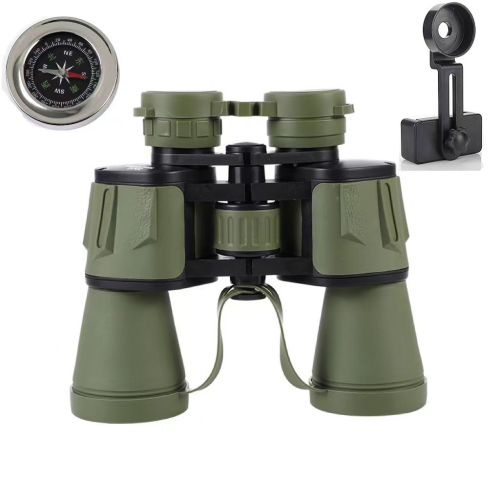
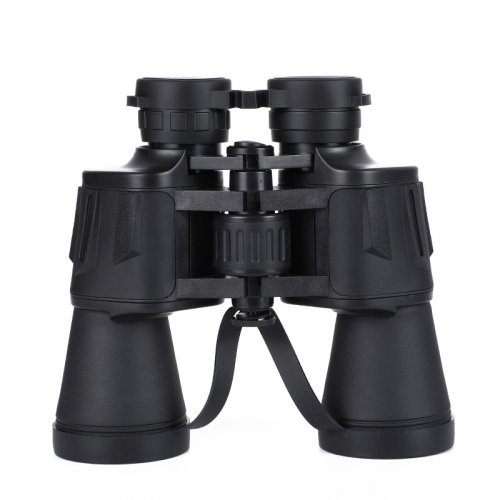
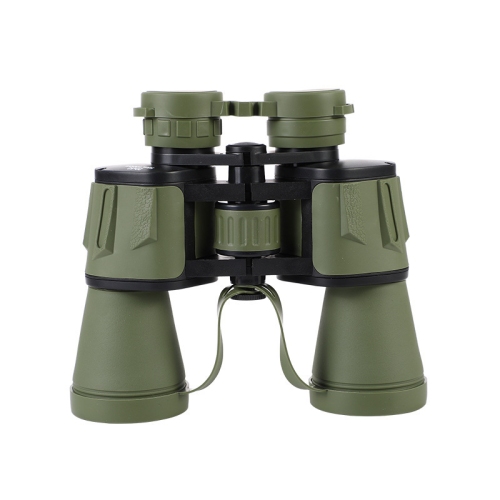
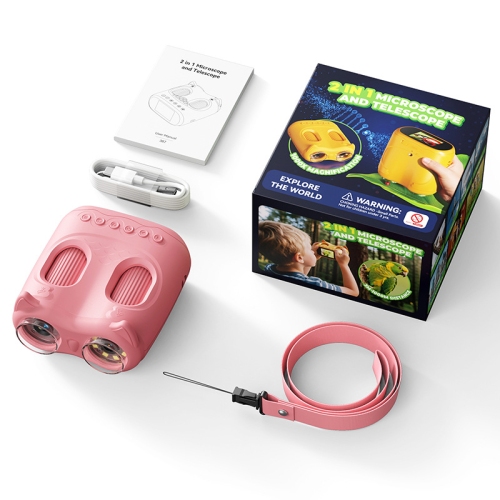
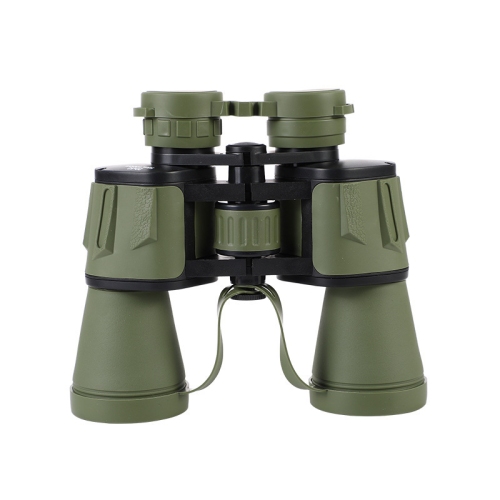
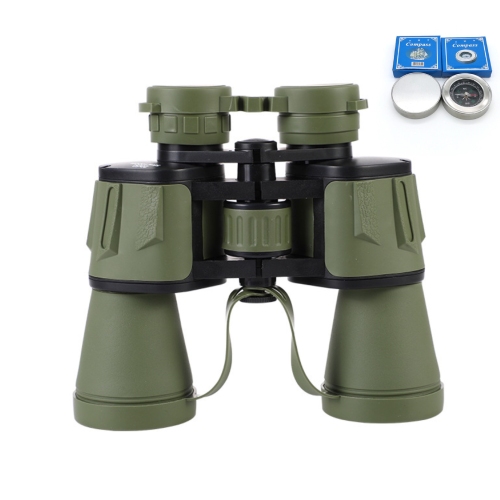
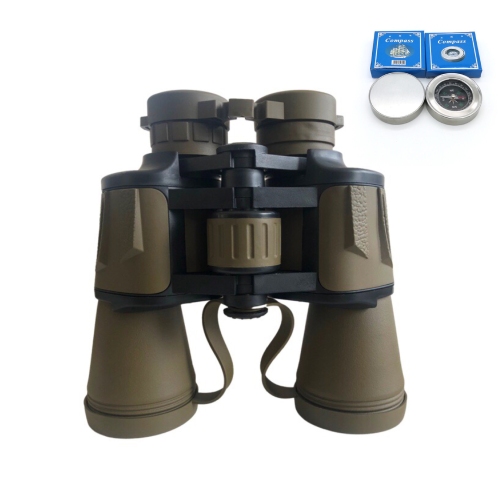
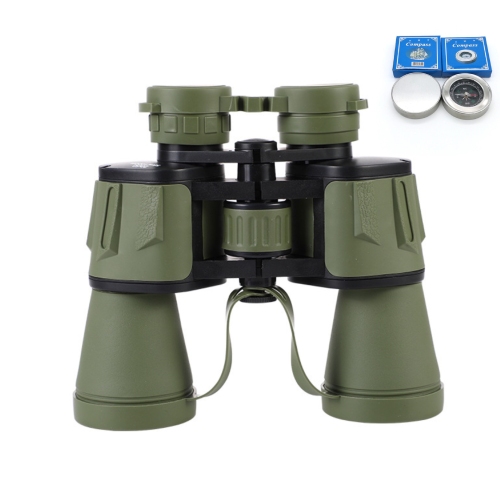
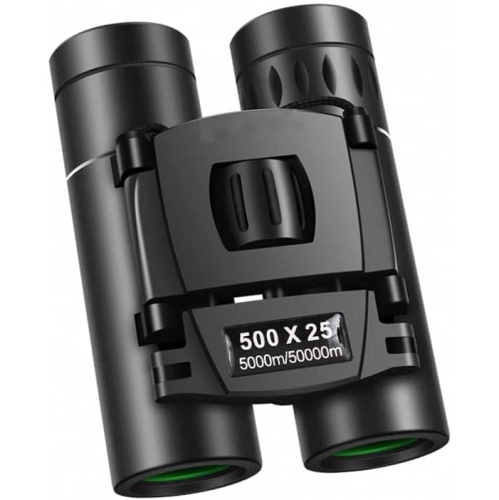
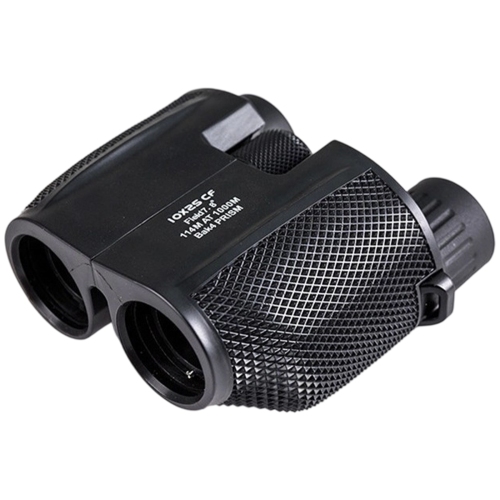
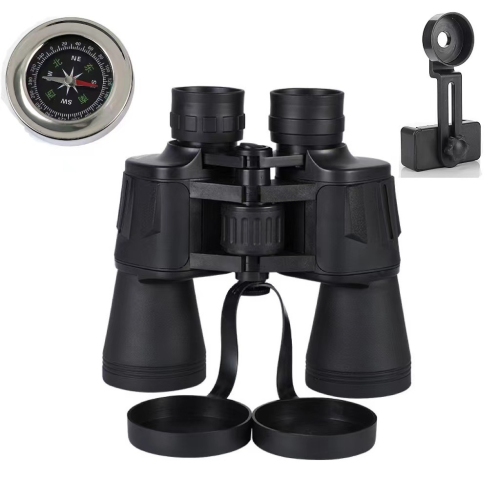
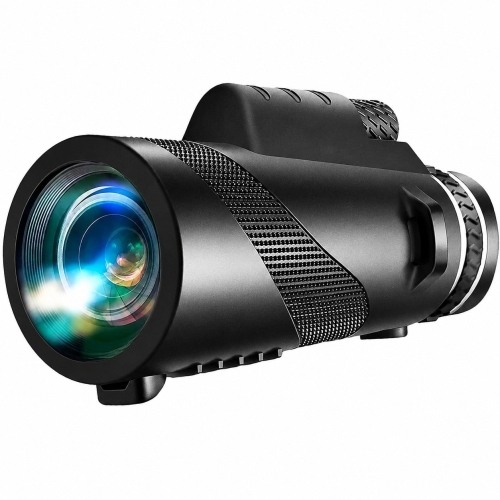
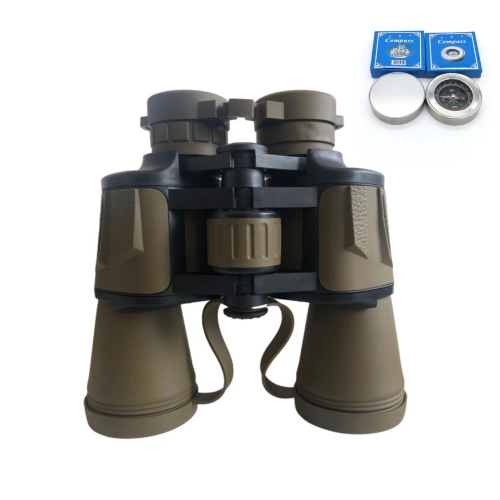
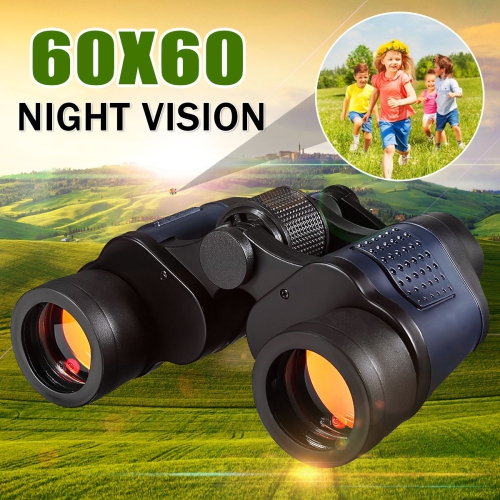
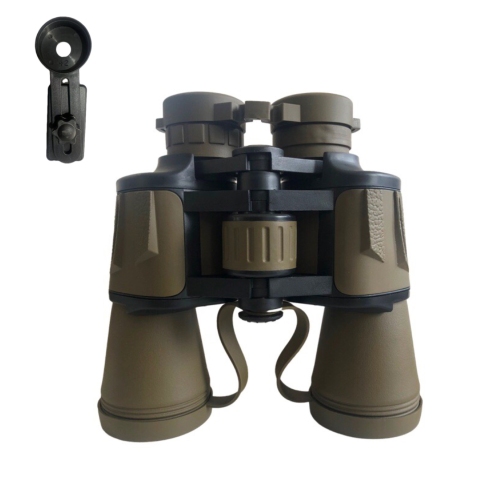
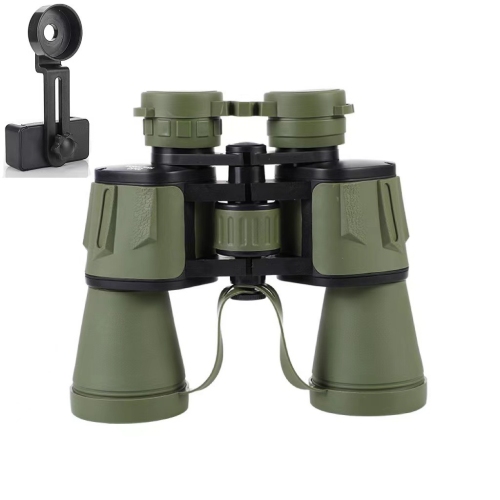
Telescopes for beginners make it easier to turn an interest in the night sky into a hands-on hobby. Rather than simply looking at photographs of the Moon, planets, and deep-sky objects, a new observer can learn to locate celestial targets, adjust focus, and notice how the view changes from one evening to the next. These telescopes can be a thoughtful gift for a curious child, a family, a student, or an adult who enjoys science, photography, camping, or quiet time outdoors. They can also bring people together: setting up in the backyard, sharing the eyepiece, and watching the Moon’s craters come into sharp relief is often more memorable than using the telescope alone. During warmer evenings, a quick observing session can fit naturally into a family routine, while cooler months may offer crisp, dark skies and longer opportunities to explore. A clear area with a steady surface is usually enough to begin, although moving farther from bright streetlights can reveal more stars and make faint objects easier to find. For anyone who wants a similar way to scan the landscape, follow birds, or get familiar with viewing distant subjects before moving into astronomy, Best Binoculars for Beginners can be another useful category to consider.
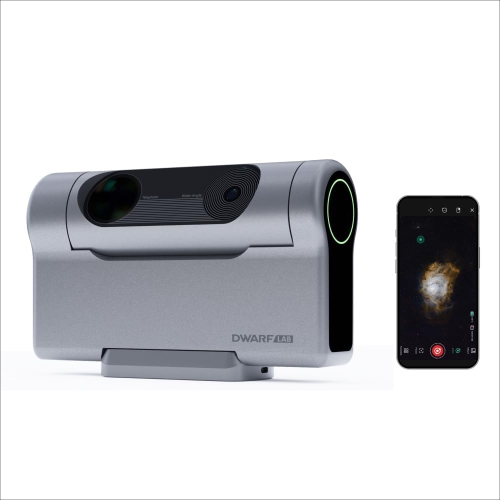
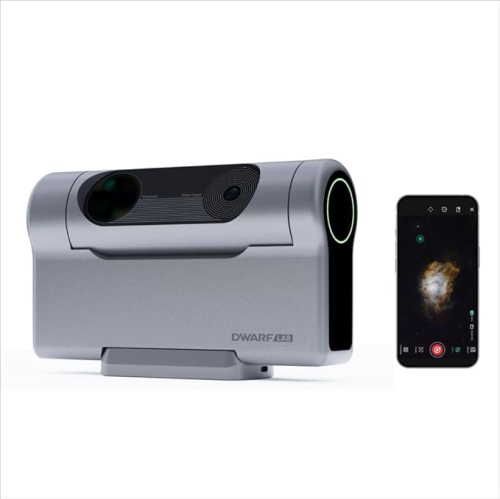
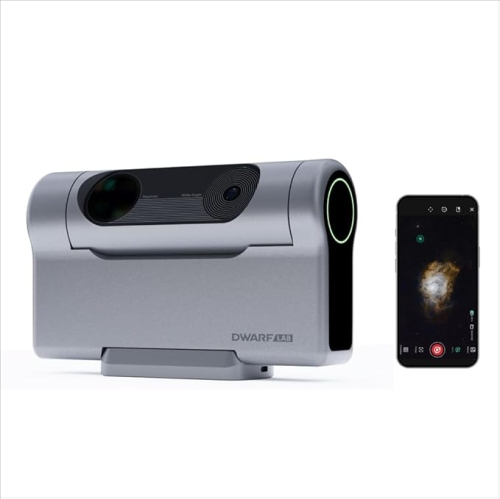
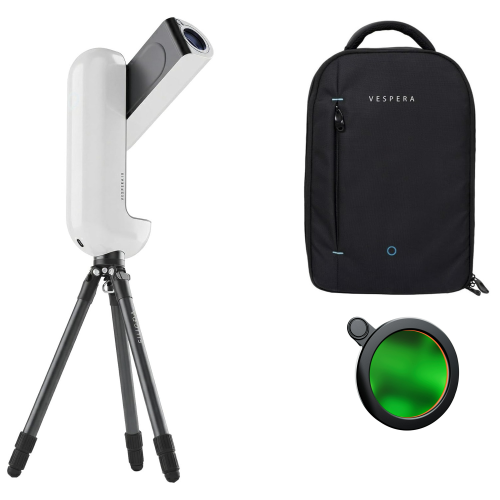
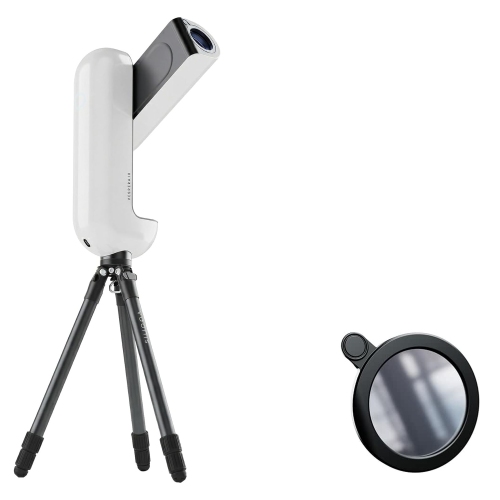
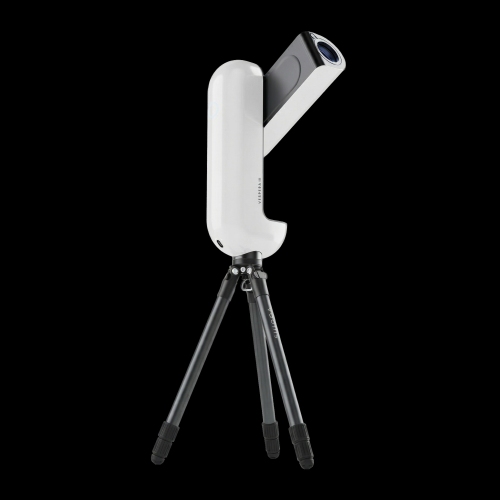
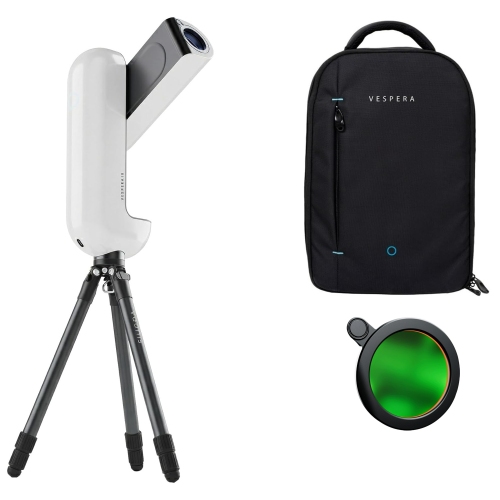
The most important specification to compare is aperture, meaning the diameter of a telescope’s main lens or mirror. A larger aperture gathers more light, which can produce brighter and more detailed views of the Moon, planets, star clusters, and some galaxies. This does not mean that the largest telescope is automatically the best choice for every beginner. An 8-inch model, for example, can offer impressive light-gathering ability, but its size and weight may make it less convenient to carry outside or store between observing sessions. A smaller telescope that is easy to set up may be used more often, and regular use is one of the best ways to build confidence with the sky. Manual Dobsonian telescopes are popular with beginners because their stable bases and straightforward hand controls make it easy to move across the sky without complicated electronics. They are often a practical choice for observers who want strong views and a simple learning experience. App-assisted telescopes offer a different approach, using a compatible smartphone and an app to help identify stars and guide the telescope towards selected targets. This can be especially helpful when the sky looks like a field of countless similar points of light. Smart telescopes take automation further, with app-based control and the ability to capture or display images through a mobile device. They can appeal to beginners who are interested in recording what they see, sharing observations, or exploring objects that may be difficult to locate manually. When comparing these designs, consider whether the person using the telescope is more likely to enjoy learning the sky by hand, receiving digital guidance, or letting automated features handle much of the searching.
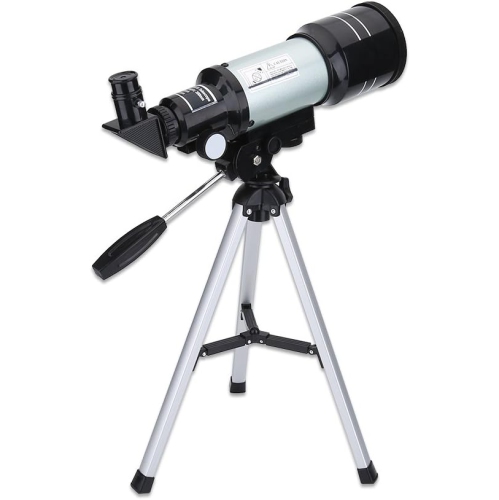
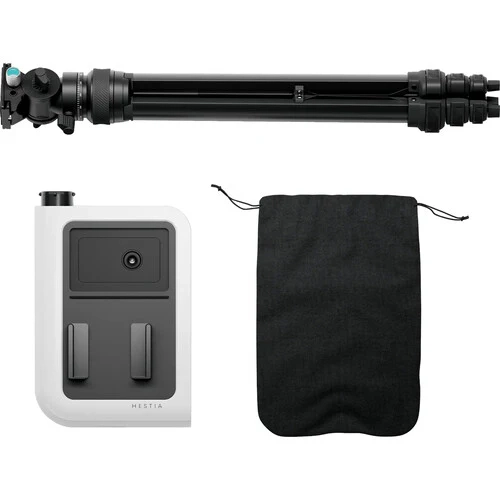
A telescope’s mount is just as important as its optical specifications. A steady mount helps keep the image from shaking when the telescope is touched or when the focus is adjusted. An unstable tripod can make even a well-designed telescope feel frustrating, particularly when viewing at higher magnification. Look for a setup that feels solid and moves smoothly, with controls that are easy to understand in low light. Magnification should also be considered carefully. Very high magnification can sound appealing, but it is only useful when the optics, mount, and atmospheric conditions can support it; a clear, steady image at moderate magnification is generally more enjoyable than a blurry image enlarged beyond what the conditions allow. Eyepieces with different focal lengths provide flexibility for wide views and closer looks, while a finder scope or red-dot finder can help centre an object before viewing through the main eyepiece. Beginners may first practise on bright, easy targets such as the Moon, then move to planets, open star clusters, and brighter nebulae as they become more comfortable. Some targets will look smaller and less colourful through an eyepiece than they do in online images, but the experience remains rewarding because the view is being observed directly, often with subtle details that appear as the eye adjusts to the darkness. Portability, storage, and setup time deserve equal attention. Measure the available storage space, check the assembled size, and think about whether the telescope will be carried down stairs, across a yard, or packed for a weekend trip. Keep it in a dry, protected location and allow outdoor equipment to adjust gradually to the surrounding temperature before fine focusing. With a stable surface, a clear view of the sky, and realistic expectations about what different apertures and telescope types can reveal, a beginner-friendly telescope can create years of rewarding evenings spent looking upward.
The most important specification to compare is aperture, meaning the diameter of a telescope’s main lens or mirror. A larger aperture gathers more light, which can produce brighter and more detailed views of the Moon, planets, star clusters, and some galaxies. This does not mean that the largest telescope is automatically the best choice for every beginner. An 8-inch model, for example, can offer impressive light-gathering ability, but its size and weight may make it less convenient to carry outside or store between observing sessions. A smaller telescope that is easy to set up may be used more often, and regular use is one of the best ways to build confidence with the sky. Manual Dobsonian telescopes are popular with beginners because their stable bases and straightforward hand controls make it easy to move across the sky without complicated electronics. They are often a practical choice for observers who want strong views and a simple learning experience. App-assisted telescopes offer a different approach, using a compatible smartphone and an app to help identify stars and guide the telescope towards selected targets. This can be especially helpful when the sky looks like a field of countless similar points of light. Smart telescopes take automation further, with app-based control and the ability to capture or display images through a mobile device. They can appeal to beginners who are interested in recording what they see, sharing observations, or exploring objects that may be difficult to locate manually. When comparing these designs, consider whether the person using the telescope is more likely to enjoy learning the sky by hand, receiving digital guidance, or letting automated features handle much of the searching.
A telescope’s mount is just as important as its optical specifications. A steady mount helps keep the image from shaking when the telescope is touched or when the focus is adjusted. An unstable tripod can make even a well-designed telescope feel frustrating, particularly when viewing at higher magnification. Look for a setup that feels solid and moves smoothly, with controls that are easy to understand in low light. Magnification should also be considered carefully. Very high magnification can sound appealing, but it is only useful when the optics, mount, and atmospheric conditions can support it; a clear, steady image at moderate magnification is generally more enjoyable than a blurry image enlarged beyond what the conditions allow. Eyepieces with different focal lengths provide flexibility for wide views and closer looks, while a finder scope or red-dot finder can help centre an object before viewing through the main eyepiece. Beginners may first practise on bright, easy targets such as the Moon, then move to planets, open star clusters, and brighter nebulae as they become more comfortable. Some targets will look smaller and less colourful through an eyepiece than they do in online images, but the experience remains rewarding because the view is being observed directly, often with subtle details that appear as the eye adjusts to the darkness. Portability, storage, and setup time deserve equal attention. Measure the available storage space, check the assembled size, and think about whether the telescope will be carried down stairs, across a yard, or packed for a weekend trip. Keep it in a dry, protected location and allow outdoor equipment to adjust gradually to the surrounding temperature before fine focusing. With a stable surface, a clear view of the sky, and realistic expectations about what different apertures and telescope types can reveal, a beginner-friendly telescope can create years of rewarding evenings spent looking upward.
Top selling and popular products
-
 Your price for this item is $349.99
 -
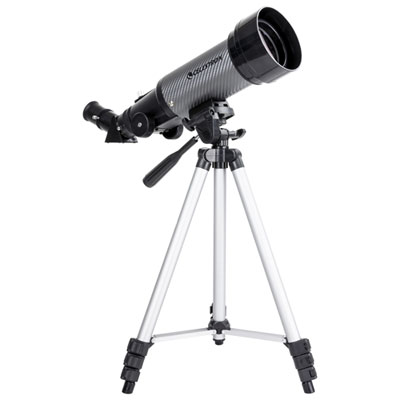 Your price for this item is $139.99
 -
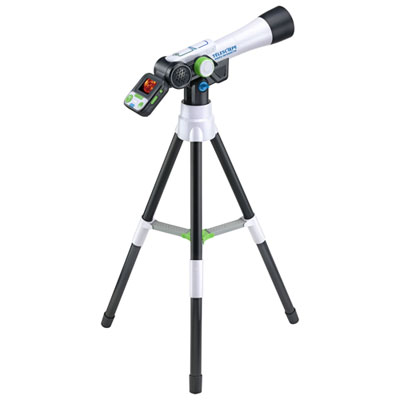 Your price for this item is $109.99
 -
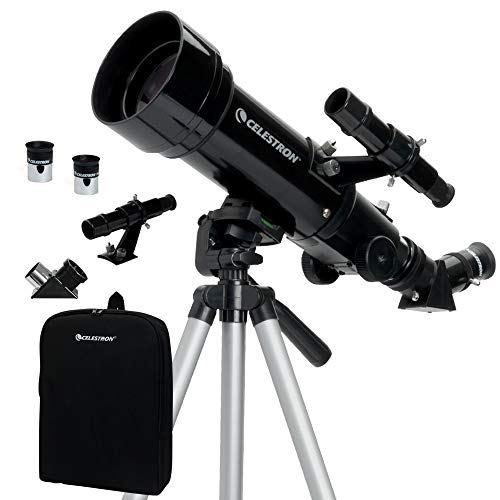 Your price for this item is $264.27
 -
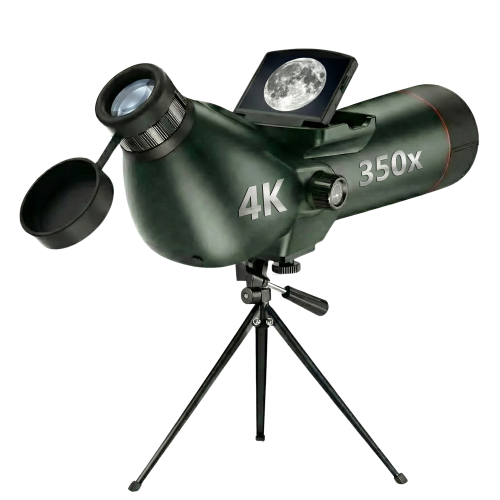 Your price for this item is $389.9
 -
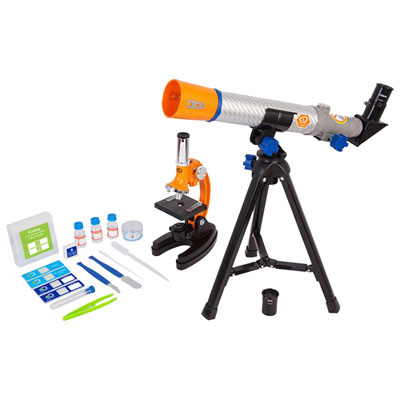 Your price for this item is $69.99
 -
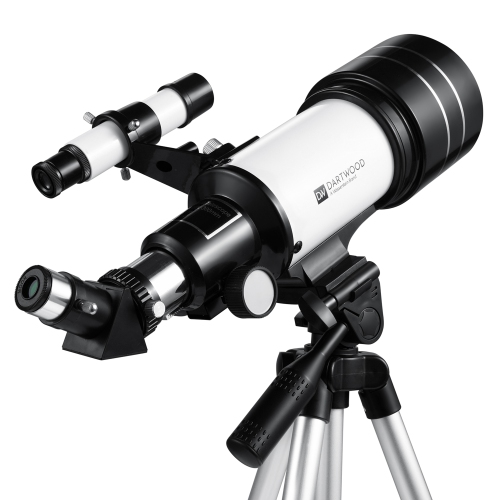 Your price for this item is $119.99
 -
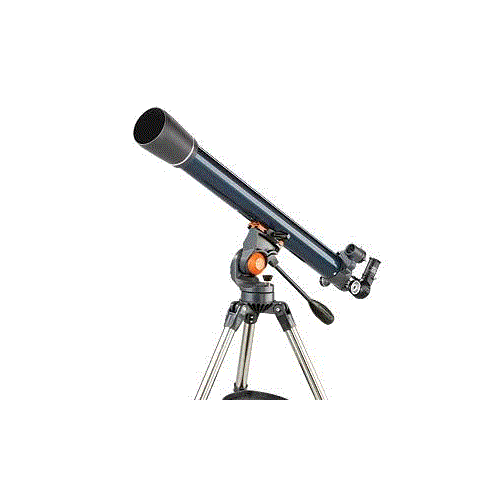 Your price for this item is $399
Discover more categories related to Telescopes for Beginners
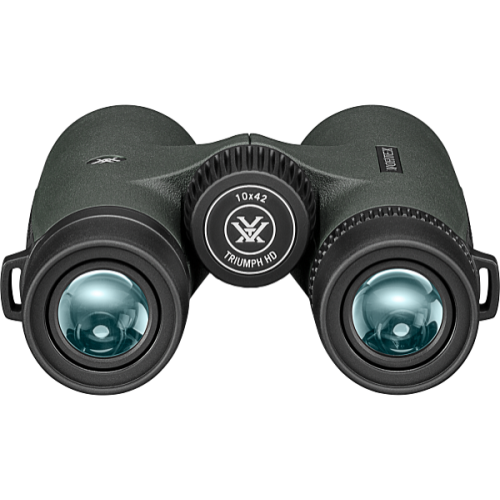
Top Collections:
Pokemon Centers, Kindle Devices, Best Budget Office Chairs, Canon G7X Cameras, Apple iPhones 16, Samsung Galaxy Phones, Refurbished Apple Laptops, Laptops for Students, iPhone 15 Apple, Budget Smartphones
Some products may be subject to Environmental Handling Fees
(EHF) depending on your province.
Learn more about EHFs.