Toy Blasters
Looking for the ultimate fun and excitement? Dive into our collection of Toy Blasters that are sure to take playtime to the next level! Whether you're gearing up for an epic backyard battle or looking to enhance your indoor gaming experience, these toy blasters offer thrilling action-packed adventures for kids and adults alike. From rapid-fire blasters to precision shooters, explore our range of options designed to bring out your competitive spirit and provide hours of entertainment. Gear up, lock and load, and get ready to unleash a world of imaginative play with our selection of Toy Blasters.
Sort
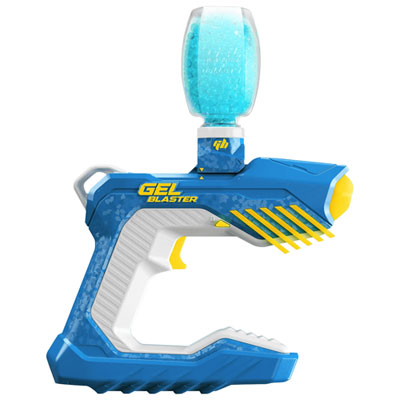
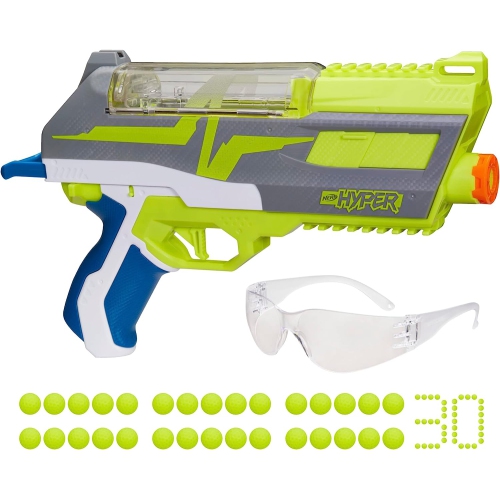
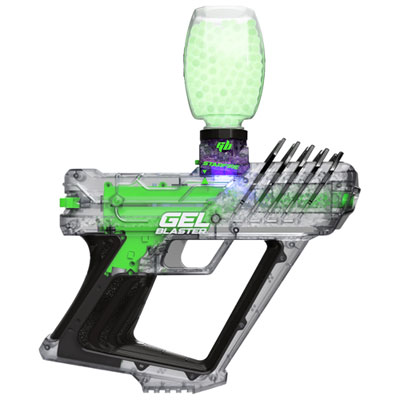
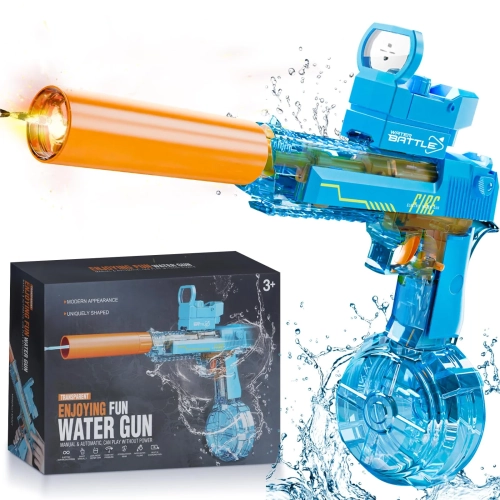
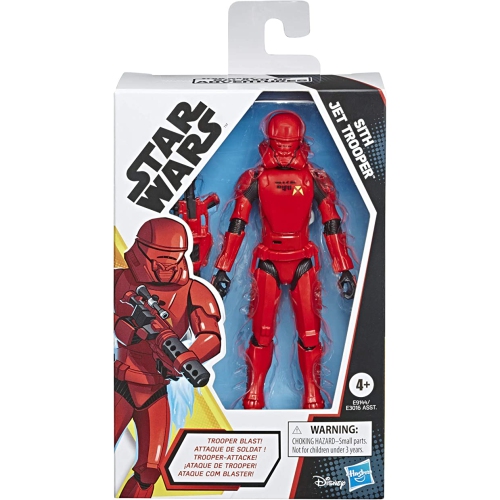
How blaster designs shape target games and team play
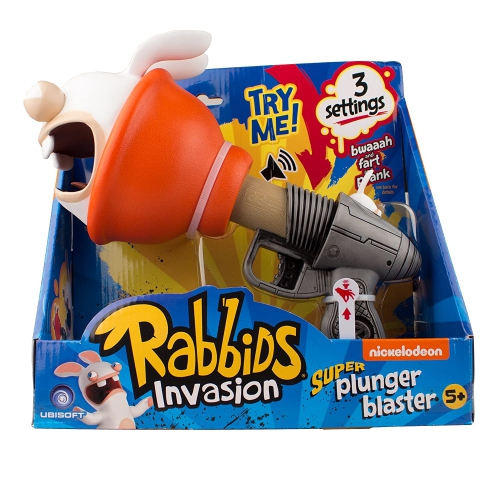
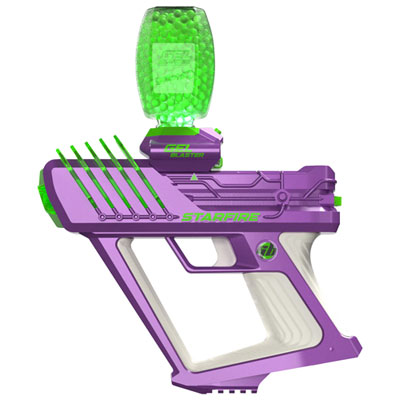
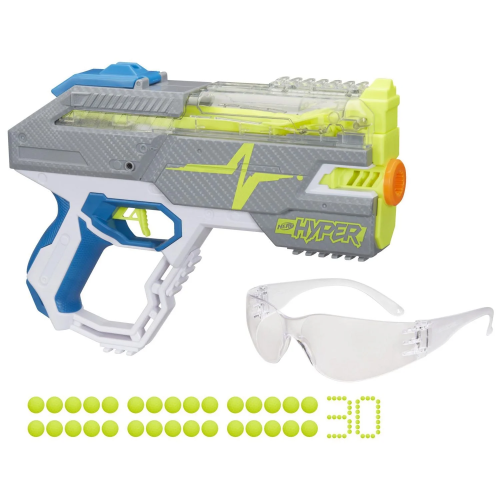
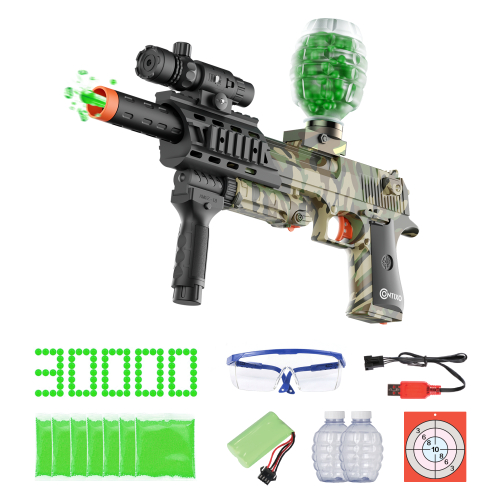
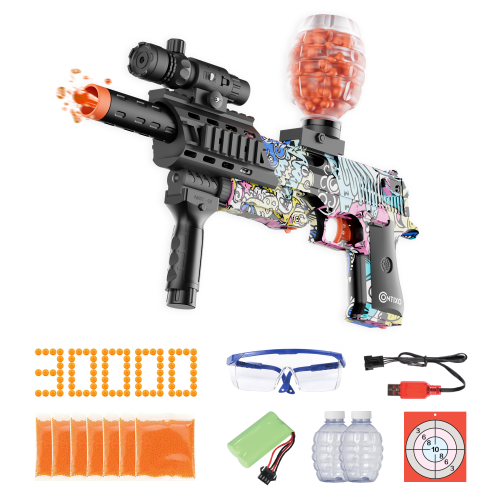
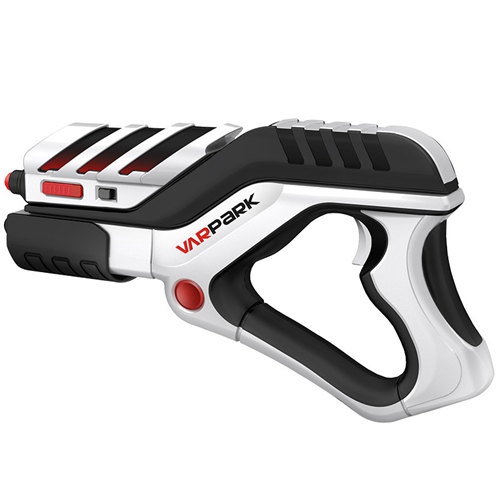
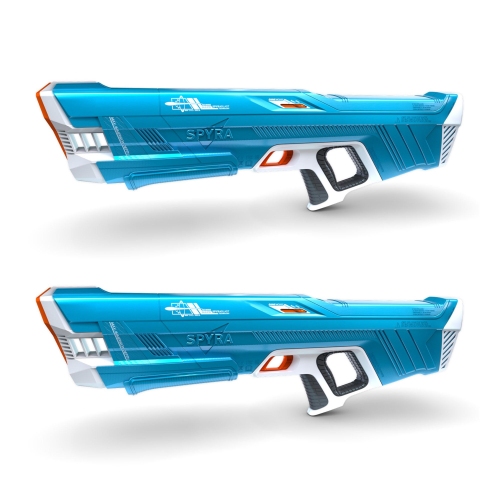
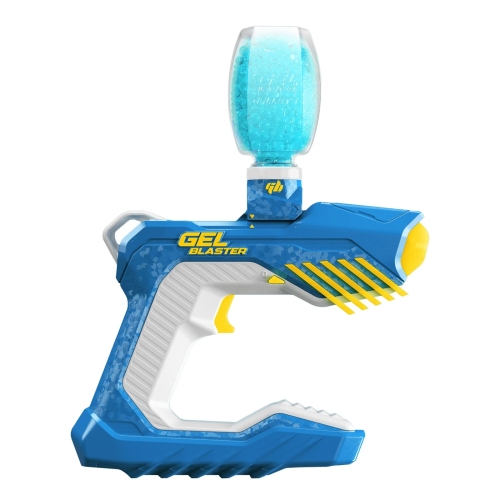
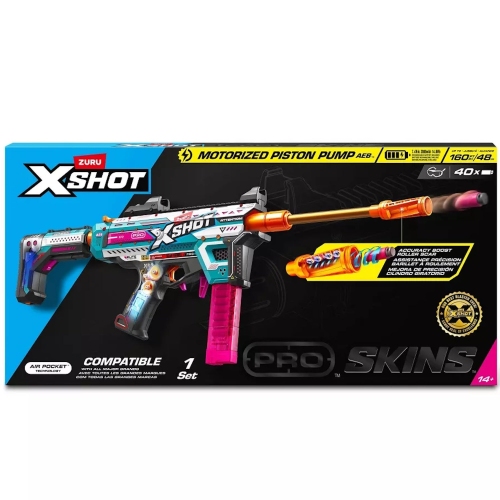
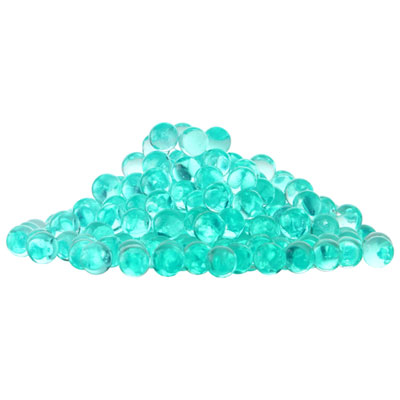
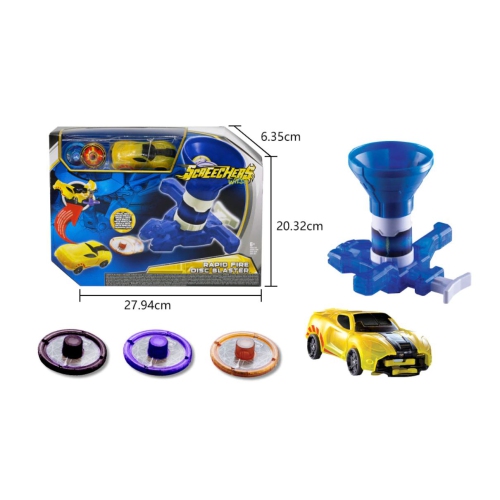
Toy blasters are play devices designed for target games, imaginative adventures, and friendly competition. Depending on their design, they launch foam darts, soft foam balls, discs, or hydrated gel pellets; laser tag blasters instead use light-based signals and sensors to register hits without launching a projectile. These differences shape the play experience, from a simple challenge with freestanding targets to a team game with agreed boundaries and scoring. Foam dart blasters are a familiar choice for casual target play, with soft projectiles that can be gathered and reused when they remain in good condition. Disc and foam ball designs offer different loading systems and handling characteristics, so ammunition needs to match the manufacturer's specifications rather than simply look similar. Gel blasters require more preparation because their pellets must be hydrated and handled according to the instructions, and their age requirements and protective equipment needs deserve particular attention. Laser tag sets remove the need to collect ammunition, although sensor placement, obstacles, and compatibility between devices can affect how a game works. Across these categories, manual and motorized mechanisms provide distinct experiences. A manually operated blaster may use a slide, lever, or pump that the player primes before firing, making each shot a deliberate action. Motorized designs use battery power to run part of the mechanism and may support repeated firing with less manual effort, though firing modes vary by model. Neither mechanism alone determines whether a blaster suits a child: the age rating, operating force, projectile type, and ability to follow the rules all matter. A compact design can suit short target sessions, while a larger format may appeal to someone who enjoys loading magazines or organizing team challenges. For families and groups of friends, much of the appeal lies in building a game around the equipment, whether that means taking turns at a cardboard target course or keeping score through a series of short rounds.
Size and fit make a noticeable difference once play begins. A grip that sits comfortably in the hand, a trigger within easy reach, and a loading mechanism the player can operate without struggling are more useful than a dramatic shape alone. Overall length and loaded weight matter, especially when a child needs both hands to hold a blaster steady. Larger housings, extended magazines, and attachments can change the balance, while the force needed to prime a manual mechanism may be difficult to judge from appearance. Manufacturer age guidance provides an essential starting point, but it does not replace checking the player's strength, coordination, and readiness for supervised play. Many toy blasters use moulded plastic bodies to keep weight manageable, with internal springs, moving parts, or battery-powered components that differ by design. Sturdy joints, securely fitting battery covers, and loading areas that operate smoothly all contribute to everyday usability. Durability also depends on how the toy is handled; drops onto hard surfaces, forced mechanisms, and unsuitable ammunition can damage parts even when the outer shell looks intact. The intended play space is just as important as the blaster itself. A clear target lane with a suitable backdrop helps keep shots contained, while a team game needs enough room for movement without crossing stairs, doorways, or fragile furnishings. Soft projectiles can still cause injury, particularly to the eyes, so players should follow all protective eyewear requirements and avoid aiming at faces, people who are not participating, or animals. Protective eyewear appropriate to the activity is a sensible precaution for players and nearby observers during projectile play. Agreed pause signals, boundaries, and minimum distances specified by the manufacturer help everyone understand the game before it starts. Toy blasters belong in suitable private or designated play areas with permission, not places where they could alarm others or be mistaken for real weapons. For a mixed-age group, matching the equipment and rules to the youngest eligible participant often makes play easier to manage than combining toys with very different capabilities.
Care and organization help keep toy blasters ready for repeated use. Foam ammunition benefits from being stored dry and loosely contained rather than crushed beneath heavier toys; bent darts, torn foam, and damaged tips can interfere with loading and should be replaced according to the manufacturer's guidance. Only the specified projectile type and size should be used, and modifying a blaster or its ammunition can make its behaviour unpredictable. Hydrated gel pellets have their own preparation, storage, and disposal requirements, so package directions matter more than assumptions about how long they will last or what happens after impact. Unhydrated pellets also need secure storage away from young children and pets because swallowing expandable beads can cause serious harm. For the blaster itself, a soft cloth is often suitable for wiping exterior surfaces, subject to the care instructions; motorized toys should not be immersed in water unless explicitly designed for it. Battery compartments need attention too, including the correct battery type, secure closure, and any instructions for removal during extended storage. Rechargeable designs should be charged only with compatible equipment as directed. A simple routine can make shared play run more smoothly: gather projectiles after each round, separate damaged pieces, and put compatible ammunition with the blaster it belongs to. Storage bins or clearly labelled compartments are especially helpful when several toys use similar-looking darts or magazines. As gifts, toy blasters can suit children who enjoy active games, older players interested in structured target challenges, or families who like activities with quick rounds and clear goals, provided the selected design matches the recipient's age and interests. The practical details count: whether another compatible device is needed for multiplayer play, whether batteries are required, and whether the recipient has an appropriate place to use it. Children who enjoy inventing characters and missions may also enjoy Toy Figures for separate storytelling play, extending the imaginative side without making every activity a competition. A well-matched toy blaster leaves room for both structure and creativity, with manageable controls, suitable care requirements, and games that everyone taking part can understand.
Size and fit make a noticeable difference once play begins. A grip that sits comfortably in the hand, a trigger within easy reach, and a loading mechanism the player can operate without struggling are more useful than a dramatic shape alone. Overall length and loaded weight matter, especially when a child needs both hands to hold a blaster steady. Larger housings, extended magazines, and attachments can change the balance, while the force needed to prime a manual mechanism may be difficult to judge from appearance. Manufacturer age guidance provides an essential starting point, but it does not replace checking the player's strength, coordination, and readiness for supervised play. Many toy blasters use moulded plastic bodies to keep weight manageable, with internal springs, moving parts, or battery-powered components that differ by design. Sturdy joints, securely fitting battery covers, and loading areas that operate smoothly all contribute to everyday usability. Durability also depends on how the toy is handled; drops onto hard surfaces, forced mechanisms, and unsuitable ammunition can damage parts even when the outer shell looks intact. The intended play space is just as important as the blaster itself. A clear target lane with a suitable backdrop helps keep shots contained, while a team game needs enough room for movement without crossing stairs, doorways, or fragile furnishings. Soft projectiles can still cause injury, particularly to the eyes, so players should follow all protective eyewear requirements and avoid aiming at faces, people who are not participating, or animals. Protective eyewear appropriate to the activity is a sensible precaution for players and nearby observers during projectile play. Agreed pause signals, boundaries, and minimum distances specified by the manufacturer help everyone understand the game before it starts. Toy blasters belong in suitable private or designated play areas with permission, not places where they could alarm others or be mistaken for real weapons. For a mixed-age group, matching the equipment and rules to the youngest eligible participant often makes play easier to manage than combining toys with very different capabilities.
Care and organization help keep toy blasters ready for repeated use. Foam ammunition benefits from being stored dry and loosely contained rather than crushed beneath heavier toys; bent darts, torn foam, and damaged tips can interfere with loading and should be replaced according to the manufacturer's guidance. Only the specified projectile type and size should be used, and modifying a blaster or its ammunition can make its behaviour unpredictable. Hydrated gel pellets have their own preparation, storage, and disposal requirements, so package directions matter more than assumptions about how long they will last or what happens after impact. Unhydrated pellets also need secure storage away from young children and pets because swallowing expandable beads can cause serious harm. For the blaster itself, a soft cloth is often suitable for wiping exterior surfaces, subject to the care instructions; motorized toys should not be immersed in water unless explicitly designed for it. Battery compartments need attention too, including the correct battery type, secure closure, and any instructions for removal during extended storage. Rechargeable designs should be charged only with compatible equipment as directed. A simple routine can make shared play run more smoothly: gather projectiles after each round, separate damaged pieces, and put compatible ammunition with the blaster it belongs to. Storage bins or clearly labelled compartments are especially helpful when several toys use similar-looking darts or magazines. As gifts, toy blasters can suit children who enjoy active games, older players interested in structured target challenges, or families who like activities with quick rounds and clear goals, provided the selected design matches the recipient's age and interests. The practical details count: whether another compatible device is needed for multiplayer play, whether batteries are required, and whether the recipient has an appropriate place to use it. Children who enjoy inventing characters and missions may also enjoy Toy Figures for separate storytelling play, extending the imaginative side without making every activity a competition. A well-matched toy blaster leaves room for both structure and creativity, with manageable controls, suitable care requirements, and games that everyone taking part can understand.
Top selling and popular products
-
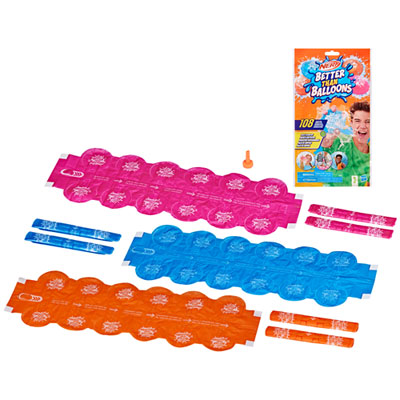 Your price for this item is $12.95
 -
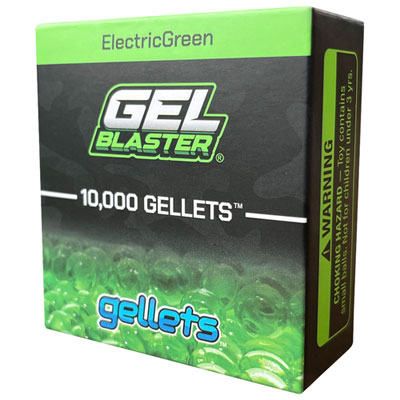 Your price for this item is $3.97
 -
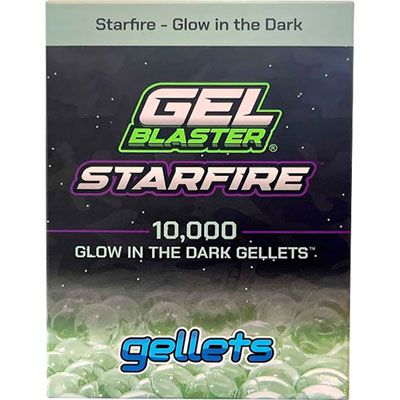 Your price for this item is $9.97
 -
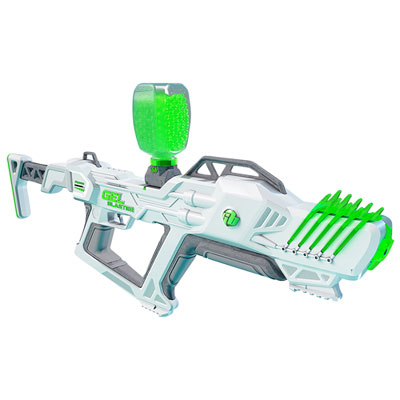 Your price for this item is $99.99
 -
 Your price for this item is $18.34
 -
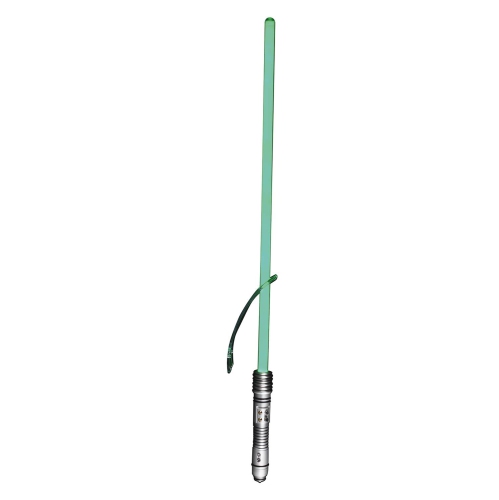 Your price for this item is $344.99
 -
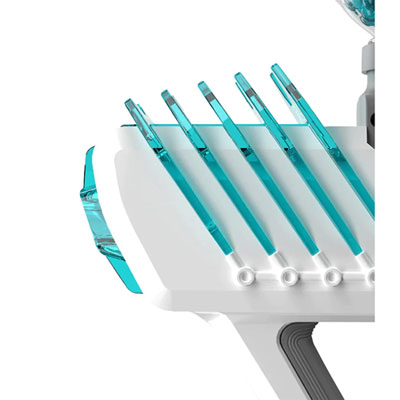 Your price for this item is $9.99
 -
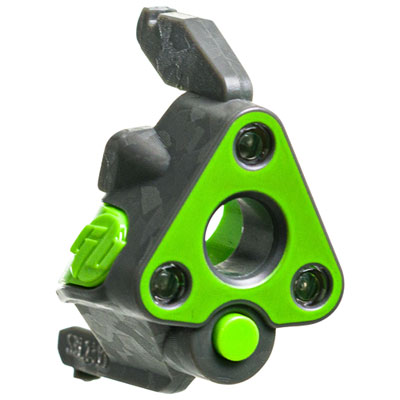 Your price for this item is $22.99
Discover more categories related to Toy Blasters
Top Collections:
Pokemon Centers, Kindle Devices, Best Budget Office Chairs, Apple iPhones 16, Best Laptops for Writers, iPhone 15 Apple, Canon G7X Cameras, Refurbished Apple Laptops, Alarm Clock, Motorola Razr Phones
Some products may be subject to Environmental Handling Fees
(EHF) depending on your province.
Learn more about EHFs.