Toy Diggers
Looking to bring the joy of construction and exploration to your little one? Look no further than our wide selection of toy diggers. These miniature marvels are perfect for budding builders and future engineers alike. Let their imagination run wild as they dig, scoop, and transport imaginary materials to their very own construction site. With durable designs and realistic features, our toy diggers are built to withstand even the toughest play sessions.
Sort







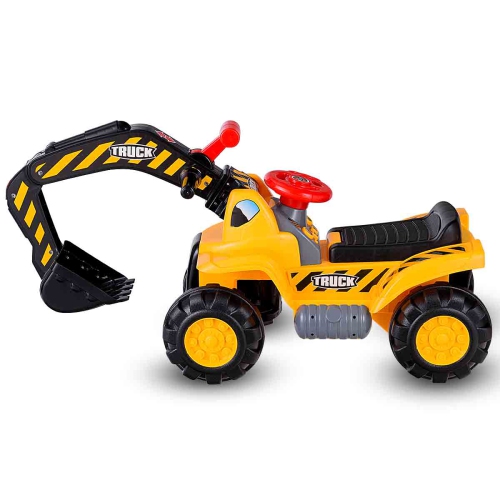
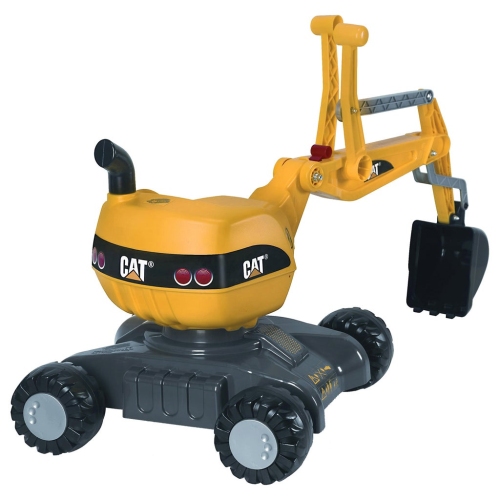



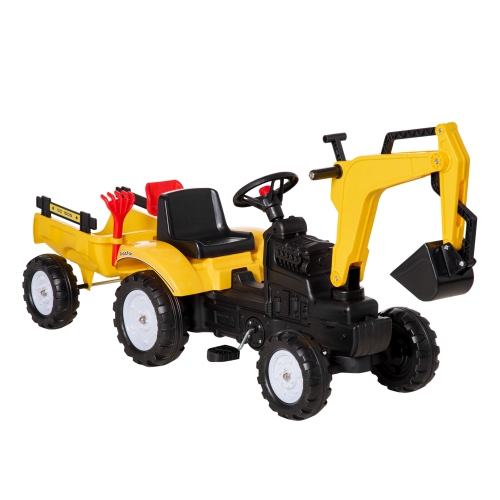
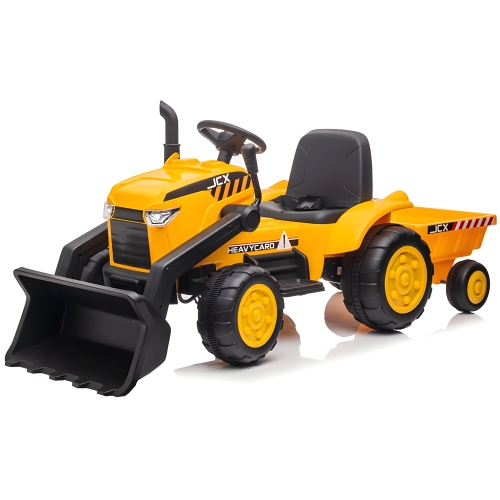


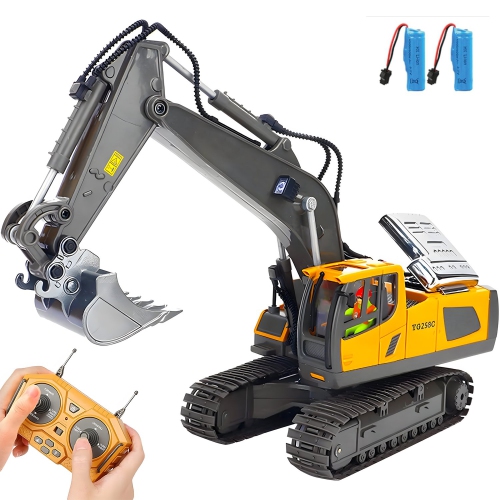
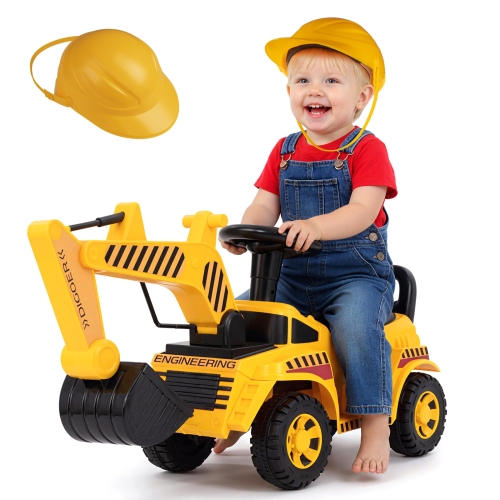
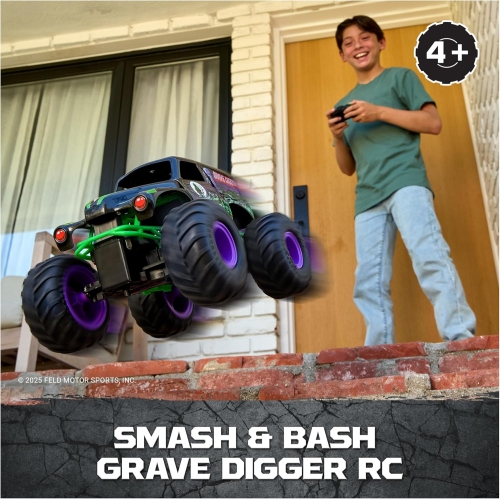
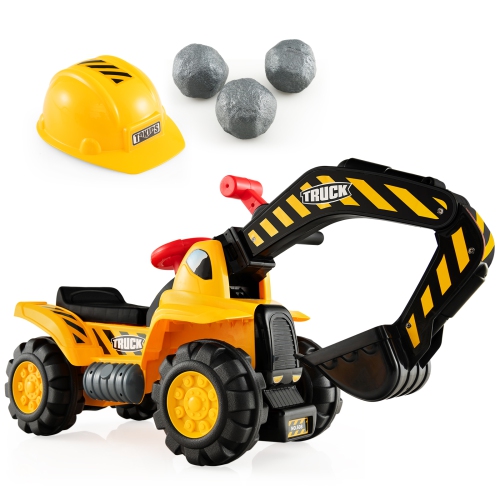








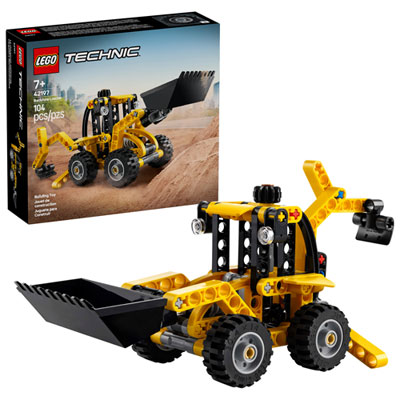


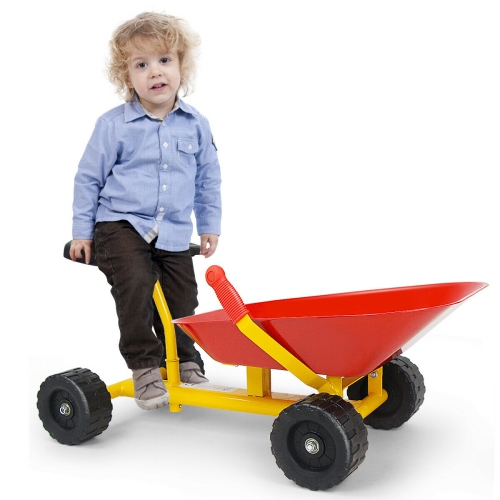


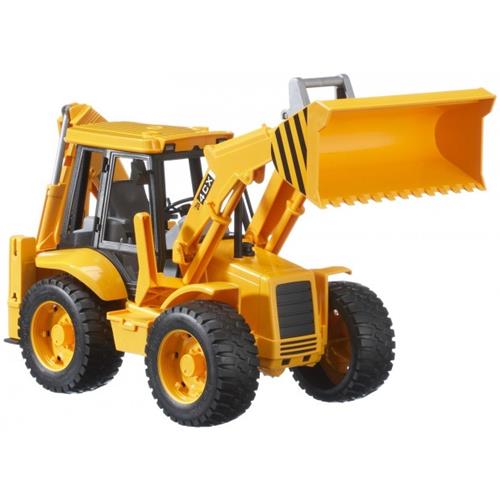


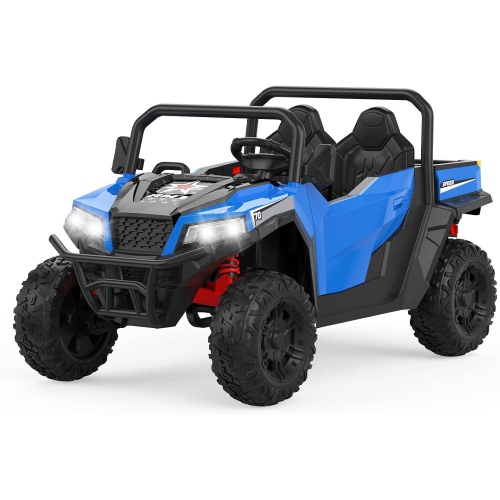

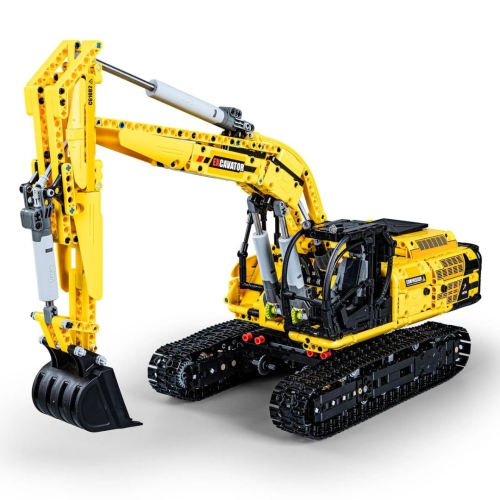
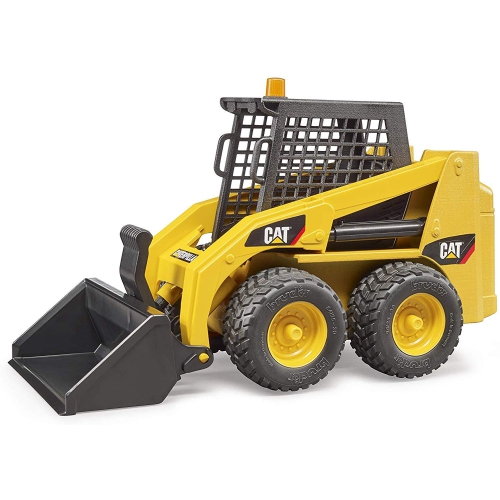


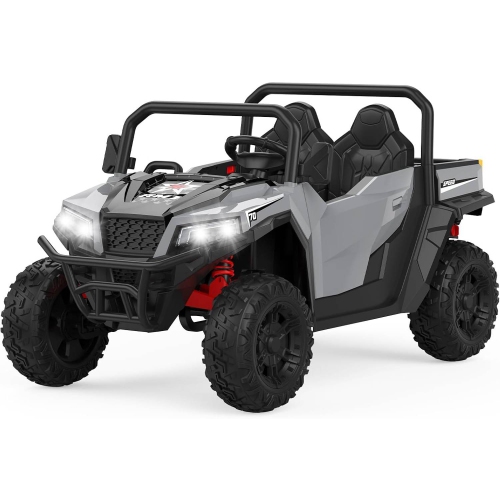






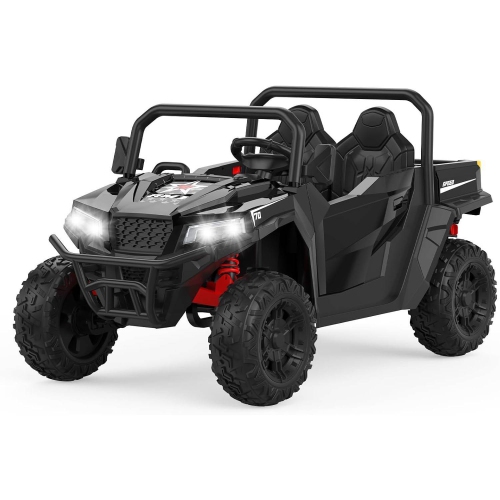

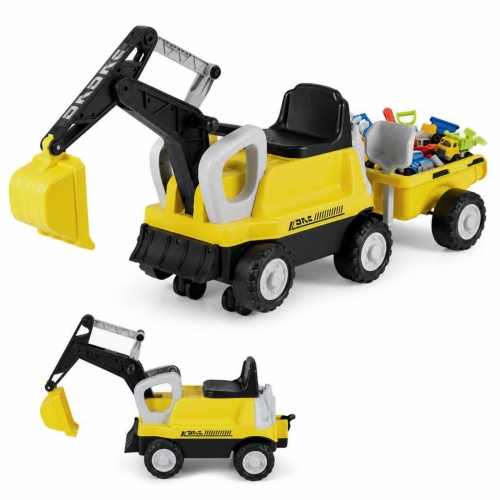
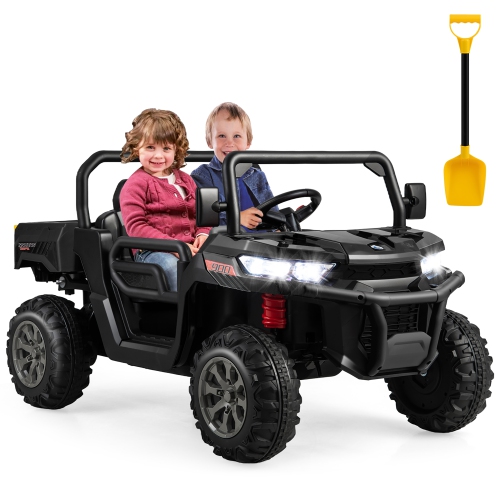
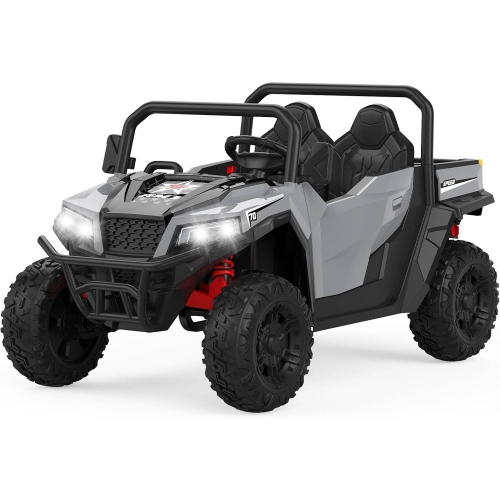
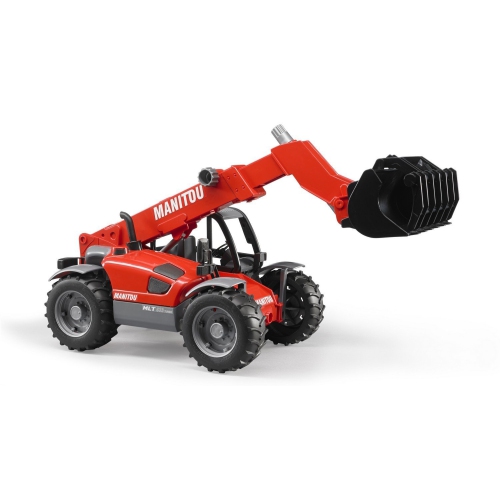
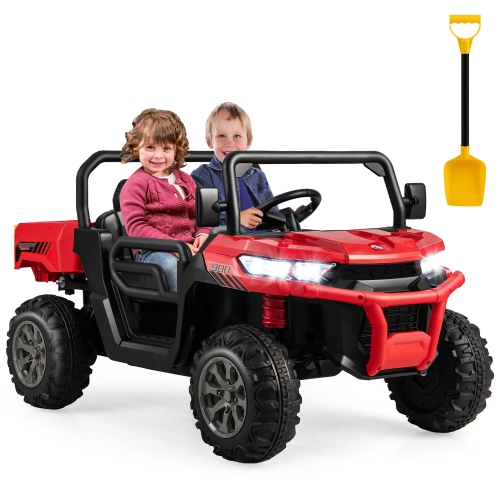
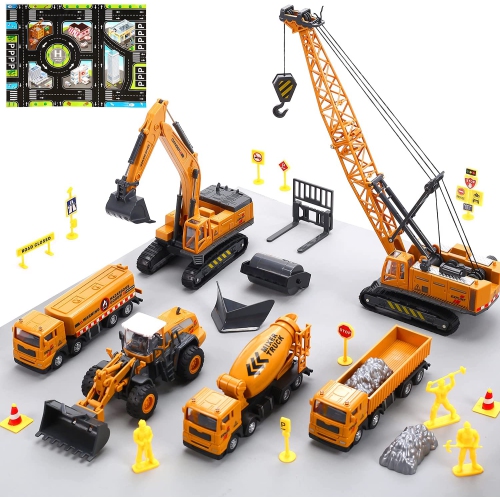
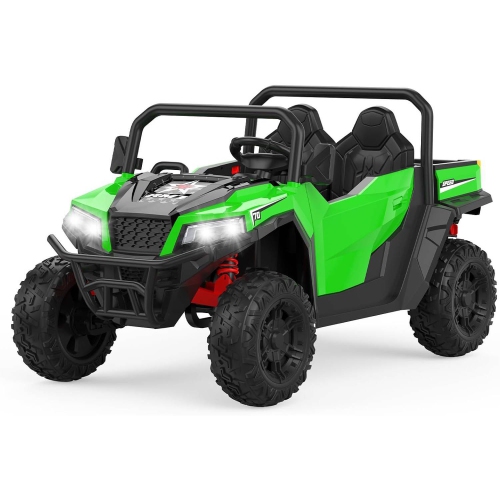
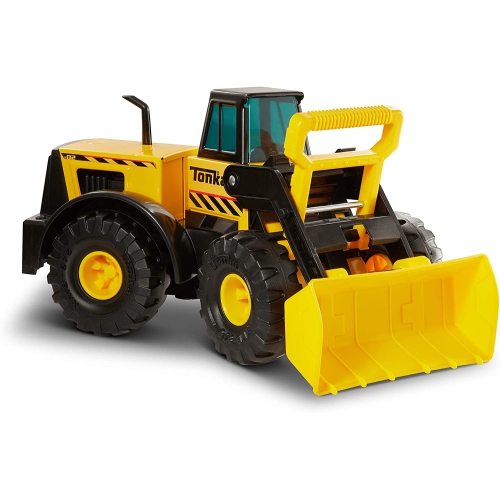
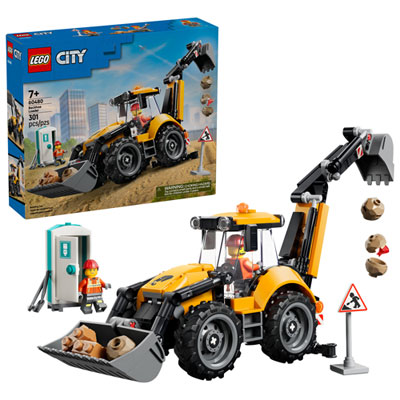

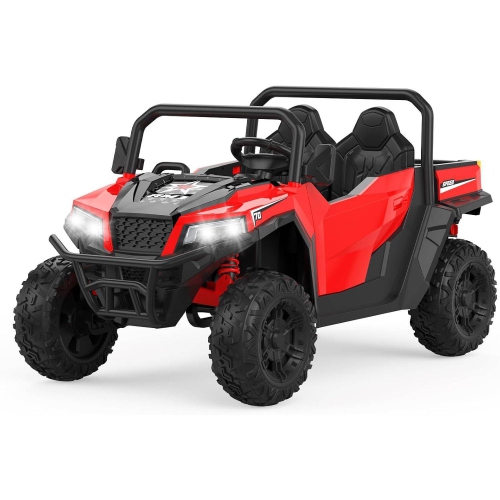


Little operators take charge of pretend building sites
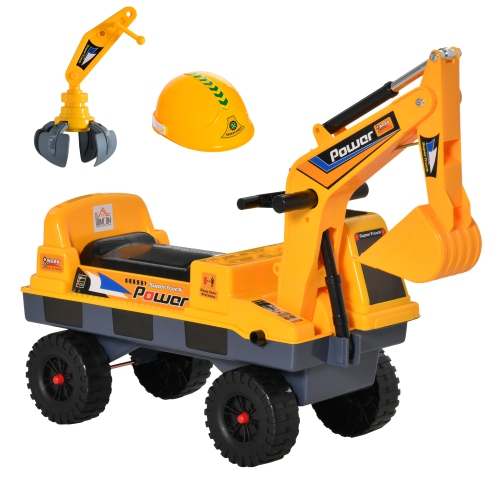
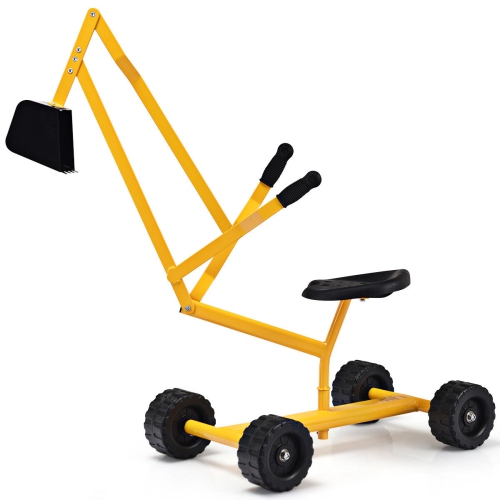
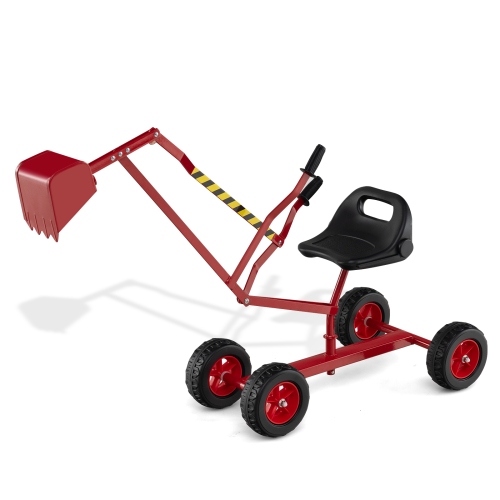
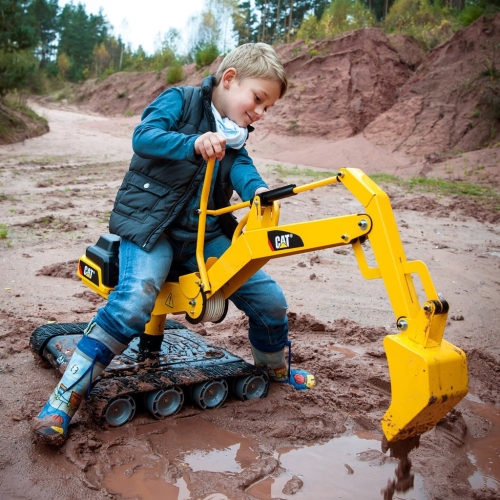
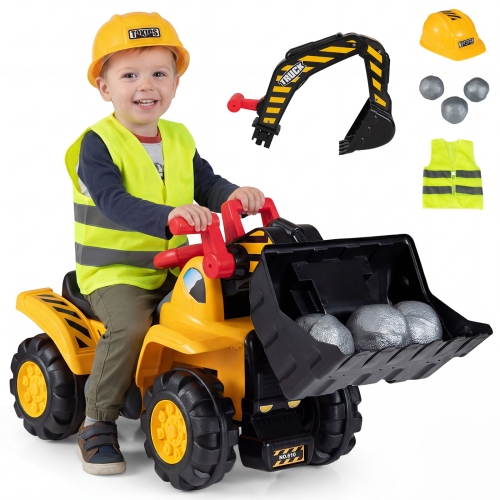
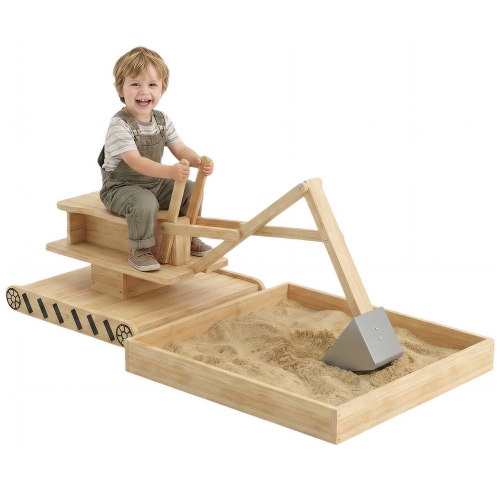
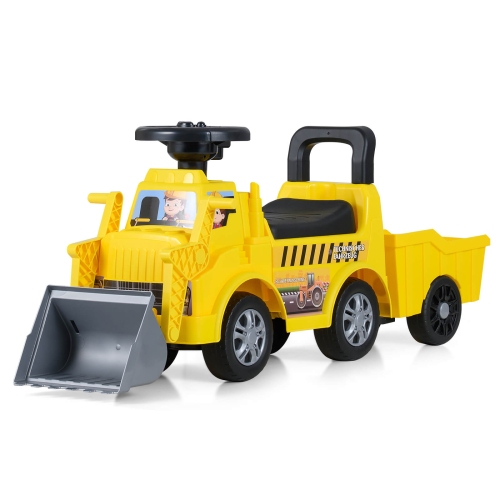
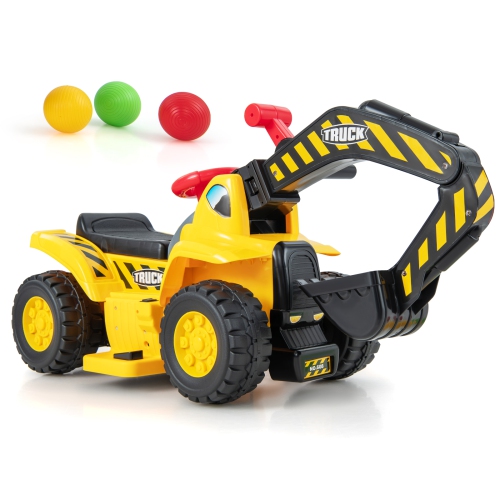
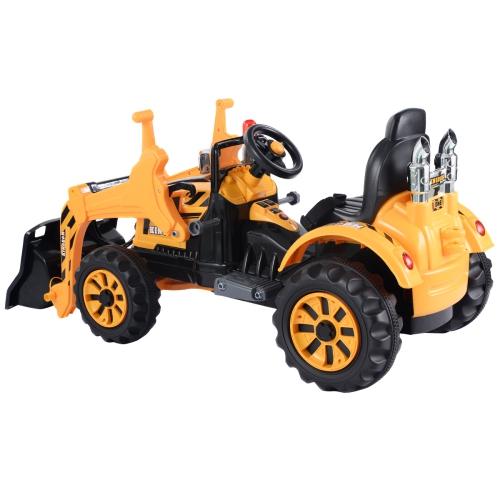
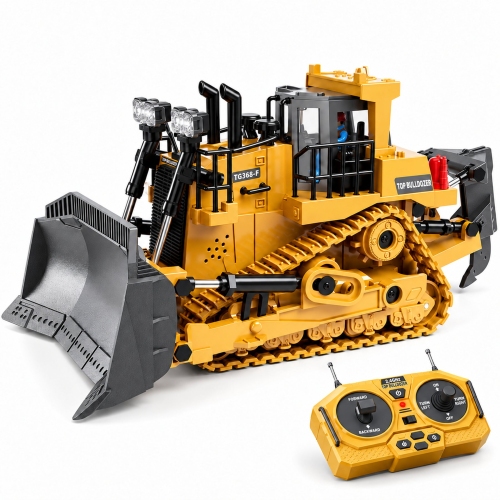
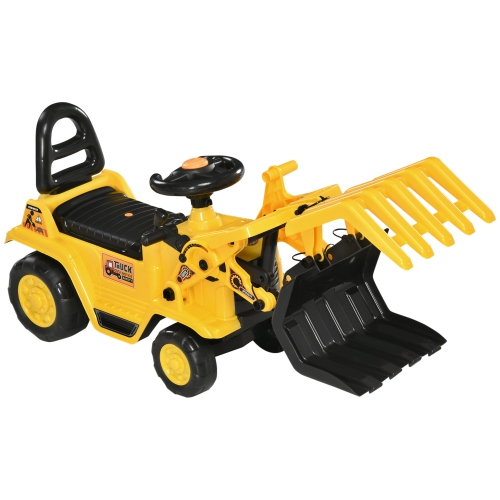
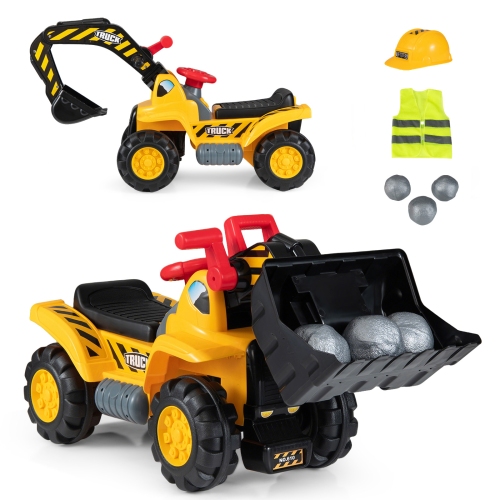
Toy diggers are miniature or child-sized construction vehicles designed for scooping, lifting, and moving materials during pretend play. Often called toy excavators, they usually have a digging arm, a bucket, and a wheeled or tracked base that resembles the machinery seen on building sites. The main styles include push-along models, diecast vehicles, remote-control diggers, and sit-on or ride-on designs. Each offers a different way to take part in the action. A push-along digger lets a child position the vehicle by hand, lower the bucket, and tip a load into a waiting toy truck. Diecast models add the feel of metal construction and may appeal to children who enjoy realistic details, although their moving parts and age recommendations vary. Remote-control versions introduce powered movement, with controls that may operate the tracks, turn the upper body, or raise and lower the arm, depending on the design. Some include lights or sounds that add to the building-site scene. Sit-on excavators bring the child into the operator's position, often using handles or levers to move the digging mechanism. These larger toys need enough room for both the vehicle and the full reach of the arm. The appeal is easy to see in a simple play session: a child marks out a pretend foundation, scoops loose material into a pile, then brings in another vehicle to carry it away. That sequence gives the toy a purpose beyond rolling across the floor. Handling a bucket, judging where to place a load, and coordinating two controls can provide practice with hand movements and spatial awareness, while imaginative stories give children room to assign jobs and solve small problems. For some, the attraction is the moving machinery itself; for others, it is the chance to recreate a familiar roadside construction scene. A digger can be the centre of a solo building project or one part of shared play, with children taking turns as operators, truck drivers, and site planners.
The most useful differences between toy diggers often come down to materials, size, and how the digging mechanism works. Plastic models are generally lighter to carry, while metal-bodied or diecast designs can feel more substantial in the hand. Neither material alone determines durability: the strength of the bucket connection, the support around the arm joints, and the design of the wheels or tracks matter just as much. A detailed model may include small mirrors, handrails, or other parts that call for gentler handling, whereas a simpler design can be easier for a younger child to grasp and operate. The manufacturer's age rating remains the starting point, particularly where detachable accessories or small components are involved. Scale markings describe a model's proportions relative to a full-sized machine, not its suitability for a particular age, so the actual dimensions are worth considering. A compact digger may suit a tabletop road layout, while a larger one needs more storage space and room to turn. For sit-on and ride-on styles, fit also includes the stated weight limit, seat position, stability, and whether the child can reach the controls comfortably without leaning awkwardly. The bucket should suit the intended play material, too. A toy designed for light scooping is not necessarily able to cut into packed soil or lift heavy stones. Indoor use might involve moving age-appropriate pretend cargo across a play mat; sandbox use calls for a model specifically intended to handle sand. Remote-control diggers add another consideration because their movement depends on motors, gears, and battery power. Check which functions are actually powered, since a realistic-looking arm may still require manual adjustment. Smooth floors and firm, level surfaces can make steering more predictable, while deep carpet or loose material may be difficult for some designs. Straightforward controls can make a digger enjoyable for a beginner, while separate arm and bucket controls offer a more involved operating experience. Sound features, battery requirements, and the space needed for turning are practical details that can affect how well a toy fits into everyday family play.
Care and storage help keep a toy digger ready for the next building project. After sandbox play, loose sand should be removed from the bucket, wheel axles, tracks, and joints according to the manufacturer's cleaning instructions. Grit caught around moving parts can make them harder to operate, and forcing a stiff arm or bucket may damage a connection. Many toys can be wiped with a soft cloth, but electronic models should not be rinsed or submerged unless their instructions explicitly allow it. Being suitable for outdoor play does not automatically mean a remote-control digger is waterproof. Battery compartments should be kept secure, and charging or battery replacement should be handled by an adult in line with the supplied directions. Storing the vehicle with its arm supported and its accessories together can reduce strain on projecting parts and make the next play session easier to set up. In a shared room, a low storage bin or designated parking space helps keep larger vehicles out of walkways. Toy diggers can also make thoughtful birthday gifts for children who stop to watch excavators at work or enjoy creating roads, tunnels, and loading areas. The related Construction Diggers category keeps the focus on the machinery that inspires these play scenes. A gift is most likely to be used when its controls, size, and intended setting match the recipient's interests and abilities. A child who prefers hands-on storytelling may enjoy moving every part manually, while one fascinated by steering and mechanical movement may be drawn to remote-control operation. For siblings or friends, a clearly defined digging area and a separate loading spot can make turn-taking easier and give each participant a role. Adult supervision is especially important with ride-on designs and moving mechanisms, with fingers kept clear of pinch points and other children outside the arm's operating path. With a suitable play space and realistic expectations about what the bucket can move, a toy digger offers plenty of scope for small, satisfying jobs: clearing a route, filling a truck, or making one last careful scoop.
Top selling and popular products
-
 Your price for this item is $150.99
-
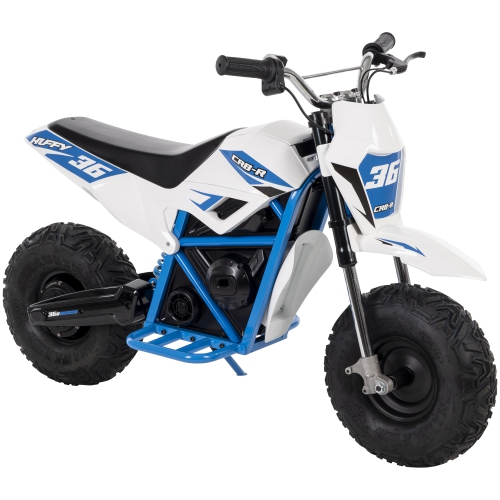 Your price for this item is $799.99
-
 Your price for this item is $141.99
-
 Your price for this item is $199.99
-
 Your price for this item is $205.99
-
 Your price for this item is $199.99
-
 Your price for this item is $82.95
-
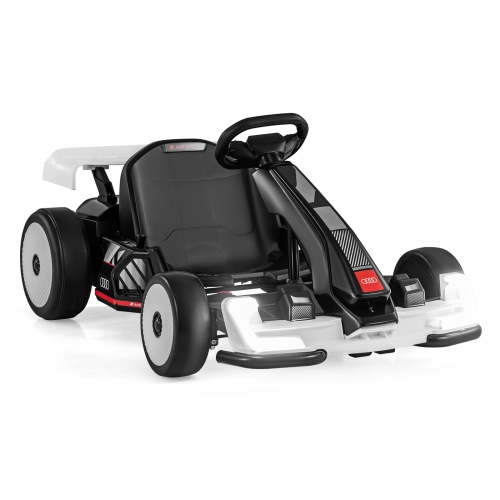 Your price for this item is $449.99
Discover more categories related to Toy Diggers

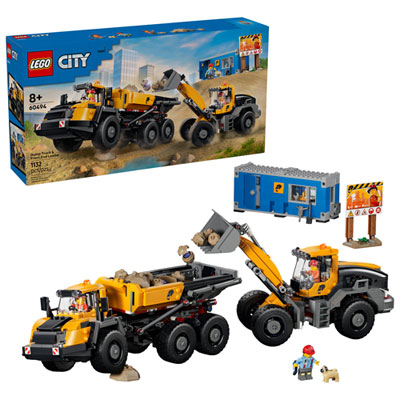
Top Collections:
Pokemon Centers, Kindle Devices, Best Budget Office Chairs, Canon G7X Cameras, Apple iPhones 16, Samsung Galaxy Phones, Refurbished Apple Laptops, Laptops for Students, iPhone 15 Apple, Budget Smartphones
Some products may be subject to Environmental Handling Fees
(EHF) depending on your province.
Learn more about EHFs.