Toy SUVs
Get ready for action-packed adventures with our collection of toy SUVs. These mini vehicles are perfect for little ones who love to explore and go on exciting imaginary journeys. Whether they're racing through rugged terrains or cruising down city streets, these toy SUVs will provide hours of entertainment and endless fun. With their realistic designs and durable construction, these toys are built to withstand the toughest play sessions. Let your child's imagination run wild as they embark on thrilling expeditions with our fantastic range of toy SUVs.
Sort

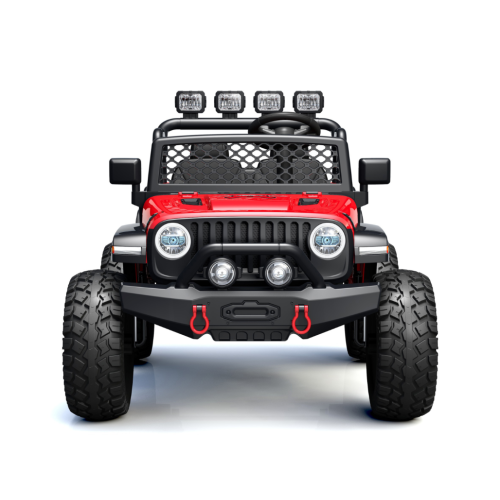
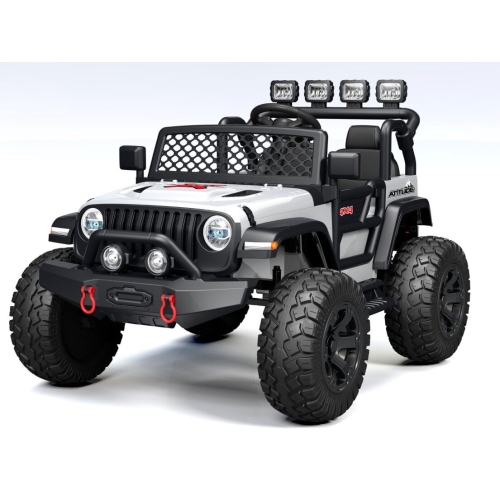
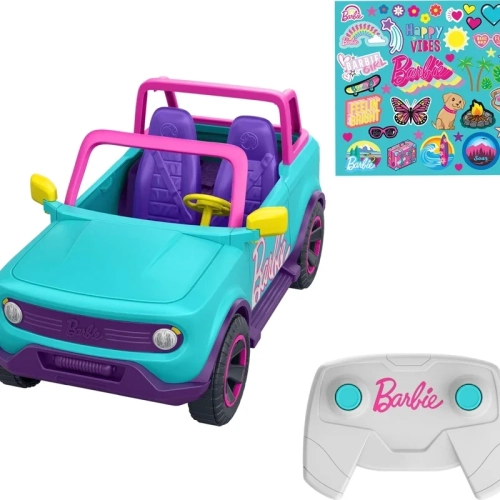
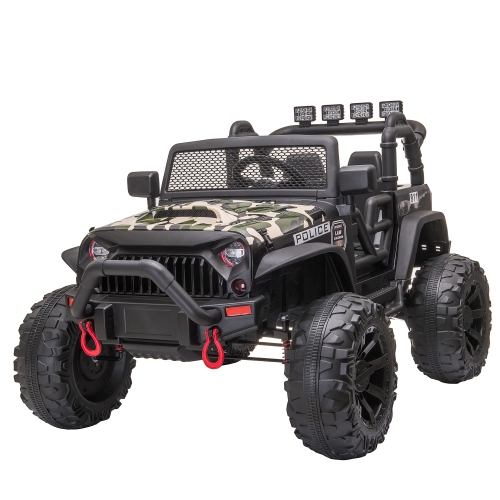
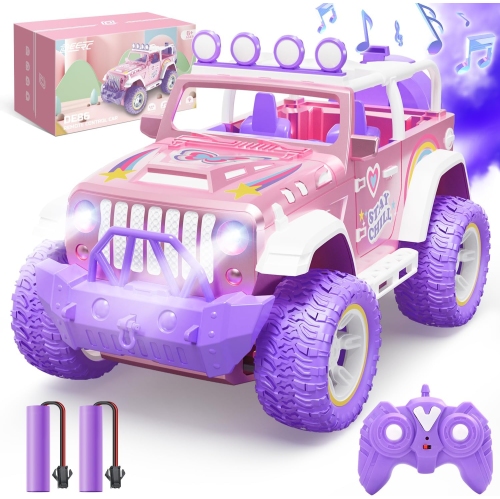
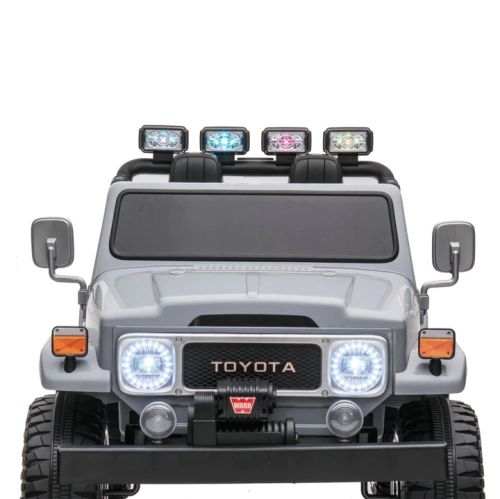


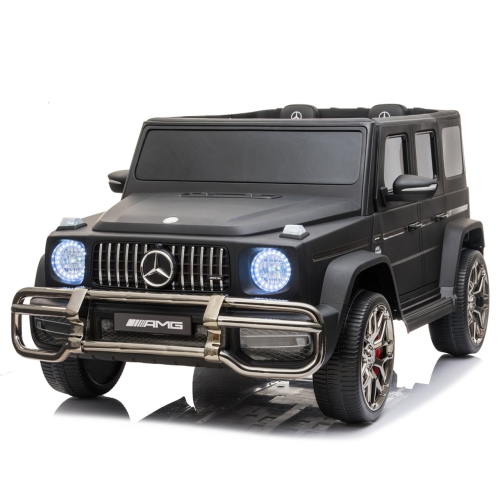
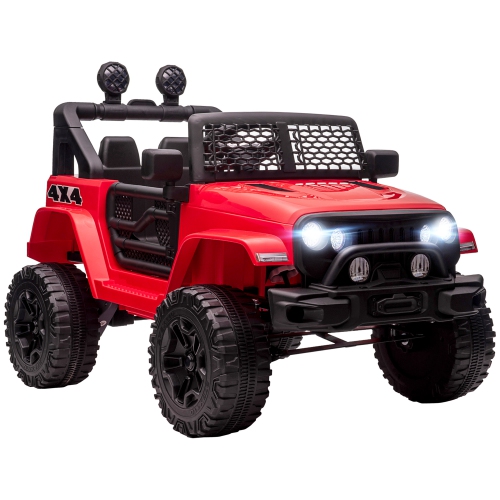


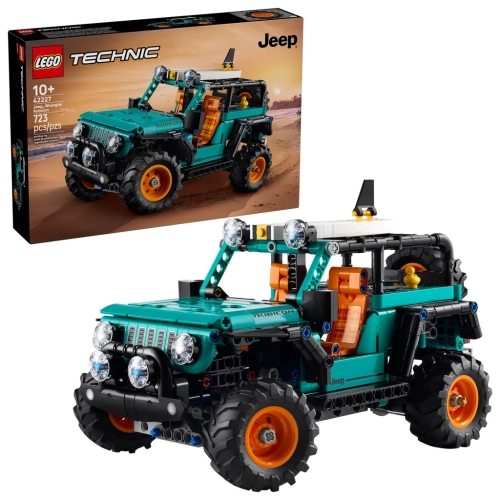
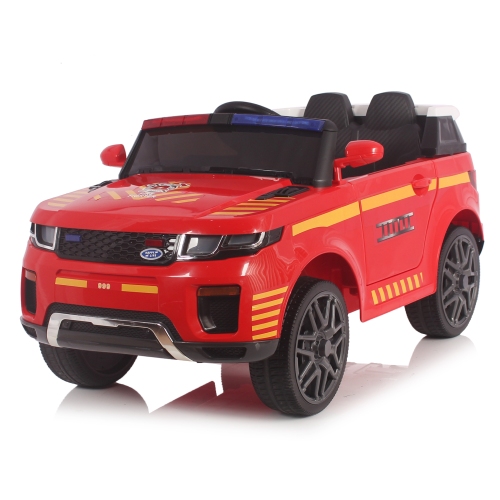


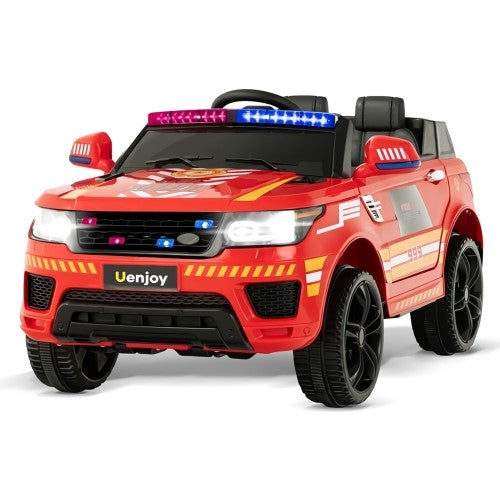

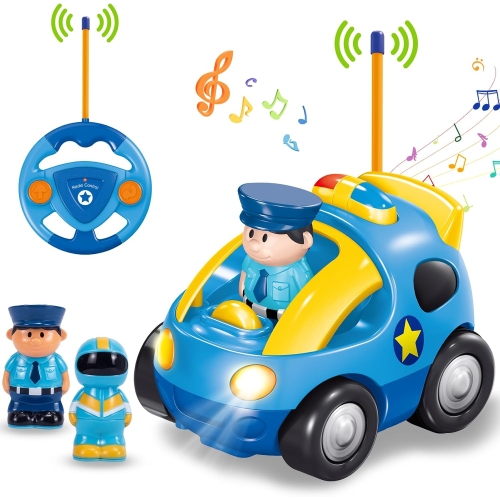


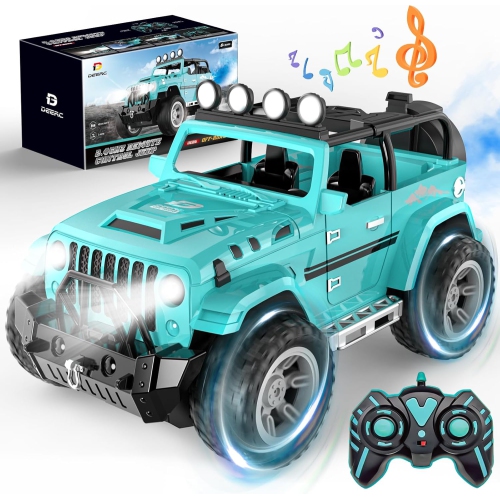
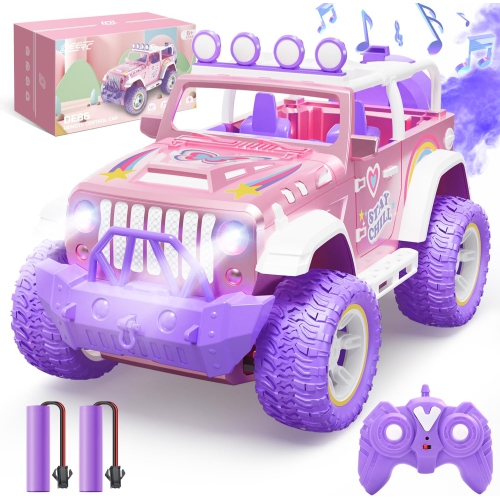
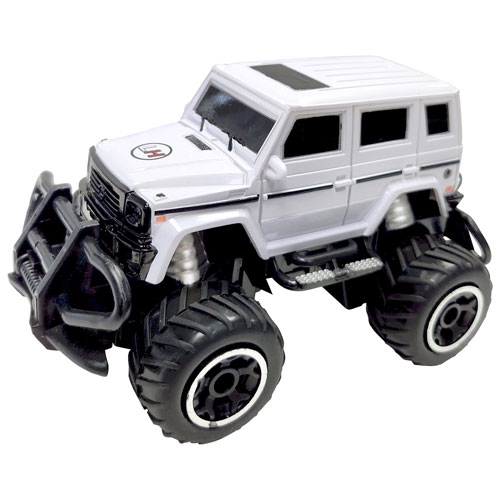

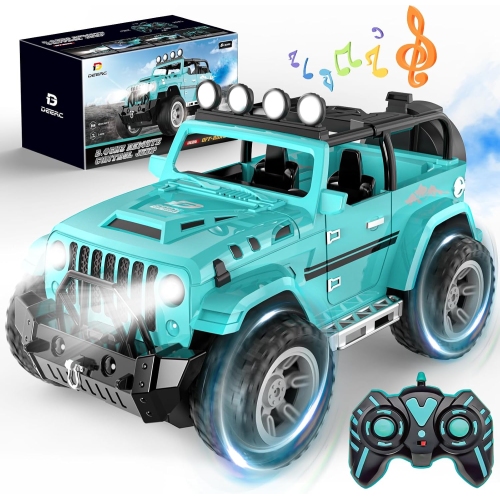





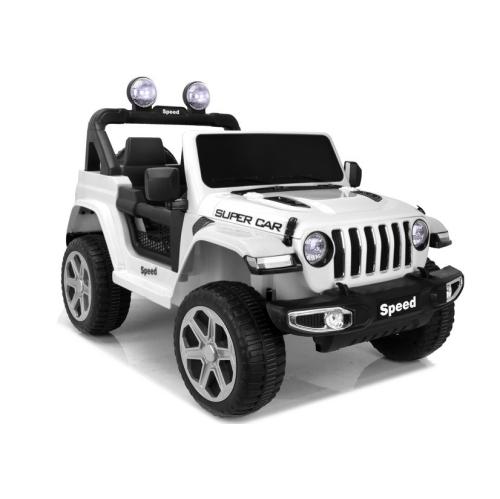

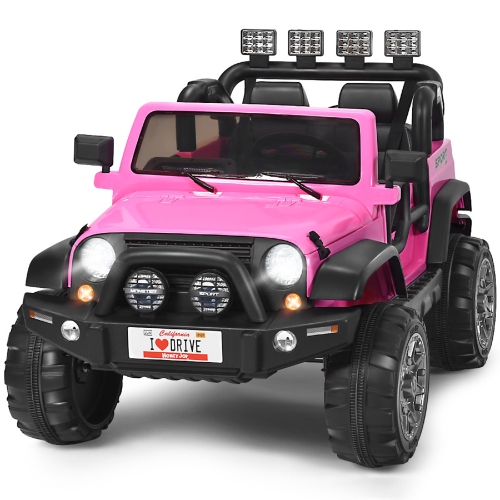
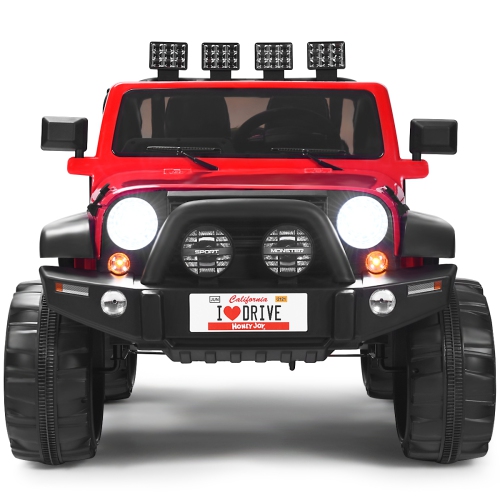
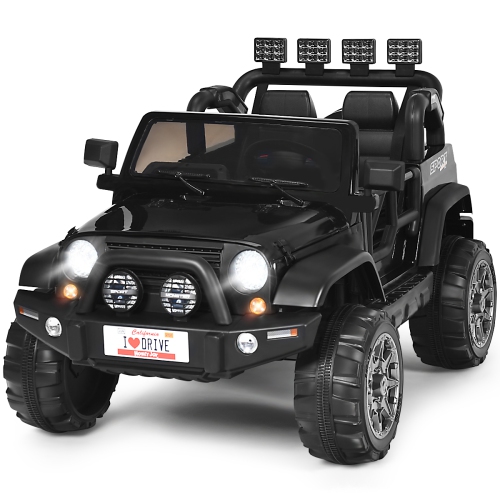
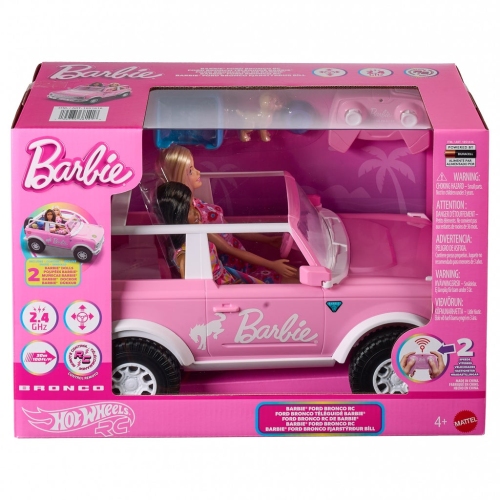


Everyday journeys become adventures in a miniature SUV
Toy SUVs bring the upright shapes, roomy cabins, and rugged styling of sport utility vehicles into small-scale play. The category includes free-rolling vehicles, pull-back toys, detailed die-cast models, and remote-control versions, with different designs suited to imaginative play or display. A simple push-along SUV can carry an imaginary family to a campsite, navigate a road drawn on paper, or park beside a building made from blocks. More detailed models may feature opening doors, visible seating, treaded tyres, or a rear hatch that adds another layer to those stories. Die-cast metal bodies tend to have a satisfying weight and crisp surface detail, while moulded plastic allows for lighter construction and chunky shapes that can be easier for smaller hands to grasp. Many toy SUVs combine both materials, using metal for the body and plastic for the cabin, chassis, or trim. Neither material alone determines durability: wheel attachment, axle strength, hinge construction, and the number of projecting parts all affect how a toy handles repeated play. A sturdy model with fewer delicate pieces may suit everyday floor adventures better than one designed around fine detail. Scale is another useful distinction. A 1:64 scale SUV is generally a compact miniature, while a 1:24 scale version represents the original vehicle at a larger size. Actual measurements still depend on the vehicle being represented, so scale should not replace checking the stated dimensions. For a child building a town, similar-sized vehicles help parking spaces, garages, and roads feel consistent. For a collector, matching scales can give a shelf a more unified appearance. Toy SUVs also sit naturally alongside other Toy Vehicles, adding a familiar passenger vehicle shape to scenes with cars, trucks, and buses. Their appeal often comes from that familiarity: a miniature SUV can turn an ordinary school run, grocery trip, or weekend outing into a story that children shape for themselves.
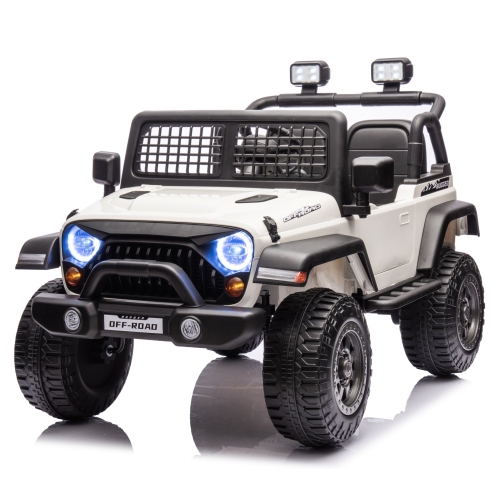
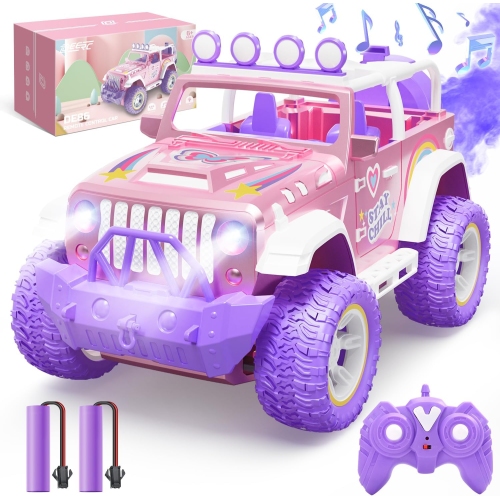
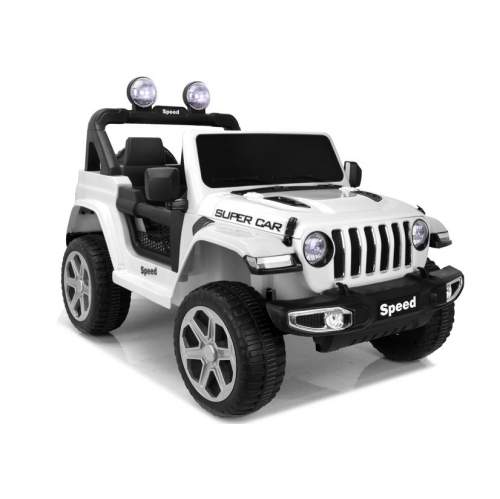
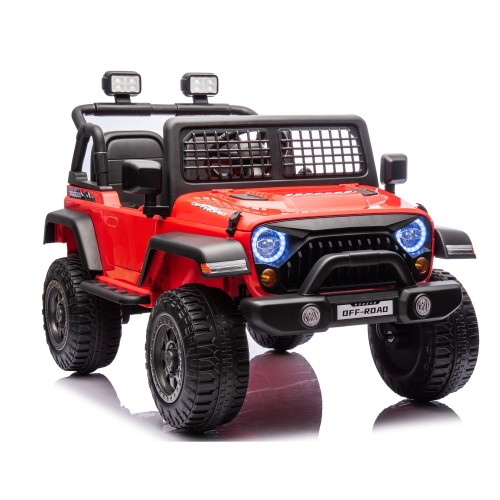
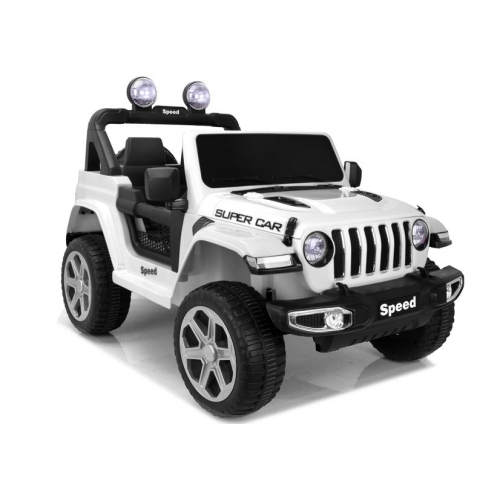
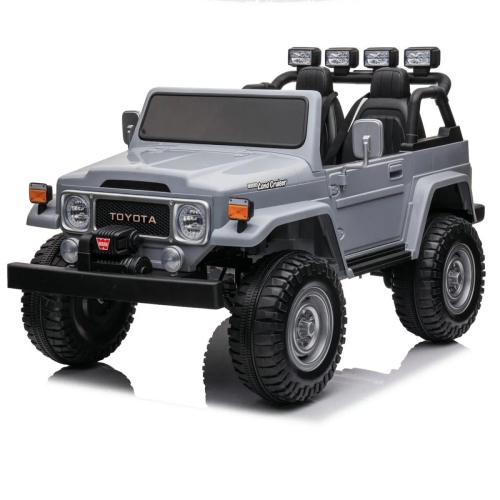
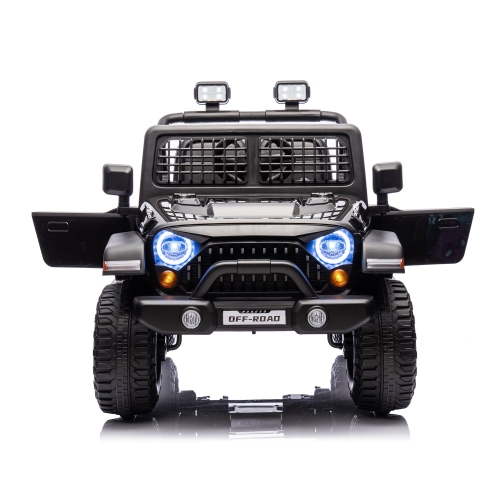
How a toy SUV moves has a big influence on the way it gets used. Free-rolling wheels leave the pace and direction entirely to the child, making them useful for winding block-built roads, pretend traffic, and quiet tabletop play. Pull-back mechanisms add a short burst of motion after the vehicle is drawn backwards and released; they need a clear path and generally perform more predictably on smooth, level surfaces than on thick carpet. Remote-control SUVs introduce steering and speed control, but their suitability depends on the recommended age, control layout, running surface, and power requirements. Large tyres and an off-road appearance do not necessarily mean a toy can handle gravel, wet grass, snow, or water. Outdoor use and water resistance should always be supported by the manufacturer's stated specifications. Indoors, a low-pile rug might make a satisfying pretend trail, while deep carpet can catch small wheels or put extra demand on a powered model. Available turning space matters, too: a larger remote-control vehicle needs more room than a palm-sized push toy. Lights and sounds can make a pretend departure or rescue scene more lively, though a sound switch or adjustable volume can be helpful in shared rooms. Opening doors and movable mirrors offer hands-on detail, but small hinges and attachments may not suit rough handling. Age grading is especially important because a realistic miniature is not automatically a young child's toy. Small parts, removable accessories, and loose batteries present hazards, particularly where younger siblings share a play space. Battery compartments should remain securely closed, and charging should follow the supplied instructions with adult supervision where required. For ride-on SUV toys, weight limits, seating fit, speed settings, and the intended riding surface are separate considerations from those for miniature vehicles. These larger toys require close adult supervision and a suitable play area away from roads, stairs, and water. Across formats, the best fit is a toy whose controls, dimensions, and features match the user's abilities and the space where it will actually be enjoyed.
The details that matter most often emerge during ordinary use. A child who repeatedly loads pretend luggage may get more enjoyment from an accessible cargo area than from elaborate sound effects. Someone who enjoys arranging a miniature driveway may care more about realistic proportions, paint finish, and interior detail. Toy SUVs can support storytelling, hand-eye coordination, and shared play as children steer around obstacles, take turns at a pretend car wash, or work out how to fit several vehicles into a homemade garage. Those possibilities make them thoughtful gifts for children interested in transport, building sets, or outdoor adventure stories, provided the age recommendation and play style are a good match. Collectors may instead appreciate consistent scale, accurate body shapes, and carefully finished details, especially when a model will spend more time on a shelf than on the floor. During the cooler months, a washable play mat or a clear section of hard flooring can provide room for indoor journeys without needing a complicated setup. A few blocks can become a bridge, and a cardboard box can become a garage, as long as improvised structures are stable and appropriate for the child's age. Keeping that play space clear of stairs and busy walkways helps prevent rolling toys from becoming trip hazards. Care is usually straightforward, but it should reflect the materials and mechanisms involved. A soft, slightly damp cloth can lift everyday marks from many non-electronic surfaces, followed by drying; painted finishes and printed details benefit from gentle handling rather than abrasive cleaners. Electronic toys and pull-back mechanisms should not be submerged unless the manufacturer explicitly permits it. Hair and thread can wind around axles, so occasional checks help keep wheels moving freely. Loose wheels, cracked plastic, sharp edges, and damaged battery covers are reasons to stop play until the toy can be safely addressed. Storing vehicles in a shallow tray or divided container keeps them easier to find and reduces pressure on mirrors, roof racks, and opening panels. With suitable handling and storage, a well-matched toy SUV can remain part of many different play scenes as a child's interests grow.
Top selling and popular products
-
 Your price for this item is $150.99
-
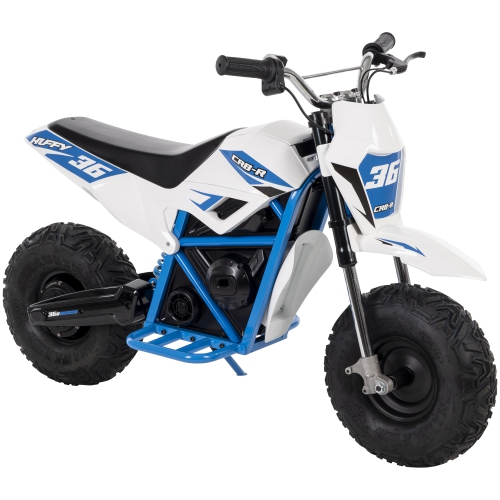 Your price for this item is $799.99
-
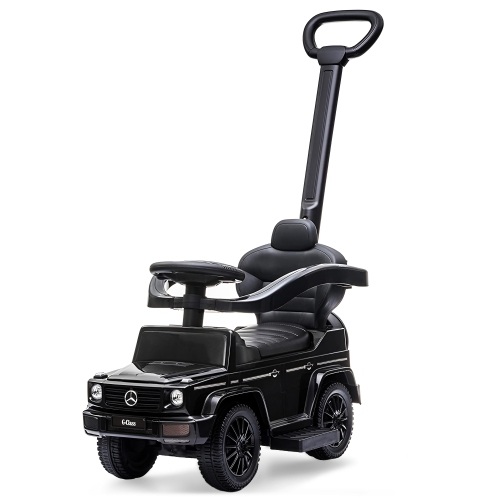 Your price for this item is $141.99
-
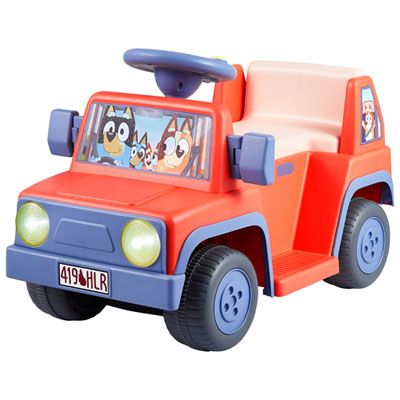 Your price for this item is $199.99
-
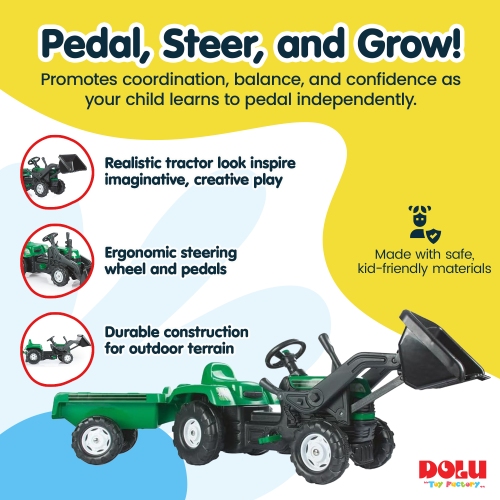 Your price for this item is $205.99
-
 Your price for this item is $199.99
-
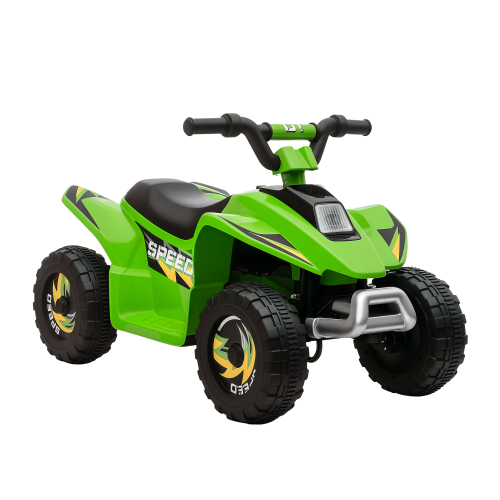 Your price for this item is $82.95
-
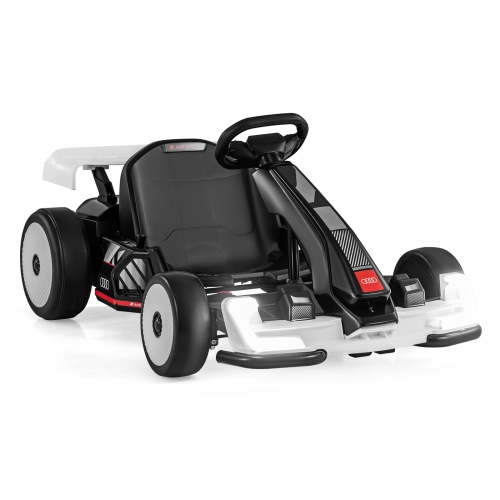 Your price for this item is $449.99
Discover more categories related to Toy SUVs
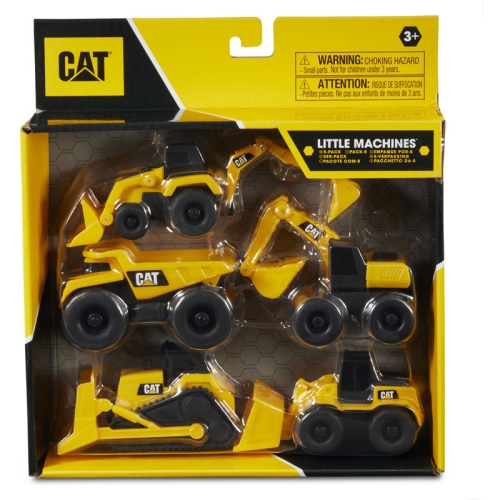

Top Collections:
Pokemon Centers, Kindle Devices, Best Budget Office Chairs, Canon G7X Cameras, Apple iPhones 16, Samsung Galaxy Phones, Refurbished Apple Laptops, Laptops for Students, iPhone 15 Apple, Budget Smartphones
Some products may be subject to Environmental Handling Fees
(EHF) depending on your province.
Learn more about EHFs.