Tractor Toys
Get ready for hours of fun and imaginative play with these tractor toys. Whether your little one dreams of being a farmer or simply loves the thrill of driving big vehicles, these toys are sure to provide endless entertainment. From realistic replicas to interactive features, these toys offer a wide variety of options to suit every child's interests. Let their imagination run wild as they embark on exciting adventures in the backyard or create their own mini-farm indoors.
Sort
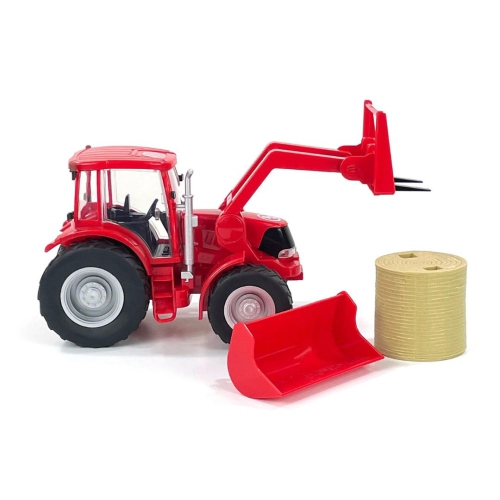


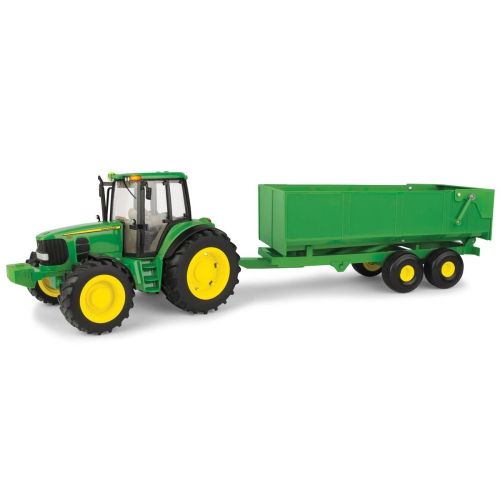


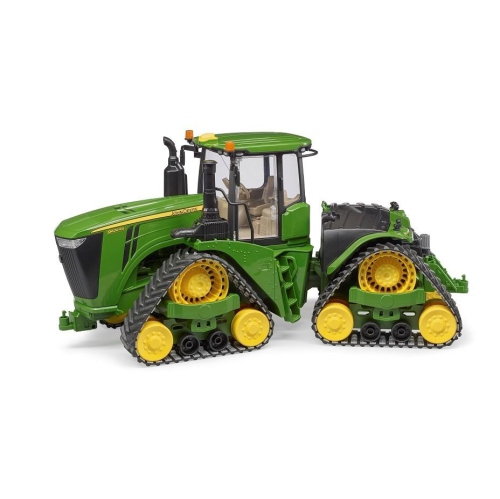
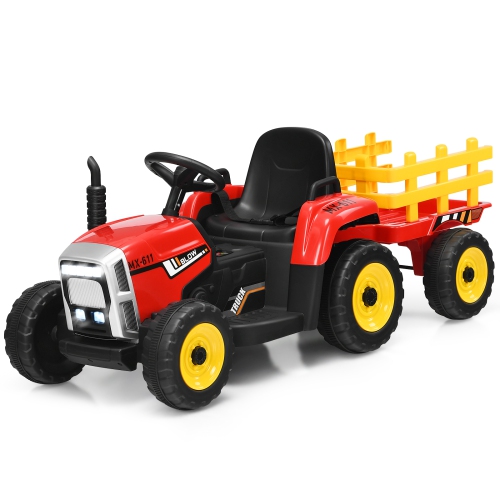

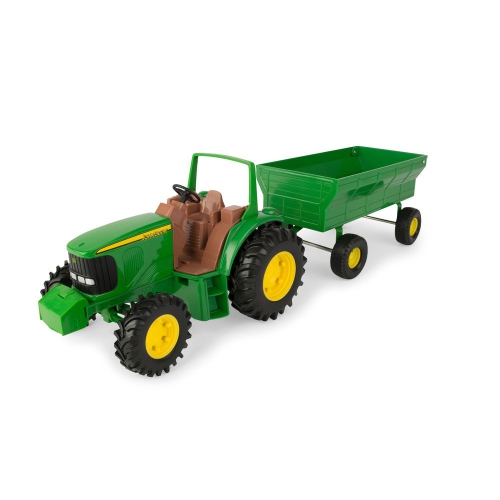


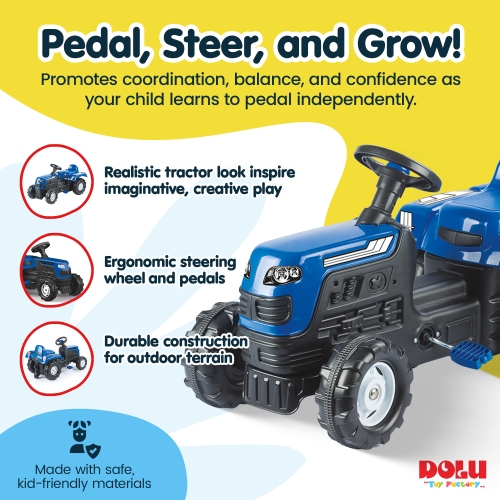
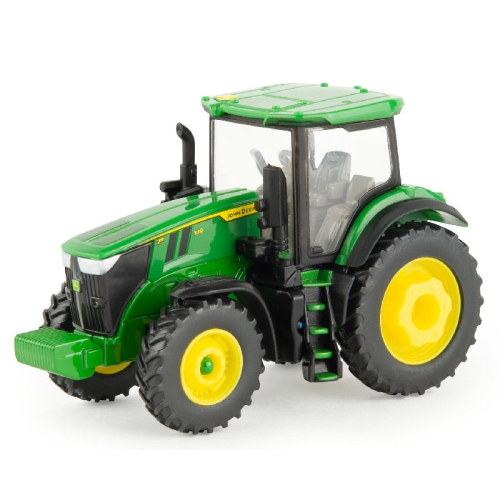


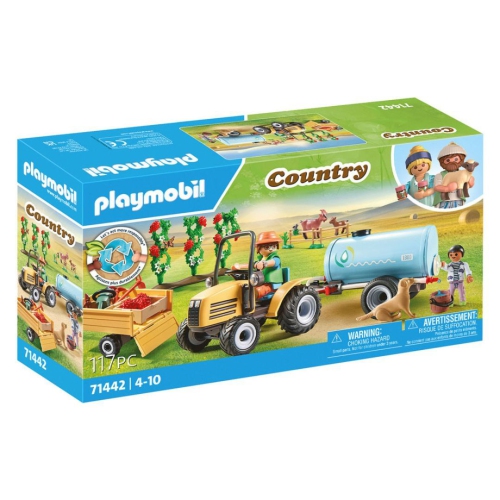








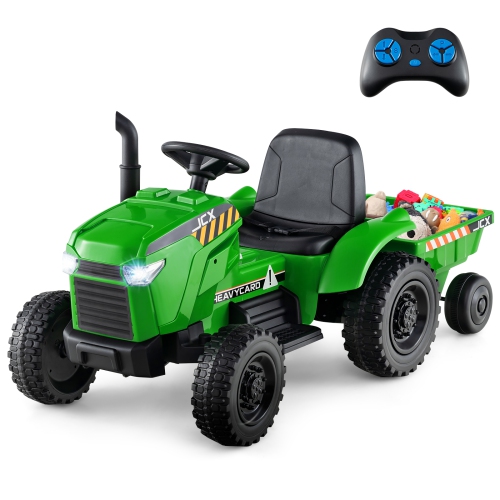

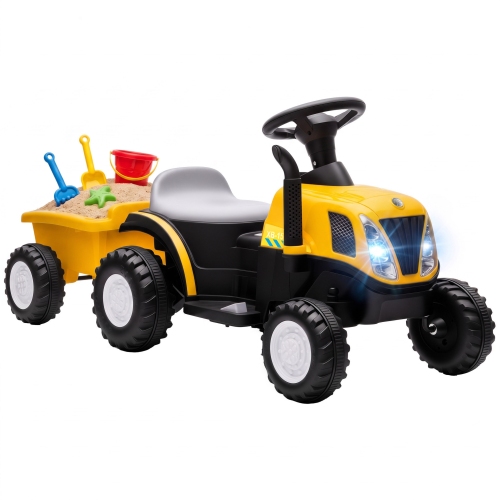


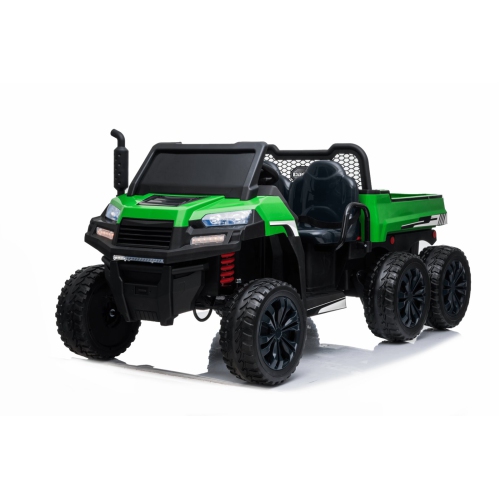


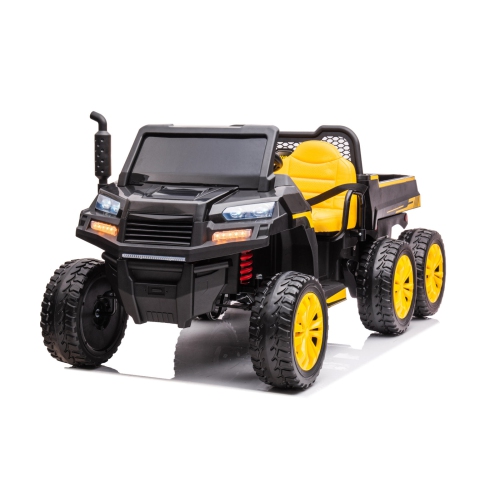
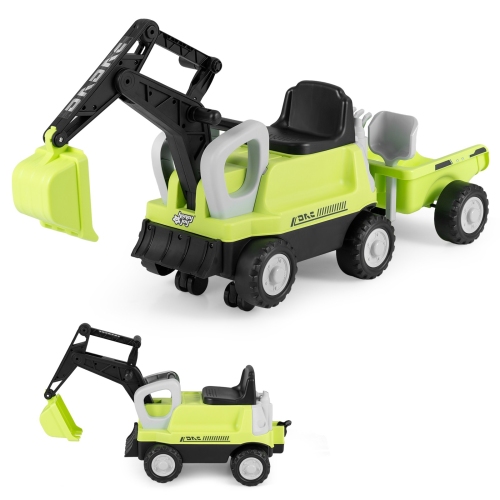
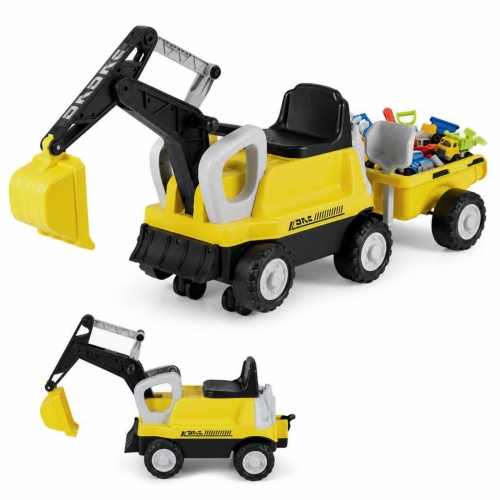


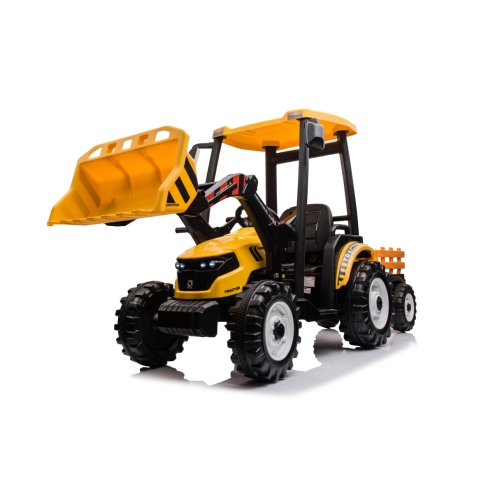

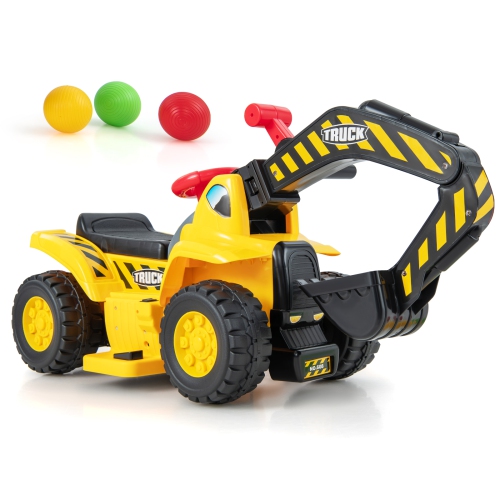

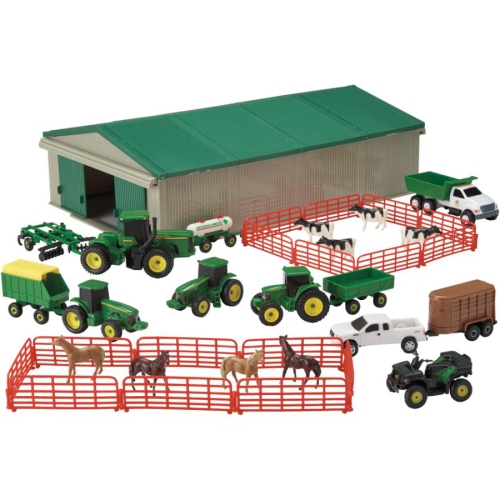


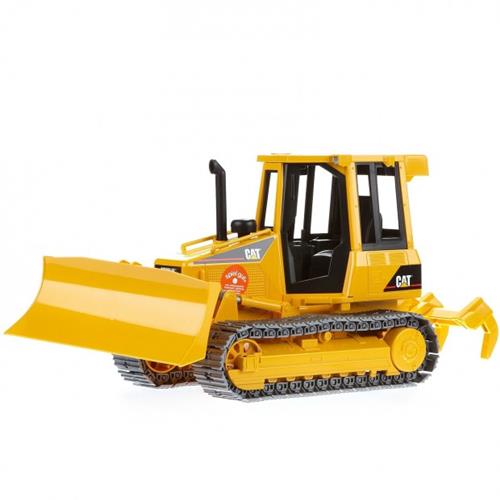


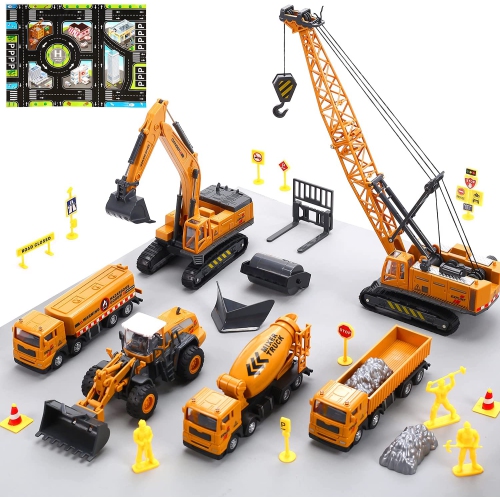
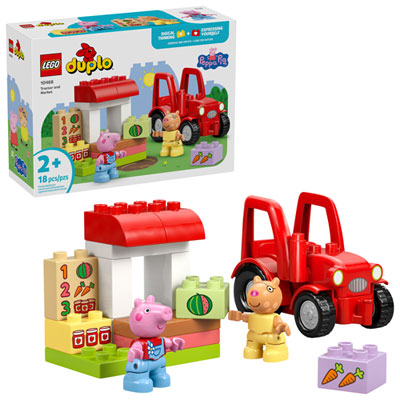


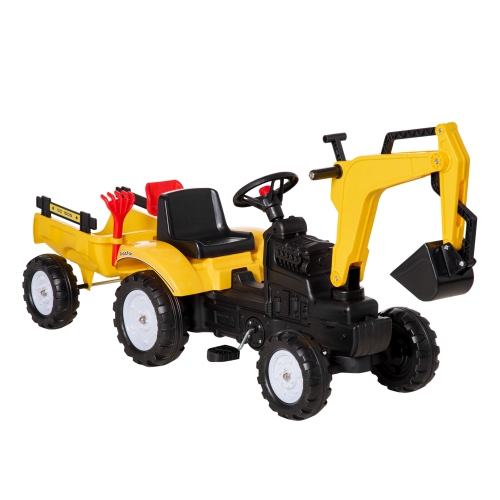


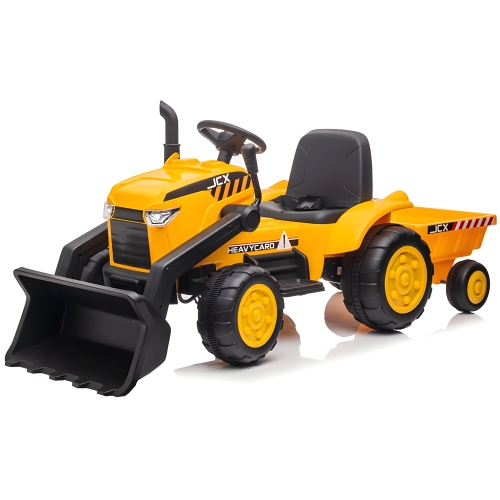
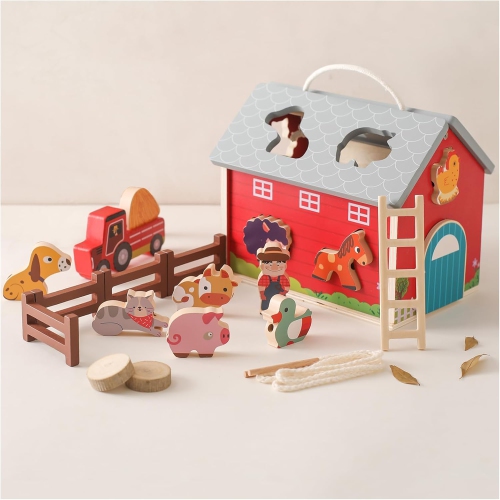


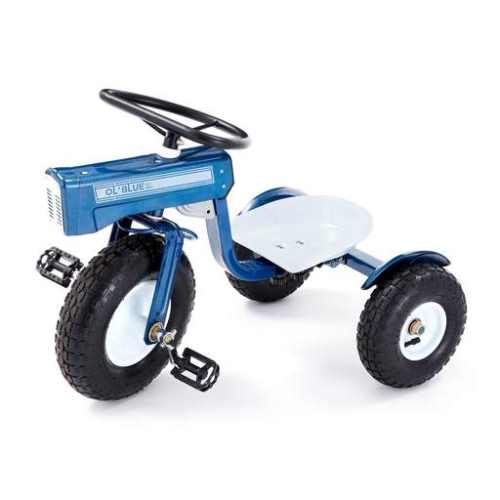

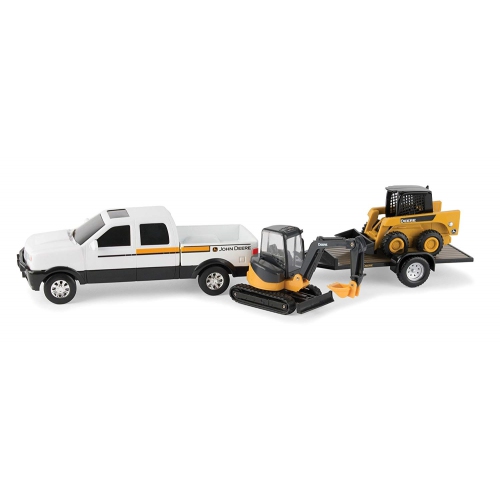


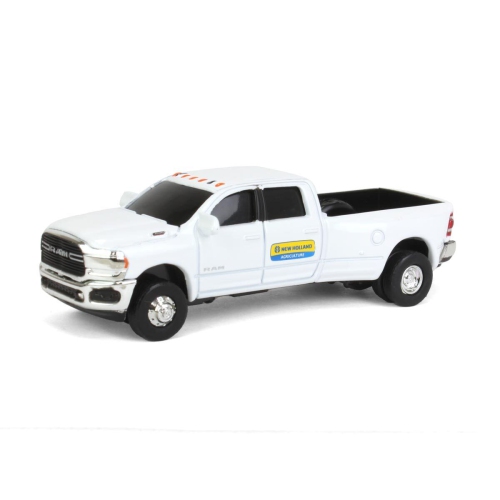

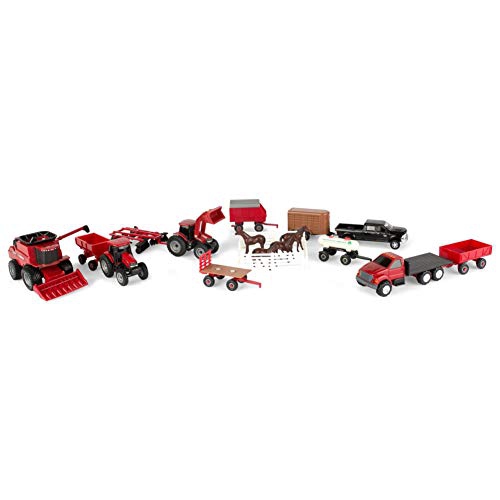

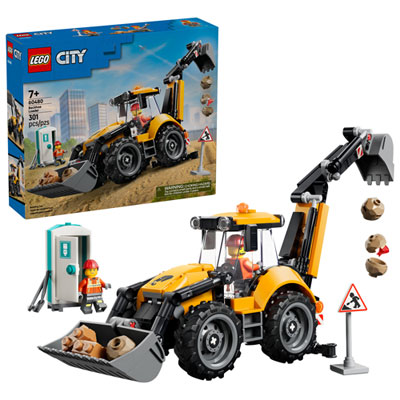


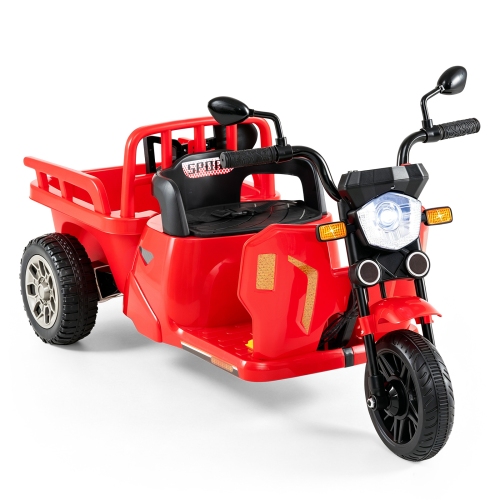
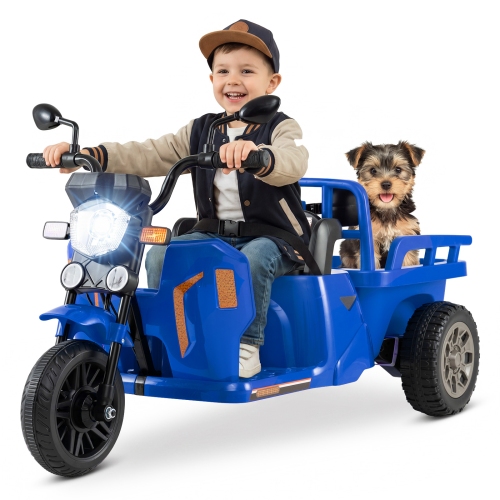


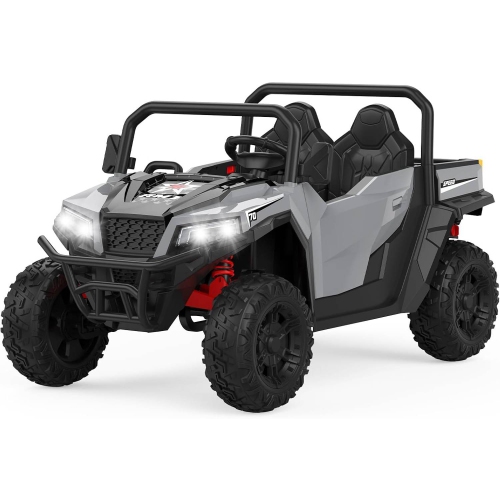
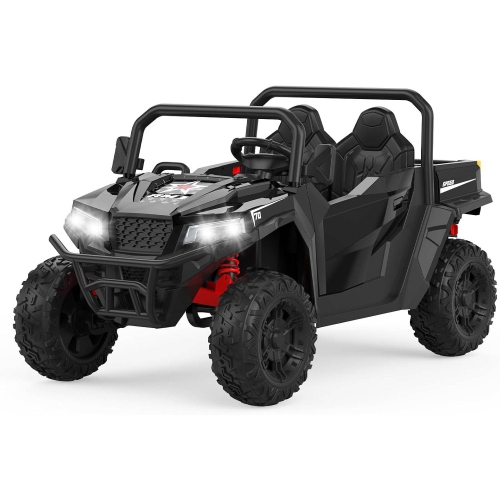
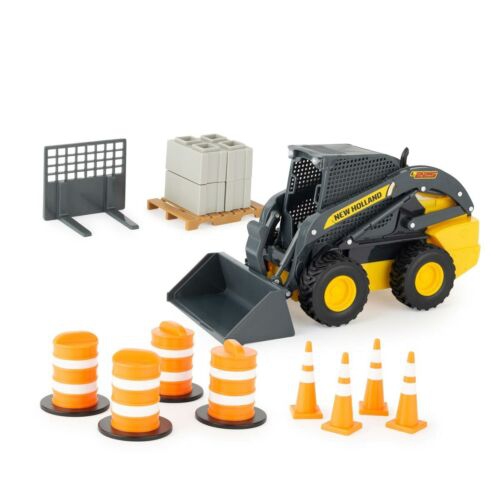
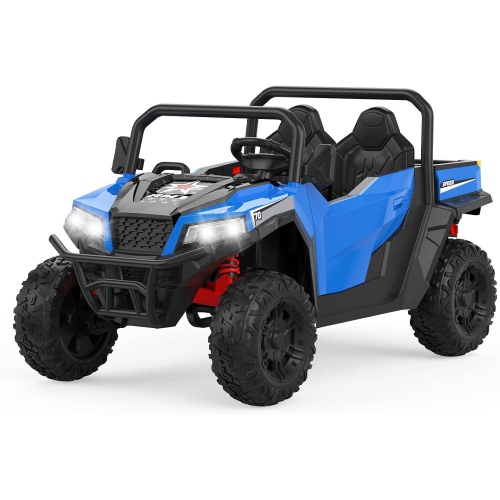

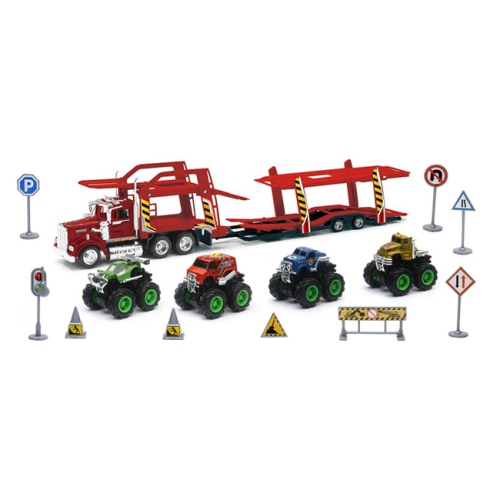
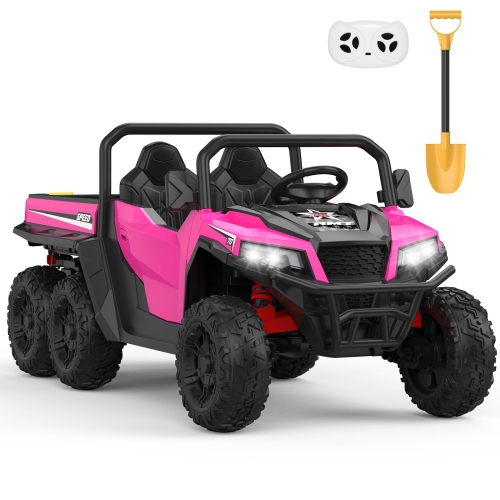
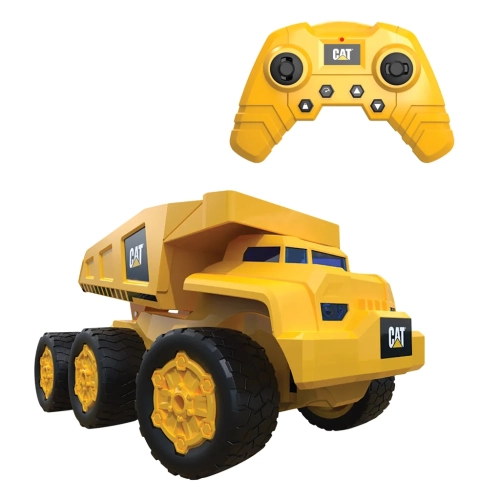

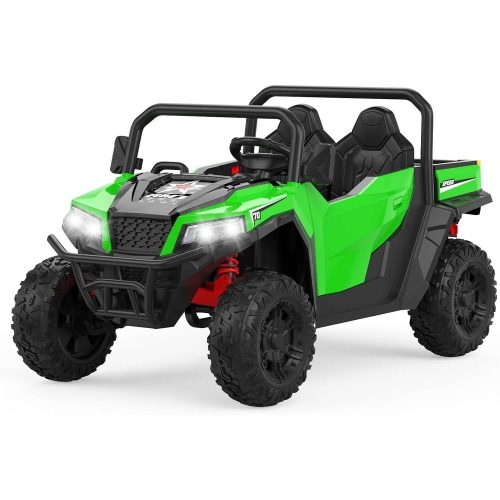

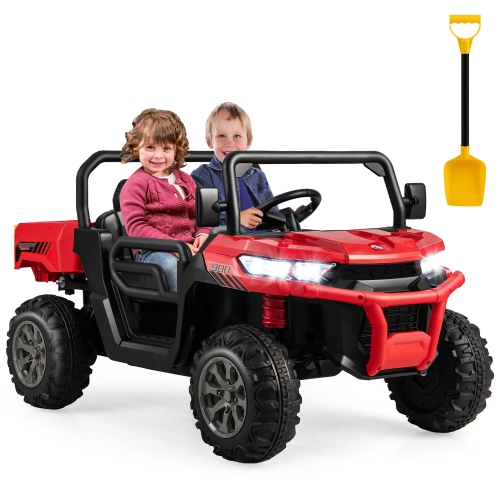
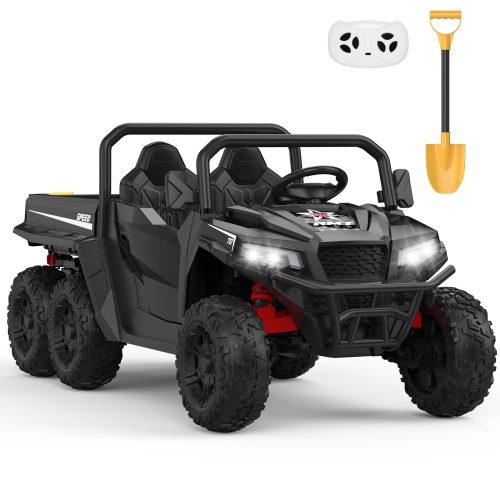



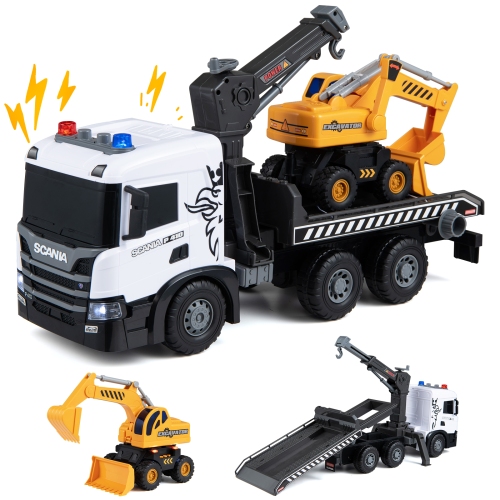

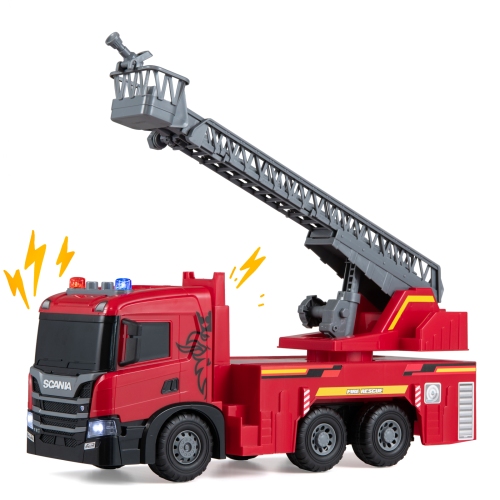
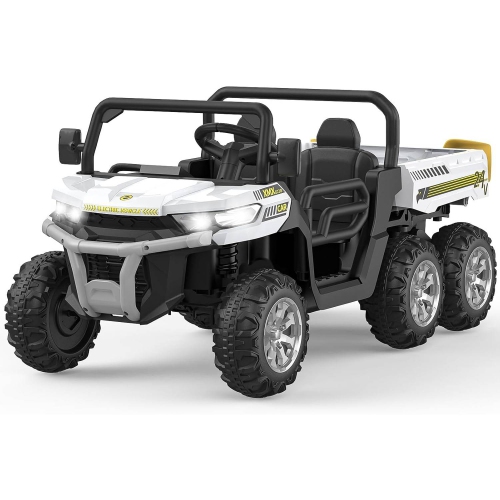

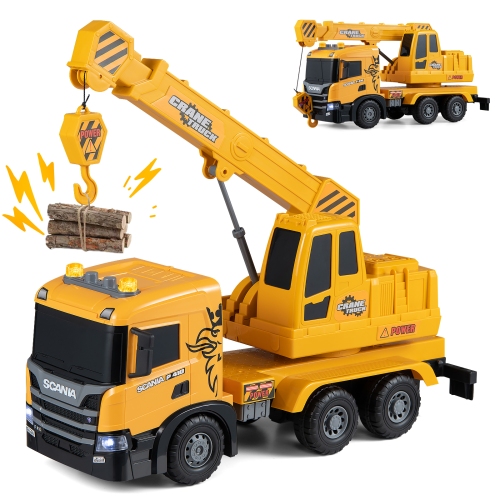


Little wheels turn everyday spaces into pretend farms
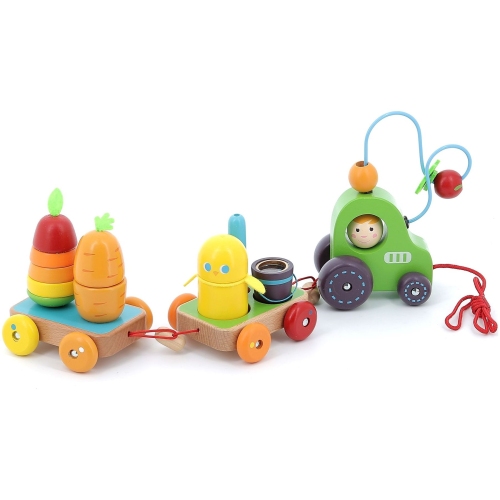
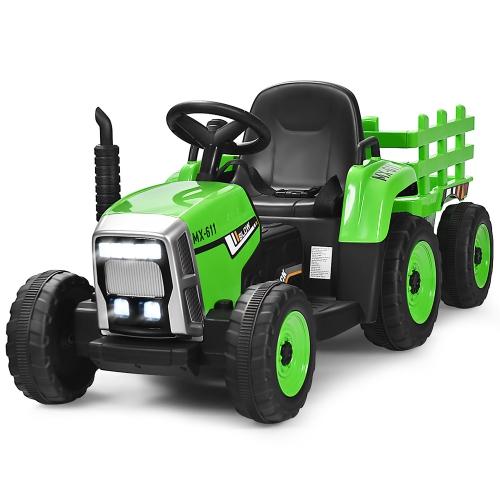
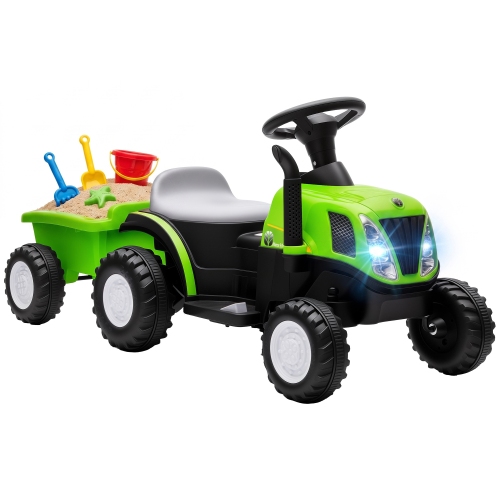
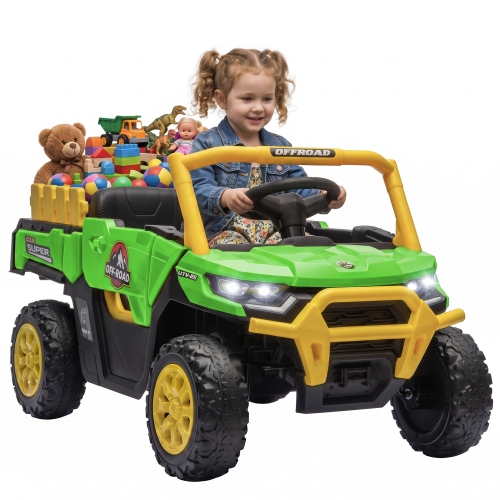
Tractor toys bring the familiar work of a farm down to a size that fits a playroom floor, a tabletop, or a child’s hands. Their broad wheels, distinctive shapes, and towing features give children plenty to explore, from steering along an imaginary field to hauling a trailer towards a pretend barn. A simple push-along tractor can become the centre of a whole afternoon’s story: wooden blocks mark the edges of a field, a folded cloth becomes a paddock, and toy animals wait for their next delivery of feed. For younger children, the appeal often starts with movement and repetition—rolling forwards, turning around, loading up, and setting off again. Older children may take more interest in working attachments, realistic proportions, and the way different farm vehicles share a job. These play patterns give children opportunities to practise hand-eye coordination, describe what they are doing, and work out small problems, such as how to reverse a trailer without tipping its load. Tractor toys also lend themselves naturally to shared play, with one child tending the barn while another makes deliveries. Their appeal extends beyond children who have spent time on a farm; a tractor seen beside a road, in a picture book, or on a family outing can be enough to spark curiosity. As gifts, they can suit young vehicle enthusiasts, children building a pretend farm, or older hobbyists who appreciate machinery in miniature. The important distinction is between a toy designed for frequent handling and a model intended mainly for display. Both may capture the same familiar silhouette, but their construction, moving parts, and suitability for different ages can be quite different. A chunky tractor that is easy to grasp serves a different purpose from a finely detailed model with delicate mirrors, steps, and hitch components. Matching those qualities to the recipient’s interests and stage of play makes the tractor more likely to find a lasting place in their activities or collection.
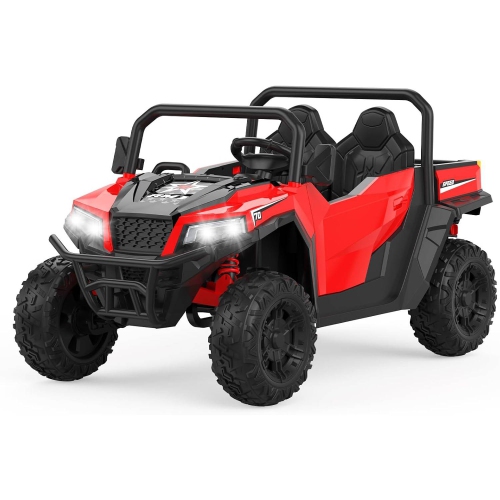
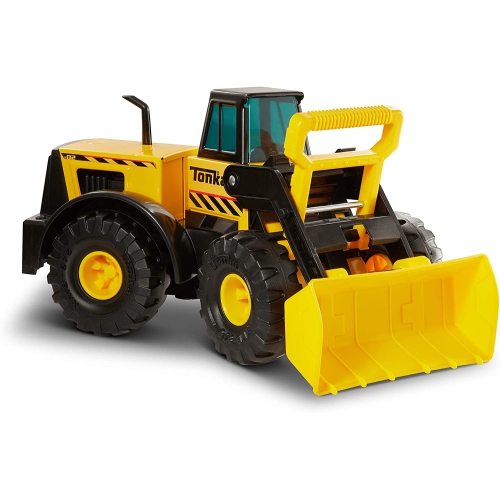
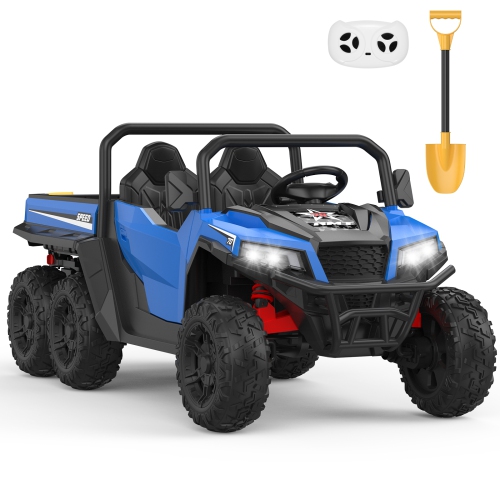
Materials and construction have a direct effect on how tractor toys feel and hold up through repeated use. Plastic designs can be lightweight and easy to carry, while metal-bodied tractors often have a more substantial feel; many use a combination of materials for the body, wheels, and smaller details. Wooden versions may offer simpler shapes and fewer moving components, though their finish and care requirements still deserve attention. Material alone does not determine durability. Secure wheel axles, firmly attached parts, smooth edges, and a hitch that tolerates repeated coupling all matter when a tractor will spend its days moving between the toy box and a busy pretend farm. Age grading is especially important around detachable trailers, miniature accessories, and small components that could pose a choking hazard. A model’s realistic appearance does not mean it is suitable for a toddler, and a larger size does not automatically make it appropriate for every child. For small hands, an easy-to-hold body and freely rolling wheels may be more rewarding than numerous controls. For children ready for more involved play, a loader that lifts or a trailer that tips can add another task to the story, provided the mechanism is manageable for them. Scale also matters when combining tractors with existing farm buildings, figures, and trailers. A tractor needs enough clearance to pass through a barn doorway, and a trailer needs a compatible coupling rather than simply a similar colour or appearance. Display models benefit from consistent scale when arranged together, while everyday play may call for a looser match. Ride-on tractors introduce a separate set of fit considerations, including the manufacturer’s age and weight limits, seat position, reach to the pedals or controls, and space needed for turning. They also require a suitable riding area and adult supervision. With powered designs, battery access, charging requirements, and the supplied operating instructions are part of deciding whether the toy fits the household’s routines.
Intended use helps narrow down which features will be enjoyed rather than overlooked. A tractor used mainly on a hard floor benefits from steady rolling and wheels that turn without catching, while play on a rug may call for larger wheels that can travel across the pile more easily. For use in a sandpit or garden play area, check that the toy is intended for that setting; grit can work its way into axles and mechanisms, and neither metal construction nor a rugged appearance guarantees suitability for water or rough surfaces. Simple layouts often leave the most room for imagination. A few sturdy boundaries, a loading area, and a place to park can create a working farm without filling every inch of floor space. Children who like moving materials between locations may also enjoy bringing Construction Toy Trucks into the same pretend landscape, with separate areas for farm work and building projects. Keeping routes wide enough for the vehicles makes shared play less frustrating, particularly when trailers are involved. After play, a little routine care helps keep wheels and moving parts working smoothly. Follow the manufacturer’s cleaning directions, using a soft cloth for accessible surfaces and removing loose debris gently rather than forcing it farther into a joint. Avoid immersing toys with batteries, sound features, or electrical components unless their instructions expressly allow it, and let cleaned parts dry fully before storage. Painted wood, metal finishes, and printed details may need different treatment, so harsh cleaners and abrasive scrubbing are best avoided unless specifically permitted. Check occasionally for loose wheels, cracked parts, sharp damage, or attachments that no longer stay secure, and remove damaged toys from play. Storing compatible accessories together makes the next farmyard story easier to begin; a shallow container can keep trailers and larger play pieces visible without burying fragile details. For display-focused models, a stable shelf away from the edge helps protect projecting parts while leaving the tractor’s shape and workmanship easy to appreciate.
Top selling and popular products
-
 Your price for this item is $150.99
-
 Your price for this item is $799.99
-
 Your price for this item is $141.99
-
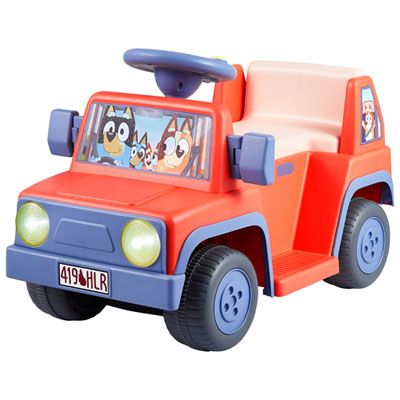 Your price for this item is $199.99
-
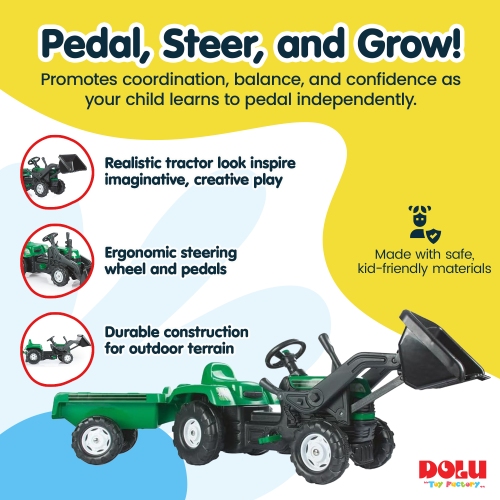 Your price for this item is $205.99
-
 Your price for this item is $199.99
-
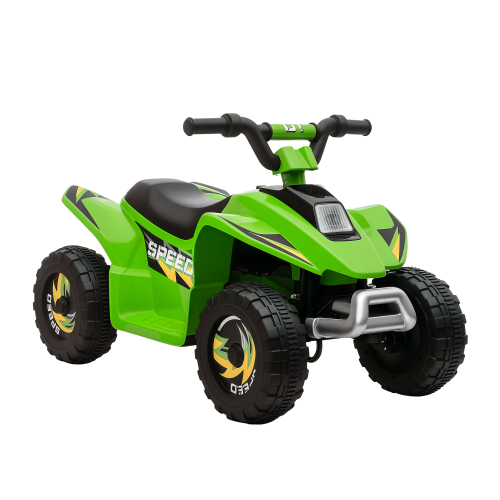 Your price for this item is $82.95
-
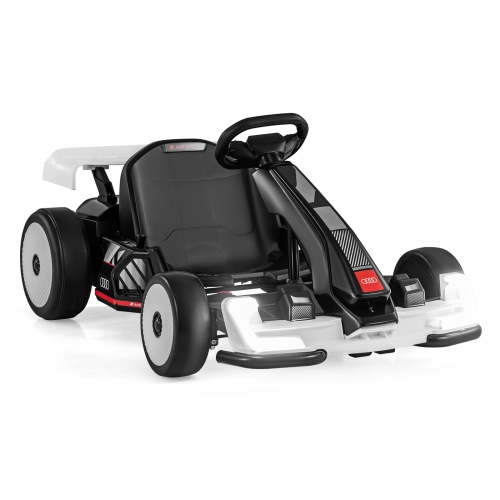 Your price for this item is $449.99
Discover more categories related to Tractor Toys
Top Collections:
Pokemon Centers, Kindle Devices, Best Budget Office Chairs, Canon G7X Cameras, Apple iPhones 16, Samsung Galaxy Phones, Refurbished Apple Laptops, Laptops for Students, iPhone 15 Apple, Budget Smartphones
Some products may be subject to Environmental Handling Fees
(EHF) depending on your province.
Learn more about EHFs.