Yugioh Card Collections
Dive into the thrilling world of Yu-Gi-Oh! with our diverse selection of card collections, perfect for duelists of all levels. Whether you're a seasoned player looking to enhance your deck or a newcomer eager to start your journey, our range offers something for everyone. Explore an array of cards that can elevate your strategy and bring your gameplay to new heights. With each card collection, discover unique possibilities and unlock the potential to outsmart your opponents. Embrace the excitement and challenge of Yu-Gi-Oh! as you build, customize, and dominate the dueling field.
Sort


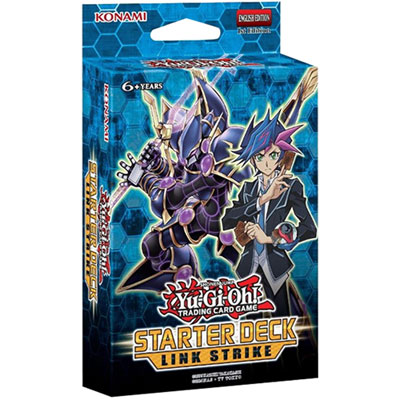


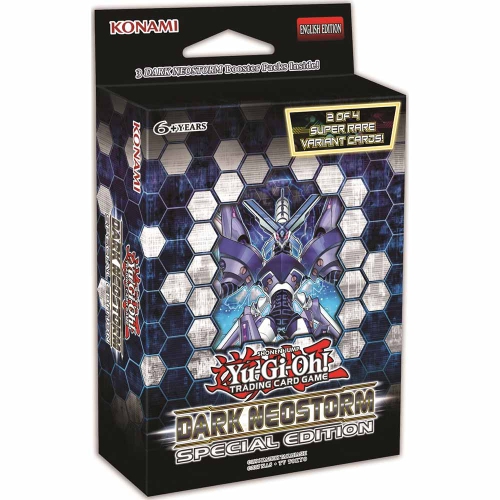


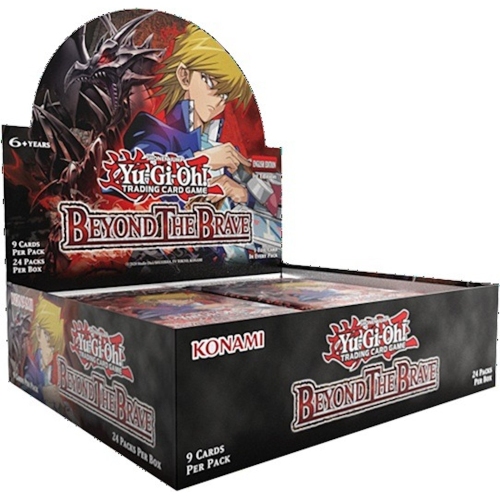


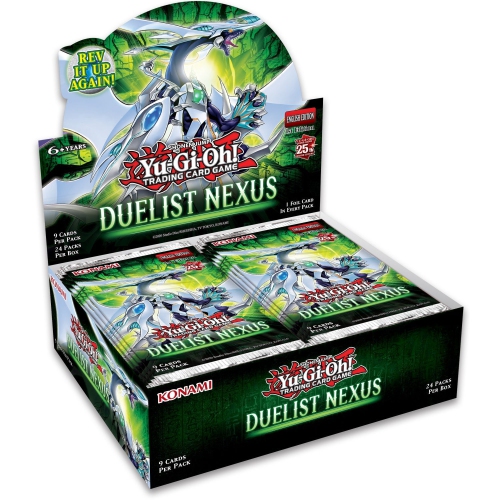

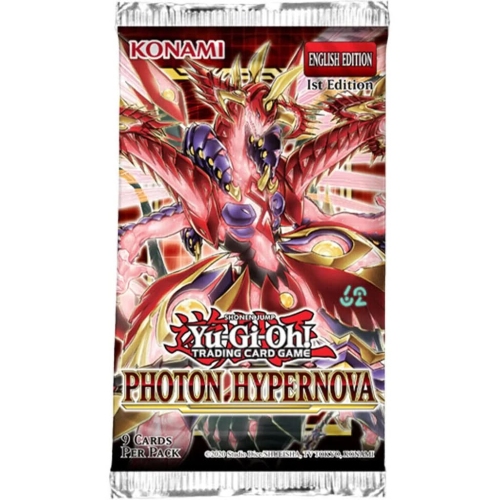

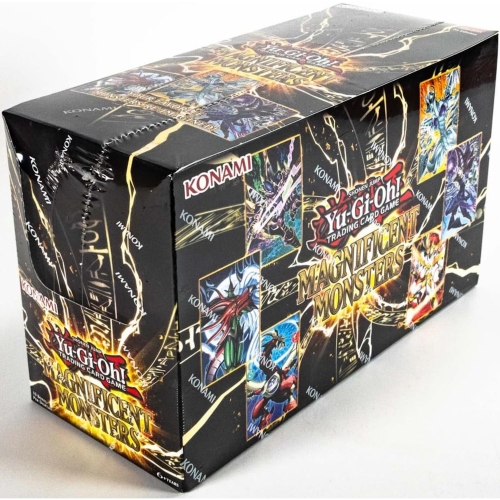

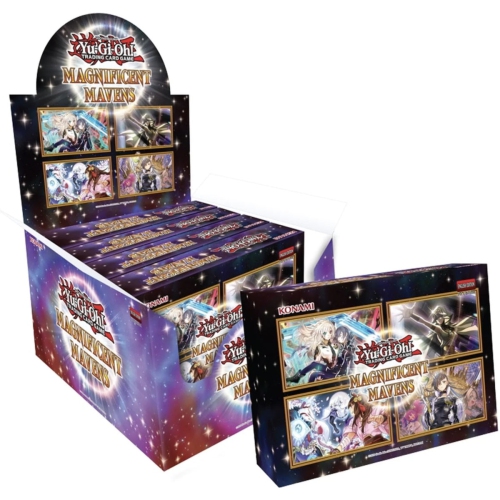
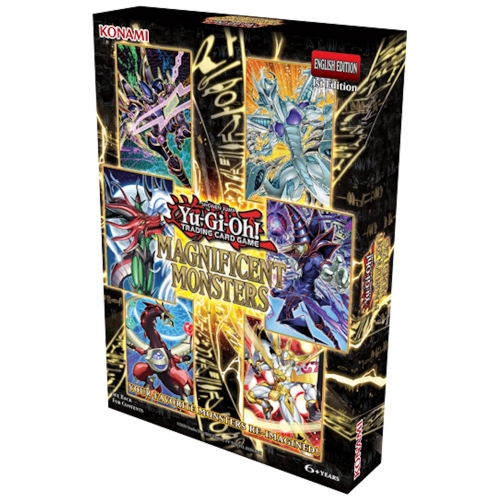


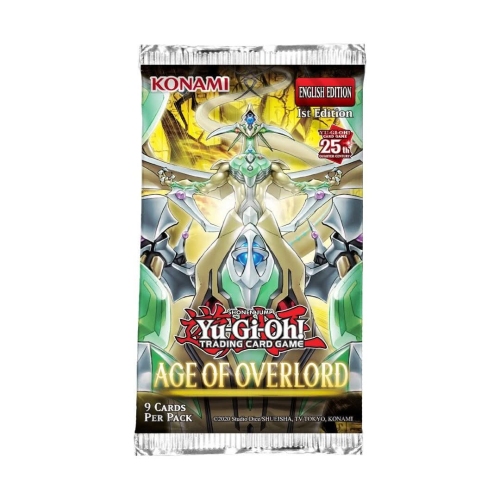


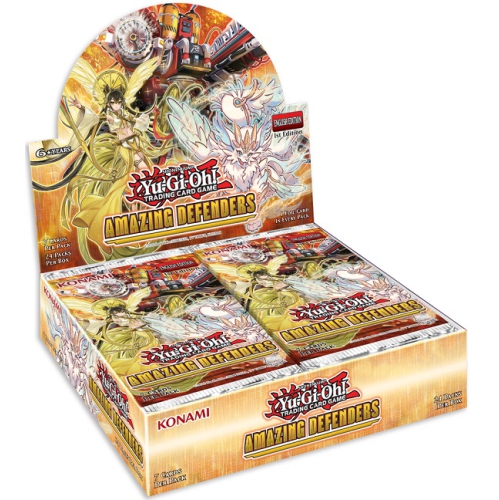


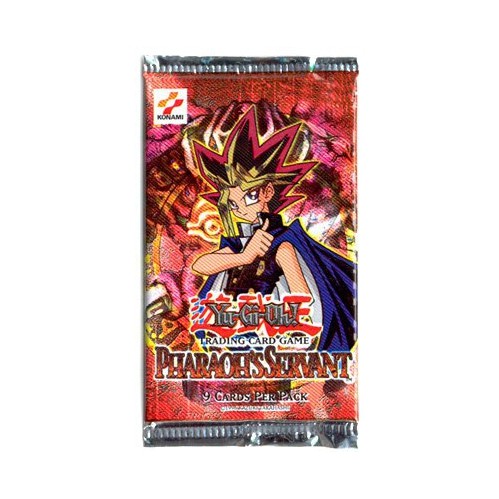


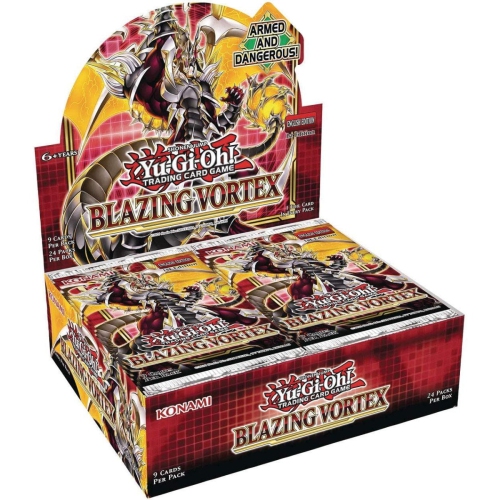


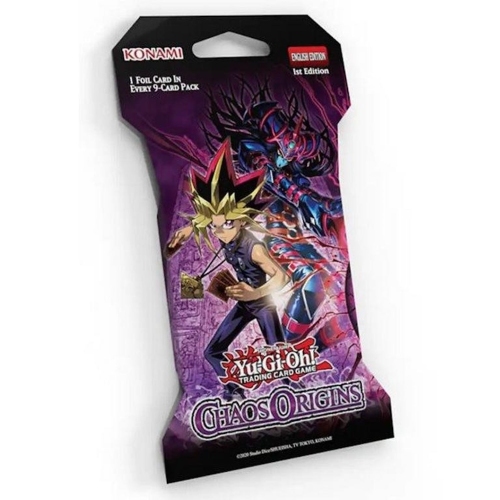


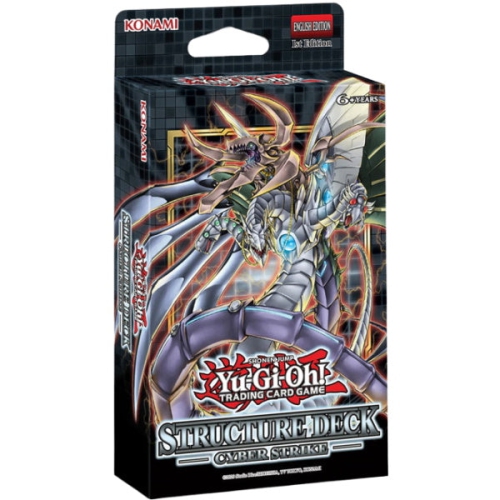


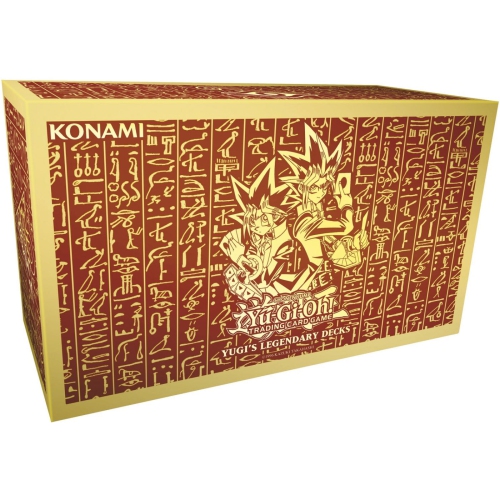


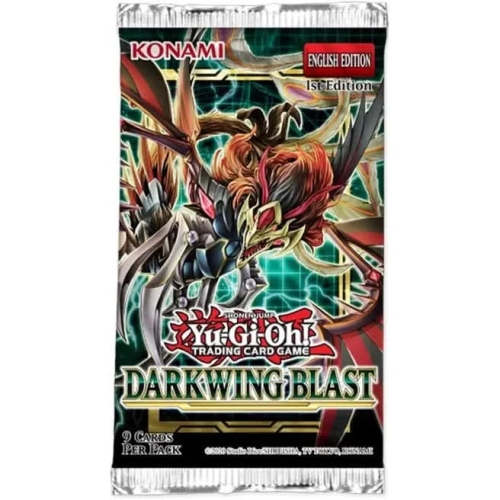


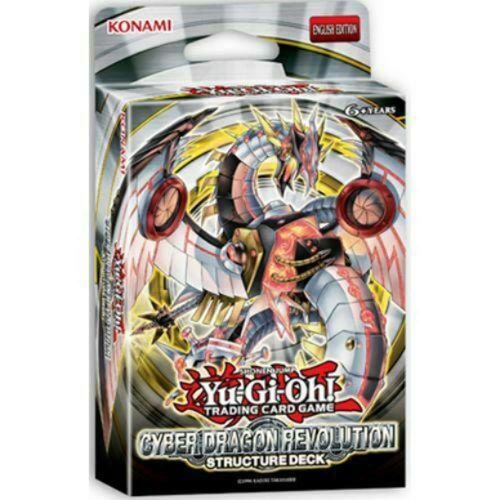

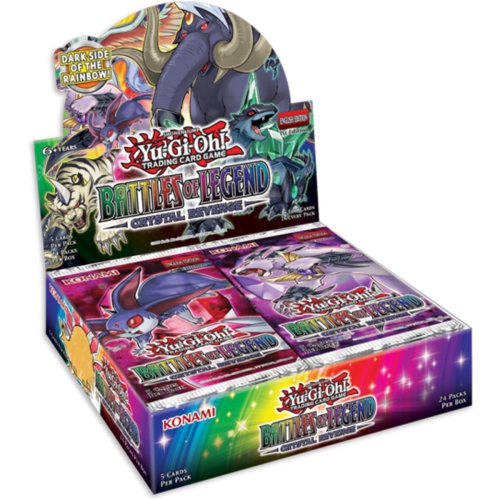

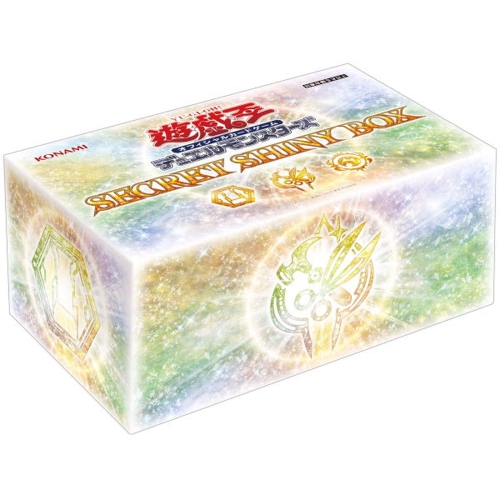

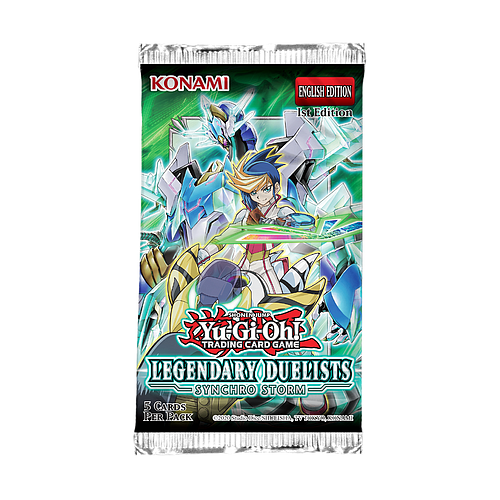


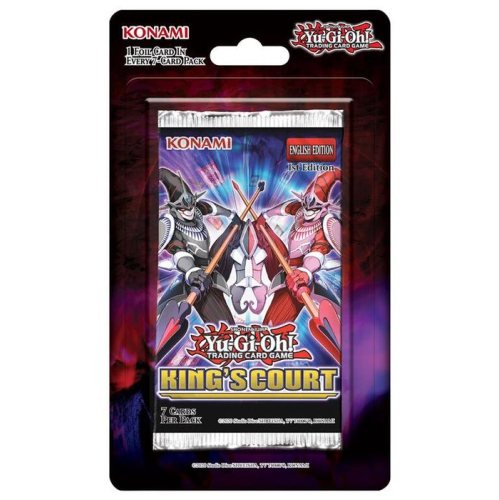


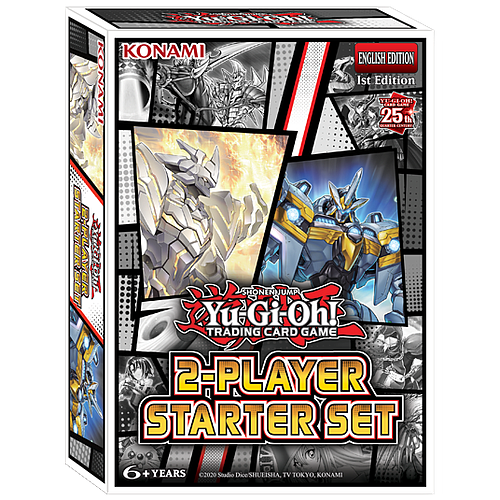


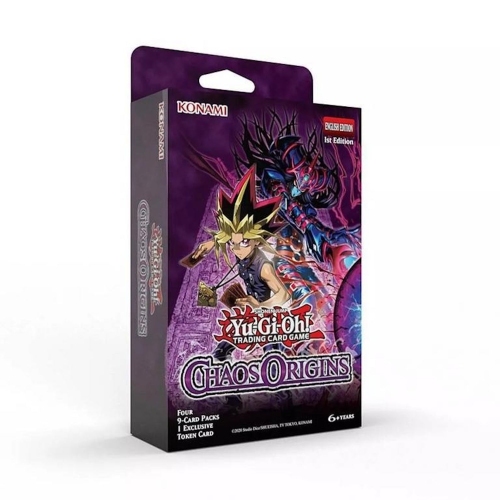

From themed binders to decks built for duels
Yu-Gi-Oh! card collections bring together the artwork, characters, and strategy of a trading card game in a form that can be enjoyed through collecting, deck building, or friendly play. A collection might focus on a favourite monster type, a connected group of cards, distinctive artwork, or the different printings of a familiar card. For someone who plays, the emphasis may be on cards that work together during a duel; for someone who collects, completing a themed binder can be just as satisfying. An interest in Yu-gi-oh can start with either approach, and many fans enjoy both. Common product formats include randomized booster packs, boxes containing multiple packs, themed collections, and preconstructed decks. Each serves a different purpose. Booster packs introduce an element of discovery, while a preconstructed deck provides a defined group of cards intended to function together. Themed collections bring attention to a particular part of the game, although their contents may combine fixed cards with randomized packs. Packaging descriptions matter because a box pictured with a particular character does not necessarily contain every card associated with that character. Fixed contents identify what is included, while randomized contents leave the exact cards uncertain. Monster, Spell, and Trap Cards form the foundation of the game, with different effects and interactions giving each collection its personality. Some fans enjoy dramatic illustrations and elaborate foil finishes; others prefer building a cohesive group around a shared strategy. Familiar artwork can also make collecting appealing to adults returning to a childhood hobby, while newer players may enjoy discovering how individual cards connect to the wider game. The distinction between collecting and playing helps explain why there is no single ideal collection: a display-focused binder, a casual deck, and a tournament-oriented card pool can have very different contents, even when they reflect the same favourite theme.
The character of a card collection depends on more than its size. Card names, printed effects, language, edition markings, set identifiers, and rarity all help distinguish one printing from another. A foil finish may highlight the illustration, lettering, or other parts of the card, but appearance alone does not determine how useful a card will be in play. Different printings can share the same game function while offering a different visual finish, and a reprinted card can appeal to someone who wants to play rather than complete an earlier set. Collectors often pay close attention to clean edges, sharp corners, surface scratches, and the alignment of the printed borders. Under a desk lamp, a faint scuff on a glossy surface can become much more noticeable than it appears inside a sleeve. Consistent printing and clear product information also matter, although no single visual feature should be treated as proof of authenticity. For collections intended for organized play, the relevant game format, permitted card versions, and current rules are important considerations. A collection centred on memorable older cards may be enjoyable for casual games without matching the requirements of a tournament deck. Likewise, a large assortment of unrelated cards is not automatically a ready-to-play deck. Cards generally need complementary effects and a workable balance to support a particular strategy. Language is another practical consideration for Canadian households: readable card text makes learning effects and resolving interactions easier, especially when several people share a collection. For a player refining a deck, cards that fill a missing role may be more useful than additional copies of cards already owned. For an artwork-focused collector, a different illustration or finish may be the main attraction. These distinctions make the contents and intended use more meaningful than the size or appearance of the outer packaging.
Storage and handling have a lasting effect on the condition of Yu-Gi-Oh! card collections. Trading cards are made from printed cardstock, often with coated surfaces or foil elements that can show wear from repeated shuffling, sliding across a table, or rubbing against neighbouring cards. Protective sleeves provide a replaceable barrier between the card and everyday handling. Yu-Gi-Oh! cards use a smaller format than many other trading cards, so sleeve dimensions deserve attention; packaging described only as suitable for trading cards may not provide a close fit. A sleeve should hold the card without bending it, while leaving enough room for easy insertion. Double-sleeving also requires compatible inner and outer sizes rather than simply combining two tight sleeves. Deck boxes suit cards that travel to game nights, while binders make it easier to view a collection without repeatedly touching the printed surfaces. Side-loading pockets and secure closures can help keep cards in place during transport, though overfilled pages may still put pressure on corners and edges. Rigid holders are another option for individual cards intended primarily for display. No storage accessory makes a card damage-proof, and keeping drinks, food, and direct sunlight away from a collection remains sensible. A clear table, clean hands, and a designated place for cards between games can prevent many ordinary mishaps. For gifting, the recipient’s relationship with the game is often the most useful starting point. A newcomer may appreciate a defined deck and straightforward storage, while an established collector may be more interested in a particular theme, artwork style, or opening experience. Someone who already keeps a carefully arranged binder may prefer additions that fit that focus rather than a broad assortment. For families and friends who play together, collections can become part of a shared routine: laying out decks, comparing new artwork, trading duplicates by mutual agreement, and returning favourite cards to their sleeves after the last duel.
Top selling and popular products
-
 Your price for this item is $279.97
-
 Your price for this item is $139.99
-
 Your price for this item is $109.25
-
 Your price for this item is $108.12
-
 Your price for this item is $109.25
-
 Your price for this item is $34.99
-
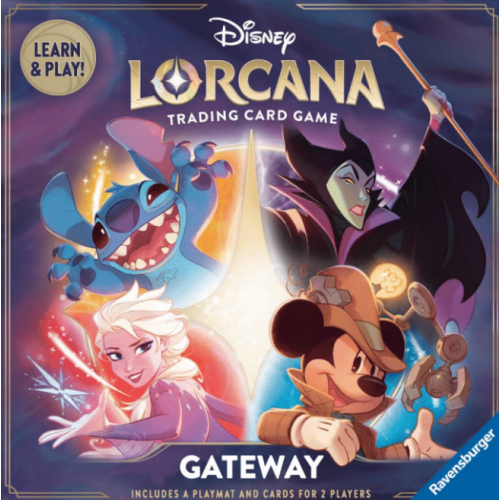 Your price for this item is $40.25
-
 Your price for this item is $59.99
Discover more categories related to Yugioh Card Collections

Top Collections:
Pokemon Centers, Kindle Devices, Best Budget Office Chairs, Canon G7X Cameras, Apple iPhones 16, Samsung Galaxy Phones, Refurbished Apple Laptops, Laptops for Students, iPhone 15 Apple, Budget Smartphones
Some products may be subject to Environmental Handling Fees
(EHF) depending on your province.
Learn more about EHFs.