16 Inch Backpacks for Kids
Backpacks are a great way for kids to carry their belongings to and from school. 16 inch backpacks are the perfect size for kids, as they are big enough to hold all of their necessary items, but not so big that it becomes too heavy for them to carry. Here are some of the great options for you.
Sort
![TODD BABY London City Excellent Designed Kids Rucksack School Backpack 16 Inch [ Londonroyal ]](https://multimedia.bbycastatic.ca/multimedia/products/500x500/111/11149/11149160.png)
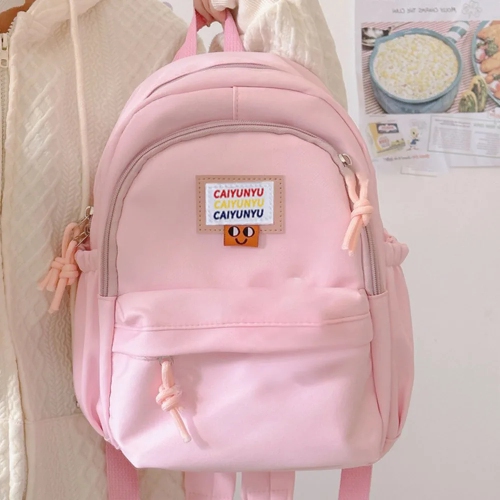
A comfortable fit for school days and activities
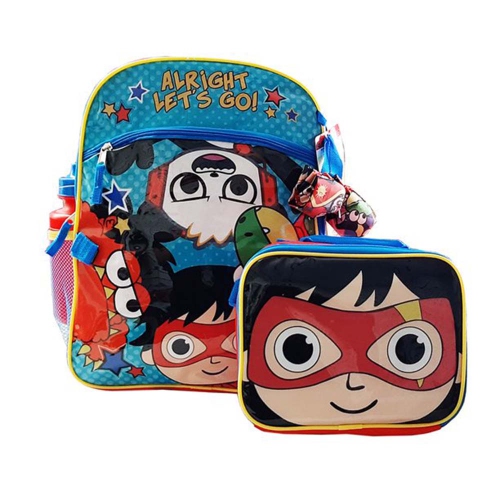
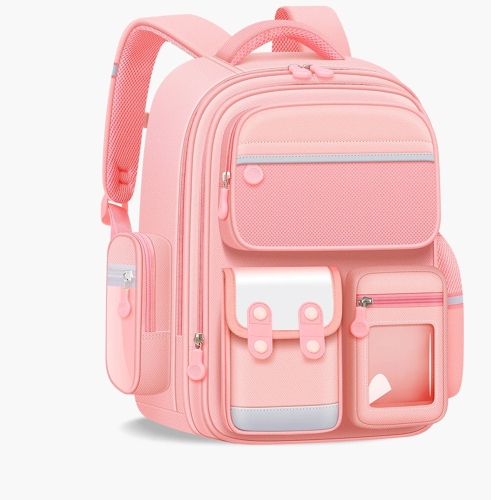
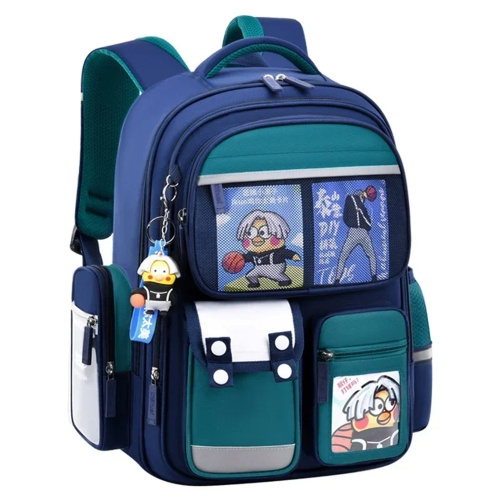
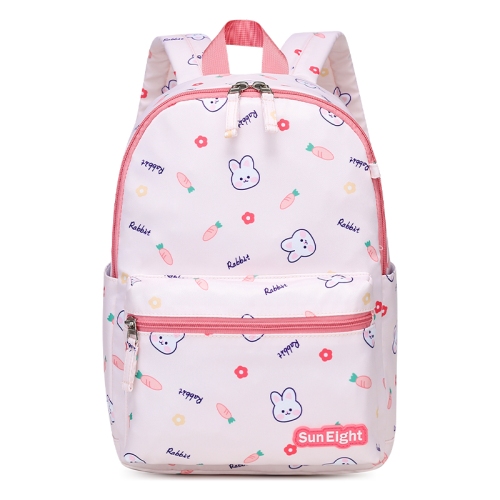
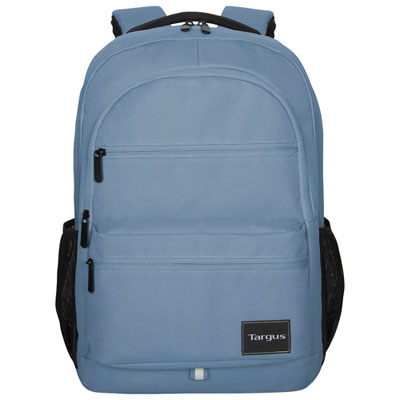
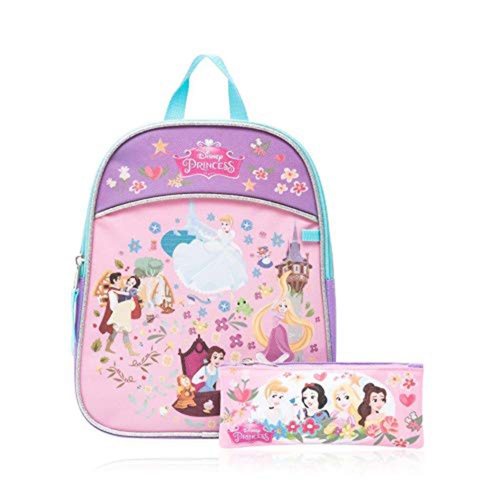
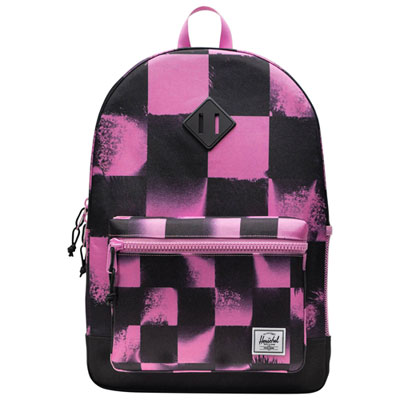
A 16-inch backpack is a practical size for many elementary school children, generally offering enough space for everyday classroom essentials without feeling excessively large on a smaller frame. Children in pre-kindergarten through the primary grades may use this style of backpack for folders, standard notebooks, reading books, pencil cases, a change of clothes and a snack, while older elementary students may appreciate the extra room for larger assignments or activity equipment. The listed measurement usually refers to the height of the bag, although the overall dimensions and usable capacity can vary between designs. Before choosing a backpack, consider the child’s daily routine and the amount they typically carry. A roomy main compartment can hold folders and books, while smaller front pockets help keep pencils, tissues, keys or small personal items easy to find. Side pockets are useful for a water bottle or compact umbrella, and a separate lunch compartment can help keep food containers away from schoolwork. Children often pack their bags in a hurry, so straightforward layouts, smooth zippers and clearly defined compartments can make mornings easier. A 16-inch backpack can also be a thoughtful gift for a child starting school, moving into a new grade or preparing for a new activity schedule. Bright colours, playful patterns and familiar themes may help children feel more attached to their bag, while a practical shape gives parents and caregivers the everyday function they need. For a child who carries a favourite book, small toy or comfort item along with school supplies, a little extra room can make the backpack more versatile without requiring a much larger design.
Fit matters just as much as capacity. Look for padded shoulder straps that can be adjusted so the backpack sits comfortably against the child’s back, with the lower edge resting near the waist rather than hanging far below it. Wide, softly cushioned straps can help distribute weight more comfortably, and a padded back panel may add support when the bag is filled with books. If the backpack includes a chest strap, it can help keep the shoulder straps in place during walks, bus rides or active play. It is also worth checking the bag’s empty weight, since a lightweight design leaves more room for the child’s actual belongings without making the load feel unnecessarily heavy. When packing, place heavier items close to the back and use the smaller pockets for lighter objects. A child who walks to school may benefit from a water-resistant outer material and secure closures that help protect contents during light rain, wet pavement or unexpected flurries. No backpack is completely weatherproof unless it is specifically described that way, so notebooks and electronics should still be placed in protective sleeves or pouches when conditions are damp. During the cooler months, children may need additional space for gloves, a hat, a scarf or an extra layer, while indoor classrooms can make removable layers useful throughout the day. Reflective details, bright panels or other visibility features may also be helpful during darker morning and afternoon commutes. For regular care, empty the bag completely from time to time, shake out crumbs and check every pocket for forgotten snacks or damp clothing. Follow the cleaning instructions provided for the material, and allow the backpack to dry fully before it is packed again. These simple habits can help preserve the shape, zippers and lining through a busy school year.
A 16-inch backpack is not limited to school use. It can hold colouring supplies and storybooks for library visits, a change of clothing for an after-school programme, or small travel essentials for a weekend with family. For day trips, the main compartment may fit a light sweater and snacks, while exterior pockets keep tissues, travel cards or a water bottle within easy reach. Children attending sports, music, art or recreation activities can use the same bag to separate personal items from the supplies needed for class. If the backpack will be shared between school and extracurricular activities, check whether the interior is large enough for the required equipment and whether the bottom can rest securely without tipping over. Families shopping for a gift may find this size especially useful because it suits a range of ages and routines, and it can be prepared with a lunch container, pencil case, water bottle or a new book for a personal touch. Choose features based on the child rather than appearance alone: a younger child may benefit from easy-open zippers and a simple interior, while an older elementary student may prefer more pockets, a larger opening or room for a tablet. When schoolwork includes a laptop or a larger device, a dedicated sleeve and additional protective padding become more important. Children who have outgrown a standard school bag or need a different configuration for commuting can browse 18 Inch Laptop Backpacks for designs with more device-focused storage. For most everyday elementary-school routines, however, a well-fitted 16-inch backpack provides a balanced combination of capacity, comfort and easy organisation. By matching the size and features to the child’s frame, schedule and belongings, families can choose a bag that feels manageable on the walk to school and useful from the first class of the day through the journey home.
Fit matters just as much as capacity. Look for padded shoulder straps that can be adjusted so the backpack sits comfortably against the child’s back, with the lower edge resting near the waist rather than hanging far below it. Wide, softly cushioned straps can help distribute weight more comfortably, and a padded back panel may add support when the bag is filled with books. If the backpack includes a chest strap, it can help keep the shoulder straps in place during walks, bus rides or active play. It is also worth checking the bag’s empty weight, since a lightweight design leaves more room for the child’s actual belongings without making the load feel unnecessarily heavy. When packing, place heavier items close to the back and use the smaller pockets for lighter objects. A child who walks to school may benefit from a water-resistant outer material and secure closures that help protect contents during light rain, wet pavement or unexpected flurries. No backpack is completely weatherproof unless it is specifically described that way, so notebooks and electronics should still be placed in protective sleeves or pouches when conditions are damp. During the cooler months, children may need additional space for gloves, a hat, a scarf or an extra layer, while indoor classrooms can make removable layers useful throughout the day. Reflective details, bright panels or other visibility features may also be helpful during darker morning and afternoon commutes. For regular care, empty the bag completely from time to time, shake out crumbs and check every pocket for forgotten snacks or damp clothing. Follow the cleaning instructions provided for the material, and allow the backpack to dry fully before it is packed again. These simple habits can help preserve the shape, zippers and lining through a busy school year.
A 16-inch backpack is not limited to school use. It can hold colouring supplies and storybooks for library visits, a change of clothing for an after-school programme, or small travel essentials for a weekend with family. For day trips, the main compartment may fit a light sweater and snacks, while exterior pockets keep tissues, travel cards or a water bottle within easy reach. Children attending sports, music, art or recreation activities can use the same bag to separate personal items from the supplies needed for class. If the backpack will be shared between school and extracurricular activities, check whether the interior is large enough for the required equipment and whether the bottom can rest securely without tipping over. Families shopping for a gift may find this size especially useful because it suits a range of ages and routines, and it can be prepared with a lunch container, pencil case, water bottle or a new book for a personal touch. Choose features based on the child rather than appearance alone: a younger child may benefit from easy-open zippers and a simple interior, while an older elementary student may prefer more pockets, a larger opening or room for a tablet. When schoolwork includes a laptop or a larger device, a dedicated sleeve and additional protective padding become more important. Children who have outgrown a standard school bag or need a different configuration for commuting can browse 18 Inch Laptop Backpacks for designs with more device-focused storage. For most everyday elementary-school routines, however, a well-fitted 16-inch backpack provides a balanced combination of capacity, comfort and easy organisation. By matching the size and features to the child’s frame, schedule and belongings, families can choose a bag that feels manageable on the walk to school and useful from the first class of the day through the journey home.
Top selling and popular products
-
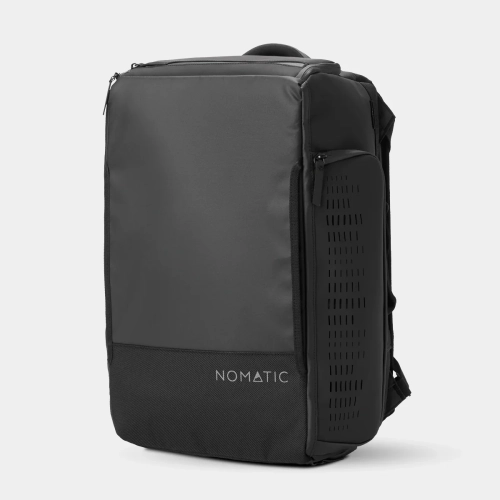 Your price for this item is $419.99
 -
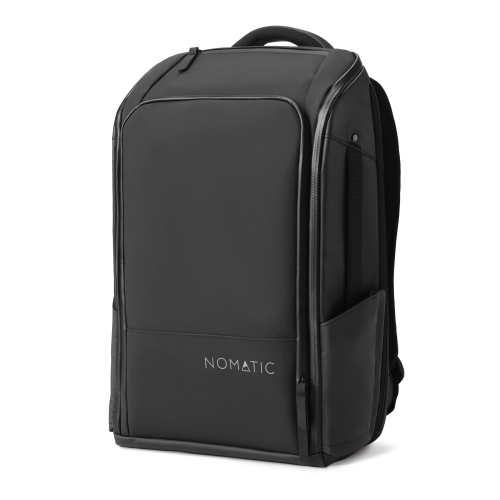 Your price for this item is $399.99
 -
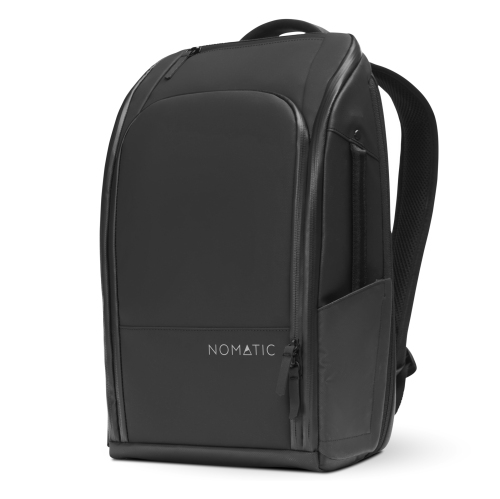 Your price for this item is $369.99
 -
 Your price for this item is $399.99
 -
 Your price for this item is $218.48
 -
 Your price for this item is $124.99
 -
 Your price for this item is $99.99
 -
 Your price for this item is $59.97
Discover more categories related to 16 Inch Backpacks for Kids
Top Collections:
Pokemon Centers, Kindle Devices, Best Budget Office Chairs, Apple iPhones 16, Best Laptops for Writers, iPhone 15 Apple, Canon G7X Cameras, Refurbished Apple Laptops, Alarm Clock, Motorola Razr Phones
Some products may be subject to Environmental Handling Fees
(EHF) depending on your province.
Learn more about EHFs.