Carry On Rolling Luggage
Travel with ease and confidence by choosing carry on rolling luggage designed for convenience and style. Whether you're heading out for a quick business trip or a weekend getaway, these versatile travel companions help keep your essentials organized and within reach. With a variety of sizes, colors, and designs to suit every traveler, finding the perfect carry on rolling luggage is simple. Explore options that make navigating airports and hotels effortless, ensuring your journey starts smoothly from the moment you pack.
Sort
Why cabin fit matters as much as packing space
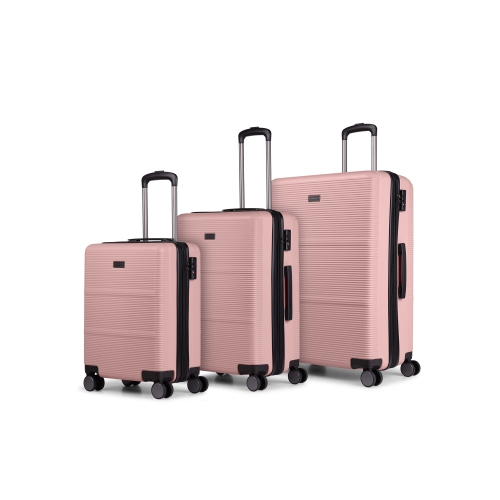
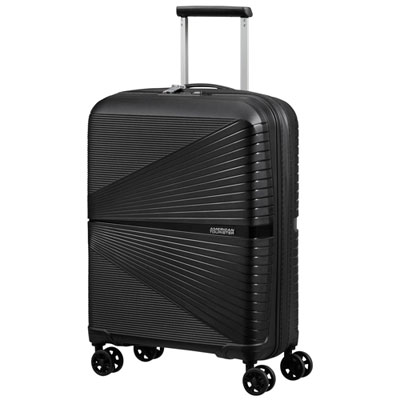
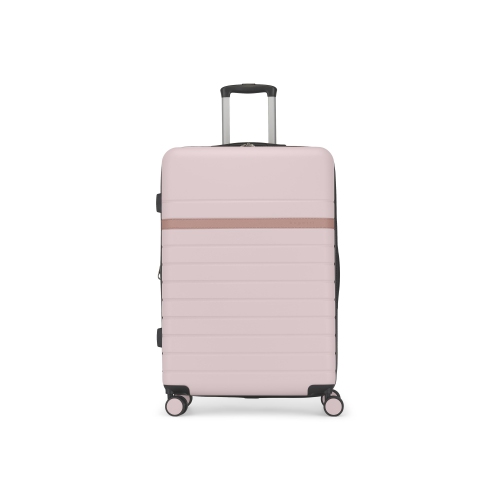
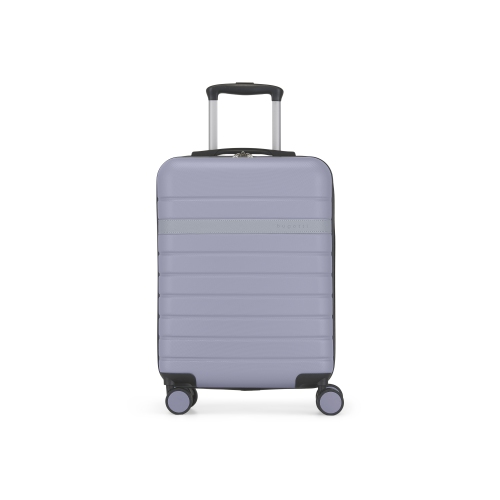
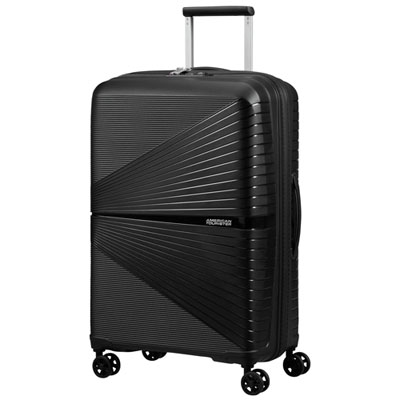
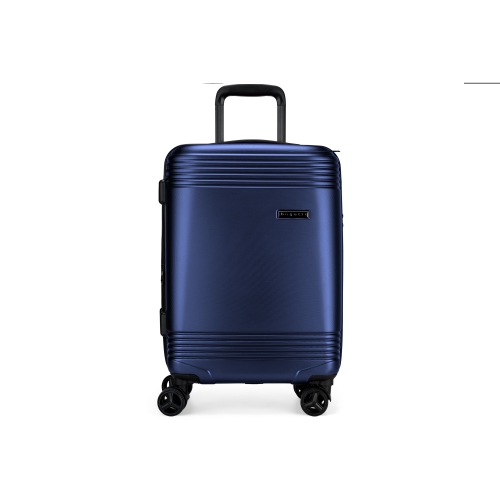
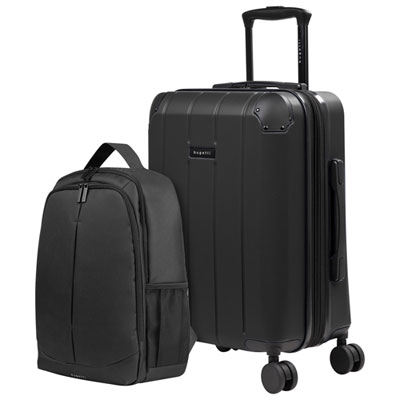
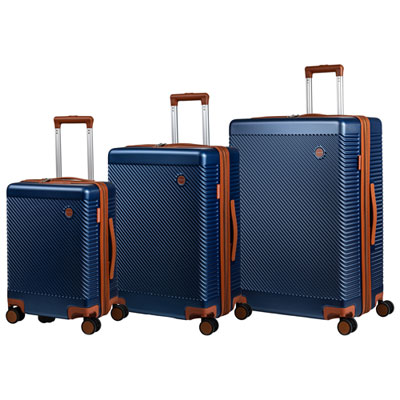
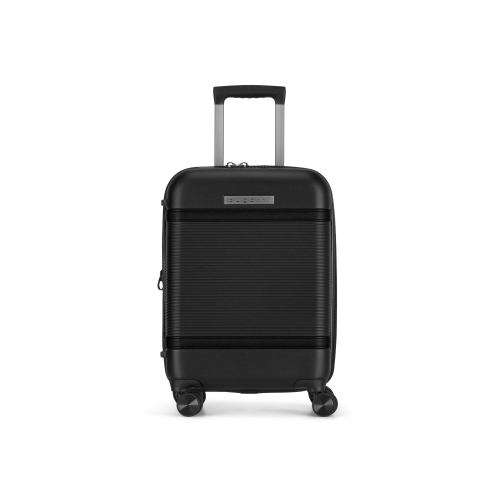
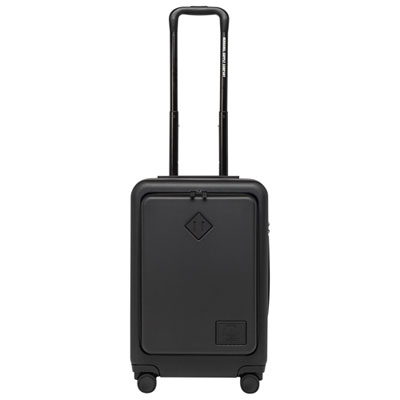
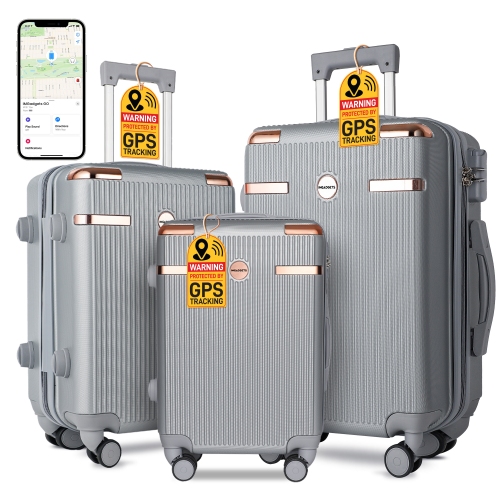
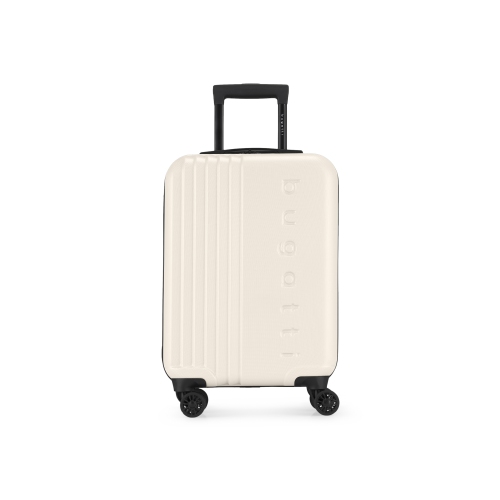
Carry-on rolling luggage keeps clothing, footwear, and travel essentials together in a compact suitcase that can move through terminals without being carried the entire way. It suits short business trips, weekends away, and longer journeys built around a smaller wardrobe, while also serving as a useful companion to checked luggage. The right fit starts with the airline’s cabin baggage rules rather than the suitcase’s description alone. A commonly cited carry-on size is 22 x 14 x 9 inches, but permitted dimensions and weight vary by airline, fare type, and route. Exterior measurements need to include wheels, handles, and any protruding pockets; a bag described as cabin-sized is not guaranteed to fit every overhead compartment. Expandable sections can add packing room, although opening them may push the case beyond the permitted depth. Empty weight matters as well, especially when a carrier sets a strict cabin baggage weight allowance or when the suitcase needs to be lifted onto a train rack. Rolling designs reduce how much carrying is needed on level ground, but stairs and overhead storage still require lifting. A sturdy top handle, a side handle, and a balanced load can make those moments more manageable. Four-wheel spinner luggage typically uses swivelling wheels that let the case travel upright beside its owner and turn through queues with little repositioning. Two-wheel rolling luggage tilts behind the traveller, with recessed wheels that can be easier to pull over uneven paving or carpet transitions, depending on wheel size and construction. Neither format is best for every journey: smooth terminal floors favour easy multidirectional movement, while a route involving sidewalks and station entrances places more emphasis on wheel clearance and stability. For someone travelling with a shoulder bag or helping a child through a terminal, a case that tracks predictably and stays balanced can matter as much as its packing capacity. Even a compliant carry-on may need to be checked at the gate if cabin space is limited, so essential medication, identification, and valuables are best kept easy to remove.
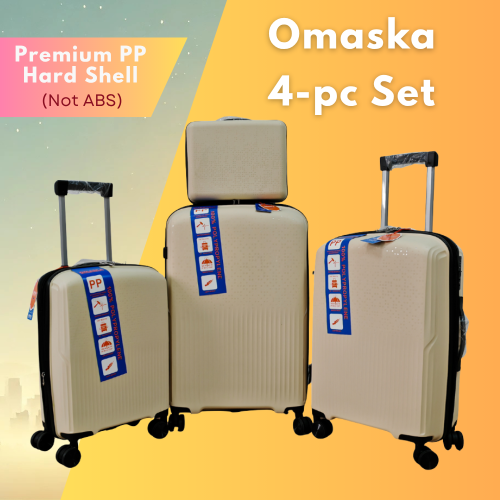
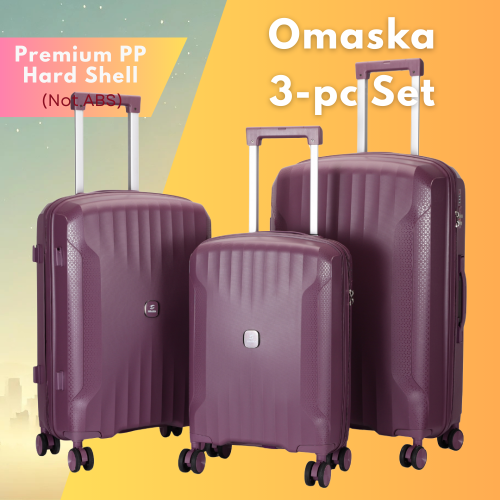
Materials shape how carry-on rolling luggage feels, packs, and stands up to repeated handling. Hardside cases offer a structured outer shell that helps shield contents from pressure and minor impacts, though the shell alone does not make fragile belongings safe without padding. Polycarbonate is valued for its relatively light weight and ability to flex, while ABS is generally more rigid and may be less forgiving under impact. Polypropylene offers another lightweight shell option, with performance depending on the case’s construction and thickness. Softside luggage commonly uses woven polyester or nylon, sometimes with reinforced corners and abrasion-resistant panels. Its fabric exterior can provide a little flexibility around packed clothing, and outside pockets may give quicker access to documents or a light layer without opening the main compartment. Softside does not mean unlimited stretch, however, and an overfilled front pocket can change both the measured depth and the balance of the suitcase. Hardside cases often open into two divided halves, which can separate shoes from clothing but require more floor space when fully opened. A lid-style softside opening may be more convenient on a narrow luggage stand or beside a bed. Interior compression straps help keep folded clothes in place, while zipped dividers and mesh pockets separate small accessories from the main load. A dedicated laptop compartment can be useful for work travel, provided its dimensions and padding suit the device; not every exterior pocket is designed to protect electronics. For a two-night trip, the practical test is whether a change of shoes, toiletries, and folded outfits fit without straining the zip. For longer travel, packing cubes can keep outfits grouped, although they organize space rather than increase the case’s permitted capacity. Details such as reinforced stitching, securely attached wheel housings, smooth-running zips, and a telescopic handle with minimal sideways movement offer useful clues to construction quality. Multiple handle positions help accommodate different heights and walking strides, allowing the suitcase to roll without repeatedly catching the traveller’s heels.
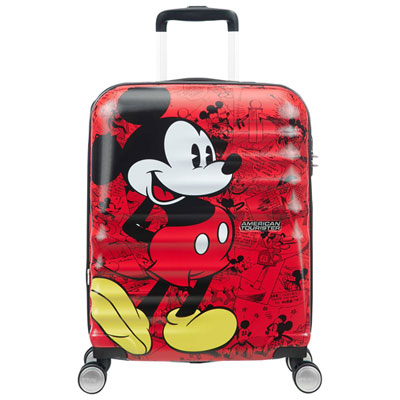
Everyday usability often comes down to details that are easy to overlook until a suitcase is packed. A wide, comfortable grip can feel better during a long walk between gates, while accessible lifting handles help when moving the case into a car boot or onto a luggage rack. An attachment sleeve on a separate personal bag can keep it seated over the rolling case’s handle, but a heavy bag stacked on top may make the arrangement unstable. Built-in locks add a measure of access control rather than theft-proof protection, and inspection-compatible locks may allow authorized screening staff to open luggage without cutting the lock where the corresponding system is used. Interior lining that can be wiped clean is helpful after a toiletry leak, while a separate pouch for liquids provides another layer of containment. Care requirements depend on the material: hard shells generally benefit from a soft cloth and mild soap, and fabric cases are usually best spot-cleaned according to the manufacturer’s directions. Harsh solvents, abrasive pads, and soaking can damage finishes, coatings, or internal components. Hair, grit, and loose threads caught around wheels can interfere with movement, so occasional cleaning around the axles helps keep them turning freely. Letting a case dry fully before storage and avoiding prolonged compression beneath heavy objects can help preserve its shape. Replaceable wheels or handles, where supported, can make repairs more practical after repeated trips; warranty terms also deserve attention because normal wear and transport damage may be treated differently. Colour is a practical preference as well as a style choice. Dark shades tend to make some marks less noticeable, while a distinctive colour can help a traveller recognize a case among similar bags. For a brighter look, Red Carry On Luggage offers a clear colour direction without changing the importance of size, weight, and handling. Carry-on rolling luggage can also be a thoughtful gift for a student travelling between home and campus, a frequent business traveller, or someone planning a first independent trip. Matching the case to that person’s usual transport, lifting comfort, and packing habits makes it more useful than choosing by appearance alone.
Materials shape how carry-on rolling luggage feels, packs, and stands up to repeated handling. Hardside cases offer a structured outer shell that helps shield contents from pressure and minor impacts, though the shell alone does not make fragile belongings safe without padding. Polycarbonate is valued for its relatively light weight and ability to flex, while ABS is generally more rigid and may be less forgiving under impact. Polypropylene offers another lightweight shell option, with performance depending on the case’s construction and thickness. Softside luggage commonly uses woven polyester or nylon, sometimes with reinforced corners and abrasion-resistant panels. Its fabric exterior can provide a little flexibility around packed clothing, and outside pockets may give quicker access to documents or a light layer without opening the main compartment. Softside does not mean unlimited stretch, however, and an overfilled front pocket can change both the measured depth and the balance of the suitcase. Hardside cases often open into two divided halves, which can separate shoes from clothing but require more floor space when fully opened. A lid-style softside opening may be more convenient on a narrow luggage stand or beside a bed. Interior compression straps help keep folded clothes in place, while zipped dividers and mesh pockets separate small accessories from the main load. A dedicated laptop compartment can be useful for work travel, provided its dimensions and padding suit the device; not every exterior pocket is designed to protect electronics. For a two-night trip, the practical test is whether a change of shoes, toiletries, and folded outfits fit without straining the zip. For longer travel, packing cubes can keep outfits grouped, although they organize space rather than increase the case’s permitted capacity. Details such as reinforced stitching, securely attached wheel housings, smooth-running zips, and a telescopic handle with minimal sideways movement offer useful clues to construction quality. Multiple handle positions help accommodate different heights and walking strides, allowing the suitcase to roll without repeatedly catching the traveller’s heels.
Everyday usability often comes down to details that are easy to overlook until a suitcase is packed. A wide, comfortable grip can feel better during a long walk between gates, while accessible lifting handles help when moving the case into a car boot or onto a luggage rack. An attachment sleeve on a separate personal bag can keep it seated over the rolling case’s handle, but a heavy bag stacked on top may make the arrangement unstable. Built-in locks add a measure of access control rather than theft-proof protection, and inspection-compatible locks may allow authorized screening staff to open luggage without cutting the lock where the corresponding system is used. Interior lining that can be wiped clean is helpful after a toiletry leak, while a separate pouch for liquids provides another layer of containment. Care requirements depend on the material: hard shells generally benefit from a soft cloth and mild soap, and fabric cases are usually best spot-cleaned according to the manufacturer’s directions. Harsh solvents, abrasive pads, and soaking can damage finishes, coatings, or internal components. Hair, grit, and loose threads caught around wheels can interfere with movement, so occasional cleaning around the axles helps keep them turning freely. Letting a case dry fully before storage and avoiding prolonged compression beneath heavy objects can help preserve its shape. Replaceable wheels or handles, where supported, can make repairs more practical after repeated trips; warranty terms also deserve attention because normal wear and transport damage may be treated differently. Colour is a practical preference as well as a style choice. Dark shades tend to make some marks less noticeable, while a distinctive colour can help a traveller recognize a case among similar bags. For a brighter look, Red Carry On Luggage offers a clear colour direction without changing the importance of size, weight, and handling. Carry-on rolling luggage can also be a thoughtful gift for a student travelling between home and campus, a frequent business traveller, or someone planning a first independent trip. Matching the case to that person’s usual transport, lifting comfort, and packing habits makes it more useful than choosing by appearance alone.
Top selling and popular products
-
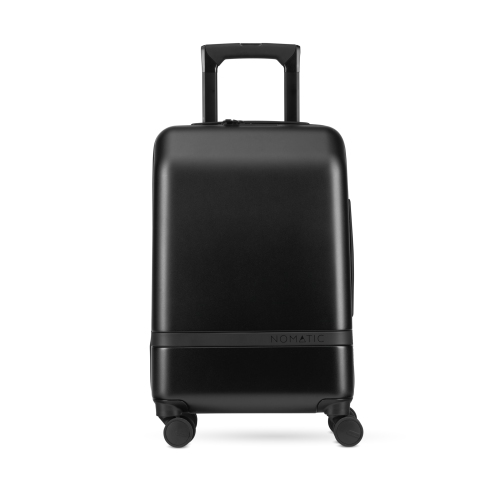 Your price for this item is $559.99
 -
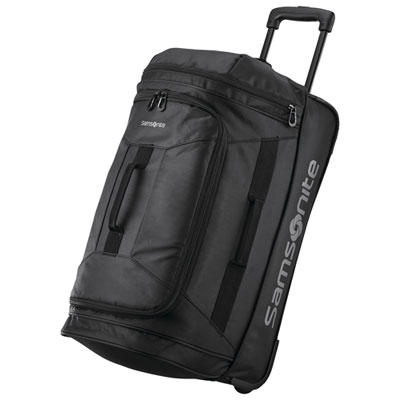 Your price for this item is $109.99
 -
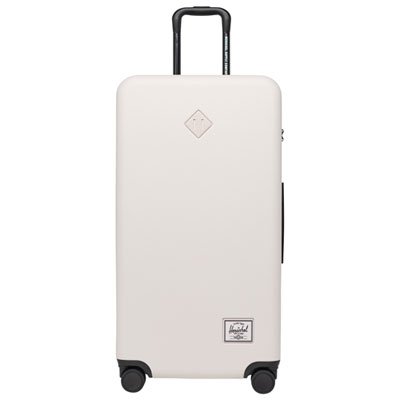 Your price for this item is $424.99
 -
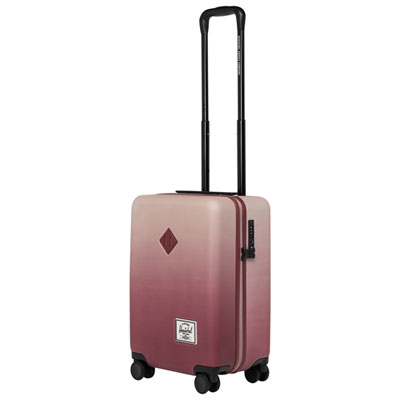 Your price for this item is $199.99
 -
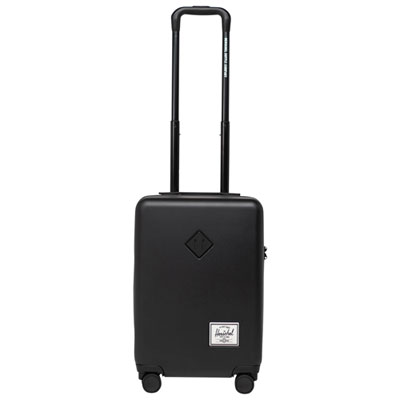 Your price for this item is $274.99
 -
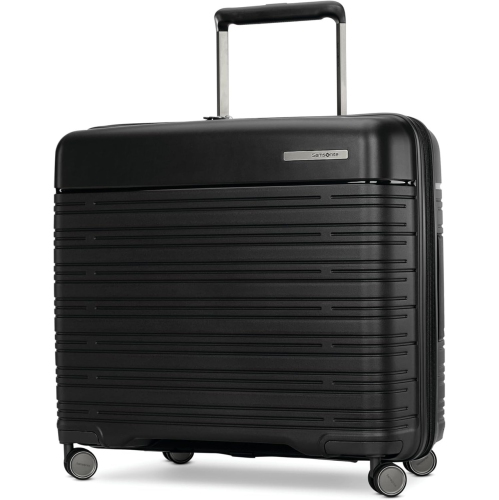 Your price for this item is $399.99
 -
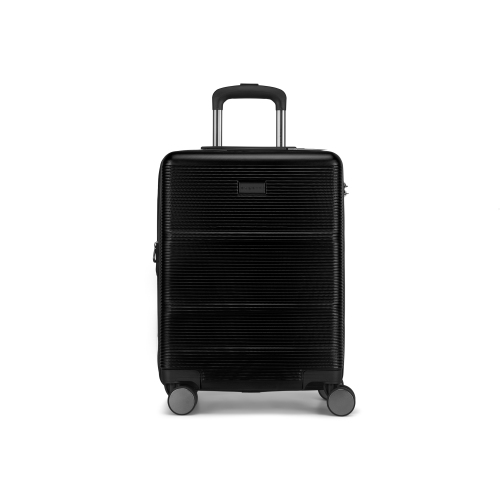 Your price for this item is $89.99
 -
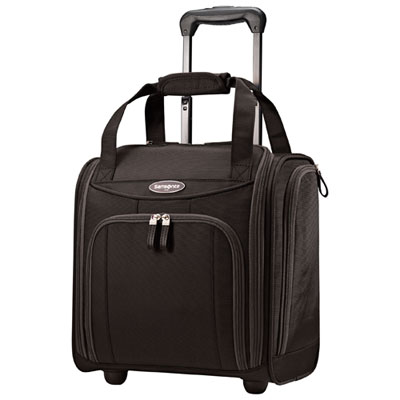 Your price for this item is $154.99
Discover more categories related to Carry On Rolling Luggage
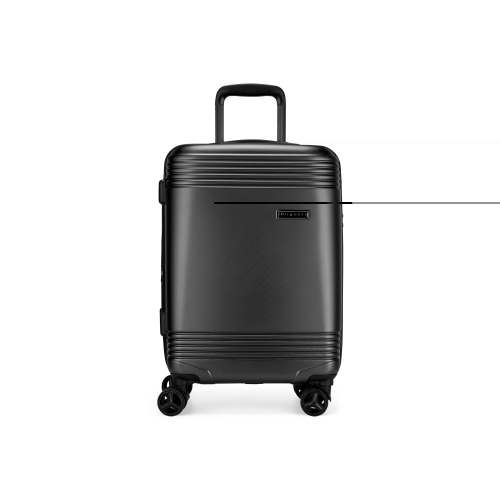
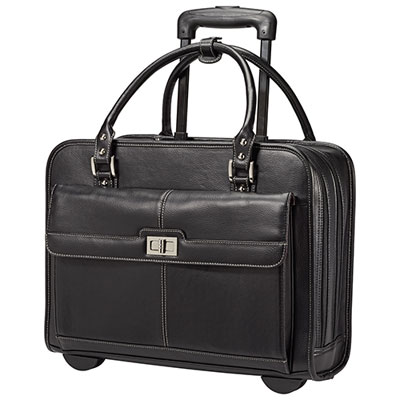
Top Collections:
Pokemon Centers, Kindle Devices, Best Budget Office Chairs, Apple iPhones 16, Samsung Galaxy Phones, Canon G7X Cameras, iPhone 15 Apple, Flip Phones, Best Laptops for Writers, Alarm Clock
Some products may be subject to Environmental Handling Fees
(EHF) depending on your province.
Learn more about EHFs.