Carry On Suitcase
Carry-on suitcases are an essential travel companion that offers convenience and efficiency. With their compact size, they allow travelers to avoid the hassle of checking in luggage and long wait times at baggage claim. Additionally, these carry-on suitcases ensure that your belongings are always within reach, reducing the risk of lost or damaged items. Invest in these carry-on suitcases today and experience stress-free travel like never before!
Sort
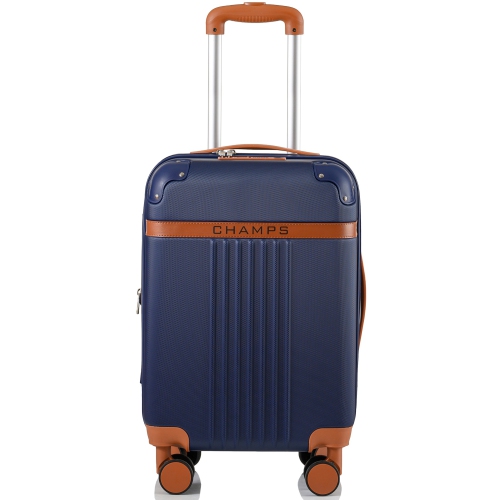
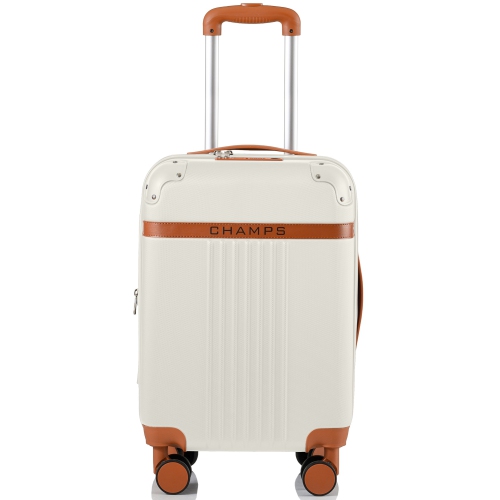
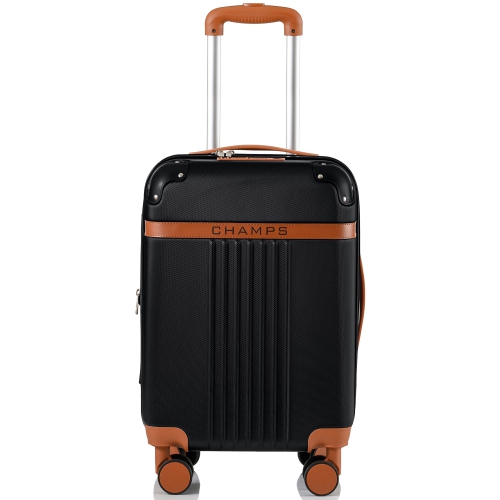
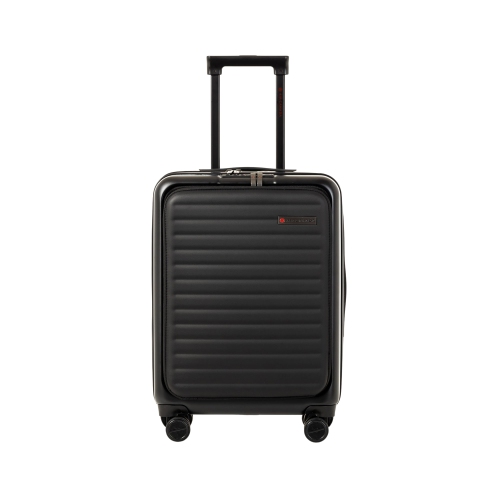
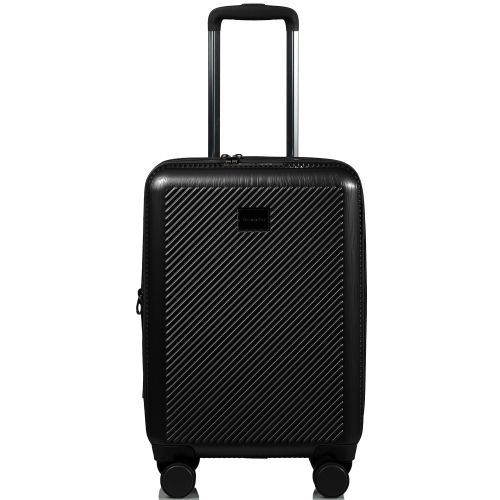
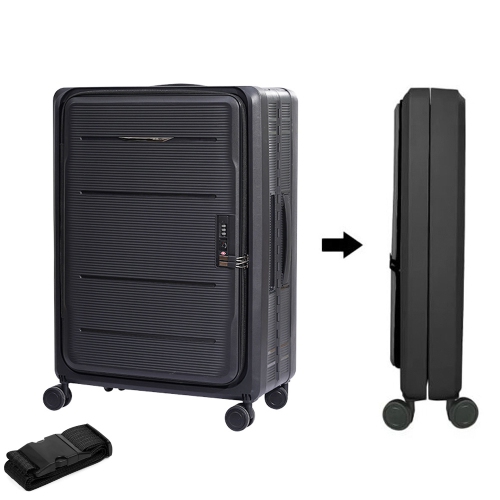
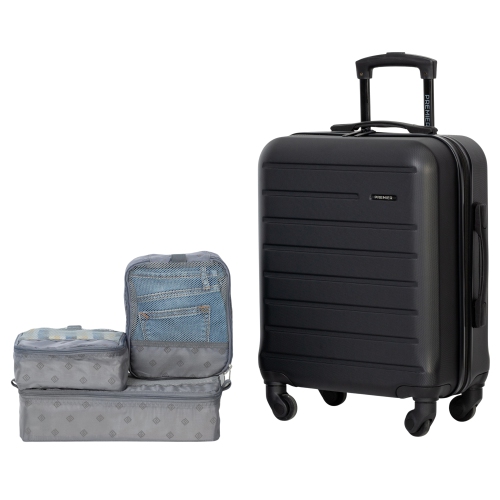
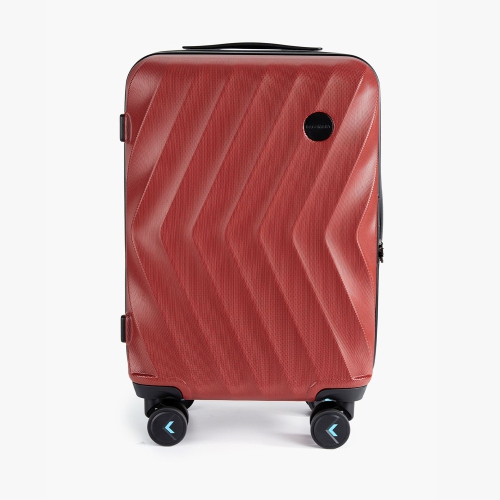

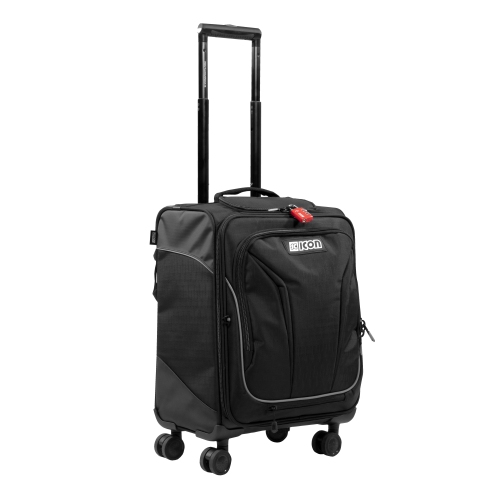
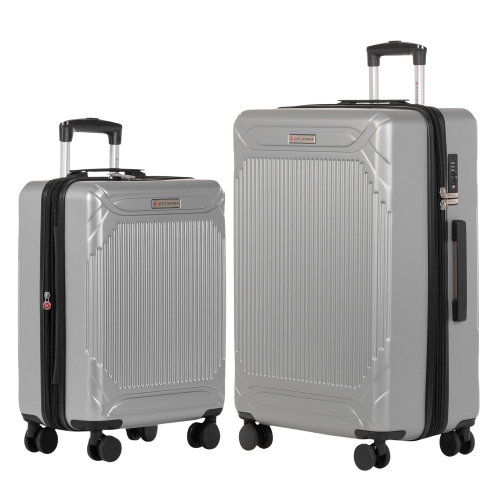
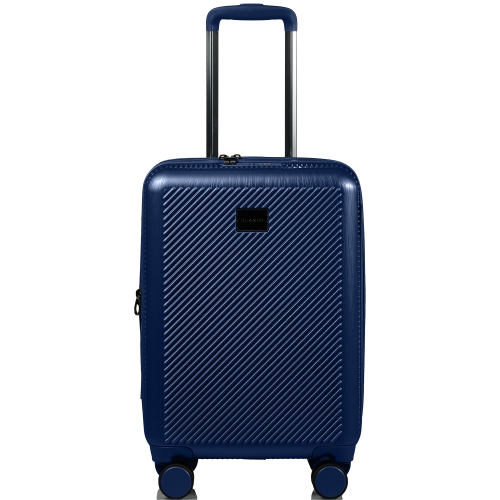
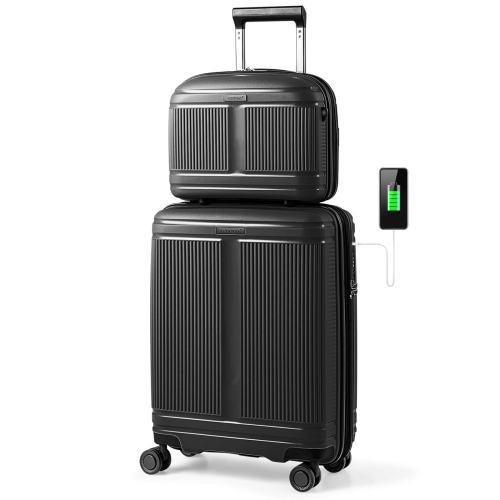
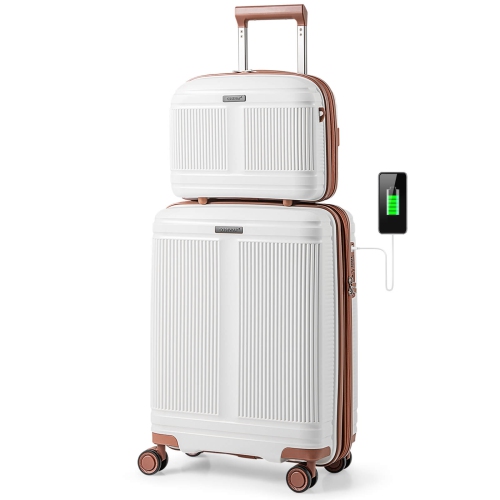
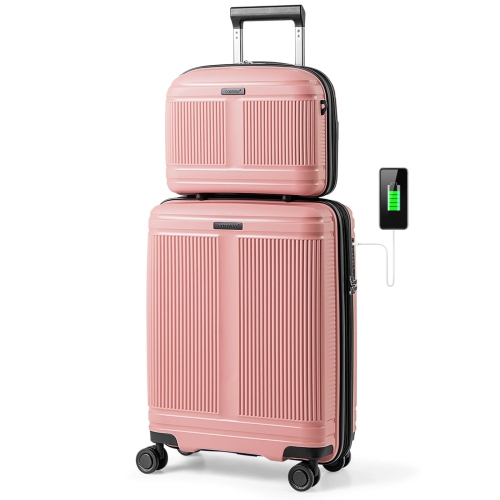
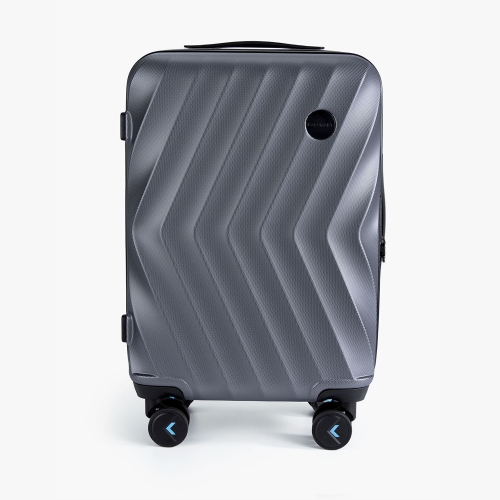
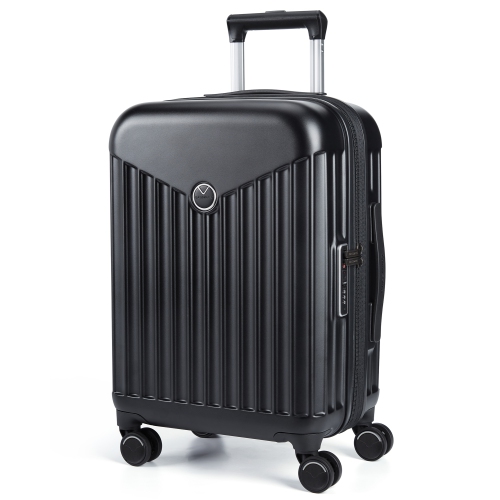
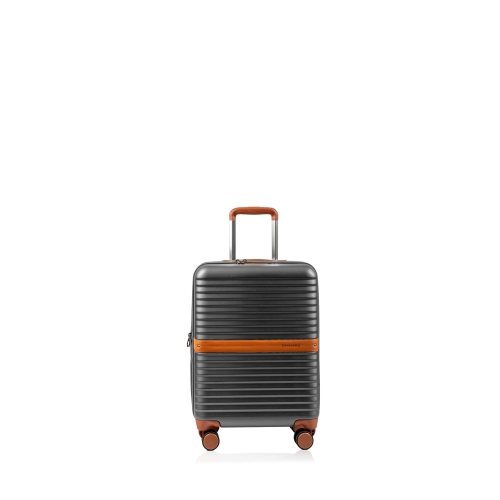
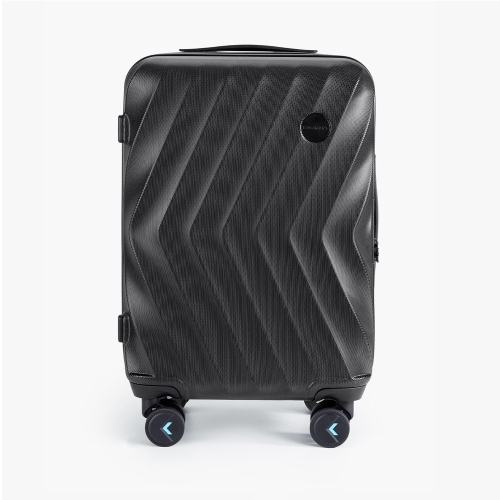
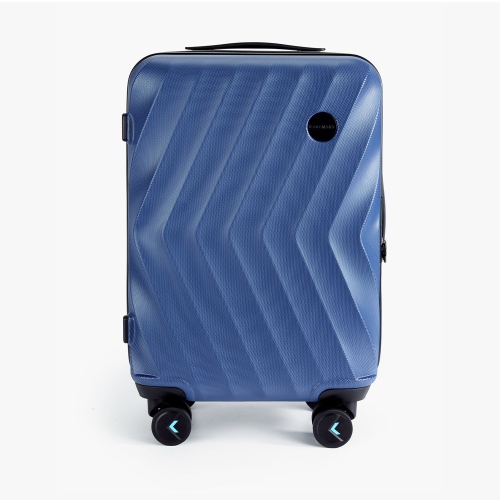
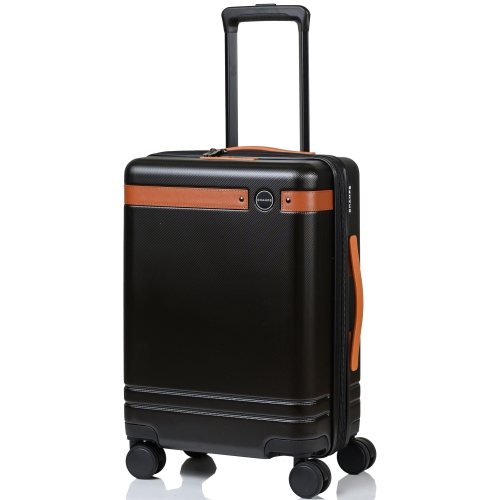
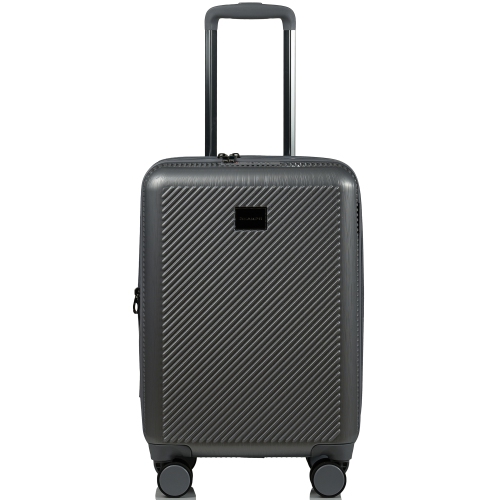
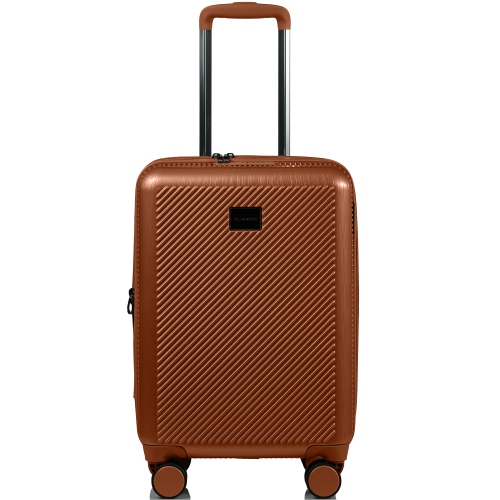
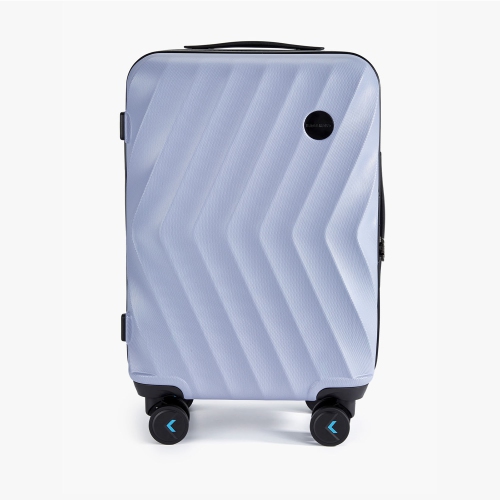
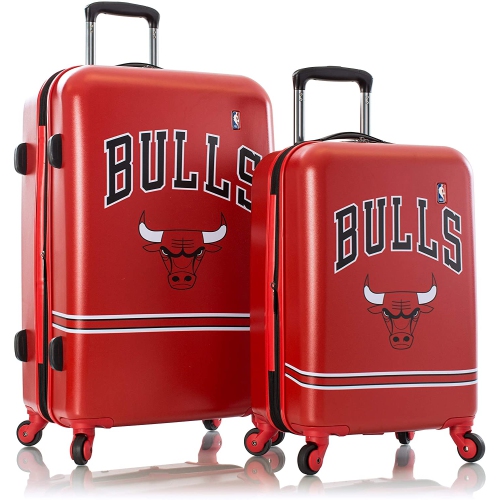
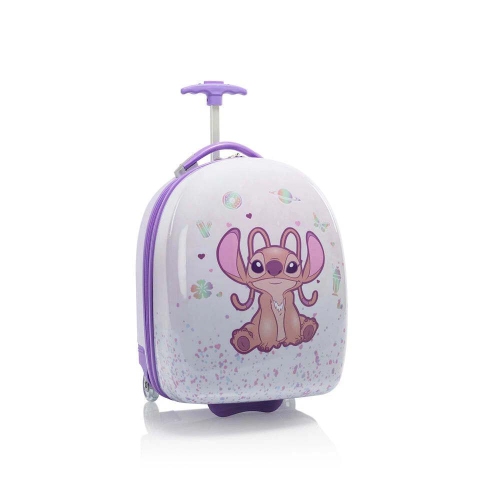
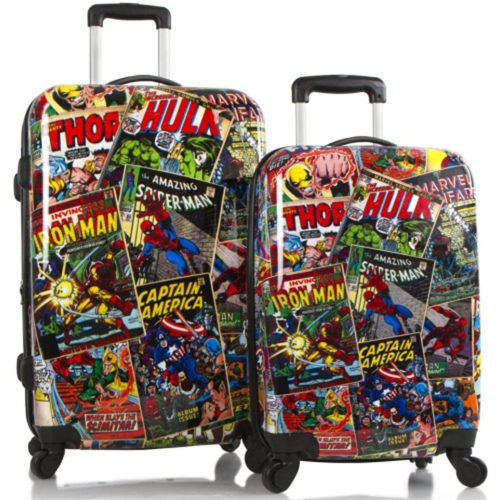
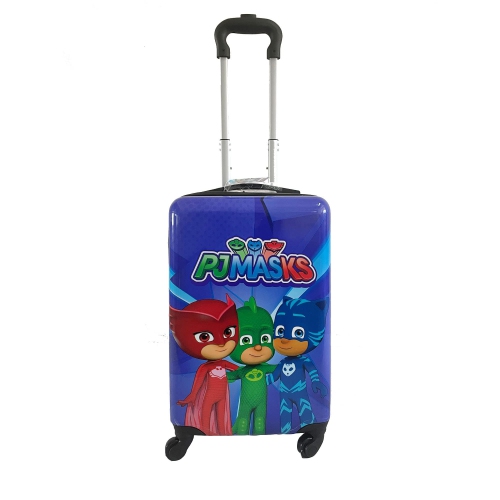
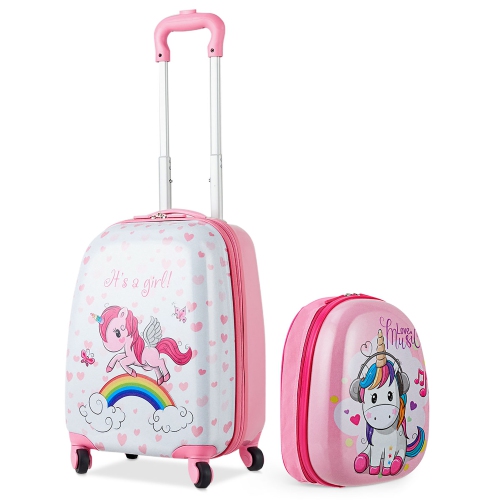
Why cabin fit depends on more than case size
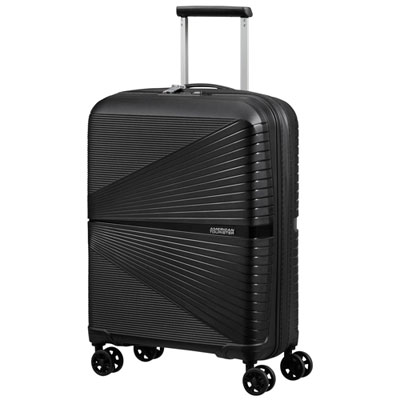
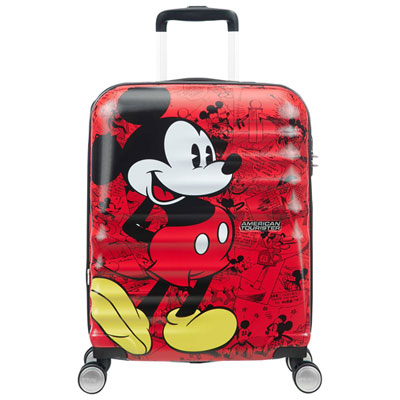
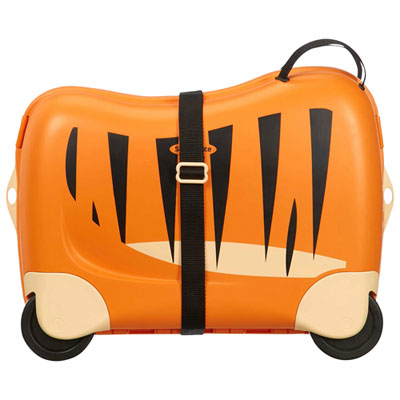
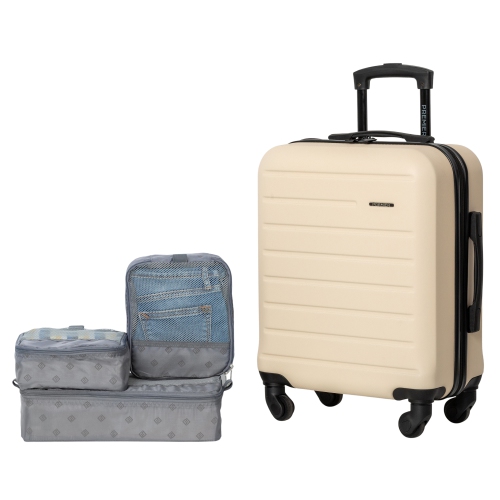
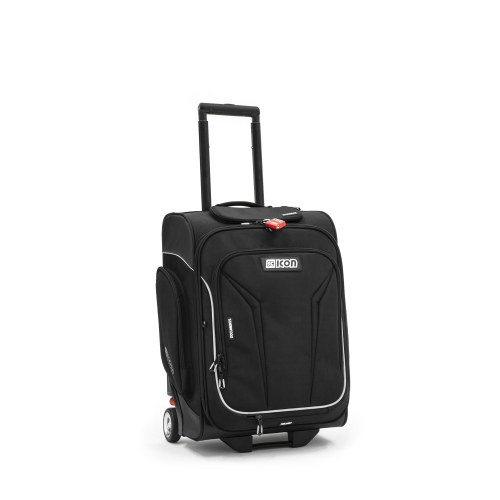
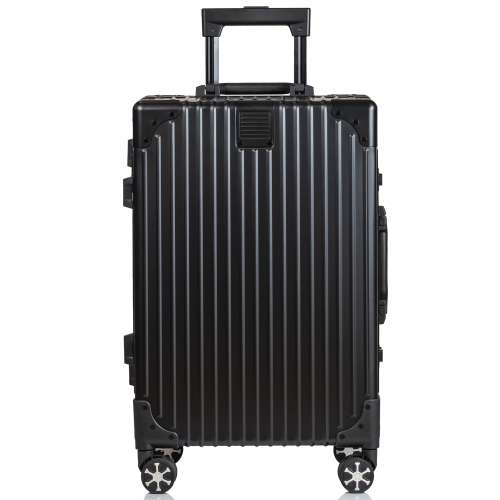
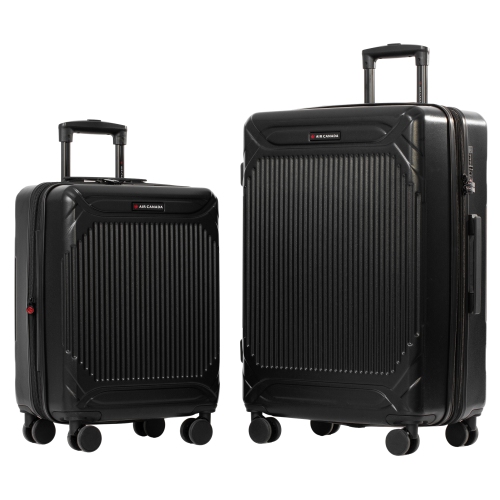
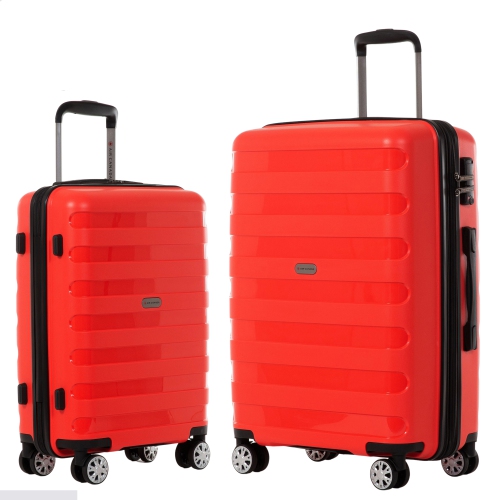
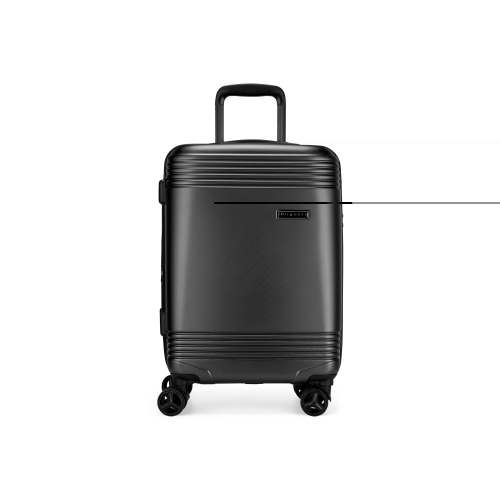
Carry-on suitcases keep clothing, toiletries, and travel essentials close at hand in a compact case designed for cabin travel. They suit business trips, weekend visits, and longer journeys where a smaller wardrobe is enough, with layouts that range from a single deep compartment to two divided packing sections. The right fit starts with the suitcase’s full exterior measurements, including wheels, handles, and any protruding pockets, rather than its advertised case size alone. There is no universal carry-on size: dimensions around 21 inches high by 14 inches wide by 9 inches deep are a useful reference point, but each airline sets its own size, weight, and baggage allowance rules. Those rules may also vary by fare or aircraft, so a suitcase described as cabin-sized is not a guarantee of acceptance on every flight. An expandable section creates extra room for the return journey, although opening it can push the case beyond the permitted depth. Interior capacity matters just as much as exterior size. A traveller packing a jacket and dress shoes needs a different layout from someone carrying a few casual outfits and a compact toiletry bag. Zipped dividers help separate clean clothing from footwear, while compression straps hold folded layers in place when the suitcase is lifted into an overhead bin. Lined pockets provide smaller spaces for charging cables and accessories that might otherwise settle at the bottom. A front compartment can make a boarding pass or reading material easier to reach without opening the main section, though filling exterior pockets changes the overall depth of the bag. For travellers who carry a laptop, a dedicated padded sleeve can be useful, provided its stated dimensions match the device. A carry-on suitcase is generally intended for an overhead bin rather than the space under a seat; a separate personal bag may be better suited to medication, travel documents, and essentials needed during the flight, subject to the airline’s allowance.
Shell construction shapes how a carry-on suitcase packs, handles everyday knocks, and fits into a travel routine. Hard-shell cases commonly use polycarbonate, ABS, polypropylene, or blends of these materials. Polycarbonate is valued for its combination of flexibility and impact resistance, while ABS is typically more rigid and may be less forgiving under a sharp impact. Polypropylene offers a lightweight, flexible shell, although the durability of any case also depends on its construction, hardware, and handling. A hard exterior helps shield contents from pressure and incidental bumps, but fragile belongings still need cushioning inside. Textured finishes can make light scuffs less noticeable; smooth surfaces are often straightforward to wipe clean. Softside suitcases usually feature woven polyester or nylon fabric over a supporting frame. Their flexible sides and exterior pockets appeal to travellers who want accessible storage and a little give when packing, but overfilling can distort the shape and make the case harder to fit within a sizing frame. Neither shell style should be assumed waterproof, since moisture can enter through seams, zips, and other openings. The opening style also affects day-to-day use. A centre-split hard-shell case spreads across two shallow halves, making it easy to see clothing on both sides when space allows. A softside case with a lid opening often has one deeper compartment and may be easier to access on a narrow luggage rack. Empty weight deserves attention because the suitcase itself counts towards any cabin baggage weight limit. A lighter case leaves more of that allowance for belongings, while additional pockets, heavier frames, and extra hardware can add weight before packing begins. Strong stitching, neatly finished seams, firmly attached handles, and zips that move smoothly around corners are useful signs of careful construction. Internal straps and dividers should feel secure without requiring force to close the case. Packing within the suitcase’s intended capacity reduces strain on zip teeth, seams, and expansion panels, helping the bag retain its shape through repeated trips.
Wheels and handles have a noticeable effect on the journey between home, the terminal, and the final destination. Four-wheel spinner suitcases turn through 360 degrees and can roll upright beside the traveller, which is convenient in queues, lifts, and broad airport corridors. Two-wheel cases tilt behind the user, and their recessed wheels may be easier to manage over uneven paving or carpet, depending on wheel size and construction. Spinner wheels extend beyond the base, so their height needs to be included when checking dimensions. Travellers comparing these formats can explore carry-on rolling luggage with attention to wheel placement, handle adjustment, and the way the case will be moved most often. A telescopic handle with several locking positions can accommodate different heights and help keep the suitcase from clipping the traveller’s heels. Top and side grab handles provide lifting points for stairs, vehicle boots, and overhead bins; comfortable padding matters when a packed case needs to be carried rather than rolled. A stable base is useful when pausing to check departure information, especially if a smaller bag is resting on top. Locks can discourage casual access, but they do not replace keeping valuables close or following baggage security requirements. For someone travelling frequently for work, straightforward access and dependable hardware may matter most; for an occasional visitor, manageable weight and uncomplicated packing space may be the priority. A carry-on suitcase can also be a practical gift for a graduate, a partner planning a trip, or a family member who prefers travelling light, particularly when their usual airline and preferred packing style are known. Routine care helps preserve its function: wipe hard shells with a soft cloth and mild soap as permitted by the care label, spot-clean fabric using the manufacturer’s directions, and let every surface dry before storage. Removing hair and grit from wheels keeps them turning freely. Store the suitcase empty in a dry place, avoid placing heavy objects on it, and check handles, wheel attachments, and zips before the next journey.
Shell construction shapes how a carry-on suitcase packs, handles everyday knocks, and fits into a travel routine. Hard-shell cases commonly use polycarbonate, ABS, polypropylene, or blends of these materials. Polycarbonate is valued for its combination of flexibility and impact resistance, while ABS is typically more rigid and may be less forgiving under a sharp impact. Polypropylene offers a lightweight, flexible shell, although the durability of any case also depends on its construction, hardware, and handling. A hard exterior helps shield contents from pressure and incidental bumps, but fragile belongings still need cushioning inside. Textured finishes can make light scuffs less noticeable; smooth surfaces are often straightforward to wipe clean. Softside suitcases usually feature woven polyester or nylon fabric over a supporting frame. Their flexible sides and exterior pockets appeal to travellers who want accessible storage and a little give when packing, but overfilling can distort the shape and make the case harder to fit within a sizing frame. Neither shell style should be assumed waterproof, since moisture can enter through seams, zips, and other openings. The opening style also affects day-to-day use. A centre-split hard-shell case spreads across two shallow halves, making it easy to see clothing on both sides when space allows. A softside case with a lid opening often has one deeper compartment and may be easier to access on a narrow luggage rack. Empty weight deserves attention because the suitcase itself counts towards any cabin baggage weight limit. A lighter case leaves more of that allowance for belongings, while additional pockets, heavier frames, and extra hardware can add weight before packing begins. Strong stitching, neatly finished seams, firmly attached handles, and zips that move smoothly around corners are useful signs of careful construction. Internal straps and dividers should feel secure without requiring force to close the case. Packing within the suitcase’s intended capacity reduces strain on zip teeth, seams, and expansion panels, helping the bag retain its shape through repeated trips.
Wheels and handles have a noticeable effect on the journey between home, the terminal, and the final destination. Four-wheel spinner suitcases turn through 360 degrees and can roll upright beside the traveller, which is convenient in queues, lifts, and broad airport corridors. Two-wheel cases tilt behind the user, and their recessed wheels may be easier to manage over uneven paving or carpet, depending on wheel size and construction. Spinner wheels extend beyond the base, so their height needs to be included when checking dimensions. Travellers comparing these formats can explore carry-on rolling luggage with attention to wheel placement, handle adjustment, and the way the case will be moved most often. A telescopic handle with several locking positions can accommodate different heights and help keep the suitcase from clipping the traveller’s heels. Top and side grab handles provide lifting points for stairs, vehicle boots, and overhead bins; comfortable padding matters when a packed case needs to be carried rather than rolled. A stable base is useful when pausing to check departure information, especially if a smaller bag is resting on top. Locks can discourage casual access, but they do not replace keeping valuables close or following baggage security requirements. For someone travelling frequently for work, straightforward access and dependable hardware may matter most; for an occasional visitor, manageable weight and uncomplicated packing space may be the priority. A carry-on suitcase can also be a practical gift for a graduate, a partner planning a trip, or a family member who prefers travelling light, particularly when their usual airline and preferred packing style are known. Routine care helps preserve its function: wipe hard shells with a soft cloth and mild soap as permitted by the care label, spot-clean fabric using the manufacturer’s directions, and let every surface dry before storage. Removing hair and grit from wheels keeps them turning freely. Store the suitcase empty in a dry place, avoid placing heavy objects on it, and check handles, wheel attachments, and zips before the next journey.
Top selling and popular products
-
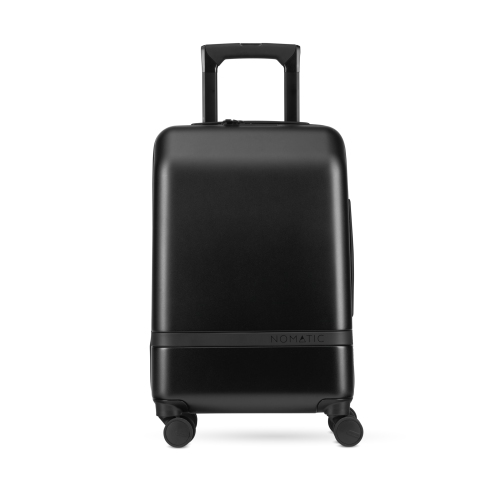 Your price for this item is $559.99
 -
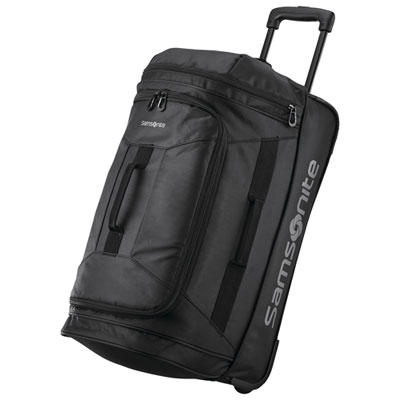 Your price for this item is $109.99
 -
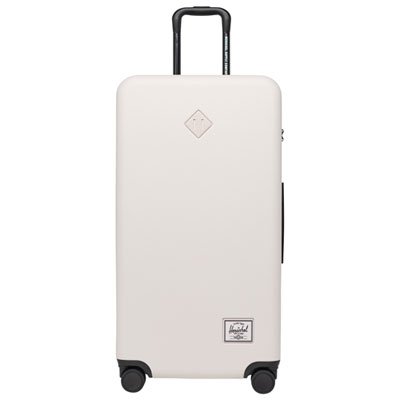 Your price for this item is $424.99
 -
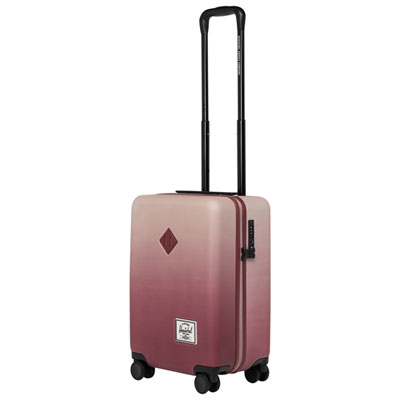 Your price for this item is $199.99
 -
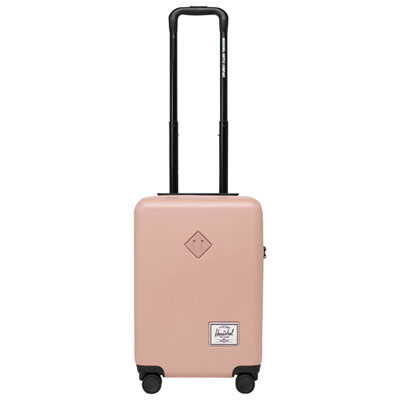 Your price for this item is $274.99
 -
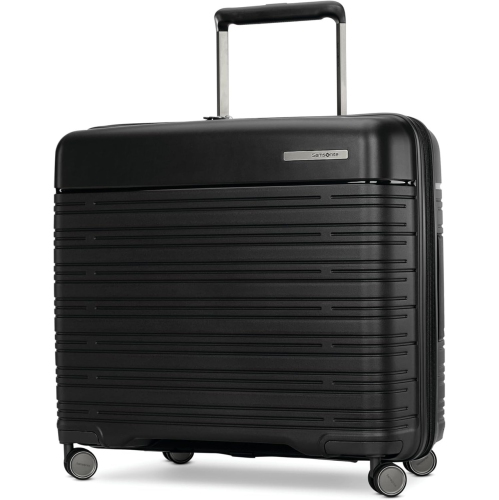 Your price for this item is $399.99
 -
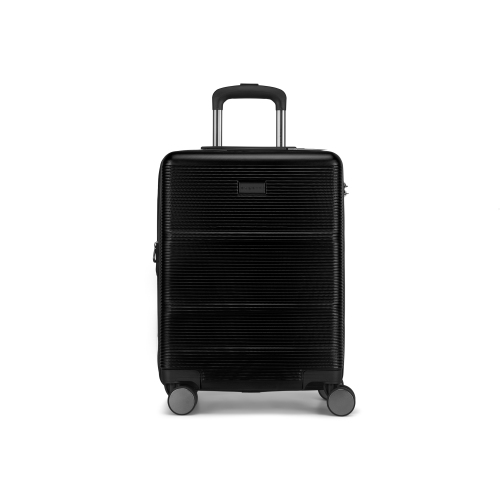 Your price for this item is $89.99
 -
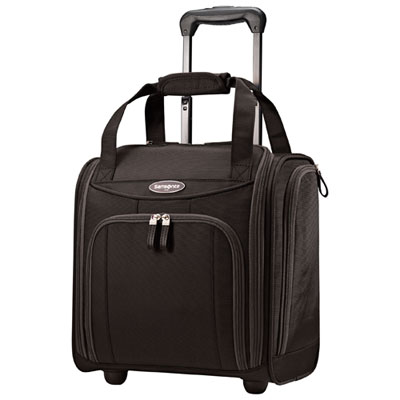 Your price for this item is $154.99
Discover more categories related to Carry On Suitcase
Top Collections:
Pokemon Centers, Kindle Devices, Apple iPhones 16, Samsung Galaxy Phones, Canon G7X Cameras, iPhone 15 Apple, Flip Phones, Apple Wired Earphones, Best Budget Office Chairs, Refurbished Apple Laptops
Some products may be subject to Environmental Handling Fees
(EHF) depending on your province.
Learn more about EHFs.