Flight Carry On Bags
When it comes to traveling, having the right carry-on bag can make all the difference in your journey. Whether you're a frequent flyer or an occasional traveler, finding the perfect flight carry-on bag is essential for keeping your essentials organized and easily accessible while on the go. From compact and lightweight options to spacious and versatile designs, our selection of flight carry-on bags offers a range of features to suit your travel needs. Explore a variety of styles, sizes, and functionalities to find the ideal bag that complements your travel style and helps make your next trip hassle-free.
Sort




Why carry-on fit depends on more than size
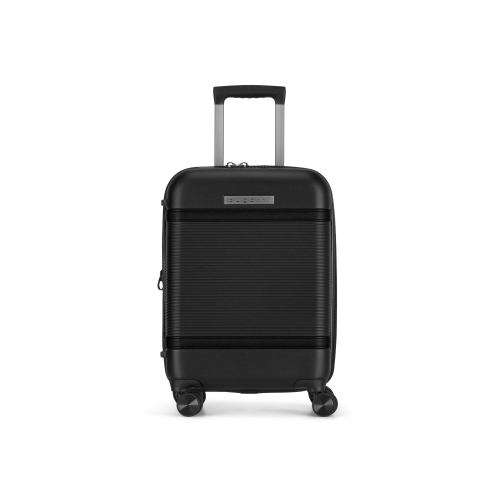
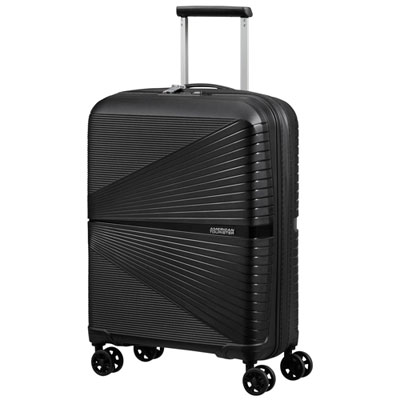
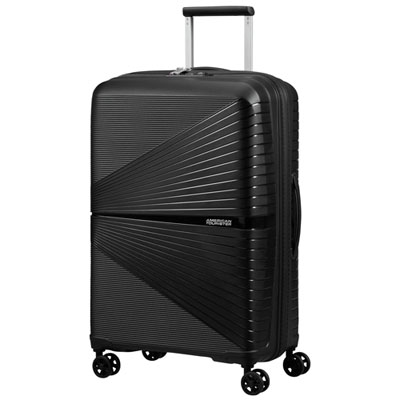
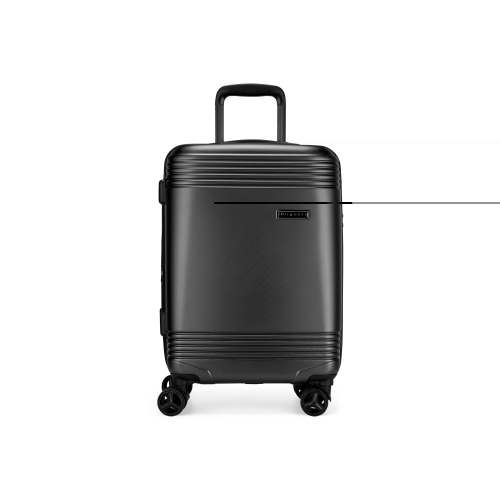
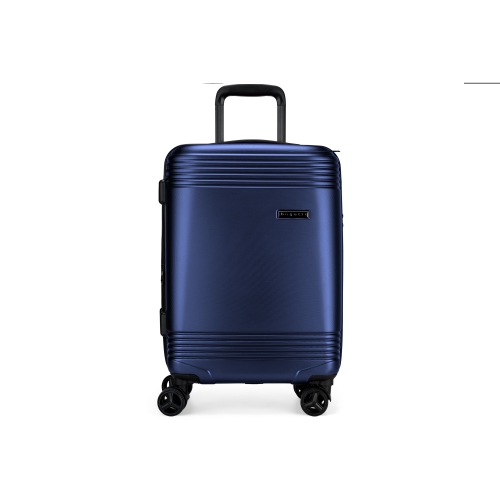
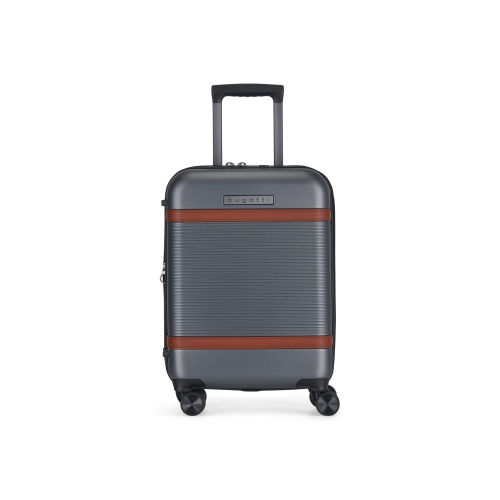
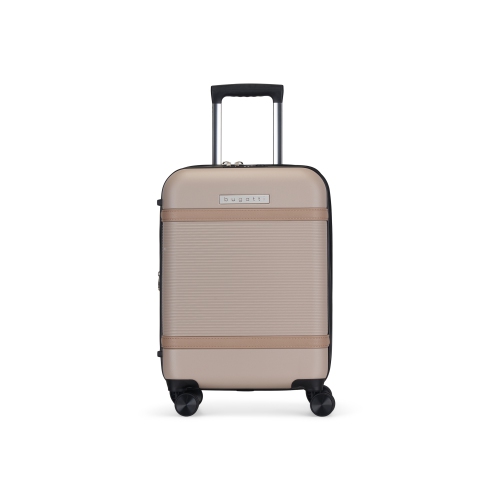
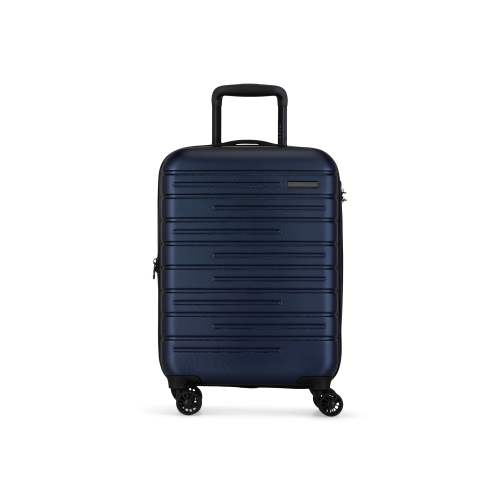
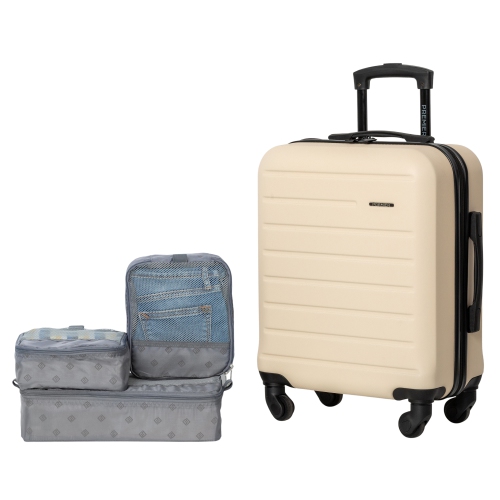
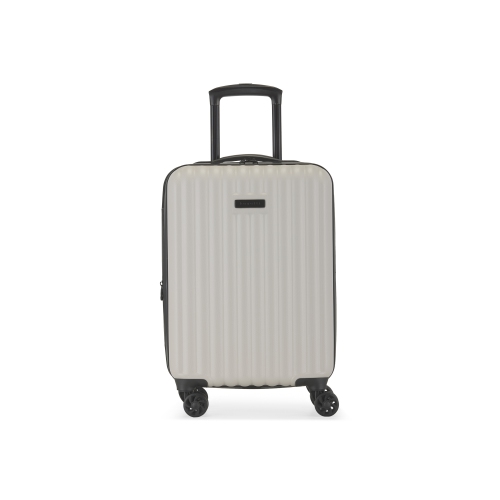
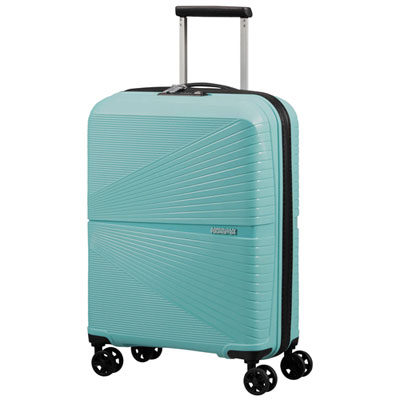
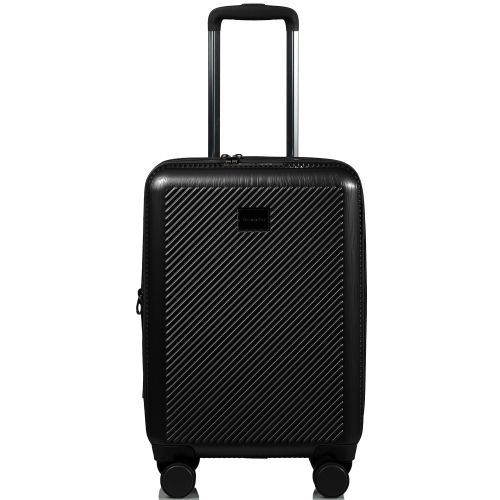
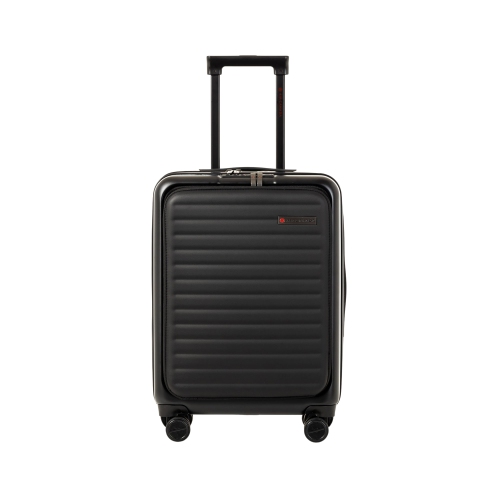
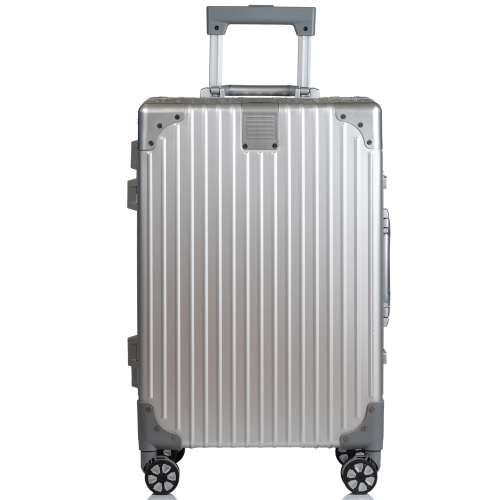
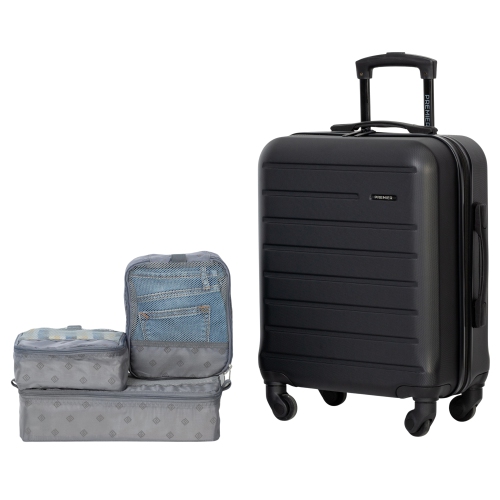
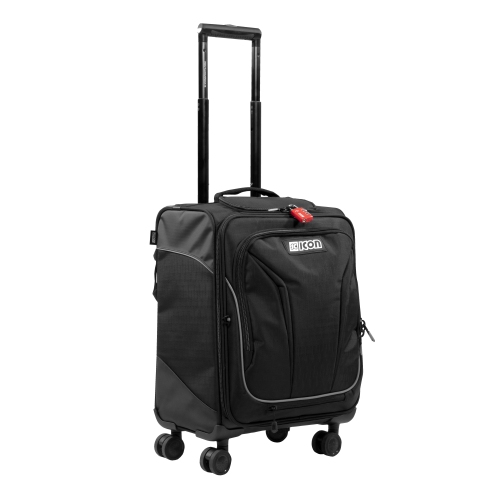
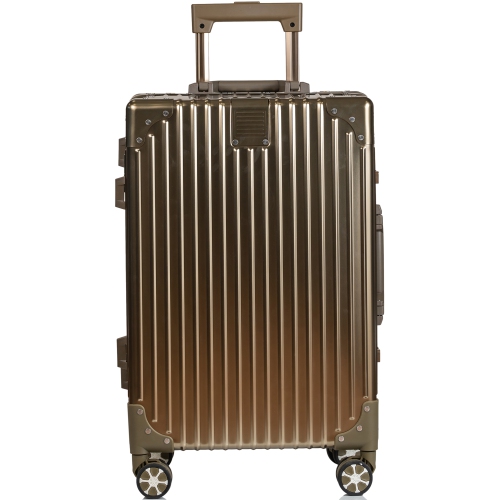
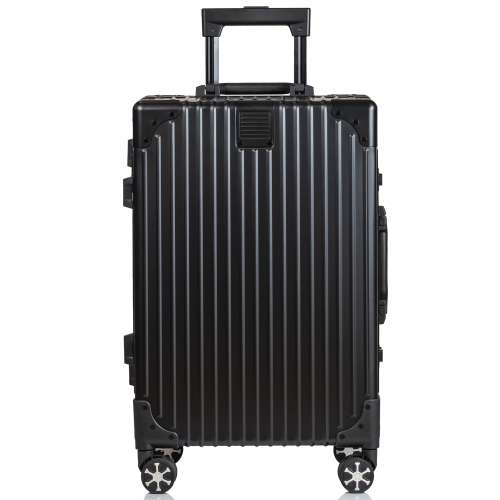
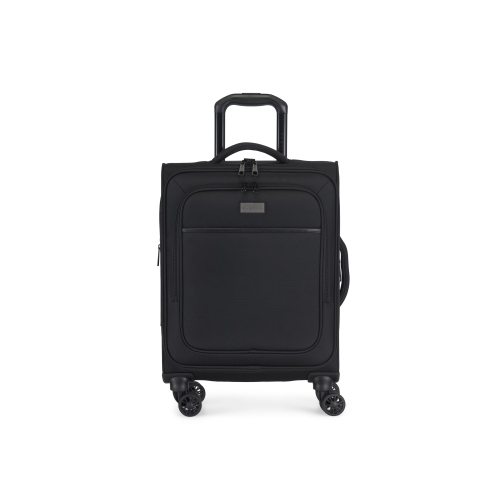
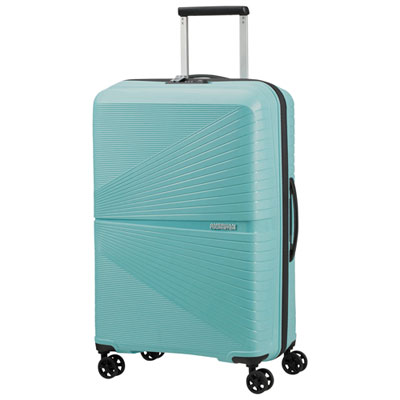
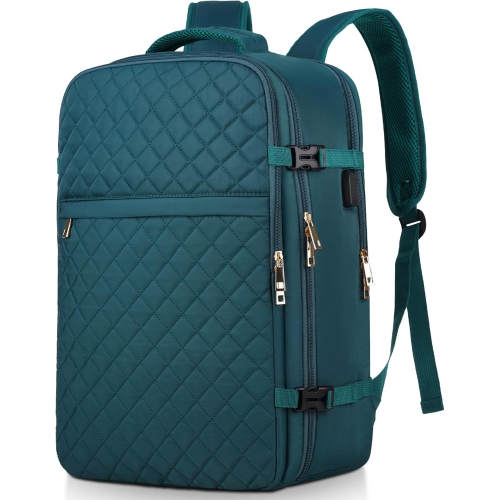
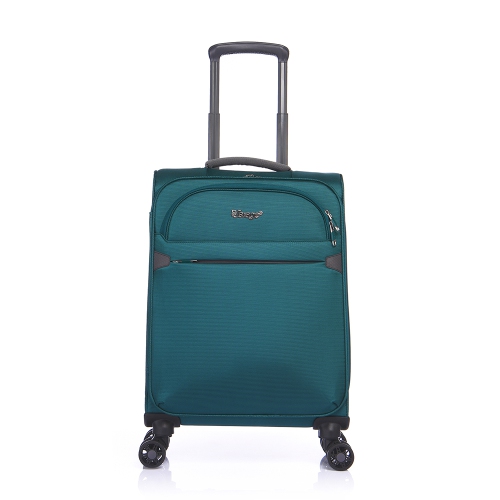
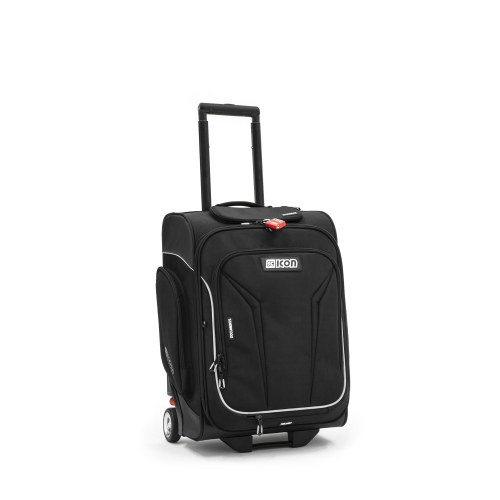
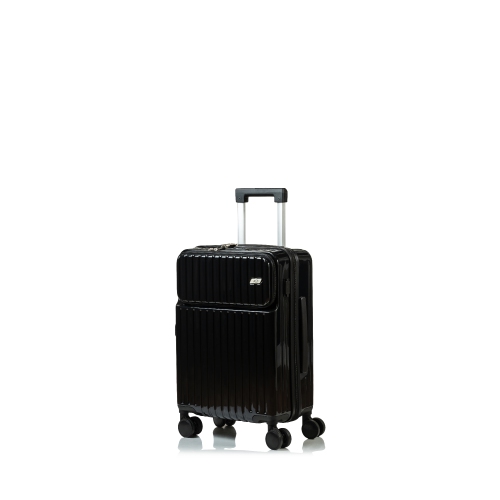
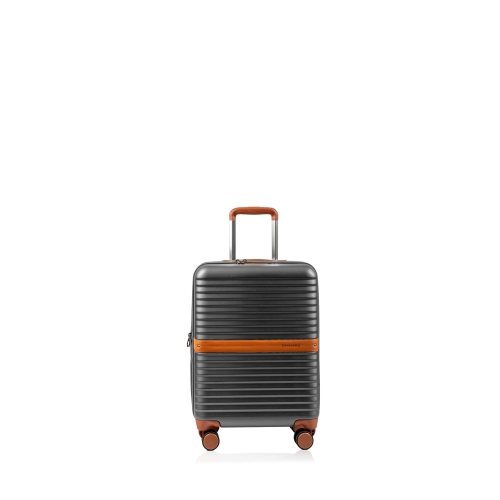
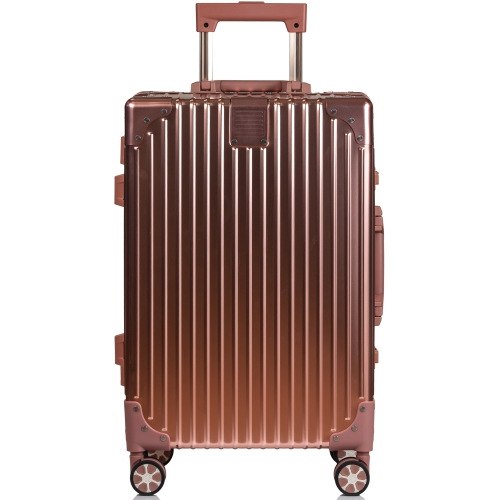
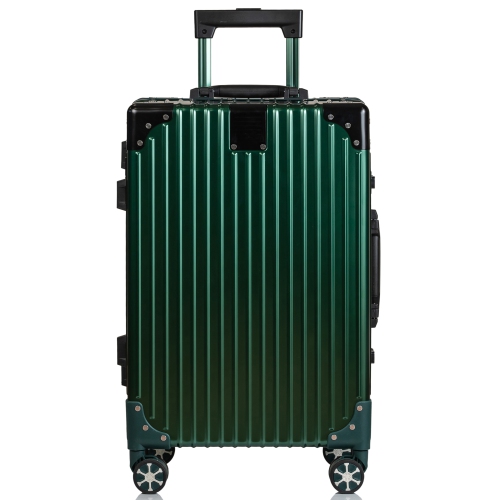
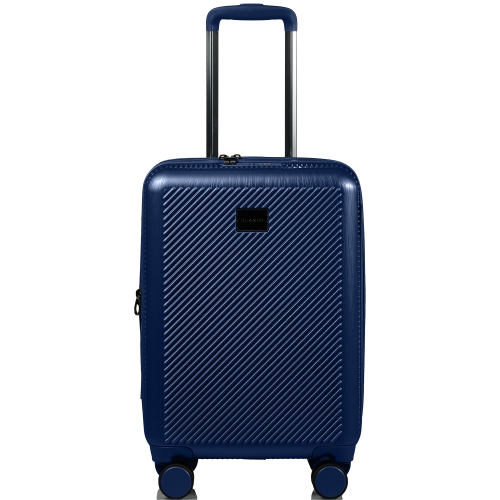
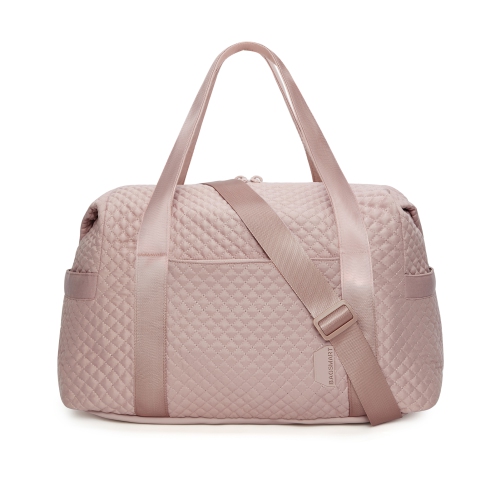
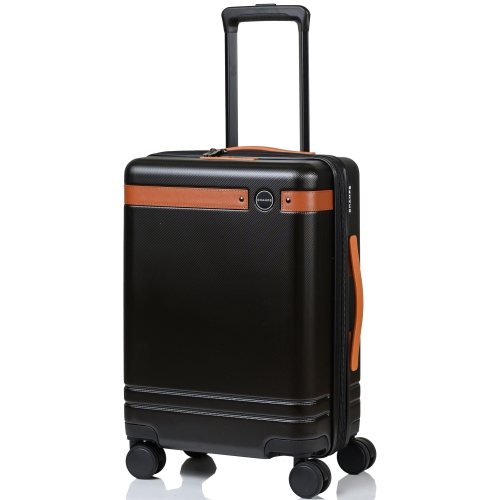
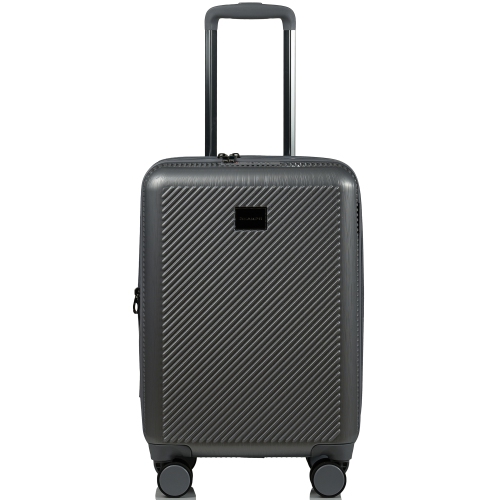
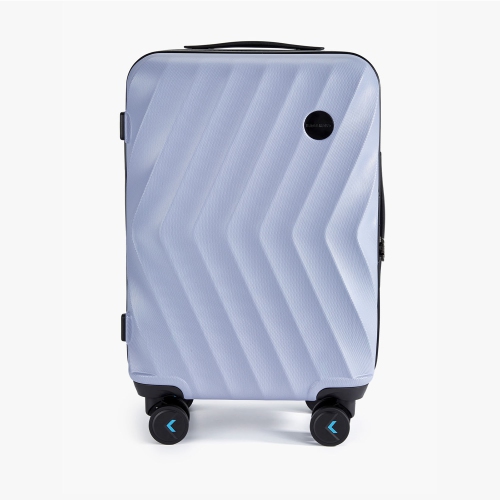
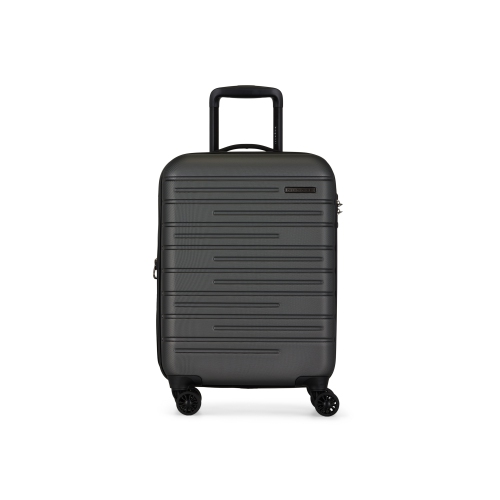
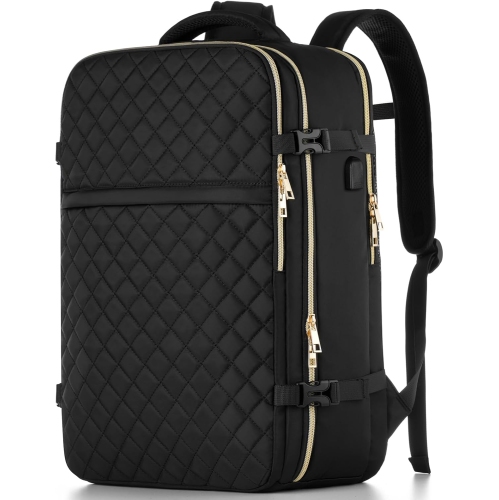
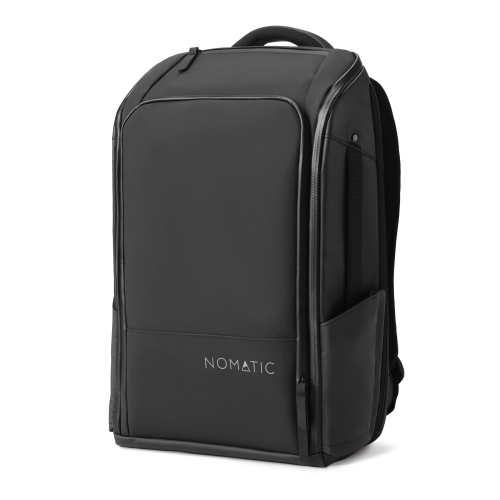
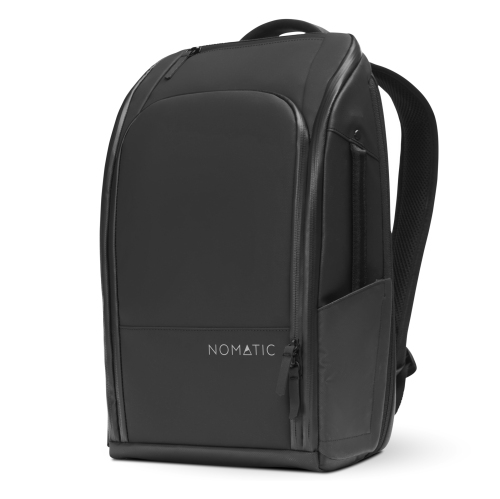
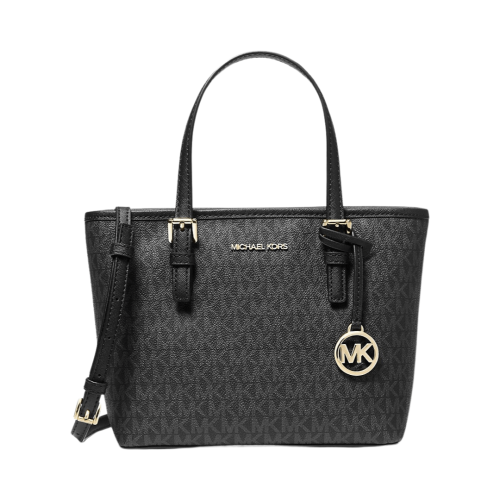
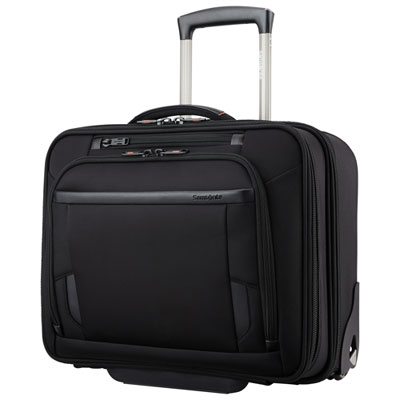
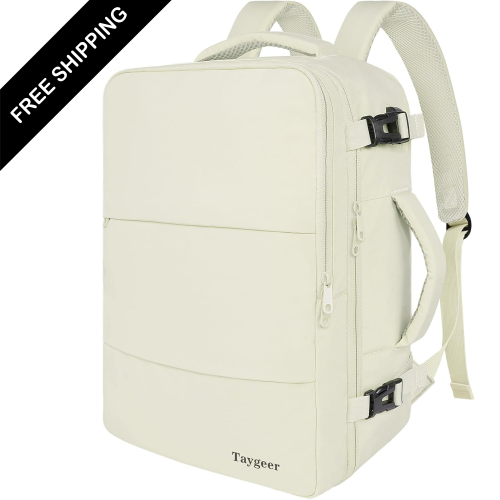
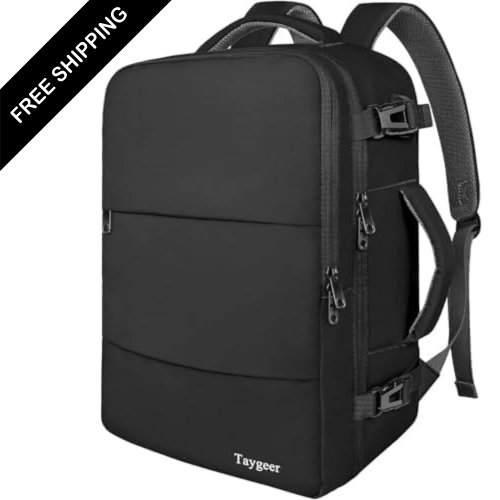
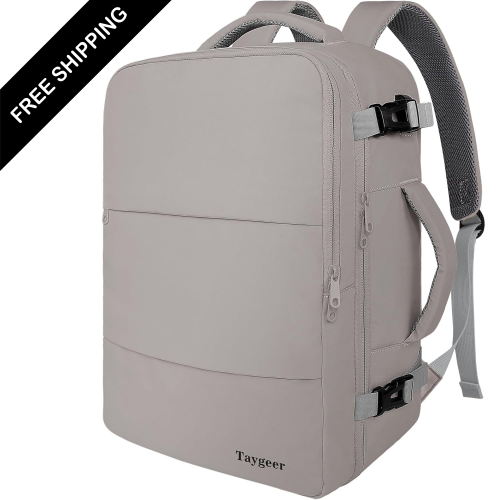
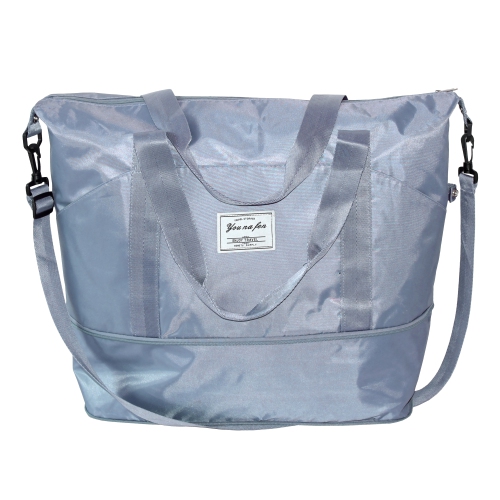
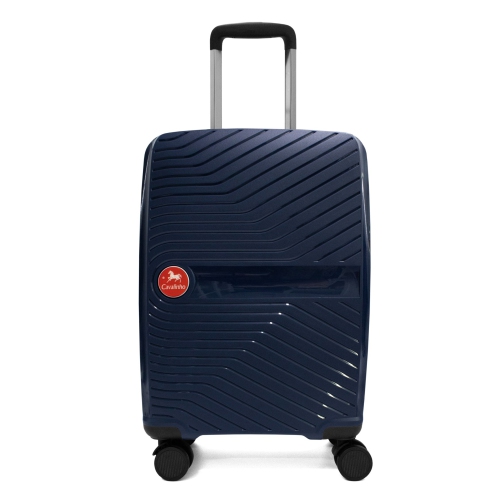
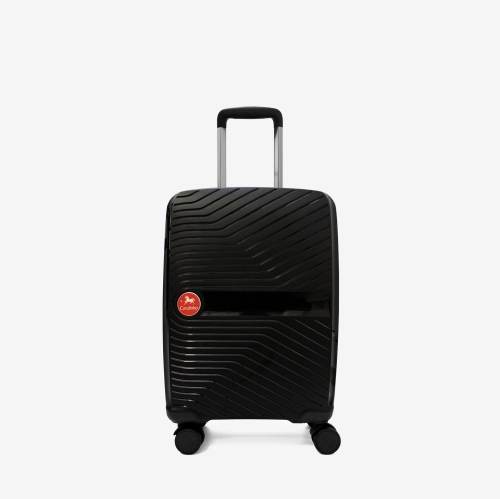
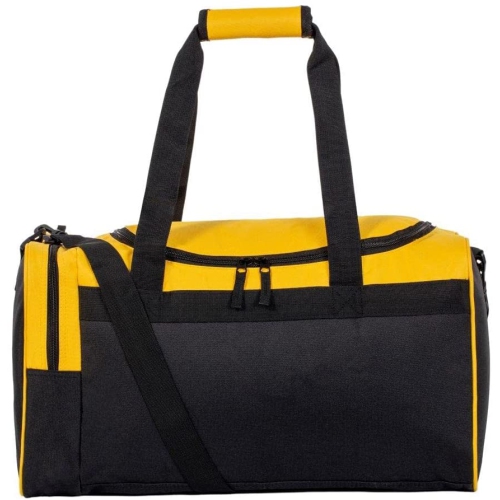
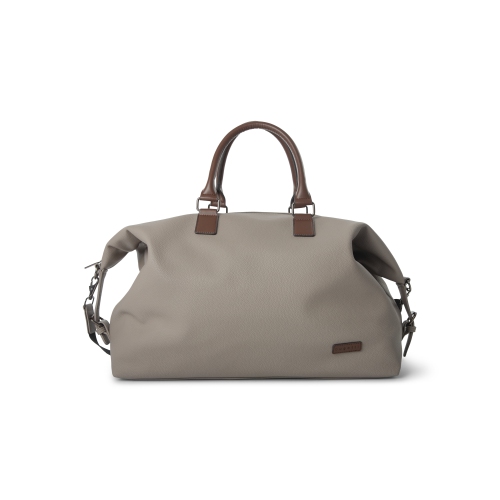
Flight carry-on bags keep clothing, travel documents, electronics, and other essentials close at hand throughout a journey. The category includes compact suitcases, travel backpacks, duffel bags, and smaller underseat bags, each suited to a different way of moving through the airport. A commonly cited carry-on size is 56 x 36 x 23 cm, approximately the dimensions of a 22 x 14 x 9 inch bag, but there is no single size accepted by every airline. Permitted dimensions, weight limits, and cabin baggage allowances depend on the carrier, fare, and sometimes the aircraft. Measurements generally include wheels, handles, and exterior pockets, so the overall packed dimensions matter more than the size of the main compartment alone. A bag that meets the height limit can still be too wide or too deep for the airline’s baggage sizer. Personal items are a separate category: a purse, slim laptop bag, or small backpack may qualify when it fits beneath the seat ahead and meets the carrier’s rules. Dimensions around 45 x 35 x 20 cm appear in some personal-item allowances, but these are not universal limits. An overhead carry-on and an underseat personal item are therefore not interchangeable, and some fares do not include both. Checking the allowance for every airline on an itinerary is especially useful for connecting flights. Even a compliant bag may need to be checked at the gate when cabin space is limited. Accessible storage for a passport, essential medication, valuables, and electronics makes it easier to keep these belongings with the traveller if the larger bag must leave the cabin. For a short business trip, a compact case can hold folded outfits and toiletries without the bulk of larger luggage. For a family visit or longer journey, the same bag can serve as a practical companion to checked baggage, keeping a change of clothes and everyday necessities within reach.
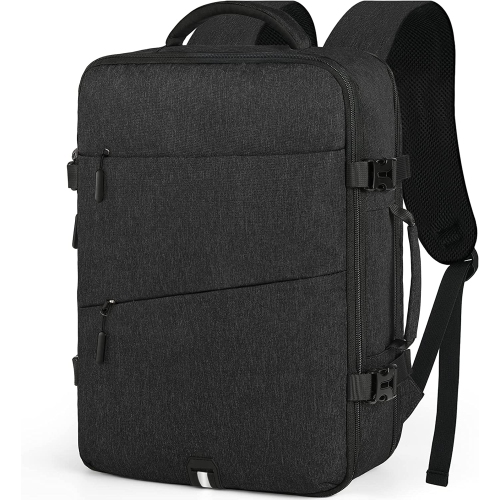
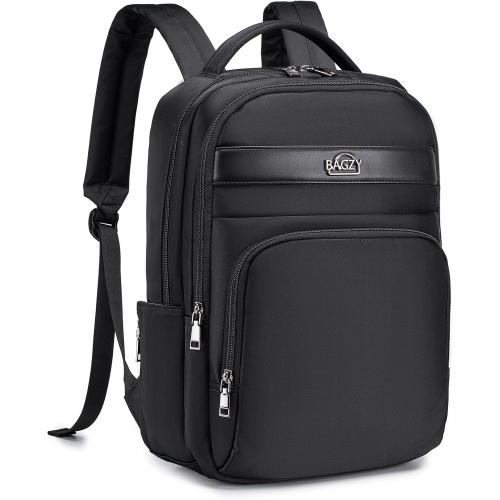
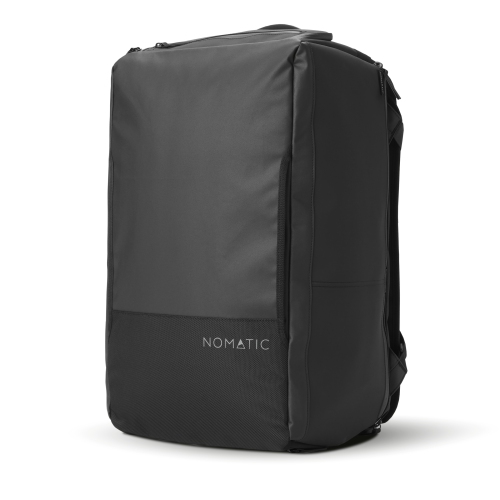
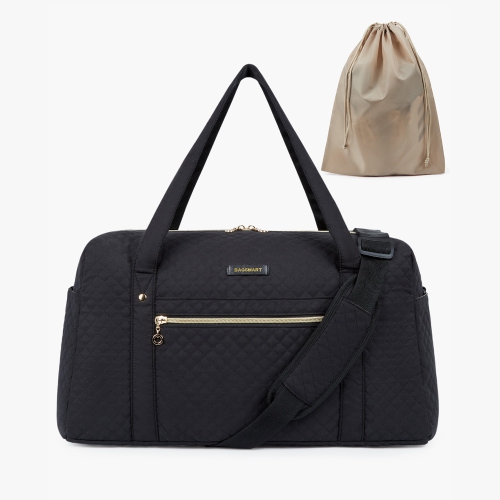
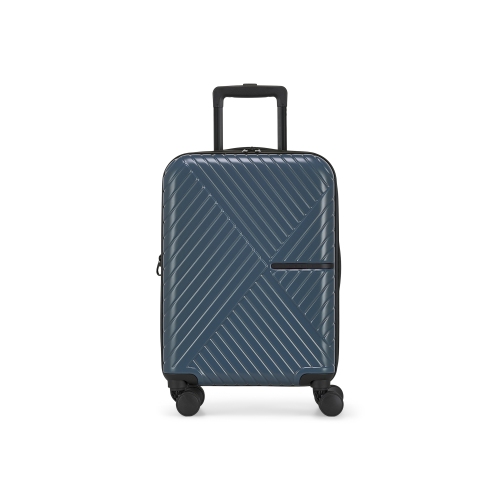
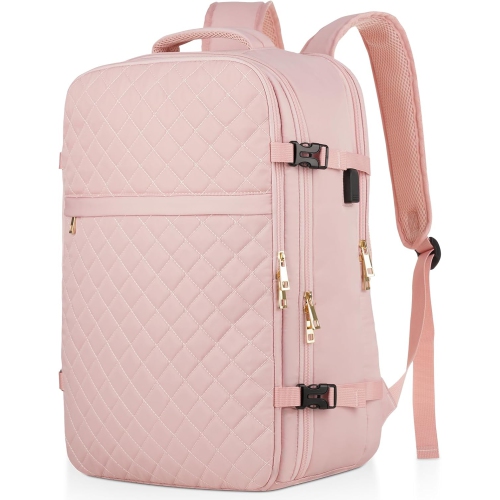
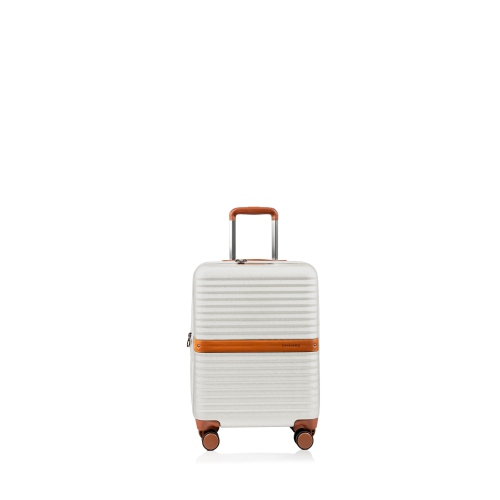
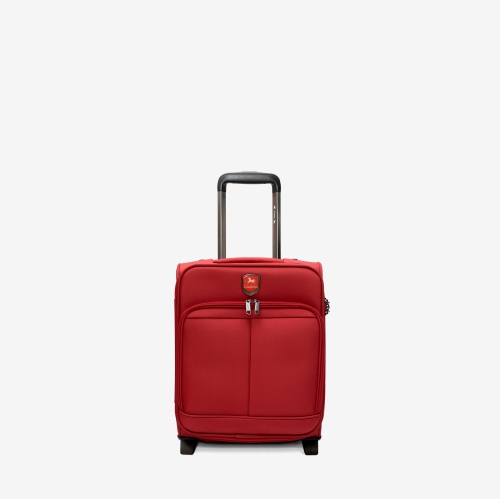
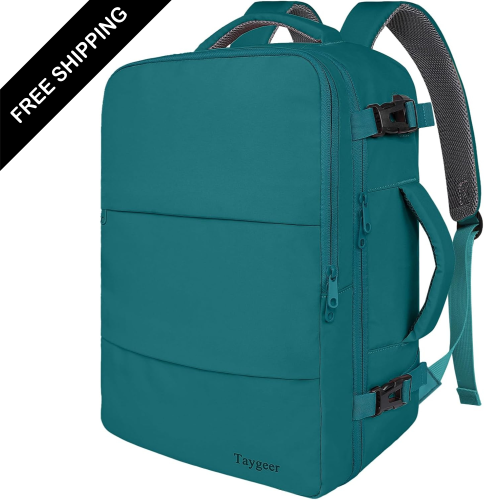
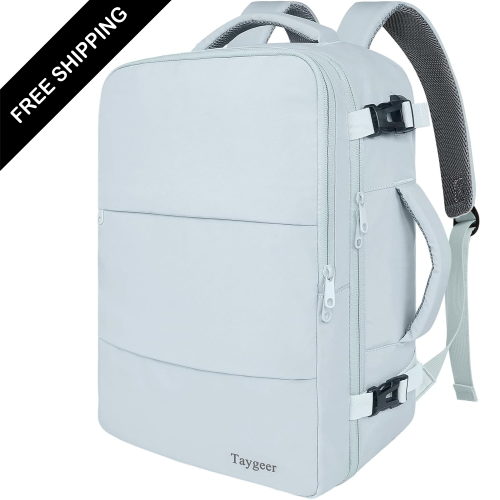
The choice between a rolling case and a bag carried on the body often comes down to the route beyond the boarding gate. Wheeled luggage takes weight off the shoulders during long walks through terminals, while a backpack leaves both hands free for stairs, transit connections, and managing travel documents. Four-wheel spinner designs can move upright beside the traveller on smooth floors, making them convenient in queues and narrow terminal aisles. Two-wheel designs are pulled at an angle and may feel easier to handle over uneven surfaces, depending on wheel size and construction. For travellers who prefer luggage that rolls, Carry On Wheeled Bags offer a focused category to explore. Wheel housings, handle stability, and comfortable lifting grips all contribute to everyday usability; a case still needs to be lifted into an overhead bin or carried over steps. An adjustable telescopic handle should allow a natural walking position without the bag repeatedly catching the traveller’s heels. Backpacks benefit from padded, adjustable shoulder straps and a back panel that sits comfortably against the body. A sternum strap or hip belt can help steady a heavier load when those features fit the wearer properly. Duffel bags offer a broad opening and flexible shape that can suit clothing, shoes, or an overnight stay, although carrying a fully packed duffel on one shoulder may become tiring over longer distances. Empty bag weight also matters, particularly when an airline applies a strict cabin weight limit. Capacity in litres describes storage volume, not permission to bring a bag aboard, and an expandable compartment can push a case beyond the permitted depth once filled. The most useful capacity is enough for the intended trip without requiring strained zippers or bulging pockets. A traveller packing a laptop and meeting clothes has different storage needs from someone carrying casual outfits, a book, and a small toiletry pouch, even when both want a compact cabin bag.
Materials, construction, and interior layout influence how a carry-on bag performs after repeated trips. Hardside cases commonly use moulded plastics such as polycarbonate, ABS, or polypropylene, with weight and flexibility varying by material and design. A structured shell helps separate the contents from outside pressure, though it does not make fragile belongings immune to damage. Softside bags often use woven nylon or polyester, offering flexible panels and exterior pockets for belongings needed before boarding. Fabric thickness alone does not establish durability: reinforced seams, secure handle attachments, sturdy zipper tracks, and well-supported corners are useful details to consider together. Water-resistant fabric or coatings may help with small spills, but they do not necessarily make an entire bag waterproof. Inside, compression straps can keep folded clothing from shifting, while mesh dividers and zipped compartments help separate smaller belongings. A clamshell opening makes both sides visible when packing on a bed; a single main compartment can be easier to work from on a compact luggage stand. Dedicated laptop storage is useful for work and study trips, provided the compartment matches the device’s dimensions and offers suitable padding. An accessible pocket for a laptop or liquids pouch can also make security screening less awkward when removal is required. Separate shoe storage helps keep worn footwear away from clean clothing, while a removable laundry pouch makes unpacking more orderly at the destination. Care is usually straightforward but should follow the bag’s care label: wiping a shell with a soft, damp cloth, spot-cleaning suitable fabrics, and allowing the interior to dry fully before storage can help maintain its condition. Clearing hair and grit from wheels and avoiding overfilled compartments can reduce unnecessary strain on moving parts and closures. Carry-on luggage can also be a thoughtful gift for a student travelling between home and campus, a frequent business traveller, or someone planning a first flight. A manageable weight, comfortable handling, and a layout that suits the recipient’s habits are more useful than extra compartments they are unlikely to use.
The choice between a rolling case and a bag carried on the body often comes down to the route beyond the boarding gate. Wheeled luggage takes weight off the shoulders during long walks through terminals, while a backpack leaves both hands free for stairs, transit connections, and managing travel documents. Four-wheel spinner designs can move upright beside the traveller on smooth floors, making them convenient in queues and narrow terminal aisles. Two-wheel designs are pulled at an angle and may feel easier to handle over uneven surfaces, depending on wheel size and construction. For travellers who prefer luggage that rolls, Carry On Wheeled Bags offer a focused category to explore. Wheel housings, handle stability, and comfortable lifting grips all contribute to everyday usability; a case still needs to be lifted into an overhead bin or carried over steps. An adjustable telescopic handle should allow a natural walking position without the bag repeatedly catching the traveller’s heels. Backpacks benefit from padded, adjustable shoulder straps and a back panel that sits comfortably against the body. A sternum strap or hip belt can help steady a heavier load when those features fit the wearer properly. Duffel bags offer a broad opening and flexible shape that can suit clothing, shoes, or an overnight stay, although carrying a fully packed duffel on one shoulder may become tiring over longer distances. Empty bag weight also matters, particularly when an airline applies a strict cabin weight limit. Capacity in litres describes storage volume, not permission to bring a bag aboard, and an expandable compartment can push a case beyond the permitted depth once filled. The most useful capacity is enough for the intended trip without requiring strained zippers or bulging pockets. A traveller packing a laptop and meeting clothes has different storage needs from someone carrying casual outfits, a book, and a small toiletry pouch, even when both want a compact cabin bag.
Materials, construction, and interior layout influence how a carry-on bag performs after repeated trips. Hardside cases commonly use moulded plastics such as polycarbonate, ABS, or polypropylene, with weight and flexibility varying by material and design. A structured shell helps separate the contents from outside pressure, though it does not make fragile belongings immune to damage. Softside bags often use woven nylon or polyester, offering flexible panels and exterior pockets for belongings needed before boarding. Fabric thickness alone does not establish durability: reinforced seams, secure handle attachments, sturdy zipper tracks, and well-supported corners are useful details to consider together. Water-resistant fabric or coatings may help with small spills, but they do not necessarily make an entire bag waterproof. Inside, compression straps can keep folded clothing from shifting, while mesh dividers and zipped compartments help separate smaller belongings. A clamshell opening makes both sides visible when packing on a bed; a single main compartment can be easier to work from on a compact luggage stand. Dedicated laptop storage is useful for work and study trips, provided the compartment matches the device’s dimensions and offers suitable padding. An accessible pocket for a laptop or liquids pouch can also make security screening less awkward when removal is required. Separate shoe storage helps keep worn footwear away from clean clothing, while a removable laundry pouch makes unpacking more orderly at the destination. Care is usually straightforward but should follow the bag’s care label: wiping a shell with a soft, damp cloth, spot-cleaning suitable fabrics, and allowing the interior to dry fully before storage can help maintain its condition. Clearing hair and grit from wheels and avoiding overfilled compartments can reduce unnecessary strain on moving parts and closures. Carry-on luggage can also be a thoughtful gift for a student travelling between home and campus, a frequent business traveller, or someone planning a first flight. A manageable weight, comfortable handling, and a layout that suits the recipient’s habits are more useful than extra compartments they are unlikely to use.
Top selling and popular products
-
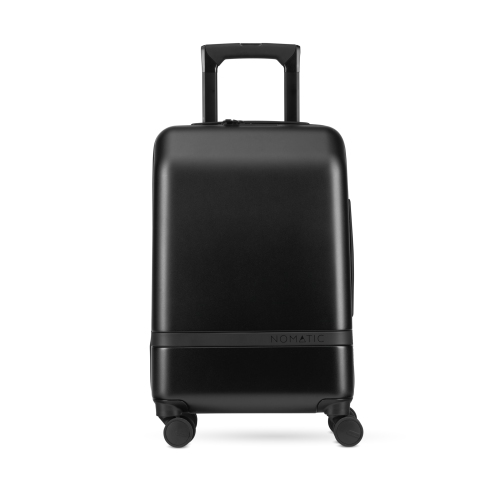 Your price for this item is $559.99
 -
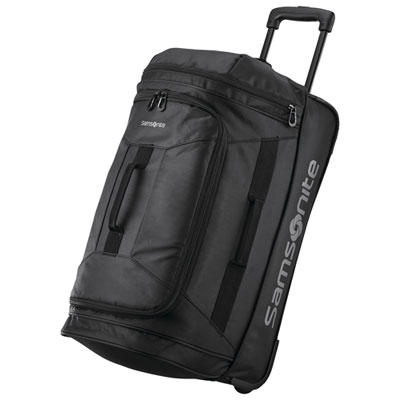 Your price for this item is $109.99
 -
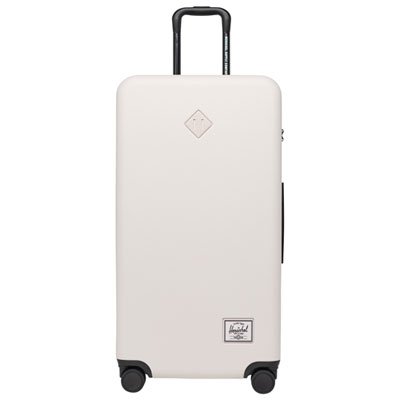 Your price for this item is $424.99
 -
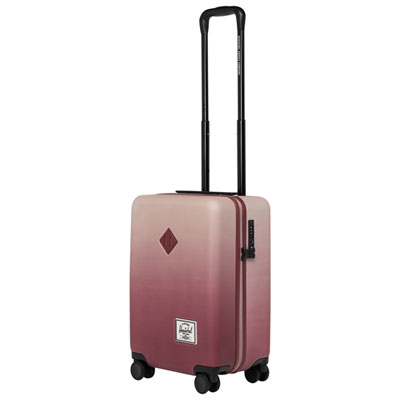 Your price for this item is $199.99
 -
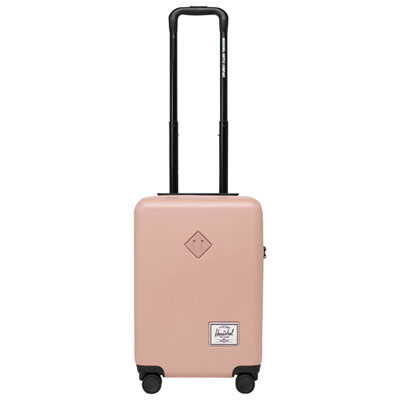 Your price for this item is $274.99
 -
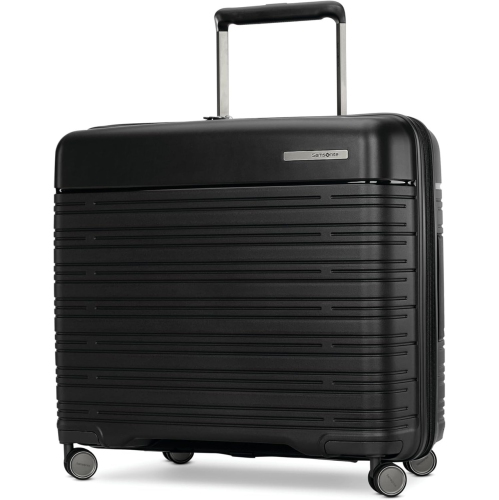 Your price for this item is $399.99
 -
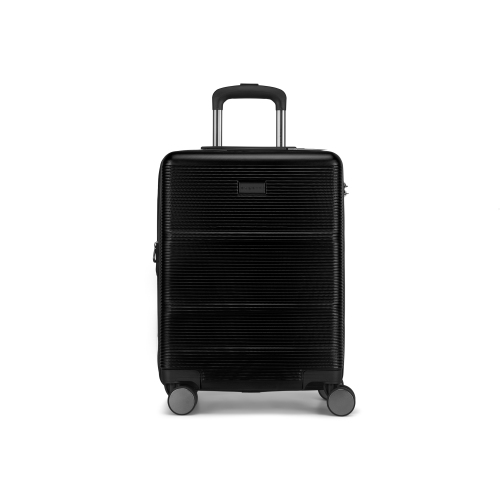 Your price for this item is $89.99
 -
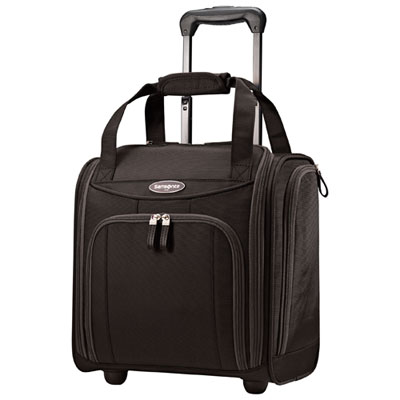 Your price for this item is $154.99
Discover more categories related to Flight Carry On Bags
Top Collections:
Pokemon Centers, Kindle Devices, Best Budget Office Chairs, Apple iPhones 16, Canon G7X Cameras, iPhone 15 Apple, Alarm Clock, Refurbished Apple Laptops, Flip Phones, Best Laptops for Writers
Some products may be subject to Environmental Handling Fees
(EHF) depending on your province.
Learn more about EHFs.