Hard Side Spinner Luggage
Hard-side spinner luggage is the ultimate travel companion for any globetrotter. With its durable and sturdy construction, it ensures that your belongings are protected throughout your journey. The 360-degree spinner wheels allow for effortless maneuverability, making navigating through crowded airports a breeze. Additionally, the hard shell design provides extra security against theft and damage. Invest in hard-side spinner luggage today and experience hassle-free travel like never before!
Sort
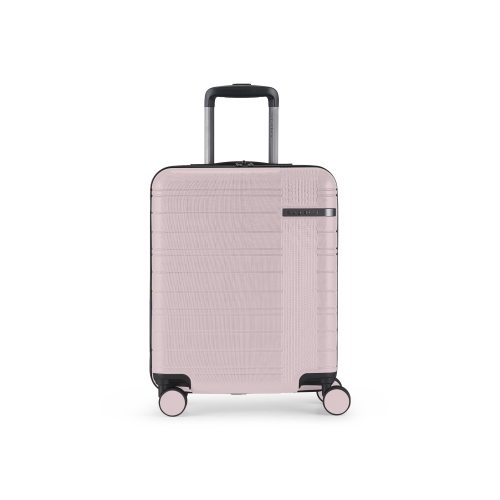
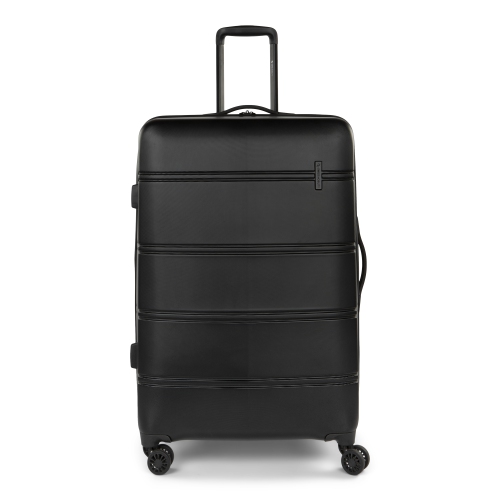
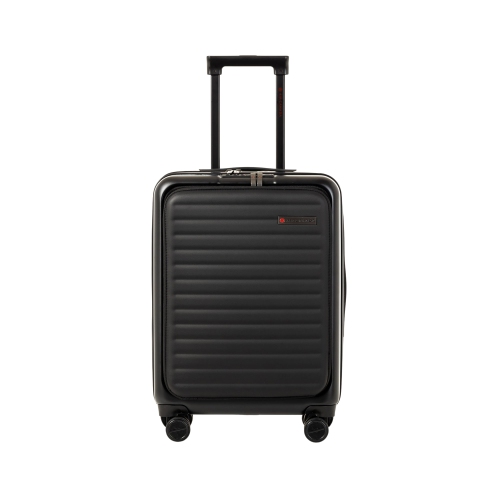

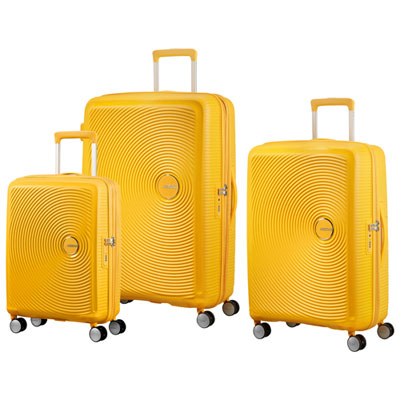


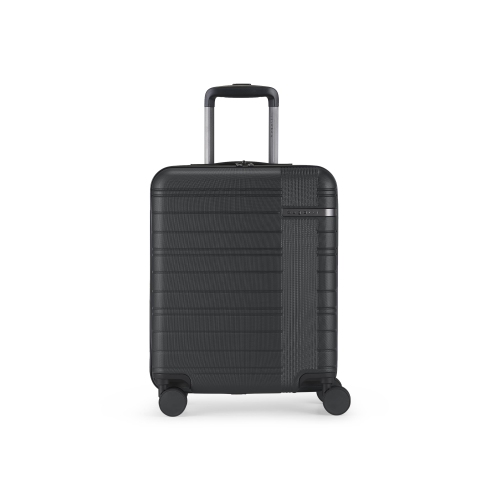
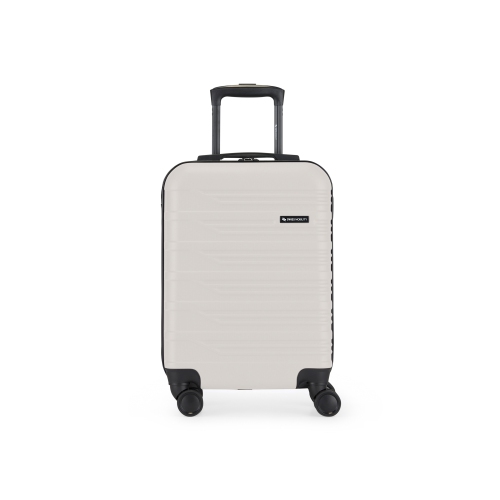
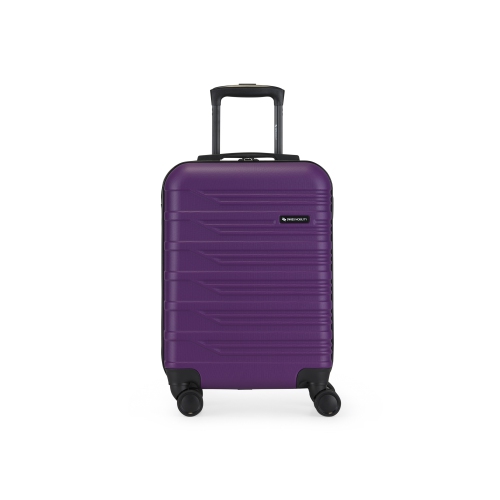
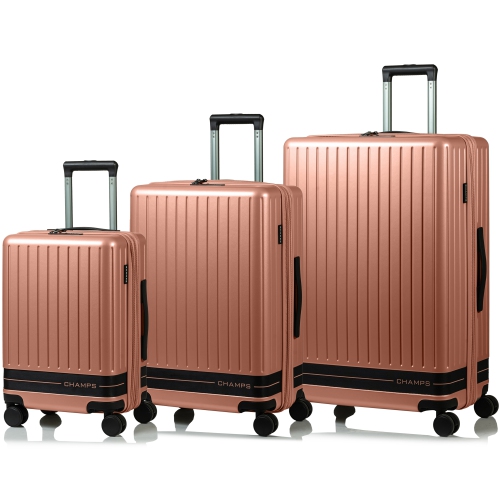
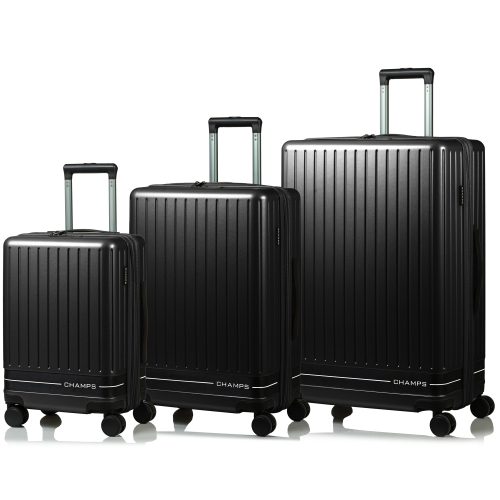
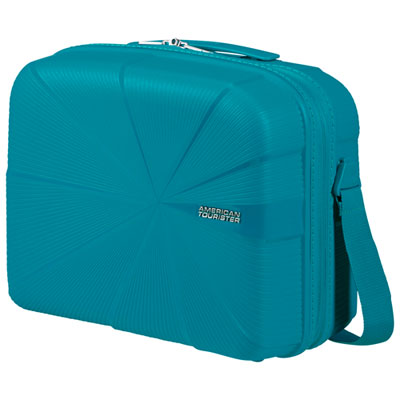
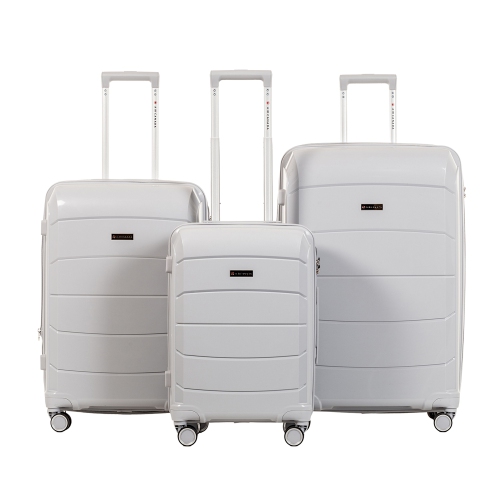
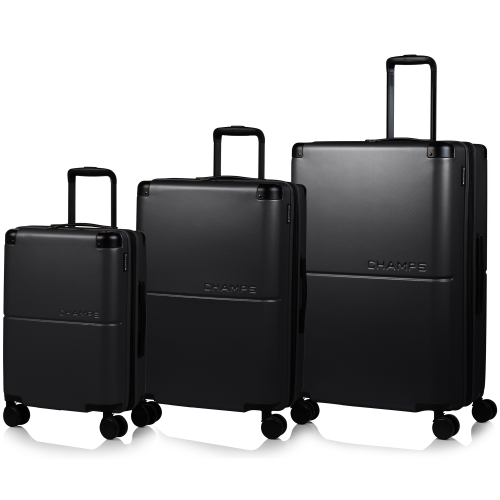
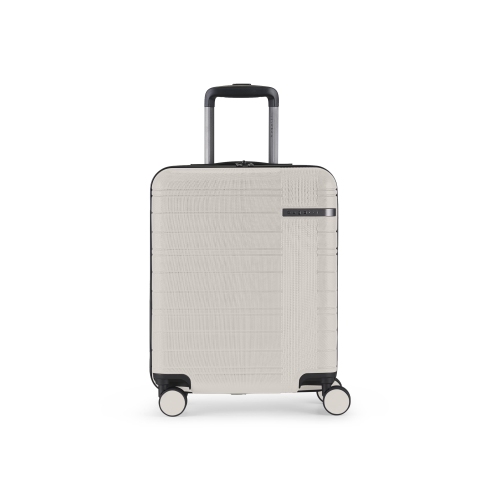
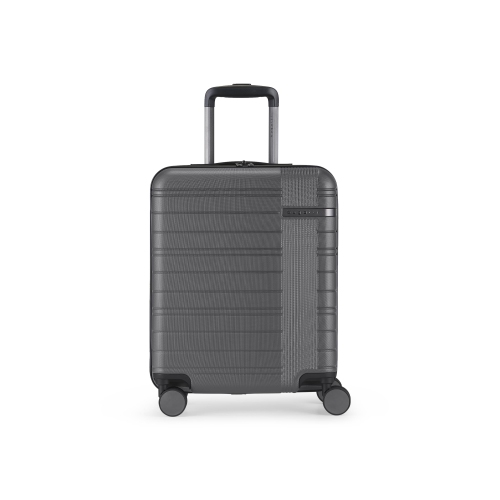
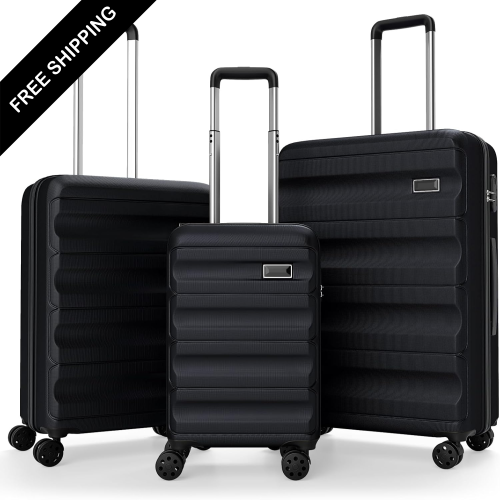
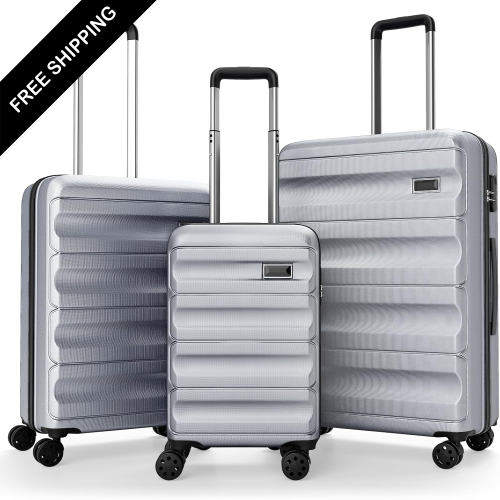
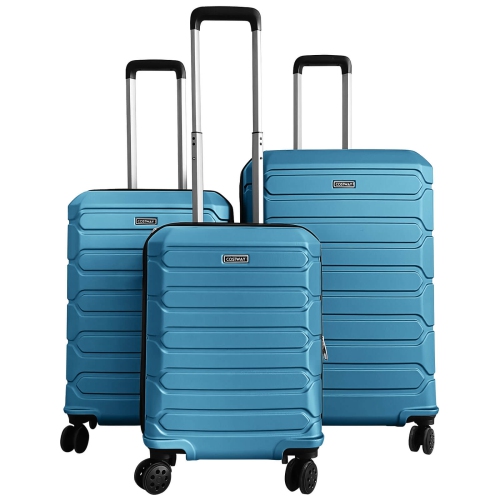
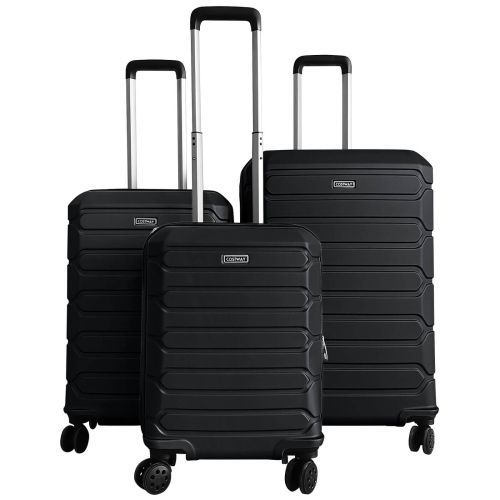
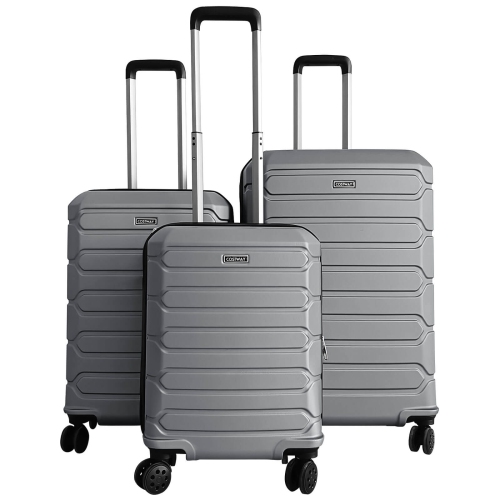
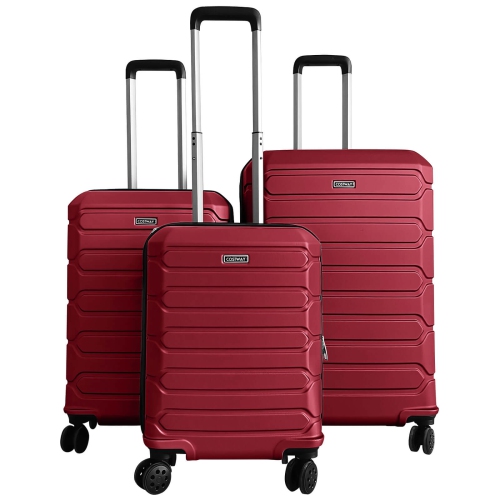
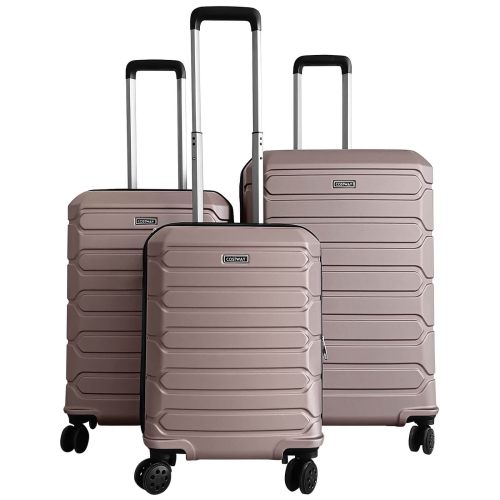
Smooth suitcase handling takes more than extra wheels
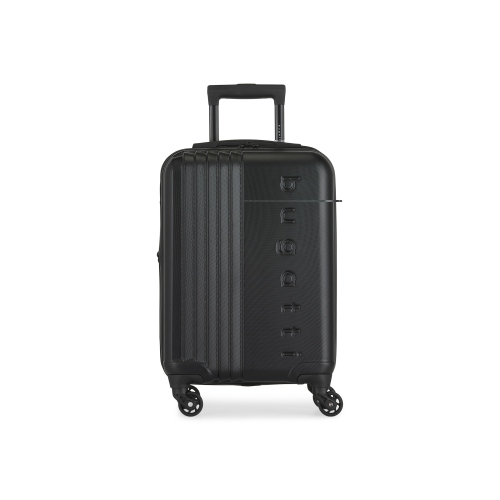
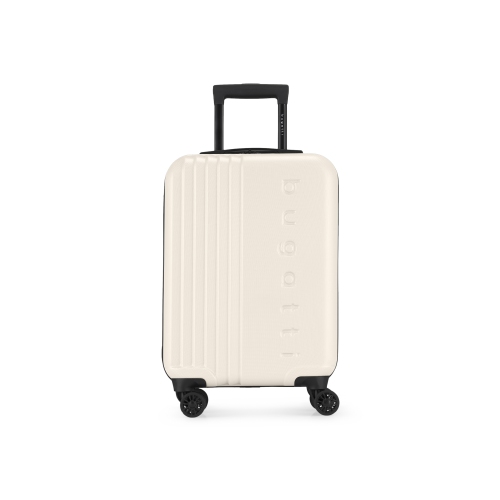
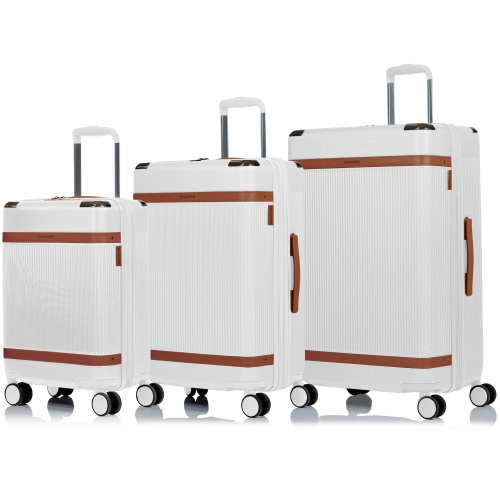
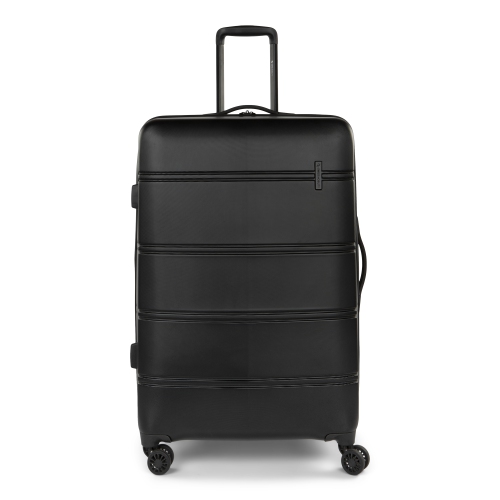
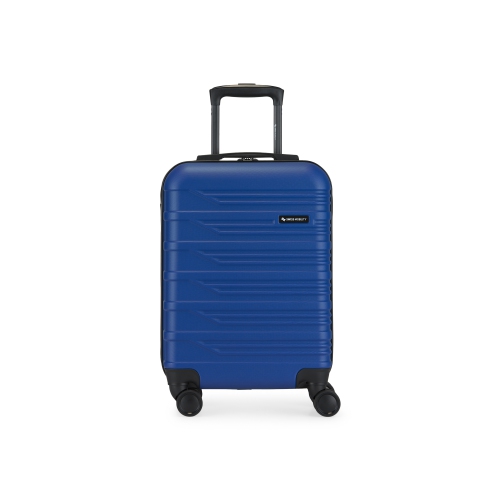
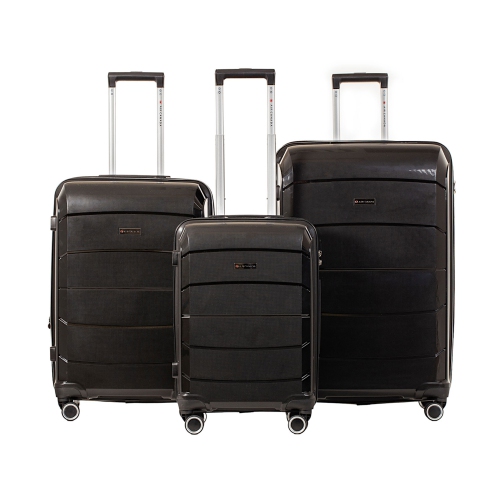
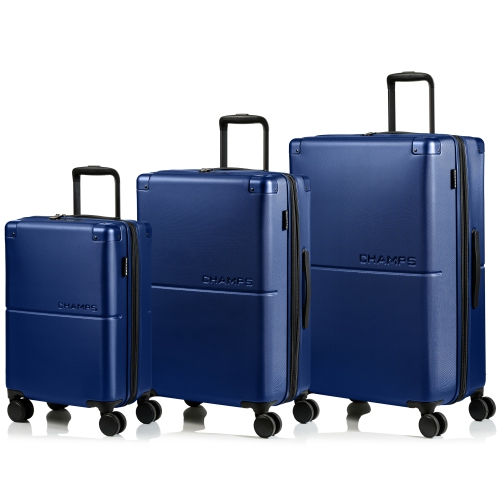
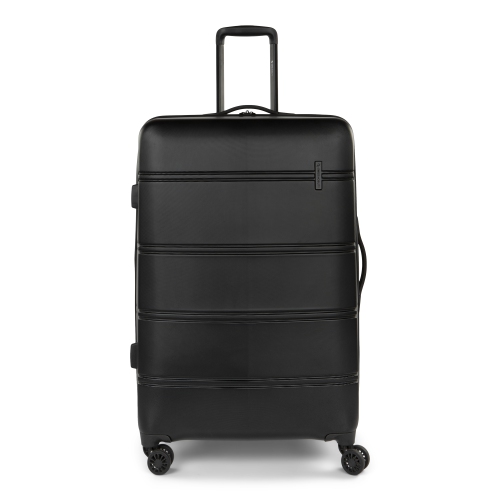
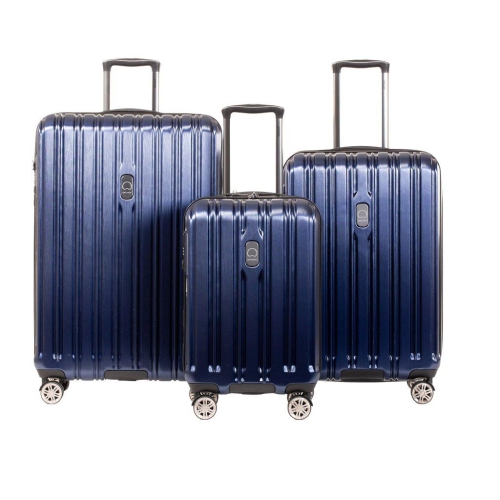
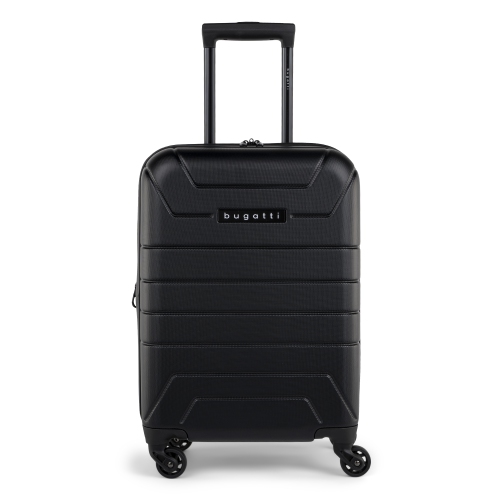
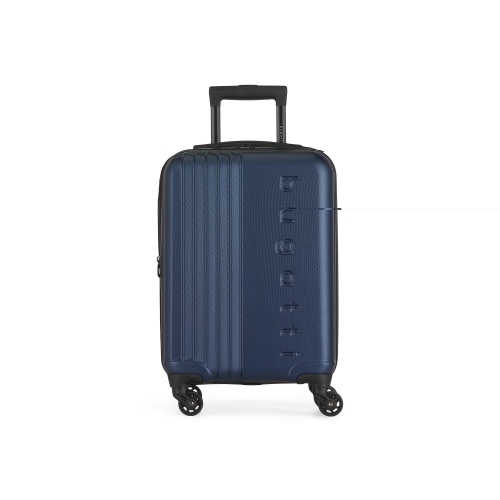
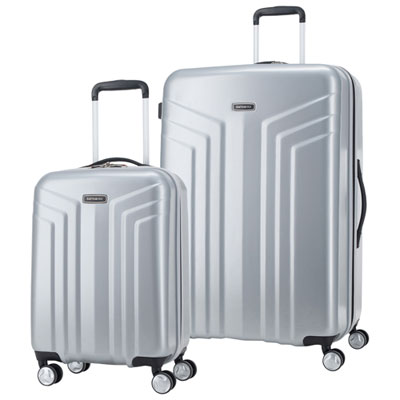
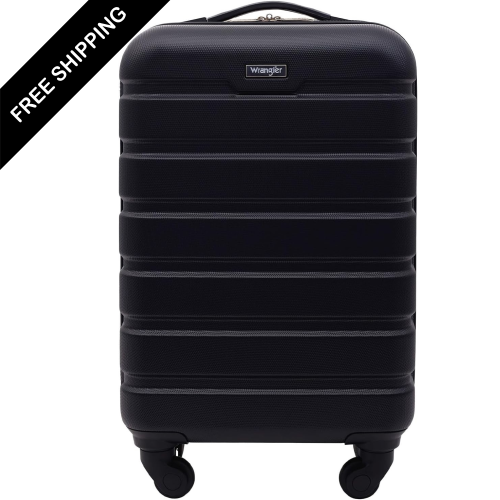
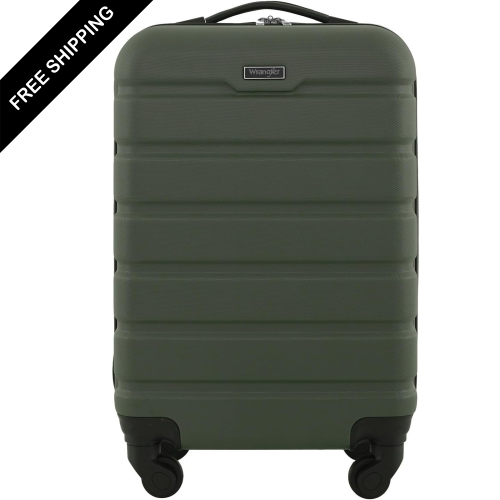
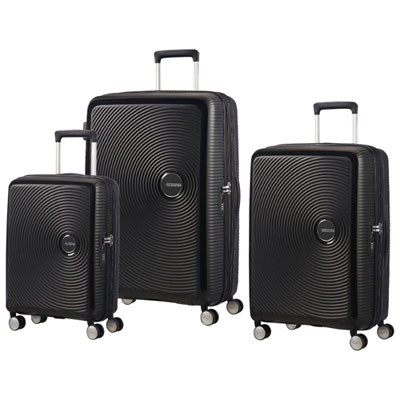
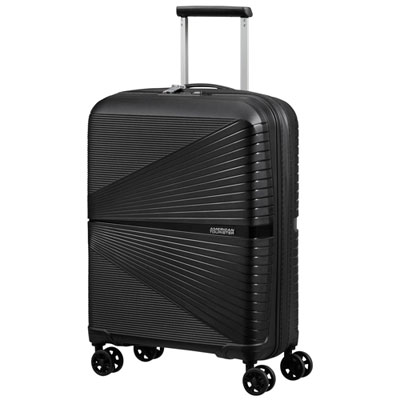
Hard side spinner luggage combines a rigid outer shell with wheels that rotate 360 degrees, allowing a suitcase to roll upright in any direction. This design is especially useful in airport terminals, hotel lobbies, and train stations, where a bag that moves beside its owner can be easier to handle than one that must stay tilted behind them. Most spinner suitcases have four wheel assemblies, with some using paired wheels at each corner for a total of eight wheels. Smooth movement depends on wheel construction, the weight of the packed case, and the surface underfoot, rather than wheel count alone. On level flooring, the wheels support the suitcase’s weight while the traveller steers with the telescopic handle. Pavement joints, thick carpet, slush, and uneven paths require more effort, and carrying the case by its lifting handle is generally better than dragging it up steps. The hard shell helps packed belongings resist compression and everyday bumps, although delicate contents still need cushioning and careful placement. Common shell materials include polycarbonate, ABS plastic, and polypropylene, each offering a different balance of weight, flexibility, and rigidity. Polycarbonate can flex under pressure and return to its shape, while ABS is typically more rigid and may be less forgiving under a hard impact. Polypropylene is often used for its low weight and ability to flex. Overall durability also depends on shell thickness, corner construction, wheel mounts, handles, and closures, so the material name tells only part of the story. Textured finishes can make minor scuffs less noticeable, while smooth or glossy surfaces may show marks more readily. No suitcase is immune to scratches from baggage handling, and those surface marks do not necessarily affect its usefulness. For business travellers moving between meetings, families managing several bags, or anyone navigating a busy departure hall, hard-shell spinner luggage offers a structured way to pack and a convenient way to move belongings across smooth indoor surfaces.
The right size depends on both the journey and the transport involved. Carry-on hard side spinner luggage suits shorter stays and travellers who prefer to keep their belongings nearby, while larger checked suitcases provide room for longer trips, shared packing, or bulkier clothing during the cooler months. Airline limits vary, and a suitcase described as a carry-on is not automatically accepted on every flight. External measurements need to include wheels, handles, and other protruding parts, not just the shell, and packed weight matters wherever a carrier sets a cabin or checked-baggage allowance. An expansion zipper can add useful packing depth, but using it may push the case beyond an airline’s size limit. Empty suitcase weight is worth considering as well: a heavier shell or frame leaves less of a weight allowance for clothing and other essentials. Inside, many hard-shell cases open into two packing halves, often with a zippered divider on one side and adjustable straps on the other. This layout can separate folded shirts from shoes or keep one traveller’s belongings apart from another’s. Packing cubes help organise smaller pieces, while filling awkward gaps with soft clothing can limit shifting during transit. Heavier belongings are best positioned low in the case, near the wheels, to support a steadier roll. A clamshell opening does need floor space, which can matter in a compact hotel room or a guest bedroom with little room beside the bed. Interior pockets are useful for smaller accessories, but passports, medication, valuables, and spare lithium batteries should stay in an accessible personal bag in line with carrier rules. Clothing preferences influence capacity, too: a pair of dress shoes and a structured jacket need different packing space from lightweight casual layers. For a weekend visit, a smaller case can keep the load manageable; for an extended family stay, a larger suitcase may reduce the need to divide belongings among several bags. The most practical fit balances usable space with a size the traveller can comfortably lift, store, and handle.
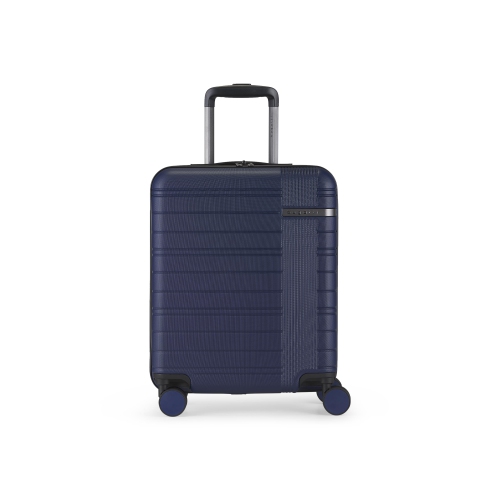
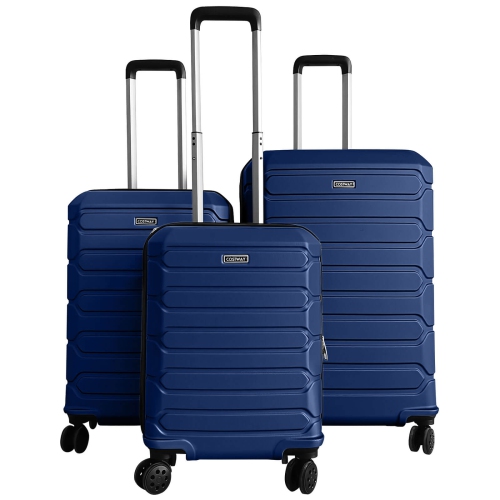
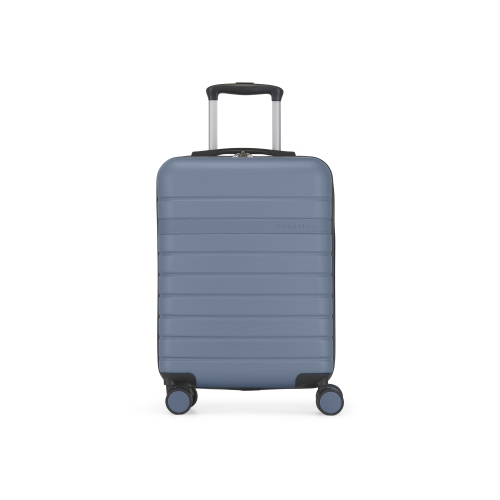
Everyday usability comes down to details that may seem small until a suitcase is fully packed. A telescopic handle with several height positions can help travellers find a comfortable reach without repeatedly catching the case with their heels. Top and side lifting handles make it easier to transfer luggage into a car boot, onto a baggage scale, or off a carousel, although their placement varies by design. The telescopic handle is intended for steering, not for lifting a loaded suitcase. Zipper pulls should move freely without forcing the shell together; overpacking places extra stress on seams, closures, and expansion panels. Where a case has a lock compatible with airport security inspection systems, authorised personnel may be able to open it without cutting the lock, but this does not guarantee that a bag will never be opened or damaged during inspection. A rigid shell can shed light splashes, yet seams and zippers may still admit water, so toiletries belong in sealed pouches and moisture-sensitive belongings need their own protection. After a journey, a soft damp cloth and mild soap are usually enough to remove ordinary surface dirt, subject to the manufacturer’s care instructions. Wheels benefit from having grit and tangled hair removed, particularly after rolling over wet pavement or salted walkways. Letting the shell, lining, and wheel assemblies dry fully before storage helps prevent lingering odours and moisture damage. Colour also has a practical role: a distinctive shade can make a suitcase easier to spot, though a luggage tag remains important because similar bags can share a carousel. Blue Hard Side Luggage offers a colour-focused option for travellers who want a coordinated look across their travel bags. Hard side spinner luggage can also make a useful gift for a graduate preparing to travel, a couple planning trips together, or a frequent visitor who regularly packs for time with family. For gifting, the recipient’s usual trip length, ability to lift a packed case, and storage space at home matter more than choosing the largest size. A well-suited suitcase earns its place through repeated, ordinary moments: rolling through a station, fitting neatly into a vehicle, and keeping clothing organised until it is time to unpack.
The right size depends on both the journey and the transport involved. Carry-on hard side spinner luggage suits shorter stays and travellers who prefer to keep their belongings nearby, while larger checked suitcases provide room for longer trips, shared packing, or bulkier clothing during the cooler months. Airline limits vary, and a suitcase described as a carry-on is not automatically accepted on every flight. External measurements need to include wheels, handles, and other protruding parts, not just the shell, and packed weight matters wherever a carrier sets a cabin or checked-baggage allowance. An expansion zipper can add useful packing depth, but using it may push the case beyond an airline’s size limit. Empty suitcase weight is worth considering as well: a heavier shell or frame leaves less of a weight allowance for clothing and other essentials. Inside, many hard-shell cases open into two packing halves, often with a zippered divider on one side and adjustable straps on the other. This layout can separate folded shirts from shoes or keep one traveller’s belongings apart from another’s. Packing cubes help organise smaller pieces, while filling awkward gaps with soft clothing can limit shifting during transit. Heavier belongings are best positioned low in the case, near the wheels, to support a steadier roll. A clamshell opening does need floor space, which can matter in a compact hotel room or a guest bedroom with little room beside the bed. Interior pockets are useful for smaller accessories, but passports, medication, valuables, and spare lithium batteries should stay in an accessible personal bag in line with carrier rules. Clothing preferences influence capacity, too: a pair of dress shoes and a structured jacket need different packing space from lightweight casual layers. For a weekend visit, a smaller case can keep the load manageable; for an extended family stay, a larger suitcase may reduce the need to divide belongings among several bags. The most practical fit balances usable space with a size the traveller can comfortably lift, store, and handle.
Everyday usability comes down to details that may seem small until a suitcase is fully packed. A telescopic handle with several height positions can help travellers find a comfortable reach without repeatedly catching the case with their heels. Top and side lifting handles make it easier to transfer luggage into a car boot, onto a baggage scale, or off a carousel, although their placement varies by design. The telescopic handle is intended for steering, not for lifting a loaded suitcase. Zipper pulls should move freely without forcing the shell together; overpacking places extra stress on seams, closures, and expansion panels. Where a case has a lock compatible with airport security inspection systems, authorised personnel may be able to open it without cutting the lock, but this does not guarantee that a bag will never be opened or damaged during inspection. A rigid shell can shed light splashes, yet seams and zippers may still admit water, so toiletries belong in sealed pouches and moisture-sensitive belongings need their own protection. After a journey, a soft damp cloth and mild soap are usually enough to remove ordinary surface dirt, subject to the manufacturer’s care instructions. Wheels benefit from having grit and tangled hair removed, particularly after rolling over wet pavement or salted walkways. Letting the shell, lining, and wheel assemblies dry fully before storage helps prevent lingering odours and moisture damage. Colour also has a practical role: a distinctive shade can make a suitcase easier to spot, though a luggage tag remains important because similar bags can share a carousel. Blue Hard Side Luggage offers a colour-focused option for travellers who want a coordinated look across their travel bags. Hard side spinner luggage can also make a useful gift for a graduate preparing to travel, a couple planning trips together, or a frequent visitor who regularly packs for time with family. For gifting, the recipient’s usual trip length, ability to lift a packed case, and storage space at home matter more than choosing the largest size. A well-suited suitcase earns its place through repeated, ordinary moments: rolling through a station, fitting neatly into a vehicle, and keeping clothing organised until it is time to unpack.
Top selling and popular products
-
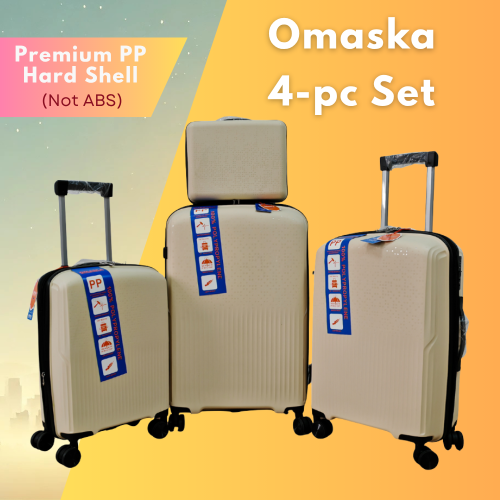 Your price for this item is $279.95
 -
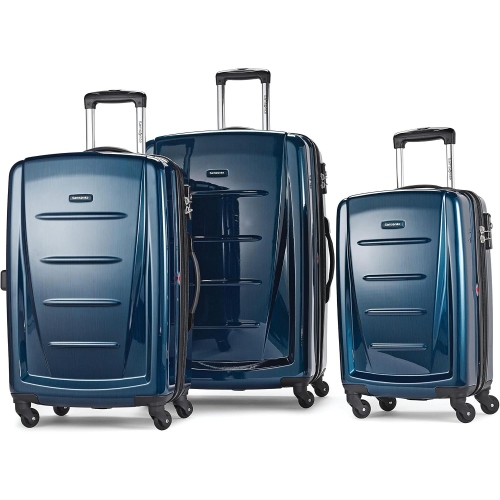 Your price for this item is $474.05
 -
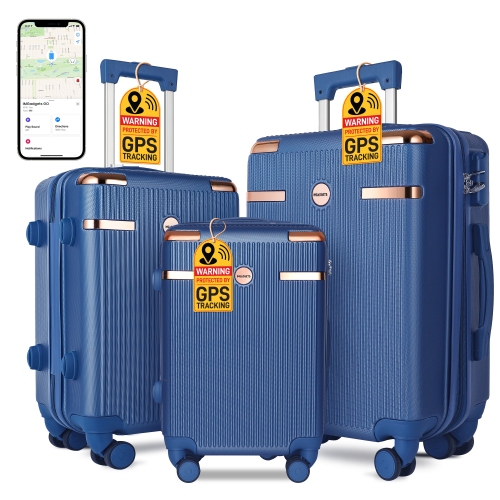 Your price for this item is $159.97
 -
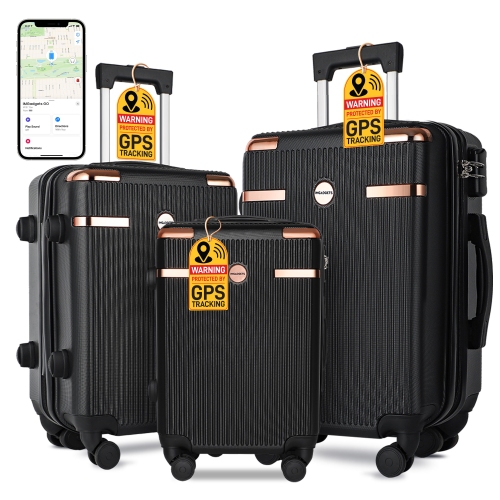 Your price for this item is $189.97
 -
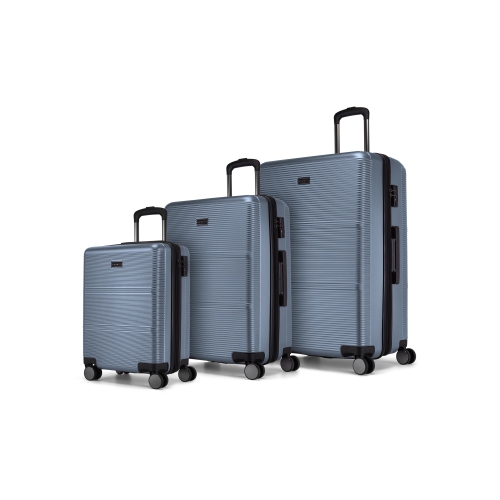 Your price for this item is $239.99
 -
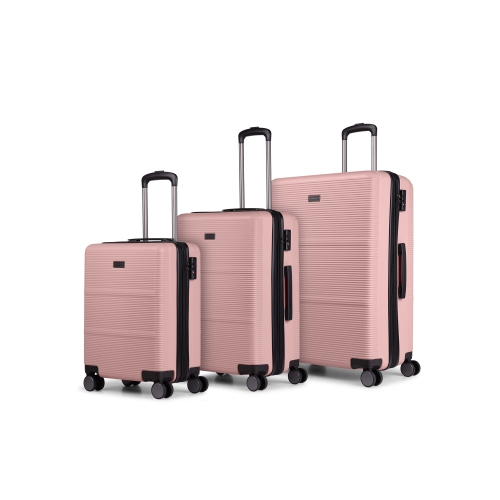 Your price for this item is $239.99
 -
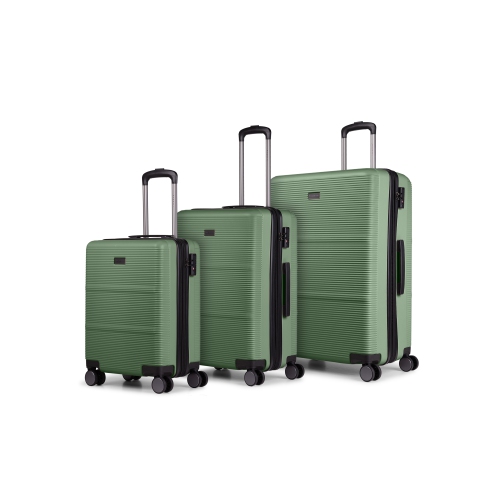 Your price for this item is $239.99
 -
 Your price for this item is $569.99
Discover more categories related to Hard Side Spinner Luggage

Top Collections:
Pokemon Centers, Kindle Devices, Apple iPhones 16, Samsung Galaxy Phones, Canon G7X Cameras, iPhone 15 Apple, Flip Phones, Apple Wired Earphones, Best Budget Office Chairs, Refurbished Apple Laptops
Some products may be subject to Environmental Handling Fees
(EHF) depending on your province.
Learn more about EHFs.