Italy Power Outlets
Traveling to Italy or setting up international devices at home requires the right connection, and an Italy Power Outlet ensures your electronics stay powered and ready for use. Whether you’re preparing for a European adventure or need to adapt devices for Italian sockets, finding the appropriate outlet solutions is essential. Explore a range of Italy Power Outlet options designed to help you connect your favorite gadgets and appliances with ease and confidence.
Sort

Why plug fit alone isn’t enough in Italy
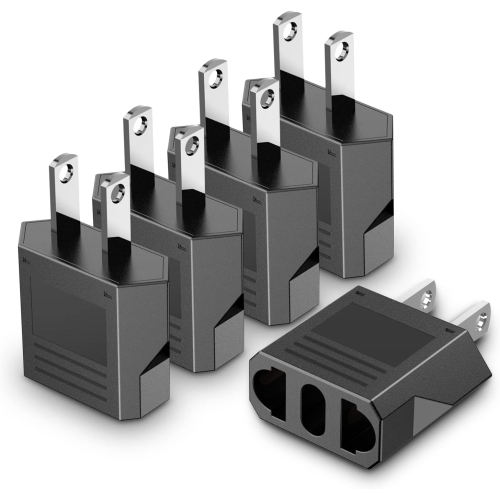
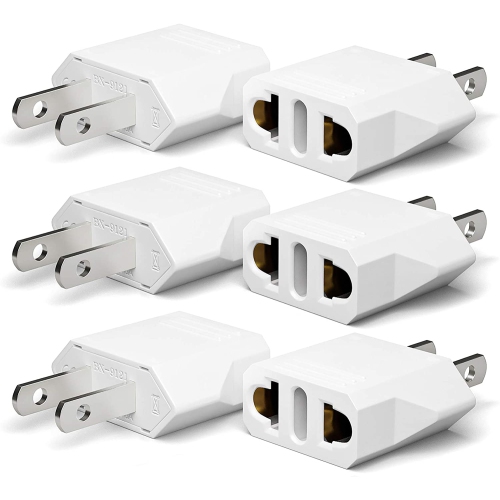
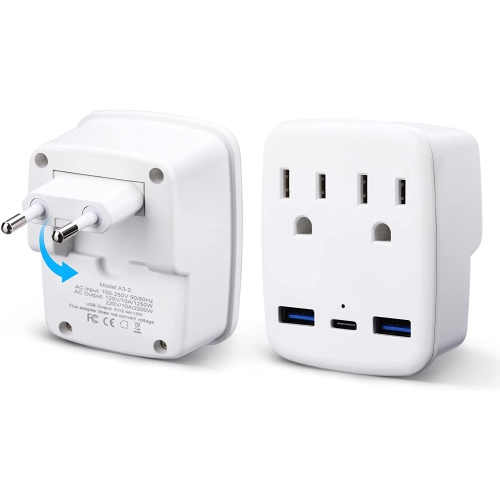
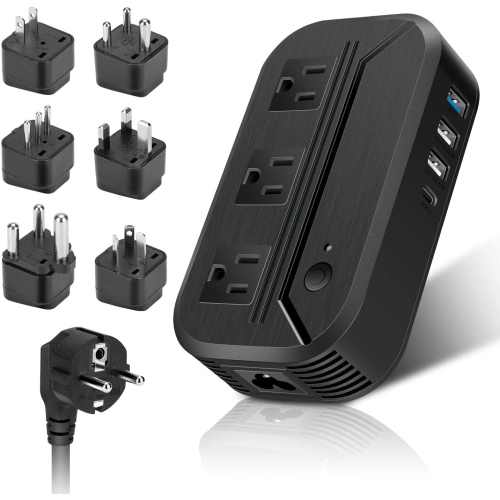
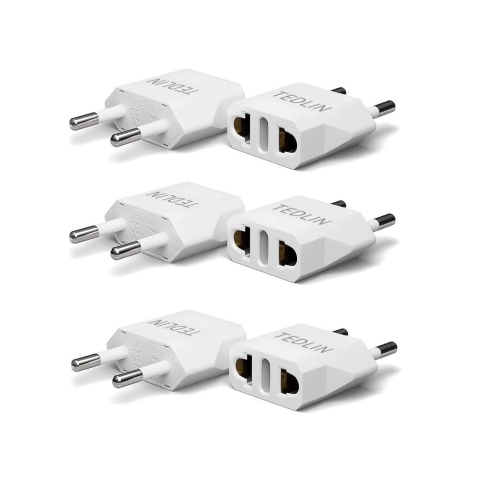
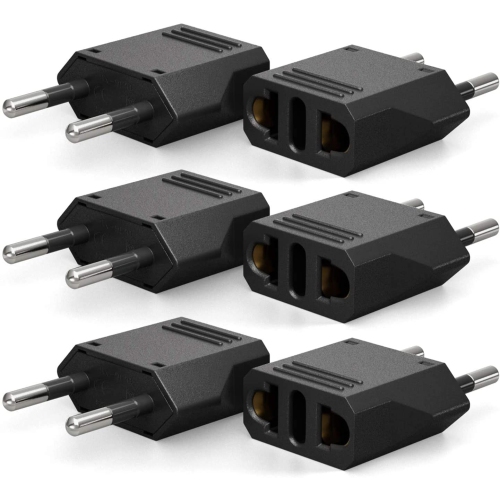
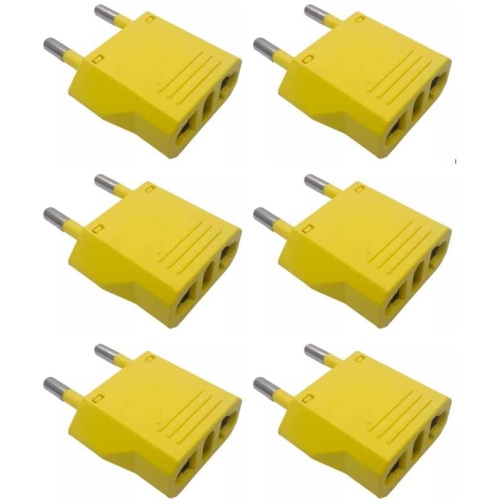
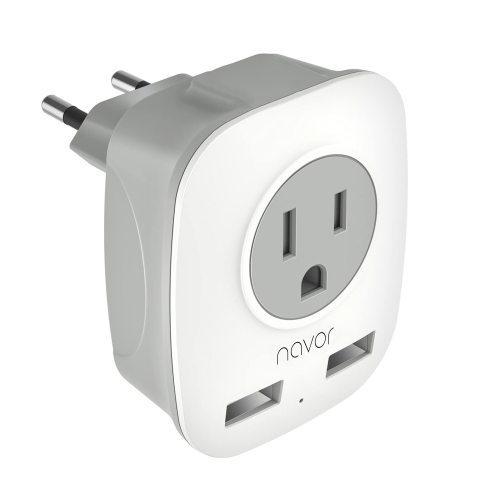
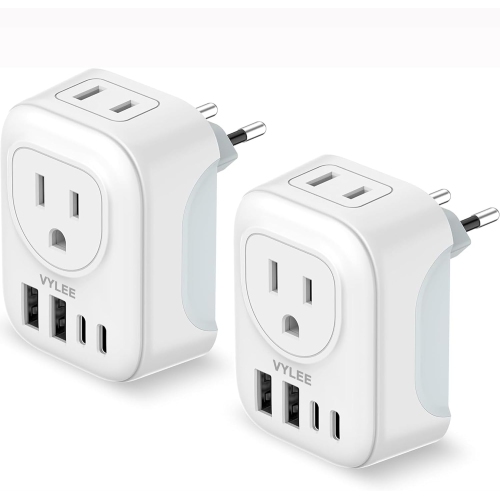
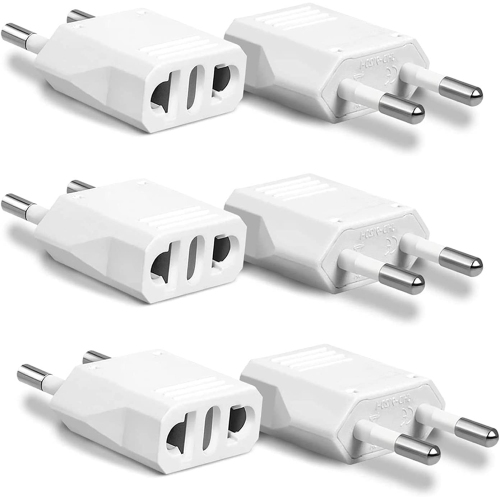
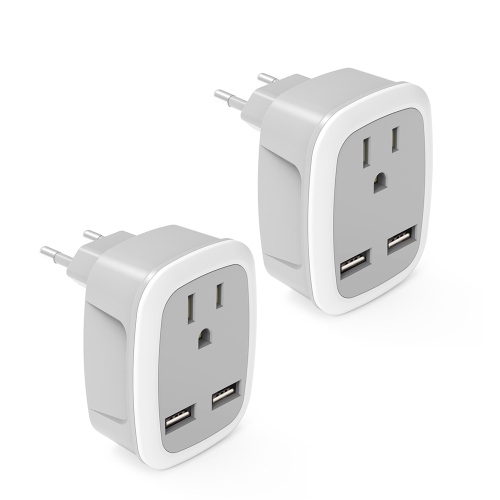
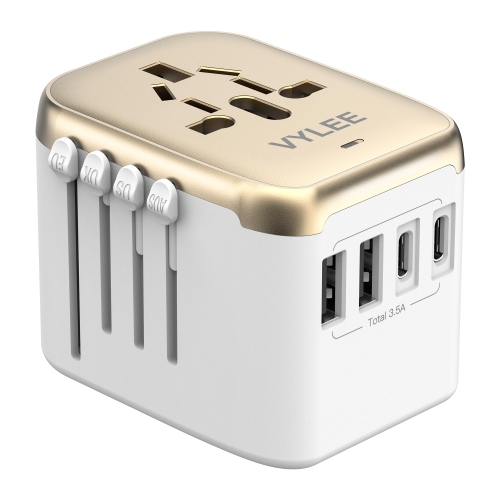
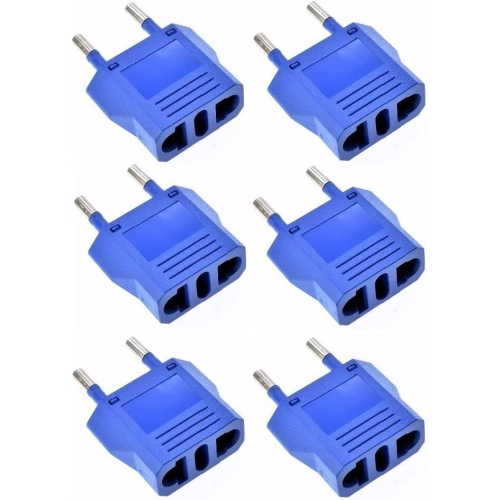
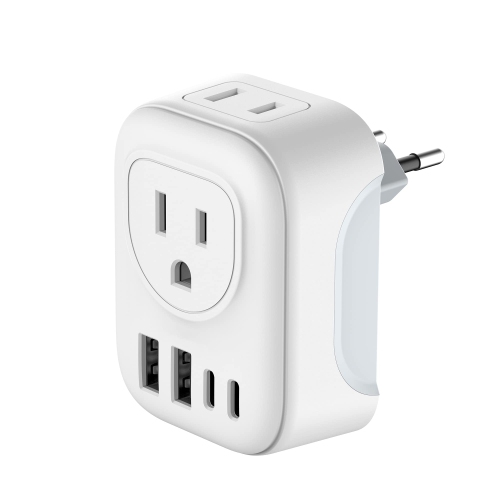
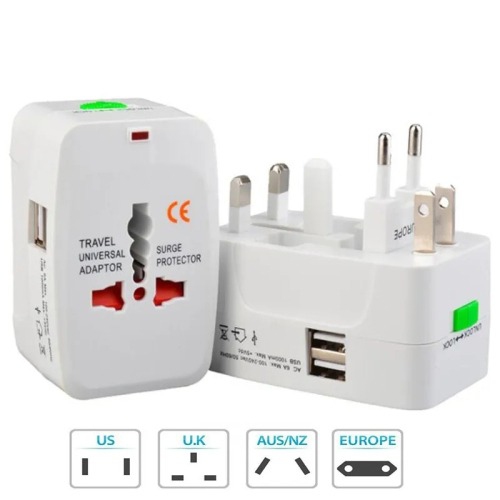
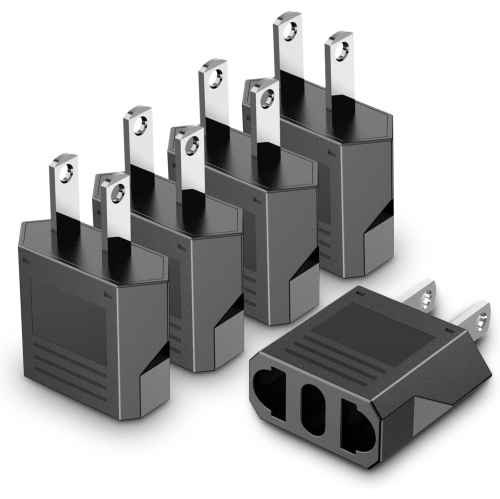
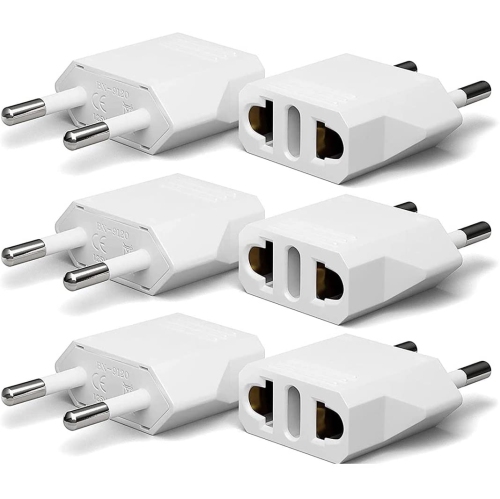
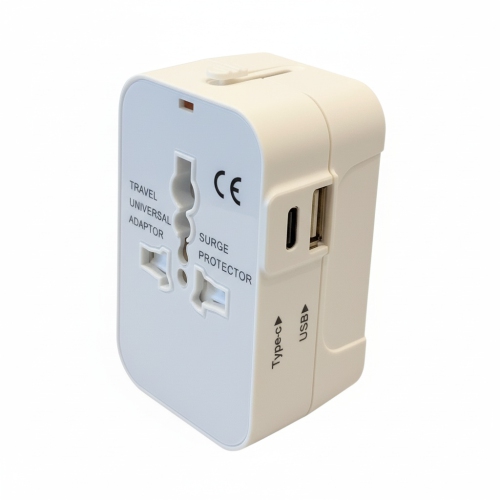
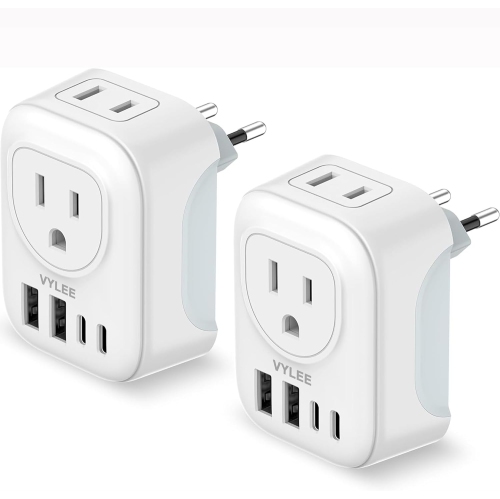
Power adapters for Italy connect Canadian plugs to the socket shapes found in Italian hotels, apartments, and other travel accommodations. Italy’s electrical supply is 230V at 50Hz, compared with the 120V at 60Hz supply commonly used in Canada. Travellers may encounter Type C, Type F, and Type L outlets, so both plug fit and electrical compatibility matter when choosing travel charging accessories. Type C plugs have two small round pins and are ungrounded, making them common on compatible low-power chargers. Type F plugs have two round pins with grounding contacts along the sides and require a compatible socket to maintain that ground connection. Type L, the distinctive Italian format, has three round pins arranged in a straight line. It comes in 10A and 16A versions with different pin dimensions and spacing, so the two sizes are not directly interchangeable, although some combination sockets accept more than one format. An adapter described simply as European may not cover every Italian socket arrangement. Italy-specific compatibility, supported outlet types, and grounding details are more useful than a broad regional label alone. For a Canadian visitor, the adapter’s input also needs to accept the plug attached to the device or charger, whether that is a two-blade Type A plug or a grounded, three-prong Type B plug. A grounded appliance requires an adapter and wall connection that preserve the earth connection; accepting three prongs on the input side does not, by itself, establish that an adapter provides grounding. These distinctions are especially relevant when packing for a trip with several stops, where a bedside outlet in one room may differ from the socket beside a desk in the next. Travel plug adapters, compatible USB wall chargers, and appropriately rated charging accessories help meet these different needs, with compact designs suited to a small carry-on and multi-port formats suited to travellers charging several everyday devices.
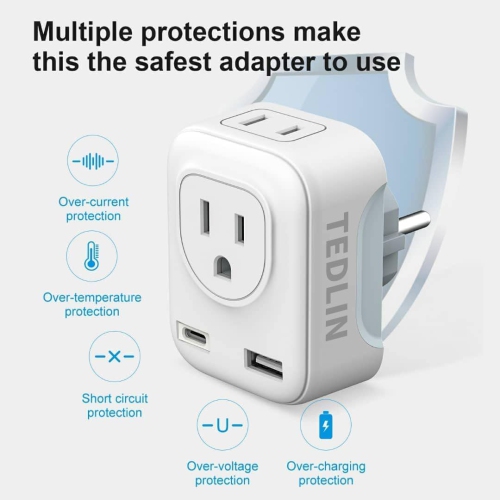
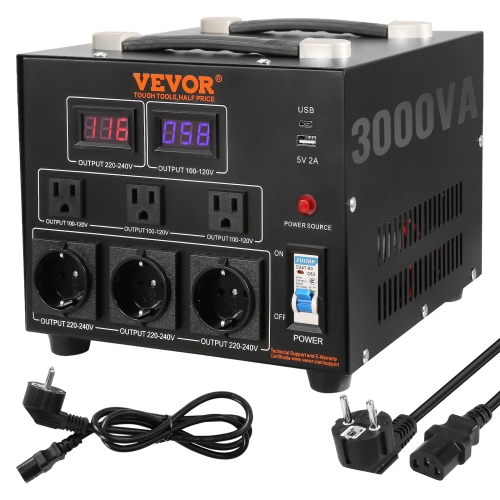
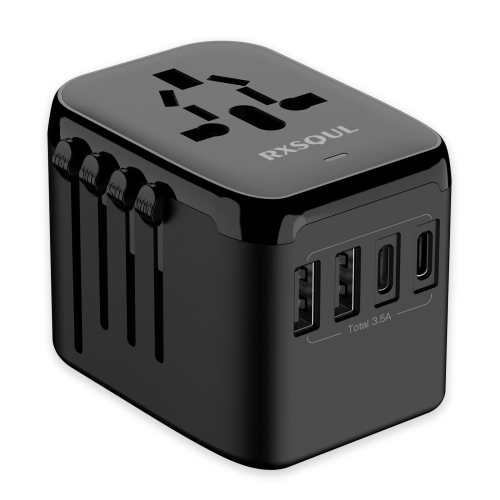
The most important distinction within this category is that a plug adapter changes the physical connection, not the voltage or frequency. A charger labelled “Input: 100–240V, 50/60Hz” can accept Italy’s electrical supply and generally needs only the correct plug adapter. This wide input range is common on phone, tablet, laptop, and camera chargers, but it should be checked on each charger rather than assumed from the device category. A device marked only for 120V must not be connected directly to a 230V outlet through an ordinary adapter. Voltage converters and transformers serve a different purpose, and their suitability depends on the appliance type, continuous power requirement, and manufacturer’s specifications. Most do not change the supply frequency, which can matter for motors, clocks, and other frequency-sensitive equipment. High-power hair dryers, curling irons, and similar appliances deserve particular attention because their electrical demands can exceed the limits of compact travel accessories. A compatible dual-voltage appliance, correctly set where a manual selector is fitted, or an appliance provided at the accommodation can be a more practical choice than travelling with conversion equipment. USB charging brings another set of considerations. An adapter with built-in USB ports may provide a regulated charging output while leaving its AC socket at the wall supply voltage; the presence of USB ports does not mean the AC connection converts voltage. For USB-C charging, the supported charging protocol, output wattage, and cable rating should suit the connected device. A phone and a laptop may use the same connector but need quite different amounts of power. On multi-port chargers, the total output may be shared, so charging several devices together can reduce the power delivered to each one. Picture an evening with a phone downloading photos, a camera battery charging for the next day, and a laptop open on a narrow desk: enough ports are helpful, but adequate output and a suitable wall connection are what make that arrangement work reliably. Keeping device requirements together when comparing accessories makes it easier to choose a charging setup that fits the actual trip.
Physical design also affects how comfortable travel adapters are to pack and use. A compact body leaves more room in a toiletry bag or cable pouch, while a wider multi-port unit may occupy neighbouring sockets or sit awkwardly behind furniture. Plug pins should match the intended outlet without force, and the adapter should sit securely rather than sag under the weight of a large charging brick. A short charging cable can keep a desk tidy, whereas a longer one may be more useful when the only accessible outlet is across the room from a bedside table. Durable insulating housings, securely fitted pins, and clearly marked electrical ratings are useful construction details to assess. Foldaway pins or protective covers can make packing easier, provided any moving parts lock firmly into their operating position. Applicable safety certification, clear manufacturer instructions, and stated limits for both AC use and USB output add important context beyond the number of sockets. Adapters should be kept dry, used with adequate ventilation, and checked for cracks, loose parts, or damaged pins before travel. Unplug them before cleaning, follow the manufacturer’s care directions, and avoid using an accessory that shows scorching, makes crackling sounds, or becomes unusually hot. Stacking adapters or connecting multiple outlet expanders can create unstable connections and make electrical limits harder to track. For charging arrangements that extend beyond a single wall adapter, Portable Power Outlets offers a related category to consider, with each accessory’s voltage rating and intended use still essential to suitability abroad. A Canadian power bar rated only for 125V is not made compatible with Italy’s supply by adding a plug adapter. For students spending a term abroad, business travellers carrying a laptop, or families sharing charging space, the most useful accessories match the devices already in the bag. They can also make thoughtful gifts for someone preparing for an Italian holiday, particularly when their plug types and charging needs are known. A clearly labelled adapter stored with the correct cables keeps the setup straightforward from the first hotel check-in to the final morning of packing.
The most important distinction within this category is that a plug adapter changes the physical connection, not the voltage or frequency. A charger labelled “Input: 100–240V, 50/60Hz” can accept Italy’s electrical supply and generally needs only the correct plug adapter. This wide input range is common on phone, tablet, laptop, and camera chargers, but it should be checked on each charger rather than assumed from the device category. A device marked only for 120V must not be connected directly to a 230V outlet through an ordinary adapter. Voltage converters and transformers serve a different purpose, and their suitability depends on the appliance type, continuous power requirement, and manufacturer’s specifications. Most do not change the supply frequency, which can matter for motors, clocks, and other frequency-sensitive equipment. High-power hair dryers, curling irons, and similar appliances deserve particular attention because their electrical demands can exceed the limits of compact travel accessories. A compatible dual-voltage appliance, correctly set where a manual selector is fitted, or an appliance provided at the accommodation can be a more practical choice than travelling with conversion equipment. USB charging brings another set of considerations. An adapter with built-in USB ports may provide a regulated charging output while leaving its AC socket at the wall supply voltage; the presence of USB ports does not mean the AC connection converts voltage. For USB-C charging, the supported charging protocol, output wattage, and cable rating should suit the connected device. A phone and a laptop may use the same connector but need quite different amounts of power. On multi-port chargers, the total output may be shared, so charging several devices together can reduce the power delivered to each one. Picture an evening with a phone downloading photos, a camera battery charging for the next day, and a laptop open on a narrow desk: enough ports are helpful, but adequate output and a suitable wall connection are what make that arrangement work reliably. Keeping device requirements together when comparing accessories makes it easier to choose a charging setup that fits the actual trip.
Physical design also affects how comfortable travel adapters are to pack and use. A compact body leaves more room in a toiletry bag or cable pouch, while a wider multi-port unit may occupy neighbouring sockets or sit awkwardly behind furniture. Plug pins should match the intended outlet without force, and the adapter should sit securely rather than sag under the weight of a large charging brick. A short charging cable can keep a desk tidy, whereas a longer one may be more useful when the only accessible outlet is across the room from a bedside table. Durable insulating housings, securely fitted pins, and clearly marked electrical ratings are useful construction details to assess. Foldaway pins or protective covers can make packing easier, provided any moving parts lock firmly into their operating position. Applicable safety certification, clear manufacturer instructions, and stated limits for both AC use and USB output add important context beyond the number of sockets. Adapters should be kept dry, used with adequate ventilation, and checked for cracks, loose parts, or damaged pins before travel. Unplug them before cleaning, follow the manufacturer’s care directions, and avoid using an accessory that shows scorching, makes crackling sounds, or becomes unusually hot. Stacking adapters or connecting multiple outlet expanders can create unstable connections and make electrical limits harder to track. For charging arrangements that extend beyond a single wall adapter, Portable Power Outlets offers a related category to consider, with each accessory’s voltage rating and intended use still essential to suitability abroad. A Canadian power bar rated only for 125V is not made compatible with Italy’s supply by adding a plug adapter. For students spending a term abroad, business travellers carrying a laptop, or families sharing charging space, the most useful accessories match the devices already in the bag. They can also make thoughtful gifts for someone preparing for an Italian holiday, particularly when their plug types and charging needs are known. A clearly labelled adapter stored with the correct cables keeps the setup straightforward from the first hotel check-in to the final morning of packing.
Top selling and popular products
-
 Your price for this item is $39.95
 -
 Your price for this item is $49.99
 -
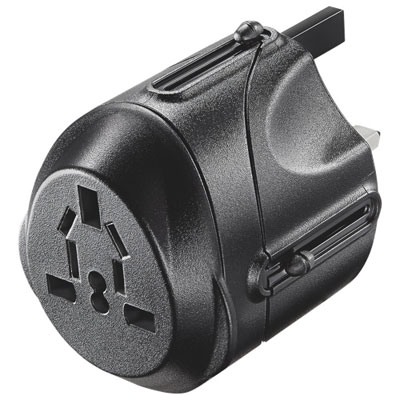 Your price for this item is $24.99
 -
 Your price for this item is $19.97
 -
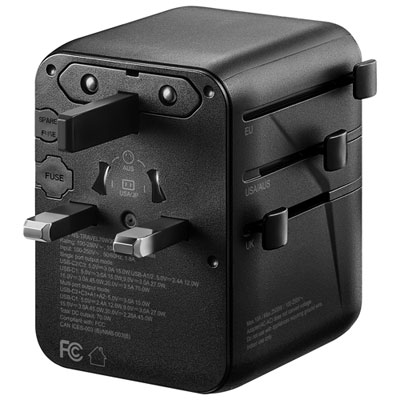 Your price for this item is $64.99
 -
 Your price for this item is $49.99
 -
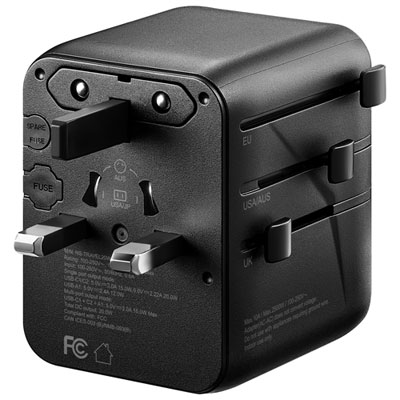 Your price for this item is $29.99
 -
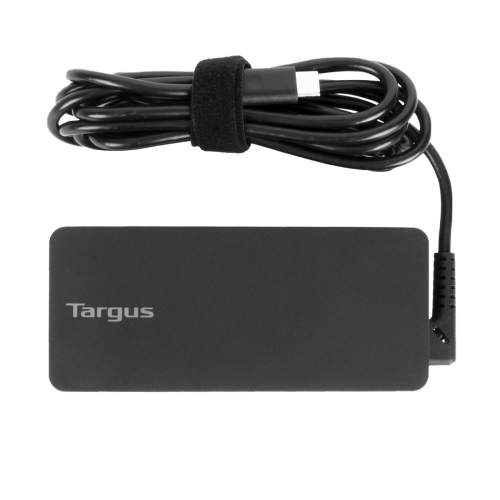 Your price for this item is $65.99
Discover more categories related to Italy Power Outlets
Top Collections:
Pokemon Centers, Budget 4K TVs, Best Budget Office Chairs, Kindle Devices, Canon G7X Cameras, Apple iPhones 16, iPhone 15 Apple, Laptops for Business Work, Xiaomi Phones, Flip Phones
Some products may be subject to Environmental Handling Fees
(EHF) depending on your province.
Learn more about EHFs.