Lightweight Spinner Luggage
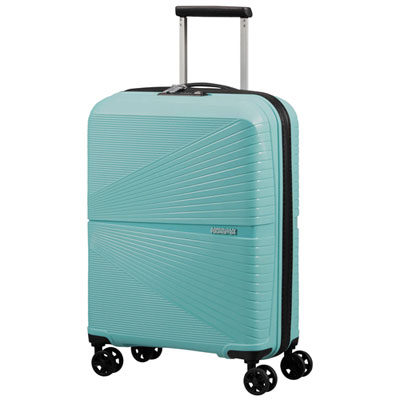
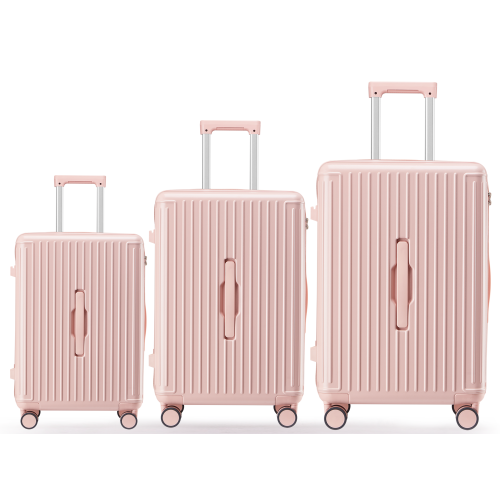
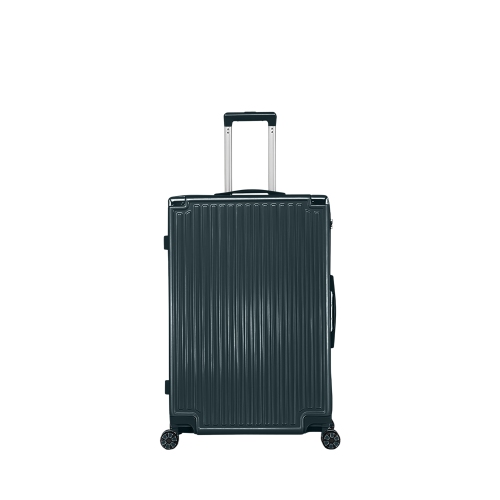
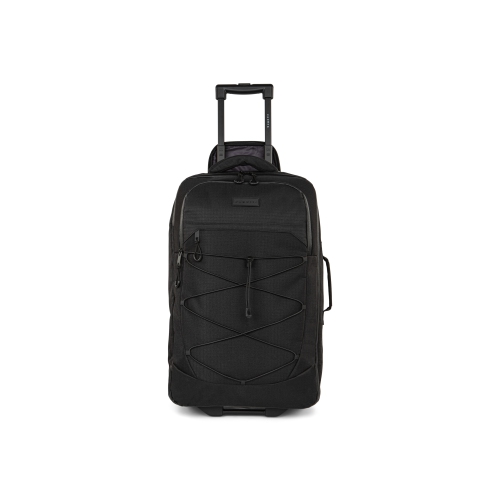
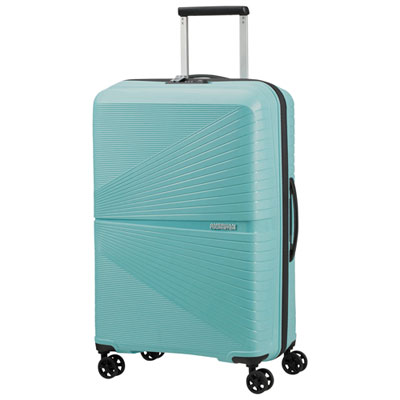
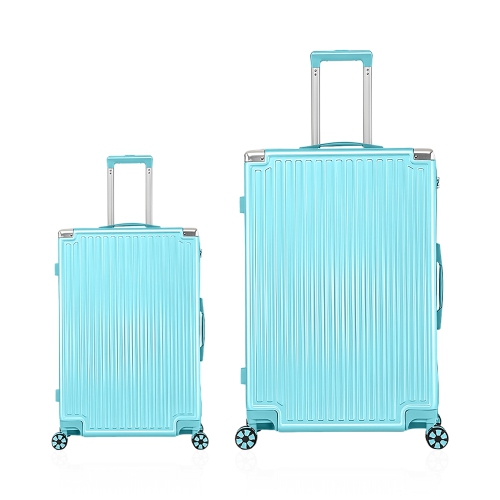
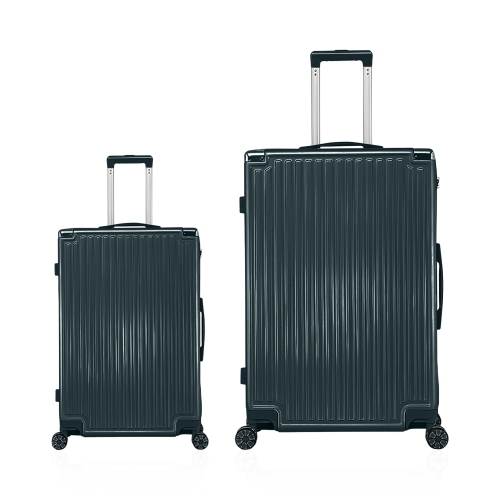
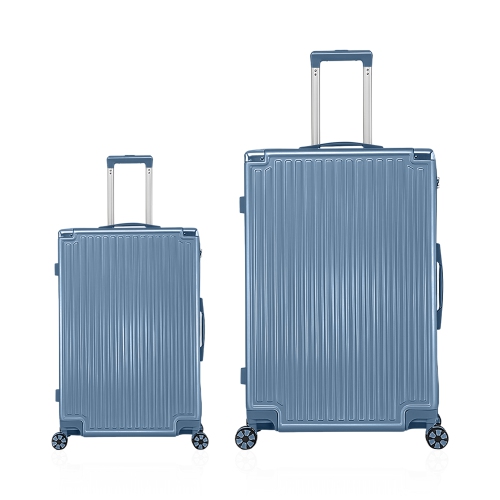
Lightweight spinner luggage is a type of carry-on luggage that can be wheeled around using the handle or wheels. The design allows it to be rolled through the airport without having to be picked up or moved by hand. The spinner mechanism allows the bag to turn on a dime, which makes it ideal for use in crowded airports and on public transportation. Here are some of our favorites.
Sort


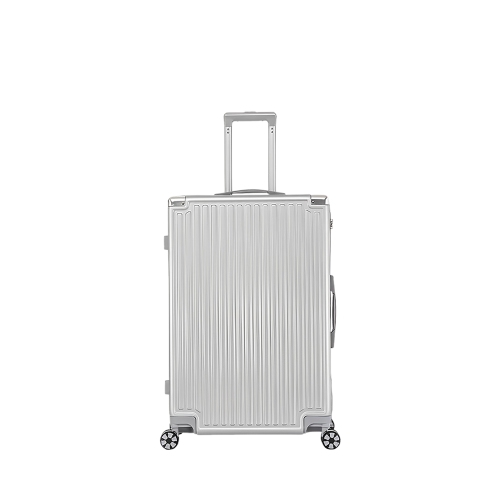
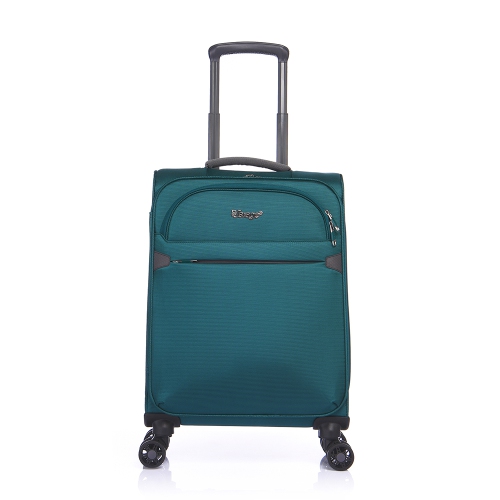
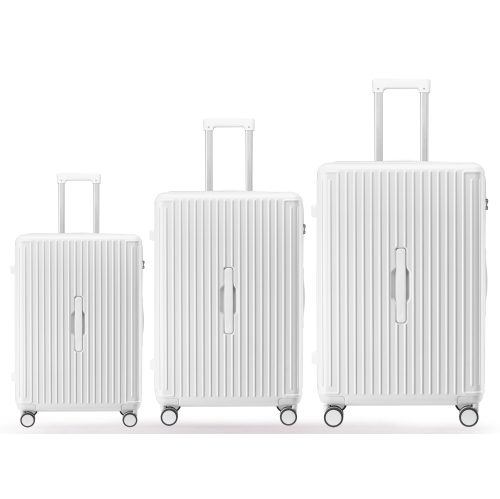
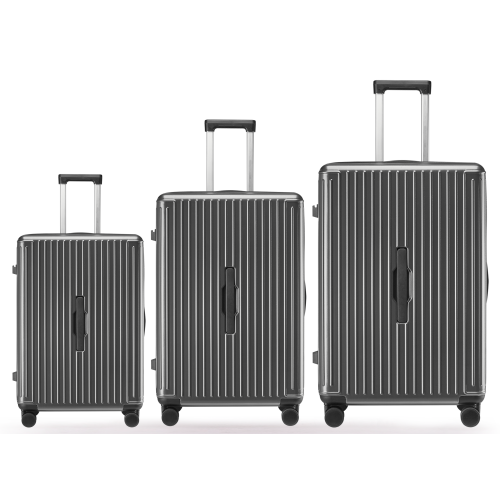
![AIR CANADA 3 Piece Spinner Set 20", 24" & 28" Lightweight Hardside Upright Luggage [ ] In Charcoal](https://multimedia.bbycastatic.ca/multimedia/products/500x500/116/11624/11624126.jpg)
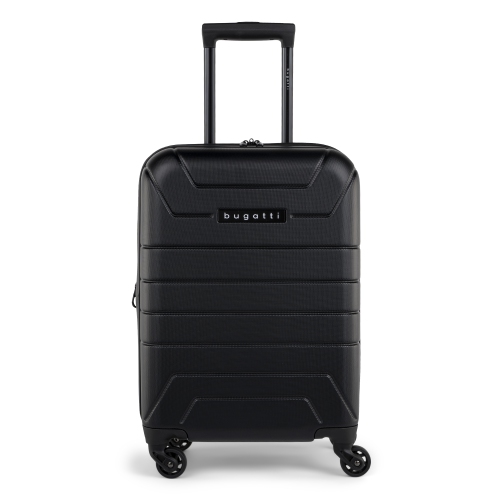
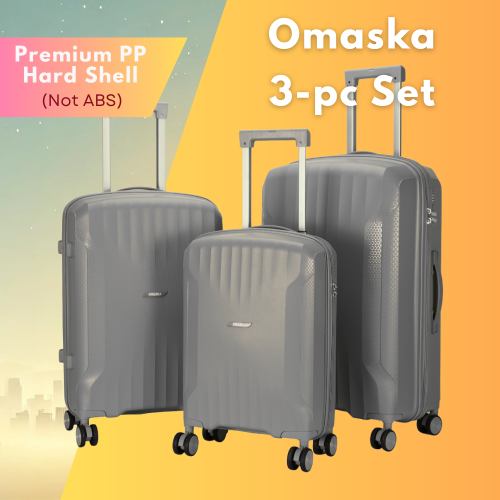
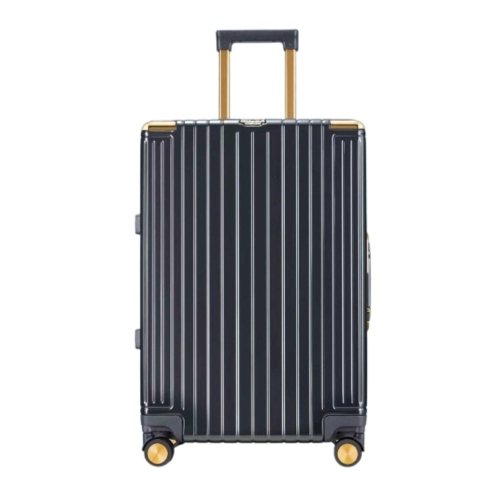
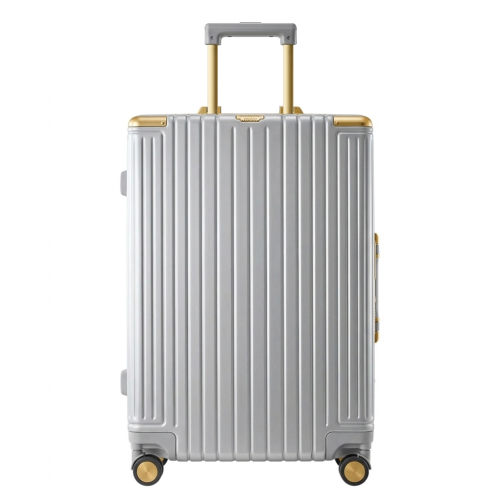
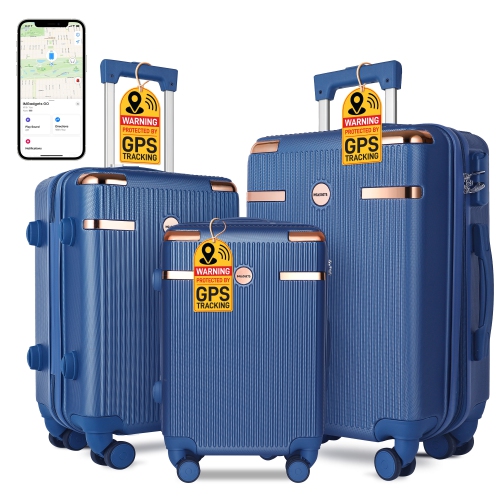
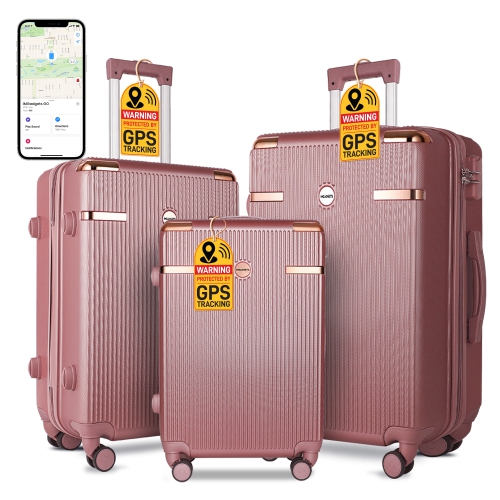
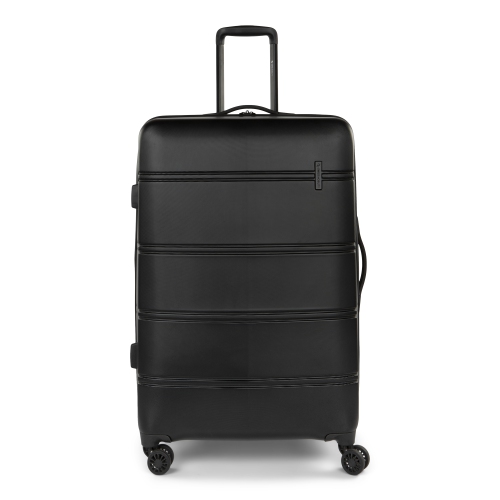
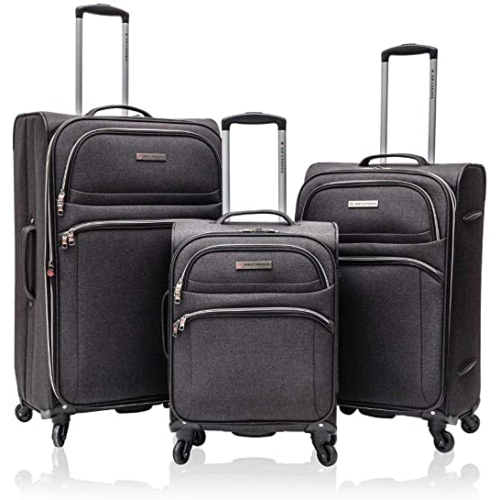
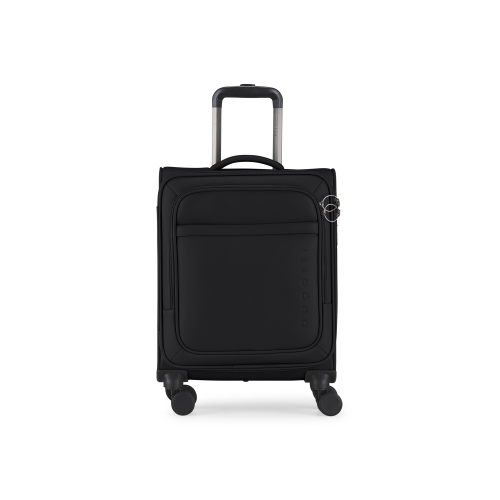
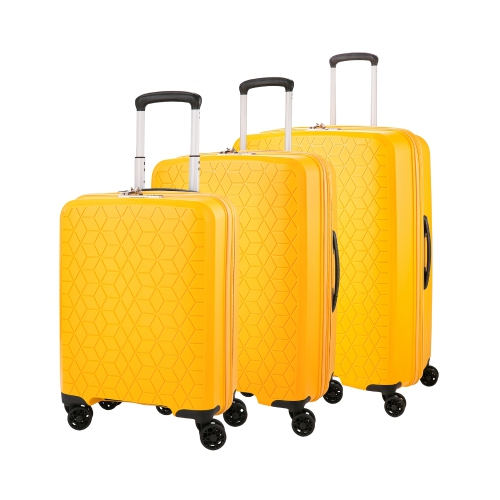
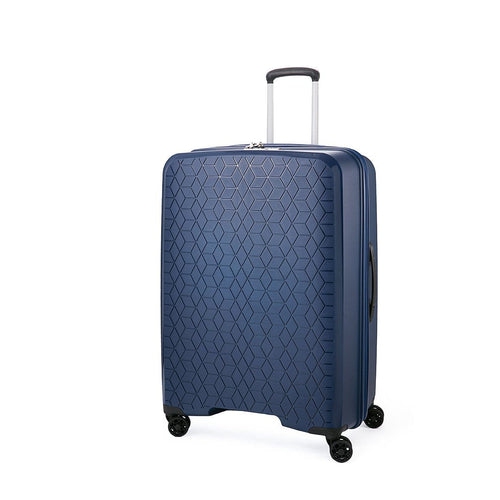
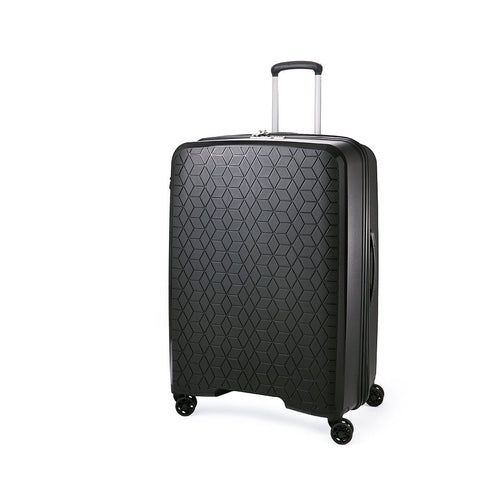
Why four wheels can ease the airport shuffle
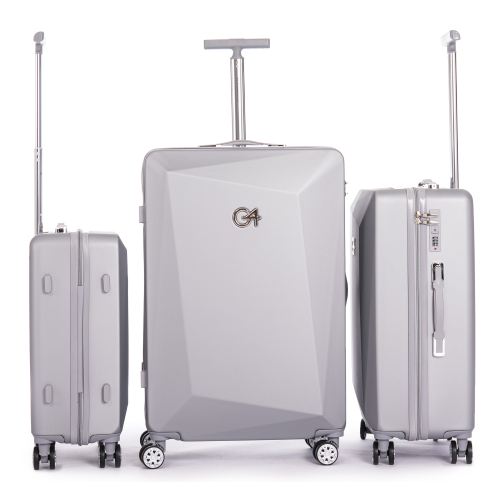
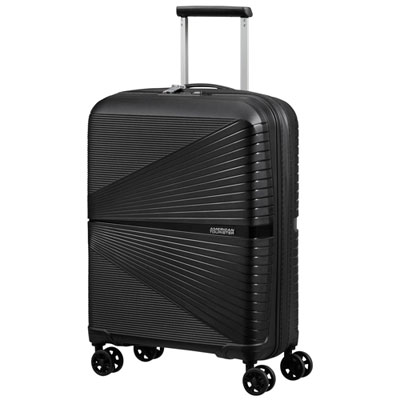
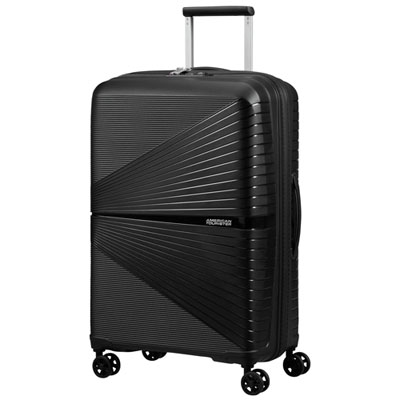
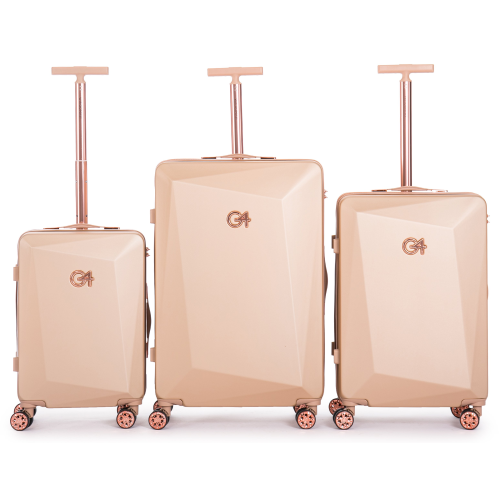
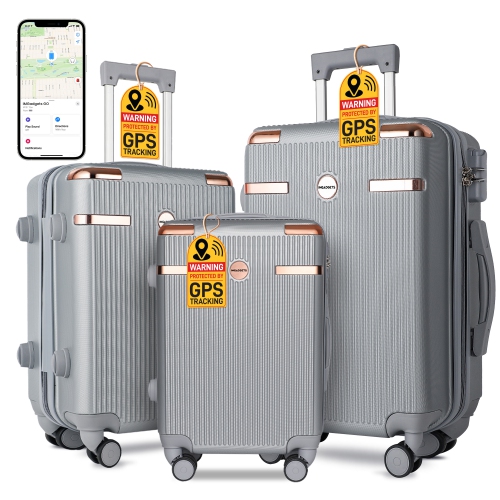
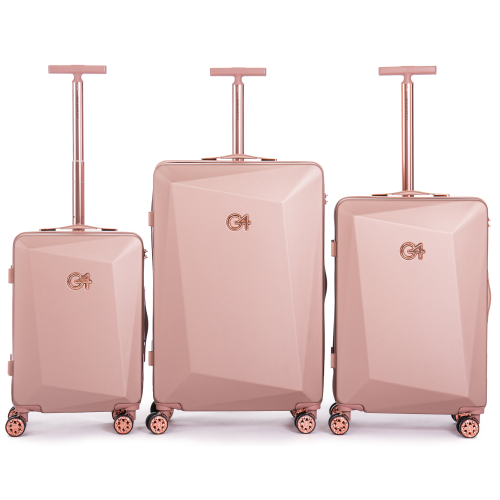
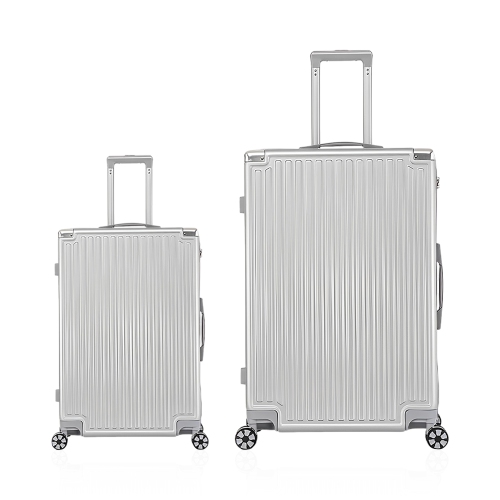
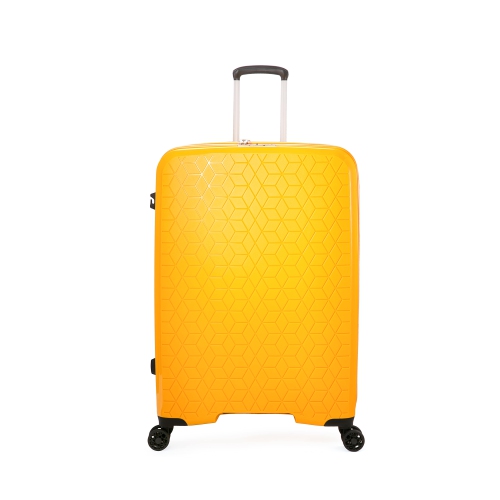
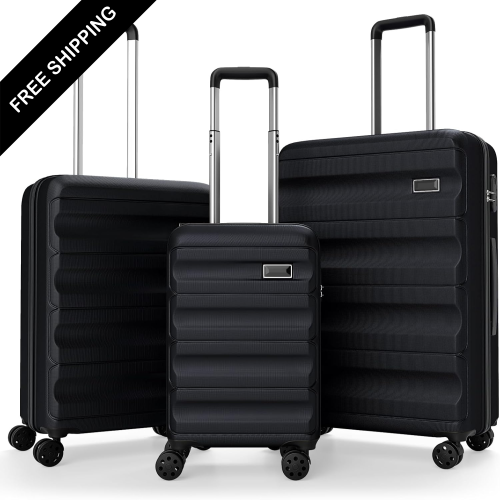
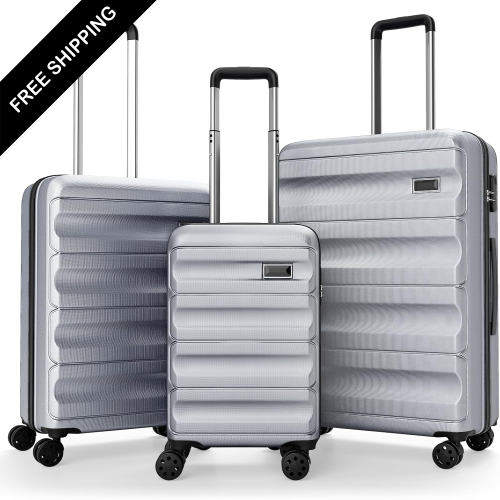
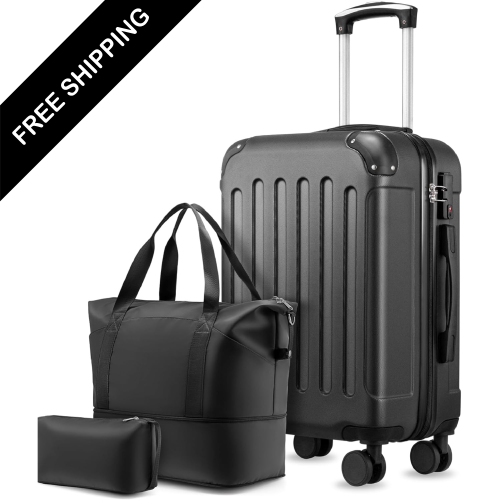
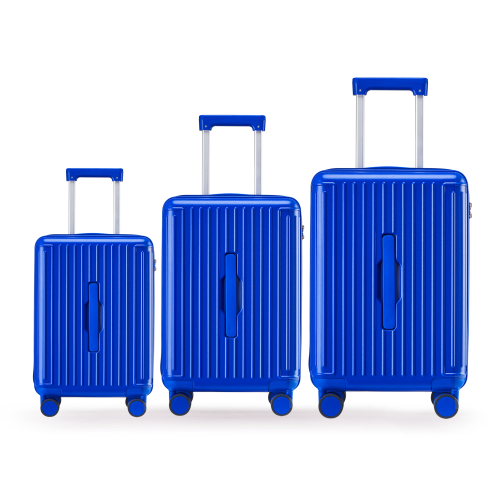
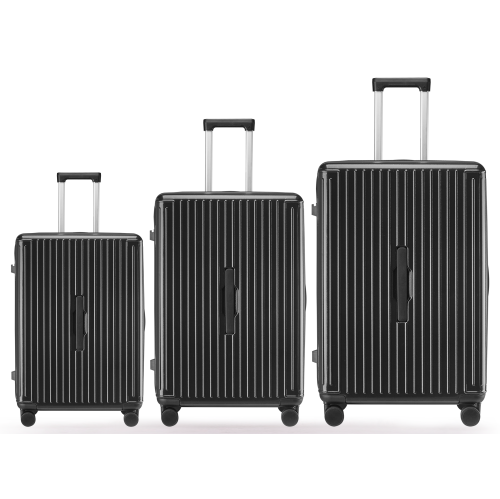
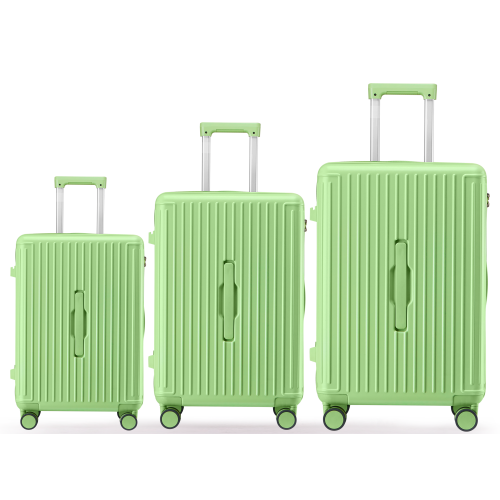
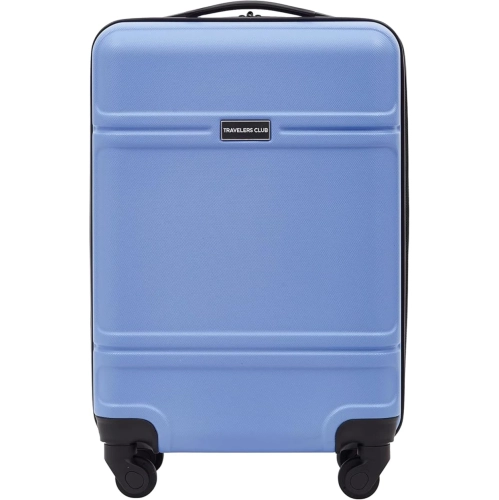
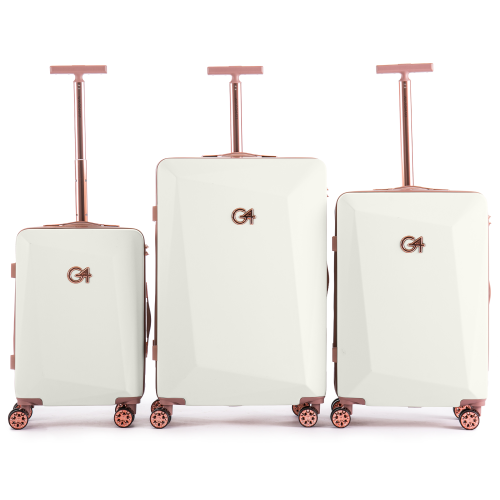
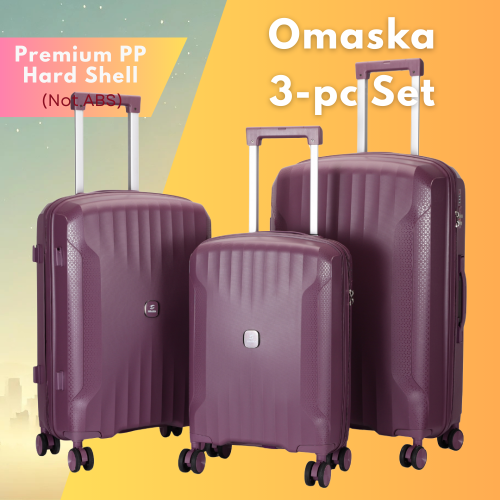
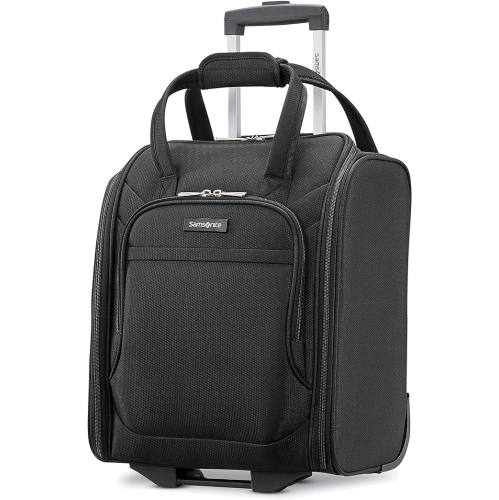
Lightweight spinner luggage pairs a relatively low empty weight with four multidirectional wheel assemblies, allowing a suitcase to roll upright and turn through 360 degrees. On smooth airport floors, this design lets the bag travel beside its owner rather than being pulled at an angle, which can reduce the effort needed to move a packed case through a terminal. The benefit is especially noticeable in a slow-moving check-in queue, where a suitcase can turn sideways or move forward without much room to manoeuvre. Some designs use a single wheel at each corner, while others have paired wheels; smooth handling also depends on wheel construction, bearings, spacing, and how evenly the contents are packed. There is no single weight threshold that makes every suitcase lightweight, so empty weight is most useful when compared with bags of similar dimensions and capacity. A lighter case leaves more of an airline’s baggage weight allowance for clothing, footwear, and travel essentials, although a fully packed bag must still meet the carrier’s rules. Carry-on spinner luggage suits shorter trips and travellers who prefer to keep their belongings close, while larger checked luggage provides room for longer stays, shared packing, or bulkier clothing during the cooler months. Published measurements deserve close attention: airlines generally count wheels, handles, and other protruding parts within their size limits, and requirements can vary by carrier and fare. An expansion panel adds packing depth but may put a case beyond the permitted dimensions once opened. Travellers comparing shapes and carrying styles can also explore Lightweight Luggage Bags alongside spinner designs. The practical fit comes down to more than volume. A case should leave enough space for the trip without becoming difficult to lift into a vehicle, move up steps, or place in an overhead compartment. Even an easy-rolling suitcase still needs to be lifted at some point.
Materials influence how lightweight spinner luggage feels, packs, and stands up to repeated travel. Softside luggage commonly uses woven polyester or nylon, with performance depending on fabric quality, weave, backing, and reinforcement rather than the material name alone. A flexible exterior can accommodate slightly irregular loads, and outside pockets offer convenient access to a light jacket or travel documents. Those pockets count towards the bag’s overall depth when filled, so a heavily packed front compartment can affect both balance and airline fit. Hardside spinner luggage typically uses moulded plastics such as polycarbonate, polypropylene, or ABS, sometimes in blends. Polycarbonate is valued for its combination of flex and impact resistance, polypropylene can provide a low-weight shell with useful resilience, and ABS tends to be more rigid. The finished construction matters as much as the shell material: corners, seams, zipper attachment, and wheel mounts all experience strain in transit. A hard shell creates a structured barrier around belongings and generally sheds splashes more readily than an untreated fabric exterior, but it does not make the entire suitcase waterproof or prevent fragile contents from being damaged. Water can still enter through closures, and breakable possessions need suitable padding. Inside, compression straps help hold clothing in place, while a zippered divider can separate shoes from clean garments or keep two travellers’ belongings apart. A clamshell case opens into two packing sections and usually needs space to spread out; a lid-style opening may be easier to use on a narrow luggage stand. Packing cubes can add organisation without relying on numerous built-in compartments. Smooth-running zippers, neatly finished stitching, a secure telescoping handle, and comfortable lifting handles are useful details across both shell types. A lightweight design works best when weight savings are balanced with sturdy construction at the points that take the most handling.
Everyday usability often becomes clear in the transitions between the airport, the street, and the place of stay. Spinner wheels excel on smooth, level surfaces, but carpet, pavement cracks, gravel, and slushy entrances create more resistance. Where the design permits, tilting a spinner onto two wheels can make a short stretch of uneven ground easier to cross; carrying it over deep snow or loose gravel may be more practical than forcing the wheels through. An upright spinner can also roll away on a slope or moving train, so it needs to stay within reach and be secured when necessary. A telescoping handle with several locking positions helps travellers of different heights find a comfortable reach without having the bag strike their heels. That handle is intended for steering, while fixed top and side handles are the appropriate lifting points. Balanced packing improves control: heavier belongings placed low and near the wheel base can help limit tipping, particularly when a smaller bag is attached above the case. For business travellers, accessible compartments and a manageable carry-on size can simplify a short stay; students travelling between home and campus may appreciate room for extra layers, while families may find separate interior sections useful for keeping outfits together. Lightweight spinner luggage can also make a practical graduation, wedding, or retirement gift when its size and layout suit the recipient’s travel habits. After a trip, simple care helps keep it ready for the next departure. Dust, hair, and grit should be removed from the wheels, and the shell or fabric should be cleaned according to the manufacturer’s directions, using mild methods rather than harsh solvents. A damp suitcase needs to dry completely before storage, with pockets emptied and closures left open as needed for airflow. Storing luggage in a dry place without heavy objects pressing on it helps preserve its shape. Repair options for wheels, handles, and zippers, along with clear warranty terms, are worth considering for luggage expected to make frequent trips.
Materials influence how lightweight spinner luggage feels, packs, and stands up to repeated travel. Softside luggage commonly uses woven polyester or nylon, with performance depending on fabric quality, weave, backing, and reinforcement rather than the material name alone. A flexible exterior can accommodate slightly irregular loads, and outside pockets offer convenient access to a light jacket or travel documents. Those pockets count towards the bag’s overall depth when filled, so a heavily packed front compartment can affect both balance and airline fit. Hardside spinner luggage typically uses moulded plastics such as polycarbonate, polypropylene, or ABS, sometimes in blends. Polycarbonate is valued for its combination of flex and impact resistance, polypropylene can provide a low-weight shell with useful resilience, and ABS tends to be more rigid. The finished construction matters as much as the shell material: corners, seams, zipper attachment, and wheel mounts all experience strain in transit. A hard shell creates a structured barrier around belongings and generally sheds splashes more readily than an untreated fabric exterior, but it does not make the entire suitcase waterproof or prevent fragile contents from being damaged. Water can still enter through closures, and breakable possessions need suitable padding. Inside, compression straps help hold clothing in place, while a zippered divider can separate shoes from clean garments or keep two travellers’ belongings apart. A clamshell case opens into two packing sections and usually needs space to spread out; a lid-style opening may be easier to use on a narrow luggage stand. Packing cubes can add organisation without relying on numerous built-in compartments. Smooth-running zippers, neatly finished stitching, a secure telescoping handle, and comfortable lifting handles are useful details across both shell types. A lightweight design works best when weight savings are balanced with sturdy construction at the points that take the most handling.
Everyday usability often becomes clear in the transitions between the airport, the street, and the place of stay. Spinner wheels excel on smooth, level surfaces, but carpet, pavement cracks, gravel, and slushy entrances create more resistance. Where the design permits, tilting a spinner onto two wheels can make a short stretch of uneven ground easier to cross; carrying it over deep snow or loose gravel may be more practical than forcing the wheels through. An upright spinner can also roll away on a slope or moving train, so it needs to stay within reach and be secured when necessary. A telescoping handle with several locking positions helps travellers of different heights find a comfortable reach without having the bag strike their heels. That handle is intended for steering, while fixed top and side handles are the appropriate lifting points. Balanced packing improves control: heavier belongings placed low and near the wheel base can help limit tipping, particularly when a smaller bag is attached above the case. For business travellers, accessible compartments and a manageable carry-on size can simplify a short stay; students travelling between home and campus may appreciate room for extra layers, while families may find separate interior sections useful for keeping outfits together. Lightweight spinner luggage can also make a practical graduation, wedding, or retirement gift when its size and layout suit the recipient’s travel habits. After a trip, simple care helps keep it ready for the next departure. Dust, hair, and grit should be removed from the wheels, and the shell or fabric should be cleaned according to the manufacturer’s directions, using mild methods rather than harsh solvents. A damp suitcase needs to dry completely before storage, with pockets emptied and closures left open as needed for airflow. Storing luggage in a dry place without heavy objects pressing on it helps preserve its shape. Repair options for wheels, handles, and zippers, along with clear warranty terms, are worth considering for luggage expected to make frequent trips.
Top selling and popular products
-
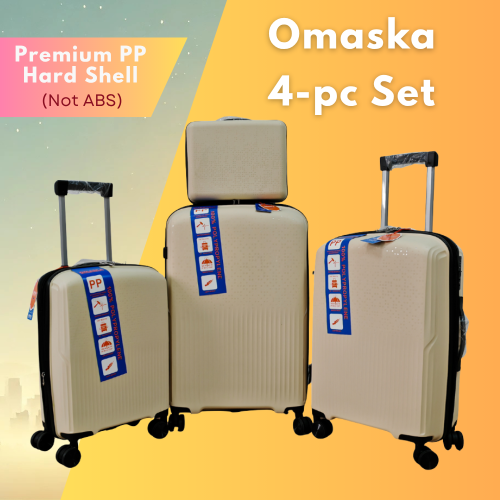 Your price for this item is $279.95
 -
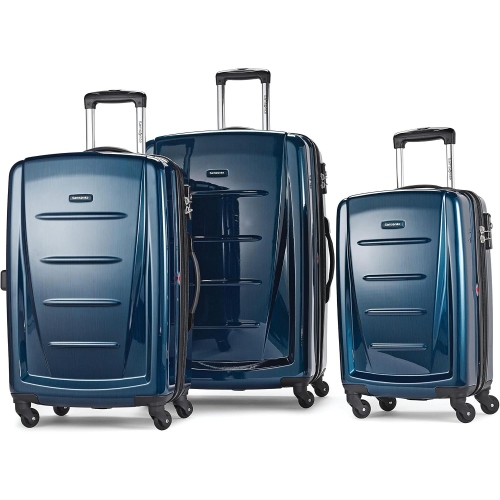 Your price for this item is $474.05
 -
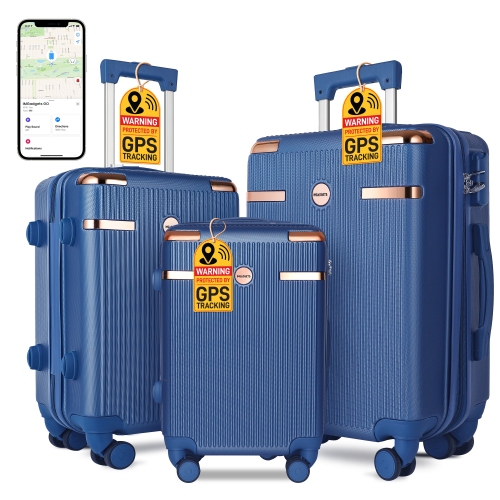 Your price for this item is $159.97
 -
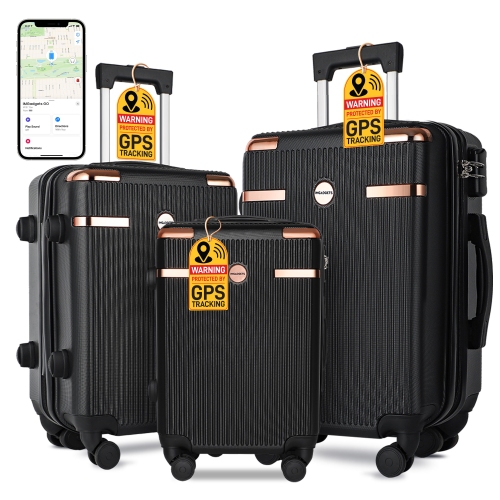 Your price for this item is $159.97
 -
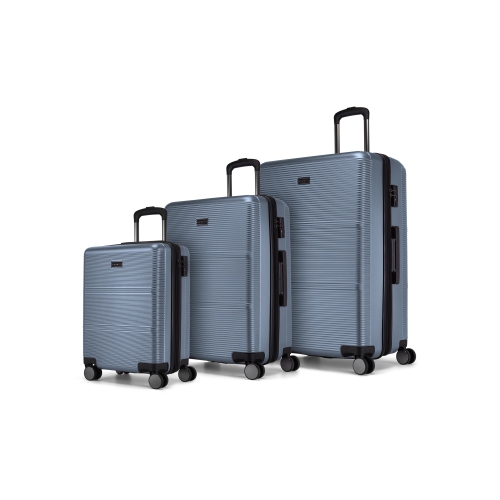 Your price for this item is $239.99
 -
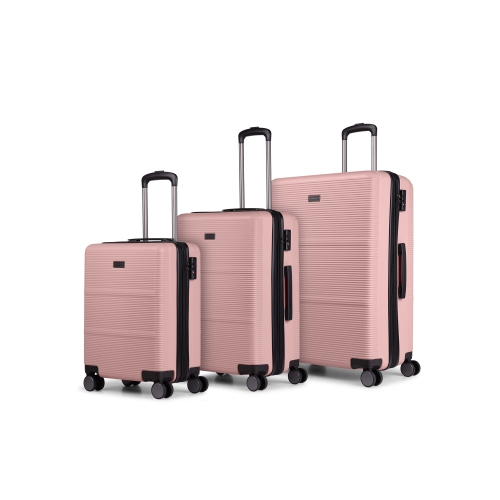 Your price for this item is $239.99
 -
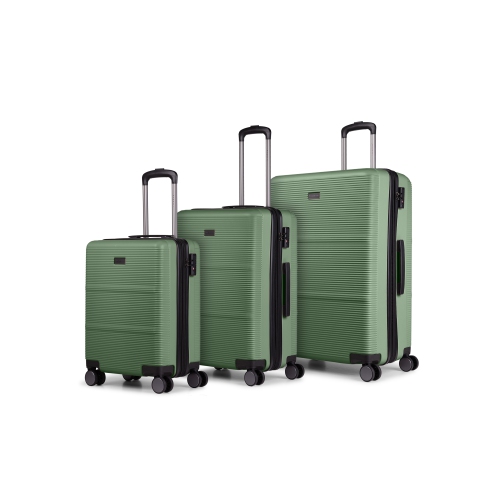 Your price for this item is $239.99
 -
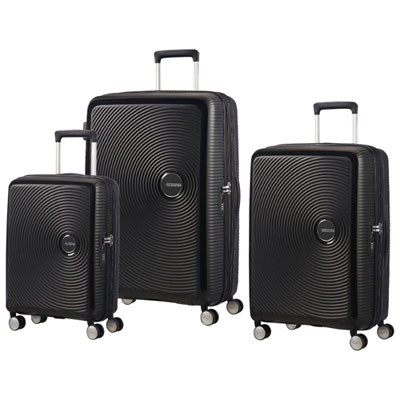 Your price for this item is $569.99
Discover more categories related to Lightweight Spinner Luggage
Top Collections:
Pokemon Centers, Budget 4K TVs, Best Budget Office Chairs, Kindle Devices, Canon G7X Cameras, Apple iPhones 16, iPhone 15 Apple, Laptops for Business Work, Xiaomi Phones, Flip Phones
Some products may be subject to Environmental Handling Fees
(EHF) depending on your province.
Learn more about EHFs.