Outdoor Backpacks for Women
Outdoor Backpacks For Women are designed to support every adventure, whether you're hitting the trails, exploring a new city, or heading out for a weekend getaway. Discover a wide selection of styles and sizes that offer both comfort and versatility, tailored to fit your active lifestyle. Find the perfect backpack to keep your essentials organized and accessible on any journey, so you can focus on enjoying the great outdoors.
Sort
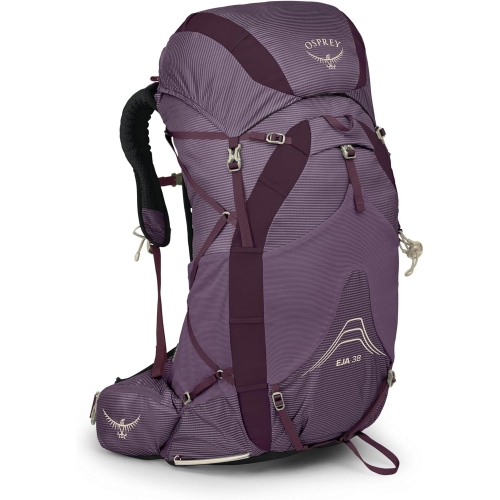
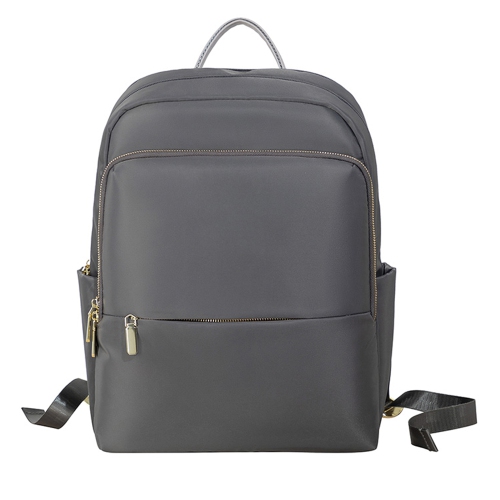
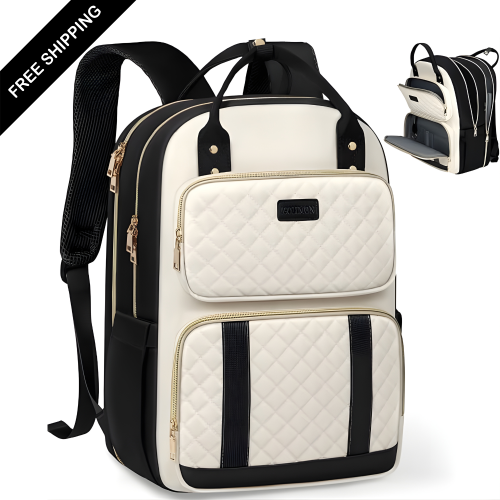
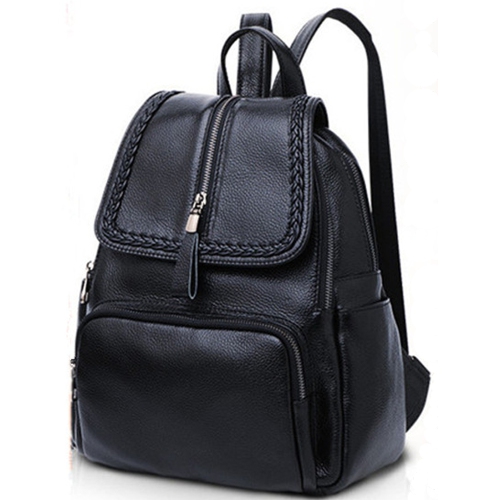
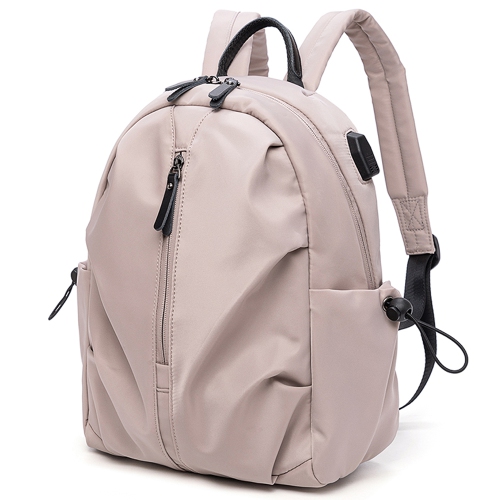


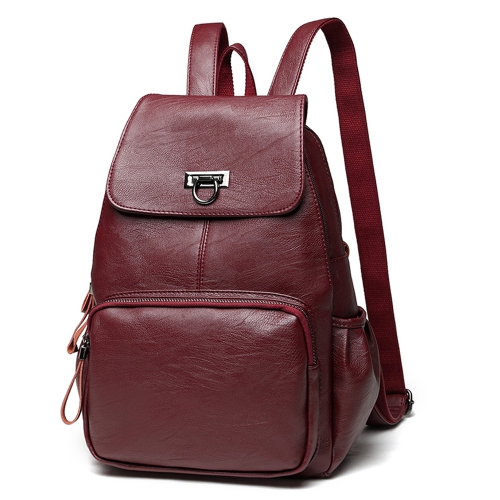

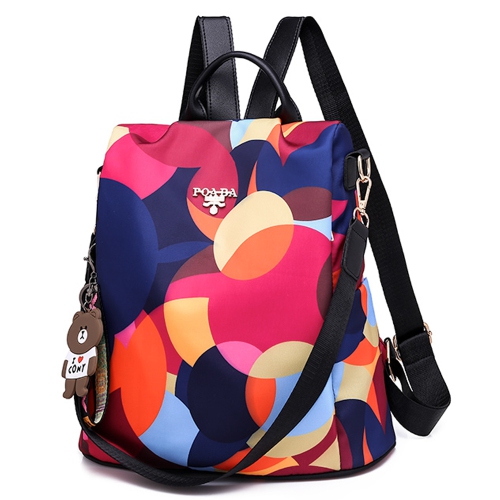
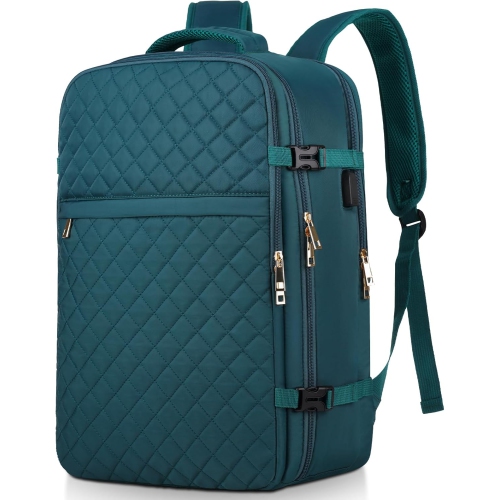





Why torso length matters more than height alone
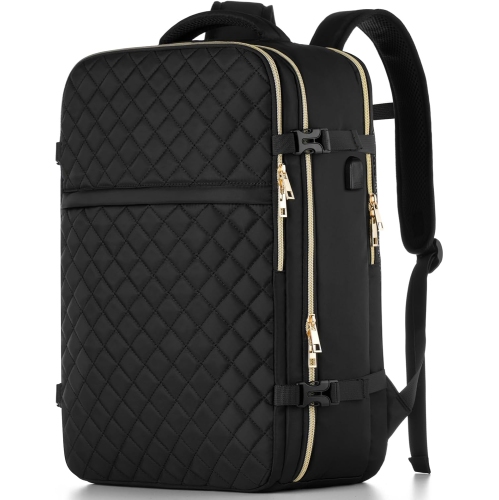
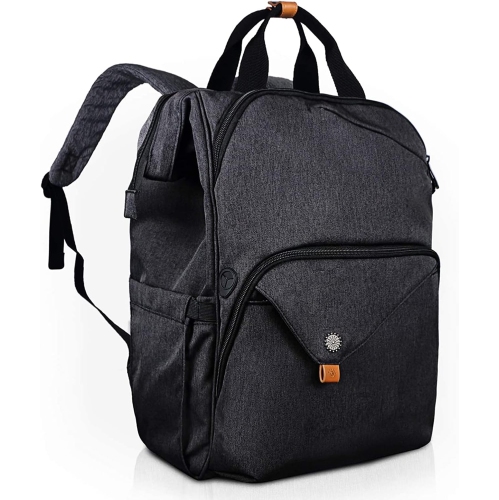
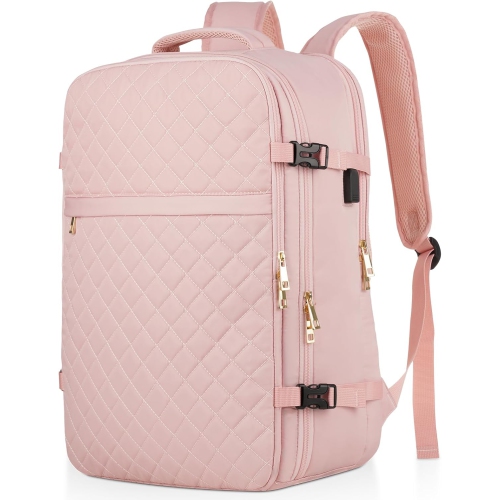
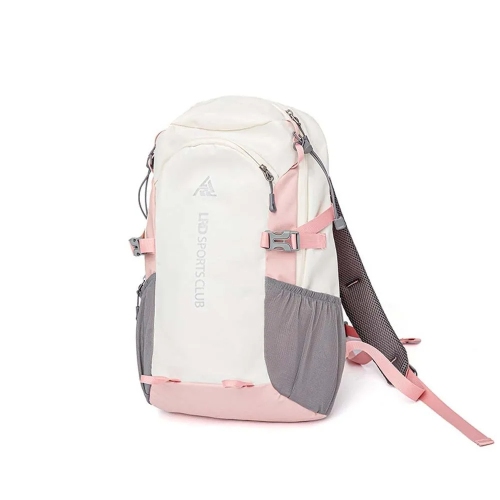
Outdoor backpacks for women combine trail-ready storage with carrying systems shaped to suit a range of body proportions. Many women’s hiking backpacks feature shorter torso lengths, narrower or S-shaped shoulder straps, and contoured hip belts, although the exact fit varies between designs. These details matter because a pack should sit securely without shoulder straps rubbing against the neck, a hip belt pinching, or the load pulling away from the back. Torso length, measured from the prominent bone at the base of the neck to the level of the top of the hip bones, is more useful for sizing than height alone. Adjustable back panels can help fine-tune that fit, while a sternum strap helps keep the shoulder straps in position. On packs with supportive frames and load-bearing hip belts, much of the weight can rest on the hips rather than hanging entirely from the shoulders. Women’s sizing is a starting point, not a guarantee: different bodies may feel more comfortable in different strap shapes or in a unisex design. Capacity also changes how a backpack feels and what it can carry. A compact pack of around 10 to 20 litres can hold essentials for a short walk, including drinking water, snacks, a small first-aid kit, and an extra layer. Daypacks around 20 to 35 litres offer more room for longer outings, shared supplies, or photography accessories. Overnight trips generally call for additional space, often around 40 to 60 litres, depending on the size of the sleeping equipment, food, and other supplies being carried. These ranges are starting points rather than fixed rules; a tightly packed overnight setup and a family day hike can have quite different storage needs. The most practical capacity leaves room for the intended load without encouraging unnecessary bulk. A lightly loaded pack that stays close to the body can feel steadier on uneven paths than a larger bag with loose contents shifting at every step.
Materials and construction influence how an outdoor backpack handles repeated use, contact with rough surfaces, and the weight of its contents. Nylon and polyester are common choices because they offer useful strength without the bulk of heavier fabrics. Ripstop weaves can help limit the spread of small tears, while reinforced bases and abrasion-resistant panels add protection where a bag is set down or brushes against rock. Fabric weight is only part of the picture: stitching, zipper quality, attachment points, and the structure around the shoulder straps all contribute to durability. A lighter pack can be appealing for a quick trail outing, whereas a more substantial fabric and supportive frame may suit frequent use with heavier loads. Water-resistant fabric or a protective coating can help shield contents from splashes, but it does not make an entire backpack waterproof. Seams, zippers, and openings also affect protection, and a separate dry bag can provide another barrier around electronics or spare clothing. Storage layout is equally important in everyday use. Stretch side pockets keep a bottle within reach, while hip-belt pockets can hold small essentials without requiring the whole pack to come off. A hydration sleeve and hose port may suit walkers who prefer drinking on the move; compatibility depends on the reservoir’s dimensions and the pack’s design. Top-loading compartments provide a straightforward space for bulkier gear, while panel-opening designs make it easier to reach something packed near the bottom. External straps can secure trekking poles or compress a partly filled bag, provided loose ends are tucked away from branches and moving parts. An accessible snack pocket is useful on a steady climb, and a separate compartment for a small camera can save repeated unpacking at a lookout. For lighter outings that also include casual stops around town, Canvas Backpacks for Women offer another material option, with suitability for trail use depending on weight, padding, construction, and carrying support.
Comfort becomes clearer when a backpack is carrying the supplies it is meant to hold. A padded back panel can cushion the load, while channels or a suspended mesh panel may allow more airflow between the bag and the back. Neither feature replaces a suitable fit, and extra padding is not always more comfortable if it creates pressure in the wrong place. With representative weight inside, the hip belt should sit securely around the hip bones, the shoulder straps should follow the shoulders without large gaps, and the bag should remain stable while walking, bending, or stepping up. Adjustable load lifters, where included, help bring the upper portion of a supported pack closer to the body. Packing also makes a noticeable difference: denser supplies generally sit close to the back and near the middle of the load, while frequently used essentials belong somewhere accessible. A balanced arrangement helps when moving along a narrow path or leaning down to tie a boot. Outdoor backpacks can serve regular hikers, dog walkers, travellers, and anyone who carries supplies beyond paved routes, but the best match depends on the outing rather than appearance alone. A gift recipient who takes short walks may appreciate simple organization and easy access more than a large trekking capacity; someone planning overnight trips may place greater value on torso adjustment, load support, and space for bulky equipment. Care helps preserve those useful features. Emptying crumbs and grit from pockets, brushing dirt from zippers, and spot-cleaning with a mild cleaner permitted by the care label can prevent unnecessary wear. Machine washing, soaking, and strong detergents may damage certain coatings or structural components, so the manufacturer’s directions take priority. A backpack should dry fully before storage, with attention to padding and enclosed pockets. Occasional checks of seams, buckles, straps, and zipper pulls can reveal small problems before the next outing, helping keep a familiar, well-fitting pack ready for continued use.
Top selling and popular products
-
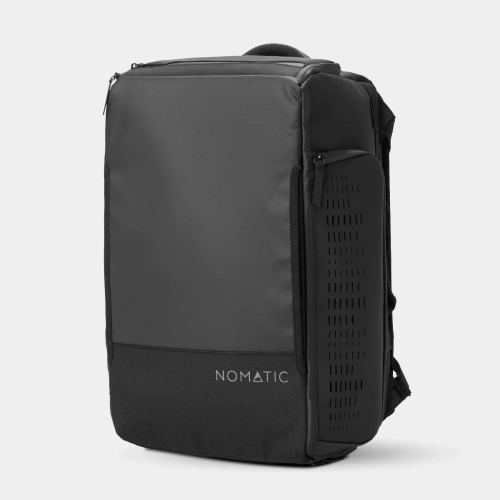 Your price for this item is $419.99
-
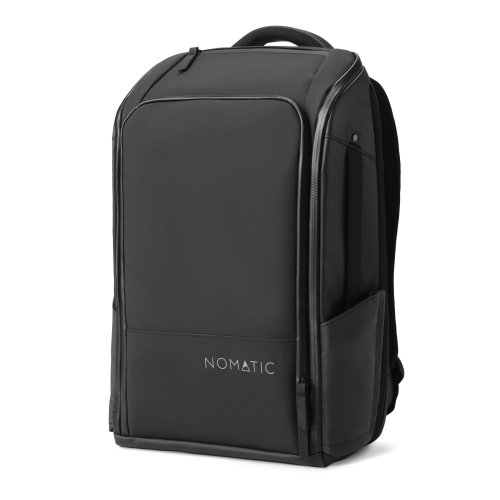 Your price for this item is $399.99
-
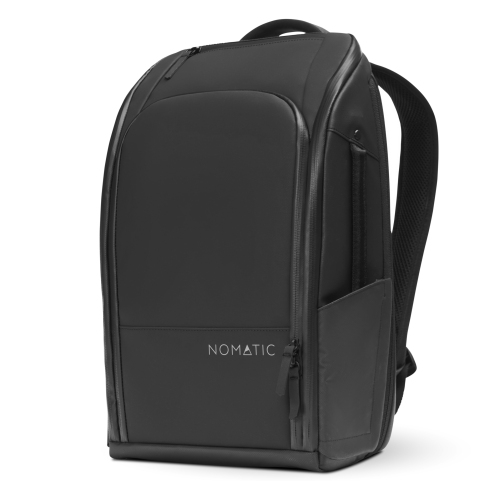 Your price for this item is $369.99
-
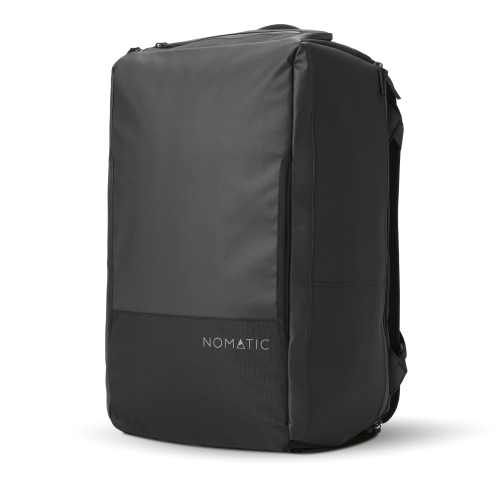 Your price for this item is $399.99
-
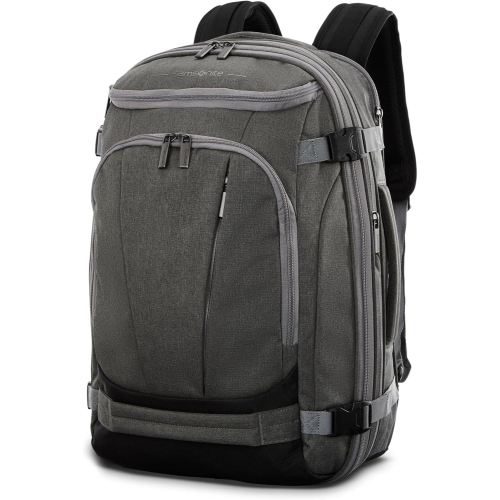 Your price for this item is $218.48
-
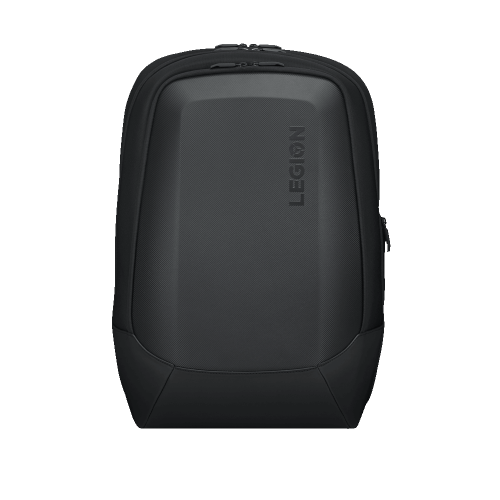 Your price for this item is $98.99
-
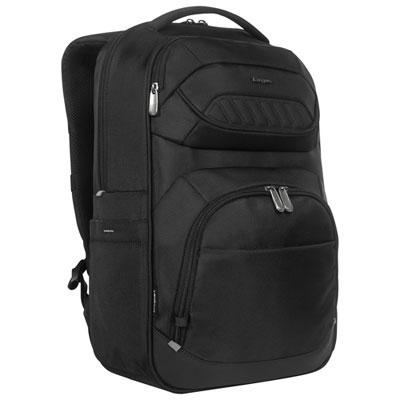 Your price for this item is $99.99
-
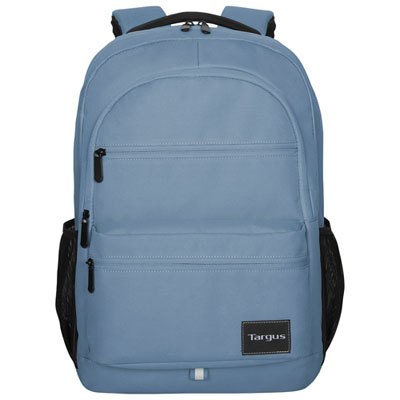 Your price for this item is $59.97
Discover more categories related to Outdoor Backpacks for Women
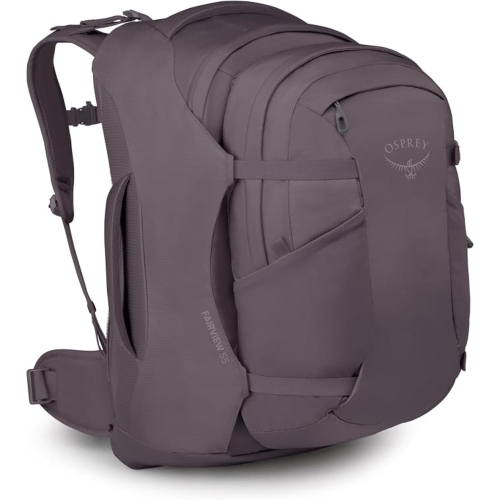

Top Collections:
Pokemon Centers, Kindle Devices, Best Budget Office Chairs, Canon G7X Cameras, Apple iPhones 16, Samsung Galaxy Phones, Refurbished Apple Laptops, Laptops for Students, iPhone 15 Apple, Budget Smartphones
Some products may be subject to Environmental Handling Fees
(EHF) depending on your province.
Learn more about EHFs.