Polycarbonate Luggage
Upgrade your travel game with our collection of polycarbonate luggage. Designed to withstand the rigors of travel, polycarbonate luggage offers durability and strength without compromising on style. Whether you're a frequent flyer or planning your next adventure, our range of polycarbonate luggage options has something for everyone. From sleek and modern designs to vibrant and eye-catching patterns, you'll find the perfect suitcase to suit your personal style and travel needs.
Sort

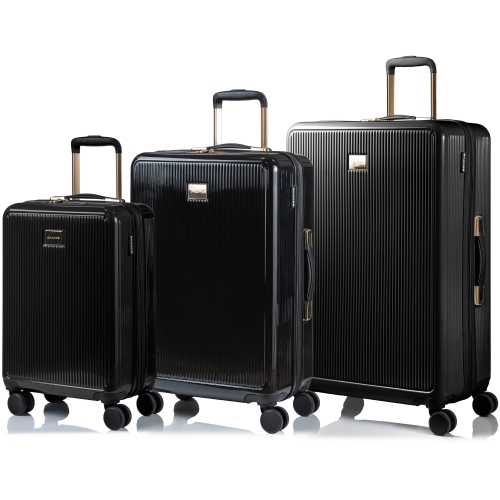


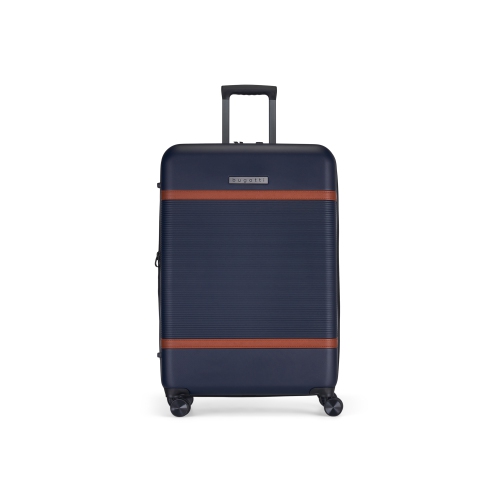
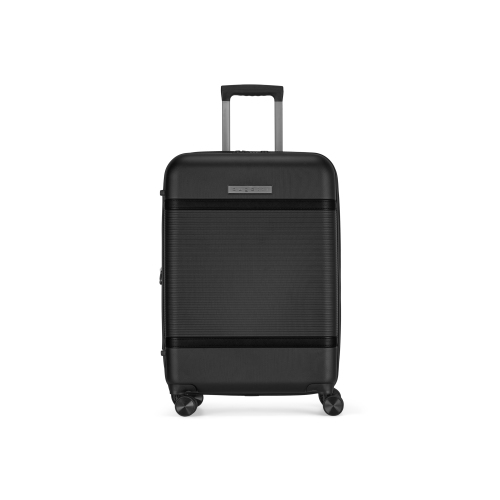
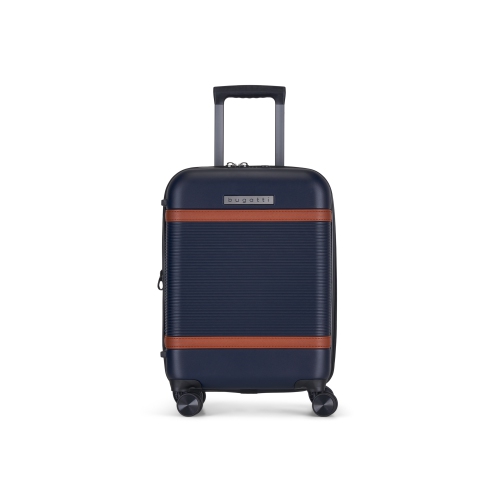
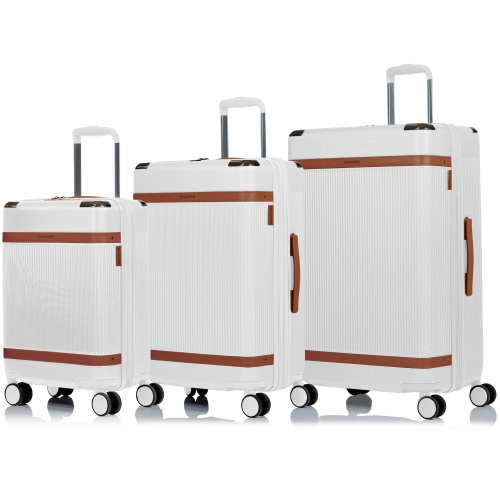
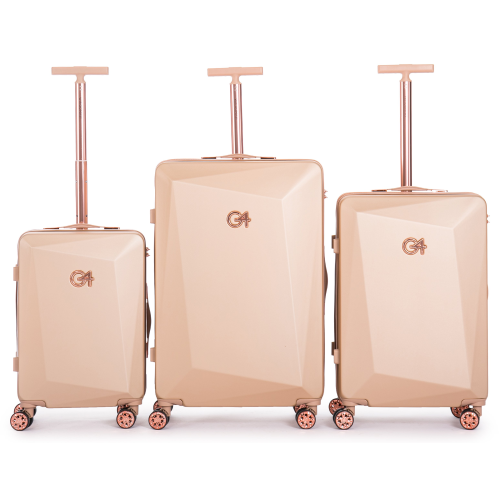
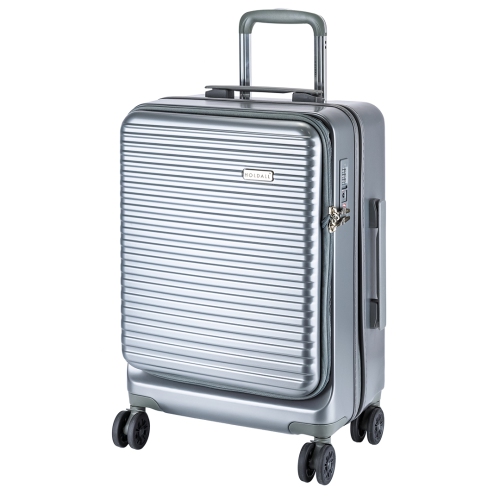

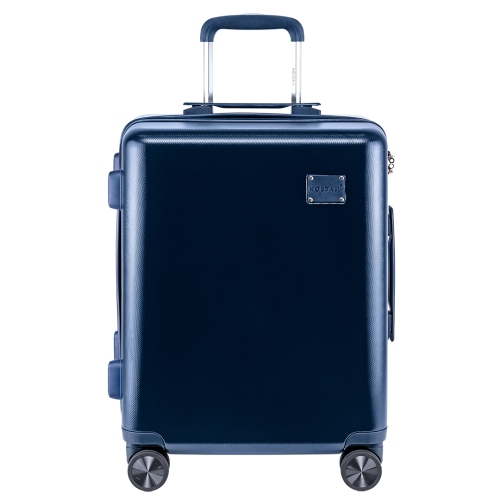

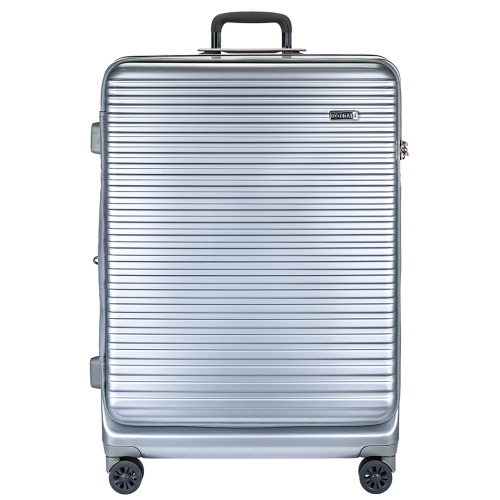
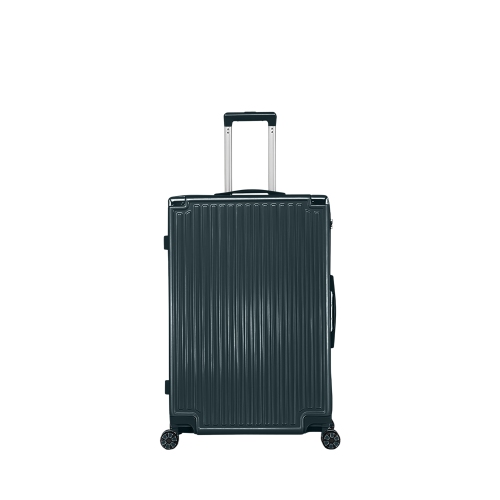

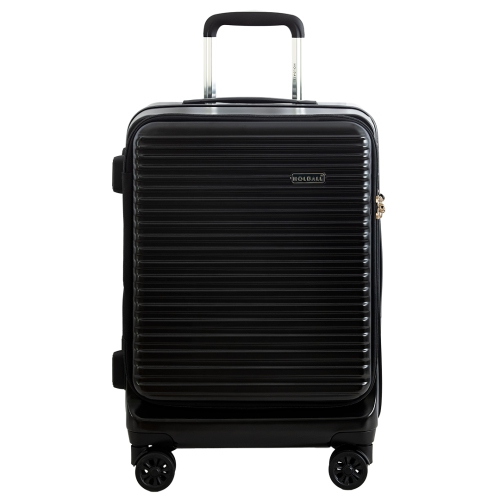

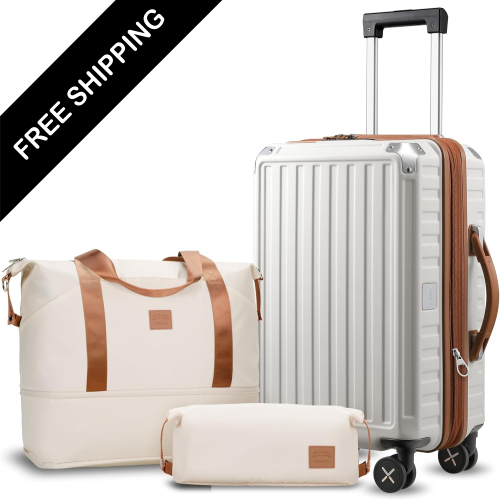
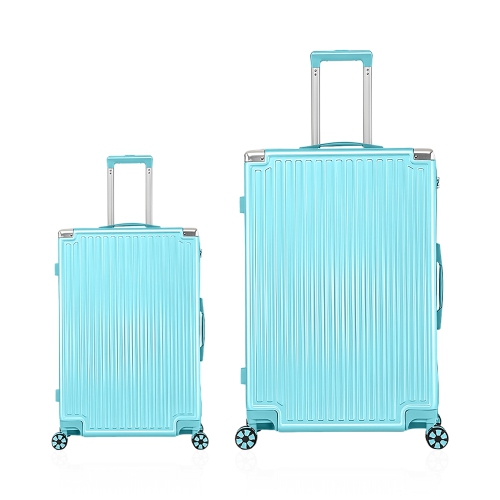
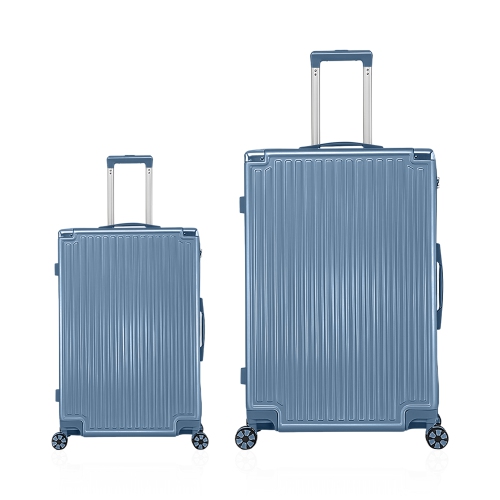
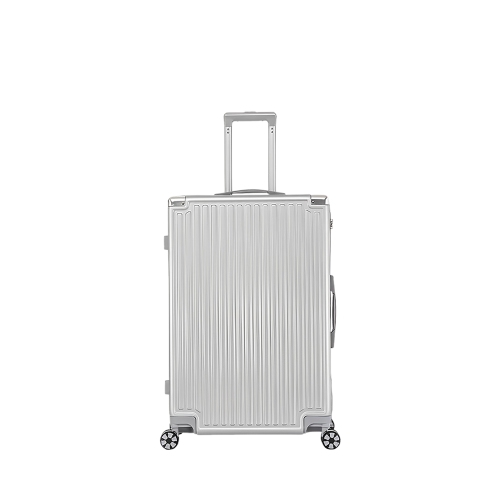
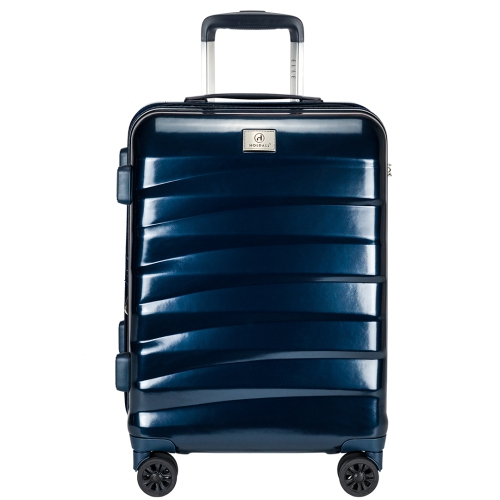
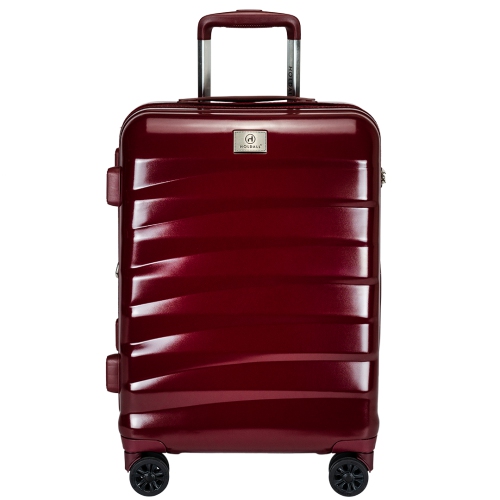

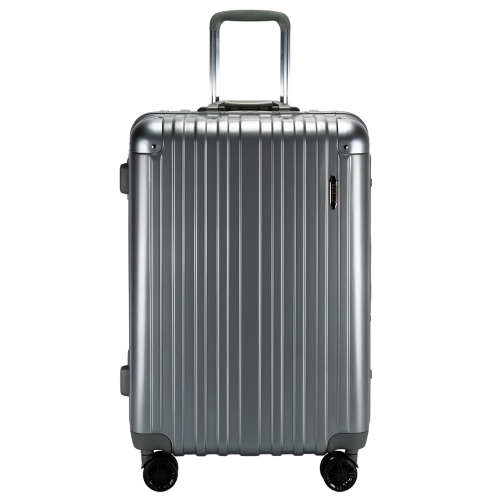
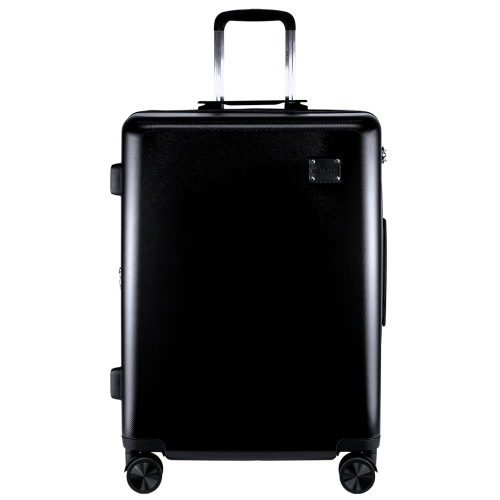
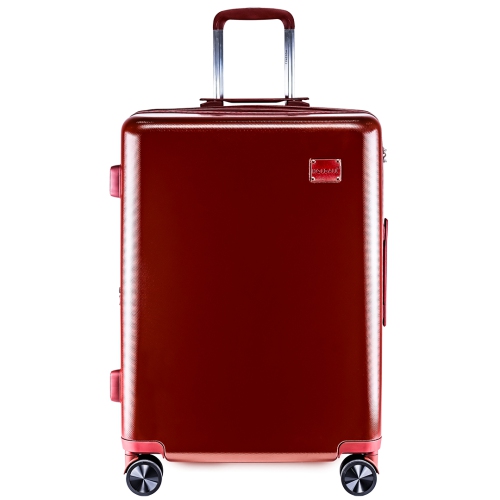
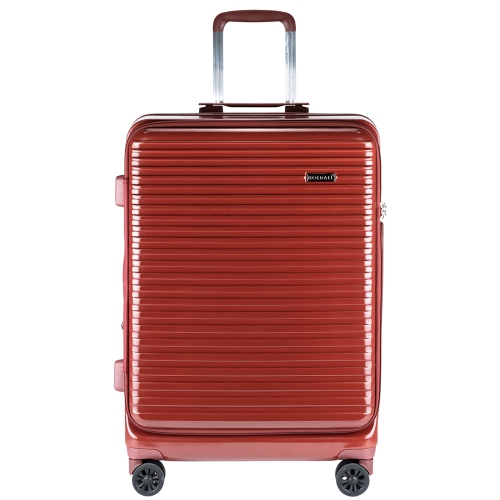
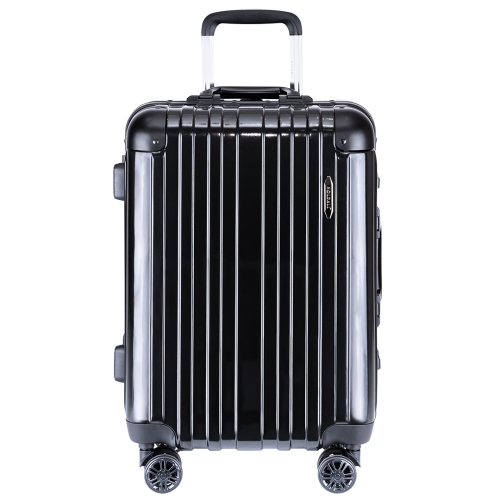
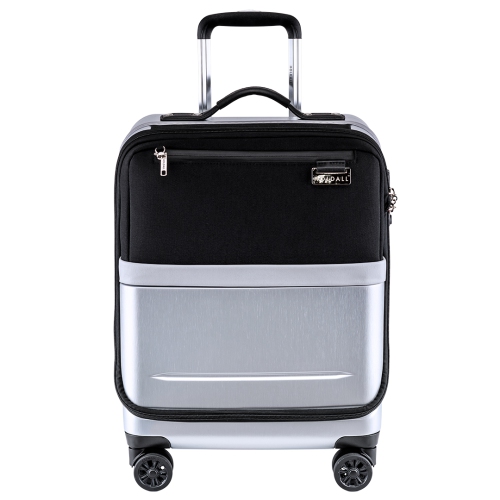
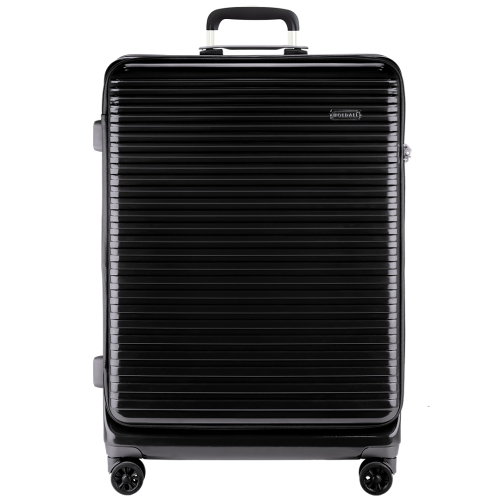
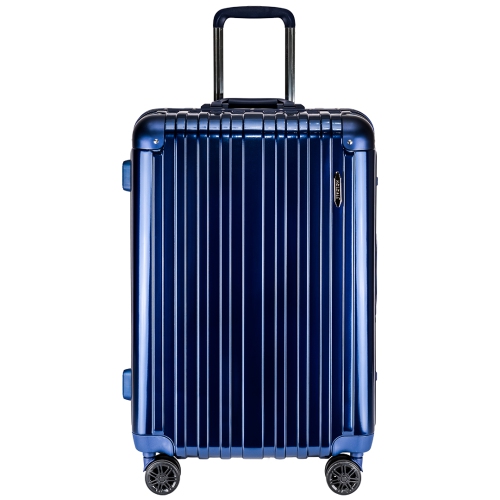
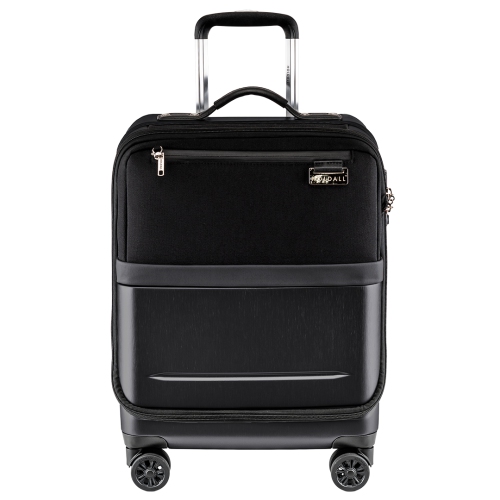
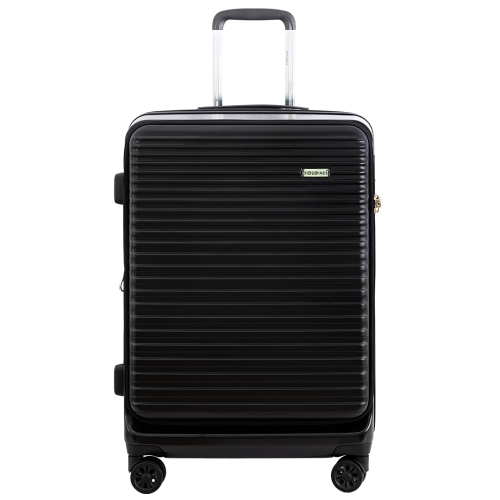
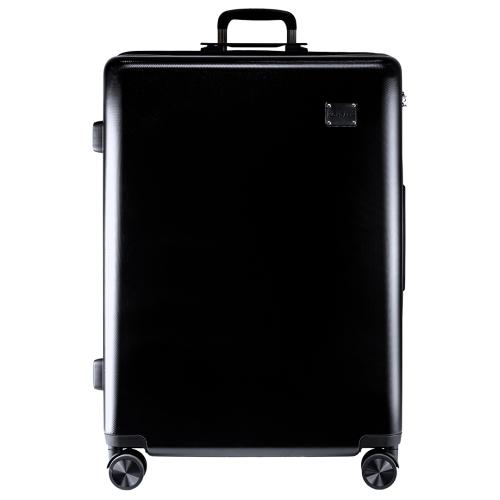
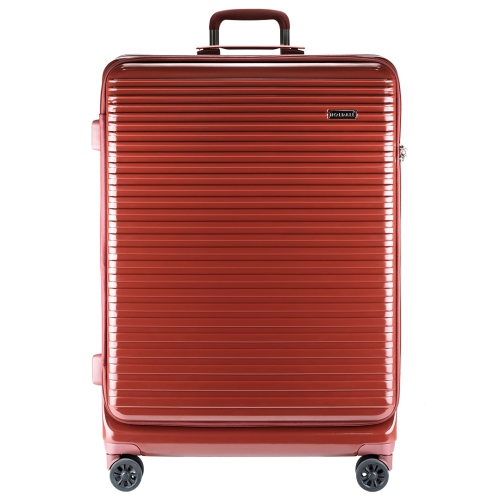
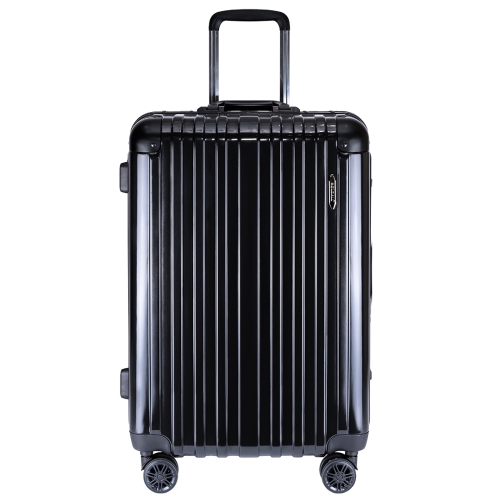
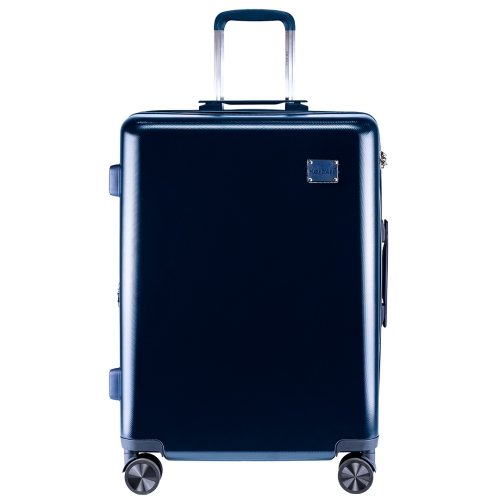
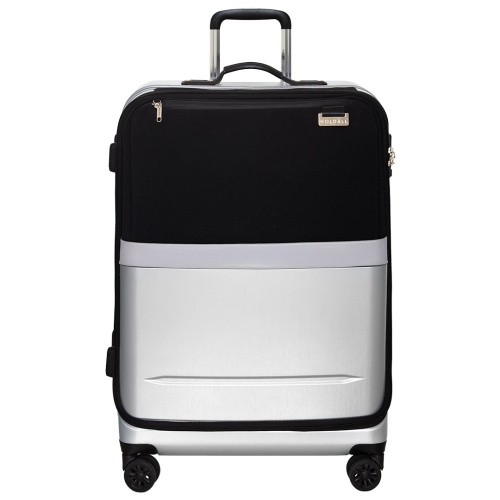
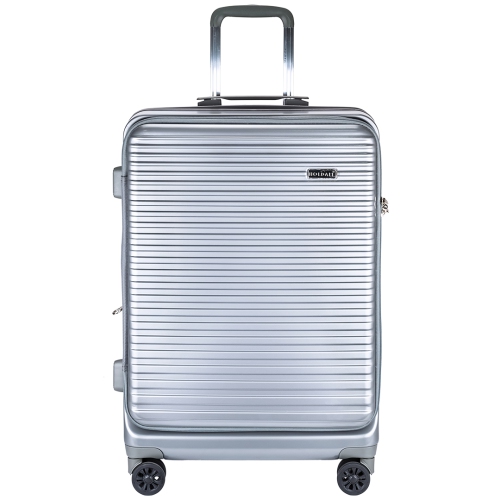
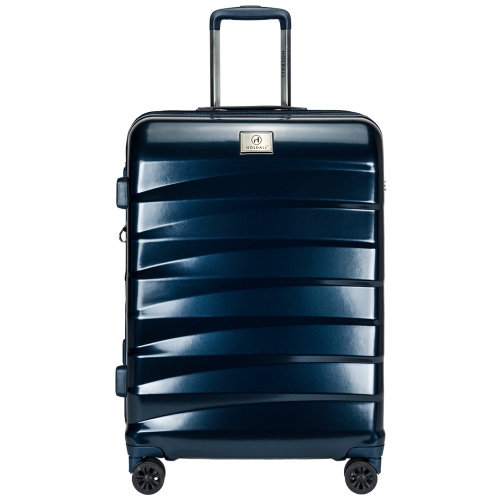


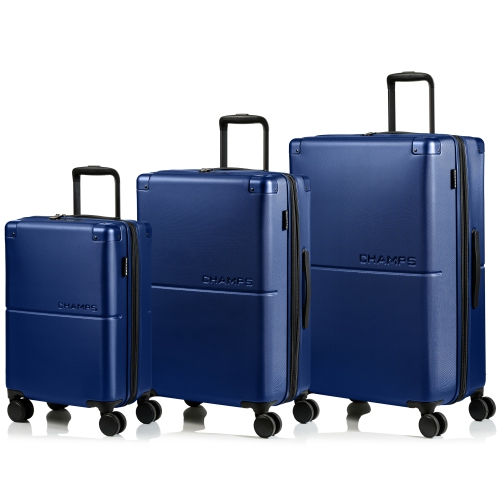
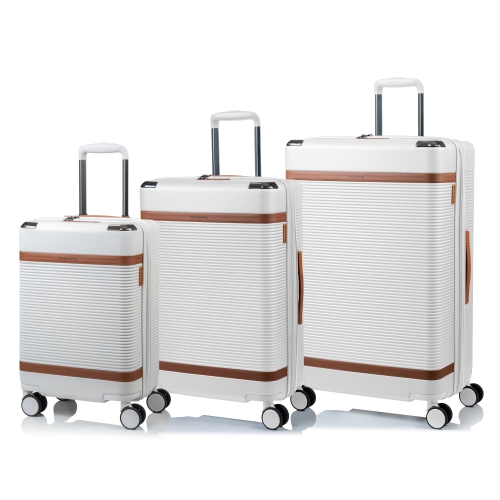
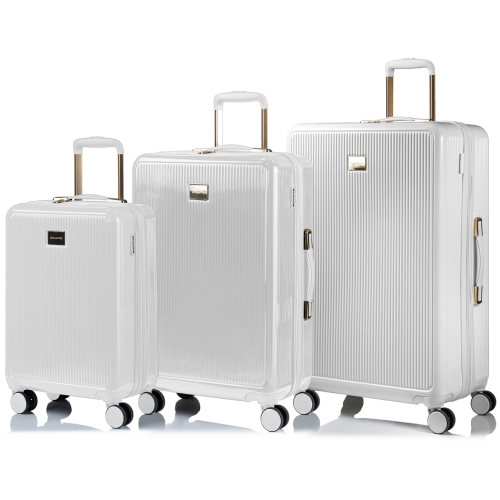
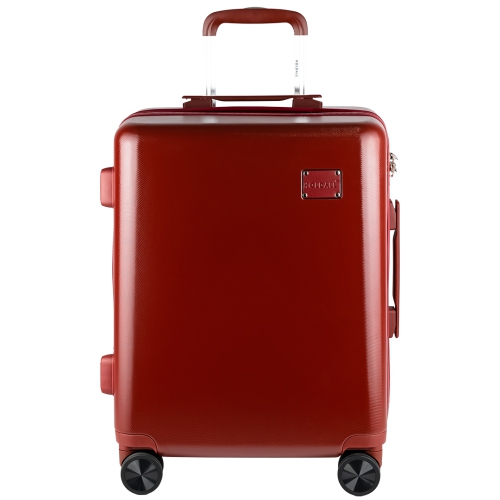
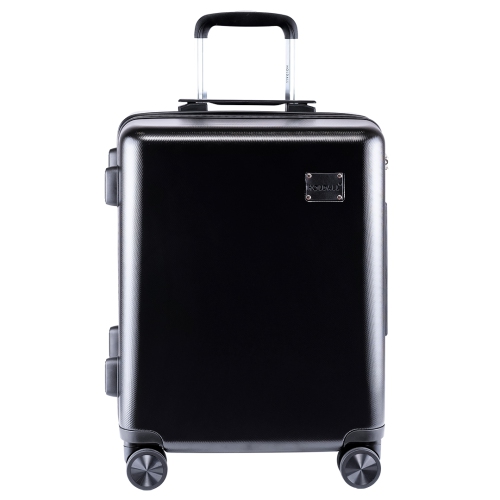
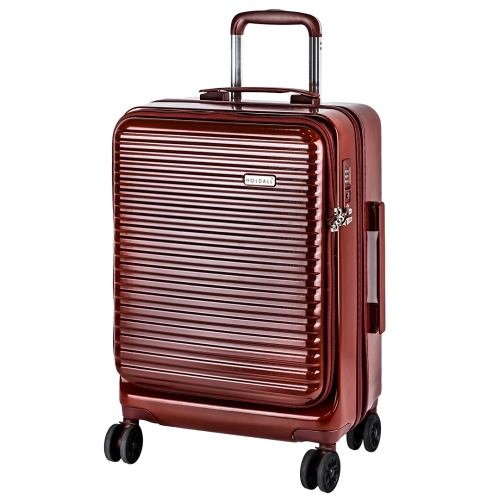
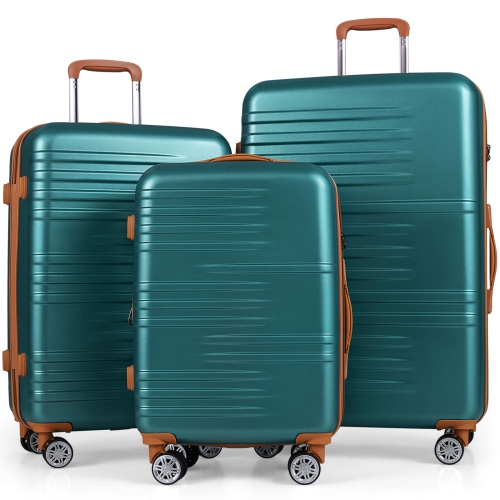
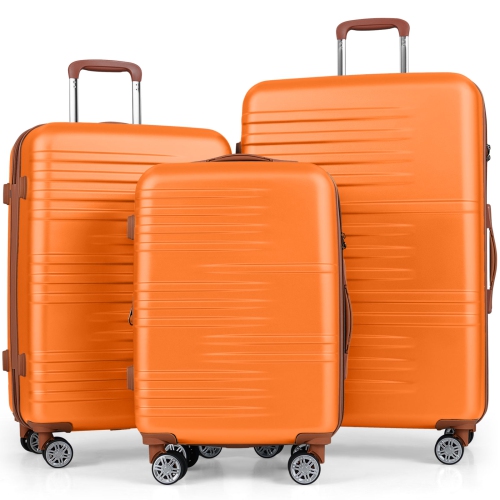
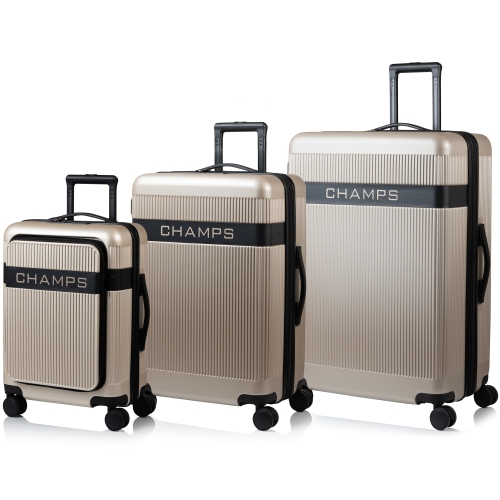
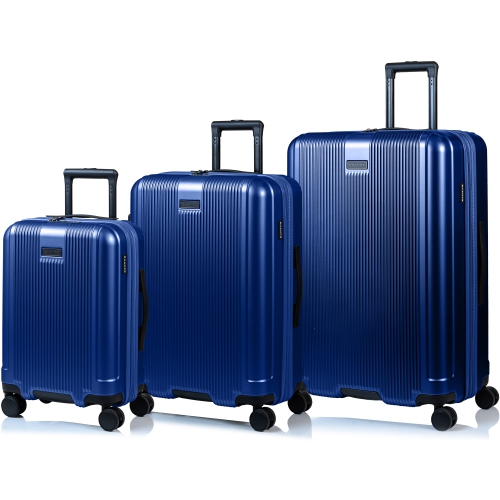
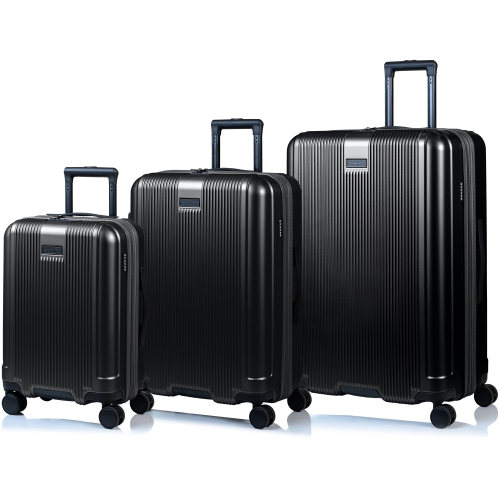
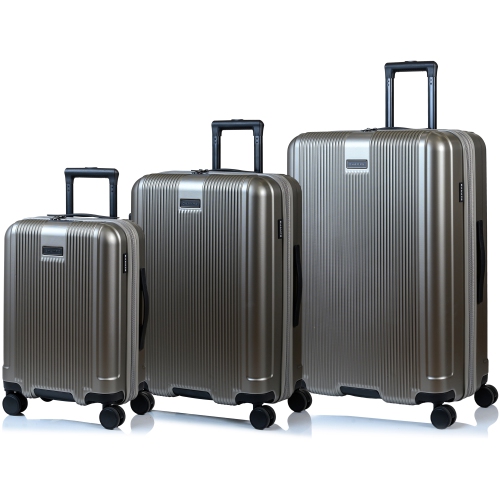
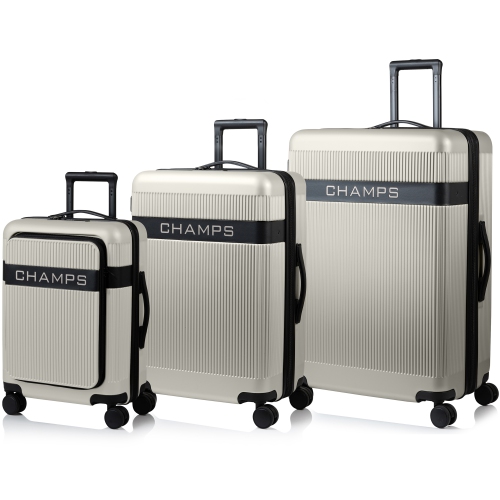
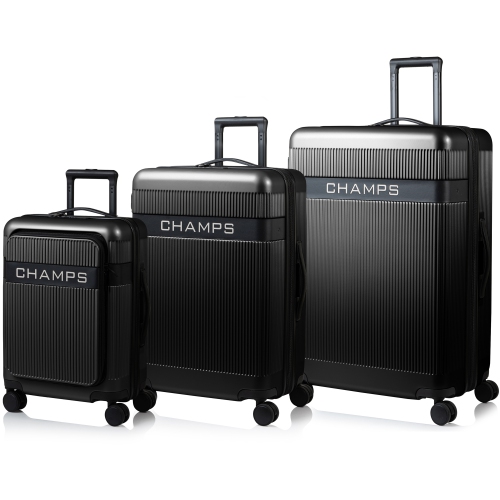
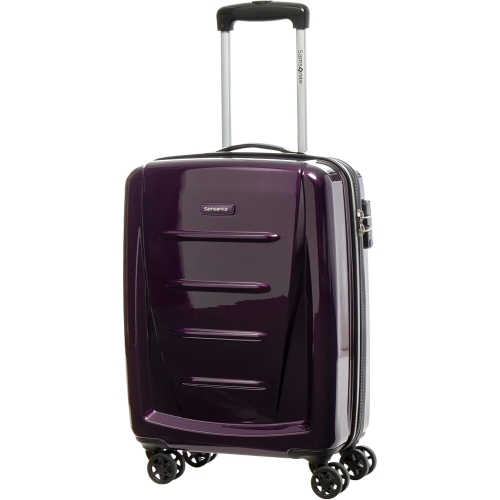
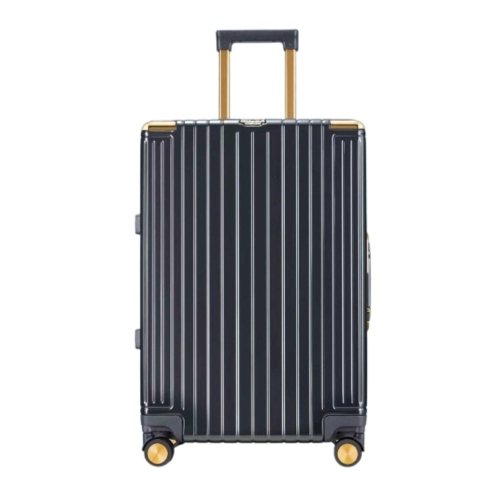
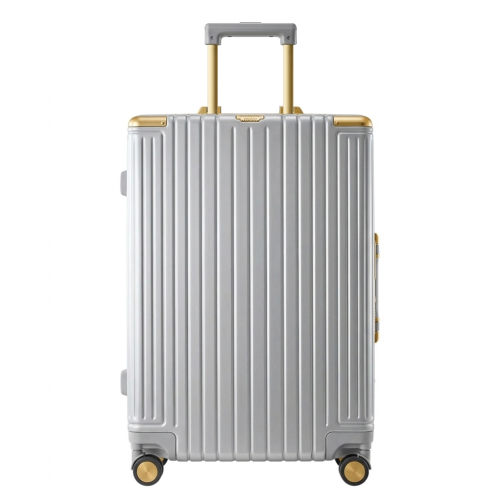
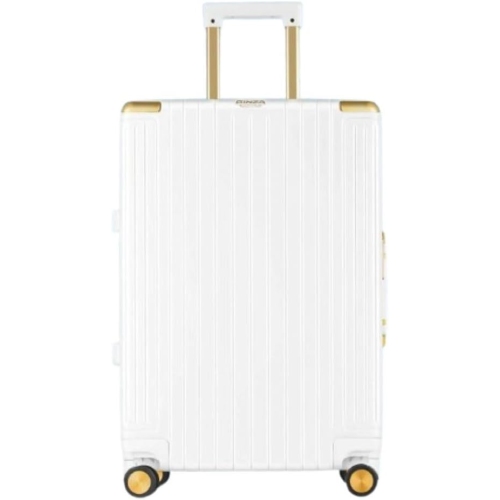
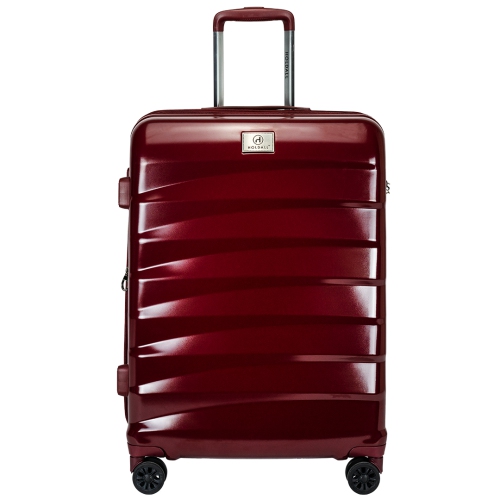
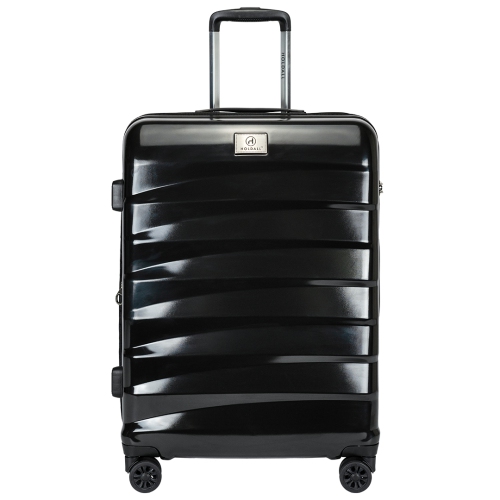
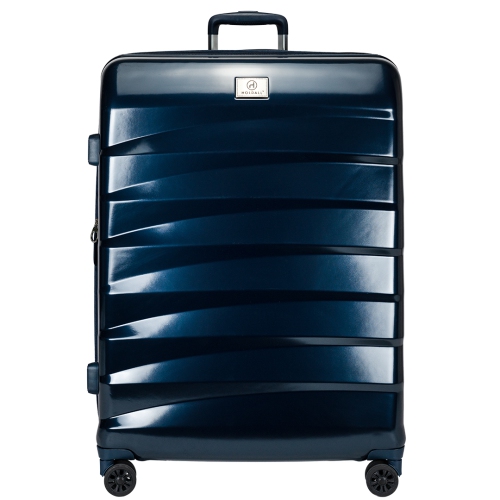
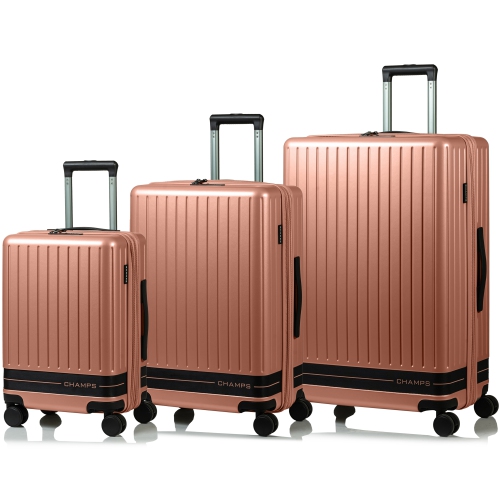
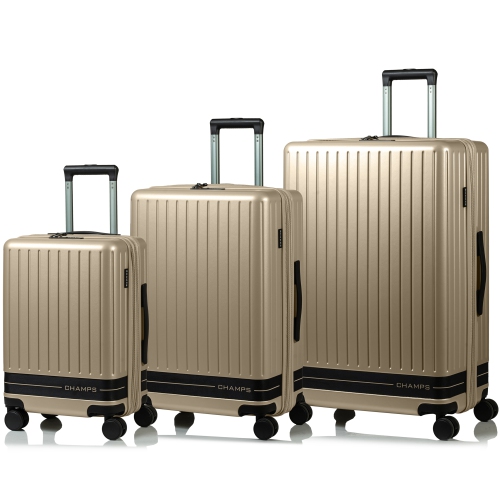
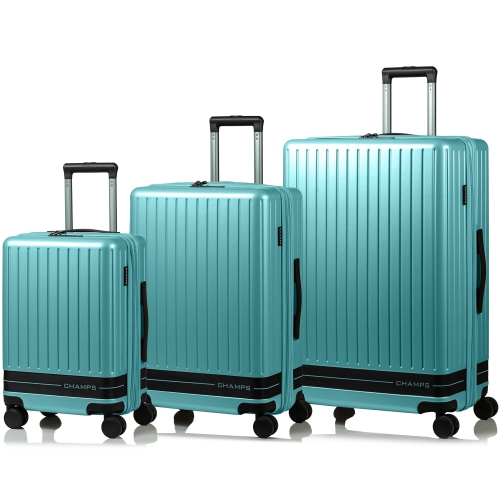
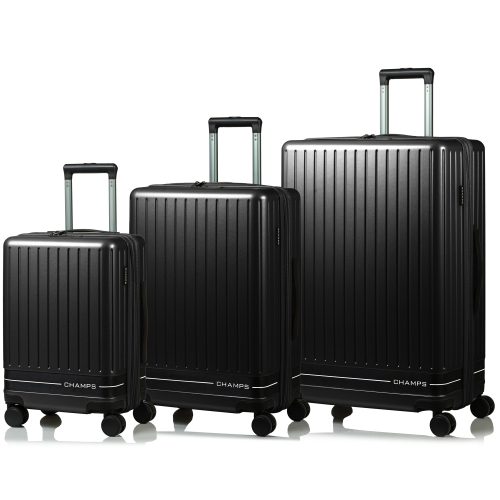
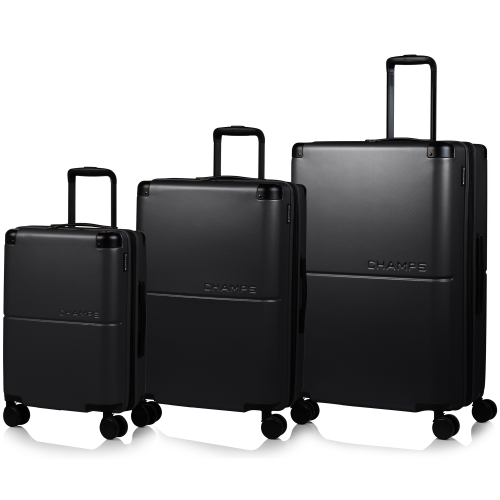
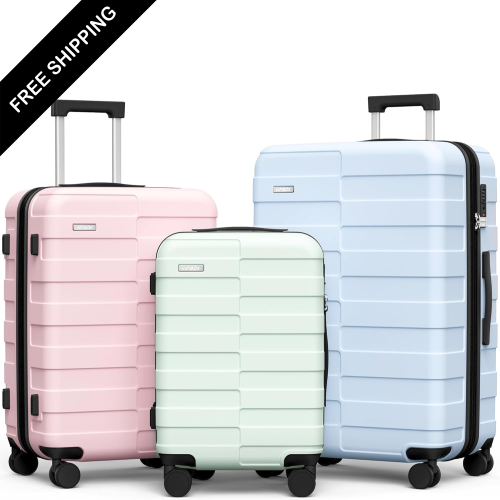
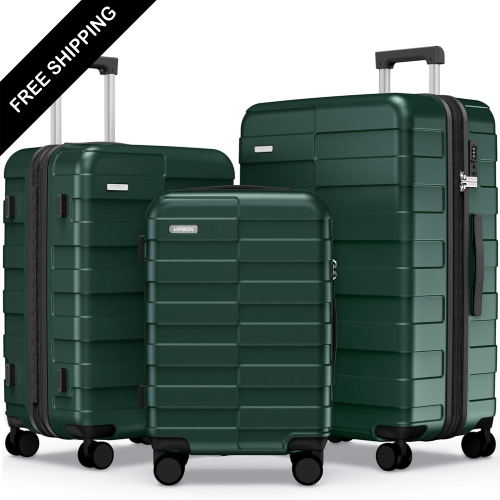
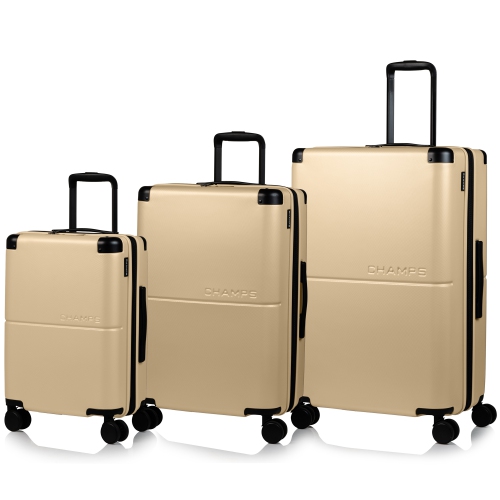
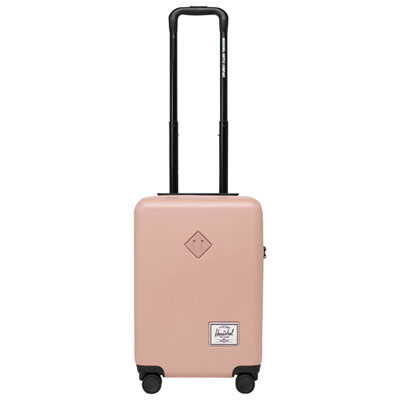
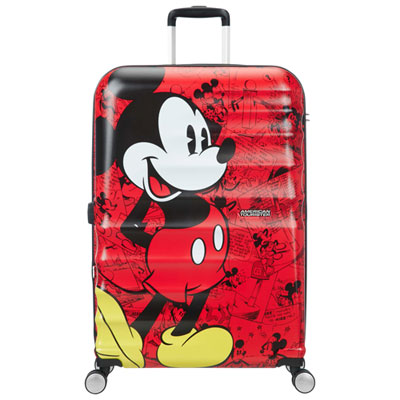
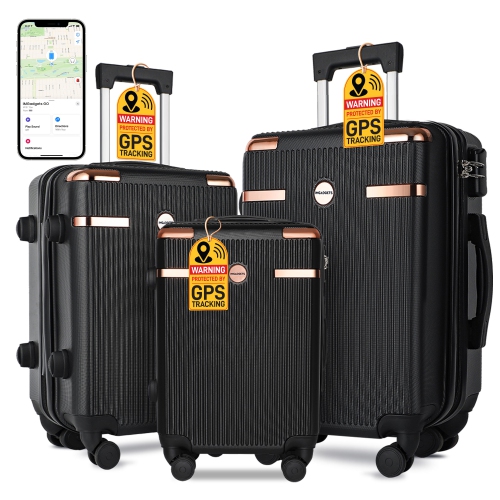
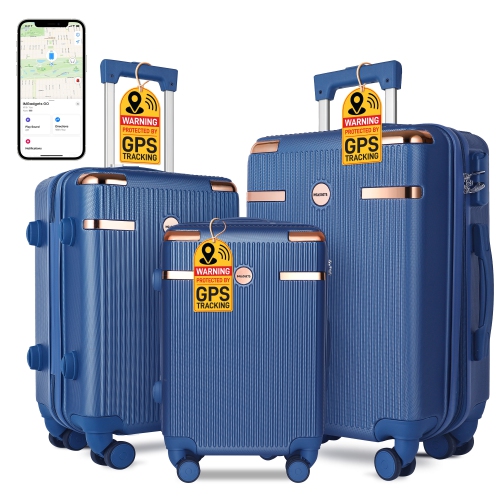
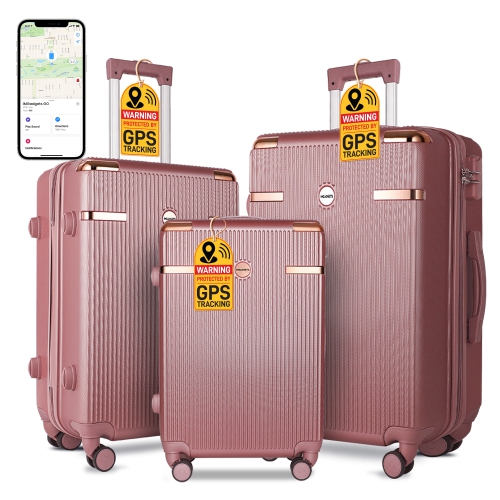
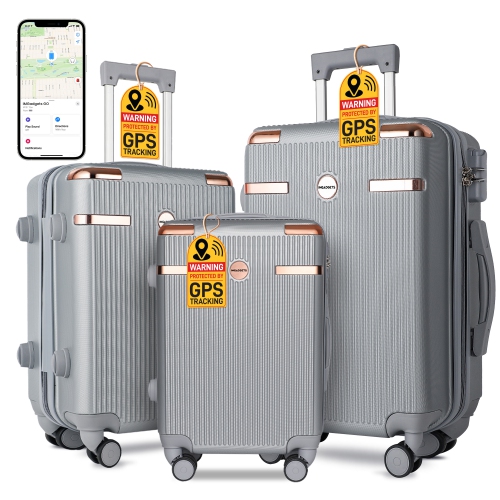
Lightweight protection and practical organisation for every journey
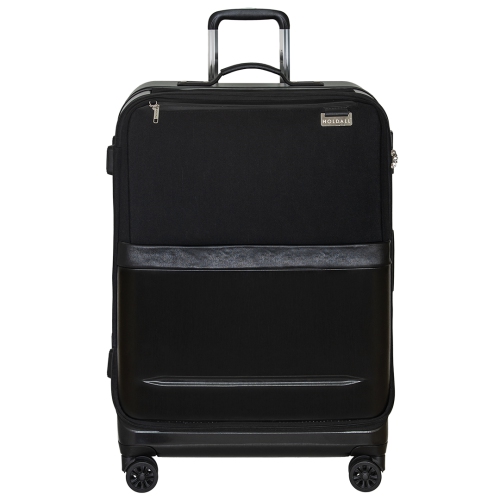
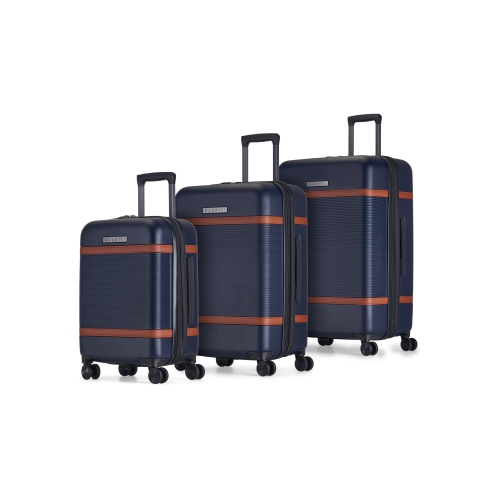
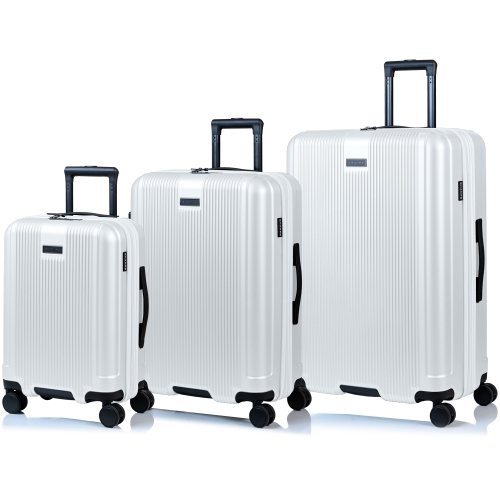
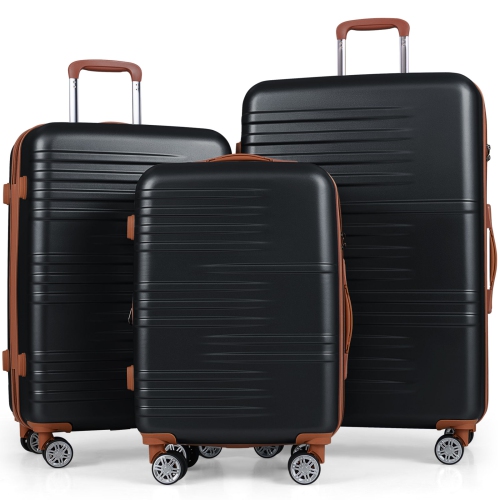
Polycarbonate luggage is a popular choice for travellers who want the structured protection of a hardside suitcase without the extra weight associated with some traditional hard-shell materials. Polycarbonate is a durable thermoplastic that can flex slightly when it is pressed or struck, helping it absorb impact and return to its shape instead of shattering easily. That balance of strength and lightness makes it useful for everything from short city breaks to longer journeys involving airline check-in. A polycarbonate suitcase can help protect folded clothing, shoes, toiletries and travel accessories from being compressed in a crowded trunk or handled alongside other bags. Its smooth, structured exterior also makes packing feel more organised: garments can be arranged in even layers, while built-in dividers, compression panels and zippered compartments help separate clean clothes from worn items or keep small essentials from shifting around. Many cases include four spinner wheels, which allow the suitcase to roll in multiple directions through a terminal, hotel lobby or station platform. Telescoping handles with multiple height settings can make a noticeable difference for travellers of different heights, and top or side handles are useful when lifting a case into a vehicle or placing it on a luggage rack. When the weather warms and travel plans become more active, a lighter suitcase can make the journey from the car to the airport entrance feel less tiring; during the cooler months, its sealed shell can help keep packed belongings shielded from damp conditions encountered on the way to and from a destination.
Choosing the right polycarbonate luggage starts with considering how and where the case will be used. Carry-on luggage is convenient for quick trips and for travellers who prefer to keep important belongings close, but airline size restrictions can vary by carrier, route and fare type, so it is wise to compare the exterior dimensions, including wheels and handles, with the applicable requirements. A larger checked suitcase may be better for extended travel, family packing or bulkier items such as winter clothing, but its increased capacity can make it easier to overpack and exceed a carrier’s weight limit. Measuring the available packing space in litres can be helpful, although the internal layout matters just as much as the number. A case with a wide opening, adjustable straps and a divided interior may be easier to use than one with a larger stated capacity but limited organisation. Look for a sturdy frame, smooth-operating zippers and reinforced corners, since these areas receive frequent contact during loading and unloading. A built-in combination lock can provide added convenience, while lockable zippers may help keep compartments closed as a suitcase moves through transit. Polycarbonate is naturally resistant to moisture, but no suitcase should be treated as fully waterproof; prolonged rain, wet pavement or exposure around an open baggage cart can still allow water to enter through seams and closures. Textured or matte finishes can help make scuffs less noticeable than glossy surfaces, though all hardside luggage may show marks after repeated use. Material thickness, construction quality, wheel design and warranty coverage are important considerations, because the word “polycarbonate” alone does not indicate how robust a particular case will be. Compared with ABS, polycarbonate is generally more flexible and impact resistant, while ABS may appeal to shoppers focused primarily on a lower upfront cost. Aluminium can offer a highly rigid shell, but it is typically heavier and may cost more, making polycarbonate a practical middle ground for many travellers.
Polycarbonate luggage can suit frequent flyers, students travelling between home and school, professionals carrying work clothing, and families looking for cases that are easy to identify and move. Colour, pattern and size can help each traveller distinguish their own bag at baggage claim, especially when several cases have similar shapes. For a first-time flyer, a compact spinner with a simple interior can make packing and navigating an airport less intimidating. For an experienced traveller, a matched set in different sizes may provide flexibility for overnight stays, road trips and longer holidays without requiring the same case for every journey. It can also be a thoughtful gift for someone preparing for a honeymoon, a graduation trip, a new job that involves travel or a visit to relatives in another province. When giving luggage, consider the recipient’s usual travel style: a compact carry-on may be more useful for weekend travellers, while someone who regularly packs bulky layers or shares space with children may appreciate a roomier checked case. Accessories can make a polycarbonate suitcase even more practical. Packing cubes can group outfits by day or activity, a luggage strap can add visibility and compression, and a brightly coloured tag can make identification easier without adding much bulk. Travellers who want to protect other everyday devices may also browse Polycarbonate Cell Phone Cases for a similarly lightweight approach to impact protection. Before setting out, test the wheels on a smooth floor, extend the handle fully, check that every compartment closes securely and confirm that the packed case remains comfortable to lift. With thoughtful sizing and reliable construction, polycarbonate luggage can become a dependable part of travel routines through changing weather, busy terminals and journeys of many different lengths.
Choosing the right polycarbonate luggage starts with considering how and where the case will be used. Carry-on luggage is convenient for quick trips and for travellers who prefer to keep important belongings close, but airline size restrictions can vary by carrier, route and fare type, so it is wise to compare the exterior dimensions, including wheels and handles, with the applicable requirements. A larger checked suitcase may be better for extended travel, family packing or bulkier items such as winter clothing, but its increased capacity can make it easier to overpack and exceed a carrier’s weight limit. Measuring the available packing space in litres can be helpful, although the internal layout matters just as much as the number. A case with a wide opening, adjustable straps and a divided interior may be easier to use than one with a larger stated capacity but limited organisation. Look for a sturdy frame, smooth-operating zippers and reinforced corners, since these areas receive frequent contact during loading and unloading. A built-in combination lock can provide added convenience, while lockable zippers may help keep compartments closed as a suitcase moves through transit. Polycarbonate is naturally resistant to moisture, but no suitcase should be treated as fully waterproof; prolonged rain, wet pavement or exposure around an open baggage cart can still allow water to enter through seams and closures. Textured or matte finishes can help make scuffs less noticeable than glossy surfaces, though all hardside luggage may show marks after repeated use. Material thickness, construction quality, wheel design and warranty coverage are important considerations, because the word “polycarbonate” alone does not indicate how robust a particular case will be. Compared with ABS, polycarbonate is generally more flexible and impact resistant, while ABS may appeal to shoppers focused primarily on a lower upfront cost. Aluminium can offer a highly rigid shell, but it is typically heavier and may cost more, making polycarbonate a practical middle ground for many travellers.
Polycarbonate luggage can suit frequent flyers, students travelling between home and school, professionals carrying work clothing, and families looking for cases that are easy to identify and move. Colour, pattern and size can help each traveller distinguish their own bag at baggage claim, especially when several cases have similar shapes. For a first-time flyer, a compact spinner with a simple interior can make packing and navigating an airport less intimidating. For an experienced traveller, a matched set in different sizes may provide flexibility for overnight stays, road trips and longer holidays without requiring the same case for every journey. It can also be a thoughtful gift for someone preparing for a honeymoon, a graduation trip, a new job that involves travel or a visit to relatives in another province. When giving luggage, consider the recipient’s usual travel style: a compact carry-on may be more useful for weekend travellers, while someone who regularly packs bulky layers or shares space with children may appreciate a roomier checked case. Accessories can make a polycarbonate suitcase even more practical. Packing cubes can group outfits by day or activity, a luggage strap can add visibility and compression, and a brightly coloured tag can make identification easier without adding much bulk. Travellers who want to protect other everyday devices may also browse Polycarbonate Cell Phone Cases for a similarly lightweight approach to impact protection. Before setting out, test the wheels on a smooth floor, extend the handle fully, check that every compartment closes securely and confirm that the packed case remains comfortable to lift. With thoughtful sizing and reliable construction, polycarbonate luggage can become a dependable part of travel routines through changing weather, busy terminals and journeys of many different lengths.
Top selling and popular products
-
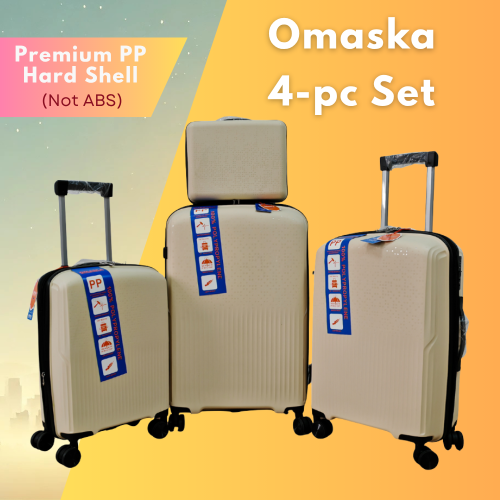 Your price for this item is $279.95
 -
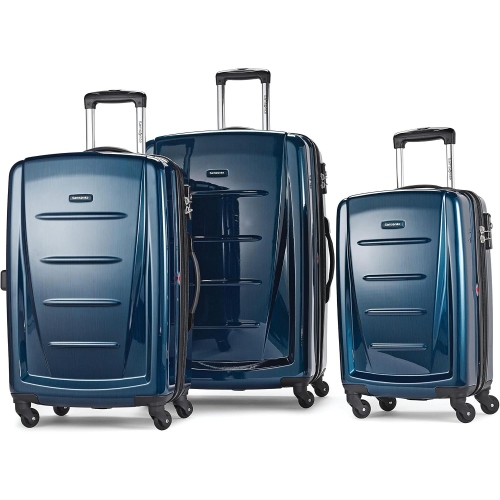 Your price for this item is $474.05
 -
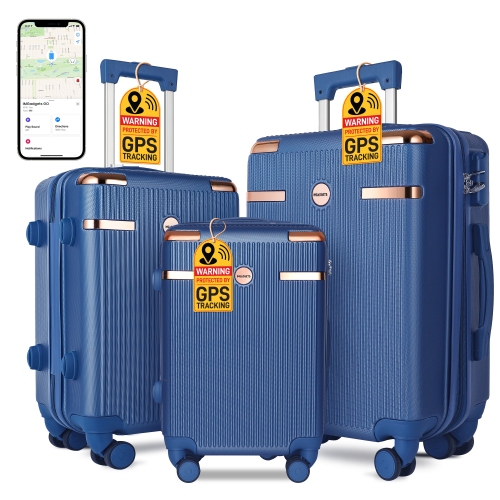 Your price for this item is $159.97
 -
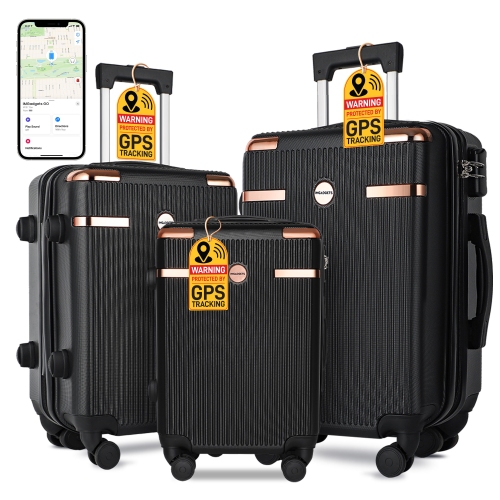 Your price for this item is $159.97
 -
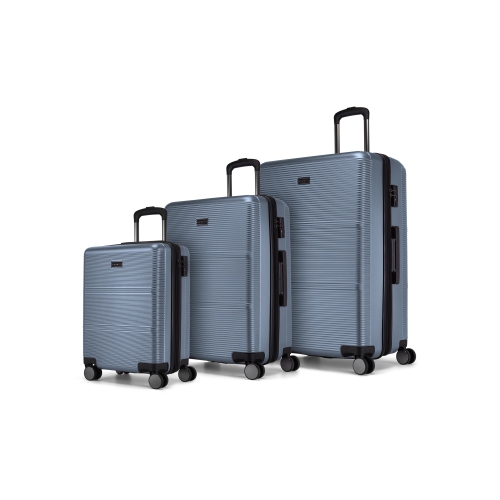 Your price for this item is $239.99
 -
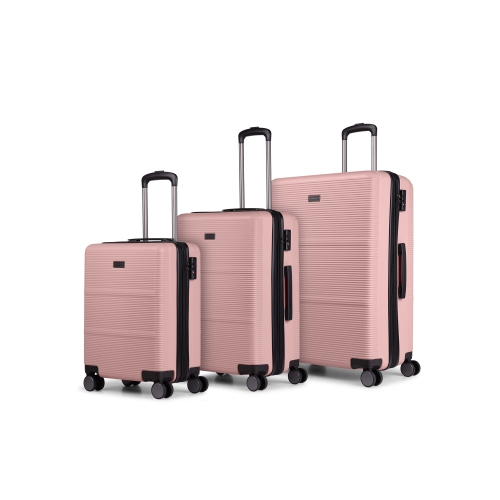 Your price for this item is $239.99
 -
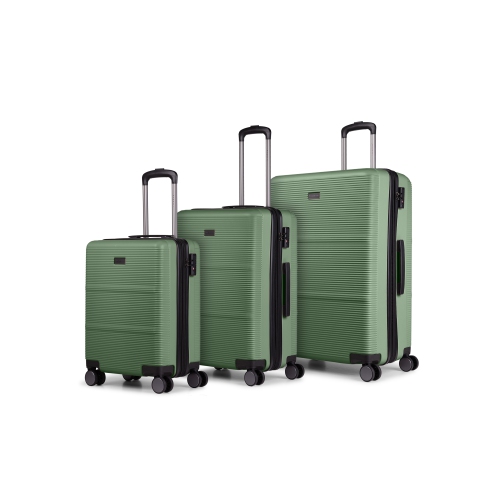 Your price for this item is $239.99
 -
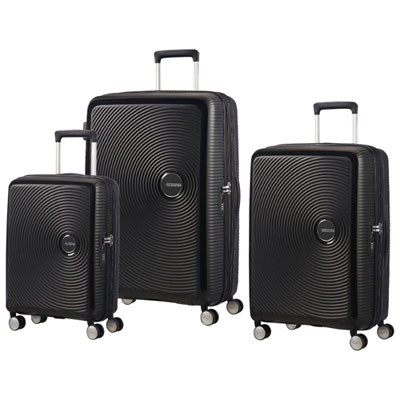 Your price for this item is $569.99
Discover more categories related to Polycarbonate Luggage
Top Collections:
Pokemon Centers, Budget 4K TVs, Best Budget Office Chairs, Kindle Devices, Canon G7X Cameras, Apple iPhones 16, iPhone 15 Apple, Laptops for Business Work, Xiaomi Phones, Flip Phones
Some products may be subject to Environmental Handling Fees
(EHF) depending on your province.
Learn more about EHFs.