RFID Card Holders
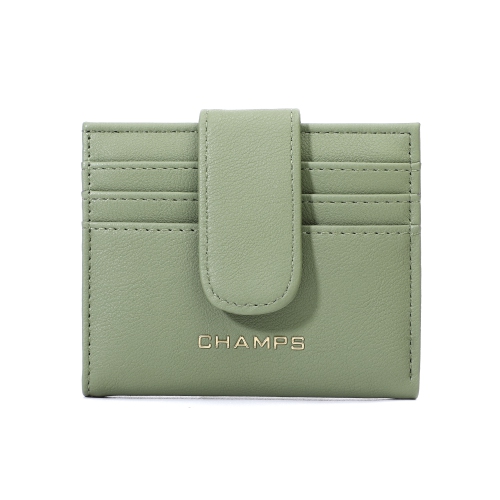
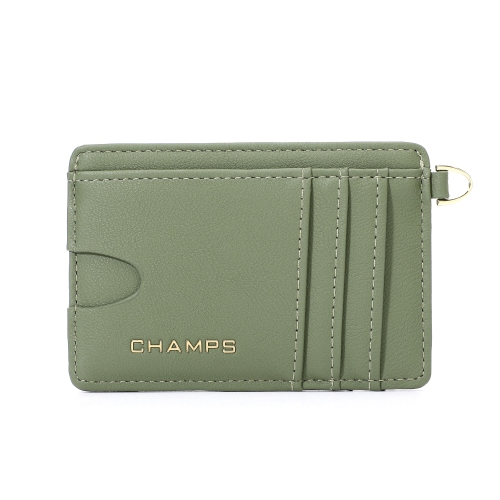
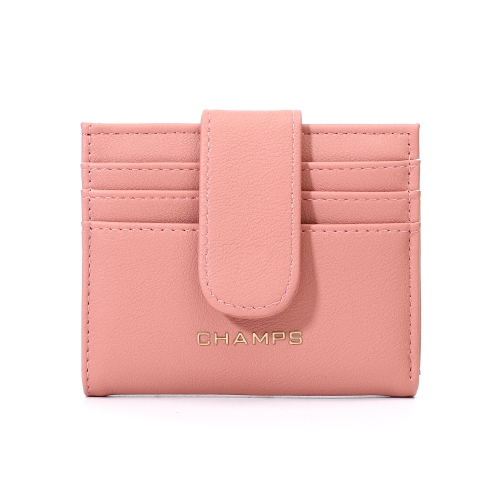
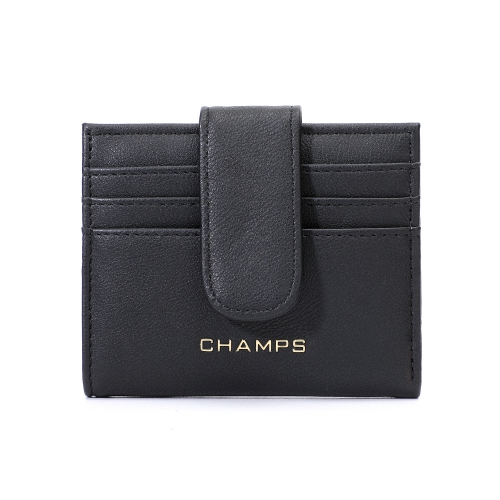
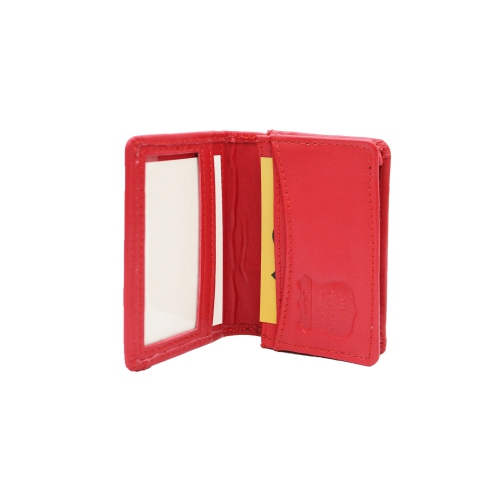
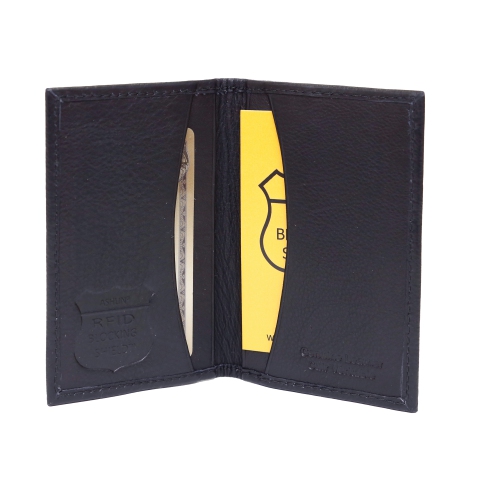
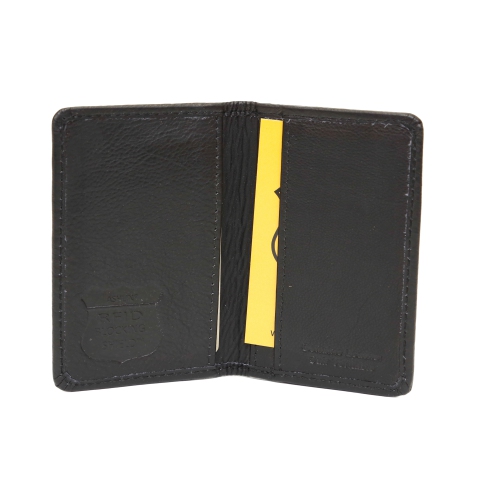
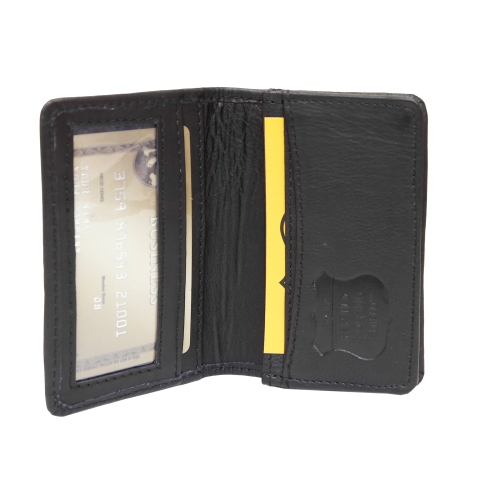
Looking for a sleek and convenient way to keep your cards organized and secure? Look no further than our collection of RFID card holders. These compact accessories are designed to protect your credit cards, IDs, and other important cards from unauthorized scanning and theft. With a variety of styles and designs to choose from, you can find the perfect RFID card holder to suit your needs and personal style. Whether you're a frequent traveler or simply want to streamline your everyday carry, our selection of RFID card holders offers both functionality and fashion-forward options.
Sort



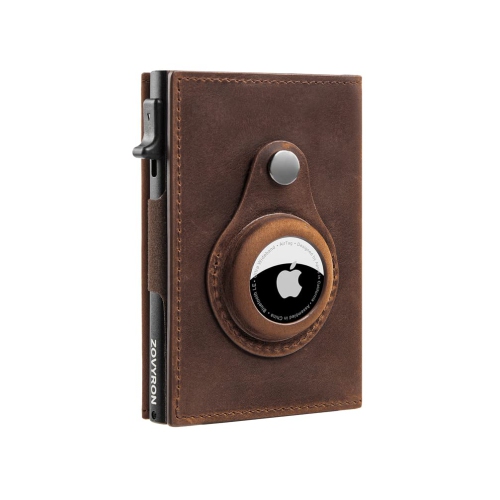
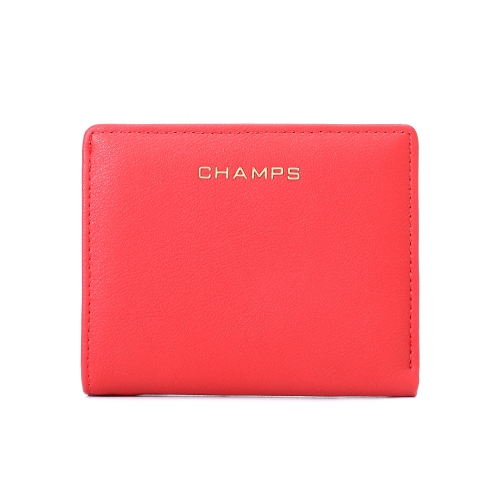
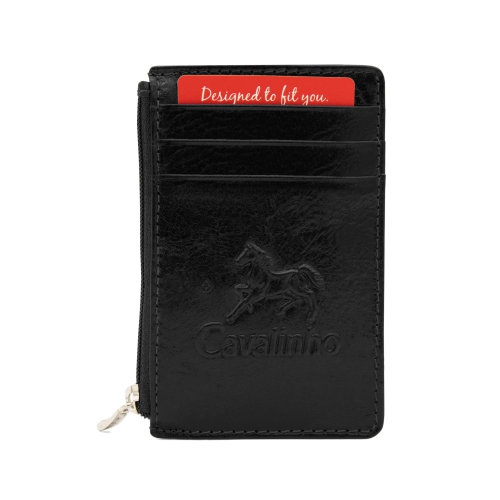
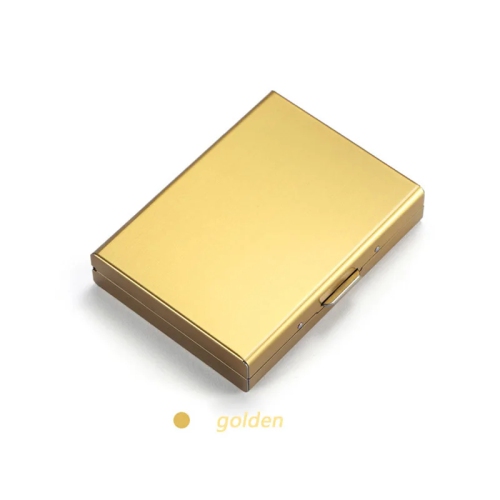
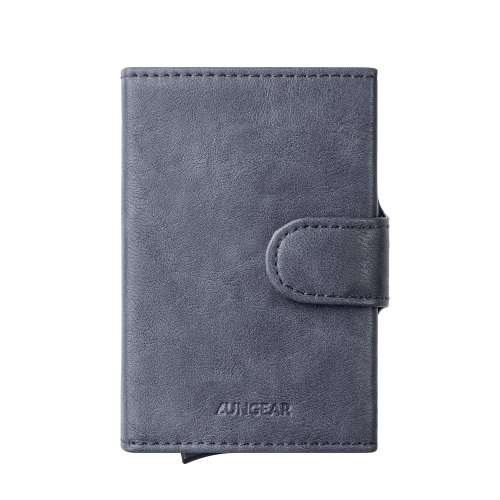
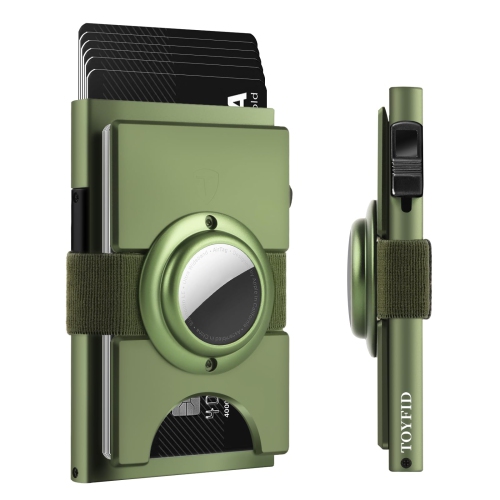
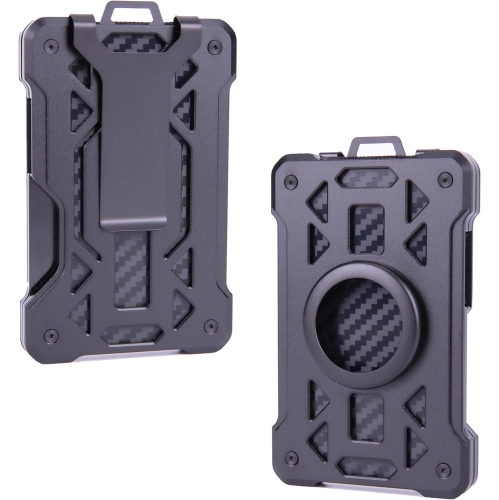
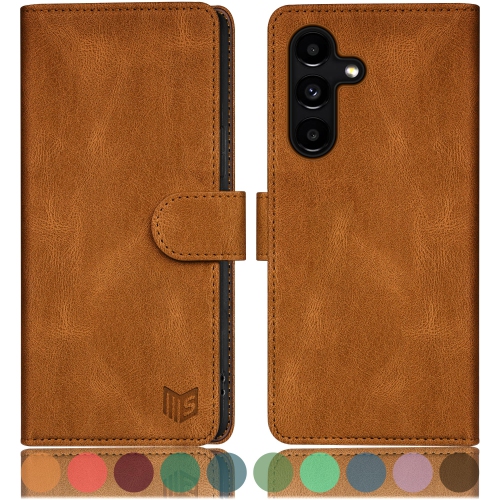
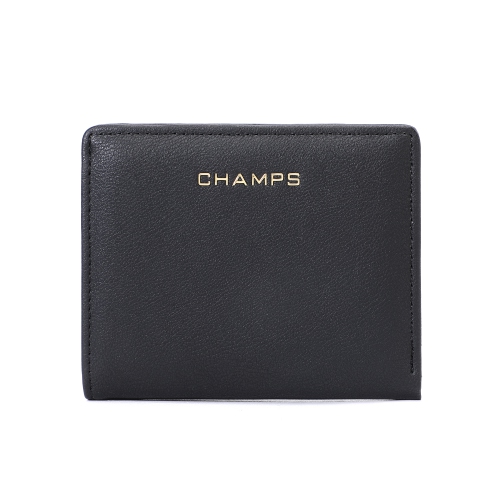
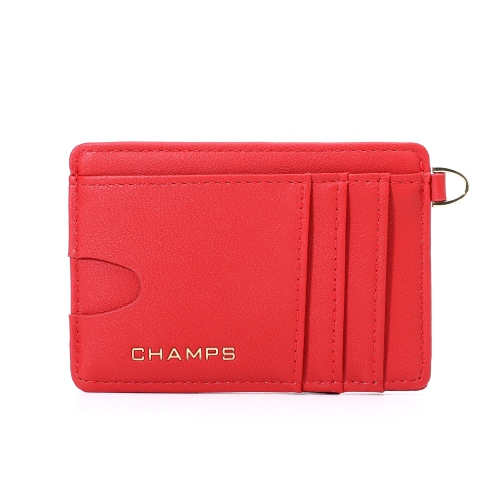
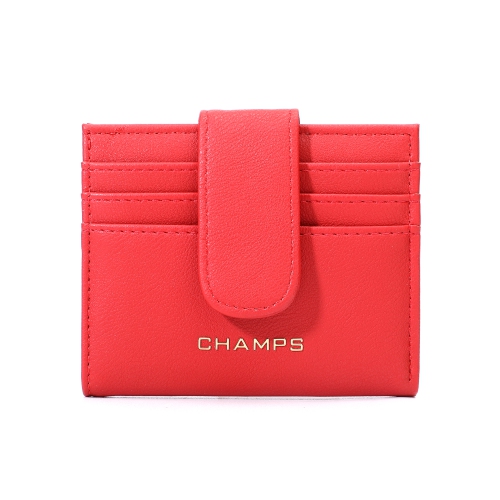
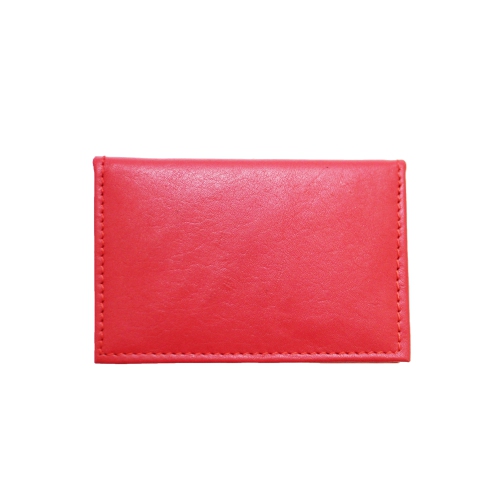
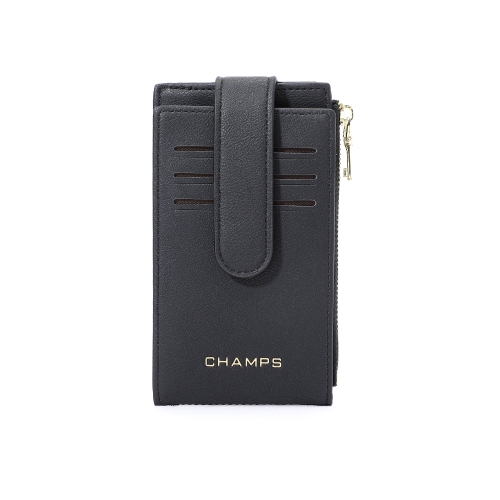
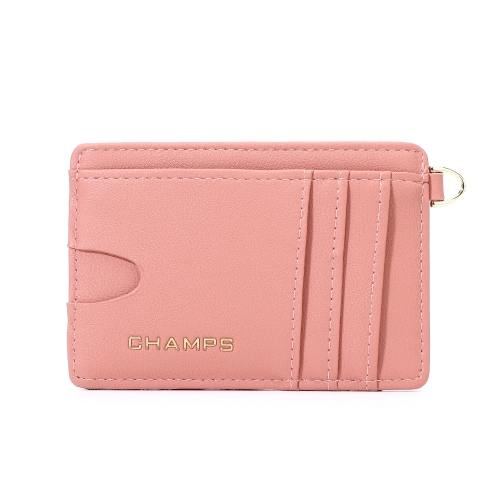
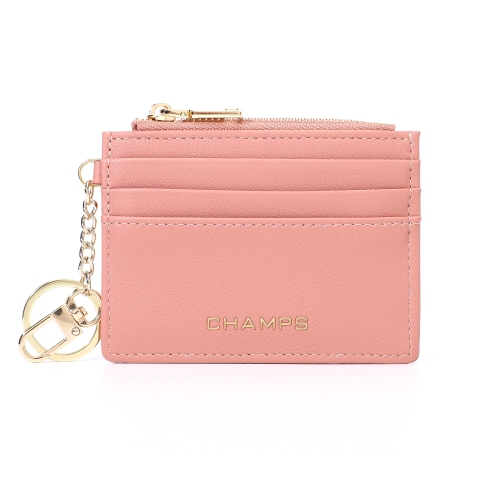

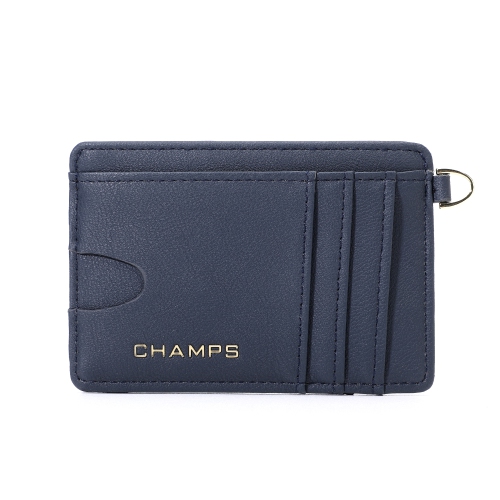
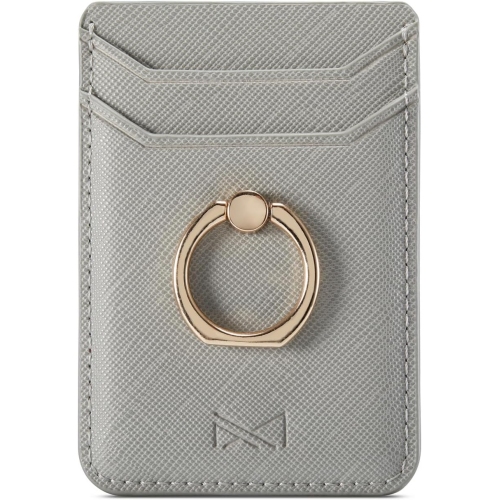
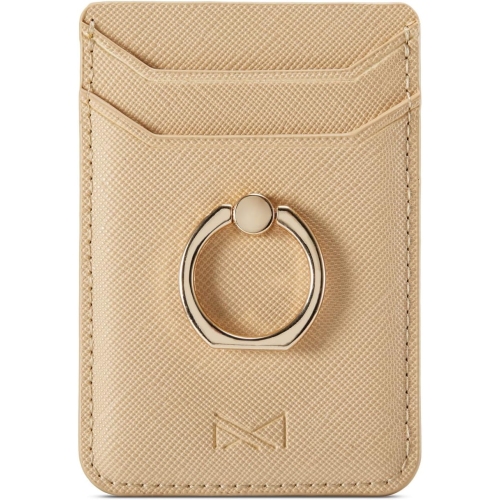
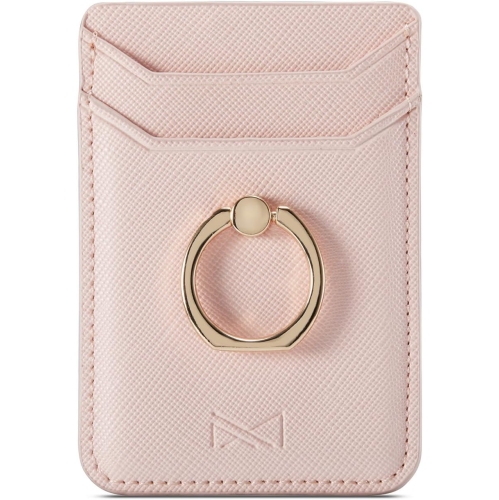
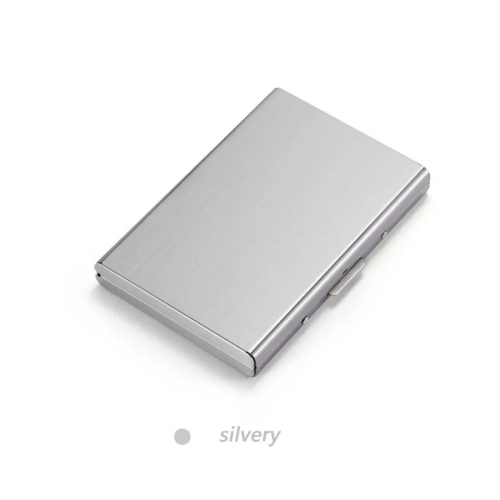
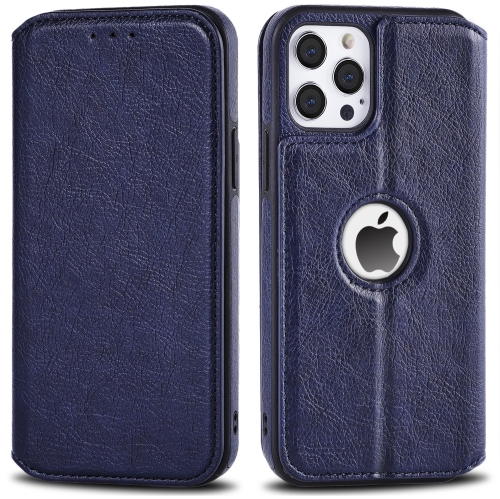
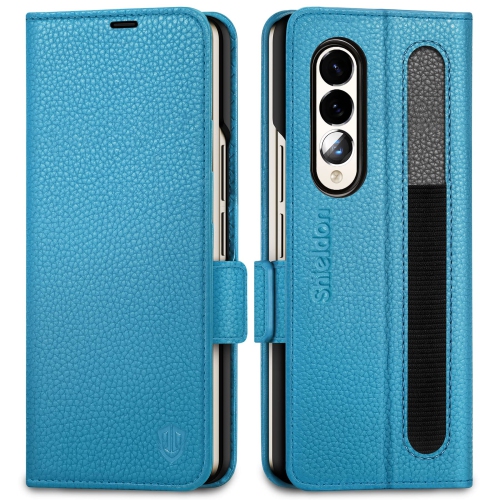
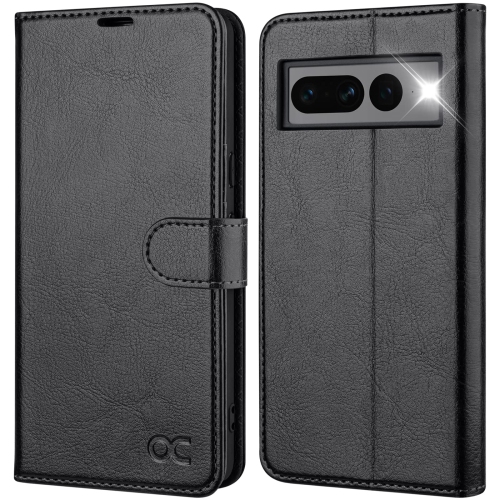
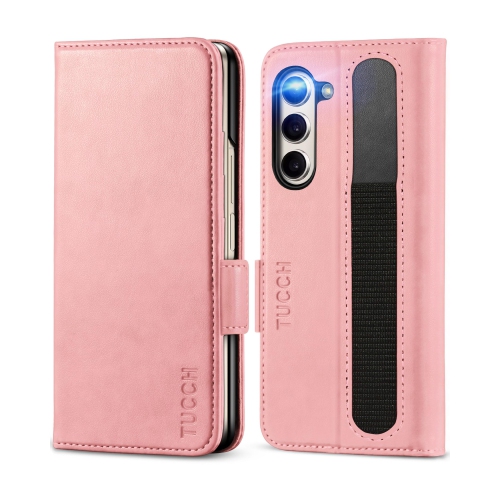
![HLD Case Wallet for Galaxy Z Fold 5, Shockproof Wallet Case w S Pen Holder[Rfid Blocking][Kickstand][Card Holders], Pu Leather PC Folio Cover](https://multimedia.bbycastatic.ca/multimedia/products/500x500/172/17202/17202696.jpeg)
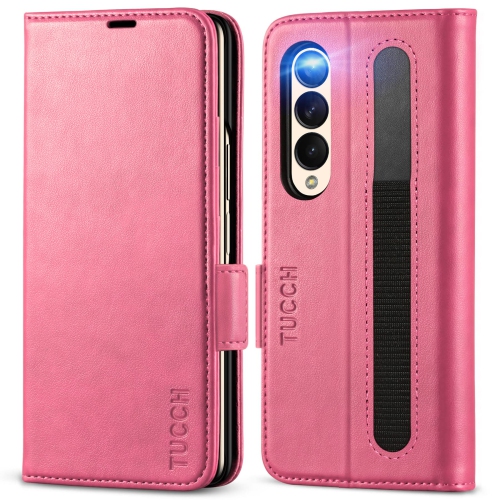
![HLD Wallet Case for Galaxy Z Fold 5, Pu Leather Case w S Pen Holder [Kickstand][Card Holders] Hard PC Shell, Viewing Stand Flip Cover Compatible w](https://multimedia.bbycastatic.ca/multimedia/products/500x500/172/17202/17202692.jpeg)
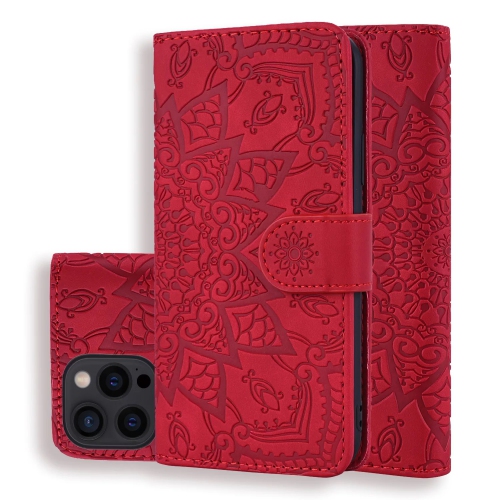
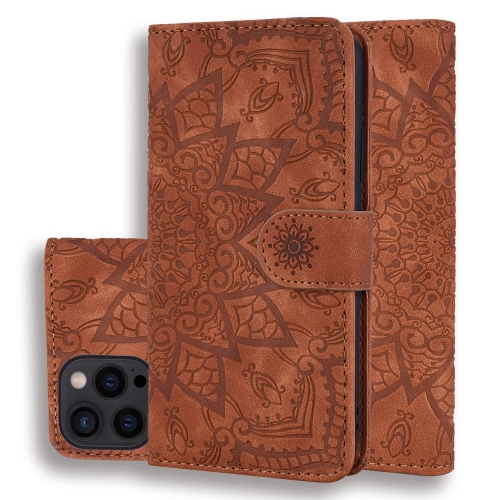
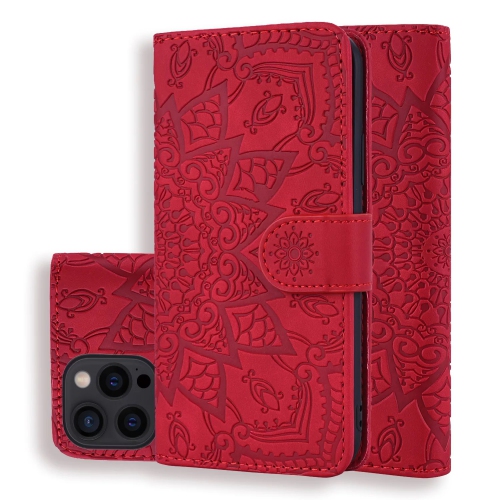
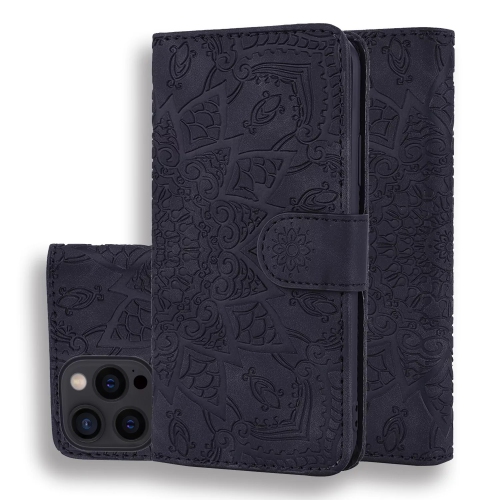
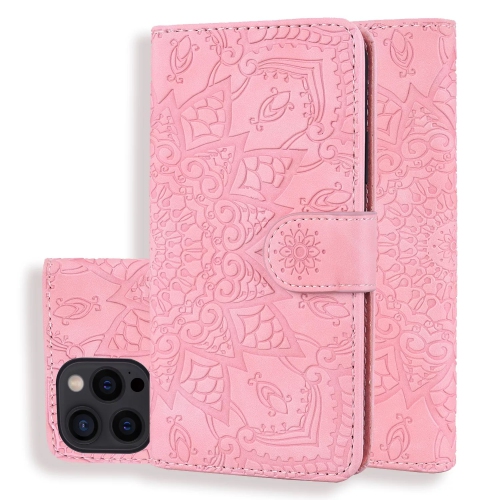
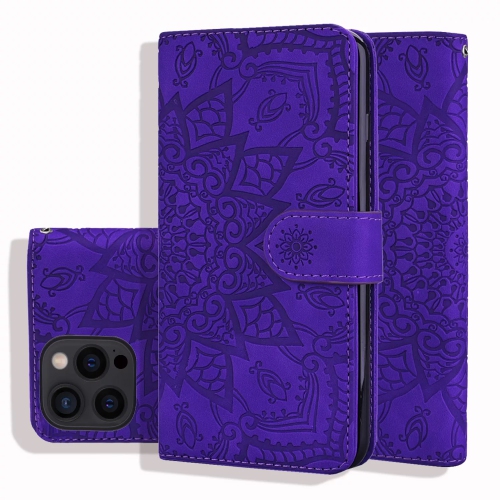
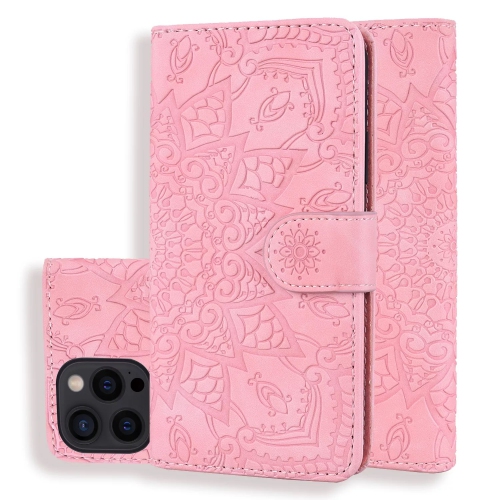
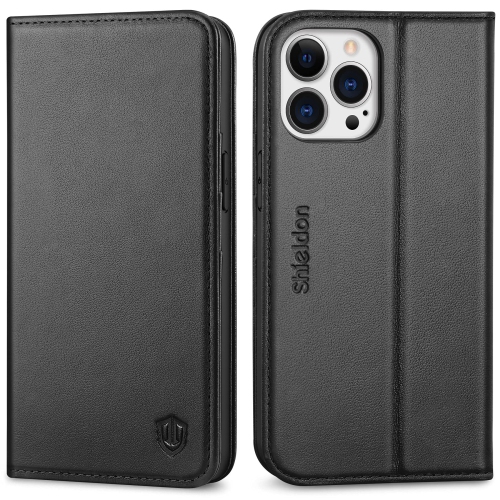
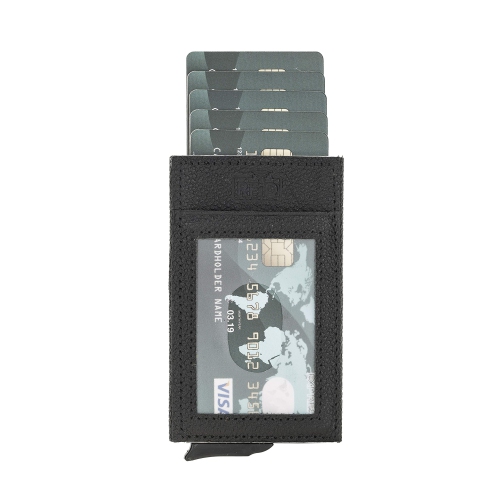
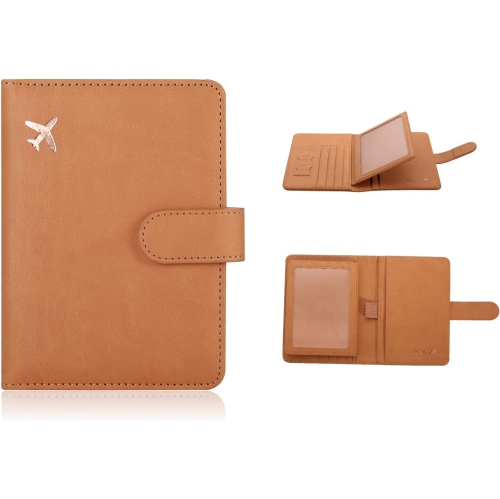
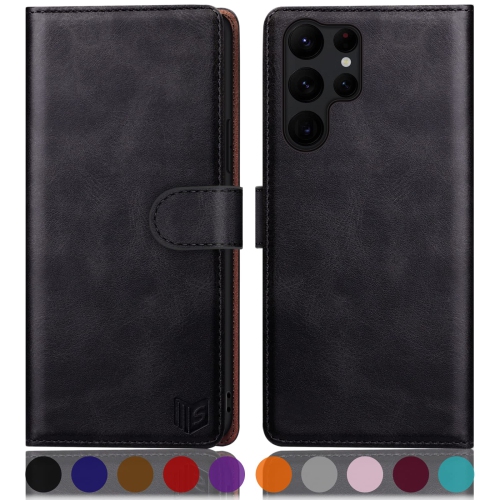
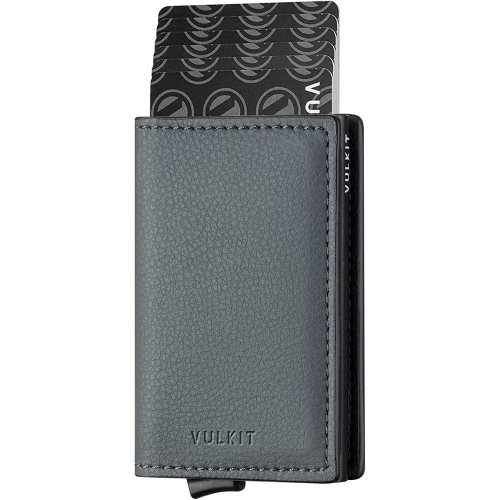
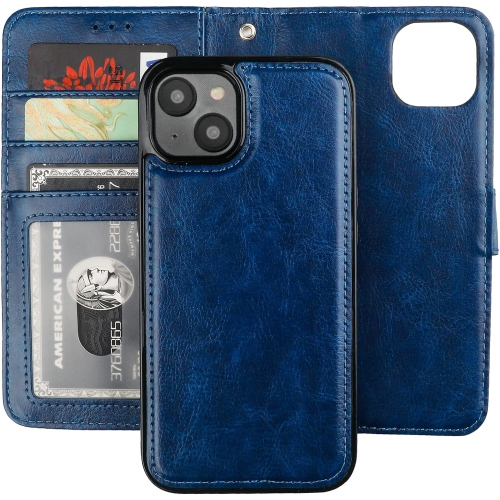
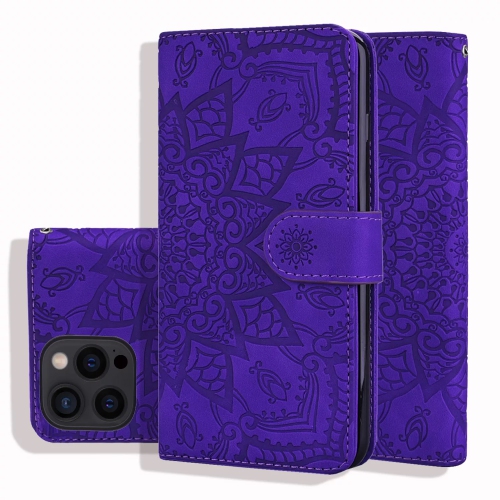
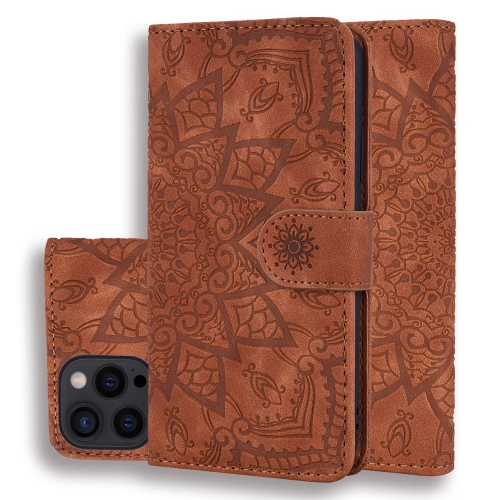
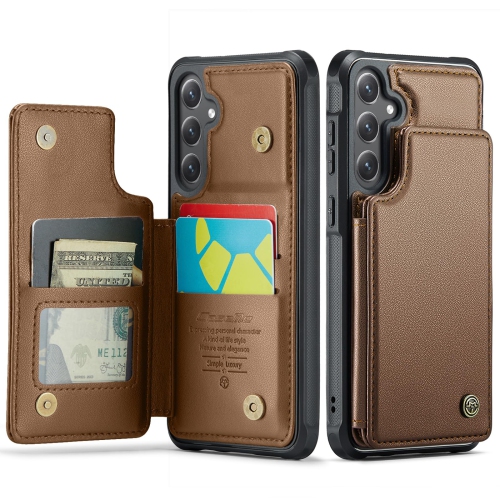
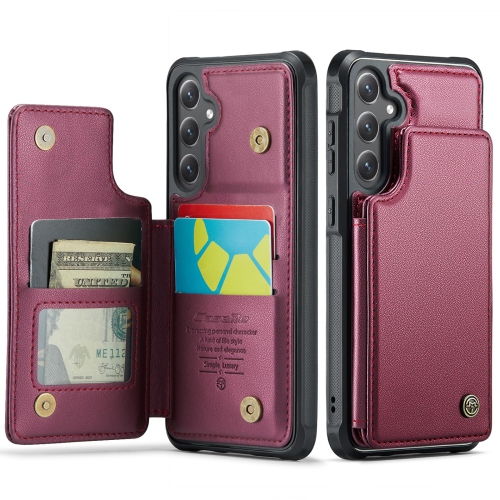
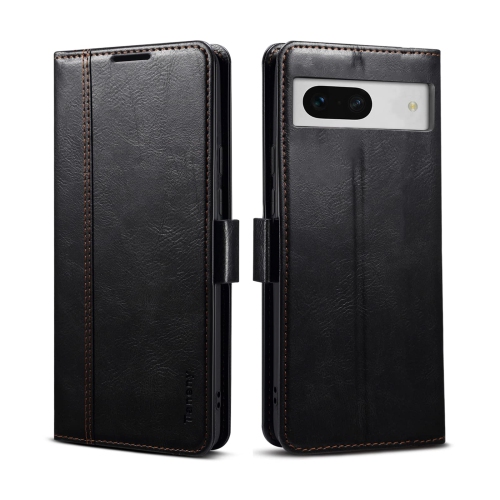
![UNKNOWN Samsung Galaxy S23 Ultra 5G Wallet Case With [Rfid Blocking] Card Holder Magnetic Kickstand, Leather Flip](https://multimedia.bbycastatic.ca/multimedia/products/500x500/182/18214/18214312.jpeg)
![UNKNOWN Samsung Galaxy S9 Wallet Case, [Rfid Blocking] Premium Leather Credit Card Holder Magnetic Flip Kickstand Wallet](https://multimedia.bbycastatic.ca/multimedia/products/500x500/182/18214/18214182.jpeg)
![UNKNOWN Samsung Galaxy S9 Plus Wallet Case, [Rfid Blocking] Premium Leather Credit Card Holder Magnetic Flip Kickstand](https://multimedia.bbycastatic.ca/multimedia/products/500x500/182/18214/18214210.jpeg)
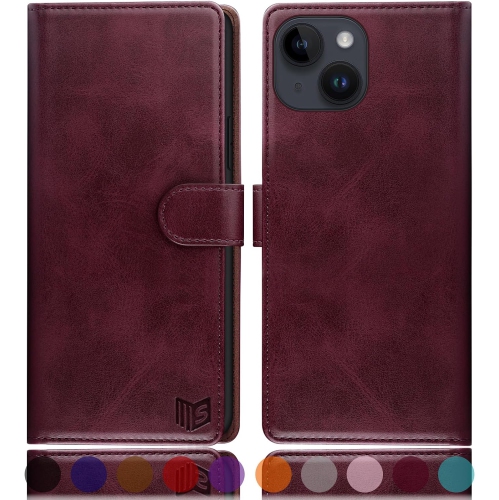
![UNKNOWN Samsung Galaxy A13 Wallet Case, [Rfid Blocking] Premium Leather Credit Card Holder Magnetic Flip Kickstand](https://multimedia.bbycastatic.ca/multimedia/products/500x500/182/18214/18214247.jpeg)
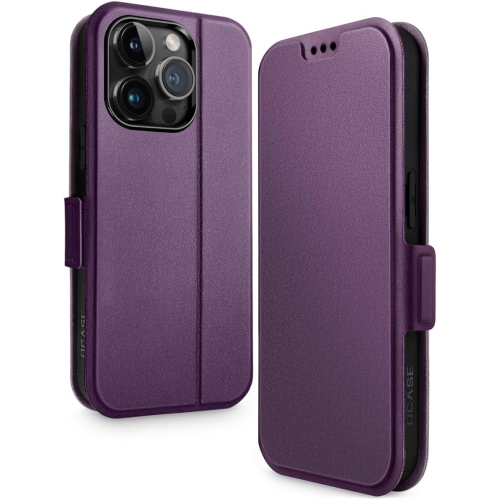
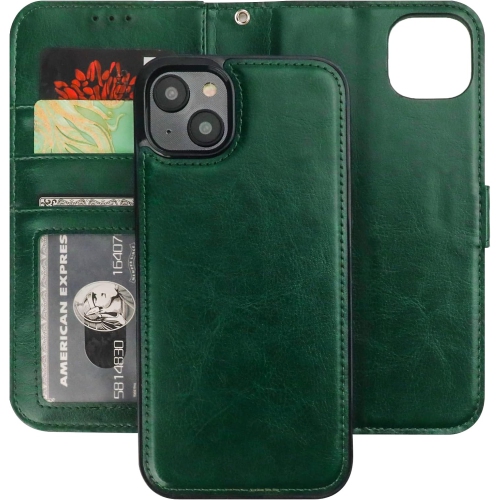
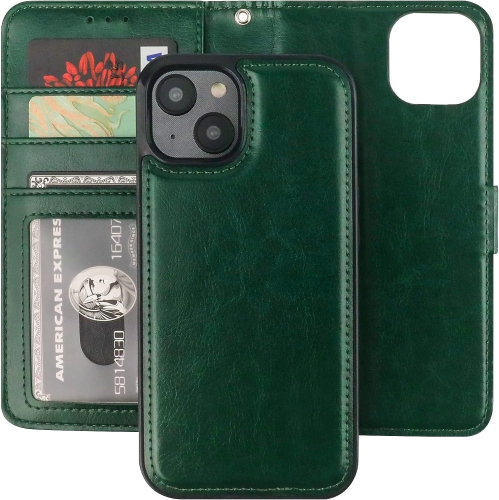
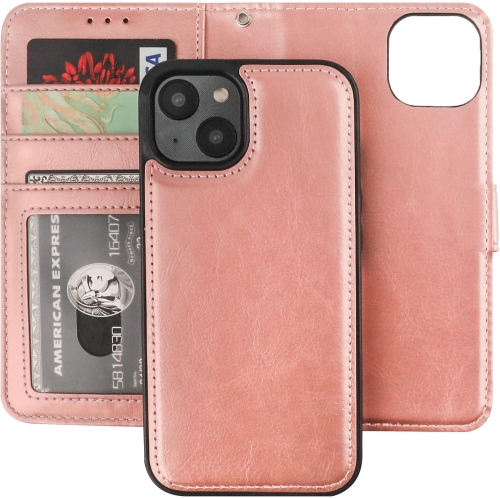
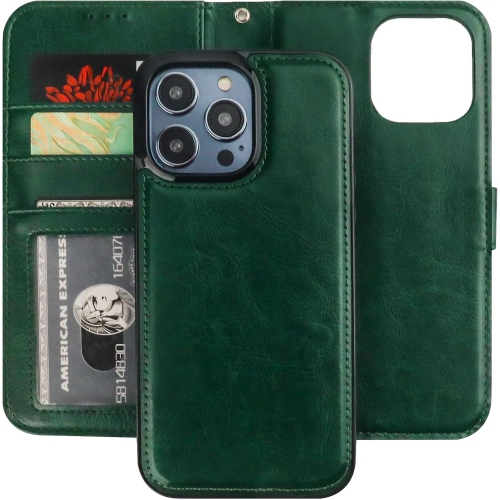
![GENERIC Wallet Case for Iphone 13 6.1-Inch 5G, Rfid Blocking Card Slot Holder [Tpu Interior Protective Case], Magnetic](https://multimedia.bbycastatic.ca/multimedia/products/500x500/173/17392/17392743.jpeg)


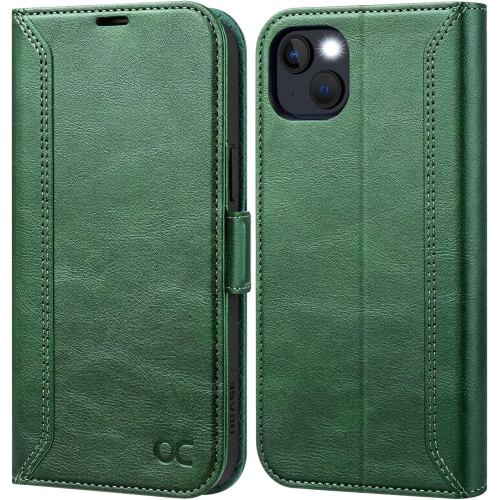
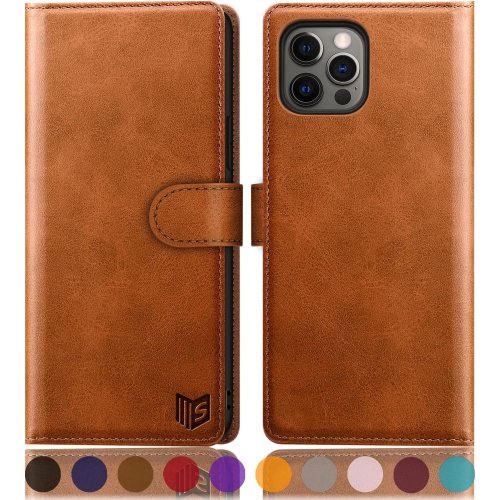
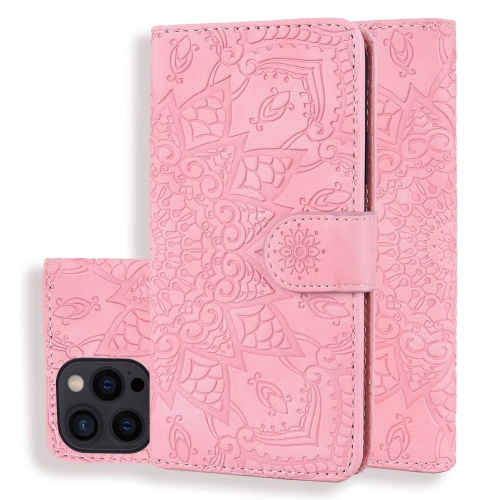
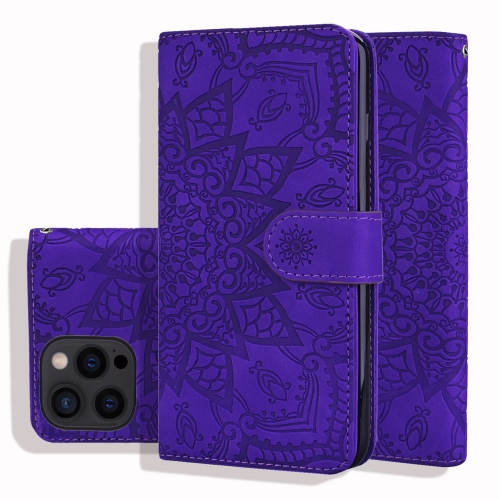
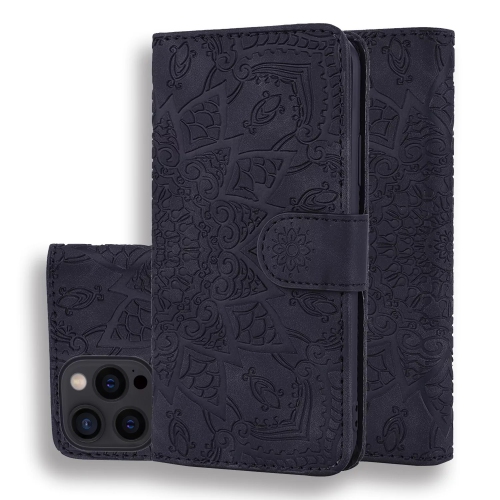
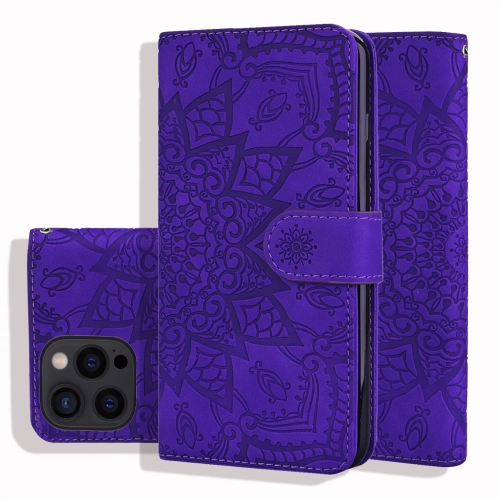
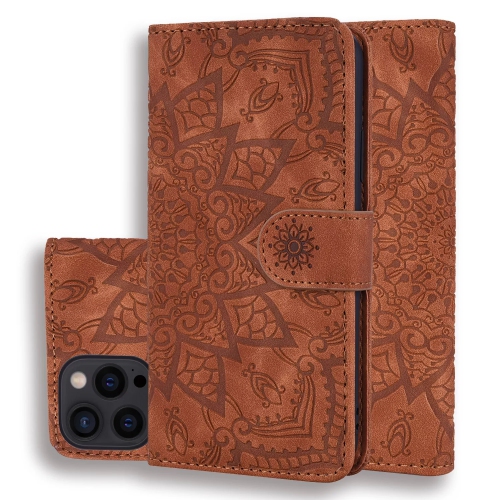
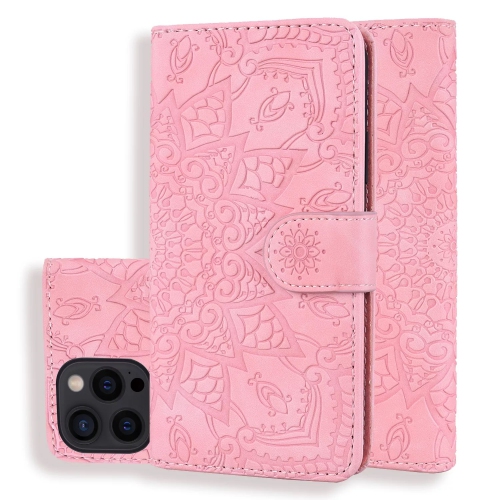
How card shielding fits into your everyday carry
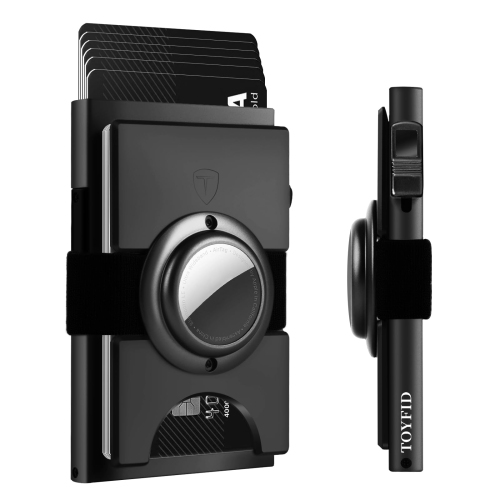
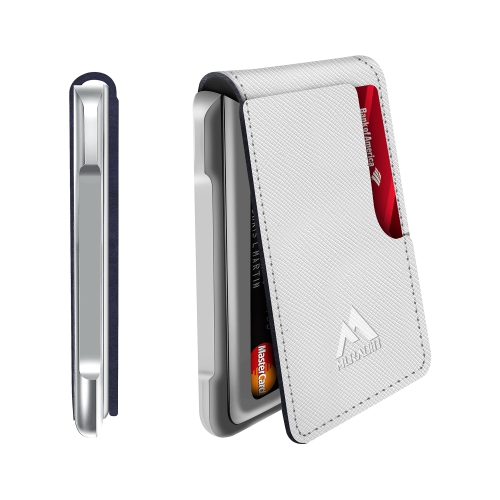
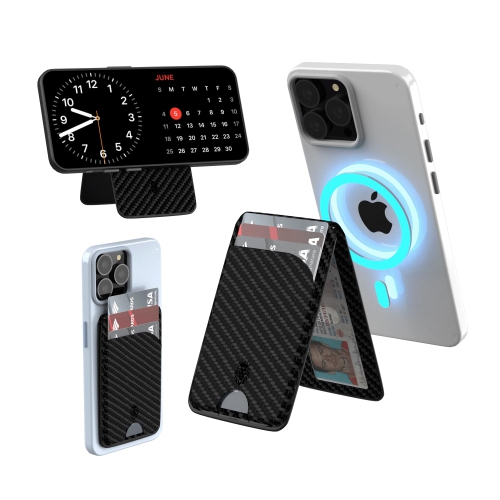
RFID card holders keep everyday cards together in a compact format, with shielding designed to reduce wireless communication between compatible cards and nearby readers while the cards are enclosed. RFID stands for radio-frequency identification, a technology that allows information to pass wirelessly between a chip and a reader. Many contactless payment cards use a closely related technology called NFC, or near-field communication, to support tap payments. An RFID-blocking card holder typically incorporates metal plates, a metal shell, or a conductive lining that interferes with those signals. The protection depends on the holder’s construction, the frequencies it is designed to block, and whether the card is fully inside the shielded area. Many designs target the 13.56 MHz frequency used by contactless payment cards, but that does not mean they block every type of access badge, identification card, or tracking signal. RFID shielding is also not a substitute for account alerts, secure passwords, or promptly reporting a missing card: it does not prevent online fraud or protect information already exposed elsewhere. Its role is narrower and practical, adding a physical barrier to contactless communication while keeping cards organized. For daily use, that means carrying a debit card, credit card, and a few essentials in a holder that slips into a trouser pocket, handbag compartment, or work bag without the bulk of a traditional wallet. A card normally needs to be removed from the shielded section before it can be tapped at a payment terminal. That small difference matters for someone accustomed to tapping an entire wallet at a checkout or transit reader. Some holders combine protected storage with exterior quick-access pockets, although cards in those outside pockets may not receive the same protection. The useful distinction is not simply whether a holder has RFID blocking, but which compartments provide it and how that layout fits an ordinary day.
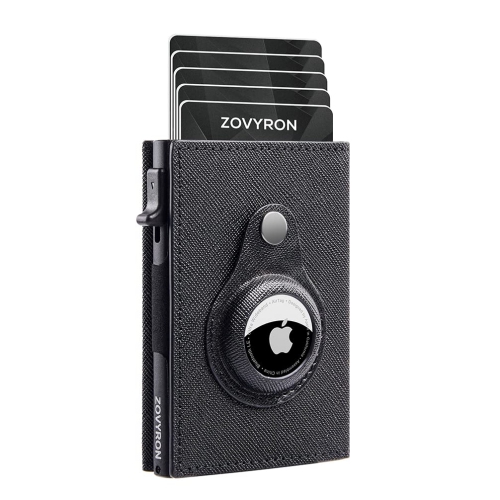
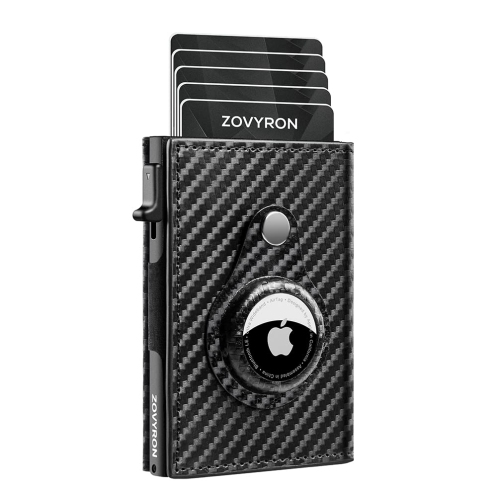
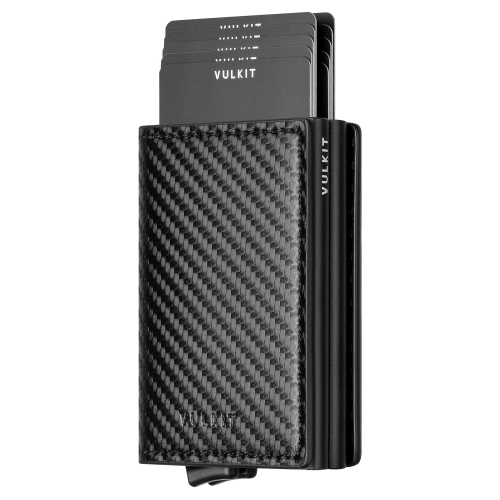
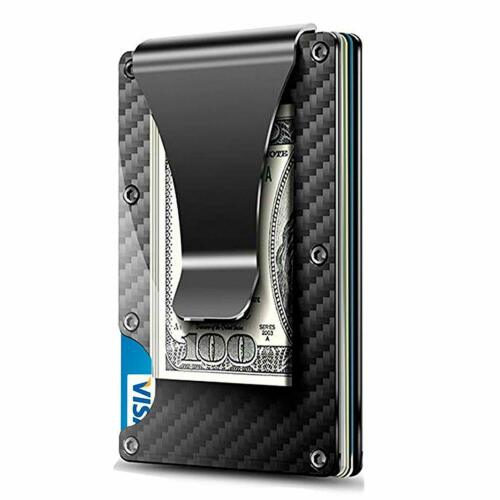
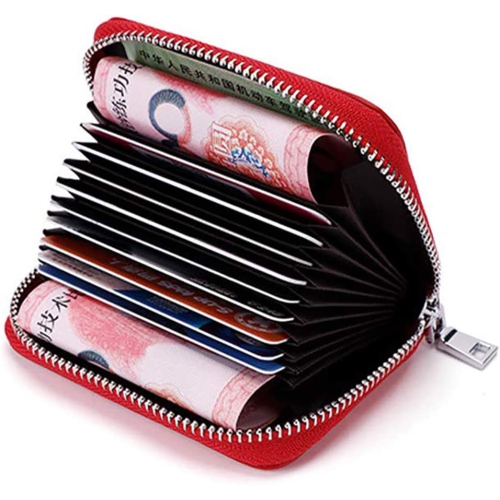
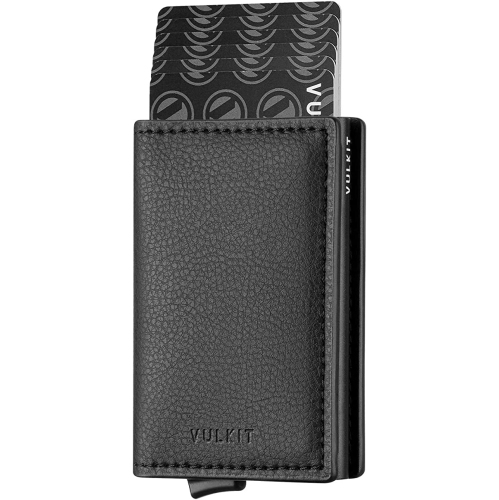
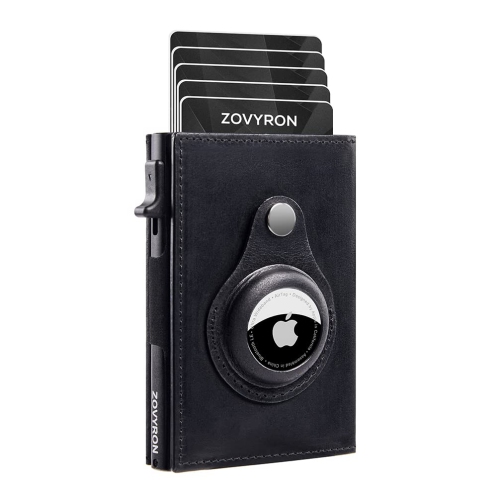
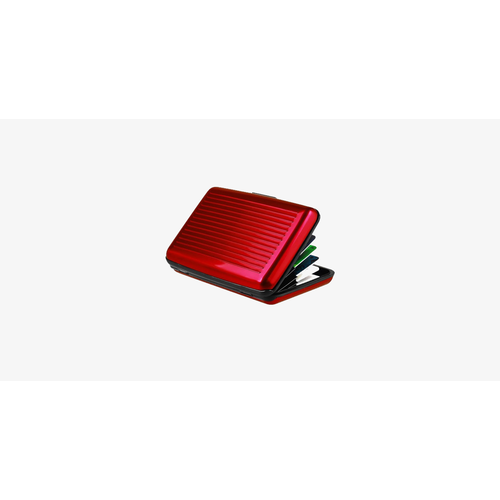
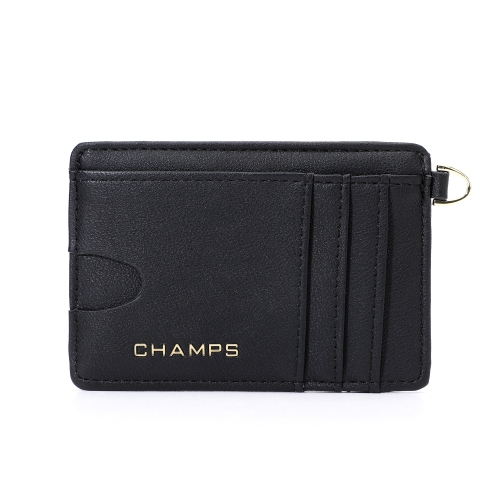
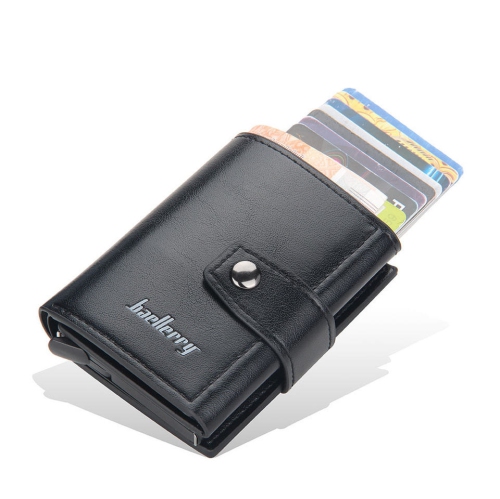
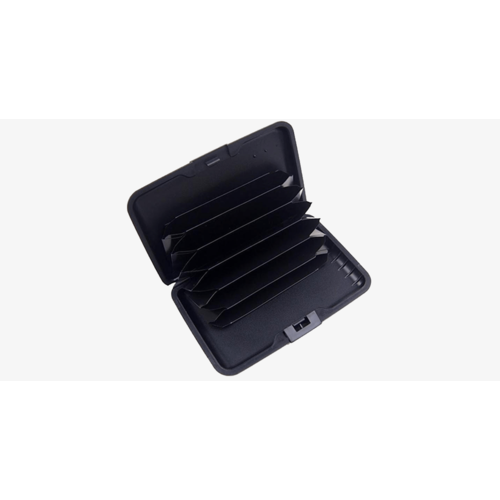
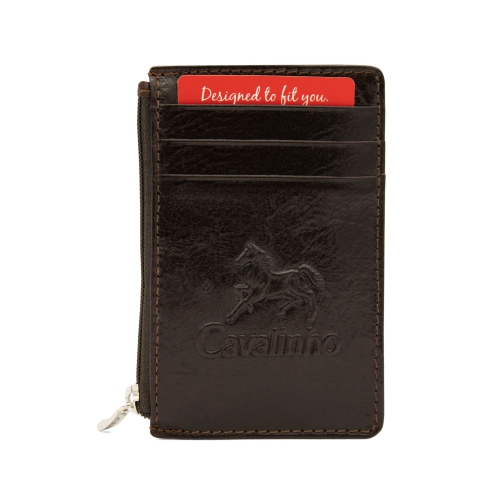
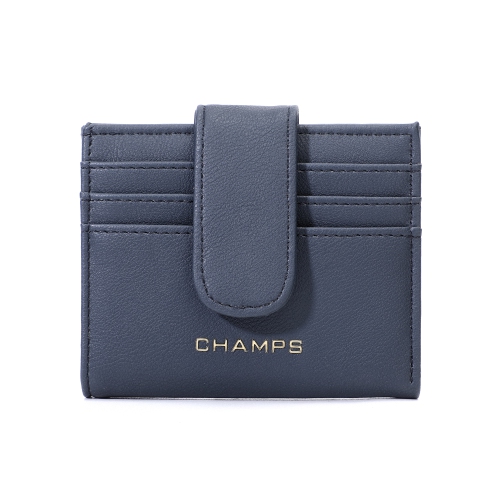
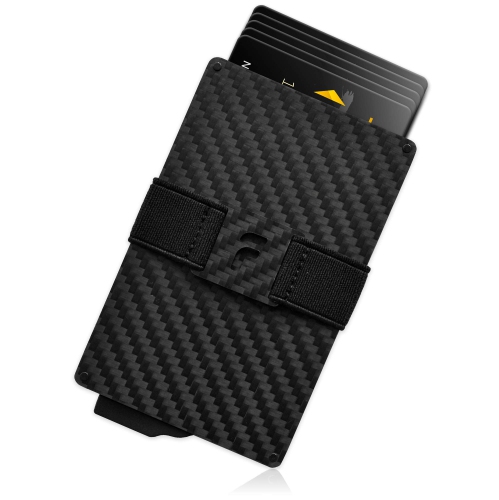
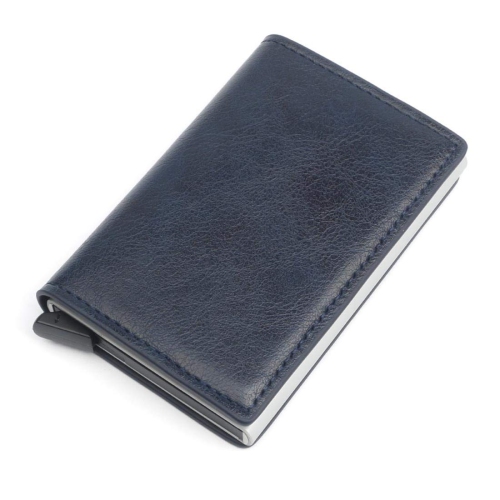
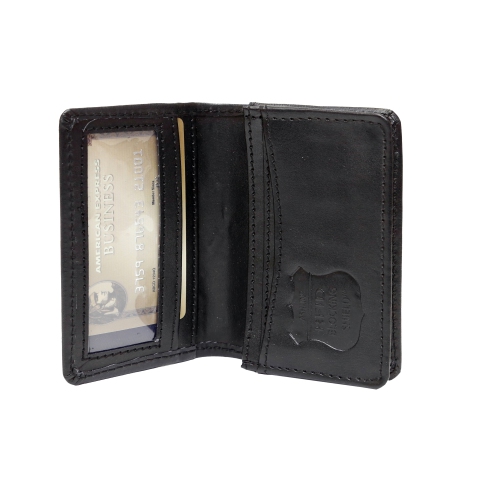
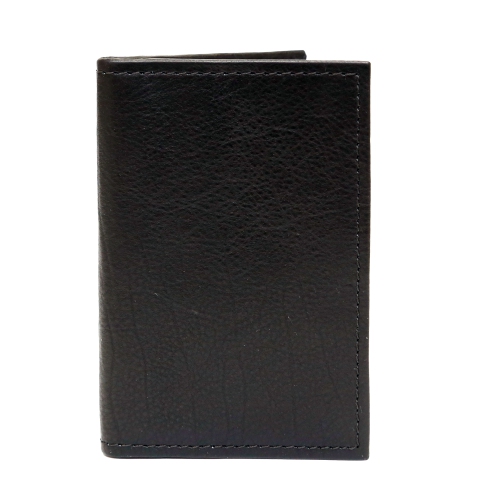
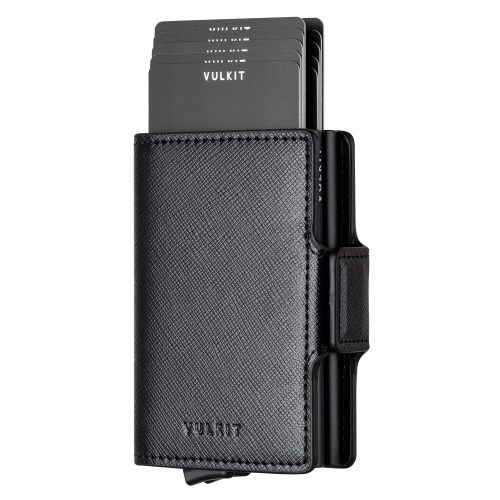
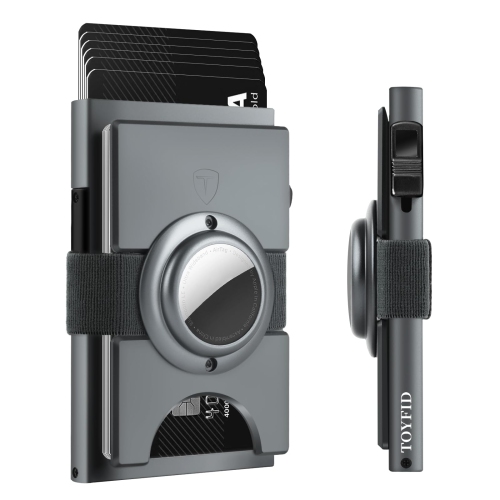
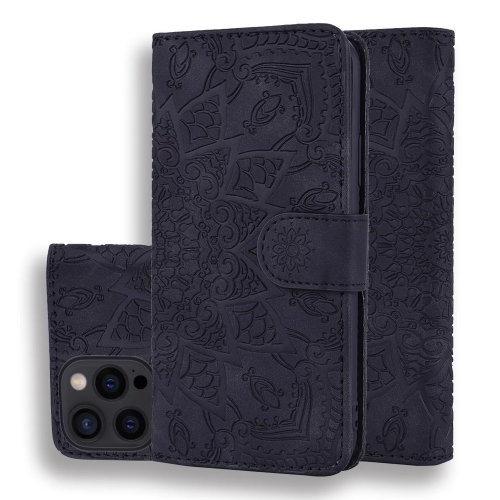
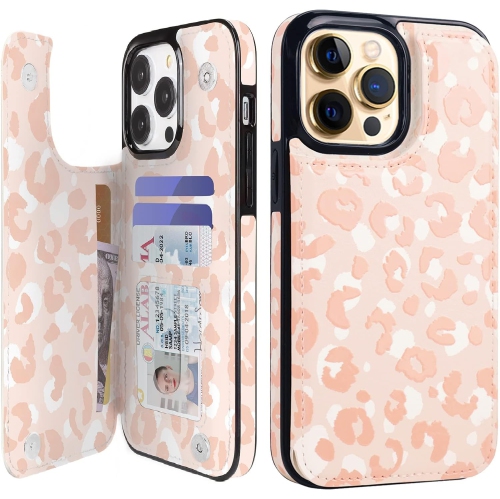
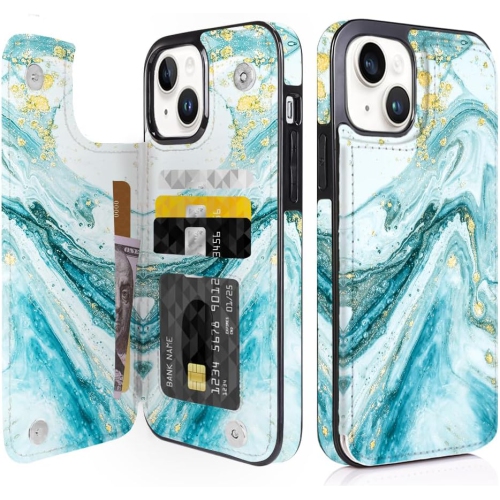
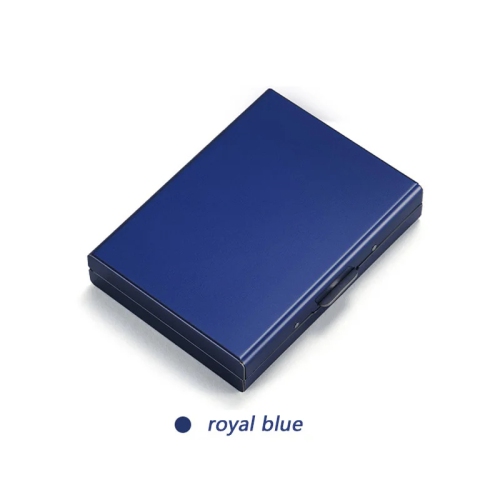
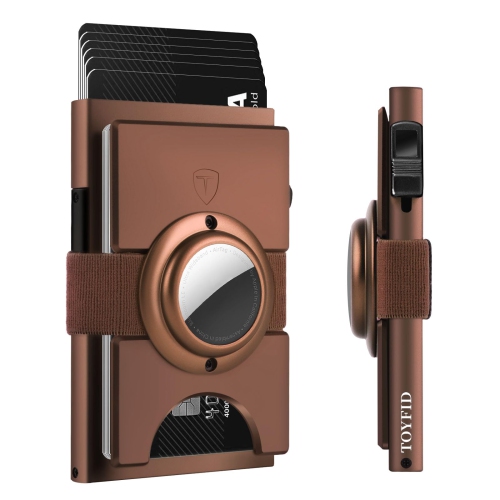
Materials and construction shape how an RFID card holder feels in the hand, sits in a pocket, and stands up to repeated use. Rigid aluminum or stainless steel designs help keep cards flat and can suit someone who prefers a firm case with clearly defined edges. A brushed or textured finish may make everyday marks less noticeable, while polished surfaces can show fingerprints and fine scratches more readily. Metal construction alone does not establish blocking performance; the complete design, including openings and card coverage, matters. Leather holders offer a softer feel and may gradually develop creases and a patina, with RFID shielding supplied by a separate layer rather than the leather itself. Synthetic materials and woven fabrics can provide a lightweight alternative, with durability influenced by the quality of the seams, lining, edge binding, and closures. Fit deserves as much attention as the exterior. A stated capacity may assume flat, standard-size payment cards, so raised lettering, thicker access cards, and protective sleeves can reduce the number that fits comfortably. A holder should grip its contents securely without making each card difficult to withdraw. Overfilling can strain stitching, stretch pockets, interfere with a latch, or place pressure on a dispensing mechanism. Pop-up designs present cards in a staggered arrangement, which can make selection easier at a busy checkout, but their usefulness depends on smooth operation and a card stack within the specified capacity. Thumb slots, pull tabs, hinged lids, and elastic straps each offer a different balance of access and retention. Someone who uses one payment card repeatedly may prefer a simple slot layout, while someone switching between several cards may appreciate more separation. Rounded corners, covered edges, and the position of any cash clip also affect comfort, particularly in a front pocket. Overall dimensions are more informative than the word “slim” alone: the holder needs to fit its intended pocket when filled, not just when empty.
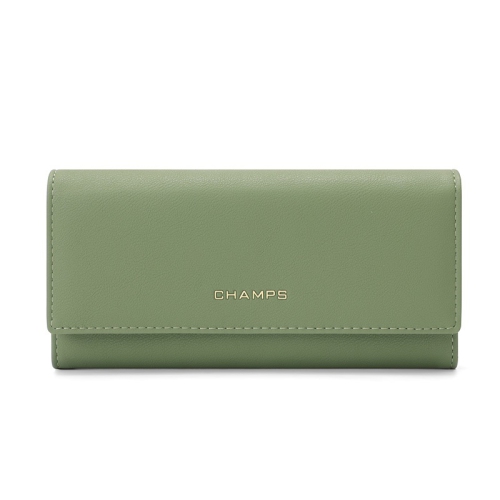
Intended use helps narrow the practical differences between RFID card holders. A commuter may want a compact design that can be opened with one hand while keeping an unshielded transit pass separate, where appropriate for the transit system. An office worker carrying an access badge should check compatibility rather than assume that payment-card shielding will behave the same way with workplace readers. For travel, a card holder can keep frequently used payment cards separate from a larger document organizer, making it easier to leave passports, spare cards, and paperwork secured elsewhere. A minimalist layout works well for someone who rarely carries cash, whereas a holder with a strap, clip, or small bill compartment leaves room for folded Canadian banknotes. Coin storage is less common in compact card holders, so anyone who regularly carries coins may find a larger format more convenient. For additional compartments and more room for everyday essentials, RFID Wallets offer another format to consider. Care should follow the material and the maker’s instructions. A soft cloth is generally useful for removing surface dust from a hard case; abrasive cleaners can scratch finishes, and soaking can damage linings, adhesives, leather, or moving parts. Leather may need an appropriate care product, while fabric and synthetic surfaces may allow gentle spot cleaning if the care instructions permit it. Letting a damp holder dry naturally before refilling it helps avoid trapping moisture against cards. Periodically clearing lint from openings and checking straps, seams, screws, or closures can reveal wear before cards become loose. RFID blocking does not imply waterproofing, impact protection, or a locking closure, so those features need separate confirmation when relevant. As a gift, a card holder is most useful when it matches the recipient’s habits: a low-profile case for a light traveller, an easy-access design for frequent errands, or a softer pocketed style for someone who values a familiar wallet feel. Colour, texture, opening method, and room for the cards actually carried often matter more in everyday use than an elaborate feature list.
Materials and construction shape how an RFID card holder feels in the hand, sits in a pocket, and stands up to repeated use. Rigid aluminum or stainless steel designs help keep cards flat and can suit someone who prefers a firm case with clearly defined edges. A brushed or textured finish may make everyday marks less noticeable, while polished surfaces can show fingerprints and fine scratches more readily. Metal construction alone does not establish blocking performance; the complete design, including openings and card coverage, matters. Leather holders offer a softer feel and may gradually develop creases and a patina, with RFID shielding supplied by a separate layer rather than the leather itself. Synthetic materials and woven fabrics can provide a lightweight alternative, with durability influenced by the quality of the seams, lining, edge binding, and closures. Fit deserves as much attention as the exterior. A stated capacity may assume flat, standard-size payment cards, so raised lettering, thicker access cards, and protective sleeves can reduce the number that fits comfortably. A holder should grip its contents securely without making each card difficult to withdraw. Overfilling can strain stitching, stretch pockets, interfere with a latch, or place pressure on a dispensing mechanism. Pop-up designs present cards in a staggered arrangement, which can make selection easier at a busy checkout, but their usefulness depends on smooth operation and a card stack within the specified capacity. Thumb slots, pull tabs, hinged lids, and elastic straps each offer a different balance of access and retention. Someone who uses one payment card repeatedly may prefer a simple slot layout, while someone switching between several cards may appreciate more separation. Rounded corners, covered edges, and the position of any cash clip also affect comfort, particularly in a front pocket. Overall dimensions are more informative than the word “slim” alone: the holder needs to fit its intended pocket when filled, not just when empty.
Intended use helps narrow the practical differences between RFID card holders. A commuter may want a compact design that can be opened with one hand while keeping an unshielded transit pass separate, where appropriate for the transit system. An office worker carrying an access badge should check compatibility rather than assume that payment-card shielding will behave the same way with workplace readers. For travel, a card holder can keep frequently used payment cards separate from a larger document organizer, making it easier to leave passports, spare cards, and paperwork secured elsewhere. A minimalist layout works well for someone who rarely carries cash, whereas a holder with a strap, clip, or small bill compartment leaves room for folded Canadian banknotes. Coin storage is less common in compact card holders, so anyone who regularly carries coins may find a larger format more convenient. For additional compartments and more room for everyday essentials, RFID Wallets offer another format to consider. Care should follow the material and the maker’s instructions. A soft cloth is generally useful for removing surface dust from a hard case; abrasive cleaners can scratch finishes, and soaking can damage linings, adhesives, leather, or moving parts. Leather may need an appropriate care product, while fabric and synthetic surfaces may allow gentle spot cleaning if the care instructions permit it. Letting a damp holder dry naturally before refilling it helps avoid trapping moisture against cards. Periodically clearing lint from openings and checking straps, seams, screws, or closures can reveal wear before cards become loose. RFID blocking does not imply waterproofing, impact protection, or a locking closure, so those features need separate confirmation when relevant. As a gift, a card holder is most useful when it matches the recipient’s habits: a low-profile case for a light traveller, an easy-access design for frequent errands, or a softer pocketed style for someone who values a familiar wallet feel. Colour, texture, opening method, and room for the cards actually carried often matter more in everyday use than an elaborate feature list.
Top selling and popular products
-
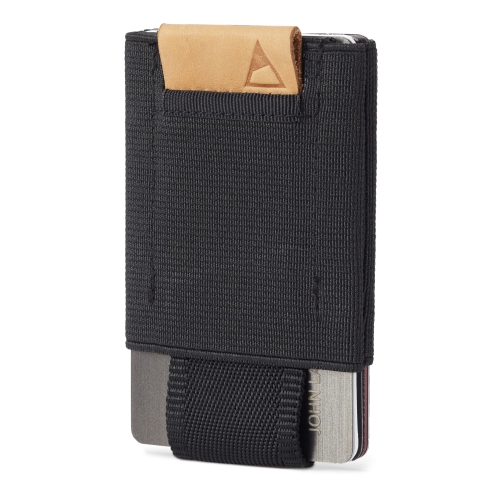 Your price for this item is $39.99
 -
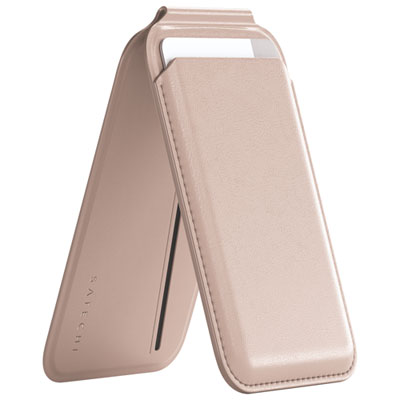 Your price for this item is $59.99
 -
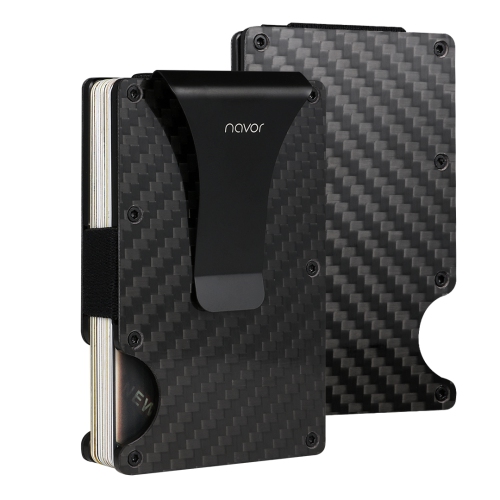 Your price for this item is $19.95
 -
 Your price for this item is $49.99
 -
 Your price for this item is $47.99
 -
 Your price for this item is $46.96
 -
 Your price for this item is $49.99
 -
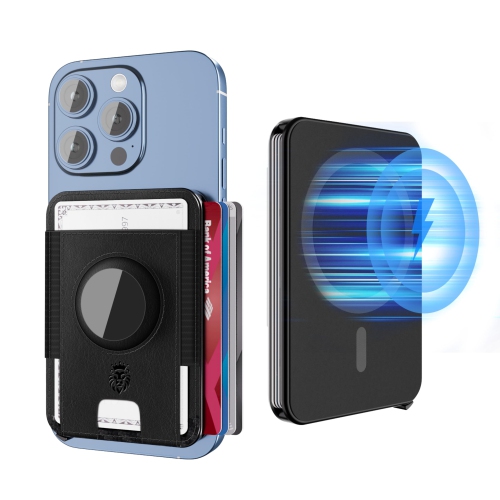 Your price for this item is $49.99
Discover more categories related to RFID Card Holders

Top Collections:
Pokemon Centers, Kindle Devices, Best Budget Office Chairs, Apple iPhones 16, Best Laptops for Writers, iPhone 15 Apple, Canon G7X Cameras, Refurbished Apple Laptops, Alarm Clock, Motorola Razr Phones
Some products may be subject to Environmental Handling Fees
(EHF) depending on your province.
Learn more about EHFs.