Tactical Backpacks for Men
Tactical Backpacks For Men are designed to meet the demands of both everyday adventures and rugged outdoor excursions. Explore a wide selection of styles and sizes that offer versatility for travel, work, or recreation. Whether you're heading out for a hike, gearing up for a day at the range, or simply looking for a reliable pack for daily use, find options that blend durability with practical design. Discover Tactical Backpacks For Men that help keep your essentials organized and accessible wherever your journey takes you.
Sort
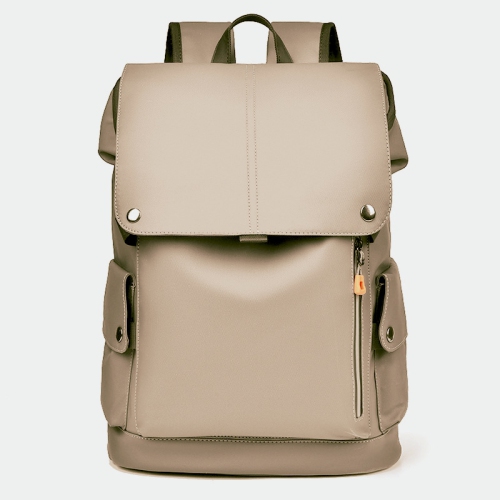
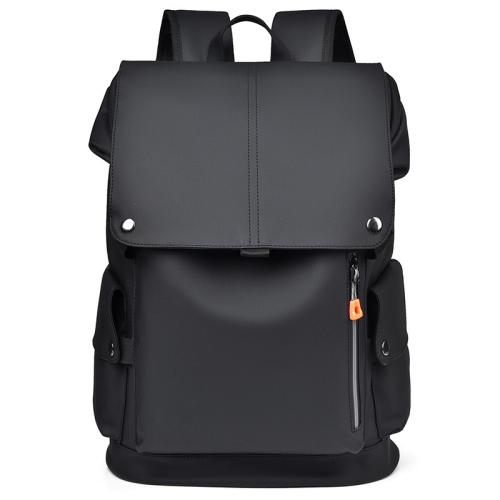

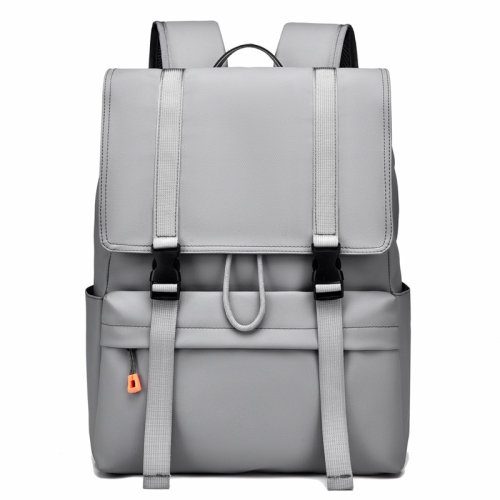
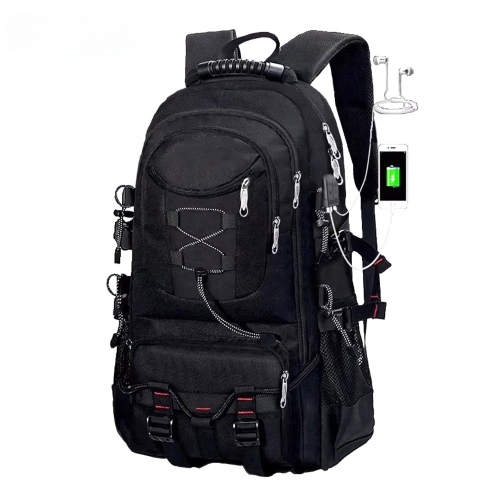
Why pack layout matters as much as capacity
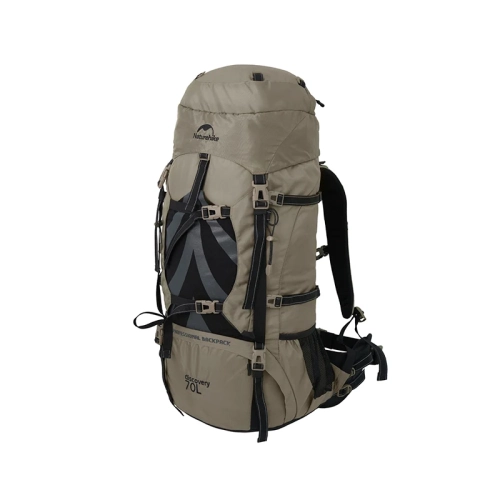
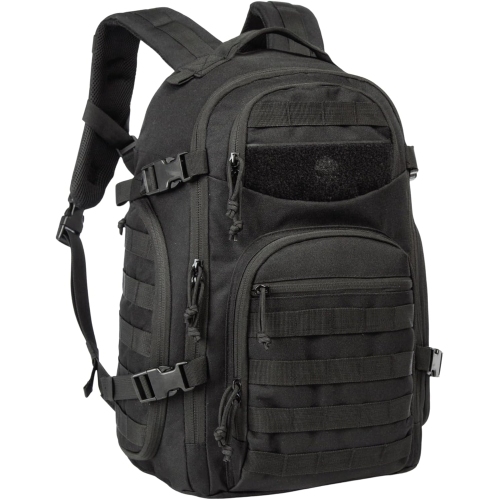
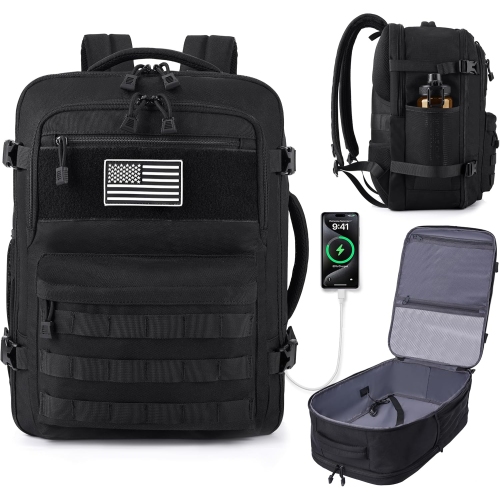
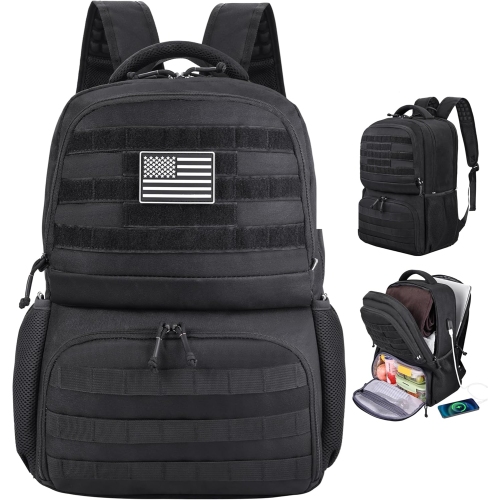
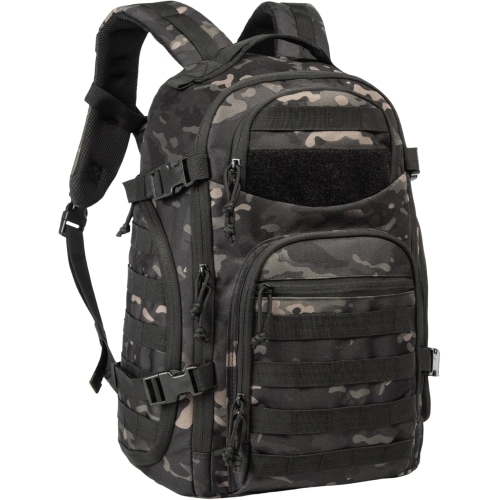
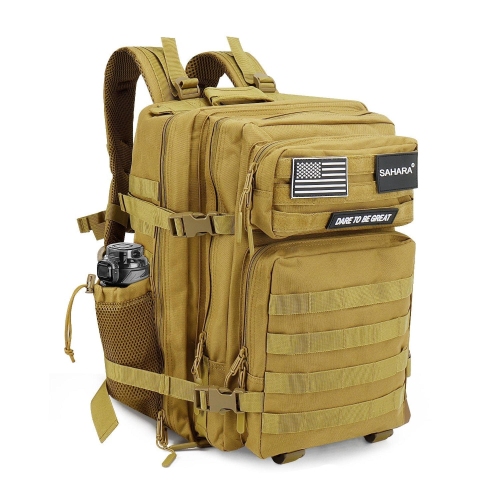
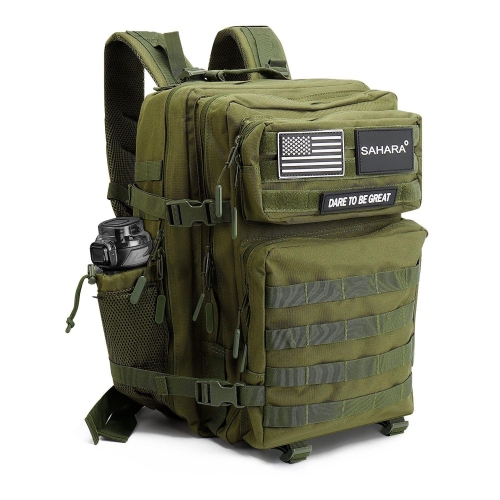
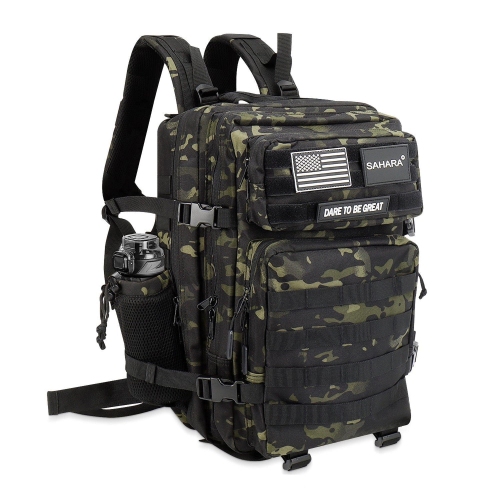
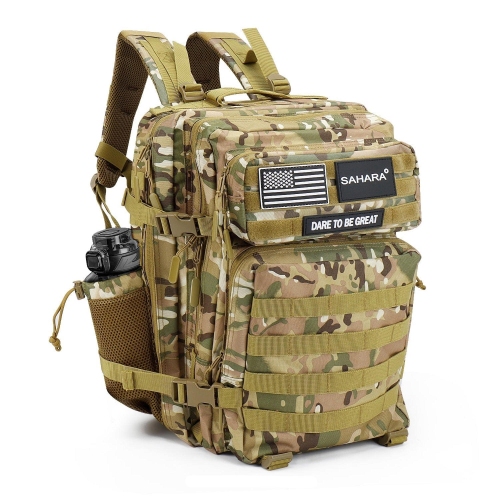
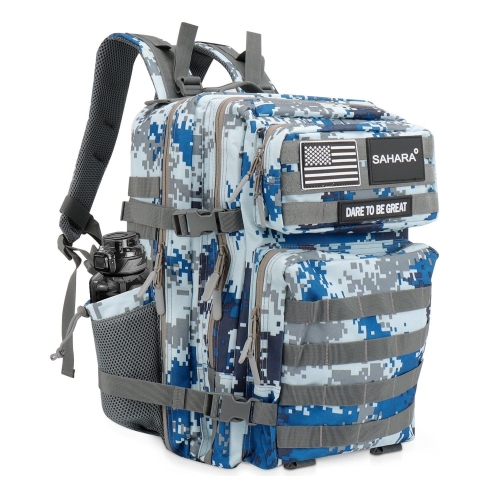
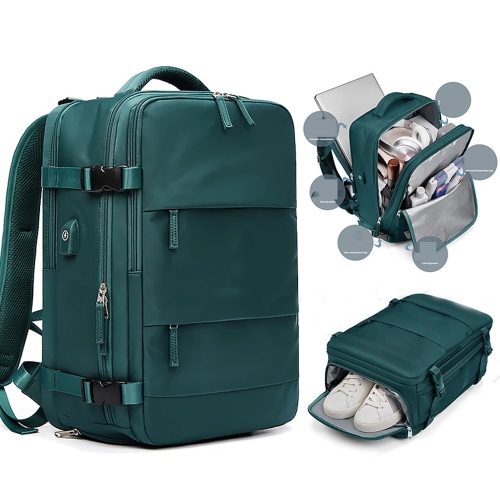
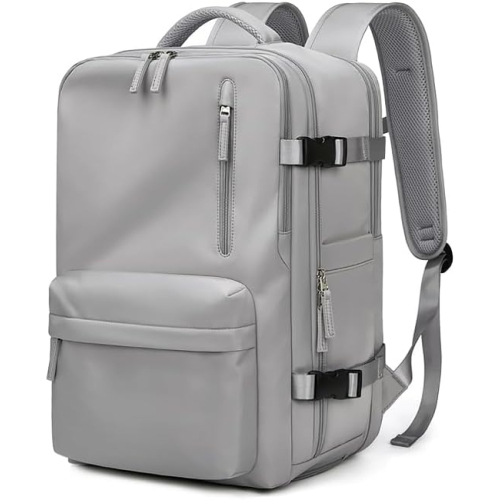
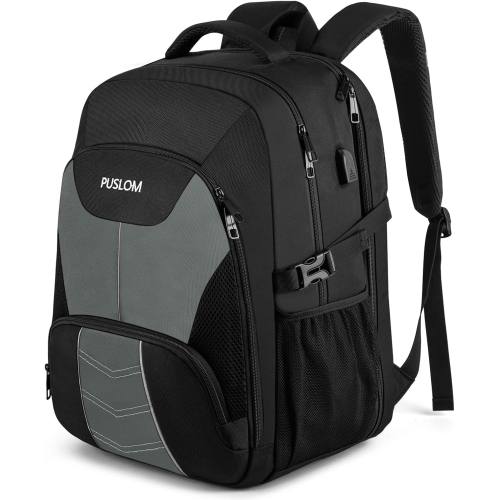
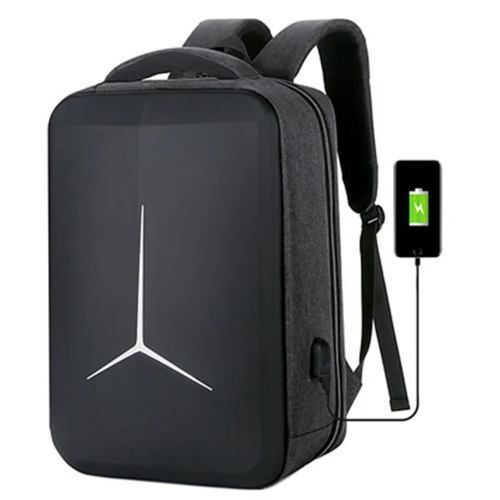
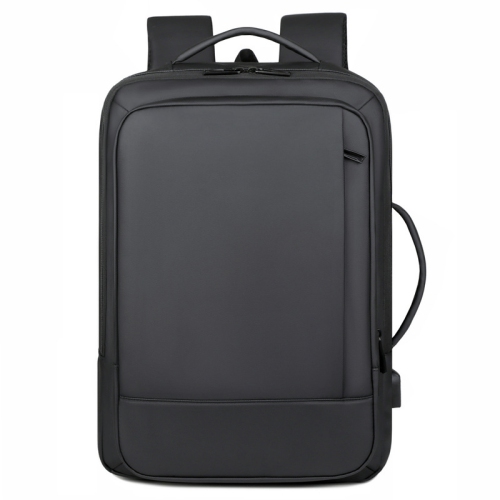
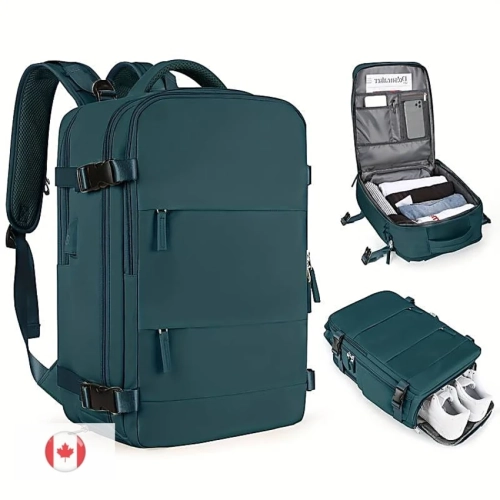
Tactical backpacks for men are utility-focused bags designed to organize essentials, withstand frequent handling, and keep a load secure while moving. Their defining features often include tough woven fabrics, reinforced attachment points, multiple compartments, and external webbing for compatible pouches. That combination suits everyday commuting, hiking, work travel, and other activities where equipment needs a predictable place. The tactical style is not limited to professional use: a clearly divided interior can be just as useful for separating a laptop, lunch container, and gym clothing as it is for organizing field equipment. Capacity helps distinguish an everyday pack from a larger travel bag. Around 20 to 30 litres can suit a streamlined daily load, while 35 to 55 litres provides more room for clothing, food, and equipment on longer outings. Those ranges are starting points rather than guarantees, since compartment shape, padding, and the size of packed belongings affect usable space. A narrow main compartment may accommodate documents neatly but feel restrictive around bulky clothing; a deeper compartment offers more flexibility for irregularly shaped gear. Clamshell openings let the main section open wide for packing and finding equipment without reaching through layers of belongings. Top-opening designs provide access from above, while separate front pockets can keep small essentials within reach. Internal organizer panels, key clips, and zippered mesh pockets help prevent cables, pens, and small tools from collecting at the bottom. A padded laptop compartment adds separation for electronics, although the sleeve’s actual dimensions matter more than screen size alone, especially when a protective case is involved. External rows of PALS webbing provide attachment points for MOLLE-compatible pouches, making it possible to adapt storage to different tasks. Added pouches also increase bulk, so their placement matters on public transit, in narrow aisles, or when placing the bag in a locker. Compression straps help stabilize a partly filled pack and reduce loose movement, while a sturdy grab handle makes short transfers between a vehicle, desk, and overhead storage easier.
Materials and construction play a large role in how a tactical backpack feels and holds up. Nylon and polyester are common choices, with fabric specifications such as 500D, 1000D, or 1050D describing denier, a measure of yarn weight. A higher number does not automatically make one bag stronger than another: the fibre, weave, coating, stitching, and overall construction all contribute to performance. Heavier fabrics can provide substantial abrasion resistance, but they may also add weight before anything is packed. Reinforced stitching at shoulder-strap anchors, strong zipper tracks, securely finished seams, and well-attached buckles are particularly relevant because these areas repeatedly carry tension. A water-resistant coating can help resist everyday splashes, but it does not make a backpack waterproof; seams and zipper openings can still allow moisture inside. Sensitive electronics benefit from separate protective storage when exposure is possible. Comfort depends on the relationship between the bag, its load, and the wearer’s torso rather than the men’s label alone. Contoured shoulder straps should sit comfortably without digging into the neck or pulling sharply across the shoulders. An adjustable sternum strap helps keep the shoulder straps in position, while a properly fitted load-bearing hip belt can transfer some weight to the hips. A simple waist strap mainly controls movement and should not be mistaken for a supportive padded belt. Taller packs may benefit from an adjustable harness or torso-length setting, particularly when carrying heavier loads for longer periods. Back-panel padding adds cushioning, and ventilation channels can reduce the amount of fabric resting directly against the back, though no design eliminates perspiration. Dense belongings positioned close to the back help keep the load from pulling away from the body. A laptop, packed food container, or filled hydration reservoir can noticeably change the balance, so internal placement matters as much as the stated capacity. Hydration-compatible designs may include a reservoir sleeve, hanging loop, and hose routing; those features do not necessarily mean a reservoir is included. An empty bag’s weight is also worth considering, since extensive padding, frames, and extra hardware all become part of the daily load.
The most useful tactical backpack is one whose layout matches the routine it supports. For a commuter, that may mean a protected electronics compartment, a quick-access pocket for transit essentials, and enough space to keep work belongings separate from a change of clothing. For a tradesperson or someone travelling between job sites, a stable base and clearly divided pockets can make small accessories easier to locate, though sharp or heavy tools need suitable protection rather than being placed directly against the fabric. Hikers may place greater importance on torso fit, hydration compatibility, and a supportive harness, while travellers often benefit from wide-opening compartments and compression straps that keep clothing from shifting. Carry-on suitability depends on the bag’s packed dimensions and the carrier’s rules, not its litre capacity alone. A low-profile design can blend into a workplace more easily, whereas extensive webbing and contrasting details create a more pronounced utility look. Black, grey, olive, and tan are familiar colour choices, but appearance is only one part of the decision. Care also affects long-term performance. Loose dirt can usually be brushed away, and small marks can often be spot-cleaned with a soft cloth and mild soap when permitted by the care label. Machine washing, harsh cleaners, and high heat may damage coatings, padding, or hardware, so the manufacturer’s instructions take priority. Leaving compartments open until the interior is fully dry helps prevent trapped moisture after cleaning. Zippers work more smoothly when grit is removed gently rather than forced through the teeth, and periodic checks of stitching, buckles, and attachment points can reveal wear before a demanding trip. Packing within the recommended load limit reduces unnecessary strain on seams and straps. As a gift, a tactical backpack can suit a student, frequent traveller, outdoor enthusiast, or someone who appreciates orderly everyday carry; their usual load and preferred fit are more useful clues than appearance alone. The broader Backpacks for Men category also offers context for comparing tactical layouts with simpler everyday styles, particularly when easy access and comfortable carrying matter more than expandable external storage.
Materials and construction play a large role in how a tactical backpack feels and holds up. Nylon and polyester are common choices, with fabric specifications such as 500D, 1000D, or 1050D describing denier, a measure of yarn weight. A higher number does not automatically make one bag stronger than another: the fibre, weave, coating, stitching, and overall construction all contribute to performance. Heavier fabrics can provide substantial abrasion resistance, but they may also add weight before anything is packed. Reinforced stitching at shoulder-strap anchors, strong zipper tracks, securely finished seams, and well-attached buckles are particularly relevant because these areas repeatedly carry tension. A water-resistant coating can help resist everyday splashes, but it does not make a backpack waterproof; seams and zipper openings can still allow moisture inside. Sensitive electronics benefit from separate protective storage when exposure is possible. Comfort depends on the relationship between the bag, its load, and the wearer’s torso rather than the men’s label alone. Contoured shoulder straps should sit comfortably without digging into the neck or pulling sharply across the shoulders. An adjustable sternum strap helps keep the shoulder straps in position, while a properly fitted load-bearing hip belt can transfer some weight to the hips. A simple waist strap mainly controls movement and should not be mistaken for a supportive padded belt. Taller packs may benefit from an adjustable harness or torso-length setting, particularly when carrying heavier loads for longer periods. Back-panel padding adds cushioning, and ventilation channels can reduce the amount of fabric resting directly against the back, though no design eliminates perspiration. Dense belongings positioned close to the back help keep the load from pulling away from the body. A laptop, packed food container, or filled hydration reservoir can noticeably change the balance, so internal placement matters as much as the stated capacity. Hydration-compatible designs may include a reservoir sleeve, hanging loop, and hose routing; those features do not necessarily mean a reservoir is included. An empty bag’s weight is also worth considering, since extensive padding, frames, and extra hardware all become part of the daily load.
The most useful tactical backpack is one whose layout matches the routine it supports. For a commuter, that may mean a protected electronics compartment, a quick-access pocket for transit essentials, and enough space to keep work belongings separate from a change of clothing. For a tradesperson or someone travelling between job sites, a stable base and clearly divided pockets can make small accessories easier to locate, though sharp or heavy tools need suitable protection rather than being placed directly against the fabric. Hikers may place greater importance on torso fit, hydration compatibility, and a supportive harness, while travellers often benefit from wide-opening compartments and compression straps that keep clothing from shifting. Carry-on suitability depends on the bag’s packed dimensions and the carrier’s rules, not its litre capacity alone. A low-profile design can blend into a workplace more easily, whereas extensive webbing and contrasting details create a more pronounced utility look. Black, grey, olive, and tan are familiar colour choices, but appearance is only one part of the decision. Care also affects long-term performance. Loose dirt can usually be brushed away, and small marks can often be spot-cleaned with a soft cloth and mild soap when permitted by the care label. Machine washing, harsh cleaners, and high heat may damage coatings, padding, or hardware, so the manufacturer’s instructions take priority. Leaving compartments open until the interior is fully dry helps prevent trapped moisture after cleaning. Zippers work more smoothly when grit is removed gently rather than forced through the teeth, and periodic checks of stitching, buckles, and attachment points can reveal wear before a demanding trip. Packing within the recommended load limit reduces unnecessary strain on seams and straps. As a gift, a tactical backpack can suit a student, frequent traveller, outdoor enthusiast, or someone who appreciates orderly everyday carry; their usual load and preferred fit are more useful clues than appearance alone. The broader Backpacks for Men category also offers context for comparing tactical layouts with simpler everyday styles, particularly when easy access and comfortable carrying matter more than expandable external storage.
Top selling and popular products
-
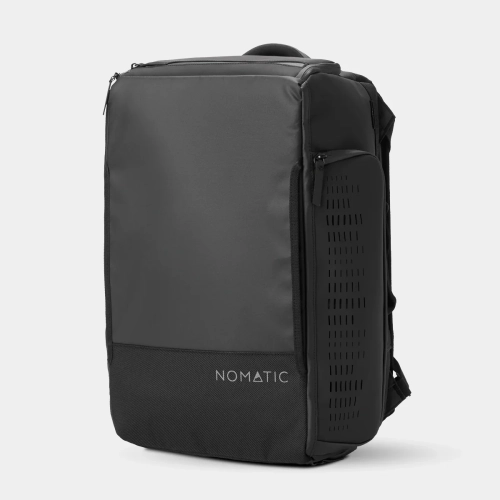 Your price for this item is $419.99
 -
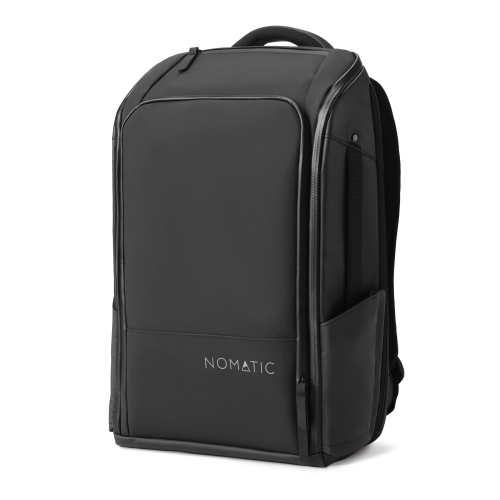 Your price for this item is $399.99
 -
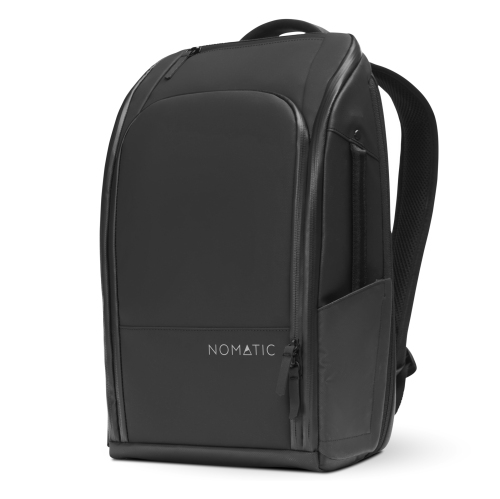 Your price for this item is $369.99
 -
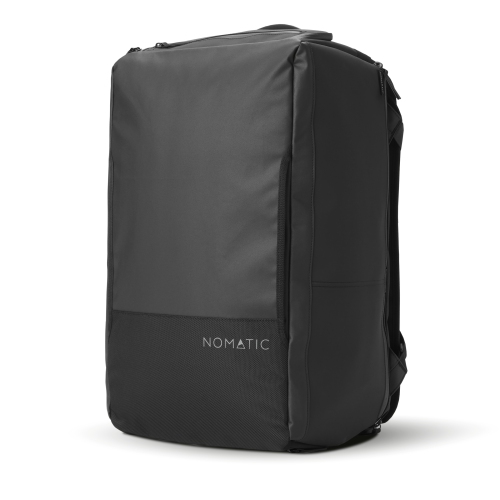 Your price for this item is $399.99
 -
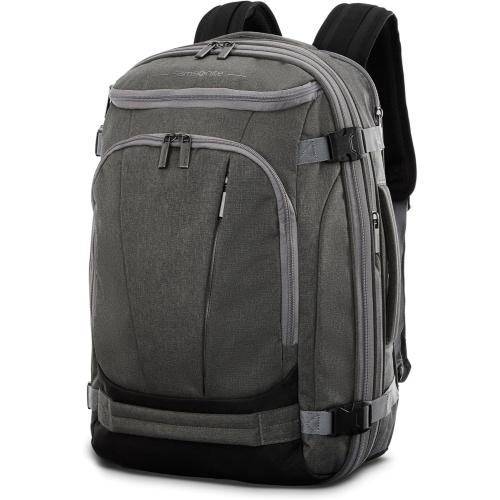 Your price for this item is $218.48
 -
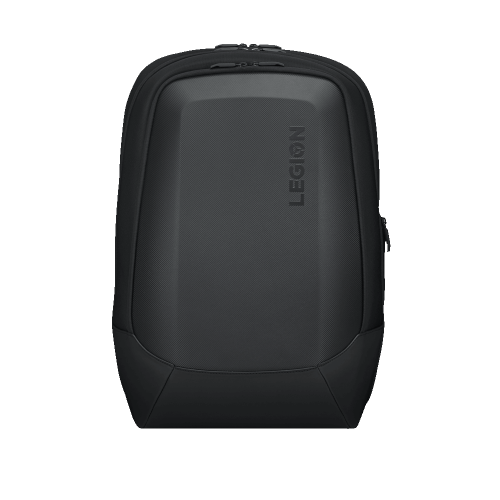 Your price for this item is $124.99
 -
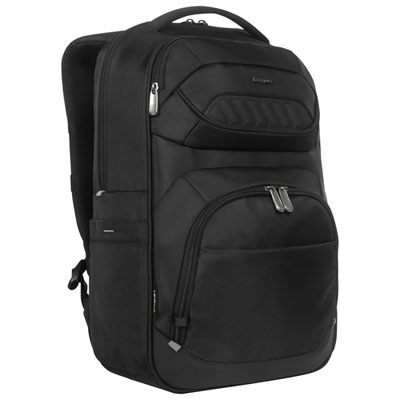 Your price for this item is $99.99
 -
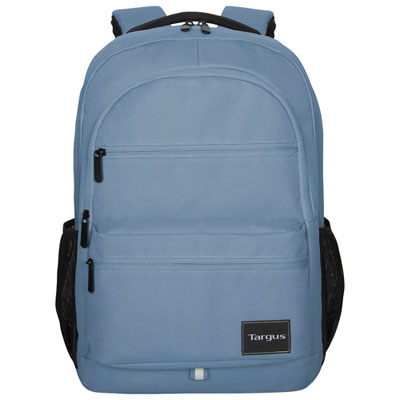 Your price for this item is $59.97
Discover more categories related to Tactical Backpacks for Men
Top Collections:
Pokemon Centers, Kindle Devices, Best Budget Office Chairs, Apple iPhones 16, Canon G7X Cameras, iPhone 15 Apple, Alarm Clock, Refurbished Apple Laptops, Flip Phones, Best Laptops for Writers
Some products may be subject to Environmental Handling Fees
(EHF) depending on your province.
Learn more about EHFs.