Unique Tote Bags
Discover an array of unique tote bags that blend style and functionality seamlessly. Perfect for any occasion, these versatile accessories offer a chic solution for carrying your essentials. Whether you're heading to work, hitting the gym, or enjoying a day out, our collection of unique tote bags ensures you do it all with flair. Explore various designs, colors, and materials that cater to every taste and need, making it easy to find the perfect tote to complement your lifestyle.
Sort
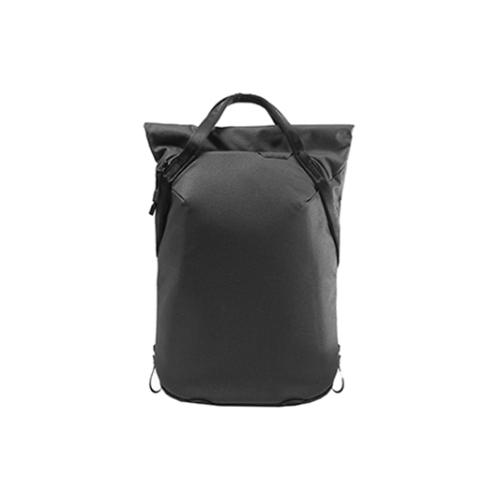
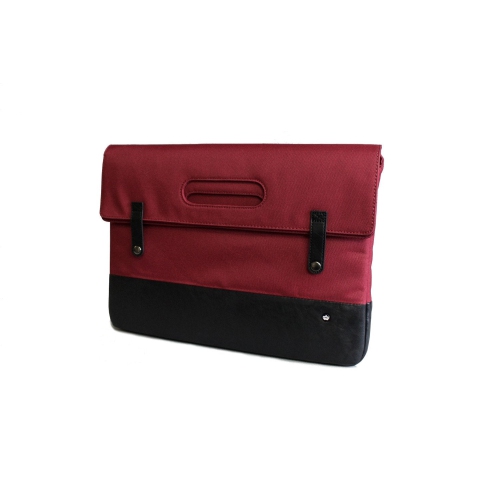
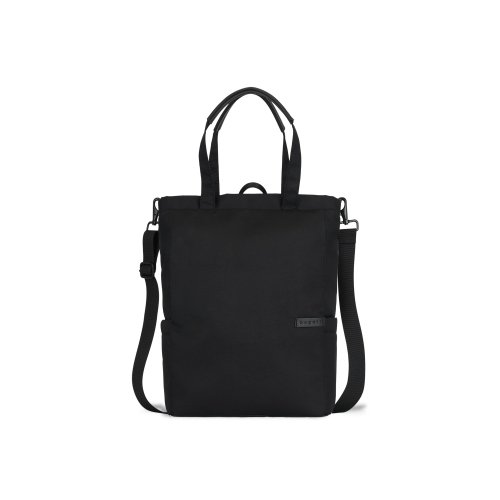
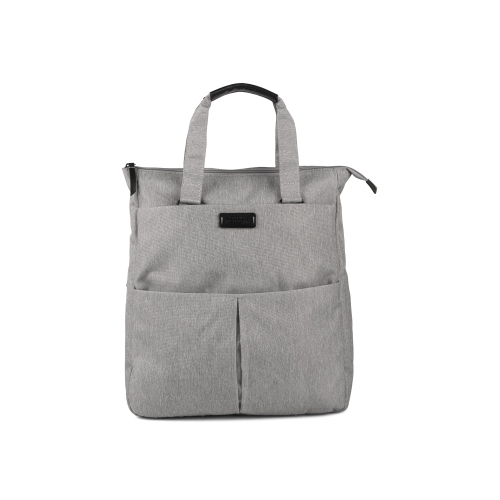
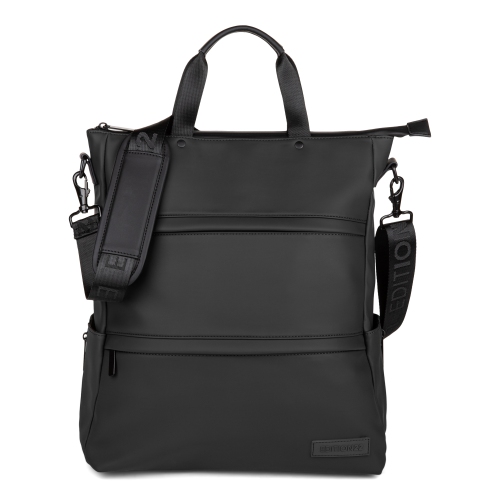
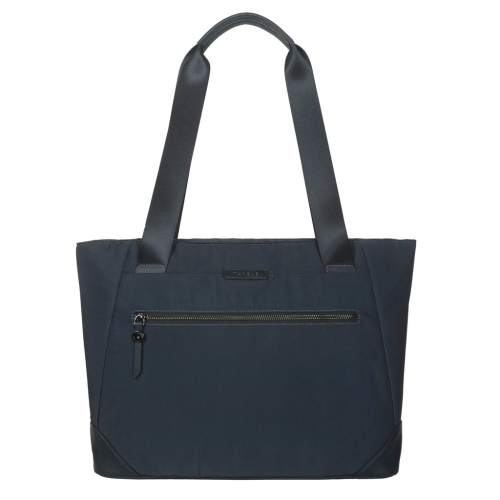
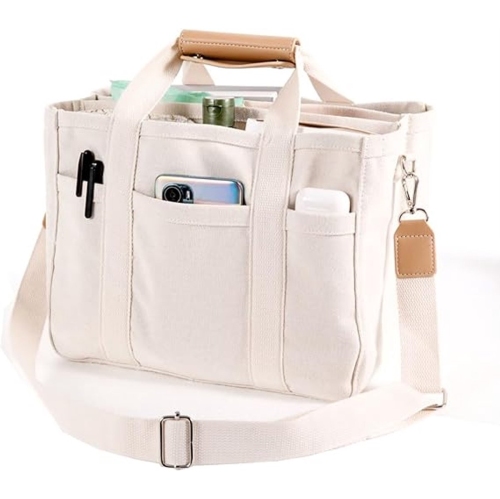
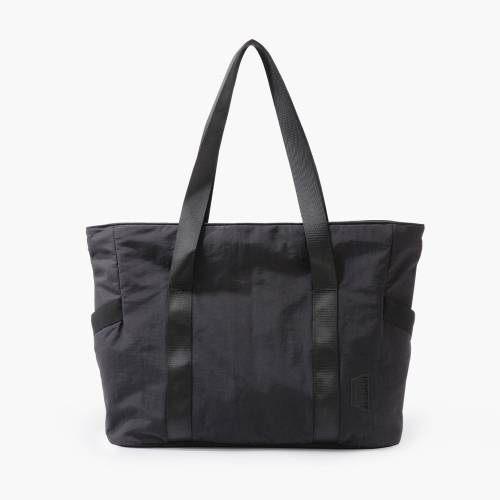
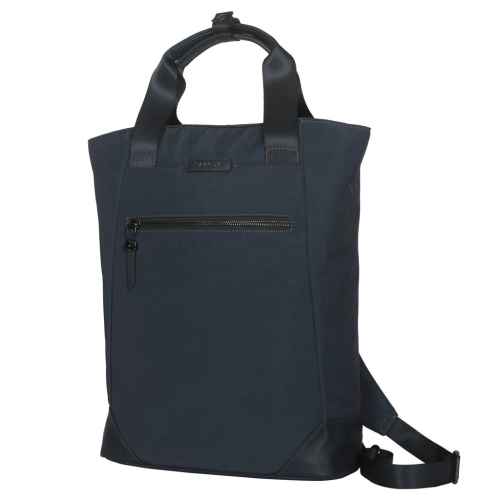
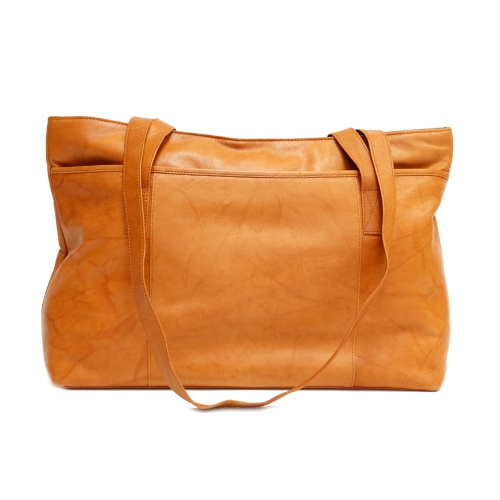
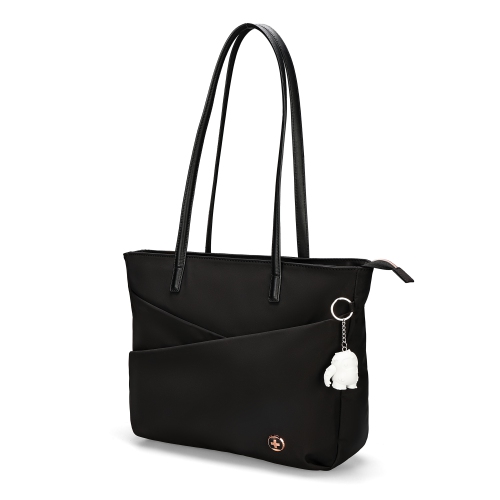
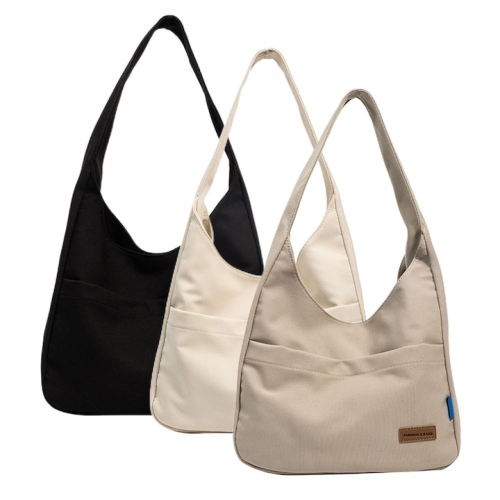

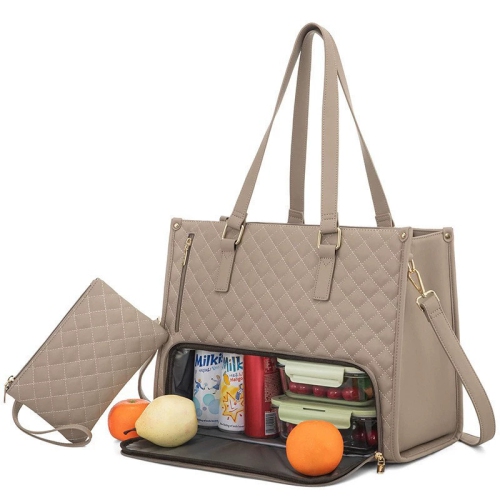
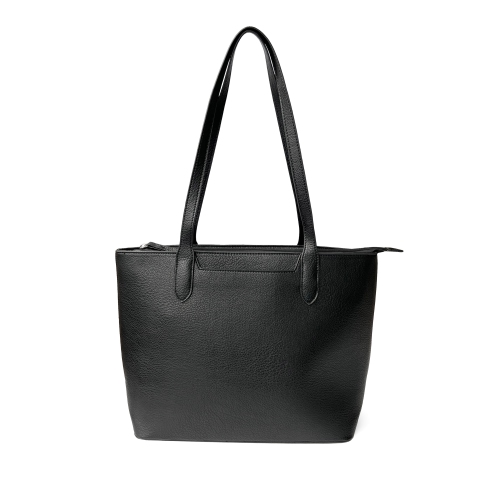
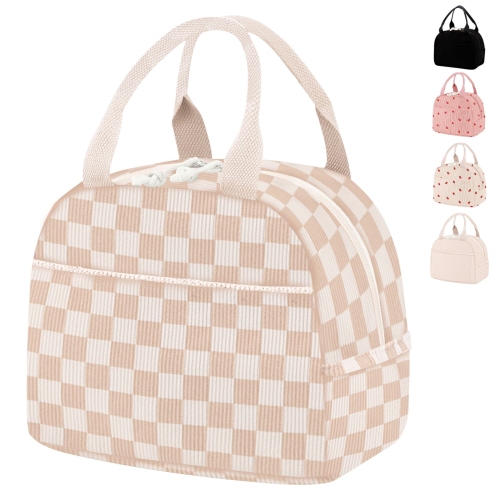
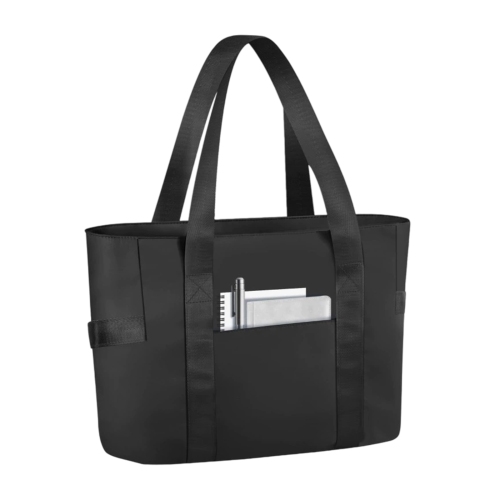
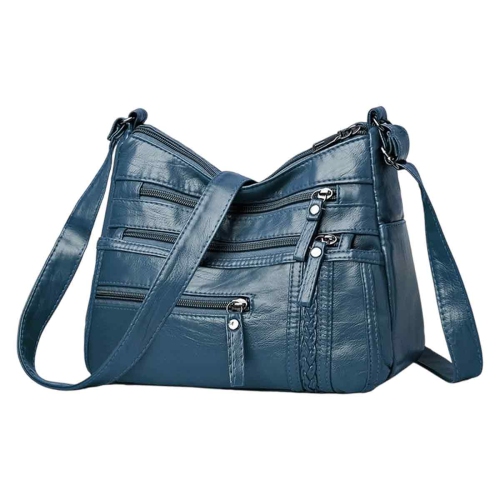
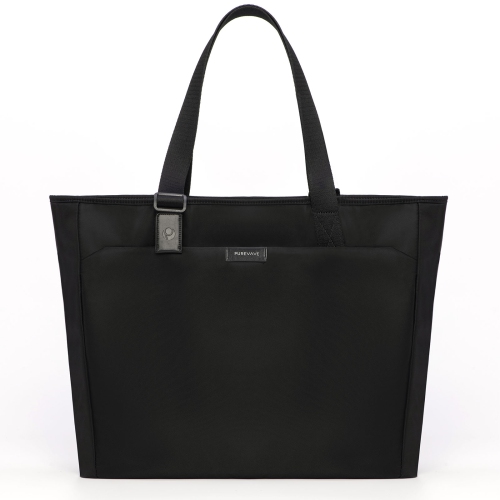
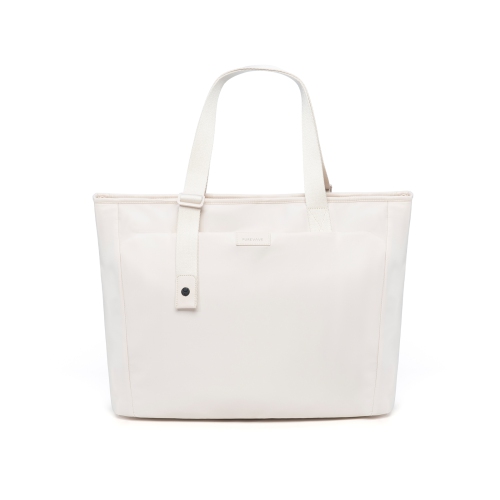
Artful details with room for everyday essentials
Unique tote bags combine the familiar open, carryall shape of a tote with distinctive details such as original artwork, patchwork panels, textured weaves, embroidery, unusual proportions, or contrasting handles. Their appeal lies in making an everyday accessory feel personal without giving up room for the things that travel along each day. A bold geometric print can bring colour to a simple outfit, while a tonal stitched pattern adds interest without drawing quite as much attention. Illustrated designs can reflect a love of books, animals, travel, or art; sculptural shapes and unexpected fabric combinations offer a different kind of expression. Uniqueness does not necessarily mean a busy pattern. A carefully placed pocket, an oversized bow, a shaped base, or an interesting combination of matte and glossy textures can give a bag its character. Reversible construction can offer two distinct looks, though the position and accessibility of pockets may change when the bag is turned inside out. For everyday use, the most satisfying design is often one that connects those visual details with a practical routine. A student might favour a graphic tote with space for notebooks and a pencil case, while someone heading to a studio might appreciate a wide opening that makes supplies easy to reach. For a casual office, a structured silhouette with understated detailing can sit comfortably alongside workwear. An expressive fabric tote can also serve as a secondary bag for a lunch container, a paperback, and a few personal essentials. Scale matters as much as the motif itself: a large illustration makes a stronger statement, whereas a smaller repeat pattern can be easier to pair with different clothing. Details such as whether a print appears on both sides, whether embroidery extends around the bag, and how the handles relate to the main fabric help distinguish a thoughtfully finished design from one that relies on its front panel alone.
Materials influence how a unique tote bag looks, feels, carries weight, and responds to regular use. Cotton canvas generally has a familiar, tactile feel, with heavier constructions offering more body than thin cotton fabric. A lightweight cotton tote folds down easily, but it may sag around bulky contents or provide little separation between objects. Denim brings a textured, casual appearance, while patchwork introduces variation through joined panels, making secure stitching and neatly finished seams especially relevant. Leather can offer structure and develop a patina with use; its weight, finish, and care needs vary considerably. Faux leather can provide a similarly smooth appearance, though resistance to creasing and surface wear depends on its construction. Nylon and polyester are often used for lighter bags with smooth surfaces, but a fabric name alone does not establish how well a tote will resist spills or abrasion. Woven fibres, plush fabrics, beading, and raised embroidery create distinctive surfaces that may need gentler handling around jewellery, rough edges, or crowded storage spaces. Inside the bag, a lining can cover seam allowances and provide a finished interior, while a pale lining can make small belongings easier to spot. Durability comes from the whole construction rather than the outer material alone. Secure handle attachments, reinforced stress points, even stitching, and a well-supported base are useful features to examine, especially when carrying books or other dense belongings. Care should follow the bag’s label, since trims, dyes, backing materials, and linings can require different treatment from the main fabric. A cotton body does not automatically mean the entire bag is machine washable. Spot cleaning with a suitable method may be preferable for structured or embellished designs, and testing an inconspicuous area first can help prevent visible changes to colour or texture. Emptying crumbs and grit from the corners, avoiding overfilling, and storing the bag without crushing decorative details can help preserve its shape and finish. Designs with tassels, beads, or exposed threads benefit from storage that keeps those elements from catching on neighbouring accessories.
Comfort and capacity determine whether a distinctive tote becomes a regular companion or stays reserved for lighter outings. Overall dimensions provide a starting point, but the opening, base depth, and interior layout determine what actually fits. A broad, flat bag may accommodate folders yet struggle with a lunch container, while a gusseted base creates room for bulkier belongings. For carrying a laptop, compare the device’s measurements with the internal compartment rather than relying on the bag’s exterior width; a padded sleeve and secure closure are separate features worth checking. Handle drop affects whether a tote sits comfortably on the shoulder or works better carried by hand, and a narrow opening beneath short handles can make access awkward when the bag is full. Wider, flexible straps may distribute pressure more comfortably, though the total load still matters. A detachable shoulder strap adds another carrying option when included, but not every tote is designed for crossbody use. Interior slip pockets help separate small essentials, a zipped pocket can keep keys and cards contained, and an exterior pocket gives quick access to frequently used belongings. An open top is convenient for loading, whereas a zip closure offers more coverage and containment; a magnetic snap sits somewhere between the two without fully enclosing the opening. Shoppers who place organization alongside visual character can also explore Functional Tote Bags for a related approach to everyday carrying. As gifts, distinctive totes work best when their design reflects the recipient’s interests and their construction suits an established habit. An art enthusiast might appreciate an illustrated surface, a frequent library visitor may value reinforced handles and a supportive base, and someone who carries only a few essentials may prefer a compact shape over a roomy carryall. Consider how the recipient usually dresses, whether they favour bold colour or subtle texture, and how much organization they use. A memorable tote earns its place through that balance: enough personality to feel chosen with care, and enough everyday comfort to make it easy to reach for again.
Materials influence how a unique tote bag looks, feels, carries weight, and responds to regular use. Cotton canvas generally has a familiar, tactile feel, with heavier constructions offering more body than thin cotton fabric. A lightweight cotton tote folds down easily, but it may sag around bulky contents or provide little separation between objects. Denim brings a textured, casual appearance, while patchwork introduces variation through joined panels, making secure stitching and neatly finished seams especially relevant. Leather can offer structure and develop a patina with use; its weight, finish, and care needs vary considerably. Faux leather can provide a similarly smooth appearance, though resistance to creasing and surface wear depends on its construction. Nylon and polyester are often used for lighter bags with smooth surfaces, but a fabric name alone does not establish how well a tote will resist spills or abrasion. Woven fibres, plush fabrics, beading, and raised embroidery create distinctive surfaces that may need gentler handling around jewellery, rough edges, or crowded storage spaces. Inside the bag, a lining can cover seam allowances and provide a finished interior, while a pale lining can make small belongings easier to spot. Durability comes from the whole construction rather than the outer material alone. Secure handle attachments, reinforced stress points, even stitching, and a well-supported base are useful features to examine, especially when carrying books or other dense belongings. Care should follow the bag’s label, since trims, dyes, backing materials, and linings can require different treatment from the main fabric. A cotton body does not automatically mean the entire bag is machine washable. Spot cleaning with a suitable method may be preferable for structured or embellished designs, and testing an inconspicuous area first can help prevent visible changes to colour or texture. Emptying crumbs and grit from the corners, avoiding overfilling, and storing the bag without crushing decorative details can help preserve its shape and finish. Designs with tassels, beads, or exposed threads benefit from storage that keeps those elements from catching on neighbouring accessories.
Comfort and capacity determine whether a distinctive tote becomes a regular companion or stays reserved for lighter outings. Overall dimensions provide a starting point, but the opening, base depth, and interior layout determine what actually fits. A broad, flat bag may accommodate folders yet struggle with a lunch container, while a gusseted base creates room for bulkier belongings. For carrying a laptop, compare the device’s measurements with the internal compartment rather than relying on the bag’s exterior width; a padded sleeve and secure closure are separate features worth checking. Handle drop affects whether a tote sits comfortably on the shoulder or works better carried by hand, and a narrow opening beneath short handles can make access awkward when the bag is full. Wider, flexible straps may distribute pressure more comfortably, though the total load still matters. A detachable shoulder strap adds another carrying option when included, but not every tote is designed for crossbody use. Interior slip pockets help separate small essentials, a zipped pocket can keep keys and cards contained, and an exterior pocket gives quick access to frequently used belongings. An open top is convenient for loading, whereas a zip closure offers more coverage and containment; a magnetic snap sits somewhere between the two without fully enclosing the opening. Shoppers who place organization alongside visual character can also explore Functional Tote Bags for a related approach to everyday carrying. As gifts, distinctive totes work best when their design reflects the recipient’s interests and their construction suits an established habit. An art enthusiast might appreciate an illustrated surface, a frequent library visitor may value reinforced handles and a supportive base, and someone who carries only a few essentials may prefer a compact shape over a roomy carryall. Consider how the recipient usually dresses, whether they favour bold colour or subtle texture, and how much organization they use. A memorable tote earns its place through that balance: enough personality to feel chosen with care, and enough everyday comfort to make it easy to reach for again.
Top selling and popular products
-
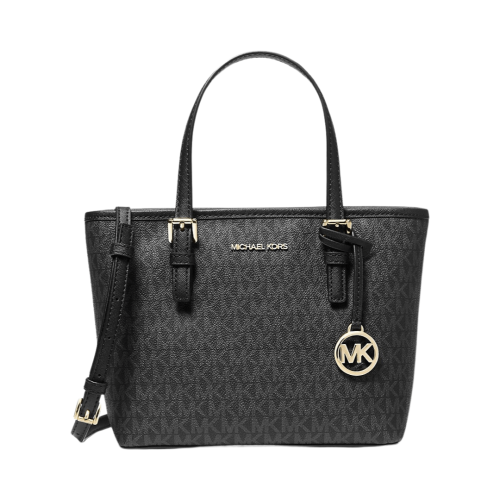 Your price for this item is $239
 -
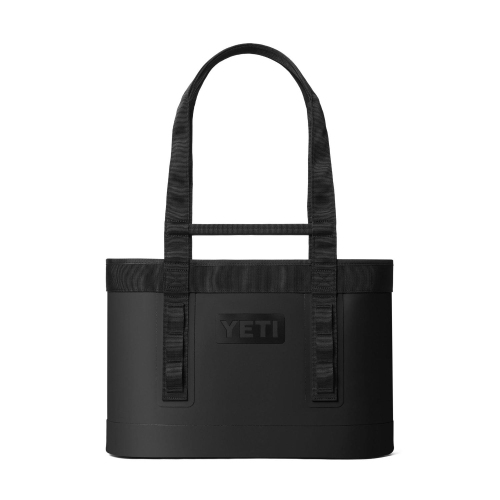 Your price for this item is $175.75
 -
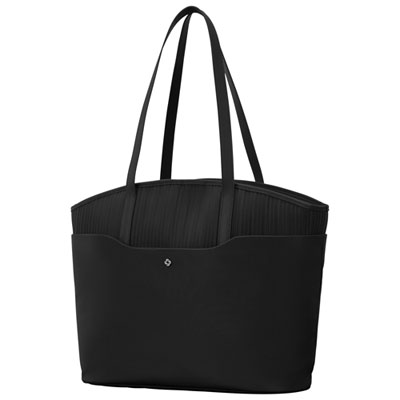 Your price for this item is $199.99
 -
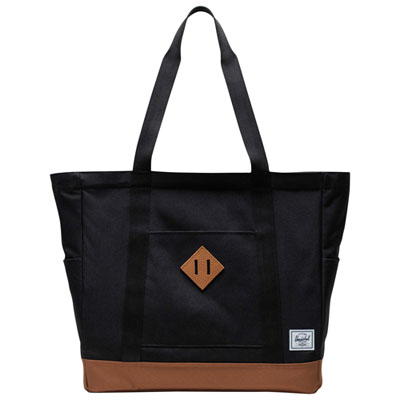 Your price for this item is $89.99
 -
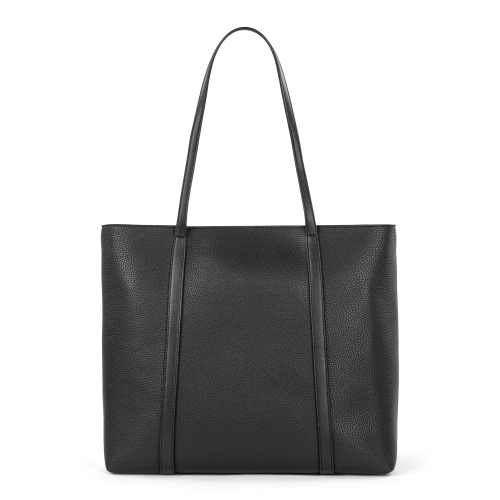 Your price for this item is $75
 -
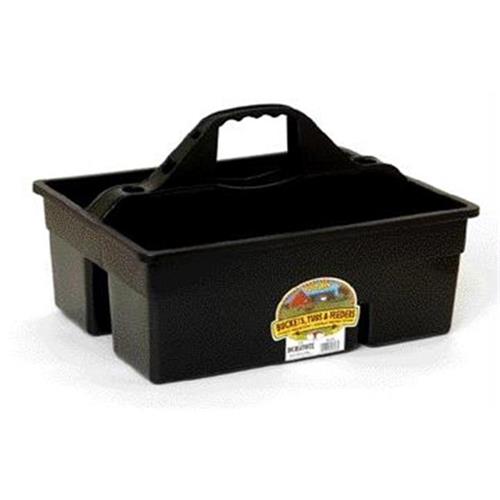 Your price for this item is $390.99
 -
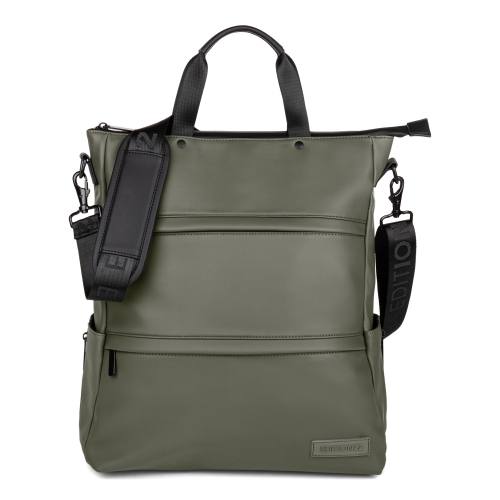 Your price for this item is $89.9
 -
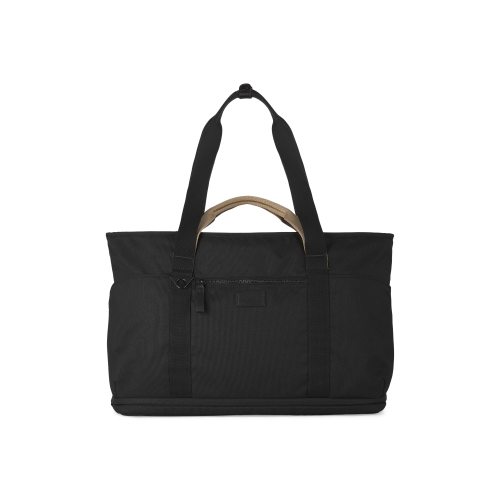 Your price for this item is $240
Discover more categories related to Unique Tote Bags
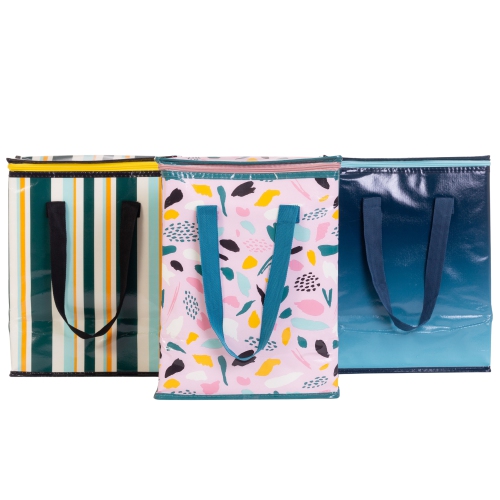
Top Collections:
Pokemon Centers, Kindle Devices, Best Budget Office Chairs, Apple iPhones 16, Best Laptops for Writers, iPhone 15 Apple, Canon G7X Cameras, Refurbished Apple Laptops, Alarm Clock, Motorola Razr Phones
Some products may be subject to Environmental Handling Fees
(EHF) depending on your province.
Learn more about EHFs.