Waterproof Document Holders
Keep your important documents safe and secure with our collection of waterproof document holders. Whether you're traveling, hiking, or simply need to protect your papers from unexpected spills or inclement weather, these holders are designed to keep your documents dry and in pristine condition. With a variety of sizes and styles to choose from, you can find the perfect waterproof document holder to suit your needs and give yourself peace of mind knowing that your important papers are well-protected.
Sort
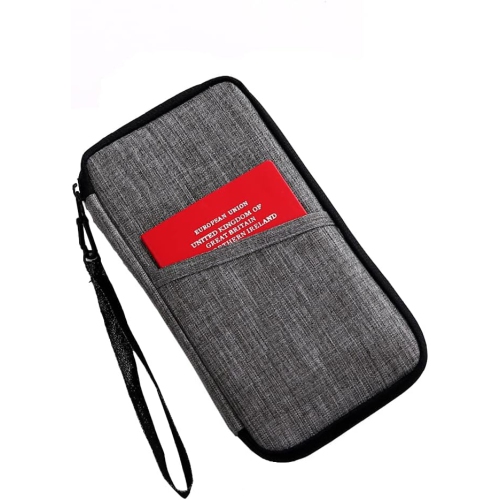
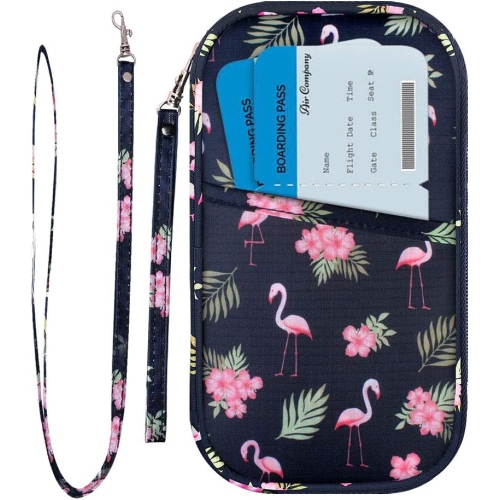
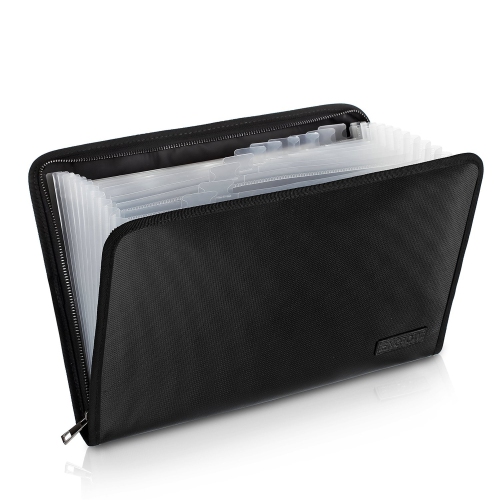

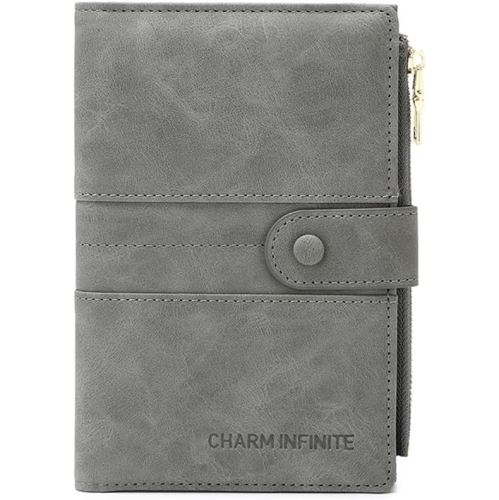
Why document protection depends on more than waterproof materials
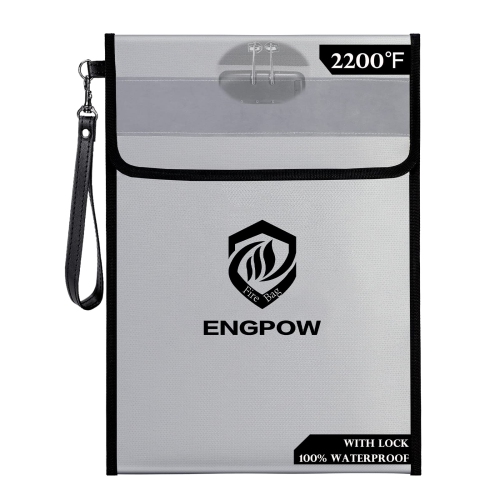
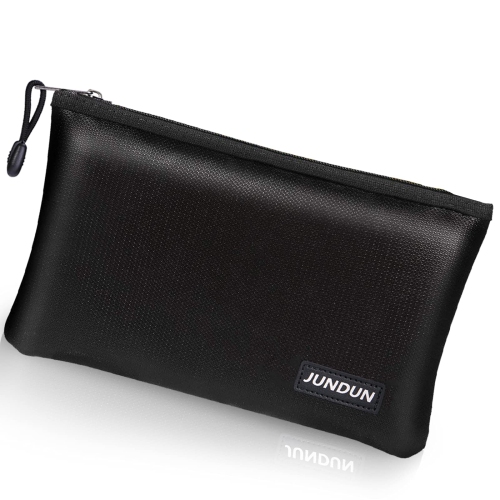
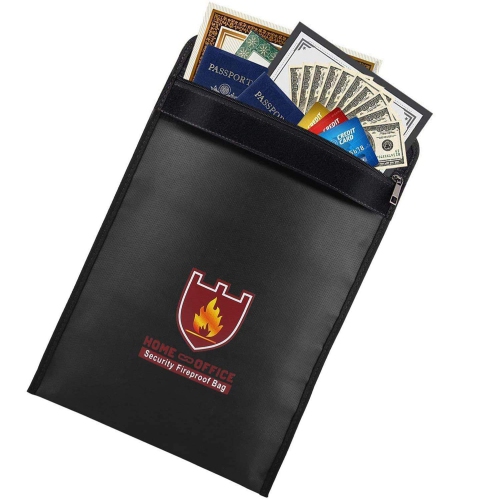
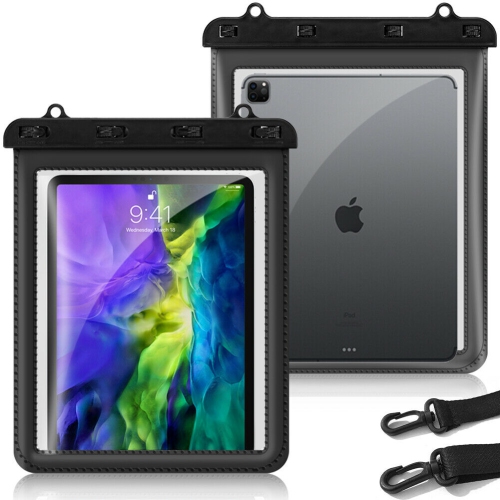
Waterproof document holders help protect important papers from water exposure while keeping them together for travel, household storage, work, and outdoor activities. Their purpose is straightforward: to place a protective barrier between moisture and documents that may be difficult or time-consuming to replace. Passports, birth certificates, insurance papers, travel confirmations, permits, and printed contact details all have different storage needs, so the most suitable format depends on what needs to fit and how often it needs to be accessed. A compact document pouch can keep a passport and a few folded pages together inside a carry-on, while a larger document bag can hold full-size sheets without creasing them. For home organization, a flat portfolio or divided case can separate personal identification from property paperwork and household documents. Transparent sleeves make it easier to read a map, permit, or printed itinerary without opening the closure, although visibility should be balanced against privacy when carrying personal information. Opaque holders keep their contents out of sight, and internal pockets can prevent smaller papers from slipping between larger sheets. Waterproof and water-resistant are not interchangeable descriptions: a water-resistant holder may handle splashes, while protection against immersion depends on the construction and any stated testing conditions. Even a holder described as waterproof may have limits on water depth, exposure time, or how its closure must be secured. A pouch carried near a sink, a case packed for a boat trip, and a folder kept in a household emergency bag face different demands. Matching the holder to those situations matters more than choosing by appearance alone. For documents that cannot easily be replaced, a protective holder is best treated as one part of a broader storage plan, alongside appropriate digital copies and a secure location. It can simplify carrying essential paperwork, but it does not make every storage location equally suitable.
Materials, seams, and closures determine much of a waterproof document holder’s performance. Flexible plastic films, including PVC or TPU in some designs, can provide a wipe-clean surface and allow the pouch to bend around the contents of a bag. Coated fabrics offer a different feel and may be paired with a lining or internal compartments for more structured organization. Material thickness affects flexibility and handling, but thickness alone does not establish water protection or resistance to punctures. Welded seams can reduce openings where moisture might enter, while stitched designs depend on their coating, seam treatment, and overall construction. Closures deserve equally close attention because the opening is a potential entry point for water. Press-to-close tracks need to be aligned and sealed across their full width; roll-top designs rely on the specified number of folds or rolls and a properly fastened buckle. A conventional zipper or hook-and-loop flap does not establish waterproof protection on its own. Where a waterproof zipper is used, its performance still depends on correct fastening and the condition of the seal. Sand, paper fibres, and small scraps caught in a closure can interfere with a tight seal, particularly when a pouch is opened repeatedly during a trip. Fit is another practical detail that is easy to overlook. Canadian letter-size paper measures 8.5 by 11 inches, while A4 sheets are slightly narrower and longer, so a holder intended for one format may not comfortably accommodate the other. Usable interior dimensions are more helpful than exterior measurements, especially when seams or closure tracks reduce the opening. There should be enough room for the document stack without forcing the sides outward or crowding the seal. Protective sleeves, passport covers, envelopes, and binder tabs also add bulk. A holder that fits several loose sheets may feel quite different when filled with certificates in individual covers. Carry handles, attachment loops, and removable straps can make transport easier, but they should not be assumed suitable for lifting heavy loads or securing a pouch during demanding activities unless that use is specified.
Everyday handling helps explain which details are worth prioritizing. A family keeping travel documents together may value separate compartments so each person’s passport stays paired with the right paperwork. Someone carrying permits or job-site forms may prefer a transparent front that leaves information visible while limiting repeated opening. For paddling or boating, an attachment point can help keep a document pouch from becoming loose, provided the attachment is appropriate for the activity; waterproof construction does not necessarily mean the holder will float. A small pouch can also sit inside a larger carrier, and Waterproof Bags can provide space for clothing and other travel essentials alongside separately protected paperwork. Keeping documents in their own holder makes them easier to retrieve without unpacking everything else. At home, a labelled or divided case can help keep insurance details, emergency contacts, and identification copies organized rather than scattered across drawers. A lock may discourage casual access, but it should not be mistaken for the theft protection of a properly secured safe. Similarly, water protection does not establish fire protection. Any claim about heat resistance needs its own supporting test information, including exposure conditions and whether the claim concerns the outer material or protection of the contents. Care is usually simple but should follow the holder’s material-specific directions. Emptying the pouch, wiping away dirt, and allowing it to dry fully before storing papers can help prevent trapped moisture. Documents should also be dry before they are enclosed, since a sealed barrier can retain moisture that is already inside. Harsh cleaners, sharp objects, and tight folds may damage some films or coatings. Periodic checks for cracked surfaces, separating seams, worn closure tracks, or a zipper that no longer seats properly are especially useful before carrying originals. Where the care directions permit it, an initial closure check using plain scrap paper rather than valuable documents can reveal obvious leaks without risking essential paperwork. As a practical gift for a frequent traveller, a new homeowner, or a student managing important documents independently, a well-sized holder offers useful organization without requiring a complicated setup. Its lasting value comes from a manageable format, dependable construction, and a closure that is easy enough to secure correctly every time.
Materials, seams, and closures determine much of a waterproof document holder’s performance. Flexible plastic films, including PVC or TPU in some designs, can provide a wipe-clean surface and allow the pouch to bend around the contents of a bag. Coated fabrics offer a different feel and may be paired with a lining or internal compartments for more structured organization. Material thickness affects flexibility and handling, but thickness alone does not establish water protection or resistance to punctures. Welded seams can reduce openings where moisture might enter, while stitched designs depend on their coating, seam treatment, and overall construction. Closures deserve equally close attention because the opening is a potential entry point for water. Press-to-close tracks need to be aligned and sealed across their full width; roll-top designs rely on the specified number of folds or rolls and a properly fastened buckle. A conventional zipper or hook-and-loop flap does not establish waterproof protection on its own. Where a waterproof zipper is used, its performance still depends on correct fastening and the condition of the seal. Sand, paper fibres, and small scraps caught in a closure can interfere with a tight seal, particularly when a pouch is opened repeatedly during a trip. Fit is another practical detail that is easy to overlook. Canadian letter-size paper measures 8.5 by 11 inches, while A4 sheets are slightly narrower and longer, so a holder intended for one format may not comfortably accommodate the other. Usable interior dimensions are more helpful than exterior measurements, especially when seams or closure tracks reduce the opening. There should be enough room for the document stack without forcing the sides outward or crowding the seal. Protective sleeves, passport covers, envelopes, and binder tabs also add bulk. A holder that fits several loose sheets may feel quite different when filled with certificates in individual covers. Carry handles, attachment loops, and removable straps can make transport easier, but they should not be assumed suitable for lifting heavy loads or securing a pouch during demanding activities unless that use is specified.
Everyday handling helps explain which details are worth prioritizing. A family keeping travel documents together may value separate compartments so each person’s passport stays paired with the right paperwork. Someone carrying permits or job-site forms may prefer a transparent front that leaves information visible while limiting repeated opening. For paddling or boating, an attachment point can help keep a document pouch from becoming loose, provided the attachment is appropriate for the activity; waterproof construction does not necessarily mean the holder will float. A small pouch can also sit inside a larger carrier, and Waterproof Bags can provide space for clothing and other travel essentials alongside separately protected paperwork. Keeping documents in their own holder makes them easier to retrieve without unpacking everything else. At home, a labelled or divided case can help keep insurance details, emergency contacts, and identification copies organized rather than scattered across drawers. A lock may discourage casual access, but it should not be mistaken for the theft protection of a properly secured safe. Similarly, water protection does not establish fire protection. Any claim about heat resistance needs its own supporting test information, including exposure conditions and whether the claim concerns the outer material or protection of the contents. Care is usually simple but should follow the holder’s material-specific directions. Emptying the pouch, wiping away dirt, and allowing it to dry fully before storing papers can help prevent trapped moisture. Documents should also be dry before they are enclosed, since a sealed barrier can retain moisture that is already inside. Harsh cleaners, sharp objects, and tight folds may damage some films or coatings. Periodic checks for cracked surfaces, separating seams, worn closure tracks, or a zipper that no longer seats properly are especially useful before carrying originals. Where the care directions permit it, an initial closure check using plain scrap paper rather than valuable documents can reveal obvious leaks without risking essential paperwork. As a practical gift for a frequent traveller, a new homeowner, or a student managing important documents independently, a well-sized holder offers useful organization without requiring a complicated setup. Its lasting value comes from a manageable format, dependable construction, and a closure that is easy enough to secure correctly every time.
Top selling and popular products
-
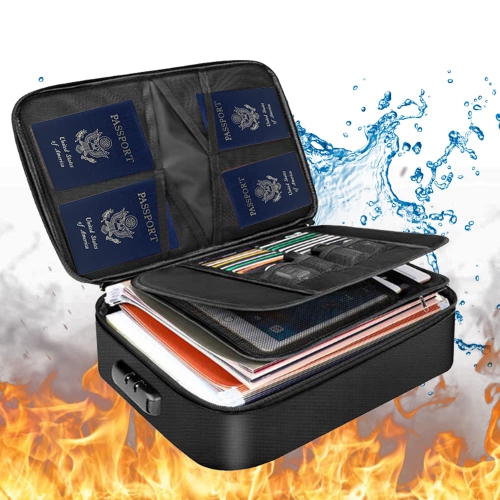 Your price for this item is $63.96
 -
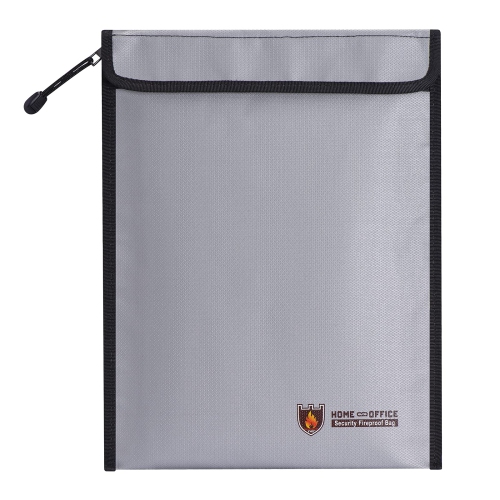 Your price for this item is $46.96
 -
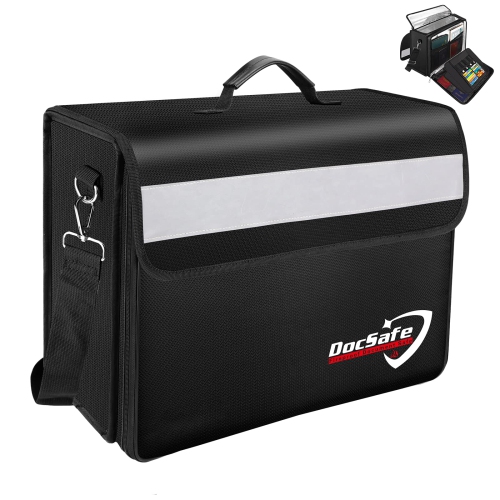 Your price for this item is $89.96
 -
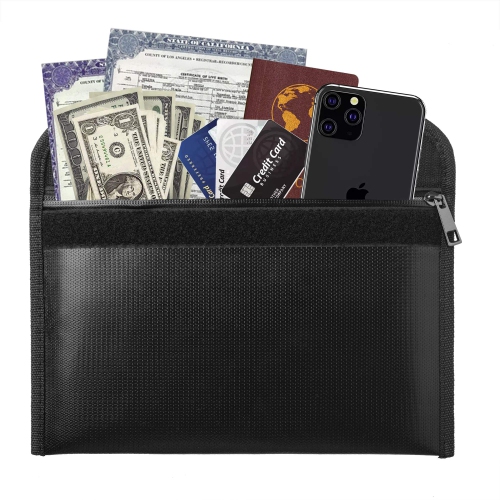 Your price for this item is $32.97
 -
 Your price for this item is $36.97
 -
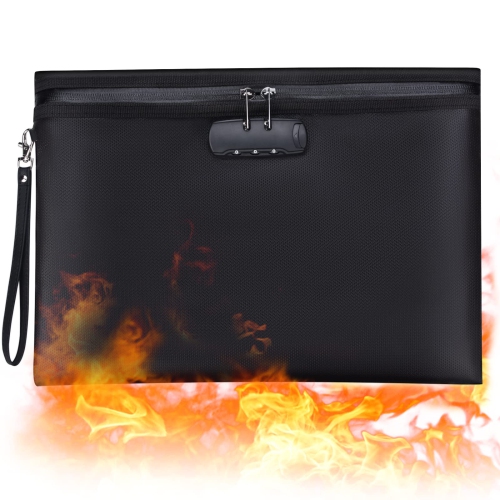 Your price for this item is $56.96
 -
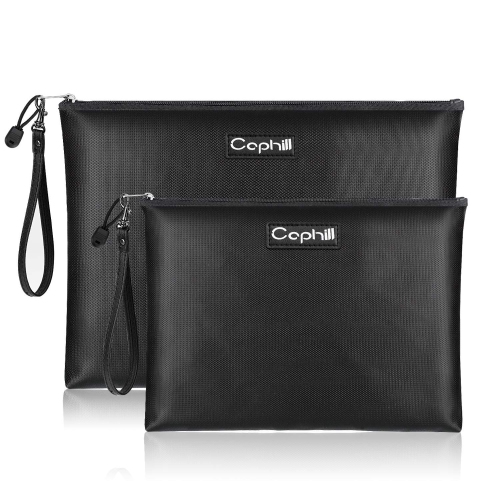 Your price for this item is $53.96
 -
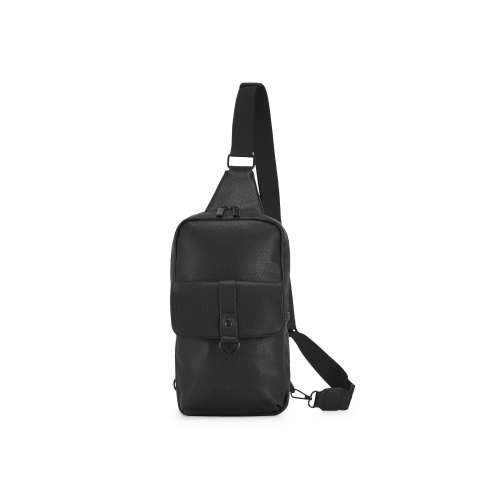 Your price for this item is $48.75
Discover more categories related to Waterproof Document Holders
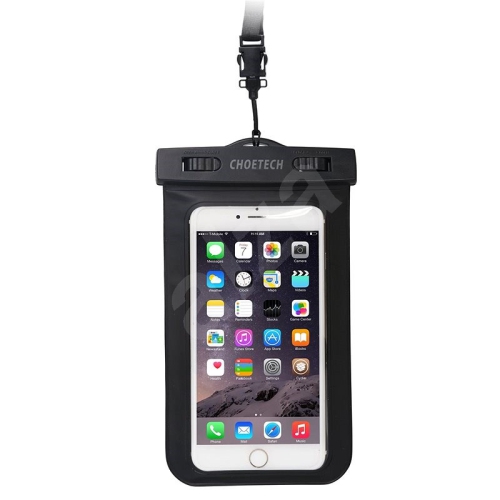
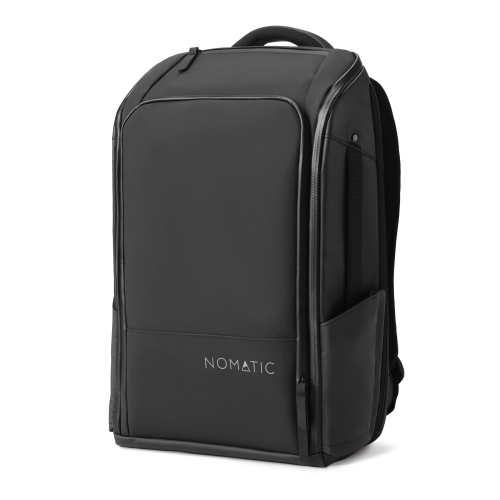
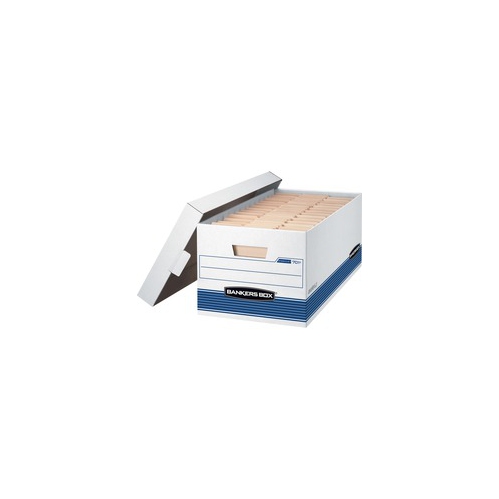
Top Collections:
Pokemon Centers, Kindle Devices, Best Budget Office Chairs, Apple iPhones 16, Best Laptops for Writers, iPhone 15 Apple, Canon G7X Cameras, Refurbished Apple Laptops, Alarm Clock, Motorola Razr Phones
Some products may be subject to Environmental Handling Fees
(EHF) depending on your province.
Learn more about EHFs.