50 TV Stands With Storage
Looking to upgrade your entertainment setup? 50 TV stands with storage are sure to meet all your needs. Whether you're looking for a sleek and modern design or a more traditional look, we have a wide range of options to choose from. These TV stands are not only designed to hold your television securely, but they also provide ample storage space for your media devices, gaming consoles, and accessories. Here are some great options available.
Sort


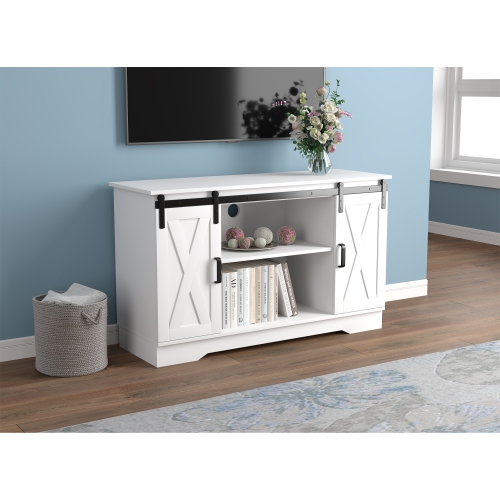
Why TV stand fit goes beyond screen size
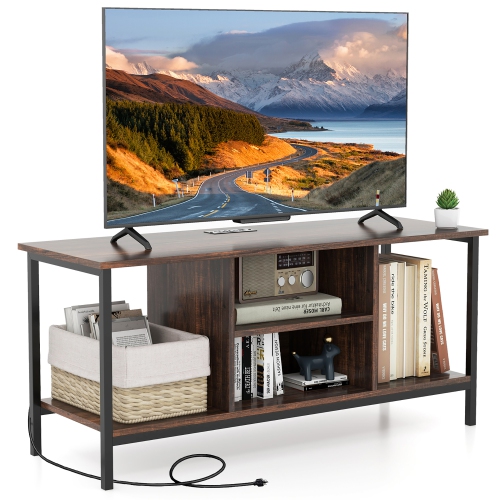
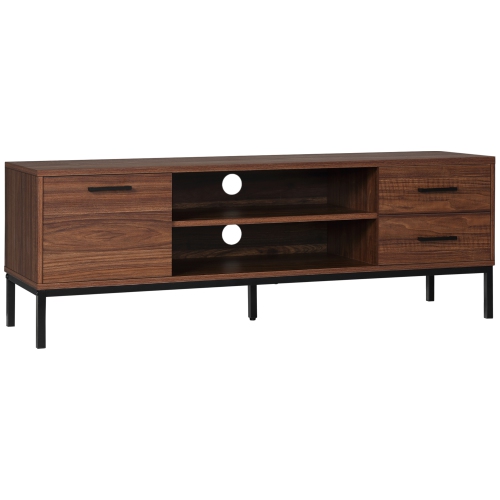
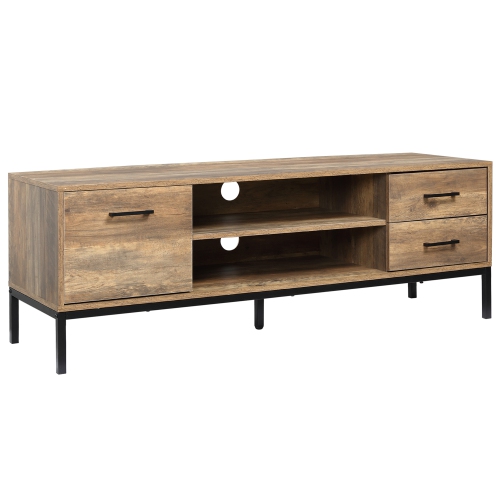
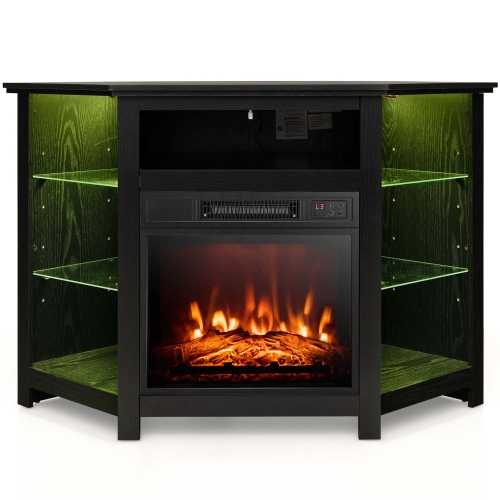
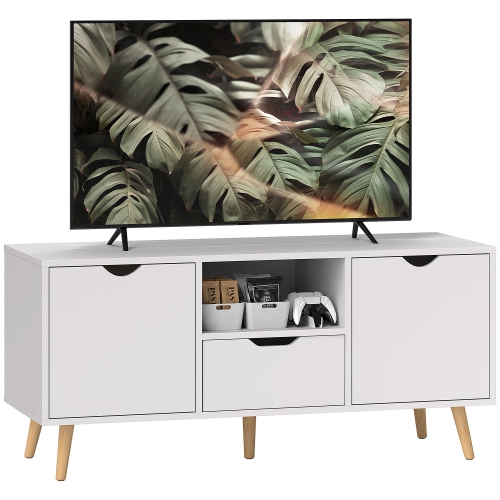
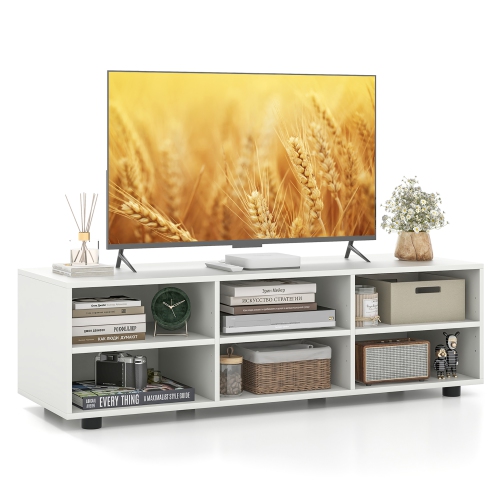
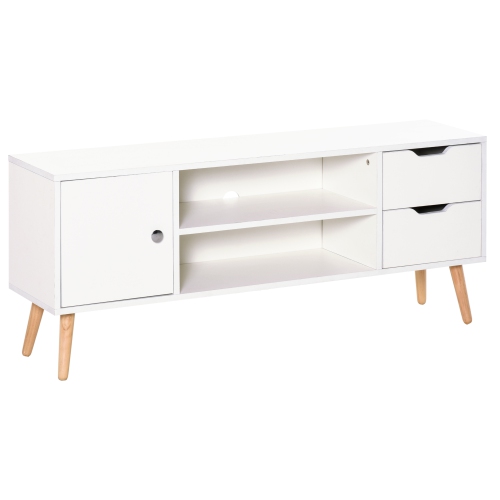
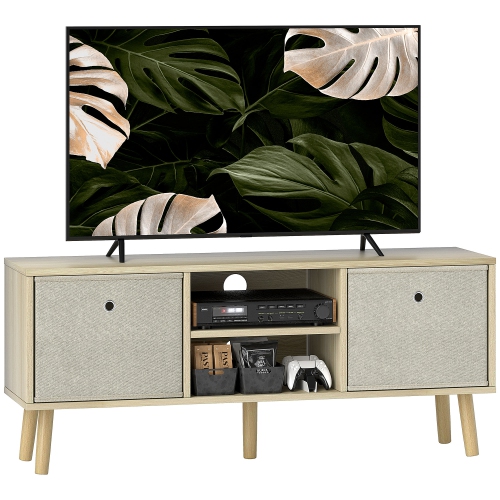
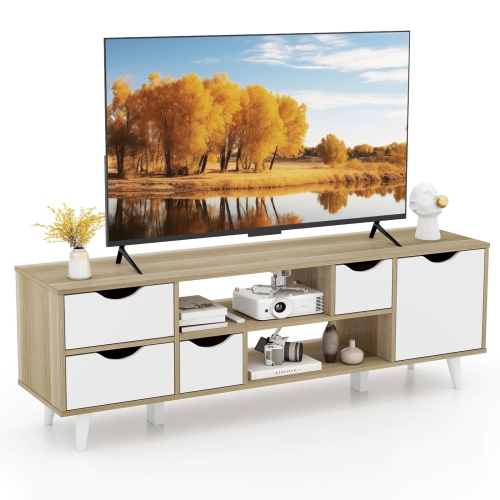
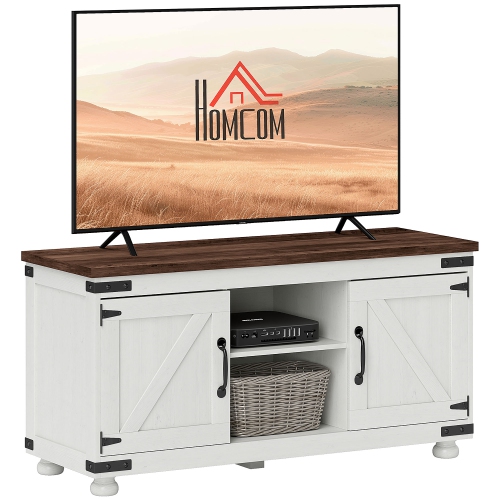
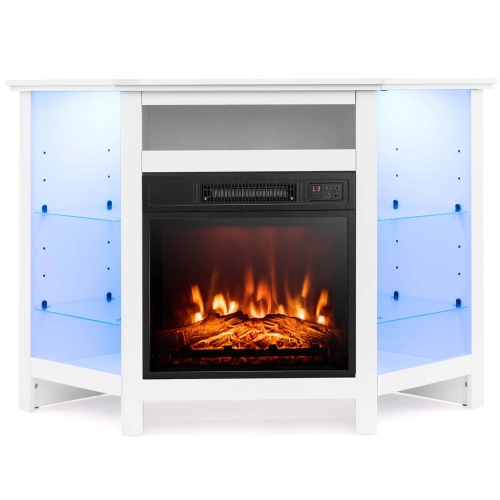
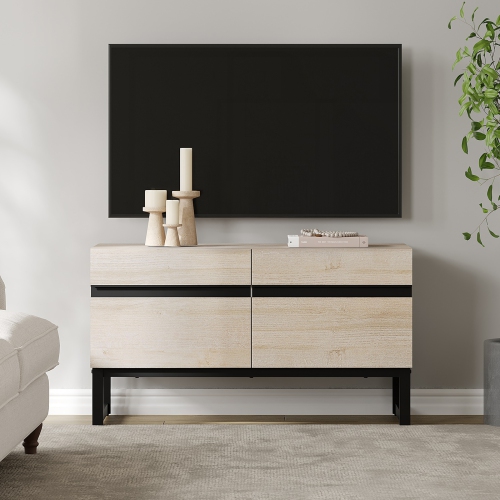
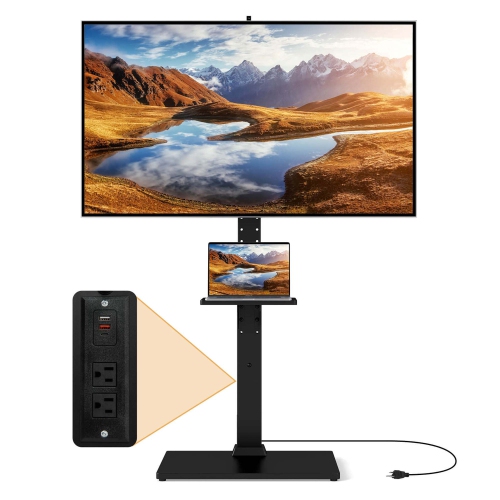
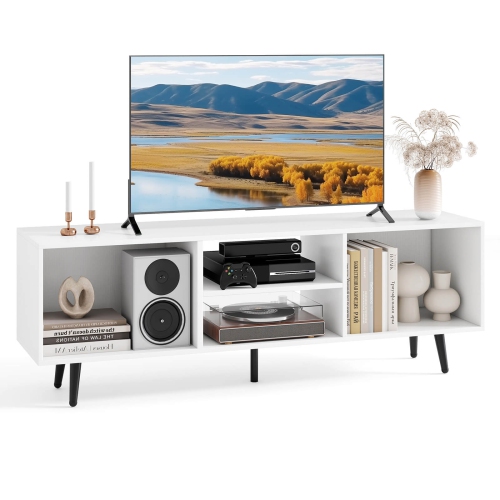
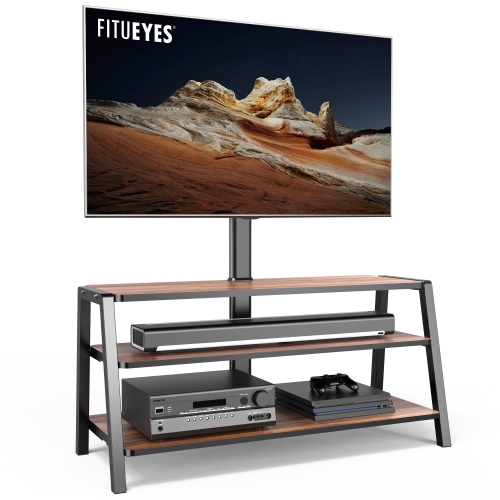
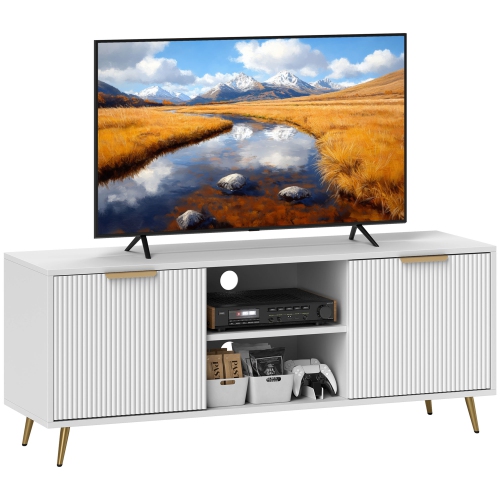
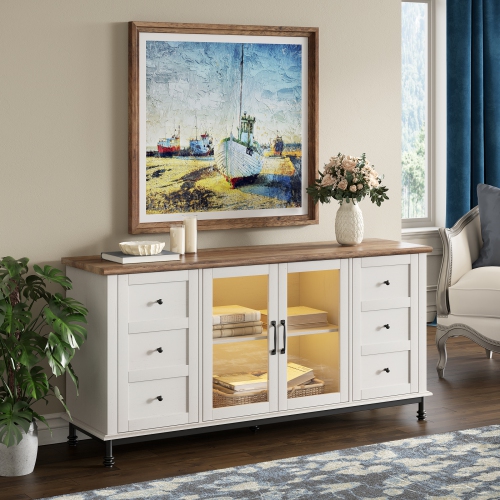
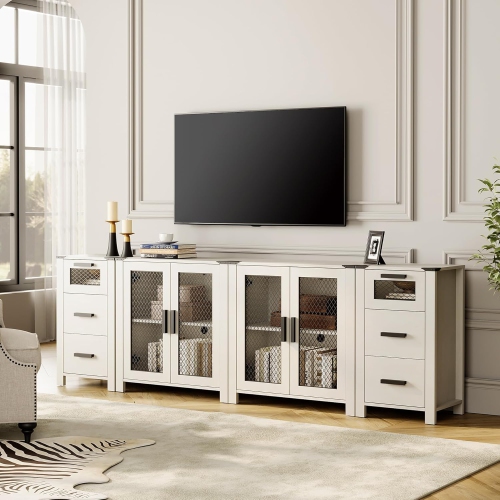
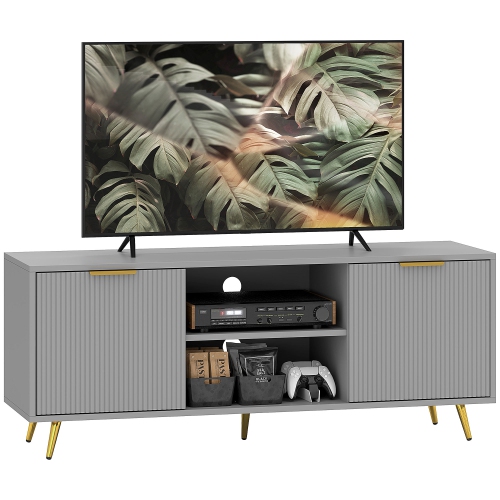
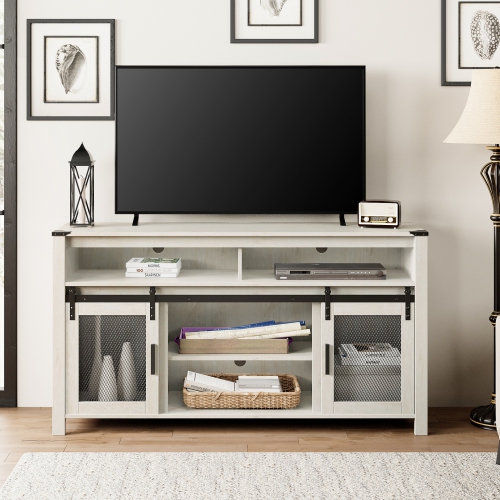
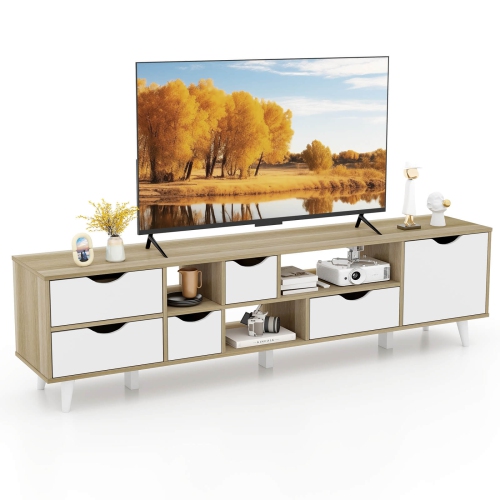
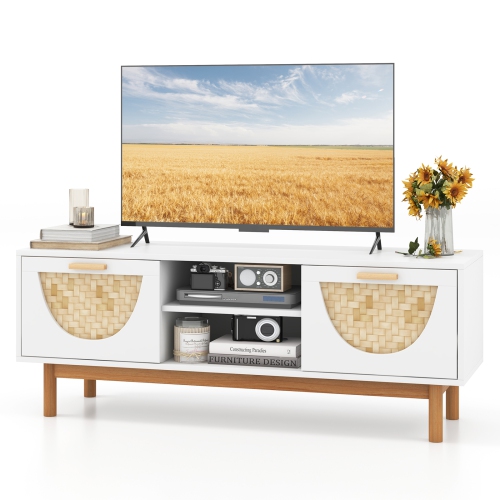
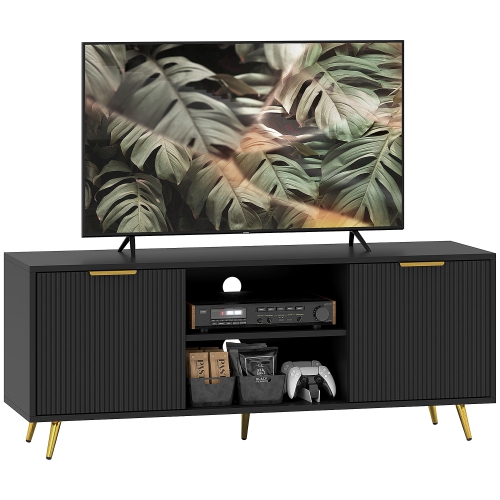
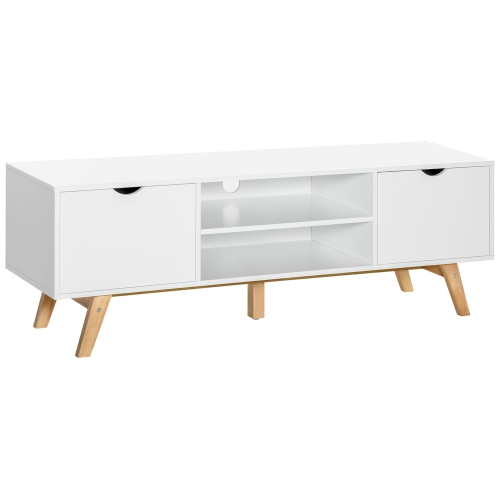
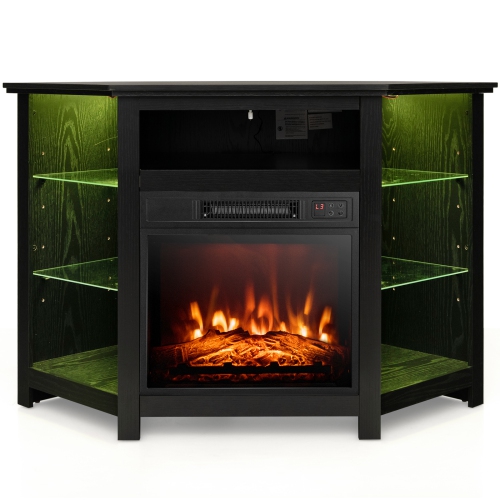
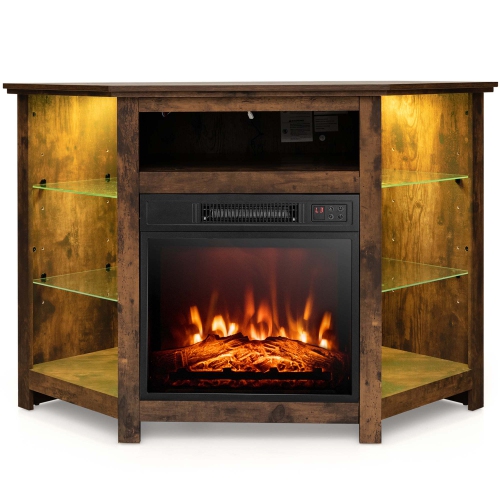
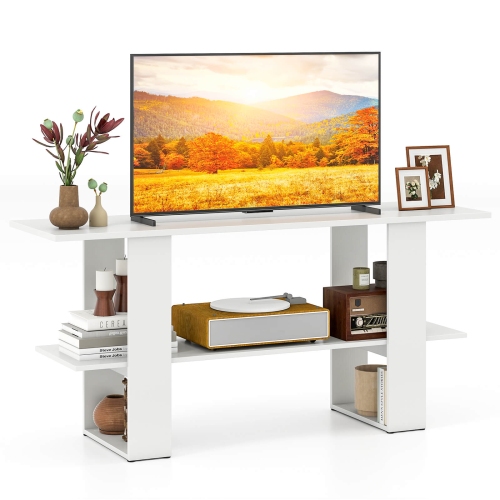
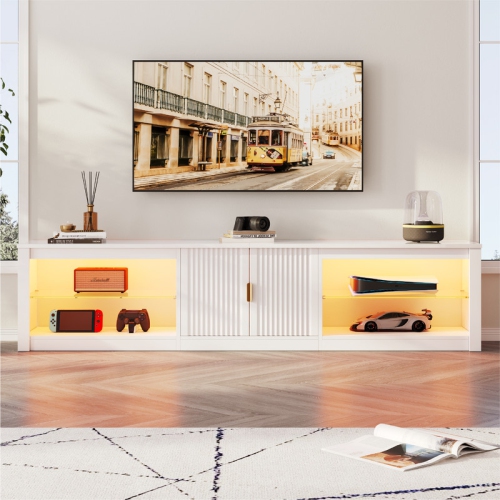
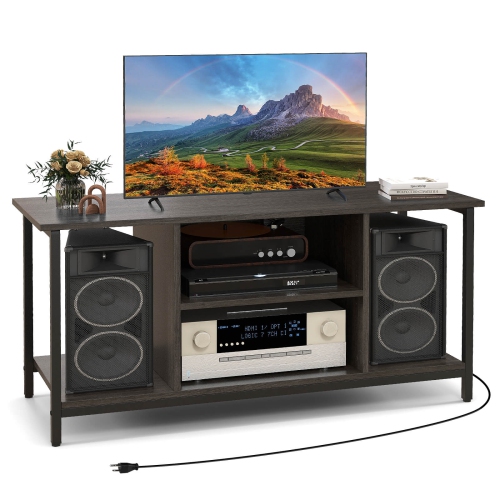
TV stands with storage for 50-inch TVs bring the screen, entertainment equipment, and everyday essentials together in one piece of furniture. They suit living rooms, condos, bedrooms, and shared family spaces where a television needs a stable base without leaving controllers, cables, and remote controls scattered across nearby surfaces. The size description deserves a close look: a 50-inch TV is measured diagonally across its screen, while a 50-inch-wide stand is measured from side to side. Those measurements are not interchangeable, and screen size alone does not establish whether a television will fit. Compatibility depends on the stand’s usable top dimensions, maximum supported TV size, weight capacity, and the placement of the television’s feet or pedestal. Widely spaced feet need enough surface beneath both ends, while a central pedestal still needs adequate depth and support. A stand wider than the television can give the setup a balanced appearance, although any space intended for a soundbar must also account for its depth and whether it would block the screen or remote sensor. Height matters just as much in daily use. A low console often works well opposite a deep sofa, while a taller cabinet may suit a bedroom arrangement; the useful reference is the screen’s position from the usual seated viewing spot. The furniture also needs to fit the room beyond its footprint. Cabinet doors require clearance to swing open, drawers need room to extend, and nearby walkways should remain easy to pass through. In a compact room, a corner TV stand can make practical use of an angled layout, provided its shape accommodates the television and leaves the necessary space behind connected equipment. For a wall-mounted screen, a storage console can still serve as a home for media devices and accessories, with its width and height helping the arrangement feel connected rather than leaving equipment spread across the floor.
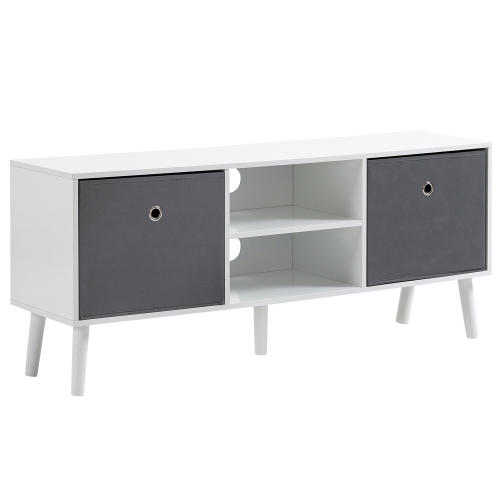
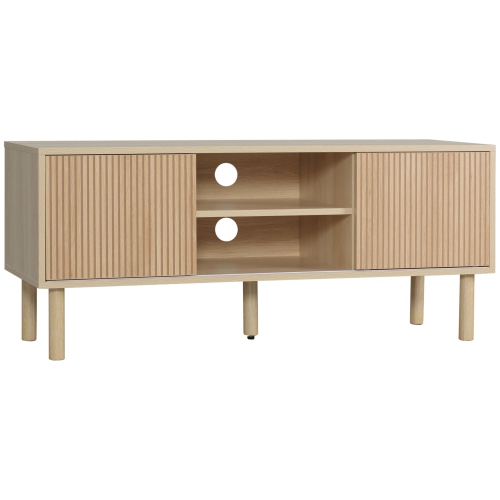
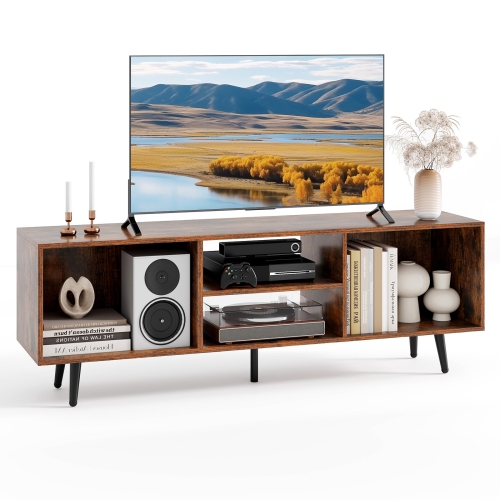
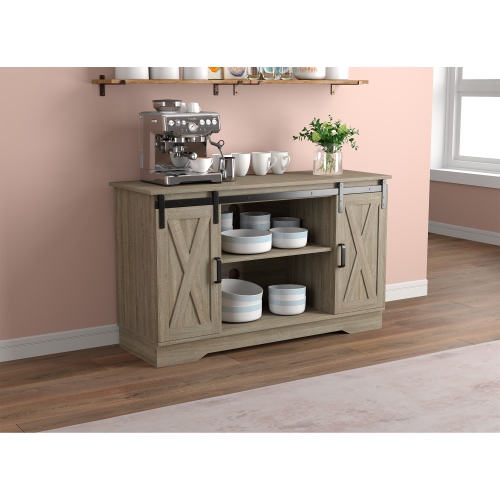
The most useful storage layout reflects what actually lives beside the TV. Open shelves keep frequently used equipment accessible and can provide a clear path for remote signals, while enclosed cabinets hide spare cables, game cases, and accessories that otherwise make the area look busy. Drawers are especially convenient for small loose essentials such as remote controls, charging leads, and controller batteries. A combination of open and closed storage often works well in a shared household: a media player can sit within easy reach, while less frequently used accessories stay behind a door. Adjustable shelves add flexibility when equipment changes, but internal dimensions matter more than the appearance of a large cabinet. A receiver or gaming console needs space for its full depth, connected plugs, and the ventilation clearance specified by its manufacturer. A shelf that fits the device tightly may leave too little room for airflow or cause cables to bend sharply against the back panel. Rear cable openings help route power and signal leads towards outlets, and accessible openings make it easier to disconnect a device without shifting the whole stand. Enclosed compartments are better suited to equipment only when their design provides the required ventilation and access; decorative doors should not be assumed to offer enough airflow. Shelf and drawer load limits also deserve attention, particularly when storing heavier equipment or a substantial media collection. For households that use the same room for films, gaming, and music, separate compartments help keep each activity organized without turning the console into general-purpose overflow storage. A basket on an open shelf can contain lightweight accessories, as long as it does not crowd nearby electronics or block ventilation. Sliding doors offer another way to conceal storage without requiring outward swing space, although they generally leave only part of the cabinet accessible at once. These differences affect the familiar moments of daily use, from finding a controller before a game to reaching a charging cable without pulling everything off a shelf.
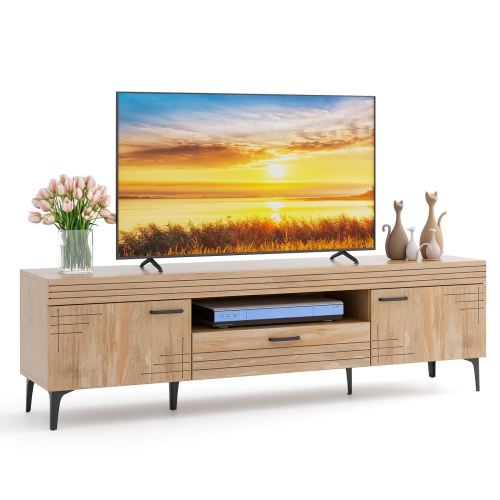
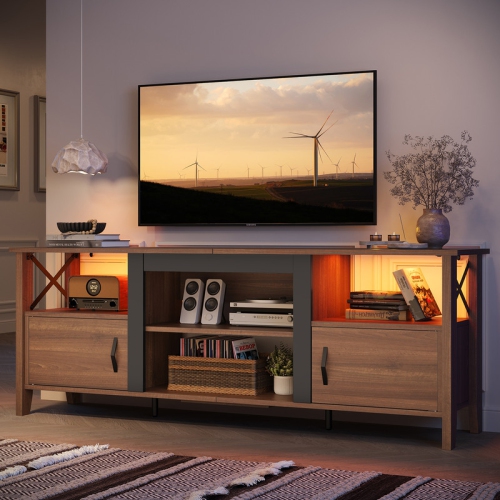
Materials, construction, and finish shape both the appearance of a TV stand and how it holds up to regular use. Solid wood offers natural grain variation and a substantial feel, while wood veneer gives a real-wood surface over a supporting core. Engineered wood with laminate or other finishes can provide a uniform appearance that suits clean-lined rooms, and metal frames bring a more open, structured look. Durability depends on the complete construction rather than the material name alone: secure joints, well-supported shelves, smoothly operating hinges, and properly aligned drawer runners all contribute to dependable everyday use. A wood-look console with panelled doors can soften a room furnished with upholstered seating, while a simple cabinet with flat fronts keeps attention on the screen. Light finishes can blend with pale walls, darker finishes create contrast, and visible grain adds texture without requiring extra decorative objects. Glass shelves or doors offer a lighter appearance but may show fingerprints and need care suited to their finish. For most surfaces, routine care starts with a soft cloth and the manufacturer’s cleaning directions. Spills should be wiped up promptly, abrasive cleaners avoided unless expressly permitted, and moisture kept away from unfinished edges and joints. Felt pads beneath suitable accessories can help prevent surface marks, while equipment should be lifted rather than dragged when rearranging the top. Assembly quality is equally important: fittings need to be installed as directed, the stand should sit level, and any supplied anchoring hardware should be used according to the instructions. In homes with children or pets, secured furniture and a properly secured television are important parts of the setup, and drawers should never serve as climbing steps. A storage stand can be a thoughtful furnishing for someone setting up a first apartment, provided the room measurements, TV specifications, and preferred finish are known. Where a wider television or a more expansive furniture arrangement is planned, 70 inch TV stands with storage offer a related size category to explore, with the same attention to dimensions and supported weight. For a 50-inch setup, the best fit leaves enough room for the screen, the equipment, and the everyday routines around them without overwhelming the living space.
The most useful storage layout reflects what actually lives beside the TV. Open shelves keep frequently used equipment accessible and can provide a clear path for remote signals, while enclosed cabinets hide spare cables, game cases, and accessories that otherwise make the area look busy. Drawers are especially convenient for small loose essentials such as remote controls, charging leads, and controller batteries. A combination of open and closed storage often works well in a shared household: a media player can sit within easy reach, while less frequently used accessories stay behind a door. Adjustable shelves add flexibility when equipment changes, but internal dimensions matter more than the appearance of a large cabinet. A receiver or gaming console needs space for its full depth, connected plugs, and the ventilation clearance specified by its manufacturer. A shelf that fits the device tightly may leave too little room for airflow or cause cables to bend sharply against the back panel. Rear cable openings help route power and signal leads towards outlets, and accessible openings make it easier to disconnect a device without shifting the whole stand. Enclosed compartments are better suited to equipment only when their design provides the required ventilation and access; decorative doors should not be assumed to offer enough airflow. Shelf and drawer load limits also deserve attention, particularly when storing heavier equipment or a substantial media collection. For households that use the same room for films, gaming, and music, separate compartments help keep each activity organized without turning the console into general-purpose overflow storage. A basket on an open shelf can contain lightweight accessories, as long as it does not crowd nearby electronics or block ventilation. Sliding doors offer another way to conceal storage without requiring outward swing space, although they generally leave only part of the cabinet accessible at once. These differences affect the familiar moments of daily use, from finding a controller before a game to reaching a charging cable without pulling everything off a shelf.
Materials, construction, and finish shape both the appearance of a TV stand and how it holds up to regular use. Solid wood offers natural grain variation and a substantial feel, while wood veneer gives a real-wood surface over a supporting core. Engineered wood with laminate or other finishes can provide a uniform appearance that suits clean-lined rooms, and metal frames bring a more open, structured look. Durability depends on the complete construction rather than the material name alone: secure joints, well-supported shelves, smoothly operating hinges, and properly aligned drawer runners all contribute to dependable everyday use. A wood-look console with panelled doors can soften a room furnished with upholstered seating, while a simple cabinet with flat fronts keeps attention on the screen. Light finishes can blend with pale walls, darker finishes create contrast, and visible grain adds texture without requiring extra decorative objects. Glass shelves or doors offer a lighter appearance but may show fingerprints and need care suited to their finish. For most surfaces, routine care starts with a soft cloth and the manufacturer’s cleaning directions. Spills should be wiped up promptly, abrasive cleaners avoided unless expressly permitted, and moisture kept away from unfinished edges and joints. Felt pads beneath suitable accessories can help prevent surface marks, while equipment should be lifted rather than dragged when rearranging the top. Assembly quality is equally important: fittings need to be installed as directed, the stand should sit level, and any supplied anchoring hardware should be used according to the instructions. In homes with children or pets, secured furniture and a properly secured television are important parts of the setup, and drawers should never serve as climbing steps. A storage stand can be a thoughtful furnishing for someone setting up a first apartment, provided the room measurements, TV specifications, and preferred finish are known. Where a wider television or a more expansive furniture arrangement is planned, 70 inch TV stands with storage offer a related size category to explore, with the same attention to dimensions and supported weight. For a 50-inch setup, the best fit leaves enough room for the screen, the equipment, and the everyday routines around them without overwhelming the living space.
Top selling and popular products
-
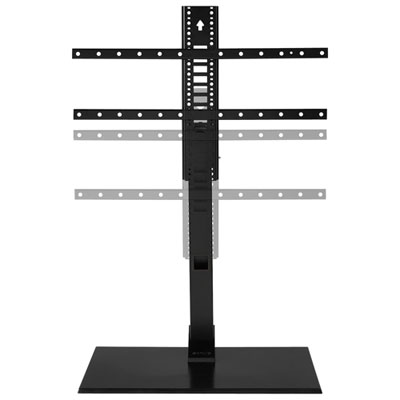 Your price for this item is $249.99
 -
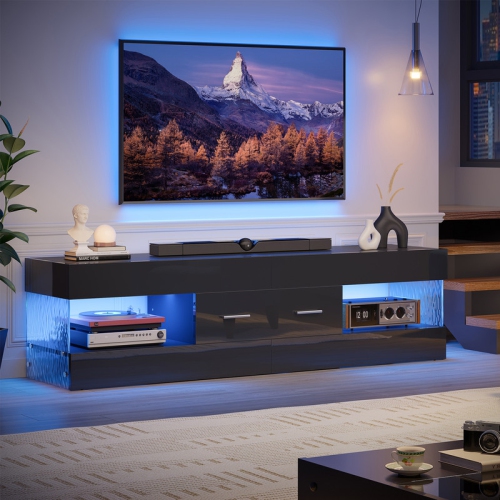 Your price for this item is $179.99
 -
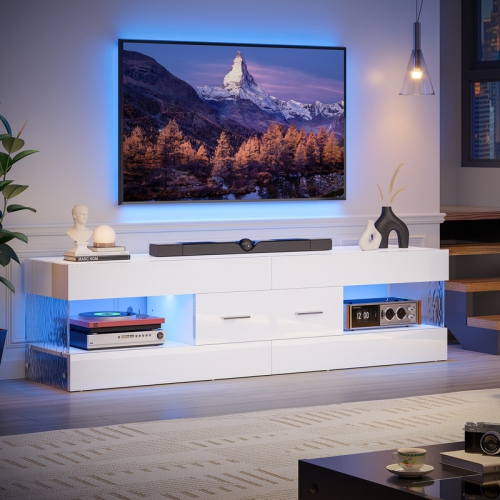 Your price for this item is $149.99
 -
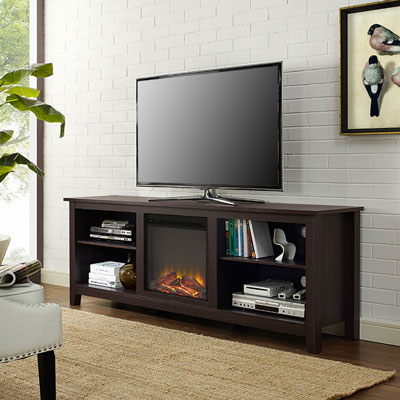 Your price for this item is $689.99
 -
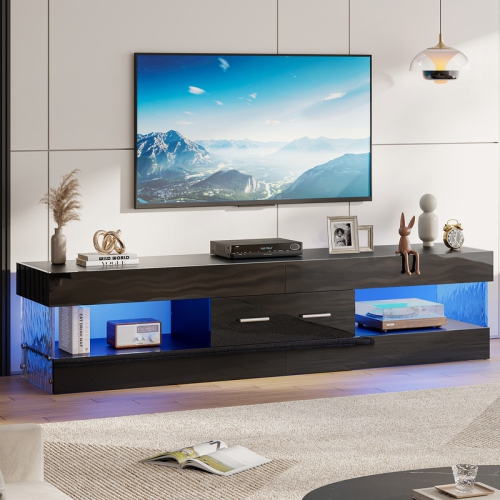 Your price for this item is $189.99
 -
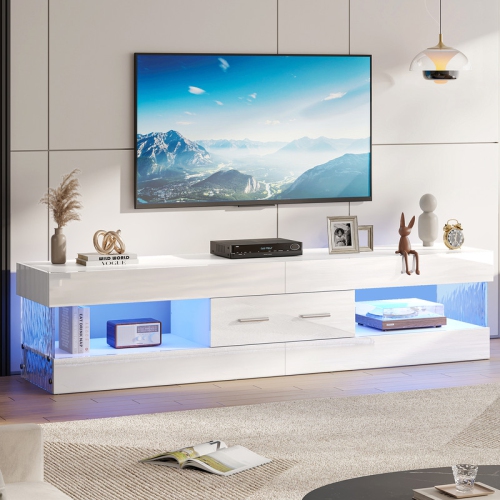 Your price for this item is $189.99
 -
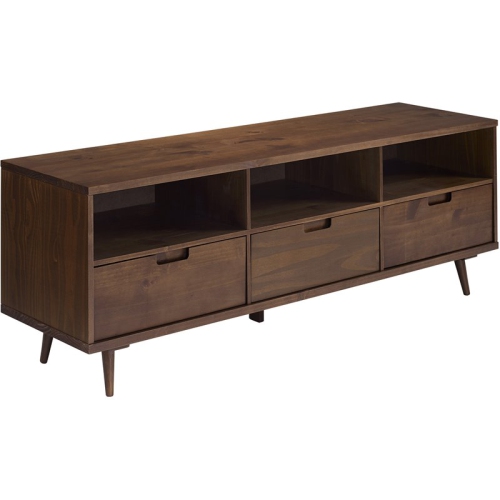 Your price for this item is $941.25
 -
 Your price for this item is $269.99
Discover more categories related to 50 TV Stands With Storage
Top Collections:
Pokemon Centers, Kindle Devices, Apple iPhones 16, Samsung Galaxy Phones, Canon G7X Cameras, iPhone 15 Apple, Flip Phones, Apple Wired Earphones, Best Budget Office Chairs, Refurbished Apple Laptops
Some products may be subject to Environmental Handling Fees
(EHF) depending on your province.
Learn more about EHFs.