Electrical Pin Connectors
Looking for a reliable solution to connect electrical wires? Look no further than our extensive selection of electrical pin connectors. These versatile components are designed to securely join wires together, ensuring a safe and efficient electrical connection. Whether you're working on a DIY project or tackling a professional installation, our range of electrical pin connectors offers the perfect solution for your needs. With their durable construction and easy-to-use design, these connectors provide a hassle-free way to create strong and reliable connections in any electrical system. Browse our collection today and find the perfect electrical pin connector for your next project.
Sort



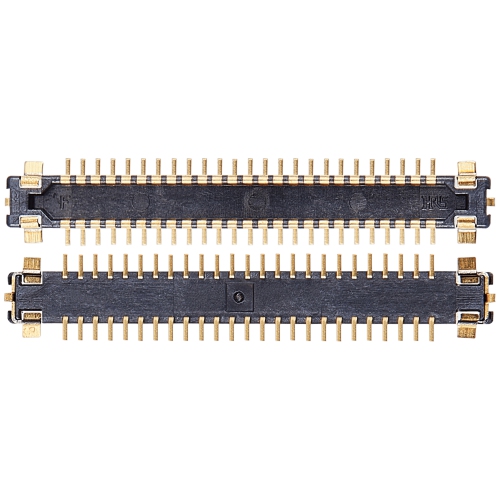
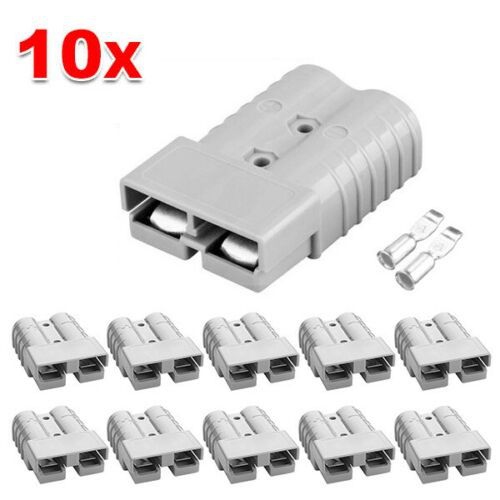
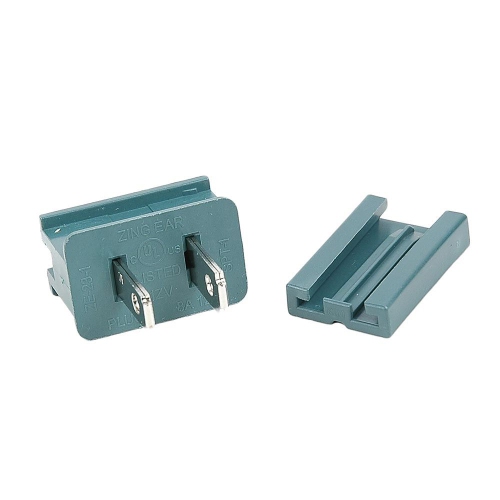
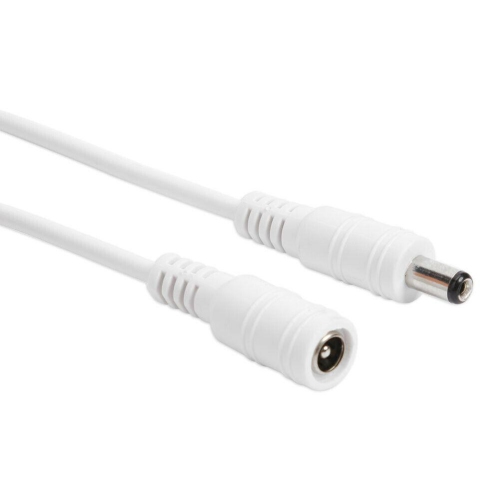

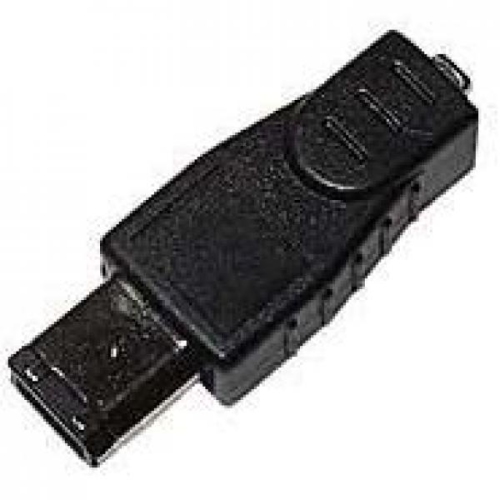
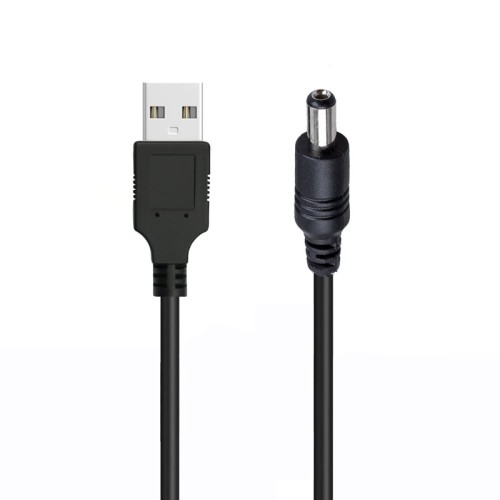

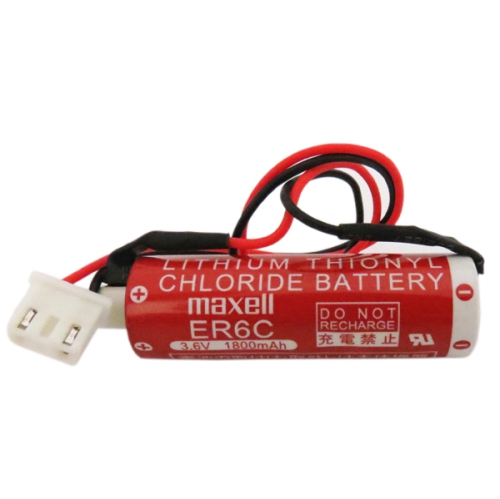

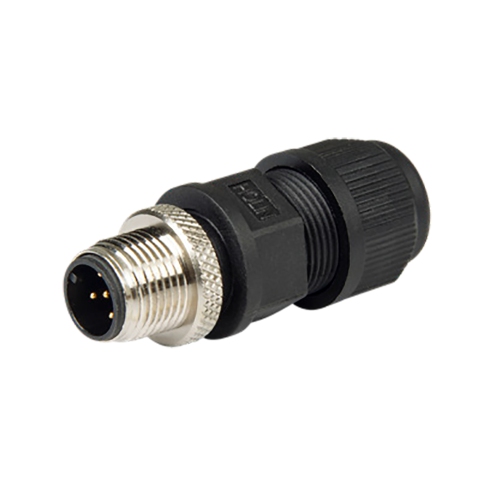


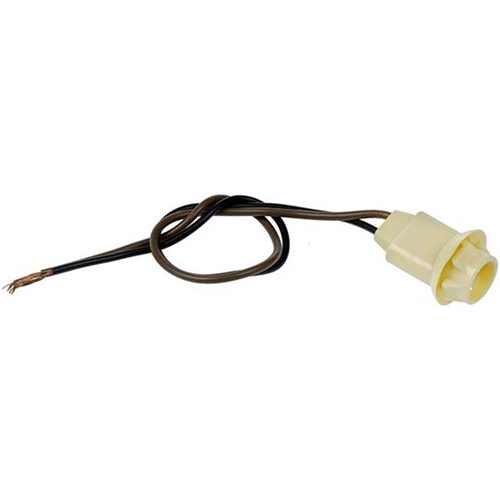
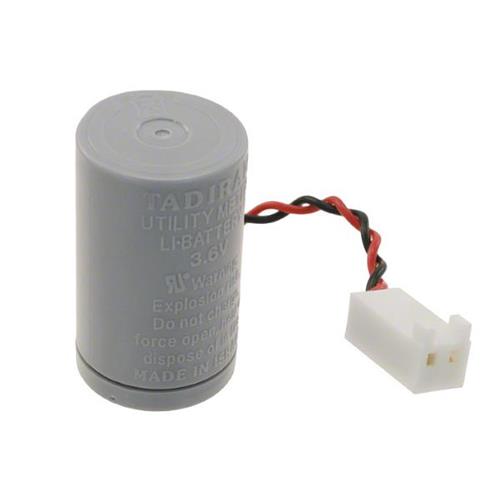
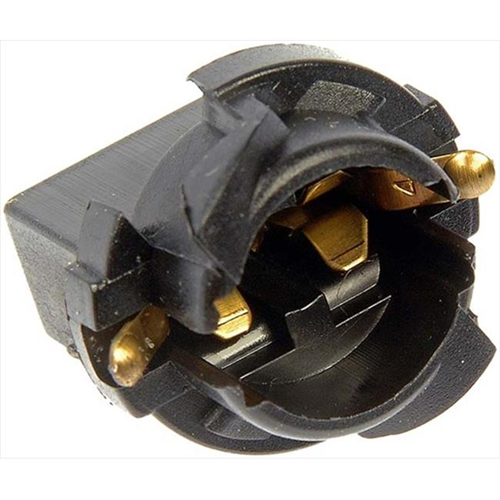
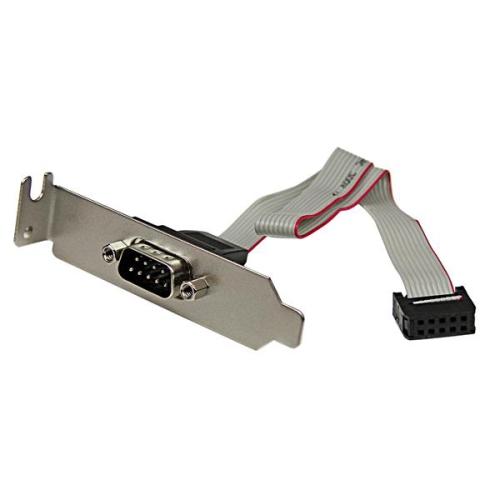
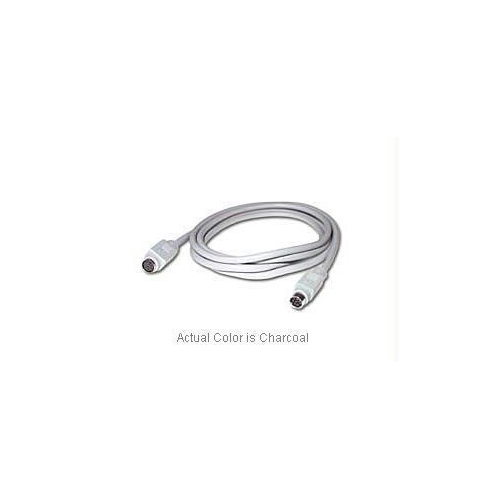
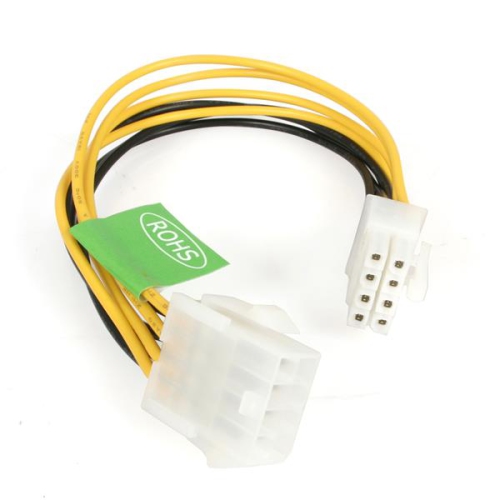
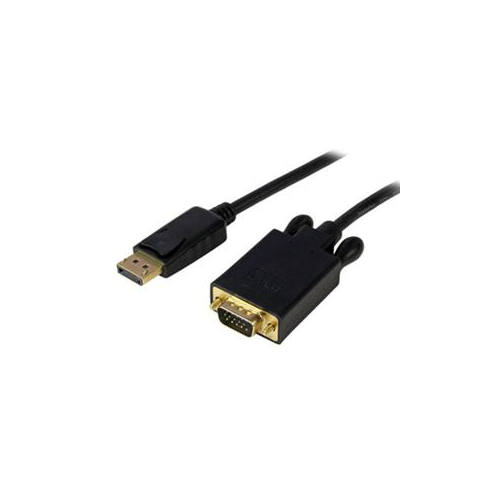
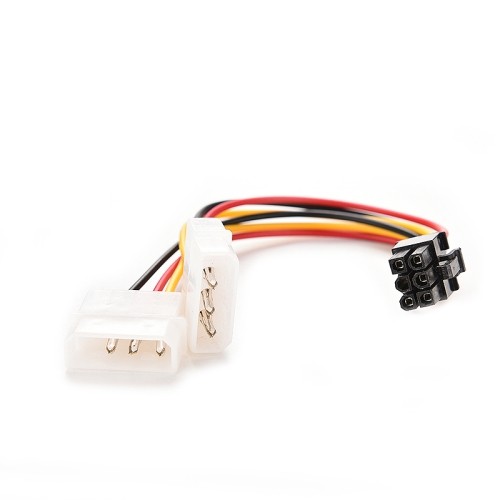
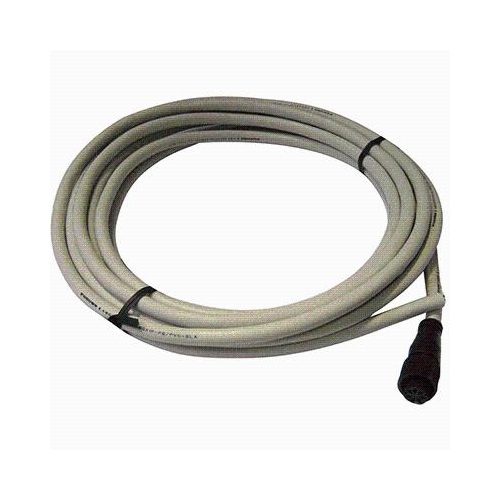
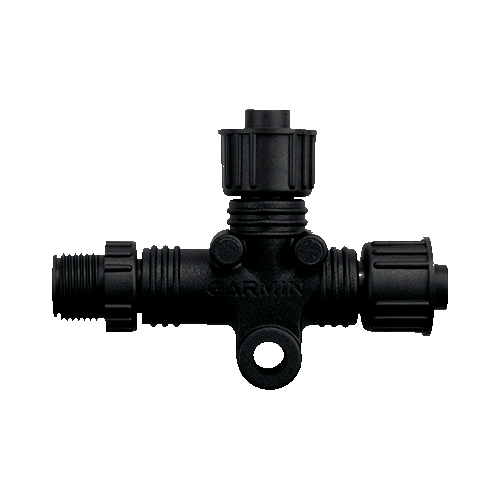
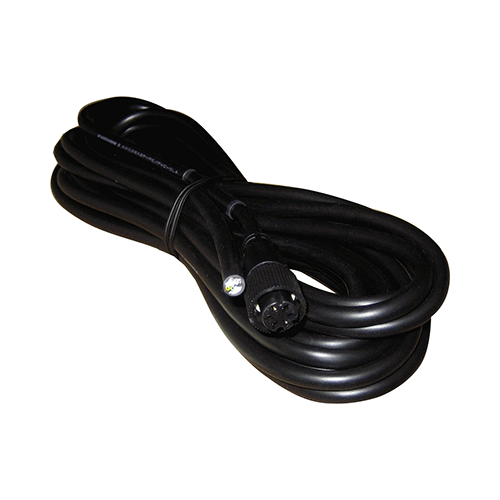
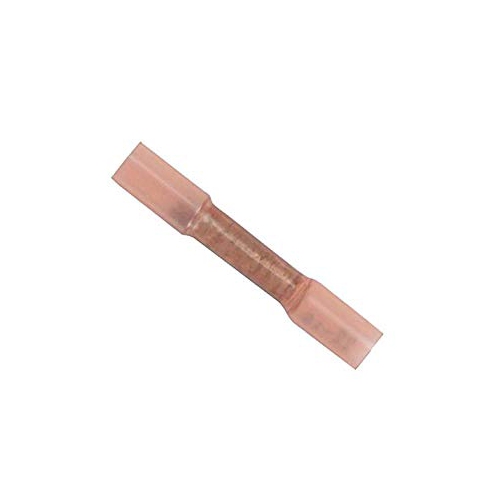
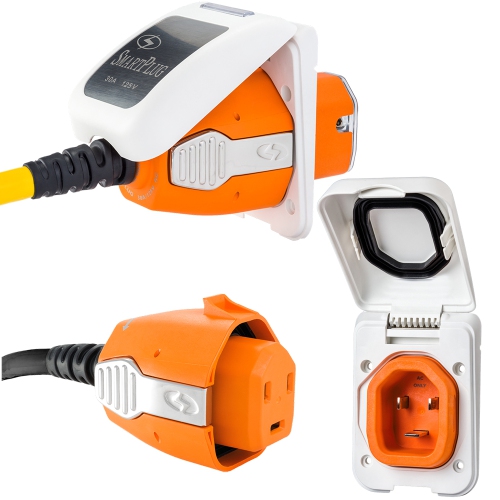
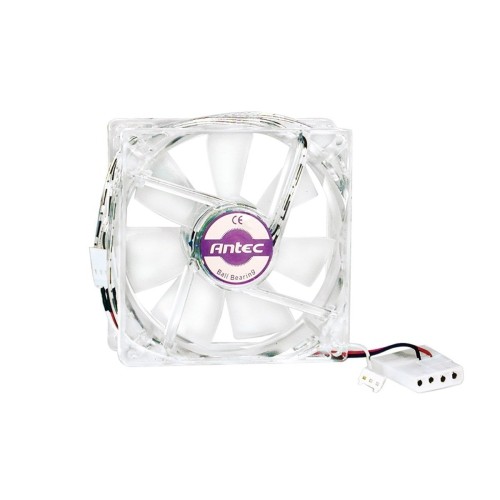
Understanding wire gauge, mating styles, and environmental protection
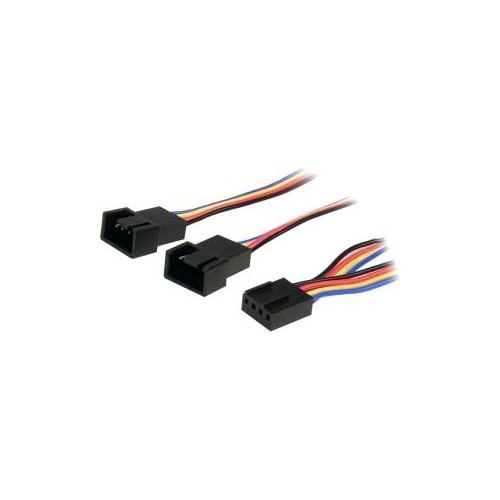
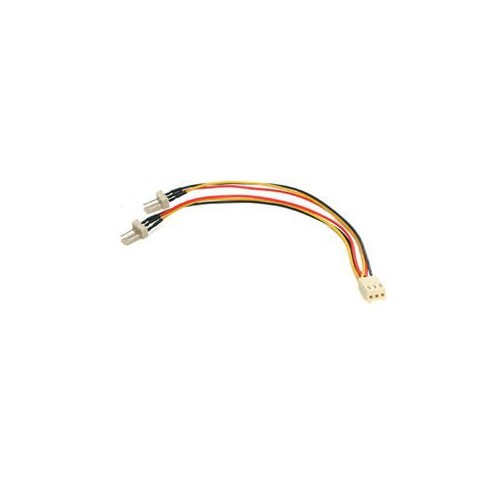
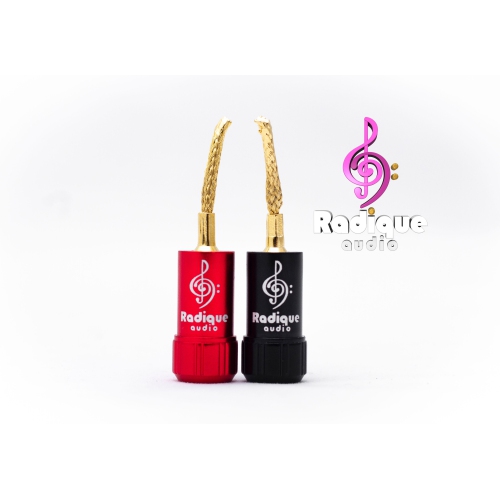
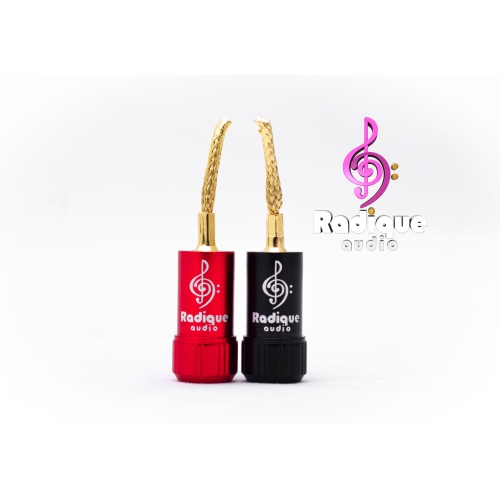
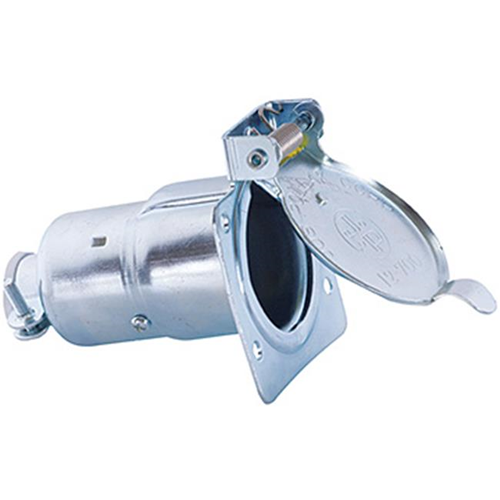
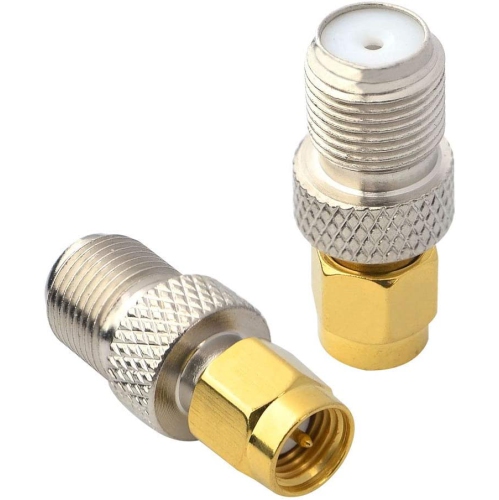
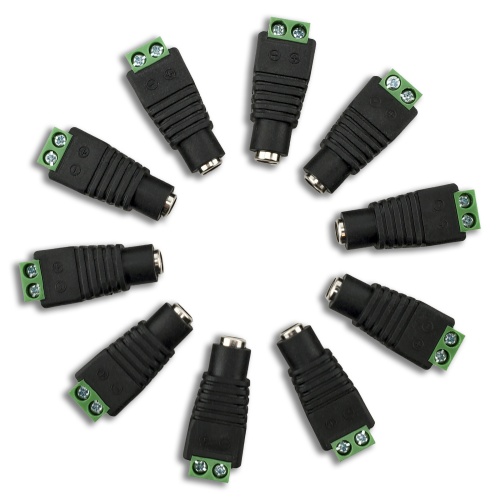
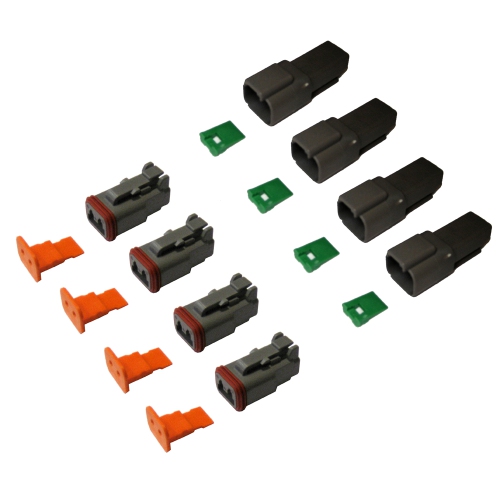
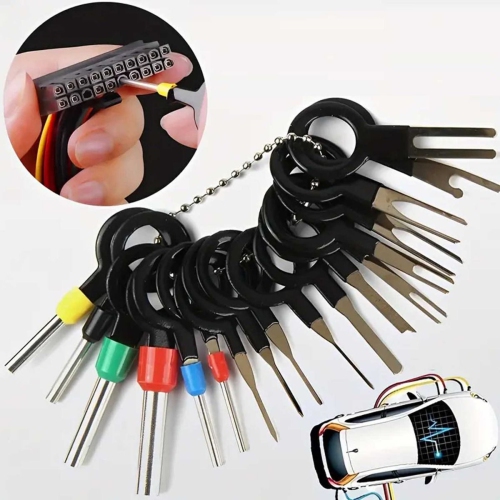
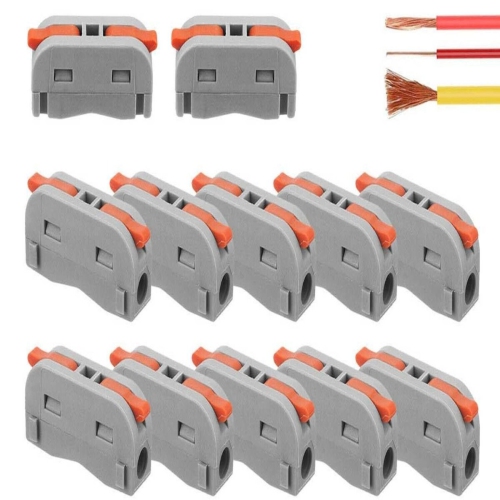
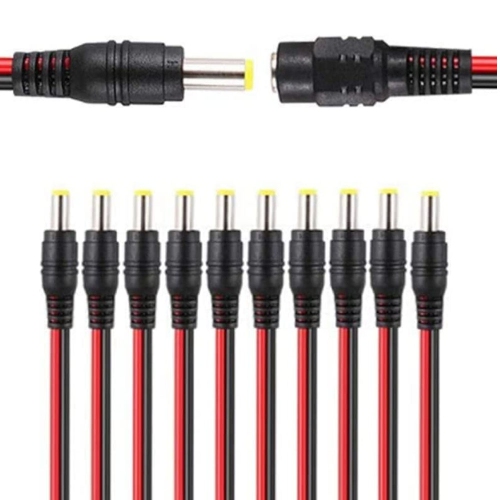
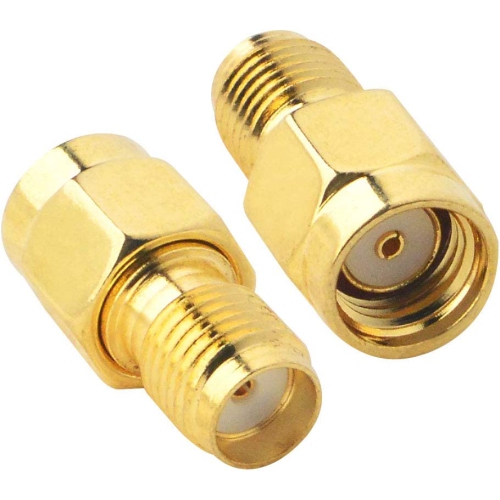
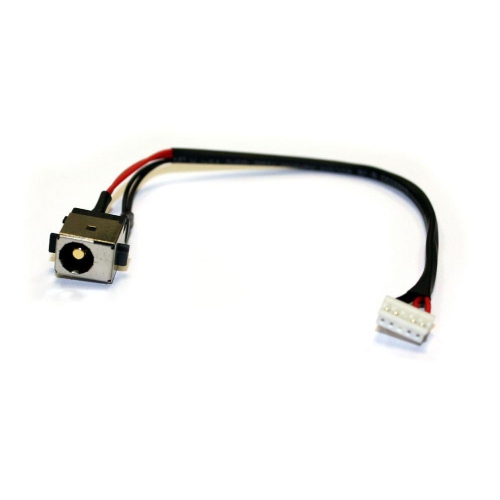
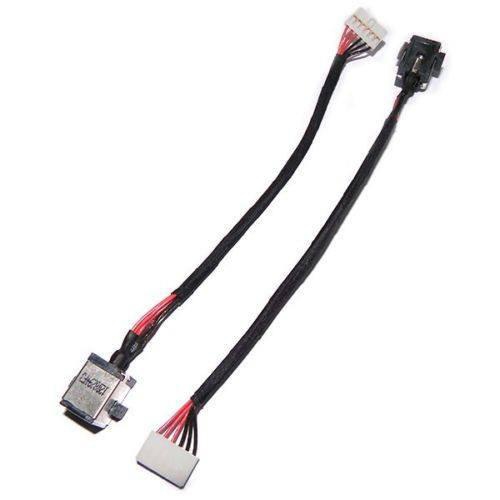
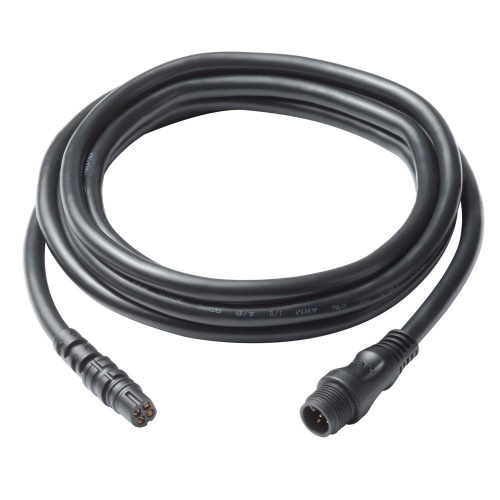
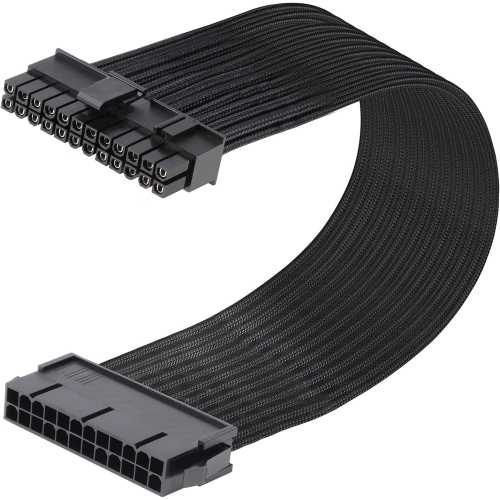
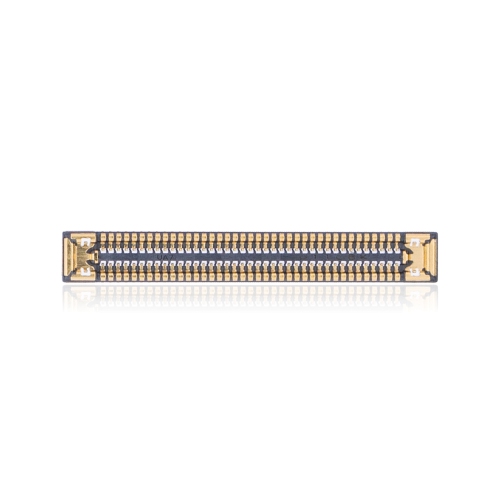
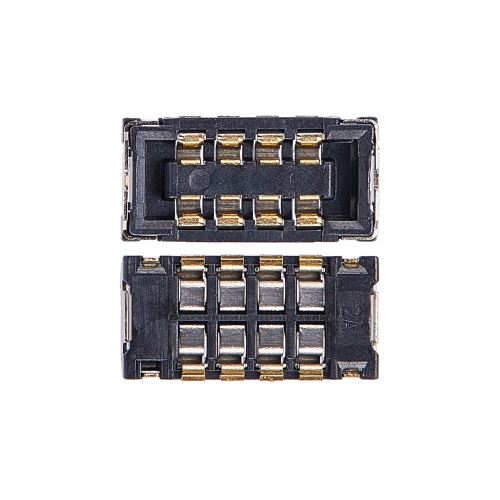
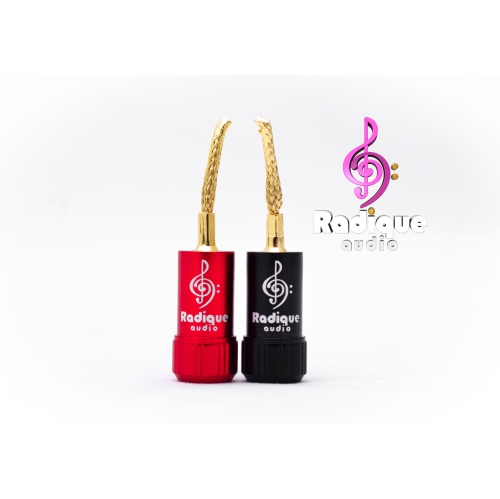
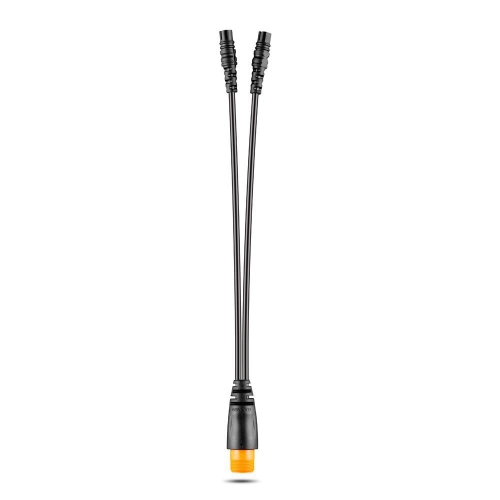
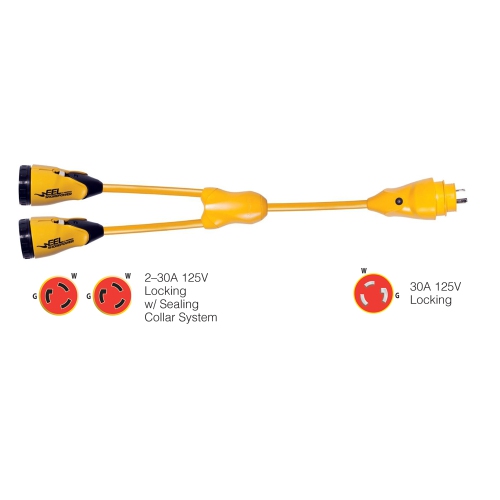
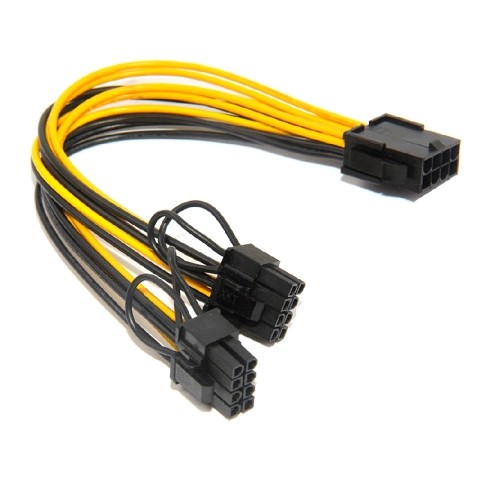
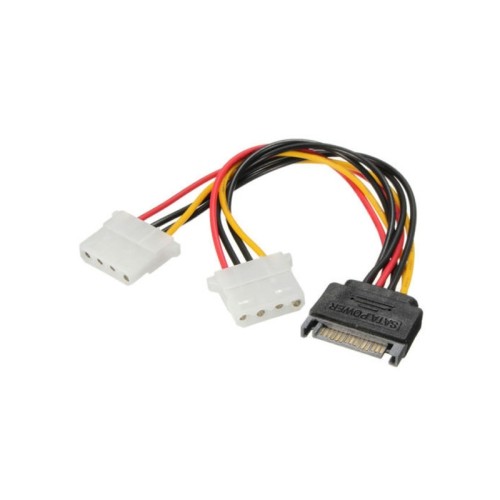
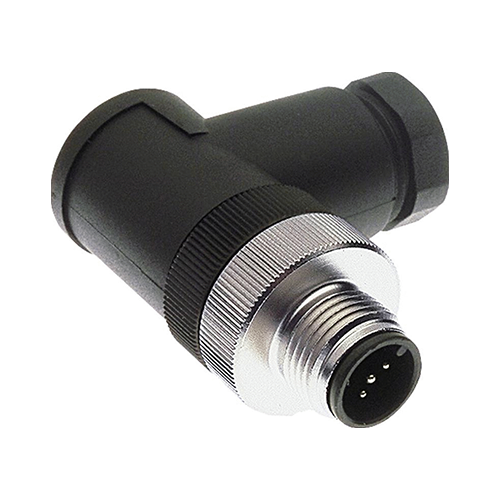
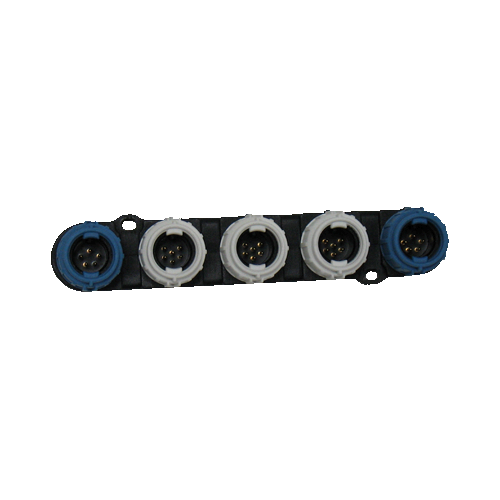
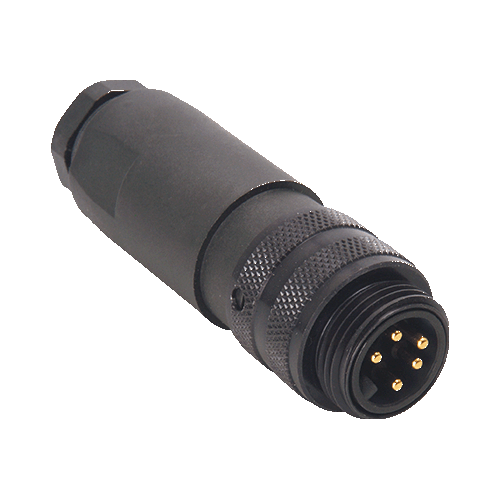
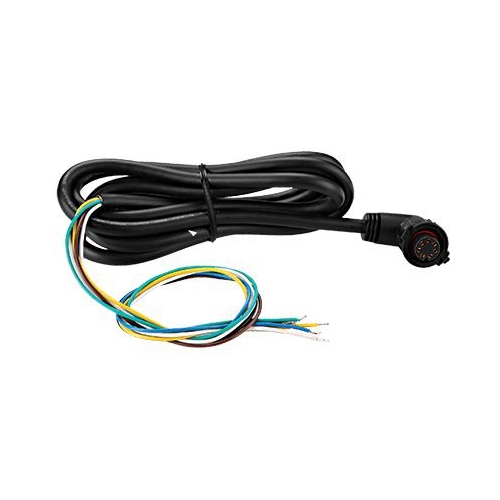
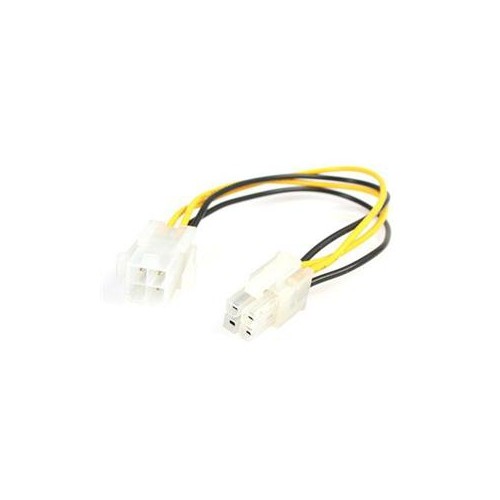
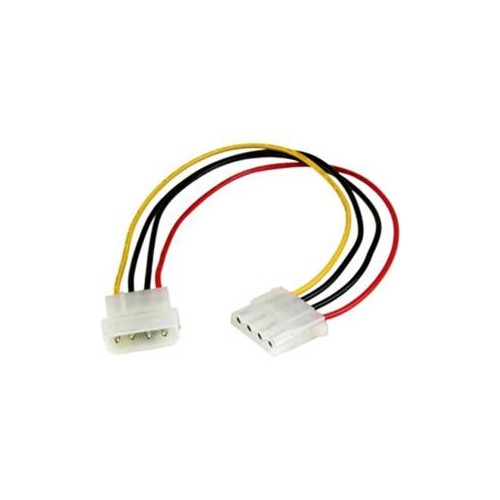
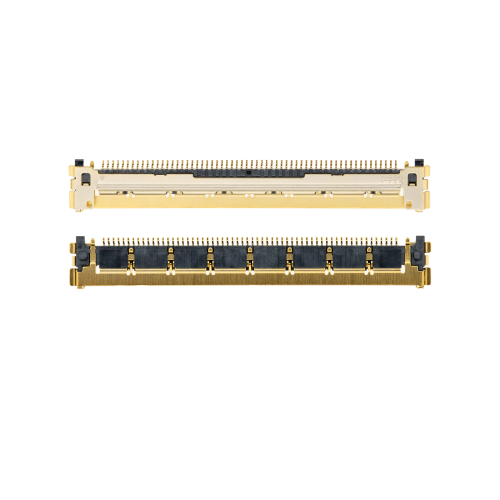
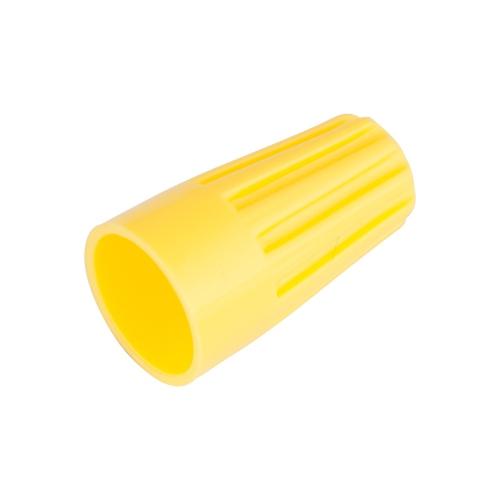
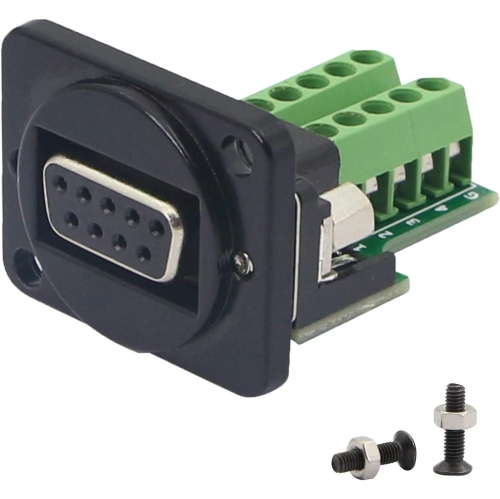
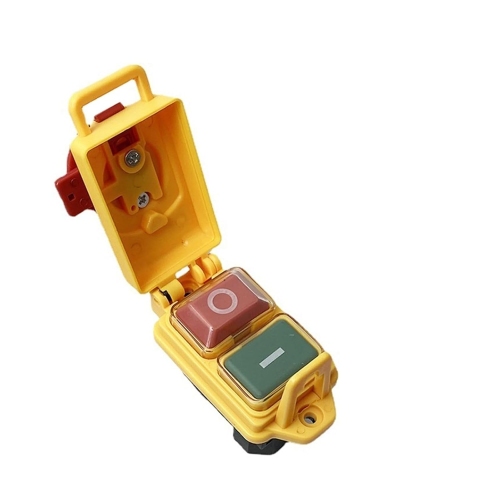
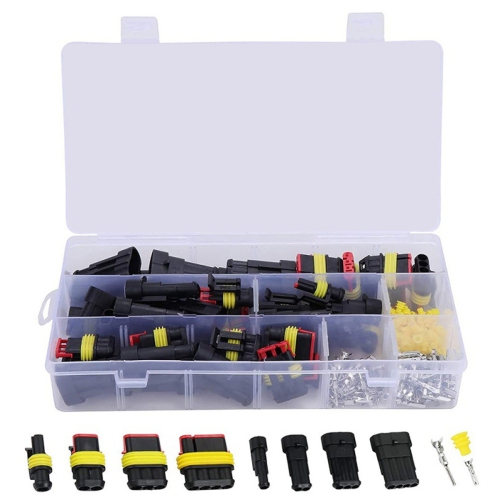
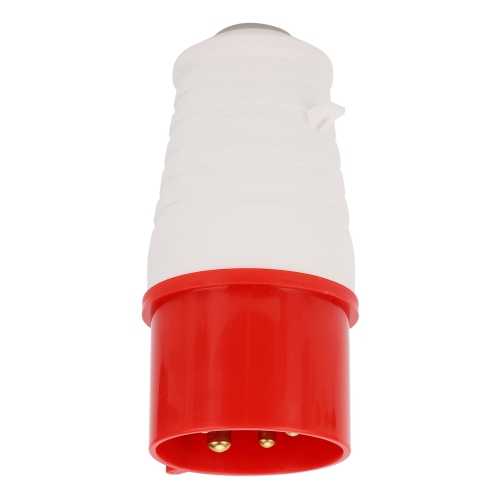
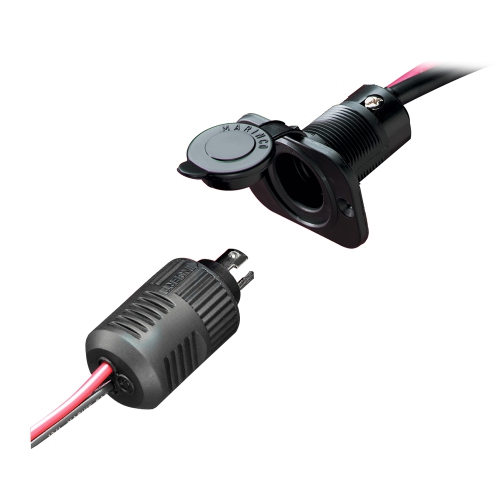
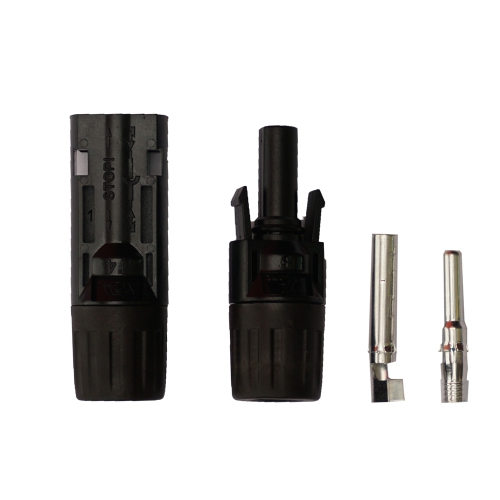
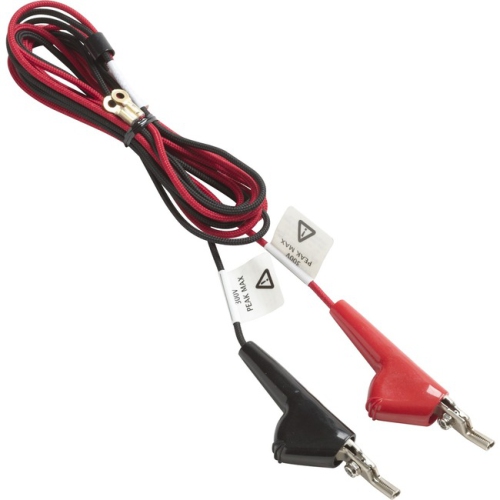
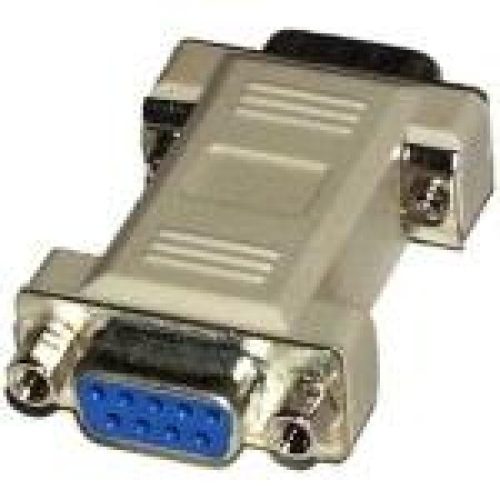
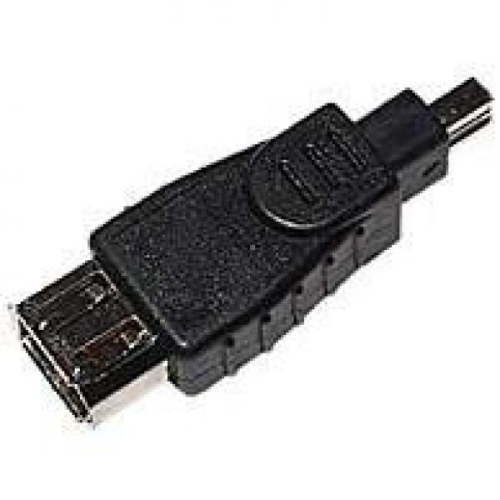
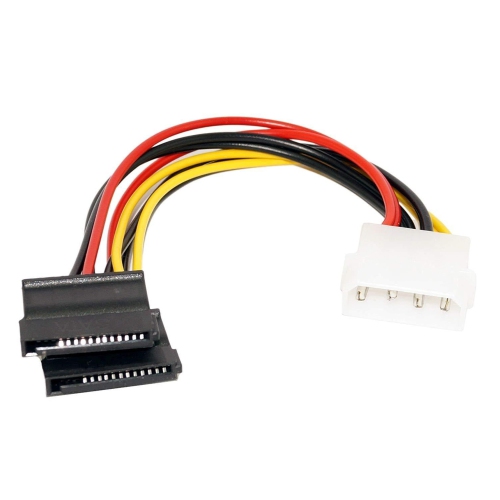
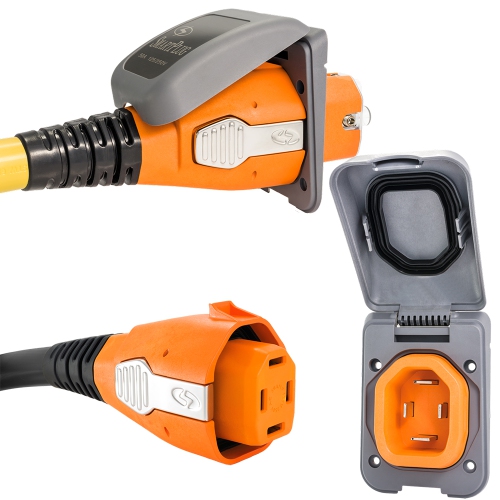
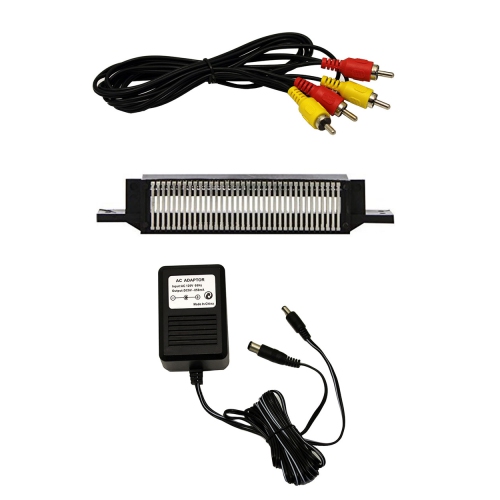
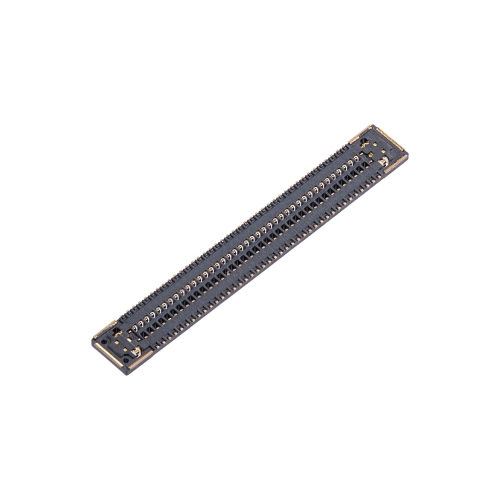
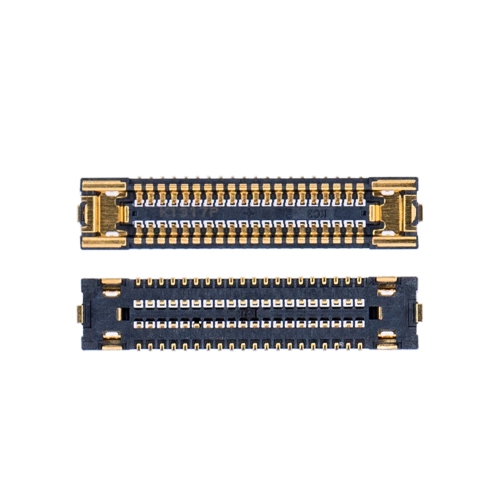
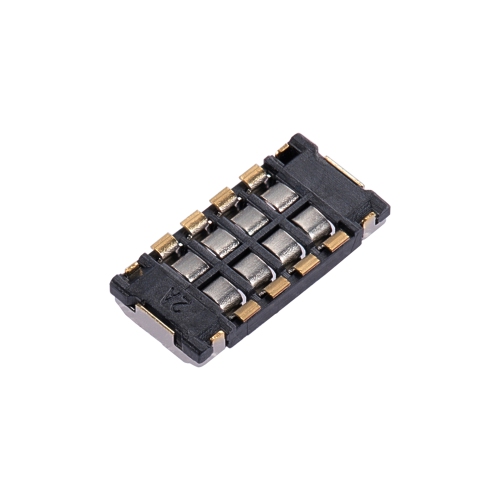
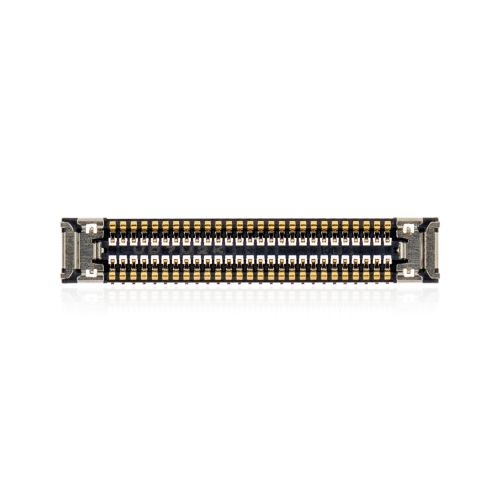
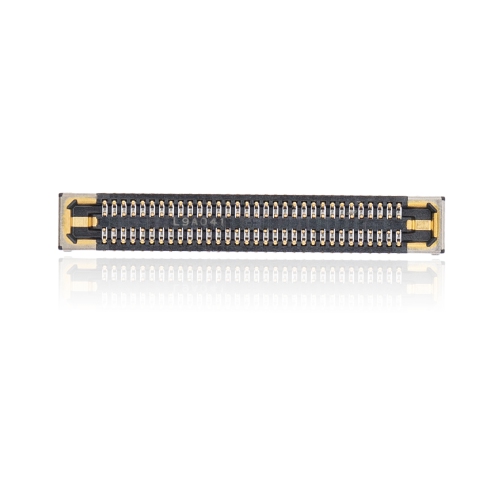
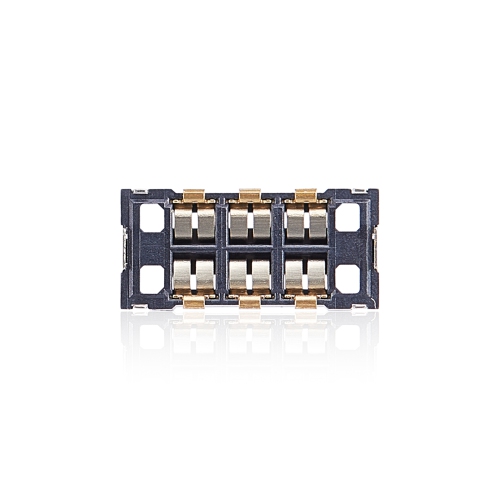
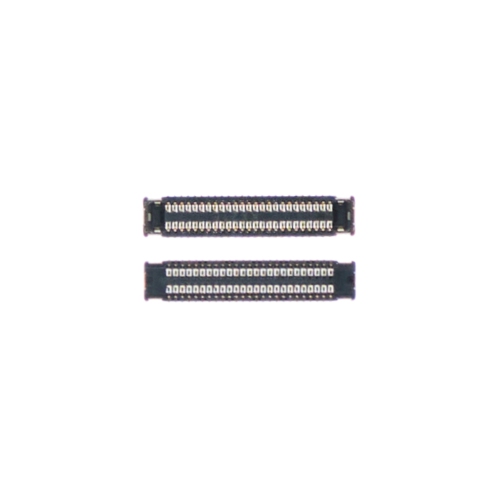
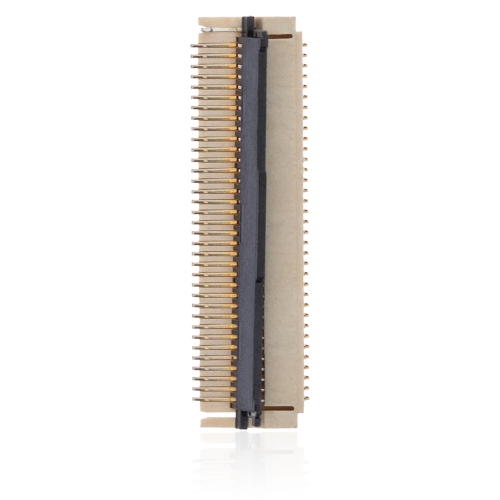
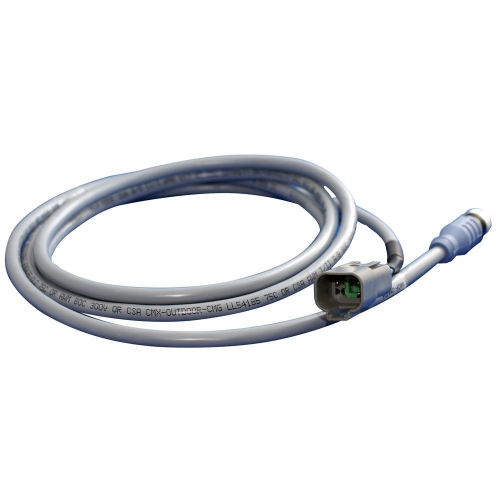
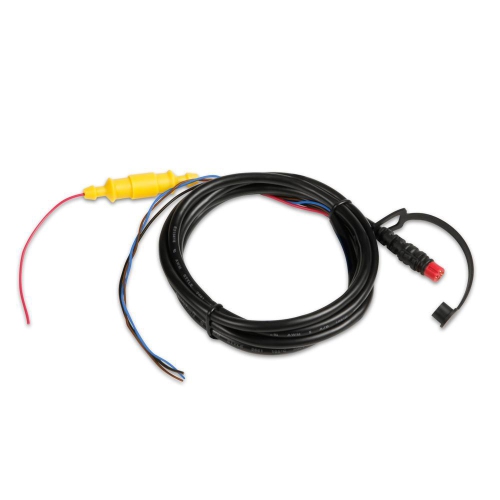
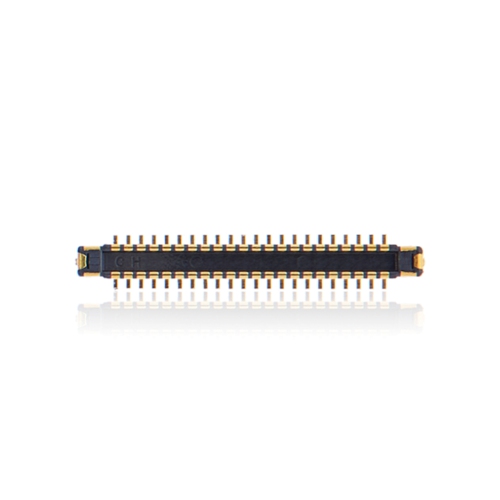
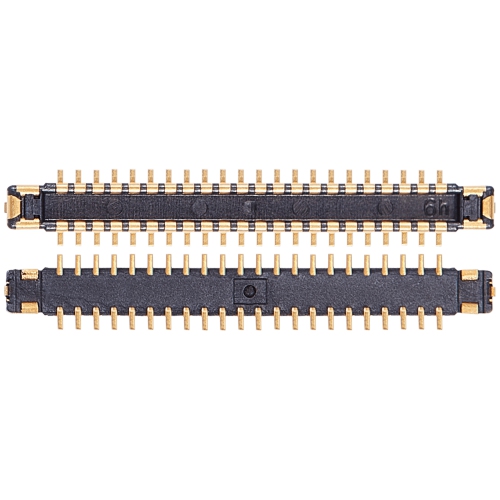
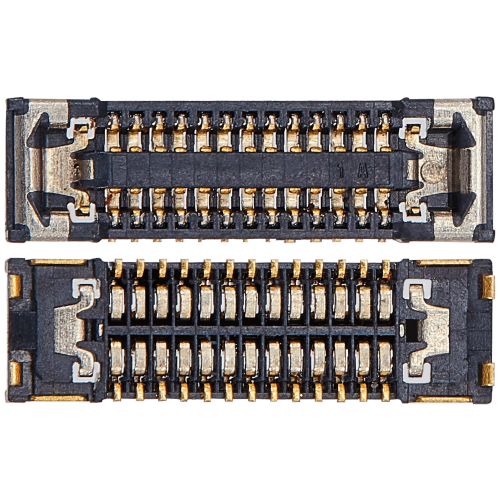
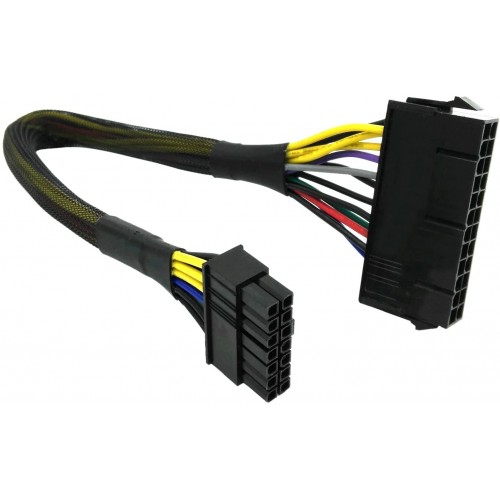
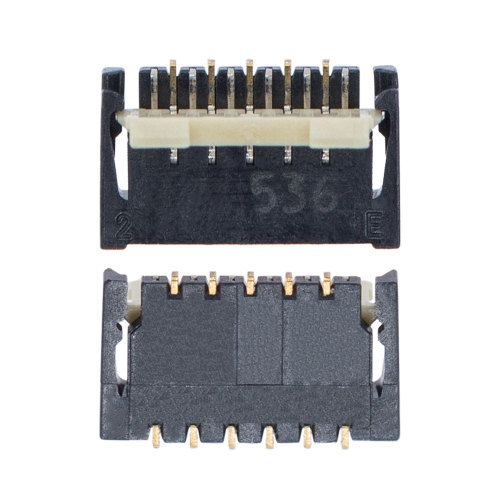
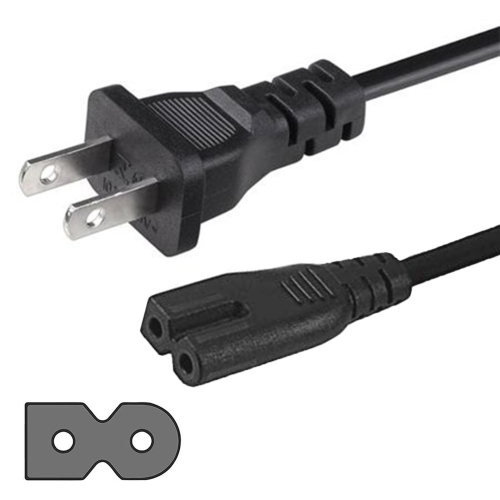
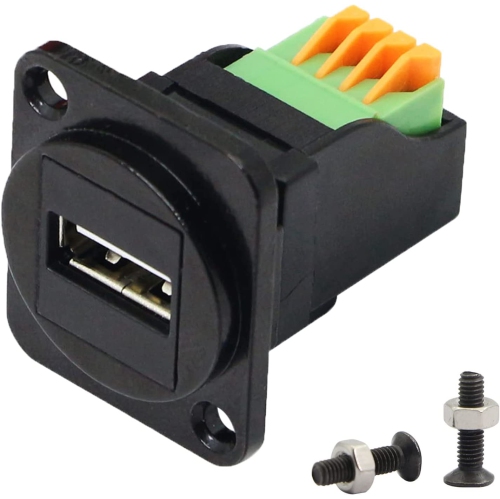
Electrical pin connectors are compact electrical components designed to join wires, circuit boards, devices, or separate cable sections with a secure contact point. Most consist of a conductive metal pin or socket held inside an insulating plastic plug, receptacle, or housing. The pin may be male, with a projecting contact, or female, with a socket that receives the matching pin. Together, these mating parts create a dependable path for electrical power or data while allowing components to be connected, disconnected, serviced, or replaced. Depending on the design, the wire is attached to the pin by crimping, soldering, or another approved termination method. Pin connectors are used in automotive repairs, electronics prototyping, control panels, audio equipment, appliances, lighting projects, robotics, and many other low-voltage applications. For installations that use three contact points, browsing 3 Pin Electrical Connectors can help narrow the selection to matching configurations. While shopping, start by identifying the connector’s intended use and the type of connection required. A connector for a vehicle or boat may need protection from moisture, road spray, vibration, temperature changes, and engine heat, while a connector used on a breadboard or small circuit may be chosen primarily for its pin spacing, contact arrangement, and compatibility with the surrounding components. A pin connector that fits physically but is not rated for the application can result in intermittent operation, heat buildup, corrosion, or damage, so matching specifications is essential.
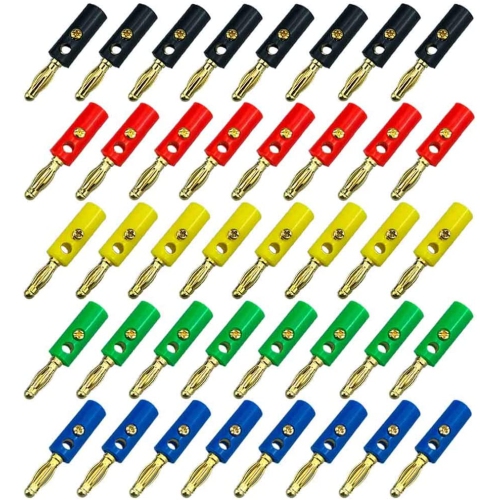
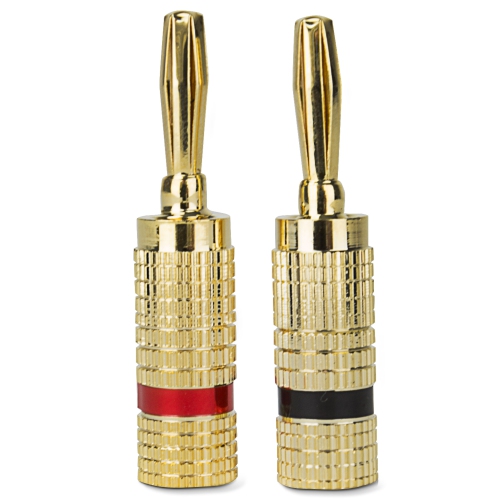
Wire size is one of the most important details to check before choosing electrical pin connectors. Wire gauge is commonly listed in AWG, or American Wire Gauge, and the number works in reverse: a smaller AWG number represents a thicker wire. The connector’s terminal barrel must accommodate the conductor securely without crushing the strands or leaving excessive space. Small electronics connectors are often intended for fine wires in ranges such as 18–26 AWG, while larger terminals may accept thicker conductors such as 12–24 AWG. Always compare the connector’s stated wire range with the actual wire being used, including whether the wire is solid or stranded. Stranded copper wire should be stripped to the recommended length, with every strand gathered neatly inside the terminal. A quality crimp should hold the conductor firmly without cutting through it; a gentle tug test is a useful basic check before the housing is assembled. The connector’s gender and mating style must also correspond to the other side of the connection. Male pins pair with female sockets, and keyed housings help prevent a plug from being inserted in the wrong orientation. Pay attention to the number of positions, pitch, locking tabs, polarity markings, and whether the connector is straight or angled. Pin spacing is especially important in electronics projects, where a small difference can prevent the housing from lining up with a header or circuit board. For quick-disconnect wiring, single-pin or bullet-style contacts may be suitable, whereas multi-pin housings can keep several circuits organized and reduce the chance of loose wires touching one another.
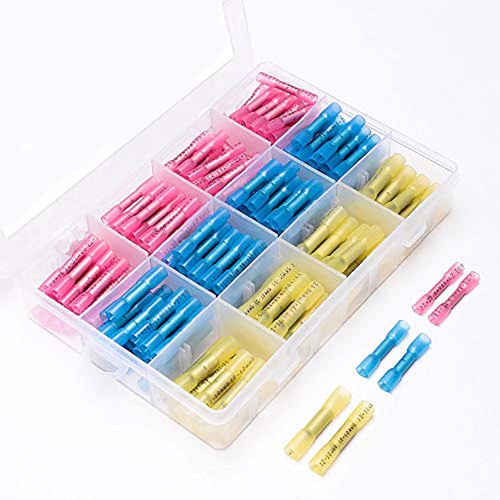
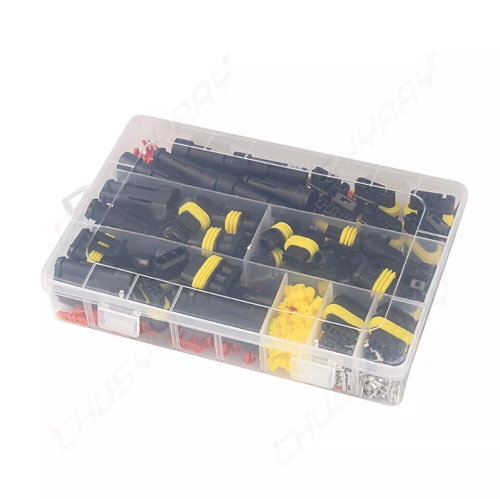
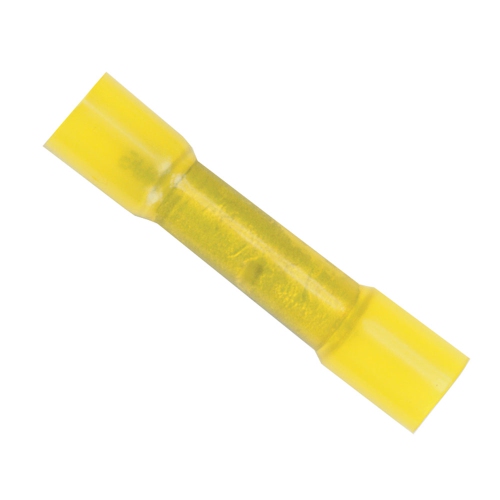
The installation environment should guide the choice between open, insulated, sealed, and heat-shrink-protected pin connectors. Indoor projects with limited movement may only need a standard housing and a properly crimped terminal, but wiring exposed to water, condensation, dust, vibration, or changing temperatures benefits from a weather-resistant design with a firm latch and suitable seals. Heat-shrink protection can provide additional insulation and strain relief around a terminated wire, although it does not replace a connector housing designed for the surrounding conditions. Check the connector’s voltage and current ratings, operating temperature range, contact material, and compatibility with the wire insulation before completing the installation. A suitable crimping tool is also important: ordinary pliers may flatten a terminal unevenly and create a weak electrical connection. For occasional repair work, a connector assortment can be a practical addition to a home workshop, especially for keeping common pin sizes and housings available when a cable needs to be repaired during a larger project. These components can also be useful gifts for someone who enjoys electronics, model building, vehicle maintenance, home automation, or hands-on fabrication, provided the assortment matches the recipient’s tools and typical wire sizes. Store unused connectors in a dry, dust-free container and keep pins protected from bending or contamination. Taking a moment to verify the wire gauge, mating side, pin count, spacing, environmental rating, and termination method helps create a cleaner connection that is easier to troubleshoot and more reliable through everyday use.
Wire size is one of the most important details to check before choosing electrical pin connectors. Wire gauge is commonly listed in AWG, or American Wire Gauge, and the number works in reverse: a smaller AWG number represents a thicker wire. The connector’s terminal barrel must accommodate the conductor securely without crushing the strands or leaving excessive space. Small electronics connectors are often intended for fine wires in ranges such as 18–26 AWG, while larger terminals may accept thicker conductors such as 12–24 AWG. Always compare the connector’s stated wire range with the actual wire being used, including whether the wire is solid or stranded. Stranded copper wire should be stripped to the recommended length, with every strand gathered neatly inside the terminal. A quality crimp should hold the conductor firmly without cutting through it; a gentle tug test is a useful basic check before the housing is assembled. The connector’s gender and mating style must also correspond to the other side of the connection. Male pins pair with female sockets, and keyed housings help prevent a plug from being inserted in the wrong orientation. Pay attention to the number of positions, pitch, locking tabs, polarity markings, and whether the connector is straight or angled. Pin spacing is especially important in electronics projects, where a small difference can prevent the housing from lining up with a header or circuit board. For quick-disconnect wiring, single-pin or bullet-style contacts may be suitable, whereas multi-pin housings can keep several circuits organized and reduce the chance of loose wires touching one another.
The installation environment should guide the choice between open, insulated, sealed, and heat-shrink-protected pin connectors. Indoor projects with limited movement may only need a standard housing and a properly crimped terminal, but wiring exposed to water, condensation, dust, vibration, or changing temperatures benefits from a weather-resistant design with a firm latch and suitable seals. Heat-shrink protection can provide additional insulation and strain relief around a terminated wire, although it does not replace a connector housing designed for the surrounding conditions. Check the connector’s voltage and current ratings, operating temperature range, contact material, and compatibility with the wire insulation before completing the installation. A suitable crimping tool is also important: ordinary pliers may flatten a terminal unevenly and create a weak electrical connection. For occasional repair work, a connector assortment can be a practical addition to a home workshop, especially for keeping common pin sizes and housings available when a cable needs to be repaired during a larger project. These components can also be useful gifts for someone who enjoys electronics, model building, vehicle maintenance, home automation, or hands-on fabrication, provided the assortment matches the recipient’s tools and typical wire sizes. Store unused connectors in a dry, dust-free container and keep pins protected from bending or contamination. Taking a moment to verify the wire gauge, mating side, pin count, spacing, environmental rating, and termination method helps create a cleaner connection that is easier to troubleshoot and more reliable through everyday use.
Top selling and popular products
-
 Your price for this item is $30.51
 -
 Your price for this item is $30.54
 -
 Your price for this item is $38.8
 -
 Your price for this item is $844.91
 -
 Your price for this item is $909.33
 -
 Your price for this item is $30.54
 -
 Your price for this item is $712.99
 -
 Your price for this item is $65.68
Discover more categories related to Electrical Pin Connectors
Top Collections:
Pokemon Centers, Budget 4K TVs, Best Budget Office Chairs, Kindle Devices, Canon G7X Cameras, Apple iPhones 16, iPhone 15 Apple, Laptops for Business Work, Xiaomi Phones, Flip Phones
Some products may be subject to Environmental Handling Fees
(EHF) depending on your province.
Learn more about EHFs.