Height Adjustable Speaker Stands
Height Adjustable Speaker Stands are an essential addition for anyone looking to enhance their audio setup at home, in the studio, or at events. Designed to provide flexibility and support, these stands make it easy to position your speakers at the optimal height for immersive sound quality. Whether you’re setting up a surround sound system or perfecting your home theater, Height Adjustable Speaker Stands help create an organized and professional look while delivering exceptional audio performance. Explore a variety of options to find the ideal match for your space and listening preferences.
Sort






Why speaker height matters for your listening position
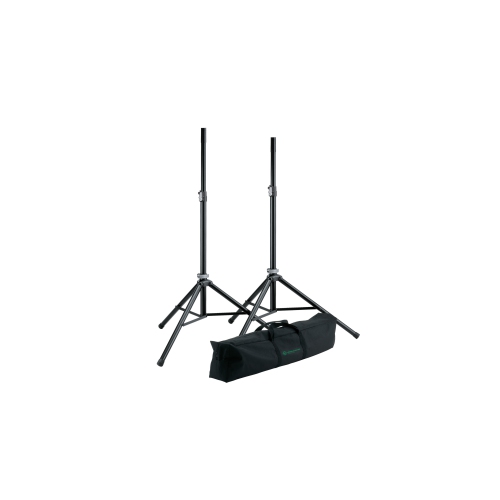
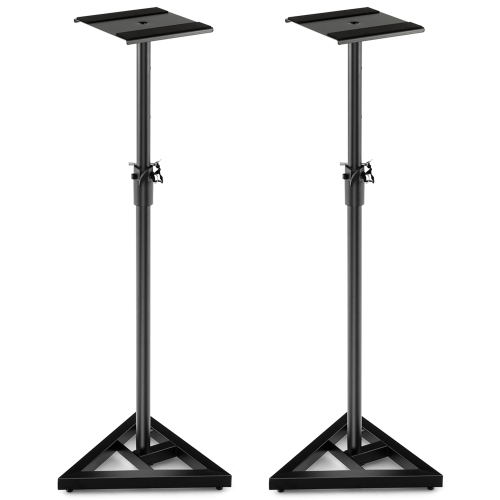
Height-adjustable speaker stands support speakers above the floor and let their listening height change to suit the room, seating, and speaker design. For many home audio setups, positioning the tweeter near a seated listener’s ear level helps keep higher-frequency sound directed towards the listening area rather than below it. The useful height is not necessarily the height of the stand itself: a tall bookshelf speaker places its tweeter farther above the support plate than a compact satellite speaker does. Adjustable stands make that difference easier to accommodate, whether speakers sit beside a sofa, behind a sectional, or near a desk used for music production. They also provide an alternative to placing speakers on crowded shelves or furniture that leaves one speaker higher than the other. Height range, weight capacity, mounting compatibility, and base size are important differences between designs. A stand’s stated load capacity applies to the supported speaker and should be checked per stand, rather than assumed to cover a pair. A suitable support has enough capacity for the speaker’s full weight, while its platform or mounting bracket matches the speaker’s dimensions and attachment points. Small satellite speakers may use a keyhole fitting or threaded mounting connection; bookshelf speakers and studio monitors often rest on a top plate. These arrangements are not interchangeable without a compatible attachment, and a speaker described as wireless still needs the same attention to weight and fit. Larger public-address speakers may require purpose-built tripod stands with the correct mounting socket and locking hardware, rather than supports intended for home theatre satellites. The speaker manufacturer’s placement recommendations remain relevant, particularly for models with unusual driver layouts or specific orientation requirements. For a television area with a low sofa, a modest adjustment range may be sufficient; a taller listening position or a speaker placed behind seating may call for greater extension. A well-matched stand accommodates the listening position without relying on its highest setting simply to clear nearby furniture.
Construction affects how height-adjustable speaker stands feel in everyday use as much as how they look beside a screen or audio cabinet. Steel columns, aluminium tubing, and weighted bases are common design choices, with different combinations of weight, stiffness, and portability. A broad base can provide a steady foundation, but its footprint also needs to fit the space around furniture legs and walking routes. Raising a speaker increases the height of the load, making secure adjustment hardware and a stable base especially important. Telescoping columns may use tightening collars, set screws, locking knobs, or support pins, depending on the design. The adjustment mechanism should hold the selected position as intended, without an improvised spacer or an overtightened fitting substituting for the correct hardware. Tool-free adjustment is convenient when the listening arrangement changes, although speakers generally need support during adjustment and any manufacturer instructions should be followed. Top plates vary in width and depth, and some include pads, retaining edges, or adjustable brackets. Padding may protect the speaker finish and help limit contact vibration, but a stand does not automatically eliminate resonance or change the acoustics of the room. Floor contact matters, too. Rubber feet can help protect hard flooring and reduce slipping, while some stands offer carpet spikes or interchangeable feet. Spikes require particular care around wood, laminate, and tile, where suitable protective cups may be needed. Cable management contributes to a tidy installation without becoming the main reason to choose a stand. An internal cable route or clips along the column can keep speaker wire and power leads close to the support rather than stretched across open floor space. Cable openings must accommodate the lead and its connectors, and sufficient slack is needed for the full intended adjustment range. Clean lines and restrained finishes help supports sit comfortably alongside different furniture styles. A pared-back setup may also suit Simple Speaker Stands, particularly where a discreet profile is a priority.
The intended use helps determine which details matter most over time. In a home theatre, stands can position compact surround speakers beside or behind seating without requiring wall installation, although their placement still depends on the room layout and the audio system’s recommendations. For stereo listening, a matched pair provides consistent support and makes it easier to establish similar left and right speaker heights. At a workstation, appropriately sized monitor stands can free space around screens and keyboards while keeping speakers aimed towards the listening position. Speakers designed to sit vertically should retain that orientation unless their manufacturer permits another arrangement. Clearance around rear ports, controls, and cable connections also deserves attention; moving a speaker onto a stand does not remove its need for breathing room or access to its connections. In a shared living area, the base should sit out of regular foot traffic, and cables should not create a snagging point beside a chair or doorway. Tall supports are not climbing surfaces, and layouts with children or pets benefit from particular attention to stability and accessible leads. Day-to-day care is usually straightforward: a soft cloth removes dust from plates and columns, while cleaning products should suit the stand’s finish and avoid leaving moisture around joints. Occasional checks of fasteners, adjustment locks, feet, and mounting hardware help identify looseness after a move or a change in height. Keeping the original brackets and fittings together makes later rearrangements simpler and avoids mismatched replacement hardware. Durable finishes, securely fitted components, and adjustment parts that remain easy to operate are useful qualities for speakers that will move between rooms or accompany changing furniture. Height-adjustable speaker stands can also be a thoughtful accessory gift for a music listener, home theatre enthusiast, or someone setting up a recording space, provided the speaker measurements and mounting requirements are known. Their value lies in giving existing speakers a suitable place to sit: supported at an appropriate height, clear of everyday clutter, and integrated into the room without taking over it.
Top selling and popular products
-
 Your price for this item is $69.99
-
 Your price for this item is $259.99
-
 Your price for this item is $179.99
-
 Your price for this item is $379.99
-
 Your price for this item is $59.99
-
 Your price for this item is $259.99
-
 Your price for this item is $379.99
-
 Your price for this item is $179.99
Discover more categories related to Height Adjustable Speaker Stands


Top Collections:
Pokemon Centers, Kindle Devices, Best Budget Office Chairs, Canon G7X Cameras, Apple iPhones 16, Samsung Galaxy Phones, Refurbished Apple Laptops, Laptops for Students, iPhone 15 Apple, Budget Smartphones
Some products may be subject to Environmental Handling Fees
(EHF) depending on your province.
Learn more about EHFs.