OLED TVs for Home Theaters
Transform your entertainment space with OLED TVs for Home Theaters, delivering an immersive viewing experience that brings your favorite movies, shows, and games to life. Designed to elevate every moment, these cutting-edge displays offer a sleek addition to any home theater setup. Explore a range of sizes and styles to find the ideal OLED TV that fits your room and enhances your cinematic enjoyment.
Sort
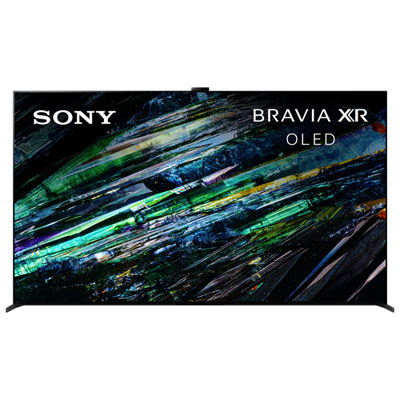
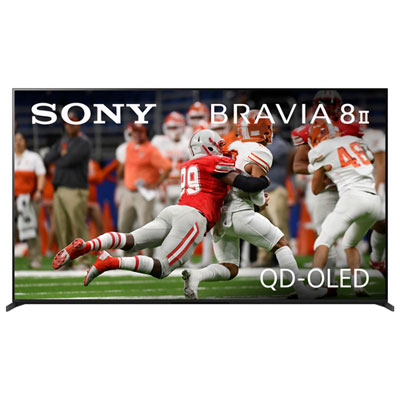

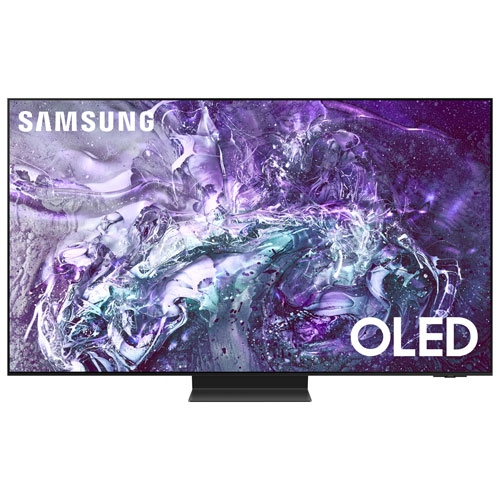



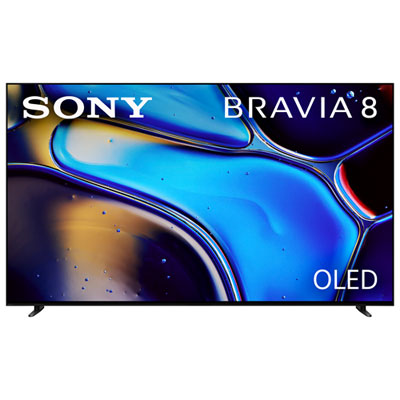

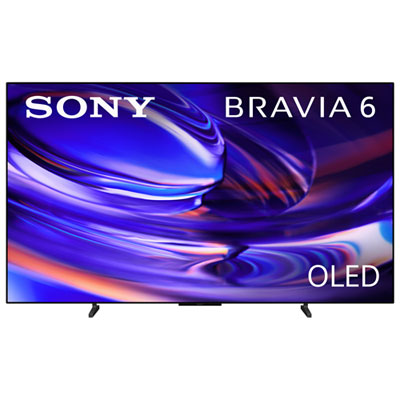


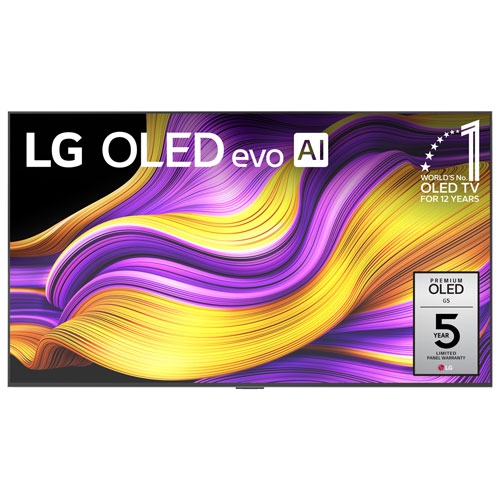

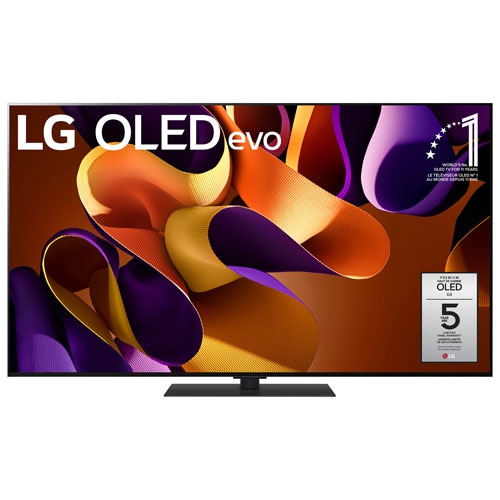
How OLED contrast adds depth to movie nights
OLED TVs for home theatres bring a distinctive kind of depth to films, concerts, and dramatic television: bright details can sit beside truly black areas without a backlight washing across the picture. OLED stands for organic light-emitting diode, a display technology in which each pixel produces its own light and can switch off individually. That pixel-level control creates exceptionally high contrast and avoids the backlight halos that can appear around subtitles, stars, or illuminated signs on conventional backlit screens. In a dark viewing room, a night sky can look convincingly black while small points of light remain sharply defined. The benefit is not simply a darker picture; it is clearer separation between light and shadow, giving faces, fabrics, and landscapes a more dimensional appearance. Shadow detail still depends on the source, picture settings, and the television’s processing, so black levels are only one part of a convincing cinematic image. High dynamic range, or HDR, adds another layer by allowing compatible content to show a wider range of brightness and colour than standard dynamic range video. HDR formats differ between televisions, and support for dynamic metadata can help tailor the presentation to individual scenes or frames. Peak brightness, tone mapping, and colour accuracy all influence how highlights such as sunlight on glass or sparks against darkness appear. Many OLED televisions also include cinema-focused picture modes that reduce unnecessary processing and favour a more faithful presentation. Modes that turn off motion interpolation preserve the familiar movement of film rather than giving it the unusually smooth appearance associated with live video. A 4K panel provides fine detail with suitable source material, while upscaling helps lower-resolution programmes fill the screen; it cannot restore detail that was never captured. For film enthusiasts, households that gather for series finales, and anyone building a dedicated viewing space, these qualities make OLED a strong match for immersive home entertainment.
The fit between an OLED television and the room matters as much as its picture specifications. Screen size works best in relation to seating distance, wall space, and how much of the viewer’s field of vision the image occupies. A large screen can make sweeping landscapes feel expansive, but comfortable viewing also leaves room to follow subtitles and action without repeatedly turning the head. The television’s full width, height, stand footprint, and weight matter when pairing it with furniture, especially when the stand sits near the outer edges of the panel. OLED screens often have a slim profile, although the lower housing may be deeper to accommodate electronics and connections. Wall mounting requires a compatible mounting pattern, suitable load capacity, and secure attachment to the wall structure; space behind the panel remains important for cables and ventilation. In a shared living room, wide viewing angles help people seated across a sofa enjoy relatively consistent contrast and colour, though reflections and off-axis changes still vary by panel and screen finish. A light-controlled room gives OLED’s black levels the clearest opportunity to stand out. In brighter spaces, screen brightness and reflection handling deserve attention, particularly when a window or lamp faces the display. Some panel finishes can make dark areas appear less black under strong ambient light. Sound is another essential part of the home theatre experience. Slim cabinets leave limited room for large speakers, making a soundbar or separate speaker system a useful companion for dialogue, musical weight, and effects that extend beyond the screen. An HDMI connection with enhanced Audio Return Channel, commonly called eARC, can carry supported high-bandwidth audio from the television to compatible sound equipment, although the complete setup determines which formats work. Clear speech during a quiet exchange and a convincing sense of space during a concert depend on speaker placement and room acoustics as well as format support. Conveniently positioned connections also help accommodate a disc player, streaming device, and other entertainment sources without awkward cable routing.
OLED home theatre televisions can also suit households that alternate between films, sports, and console or PC gaming. Their fast pixel response keeps transitions crisp, which is useful for moving objects and responsive play, but it can also make the stepped motion of low-frame-rate films more noticeable during slow camera pans. Motion settings offer different compromises between smoothness and the original film presentation. For gaming, input lag is a separate consideration from pixel response: a low-latency game mode reduces the delay between a controller action and its appearance on screen. Features such as variable refresh rate, automatic low-latency switching, and support for 4K at 120 Hz depend on the television, the connected device, and the capabilities of the HDMI ports and cables. Households planning a screen for both movie nights and interactive entertainment can also explore OLED TVs for Gaming for that use. Everyday convenience matters too, from accessible caption controls and clear menus to compatible streaming apps and reliable wired or Wi-Fi connectivity. Physical care helps protect the display’s thin construction and treated surface. A large panel is best handled by the number of people specified in its setup instructions, supported at the designated points rather than gripped or pressed across the screen. For cleaning, a clean, soft microfibre cloth and the manufacturer’s stated method are appropriate; spraying liquid directly onto the panel or using abrasive cleaners can damage the finish. OLED’s organic light-emitting materials change with use, and repeated, prolonged display of static elements can contribute to uneven wear or permanent image retention, often called burn-in. Varied viewing, sensible brightness settings, and built-in screen protection features help reduce that risk without eliminating it. Automatic panel maintenance routines should be allowed to run as directed. For a household watching a mixture of films, programmes, and games, that combination of thoughtful placement, compatible equipment, and routine care supports a home theatre screen that feels equally at home during a quiet drama or a room-filling action sequence.
Top selling and popular products
-
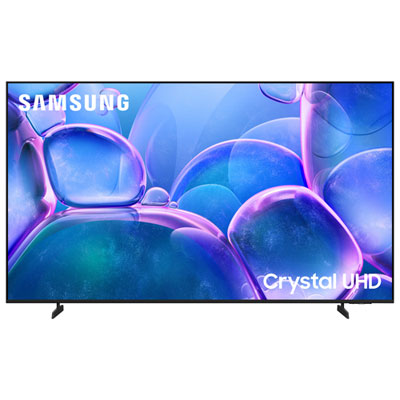 Your price for this item is $1099.99
-
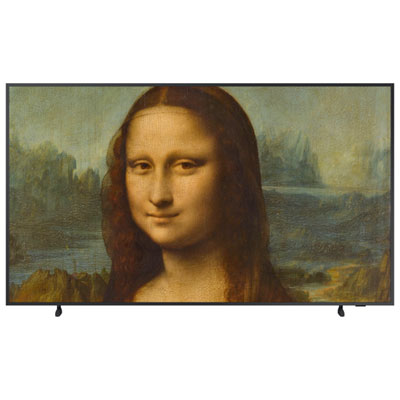 Your price for this item is $1799.97
-
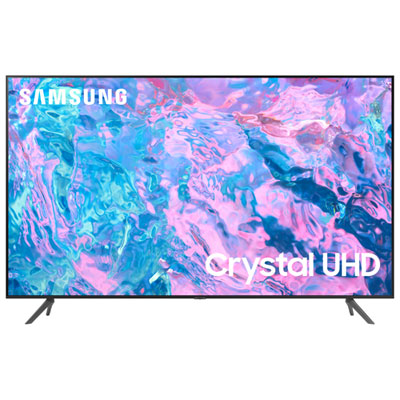 Your price for this item is $1299.97
-
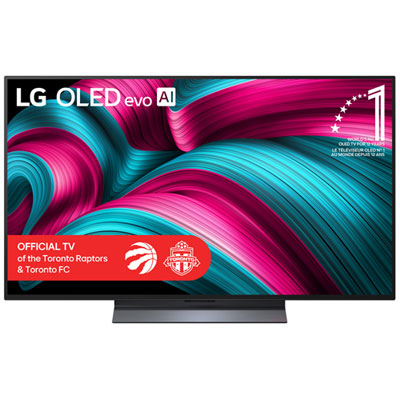 Your price for this item is $3599.99
-
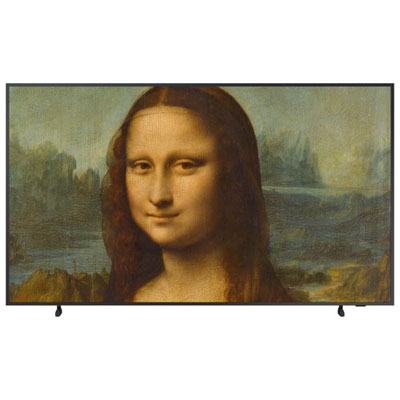 Your price for this item is $1619.97
-
 Your price for this item is $6499.99
-
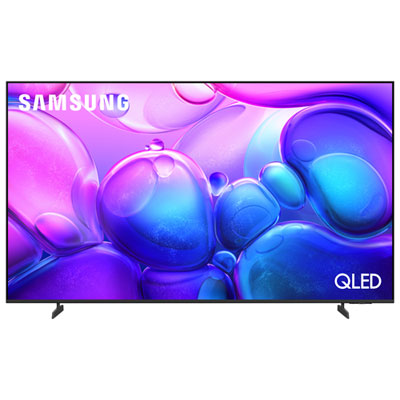 Your price for this item is $1299.99
-
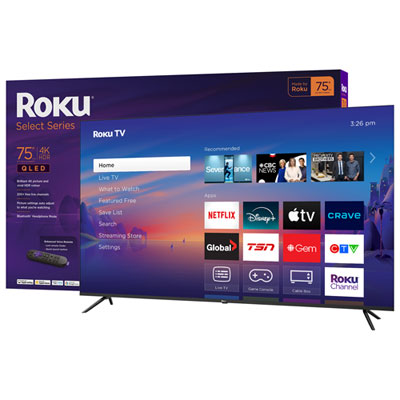 Your price for this item is $729.95
Discover more categories related to OLED TVs for Home Theaters
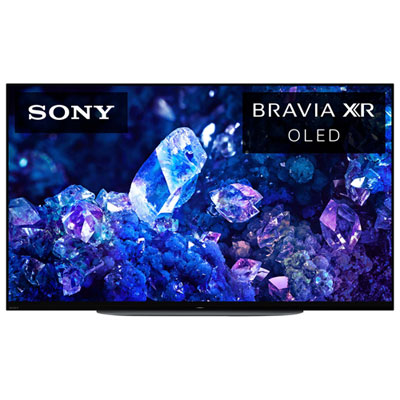

Top Collections:
Pokemon Centers, Kindle Devices, Best Budget Office Chairs, Canon G7X Cameras, Apple iPhones 16, Samsung Galaxy Phones, Refurbished Apple Laptops, Laptops for Students, iPhone 15 Apple, Budget Smartphones
Some products may be subject to Environmental Handling Fees
(EHF) depending on your province.
Learn more about EHFs.