RCA Audio Cable Connectors
RCA Audio Cable Connectors are essential for creating reliable connections between your audio and video devices. Whether you're setting up a home theater system, connecting speakers, or enhancing your sound experience, these connectors offer the compatibility you need for a variety of components. Explore a wide selection of RCA Audio Cable Connectors designed to help you achieve clear, uninterrupted signal transfer for all your entertainment needs. Find the right connectors to complete your setup and enjoy seamless integration with your favorite devices.
Sort

Why a matching plug doesn’t always mean compatible audio
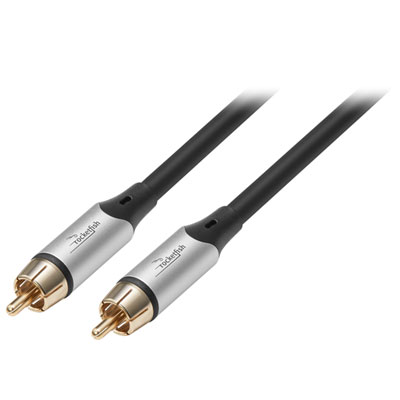
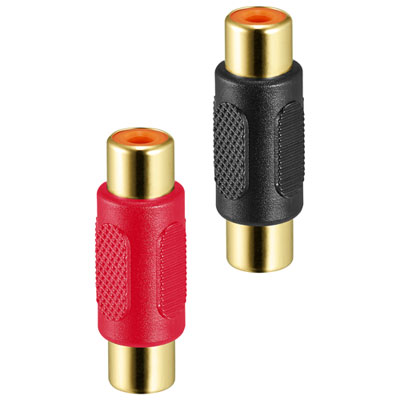
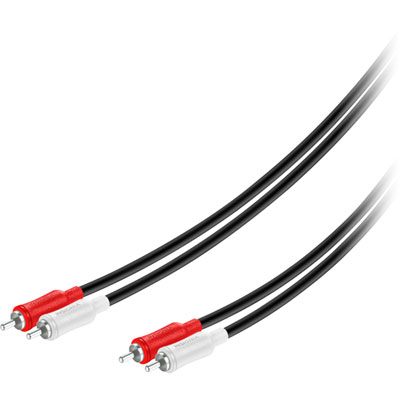
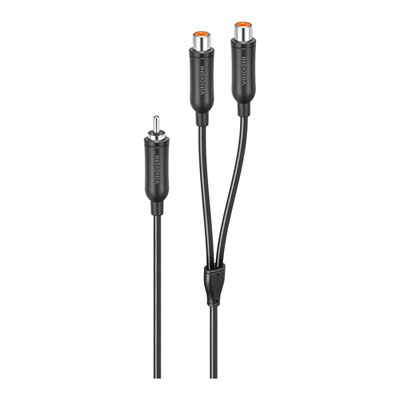
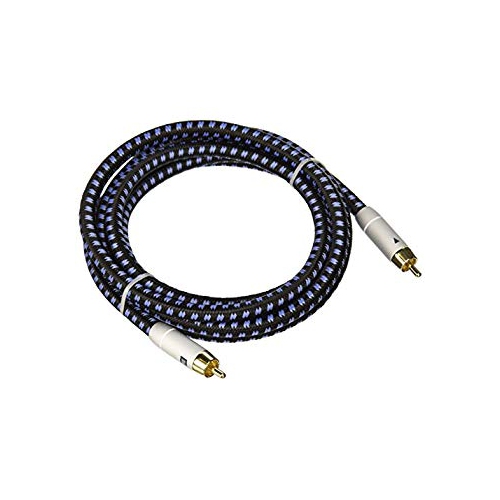
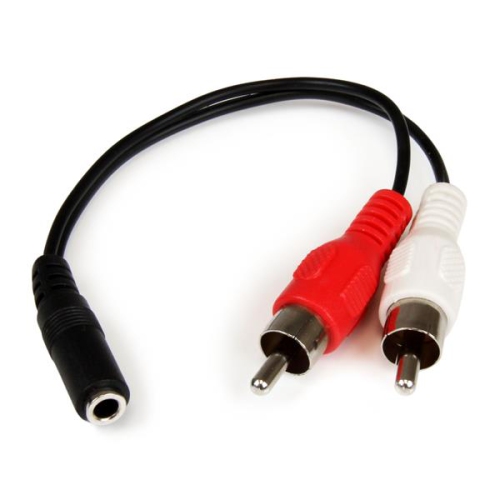
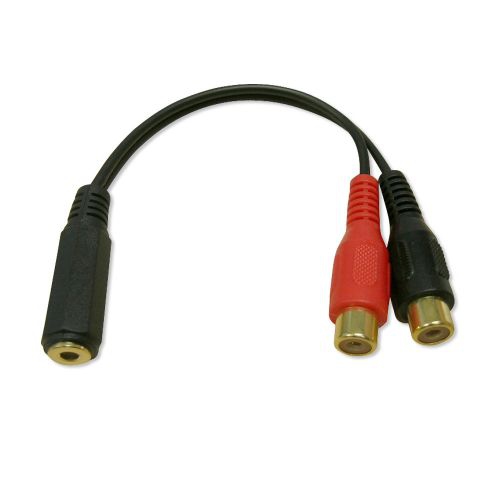
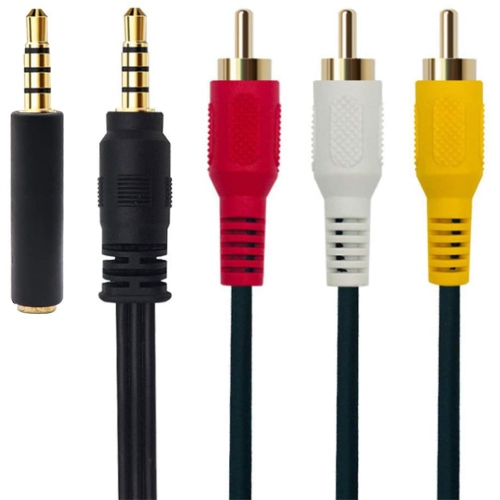
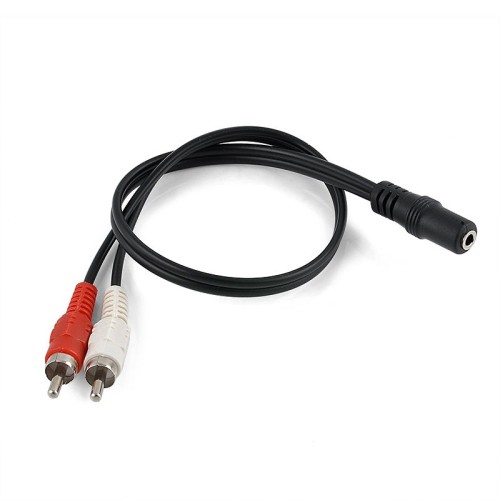
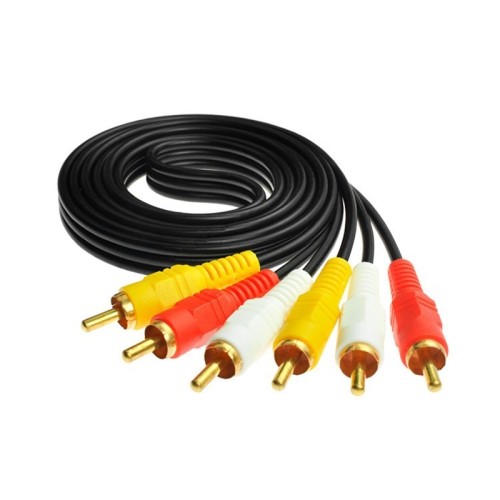
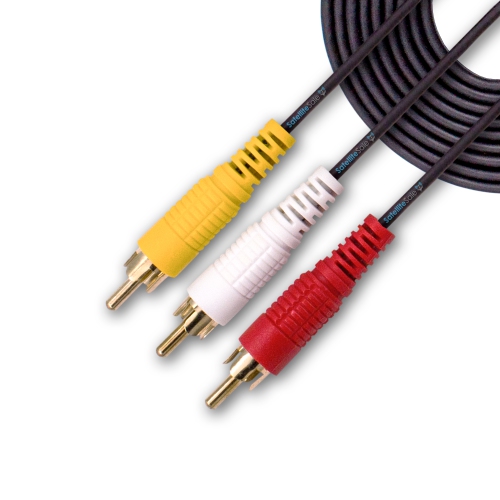
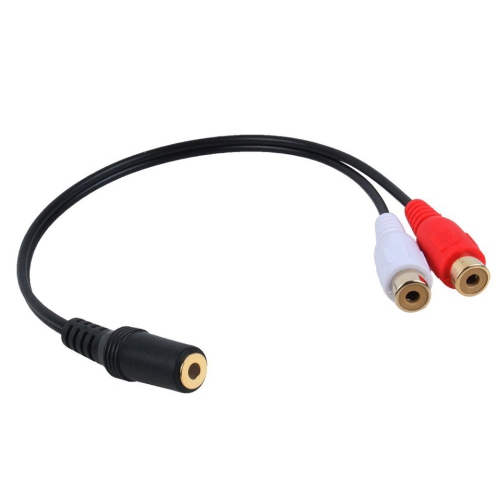
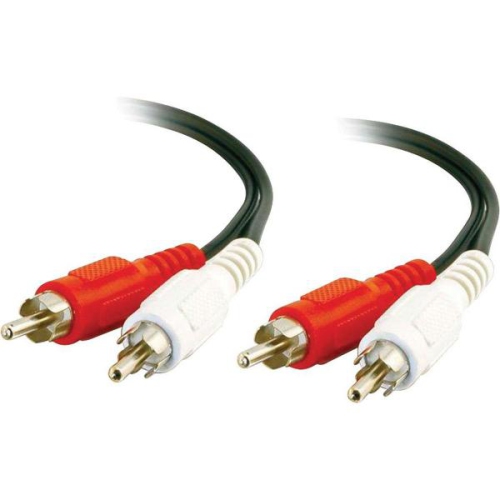
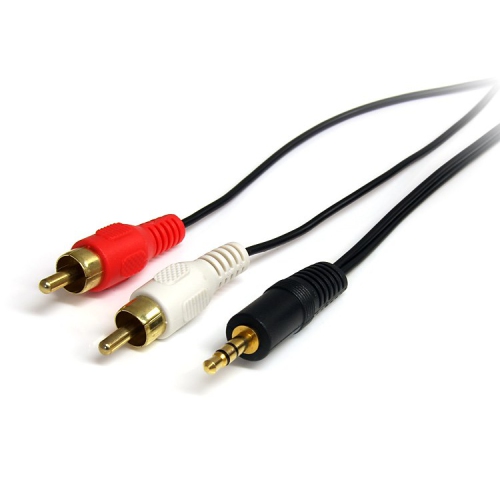
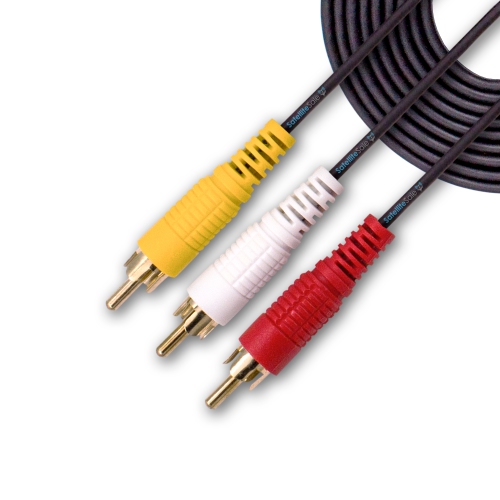
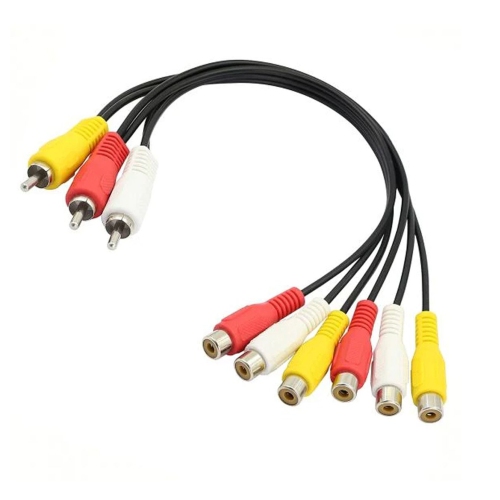
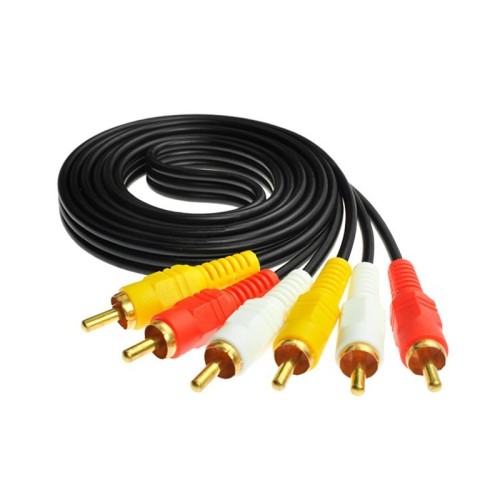
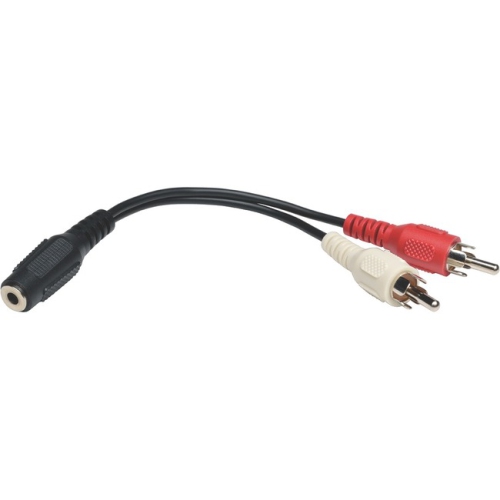
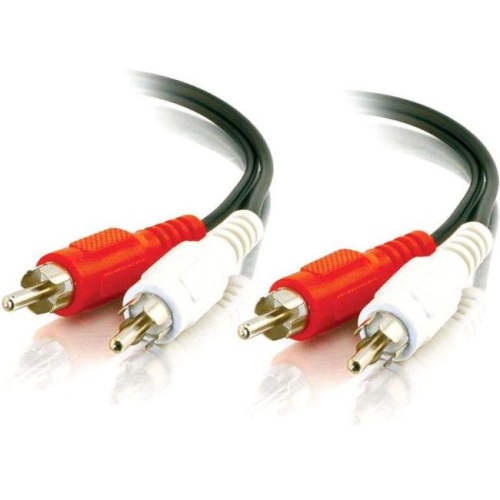
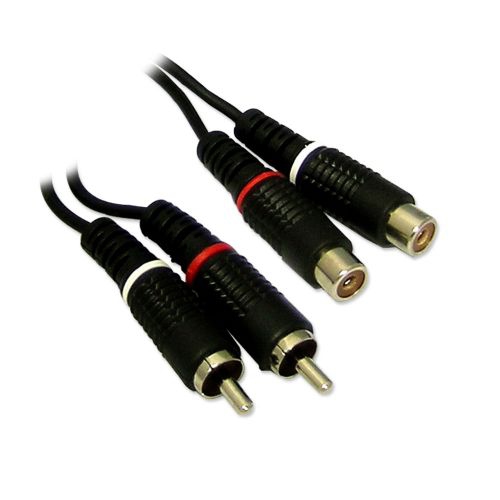
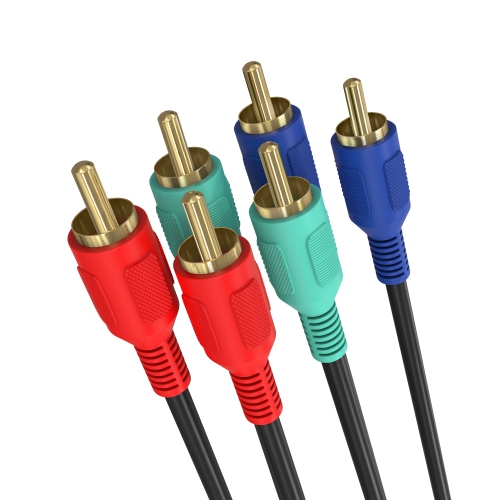
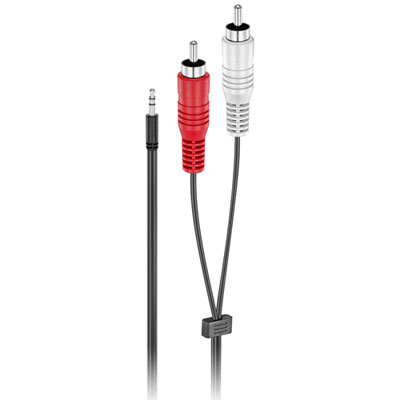
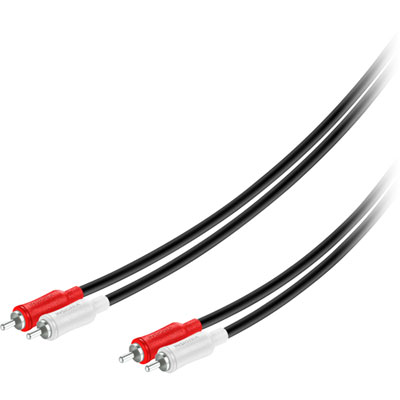
RCA audio cable connectors provide a simple, familiar way to connect compatible audio components, from a music player on a bookshelf to an amplifier in a living room sound system. An RCA connection uses a central contact for the signal and an outer contact for the ground and shield. Male RCA plugs have a central pin surrounded by an outer metal ring, while female RCA jacks have a central opening and an outer contact that accepts the plug. For analogue stereo audio, two connections carry the sound: red identifies the right channel, and white or black identifies the left channel. A yellow RCA connector normally identifies composite video rather than audio. These colours make it easier to match channels, but the labels beside the equipment’s sockets are the best reference for what each connection does. RCA audio cable connectors are available as cable-end plugs, female sockets, couplers and adapters, with each format serving a different purpose. A complete cable connects components directly, a coupler joins compatible cable ends, and an adapter accommodates different connector arrangements when the underlying signals are compatible. That distinction matters when shopping: a connector that physically fits does not necessarily carry the signal your equipment needs. Most familiar red-and-white connections carry analogue, line-level audio, such as the output from a CD player to an amplifier or from a preamp to powered speakers. A single RCA connection may instead carry a subwoofer signal or coaxial digital audio, depending on the socket’s label and the equipment’s specifications. For anyone refreshing an existing stereo, adding a source component or replacing a loose connection, matching the connector type and signal format is more useful than choosing by appearance alone. The appeal is practical: these connections can help keep compatible components working together without replacing a whole system simply because its layout has changed.
Choosing RCA audio cable connectors starts with the sockets on both pieces of equipment and the space available around them. Male-to-male RCA cables suit many direct component connections, while female-to-female couplers can join two male-ended cables when a little extra reach is needed. Right-angle connectors can help behind a shallow cabinet or wall-adjacent component, provided their orientation leaves neighbouring sockets accessible. Straight connectors are often easier to handle where there is room to grip the barrel and pull it out without tugging on the cable. Connector diameter deserves attention too, especially when left and right inputs sit close together: a bulky housing may crowd the adjacent socket even if the connection type is correct. Cable length should allow a relaxed route between components, with enough slack to move a unit for cleaning or access without putting strain on its jacks. Excess length can create an awkward bundle behind the furniture, and unnecessarily long unbalanced analogue cable runs can be more susceptible to interference. Shielding helps limit unwanted noise, while flexible cable jackets and effective strain relief make connections easier to manage in everyday use. Gold-plated contacts can resist corrosion, but plating alone does not establish better sound; secure contact, suitable construction and compatibility matter more. For a coaxial digital audio connection, look for a cable specified for 75-ohm digital use rather than assuming any stereo audio lead is equivalent. For a subwoofer, check the labelled input and the receiver’s output requirements, since many systems use a single RCA cable rather than a stereo pair. Anyone connecting a disc-based music source can browse RCA Cables for CD Players with the same considerations in mind: the correct outputs, the matching amplifier inputs and a comfortable cable route. A well-chosen connection should sit securely without needing force and leave enough room to service the equipment later.
RCA audio connectors are useful for listeners building their first separate-component stereo, households bringing an older audio system back into regular use, and enthusiasts arranging a dedicated music corner. They can also be a thoughtful, practical addition to an audio-related gift when the recipient’s equipment and connection needs are known. The details make the difference: someone placing powered speakers beside a desk may need a compact adapter and a short cable, while someone moving an amplifier to a lower shelf may value extra reach and connectors that are easy to grip. A familiar setup illustrates why those details matter: a favourite album is ready, the cabinet is neatly arranged, but the existing lead falls just short of the new shelf. The right length solves that small frustration without leaving the cable stretched across the back of the unit. During the cooler months, when more evenings might centre on music or films at home, tidy, dependable connections help make shared listening spaces easier to enjoy. Compatibility remains especially important with turntables, passive speakers and devices that lack analogue outputs. A turntable with a phono-level output generally needs a suitable phono preamp before connecting to a line-level input; an RCA adapter alone cannot provide that amplification and equalization. Passive speakers normally need a power amplifier and the speaker connections specified by their manufacturer, rather than a standard line-level RCA connection. Likewise, changing a plug shape does not convert a digital signal to analogue audio. Adapters between RCA and other audio connectors work only when the signal types and wiring arrangements are appropriate. For repair projects, replacement plugs may require soldering or another specified termination method, so ready-made cables are often the simpler choice for everyday connections. Clear channel markings, sturdy housings and accessible grips can be particularly helpful for systems that are rearranged frequently. With the appropriate connector format and cable specification, RCA connections offer a straightforward way to bring compatible sources, amplifiers and speakers together, whether the aim is quiet background music, focused listening or a more satisfying film night.
Choosing RCA audio cable connectors starts with the sockets on both pieces of equipment and the space available around them. Male-to-male RCA cables suit many direct component connections, while female-to-female couplers can join two male-ended cables when a little extra reach is needed. Right-angle connectors can help behind a shallow cabinet or wall-adjacent component, provided their orientation leaves neighbouring sockets accessible. Straight connectors are often easier to handle where there is room to grip the barrel and pull it out without tugging on the cable. Connector diameter deserves attention too, especially when left and right inputs sit close together: a bulky housing may crowd the adjacent socket even if the connection type is correct. Cable length should allow a relaxed route between components, with enough slack to move a unit for cleaning or access without putting strain on its jacks. Excess length can create an awkward bundle behind the furniture, and unnecessarily long unbalanced analogue cable runs can be more susceptible to interference. Shielding helps limit unwanted noise, while flexible cable jackets and effective strain relief make connections easier to manage in everyday use. Gold-plated contacts can resist corrosion, but plating alone does not establish better sound; secure contact, suitable construction and compatibility matter more. For a coaxial digital audio connection, look for a cable specified for 75-ohm digital use rather than assuming any stereo audio lead is equivalent. For a subwoofer, check the labelled input and the receiver’s output requirements, since many systems use a single RCA cable rather than a stereo pair. Anyone connecting a disc-based music source can browse RCA Cables for CD Players with the same considerations in mind: the correct outputs, the matching amplifier inputs and a comfortable cable route. A well-chosen connection should sit securely without needing force and leave enough room to service the equipment later.
RCA audio connectors are useful for listeners building their first separate-component stereo, households bringing an older audio system back into regular use, and enthusiasts arranging a dedicated music corner. They can also be a thoughtful, practical addition to an audio-related gift when the recipient’s equipment and connection needs are known. The details make the difference: someone placing powered speakers beside a desk may need a compact adapter and a short cable, while someone moving an amplifier to a lower shelf may value extra reach and connectors that are easy to grip. A familiar setup illustrates why those details matter: a favourite album is ready, the cabinet is neatly arranged, but the existing lead falls just short of the new shelf. The right length solves that small frustration without leaving the cable stretched across the back of the unit. During the cooler months, when more evenings might centre on music or films at home, tidy, dependable connections help make shared listening spaces easier to enjoy. Compatibility remains especially important with turntables, passive speakers and devices that lack analogue outputs. A turntable with a phono-level output generally needs a suitable phono preamp before connecting to a line-level input; an RCA adapter alone cannot provide that amplification and equalization. Passive speakers normally need a power amplifier and the speaker connections specified by their manufacturer, rather than a standard line-level RCA connection. Likewise, changing a plug shape does not convert a digital signal to analogue audio. Adapters between RCA and other audio connectors work only when the signal types and wiring arrangements are appropriate. For repair projects, replacement plugs may require soldering or another specified termination method, so ready-made cables are often the simpler choice for everyday connections. Clear channel markings, sturdy housings and accessible grips can be particularly helpful for systems that are rearranged frequently. With the appropriate connector format and cable specification, RCA connections offer a straightforward way to bring compatible sources, amplifiers and speakers together, whether the aim is quiet background music, focused listening or a more satisfying film night.
Top selling and popular products
-
 Your price for this item is $19.99
 -
 Your price for this item is $26.99
 -
 Your price for this item is $14.99
 -
 Your price for this item is $14.99
 -
 Your price for this item is $19.99
 -
 Your price for this item is $19.99
 -
 Your price for this item is $9.99
 -
 Your price for this item is $17.5
Discover more categories related to RCA Audio Cable Connectors
Top Collections:
Pokemon Centers, Kindle Devices, Best Budget Office Chairs, Apple iPhones 16, Best Laptops for Writers, iPhone 15 Apple, Canon G7X Cameras, Refurbished Apple Laptops, Alarm Clock, Motorola Razr Phones
Some products may be subject to Environmental Handling Fees
(EHF) depending on your province.
Learn more about EHFs.