Record Storage Furniture
Organize and showcase your vinyl collection with this wide selection of record storage furniture. Whether you're a passionate collector or a casual listener, this range of stylish and functional options will help you keep your records safe and easily accessible. From sleek modern designs to vintage-inspired pieces, we have the perfect storage solution to complement almost any decor style.
Sort
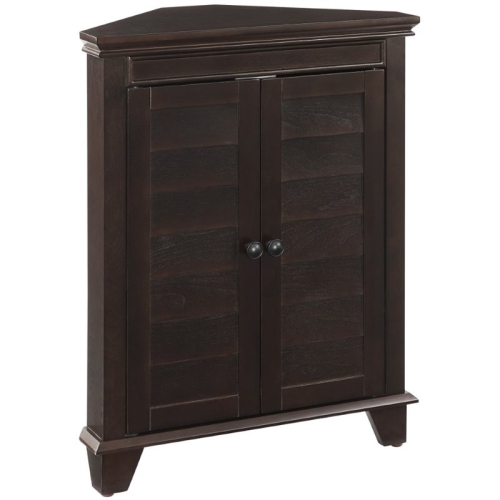
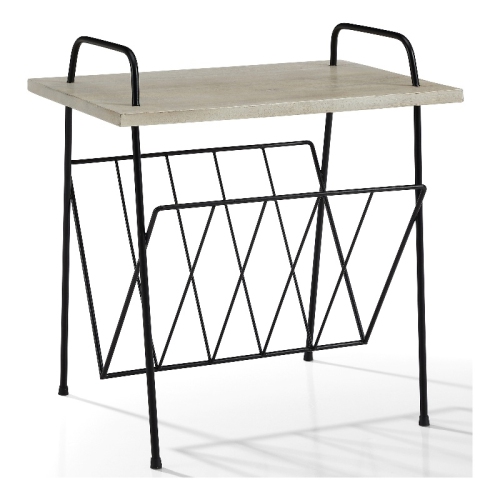
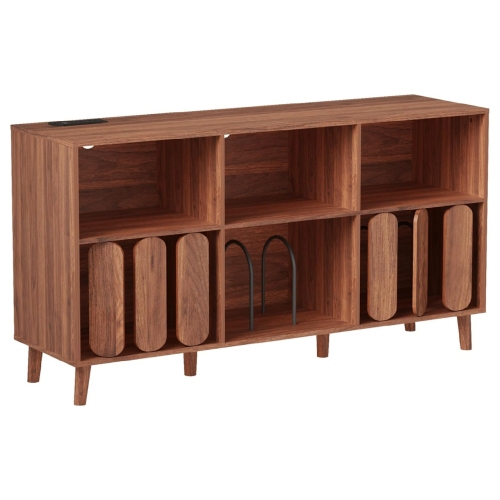
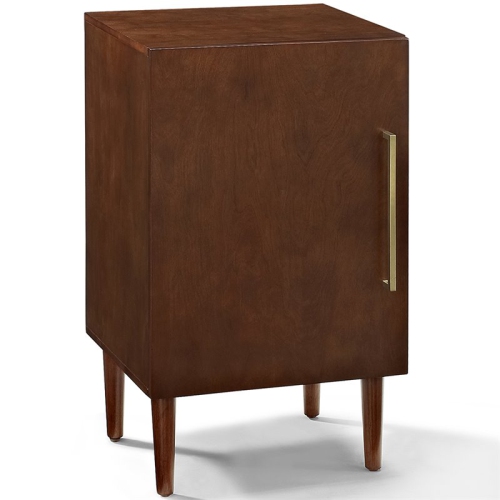
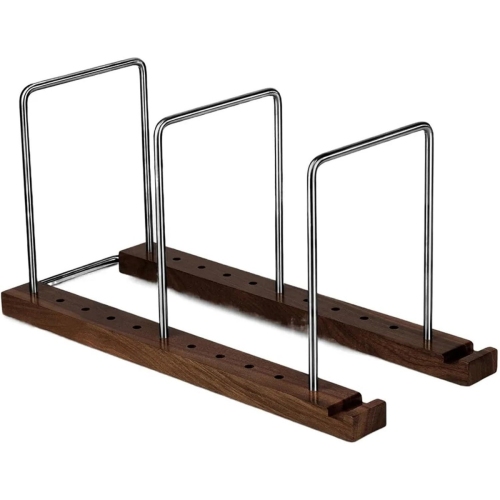
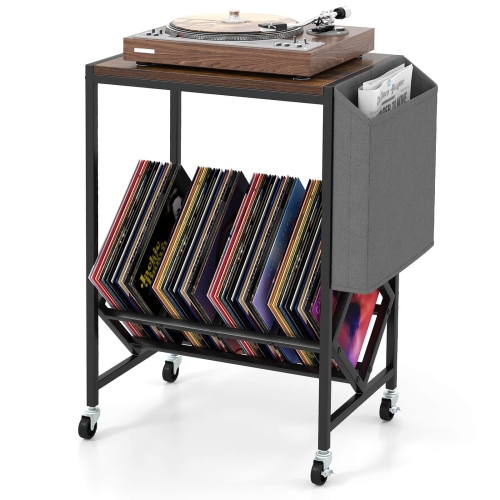
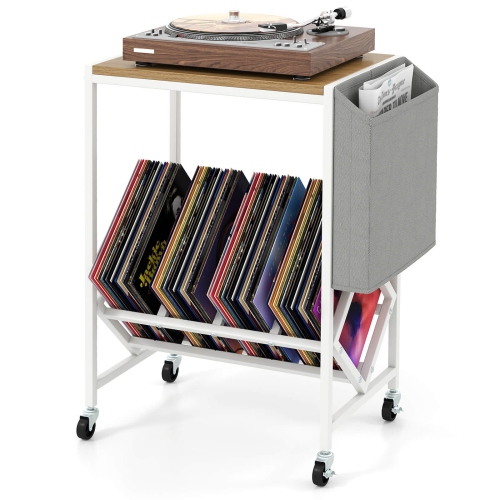
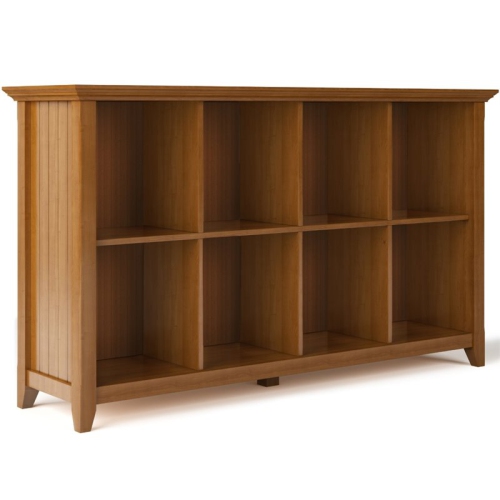

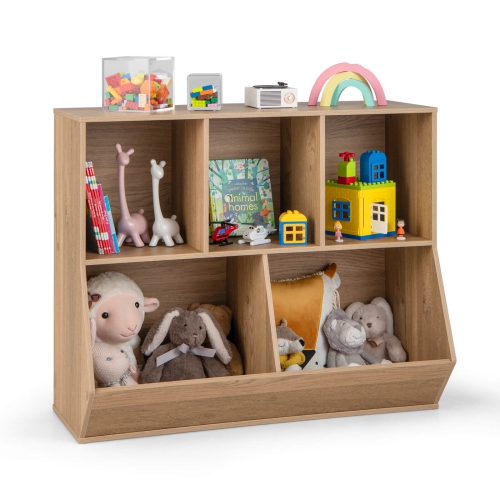
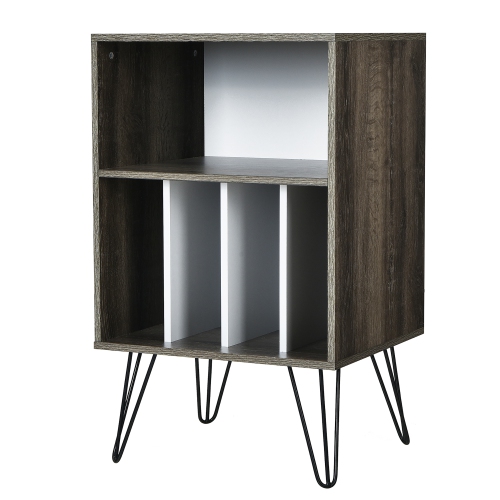
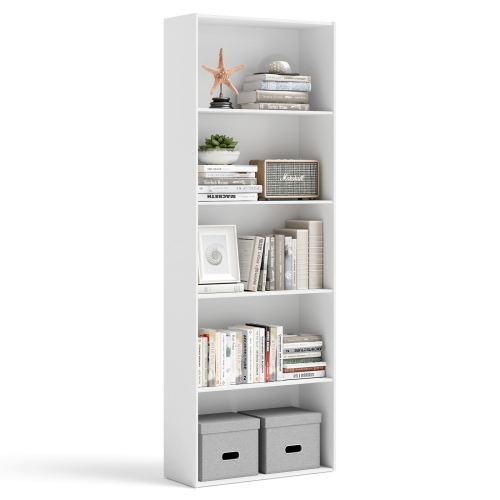
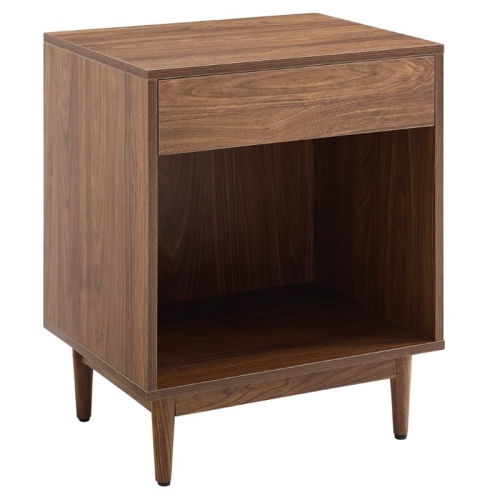
Why your vinyl collection needs more than shelf space
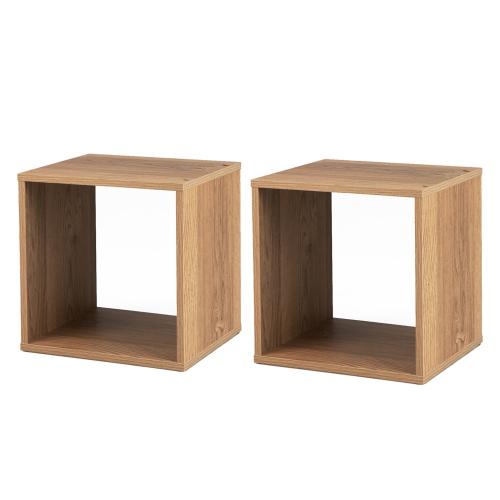
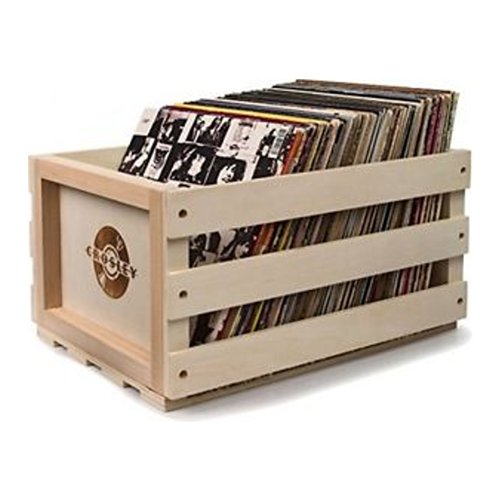
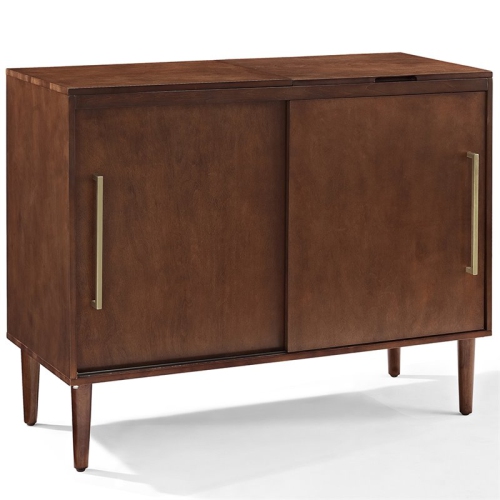
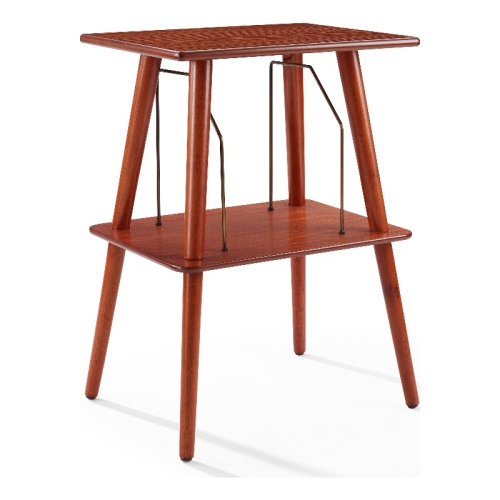
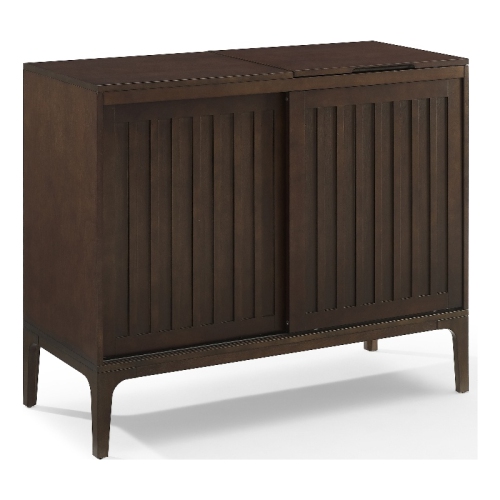
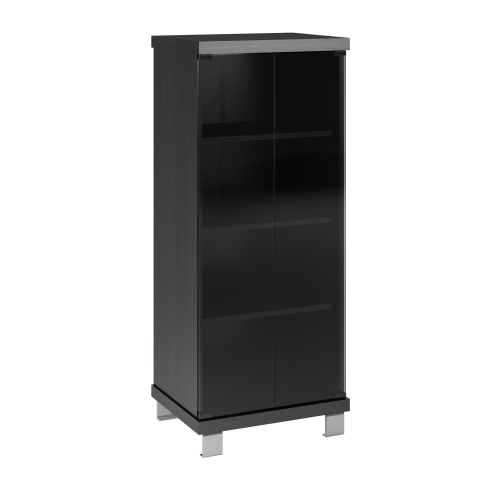
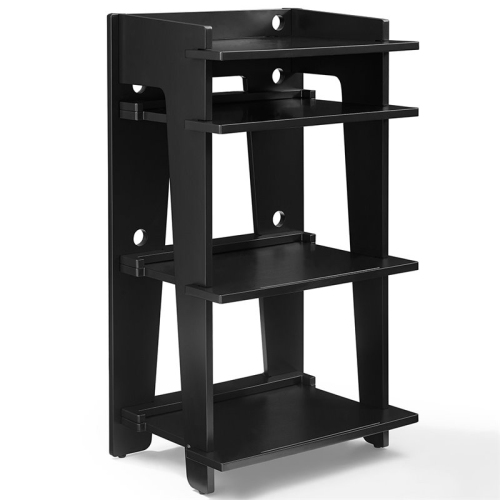
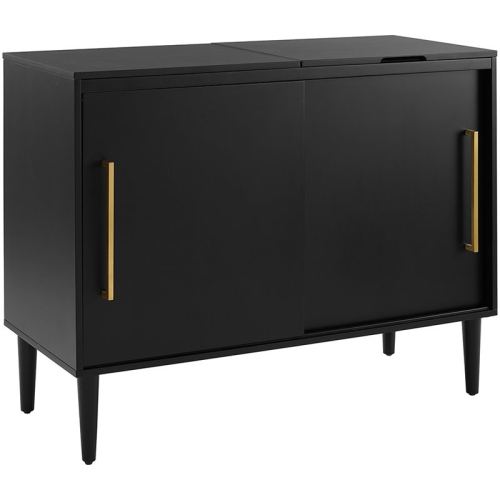
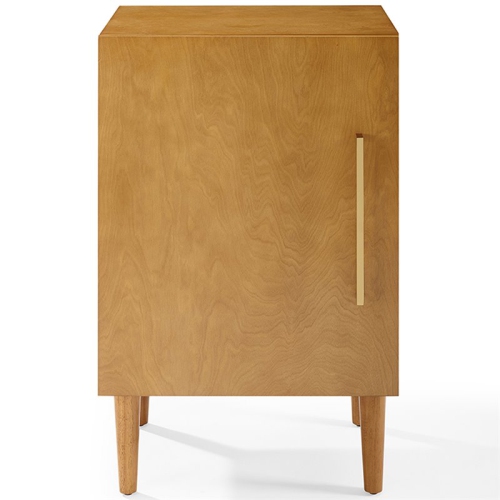
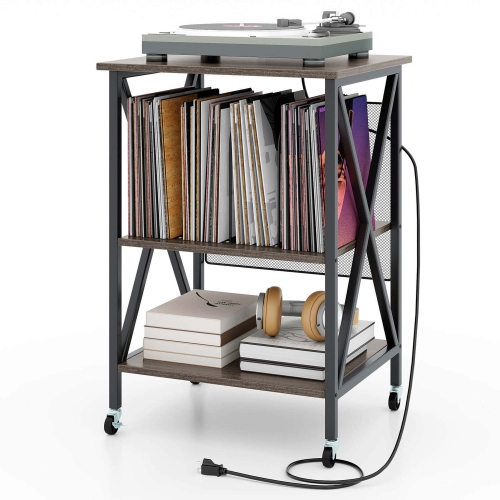
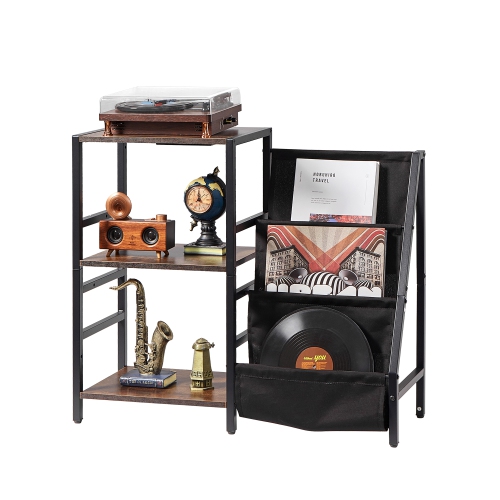
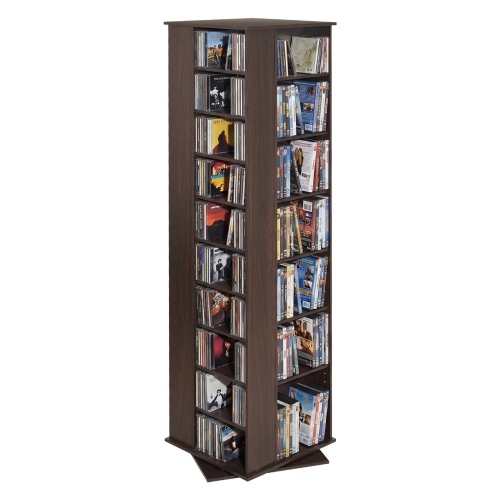
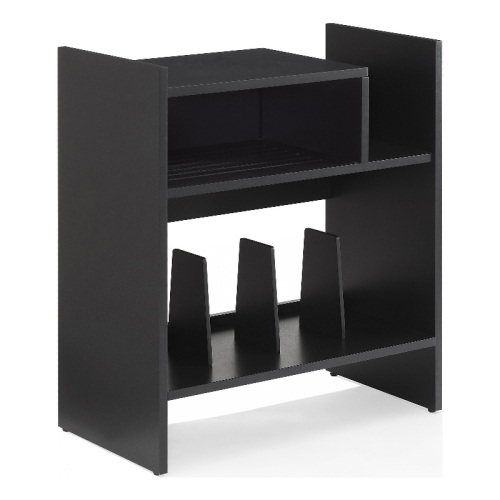
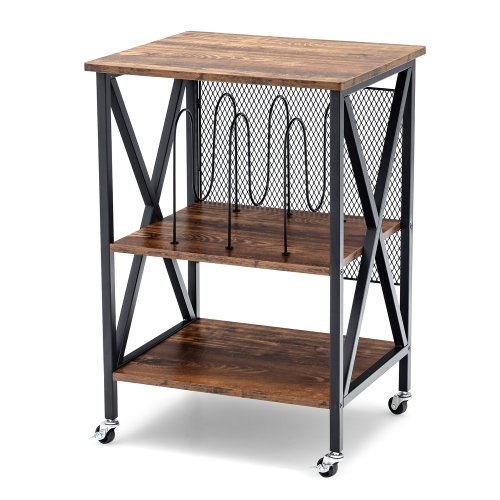
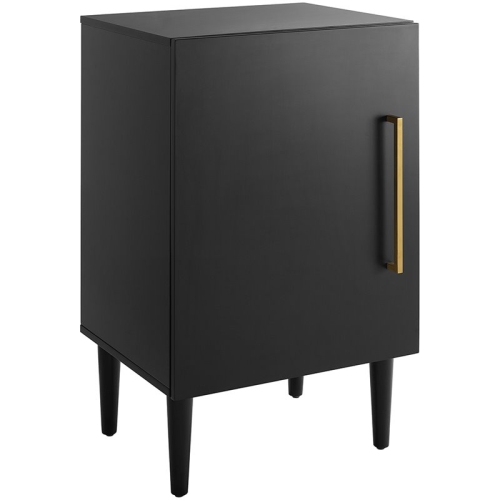
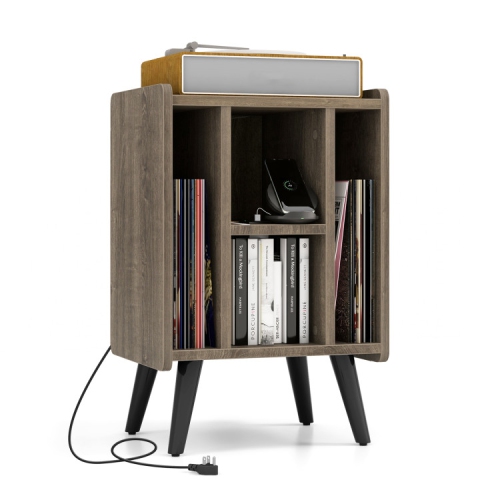
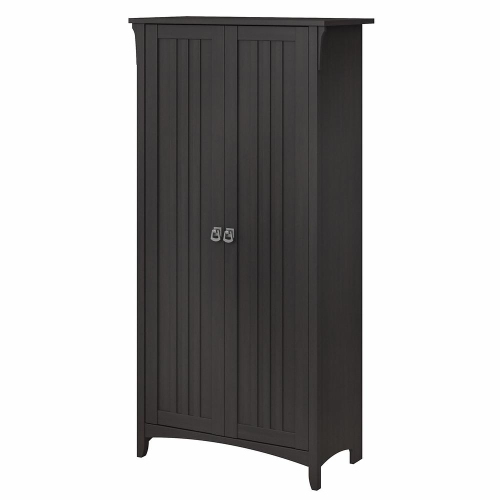
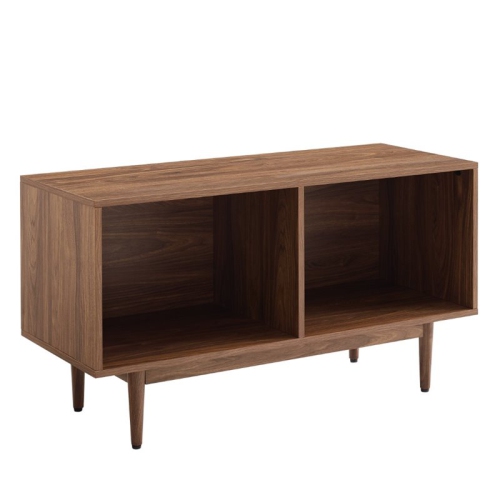
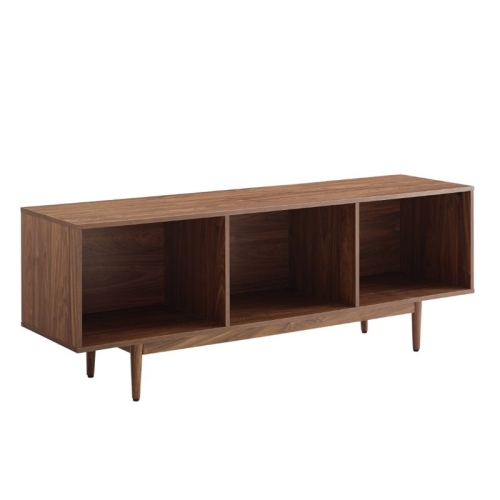
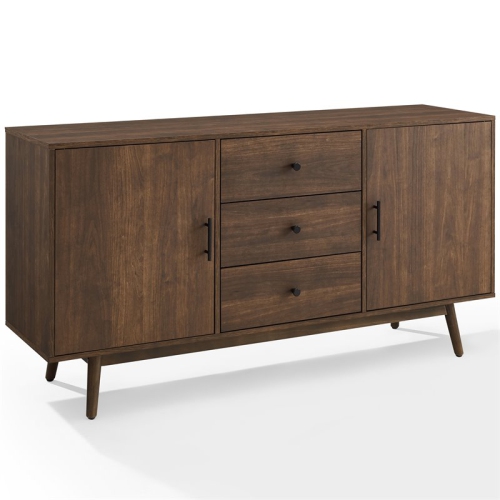
Record storage furniture gives vinyl albums a dedicated home while keeping a listening area organized and easy to use. The category includes record cabinets, media consoles, credenzas, cube shelving, and turntable stands, with layouts ranging from compact units for a small collection to wider cabinets that bring records and audio equipment together. Unlike a general-purpose bookcase, furniture intended for vinyl needs compartments with enough height and depth for album sleeves, along with shelves that can support the weight of closely packed records. A standard 12-inch LP jacket is slightly larger than the record itself, and protective outer sleeves or boxed sets can require additional clearance. Internal compartment dimensions are therefore more useful than the overall cabinet measurements when judging fit. Records are best stored upright, with enough support to prevent leaning and enough room to slide an album out without scraping its jacket against neighbouring sleeves. Open cubbies make spines easy to scan, while forward-facing bins allow browsing by cover art, much like flipping through a record shop display. Cabinets with doors offer a quieter visual appearance and help limit dust on the collection, although room is needed for the doors to open comfortably. A low console can anchor a living room listening setup; a narrow stand may suit a bedroom corner or apartment where floor space is limited. Someone with a handful of favourite albums may appreciate a single unit that holds both a turntable and records, while a long-time collector may need separate sections for everyday listening, boxed sets, and new additions. The most useful arrangement reflects how the collection is handled: frequently played albums within easy reach, heavier sets on suitably rated lower shelves, and a clear surface for changing records without balancing sleeves on nearby seating.
Materials and construction influence how record storage furniture looks, feels, and holds up under regular use. Solid wood brings natural grain and can develop character over time, while wood veneer offers a real-wood surface over a supporting core. Engineered wood can provide a smooth, consistent finish, and metal frames can create a lighter visual profile without relying on bulky side panels. None of these materials alone guarantees strength; shelf thickness, joint quality, supports, and the stated load limits all matter when storing a dense vinyl collection. A long shelf filled edge to edge carries a substantial load, so dividers and shorter spans can be useful structural features. Published record capacities are approximate because thin single sleeves, gatefold jackets, and multi-record sets occupy different amounts of space. Leaving some breathing room makes browsing easier and allows the collection to grow without forcing albums into tight gaps. For a turntable stand, the top must accommodate the full footprint of the equipment, including its feet, plugs, and any rear cable connections. A hinged dust cover also needs clearance behind and above the unit when raised. Amplifiers and receivers need the ventilation space specified by their manufacturers, which can make an open-backed compartment more suitable than a tightly enclosed cabinet. Cable openings help route power and audio leads neatly, but their placement should match the layout of the equipment rather than require sharp bends or stretched connections. Adjustable feet can help level a stand on an uneven floor, and secure shelf fittings reduce unwanted movement when records are removed. Speakers are generally better placed on separate supports where practical, since vibrations travelling through a shared surface can affect playback. For households that want vinyl storage to sit alongside other belongings, furniture storage cabinets can complement a dedicated record unit with space for accessories, provided any compartment used for albums has suitable dimensions and weight ratings. A balanced setup gives equipment room to function properly while keeping the records themselves easy to reach.
The right layout also depends on the room around the furniture and the small routines that make listening enjoyable. Measuring the intended spot should include nearby skirting boards, wall outlets, door swings, and walking routes, not just an empty stretch of wall. A deep cabinet can look proportionate in a large room but intrude into a narrow passage, while a shallow unit may leave album jackets projecting beyond the shelf edge. Taller storage makes use of vertical space, though upper compartments can be less convenient for heavy boxed sets or albums played every day. Furniture should be assembled with all specified supports and secured according to its instructions, including wall anchoring where required, particularly in homes with children or pets. Finish and detailing help the unit feel at home with existing furniture: wood grain can soften a room filled with audio equipment, dark finishes can blend with components, and a lighter colour can keep a compact corner from feeling crowded. Doors conceal a varied collection of sleeve colours, while open shelving makes those colours part of the room. Care is usually straightforward but should follow the finish manufacturer's directions. A soft cloth removes surface dust, spills should be wiped up promptly, and abrasive cleaners can damage veneers, coatings, or painted surfaces. Records and jackets benefit from a dry location away from direct sunlight and sources of heat, and a stable shelf helps prevent sleeves from slipping or bending. Keeping a small compartment for a record brush, cleaning cloths, replacement sleeves, and other listening accessories reduces clutter on the turntable surface. A clear section beside the player is useful for resting the sleeve of the album being played. For a music enthusiast receiving record storage furniture as a gift, knowing the approximate collection size, equipment dimensions, and room layout matters more than guessing a preferred style alone. Whether it supports a first turntable setup or a collection built over many years, well-fitted storage makes it easier to browse, play, and put away records while giving them a lasting place in the home.
Materials and construction influence how record storage furniture looks, feels, and holds up under regular use. Solid wood brings natural grain and can develop character over time, while wood veneer offers a real-wood surface over a supporting core. Engineered wood can provide a smooth, consistent finish, and metal frames can create a lighter visual profile without relying on bulky side panels. None of these materials alone guarantees strength; shelf thickness, joint quality, supports, and the stated load limits all matter when storing a dense vinyl collection. A long shelf filled edge to edge carries a substantial load, so dividers and shorter spans can be useful structural features. Published record capacities are approximate because thin single sleeves, gatefold jackets, and multi-record sets occupy different amounts of space. Leaving some breathing room makes browsing easier and allows the collection to grow without forcing albums into tight gaps. For a turntable stand, the top must accommodate the full footprint of the equipment, including its feet, plugs, and any rear cable connections. A hinged dust cover also needs clearance behind and above the unit when raised. Amplifiers and receivers need the ventilation space specified by their manufacturers, which can make an open-backed compartment more suitable than a tightly enclosed cabinet. Cable openings help route power and audio leads neatly, but their placement should match the layout of the equipment rather than require sharp bends or stretched connections. Adjustable feet can help level a stand on an uneven floor, and secure shelf fittings reduce unwanted movement when records are removed. Speakers are generally better placed on separate supports where practical, since vibrations travelling through a shared surface can affect playback. For households that want vinyl storage to sit alongside other belongings, furniture storage cabinets can complement a dedicated record unit with space for accessories, provided any compartment used for albums has suitable dimensions and weight ratings. A balanced setup gives equipment room to function properly while keeping the records themselves easy to reach.
The right layout also depends on the room around the furniture and the small routines that make listening enjoyable. Measuring the intended spot should include nearby skirting boards, wall outlets, door swings, and walking routes, not just an empty stretch of wall. A deep cabinet can look proportionate in a large room but intrude into a narrow passage, while a shallow unit may leave album jackets projecting beyond the shelf edge. Taller storage makes use of vertical space, though upper compartments can be less convenient for heavy boxed sets or albums played every day. Furniture should be assembled with all specified supports and secured according to its instructions, including wall anchoring where required, particularly in homes with children or pets. Finish and detailing help the unit feel at home with existing furniture: wood grain can soften a room filled with audio equipment, dark finishes can blend with components, and a lighter colour can keep a compact corner from feeling crowded. Doors conceal a varied collection of sleeve colours, while open shelving makes those colours part of the room. Care is usually straightforward but should follow the finish manufacturer's directions. A soft cloth removes surface dust, spills should be wiped up promptly, and abrasive cleaners can damage veneers, coatings, or painted surfaces. Records and jackets benefit from a dry location away from direct sunlight and sources of heat, and a stable shelf helps prevent sleeves from slipping or bending. Keeping a small compartment for a record brush, cleaning cloths, replacement sleeves, and other listening accessories reduces clutter on the turntable surface. A clear section beside the player is useful for resting the sleeve of the album being played. For a music enthusiast receiving record storage furniture as a gift, knowing the approximate collection size, equipment dimensions, and room layout matters more than guessing a preferred style alone. Whether it supports a first turntable setup or a collection built over many years, well-fitted storage makes it easier to browse, play, and put away records while giving them a lasting place in the home.
Top selling and popular products
-
 Your price for this item is $26.68
 -
 Your price for this item is $81.06
 -
 Your price for this item is $158.29
 -
 Your price for this item is $346.11
 -
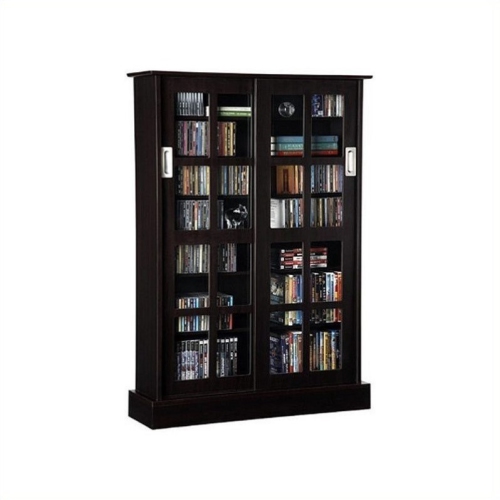 Your price for this item is $478.86
 -
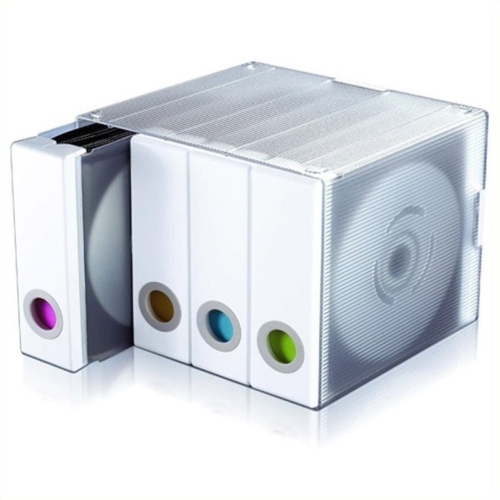 Your price for this item is $115.51
 -
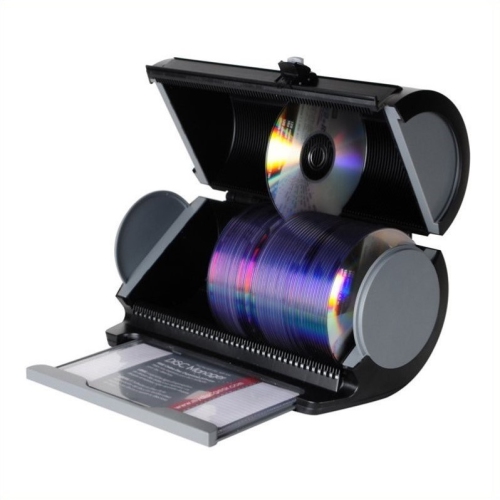 Your price for this item is $118.36
 -
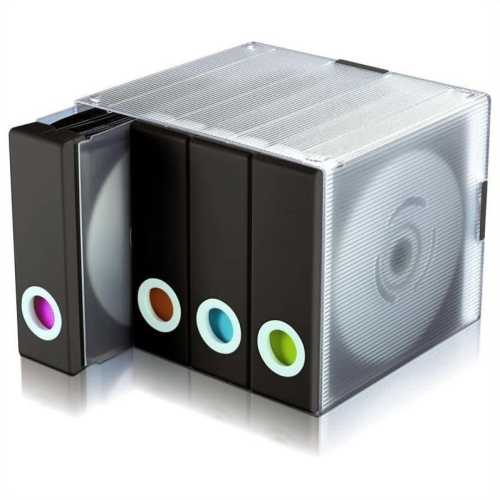 Your price for this item is $116.49
Discover more categories related to Record Storage Furniture
Top Collections:
Pokemon Centers, Kindle Devices, Best Budget Office Chairs, Apple iPhones 16, Best Laptops for Writers, iPhone 15 Apple, Canon G7X Cameras, Refurbished Apple Laptops, Alarm Clock, Motorola Razr Phones
Some products may be subject to Environmental Handling Fees
(EHF) depending on your province.
Learn more about EHFs.