Speaker Connectors
Elevate your audio setup with our selection of speaker connectors designed to enhance your sound system. Whether you're a music enthusiast, home theater buff, or avid gamer, having the right speaker connectors can make all the difference in achieving optimal sound quality and seamless connectivity. Explore our range of high-quality connectors that deliver crisp, clear audio transmission for a truly immersive listening experience.
Sort
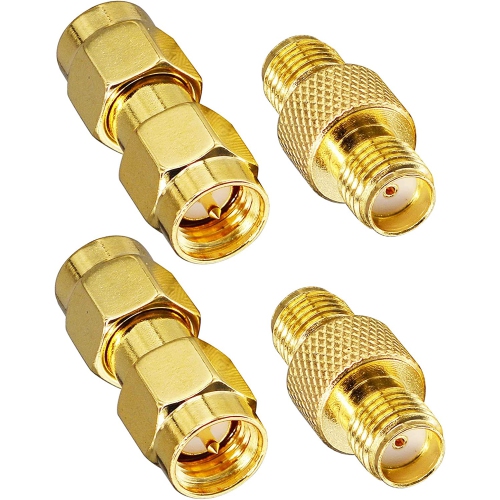
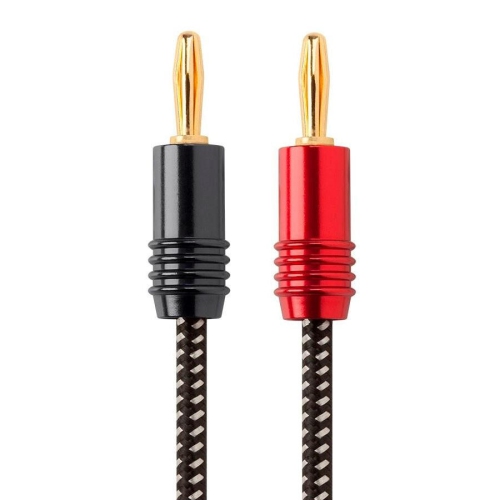
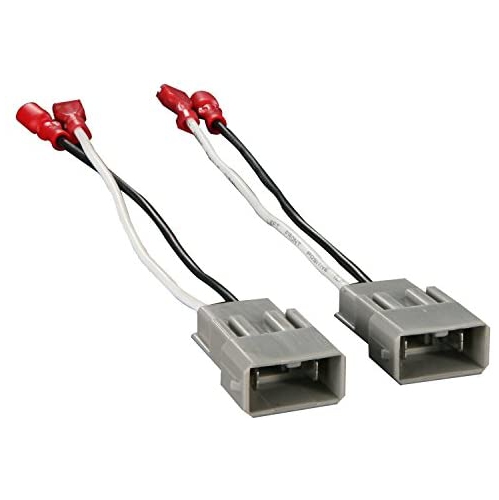
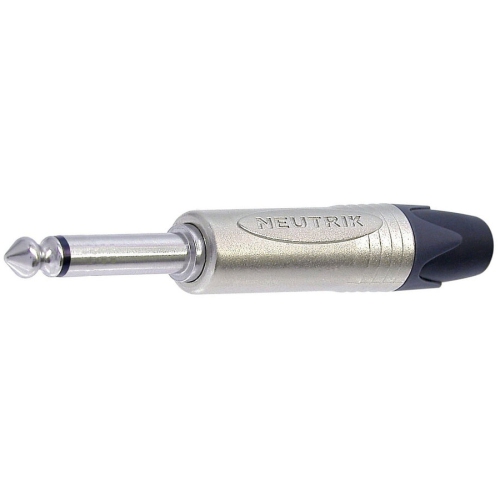
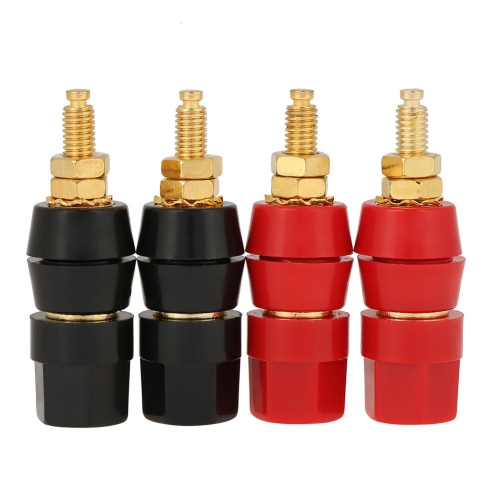
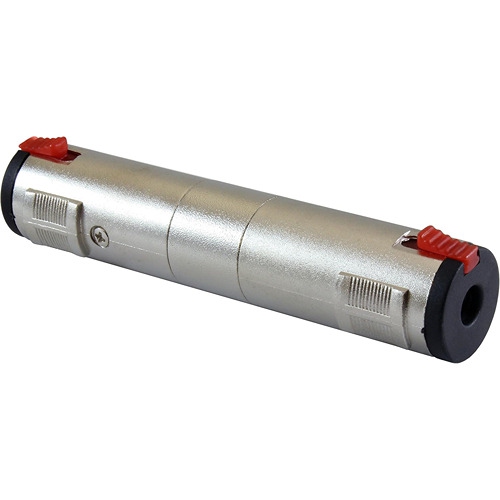
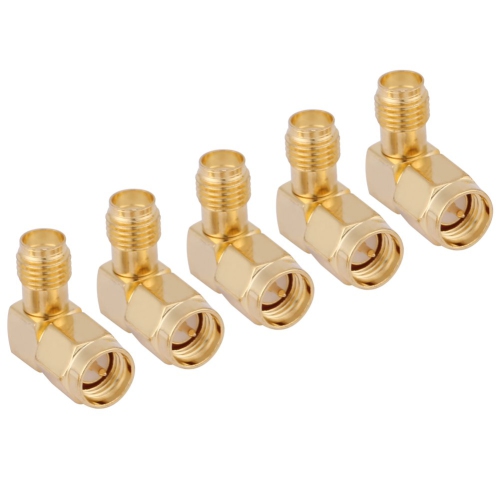
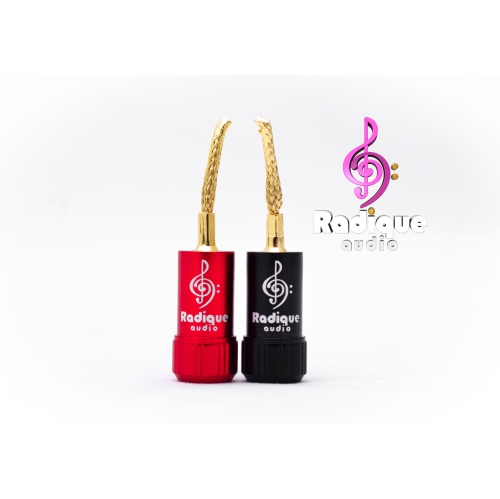
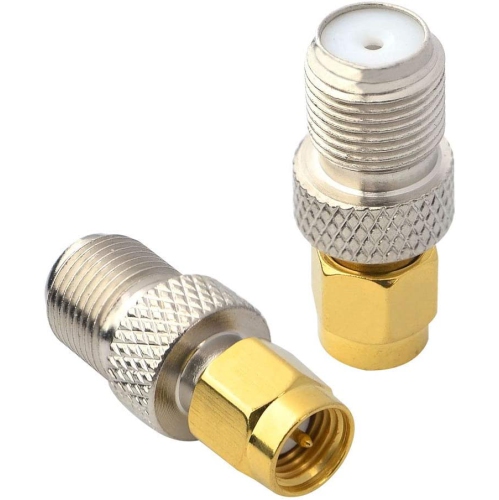
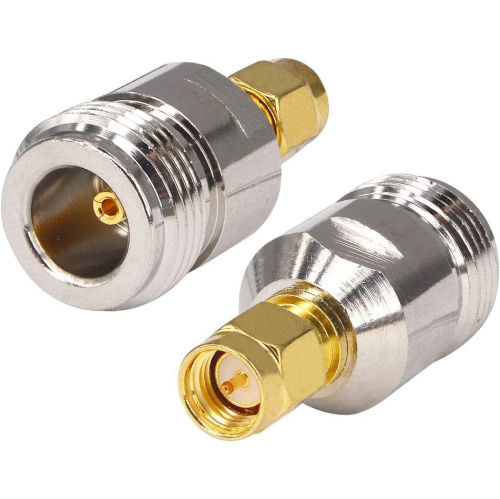
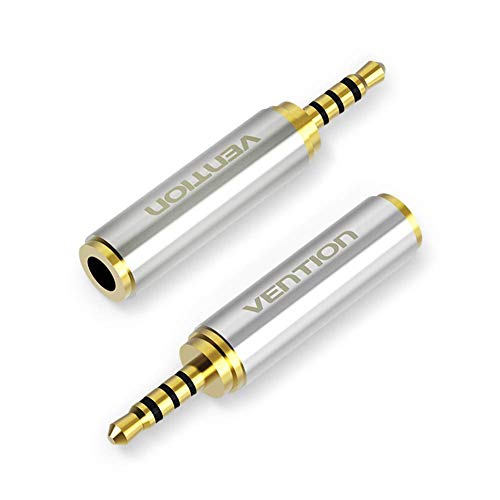
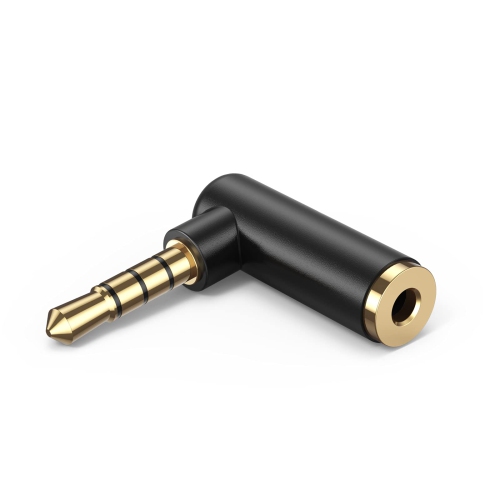
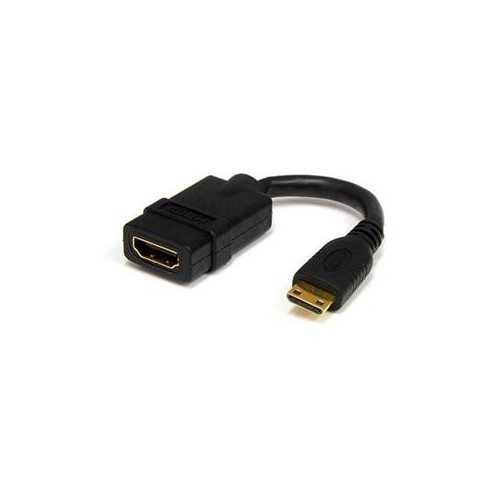
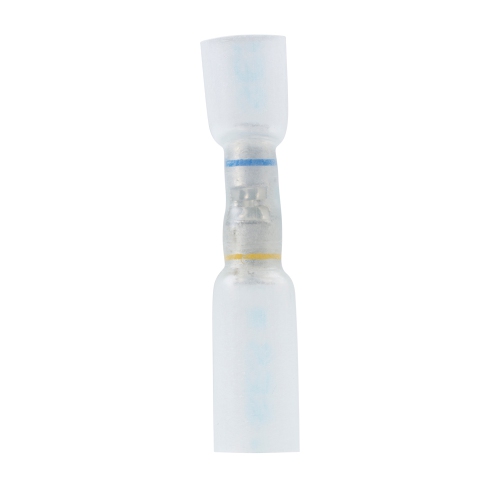
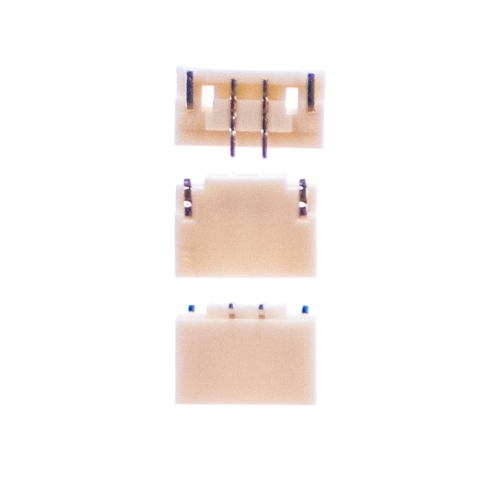
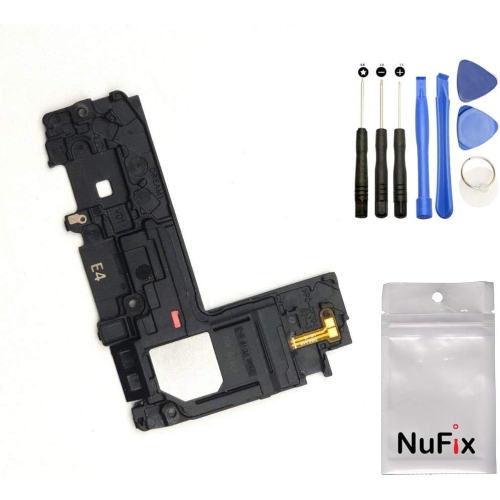
Connector styles and terminal types for secure audio setups
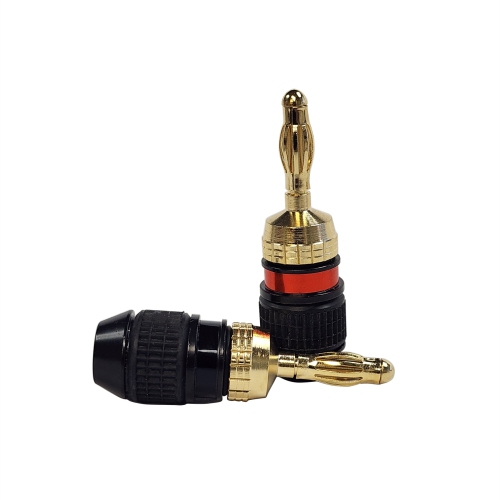
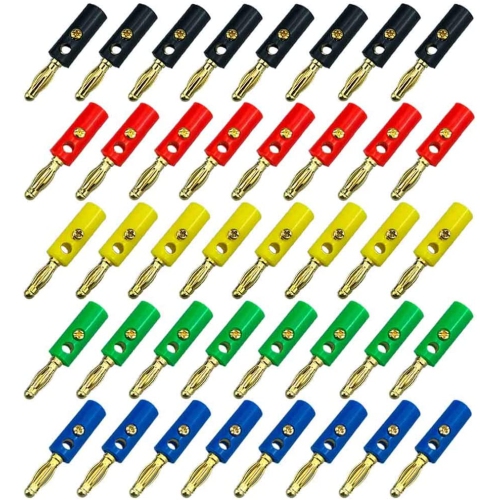
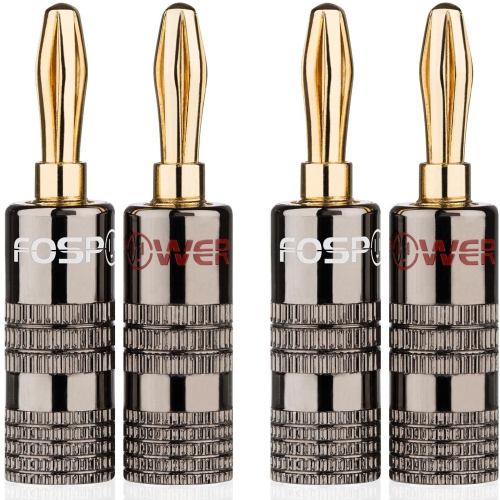
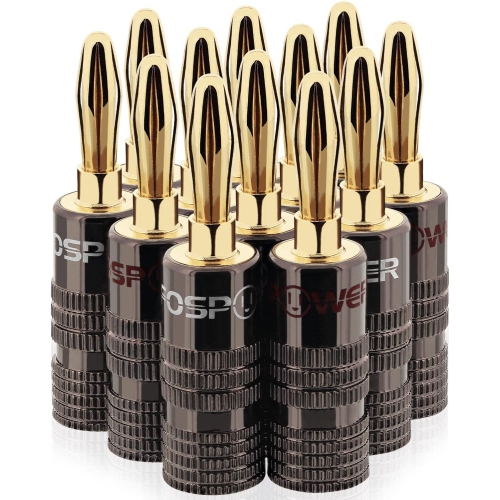
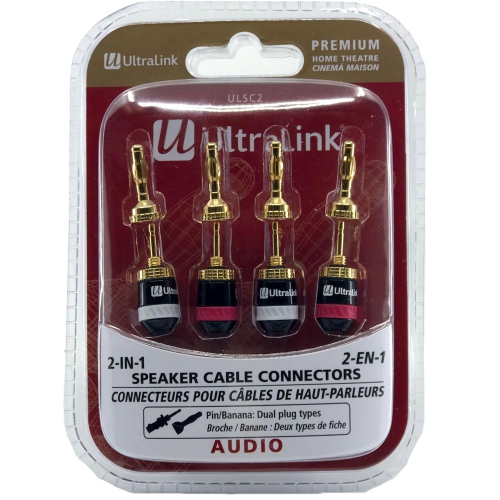
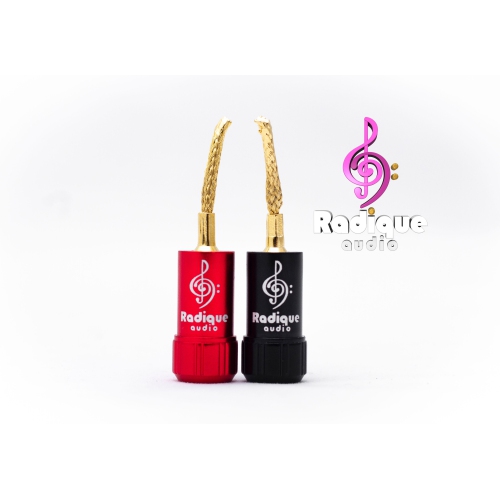
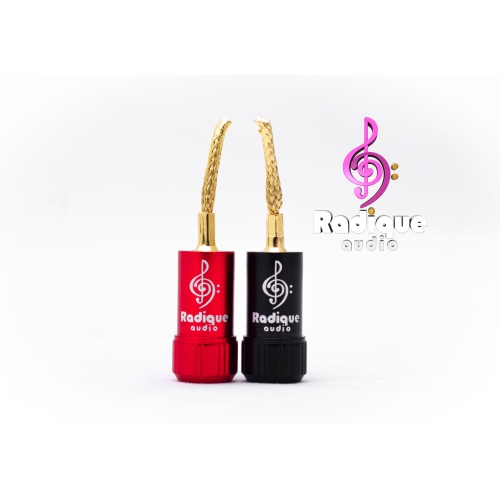
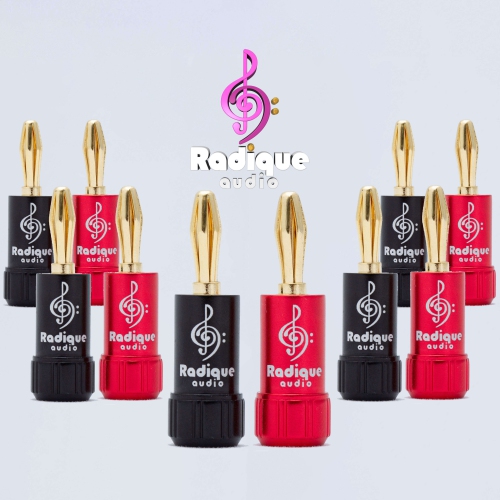
Speaker connectors provide the connection point between speaker wire, audio cables, amplifiers, receivers, powered speakers, and passive speakers. They can make an audio installation easier to assemble, more secure during use, and simpler to maintain when equipment needs to be moved or upgraded. The right choice depends first on the terminals found on the equipment. Banana plugs are designed for compatible binding posts and slide into place with a clean, snug fit, making them a popular option for home theatre systems, stereo receivers, bookshelf speakers, and floor-standing speakers. They help prevent loose strands of copper from spreading across a terminal and can make it easier to identify positive and negative connections with colour-coded ends. Spade connectors have a U-shaped metal tip that slips beneath a binding post, offering a broad contact area when the terminal is tightened. They can be especially useful where a speaker or receiver has binding posts but limited clearance behind the unit. Bare wire remains a practical choice for spring clips and screw terminals, provided the insulation is stripped carefully and the copper is twisted neatly before insertion. For shoppers comparing options, it is worth checking the speaker wire gauge, connector opening, terminal style, polarity markings, and available space behind the equipment. A connector should fit firmly without requiring excessive force, and the metal contact should be fully secured so that no stray strands can touch the opposite terminal. For additional options suited to home audio installations, browse Speaker Wire Connectors. A few minutes spent comparing the connector design with the receiver and speaker terminals can prevent the familiar frustration of discovering that a plug is too large, a screw terminal will not close properly, or a cable cannot reach comfortably once the equipment is placed in position.
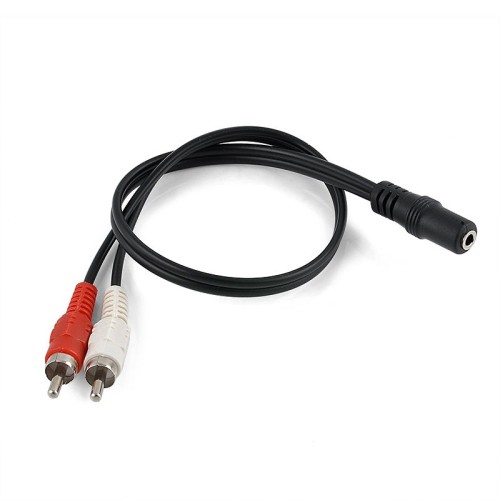
Different audio environments call for different connector styles. In a home theatre, banana plugs or spade connectors can create a tidy connection between a receiver and multiple speakers, particularly when cables run behind a television stand or along a media cabinet where access is limited. Spring clips, often found on compact speakers and entry-level audio equipment, generally accept bare wire or compatible pin-style terminations. Screw terminals and binding posts offer more flexibility, but their openings and tightening mechanisms vary, so checking the equipment specifications remains important. Professional sound systems and stage equipment commonly use locking SpeakON connectors, which twist into place and are designed for secure, high-current connections between compatible amplifiers and passive speakers. These connectors are suited to live performances, rehearsal spaces, mobile DJs, community halls, houses of worship, and event setups where cables may be handled frequently or pulled across a busy floor. NL2, NL4, and NL8 configurations can have different numbers of contacts, so the connector must match the socket and the wiring arrangement. Phoenix or Euroblock connectors are removable screw-down terminal blocks often used in commercial audio, installed sound, conference systems, paging equipment, and distributed speakers. They can be convenient when an installer needs to disconnect a section of wiring without removing every cable from the equipment. RCA and 1/4-inch TS connectors serve different purposes from typical speaker-wire terminations and are often used for line-level connections, powered monitors, instrument amplifiers, mixers, or other audio equipment. A powered speaker may receive an audio signal through one type of cable while using a separate power connection, whereas a passive speaker requires an amplifier connection through the appropriate speaker cable and connector. Understanding that distinction helps prevent connecting a line-level output where a speaker-level connection is required. It also helps shoppers choose connectors for the system they actually have rather than relying on appearance alone.
Speaker connectors can be useful for anyone building or refreshing an audio setup, from a first-time home theatre owner to an experienced musician preparing equipment for performances. They may also be a thoughtful gift for someone moving into a new home, setting up a listening room, assembling a practice space, or organizing a collection of audio gear. A small set of reliable connectors can make a noticeable difference when replacing worn terminations, extending a speaker installation, or preparing cables before a room is rearranged. Imagine setting up a receiver on a cool evening, with the speakers positioned at each side of the room and the cable runs tucked neatly behind furniture: secure connectors make it easier to maintain correct polarity and avoid stopping halfway through the installation to re-twist loose copper. For a family room, look for connectors that support a neat, repeatable connection and are easy to remove if the furniture layout changes. For a stage or rehearsal setup, prioritise locking designs, appropriate contact count, and a housing that can withstand repeated plugging and unplugging. For commercial or multi-room audio, removable terminal blocks and clearly labelled connections can simplify service work. It is also wise to confirm whether the connector is intended for stranded speaker wire, a specific cable gauge, a binding post, a spring clip, or a dedicated locking socket. Matching the positive and negative terminals consistently from amplifier to speaker helps preserve speaker polarity, while keeping connectors properly seated supports a stable signal and reduces intermittent sound. With the correct fit and a little attention to cable preparation, speaker connectors can help create an audio system that is easier to install, easier to troubleshoot, and ready for everything from quiet listening sessions to lively gatherings during the cooler months.
Different audio environments call for different connector styles. In a home theatre, banana plugs or spade connectors can create a tidy connection between a receiver and multiple speakers, particularly when cables run behind a television stand or along a media cabinet where access is limited. Spring clips, often found on compact speakers and entry-level audio equipment, generally accept bare wire or compatible pin-style terminations. Screw terminals and binding posts offer more flexibility, but their openings and tightening mechanisms vary, so checking the equipment specifications remains important. Professional sound systems and stage equipment commonly use locking SpeakON connectors, which twist into place and are designed for secure, high-current connections between compatible amplifiers and passive speakers. These connectors are suited to live performances, rehearsal spaces, mobile DJs, community halls, houses of worship, and event setups where cables may be handled frequently or pulled across a busy floor. NL2, NL4, and NL8 configurations can have different numbers of contacts, so the connector must match the socket and the wiring arrangement. Phoenix or Euroblock connectors are removable screw-down terminal blocks often used in commercial audio, installed sound, conference systems, paging equipment, and distributed speakers. They can be convenient when an installer needs to disconnect a section of wiring without removing every cable from the equipment. RCA and 1/4-inch TS connectors serve different purposes from typical speaker-wire terminations and are often used for line-level connections, powered monitors, instrument amplifiers, mixers, or other audio equipment. A powered speaker may receive an audio signal through one type of cable while using a separate power connection, whereas a passive speaker requires an amplifier connection through the appropriate speaker cable and connector. Understanding that distinction helps prevent connecting a line-level output where a speaker-level connection is required. It also helps shoppers choose connectors for the system they actually have rather than relying on appearance alone.
Speaker connectors can be useful for anyone building or refreshing an audio setup, from a first-time home theatre owner to an experienced musician preparing equipment for performances. They may also be a thoughtful gift for someone moving into a new home, setting up a listening room, assembling a practice space, or organizing a collection of audio gear. A small set of reliable connectors can make a noticeable difference when replacing worn terminations, extending a speaker installation, or preparing cables before a room is rearranged. Imagine setting up a receiver on a cool evening, with the speakers positioned at each side of the room and the cable runs tucked neatly behind furniture: secure connectors make it easier to maintain correct polarity and avoid stopping halfway through the installation to re-twist loose copper. For a family room, look for connectors that support a neat, repeatable connection and are easy to remove if the furniture layout changes. For a stage or rehearsal setup, prioritise locking designs, appropriate contact count, and a housing that can withstand repeated plugging and unplugging. For commercial or multi-room audio, removable terminal blocks and clearly labelled connections can simplify service work. It is also wise to confirm whether the connector is intended for stranded speaker wire, a specific cable gauge, a binding post, a spring clip, or a dedicated locking socket. Matching the positive and negative terminals consistently from amplifier to speaker helps preserve speaker polarity, while keeping connectors properly seated supports a stable signal and reduces intermittent sound. With the correct fit and a little attention to cable preparation, speaker connectors can help create an audio system that is easier to install, easier to troubleshoot, and ready for everything from quiet listening sessions to lively gatherings during the cooler months.
Top selling and popular products
-
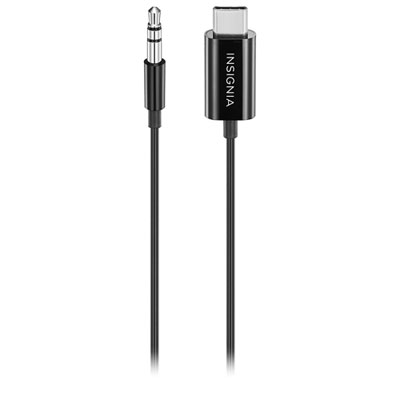 Your price for this item is $19.99
 -
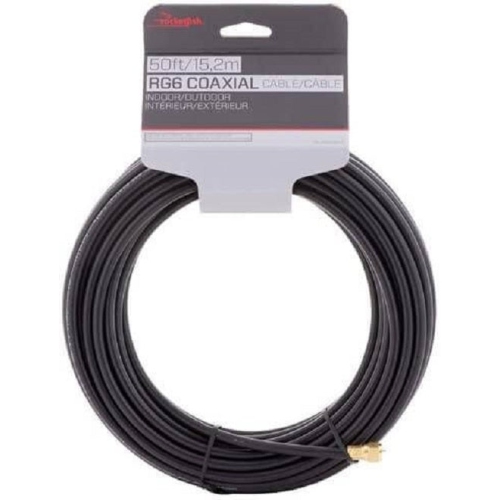 Your price for this item is $26.99
 -
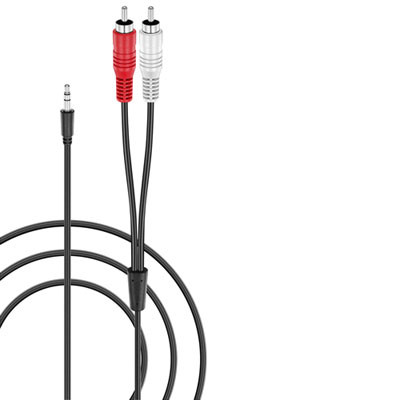 Your price for this item is $14.99
 -
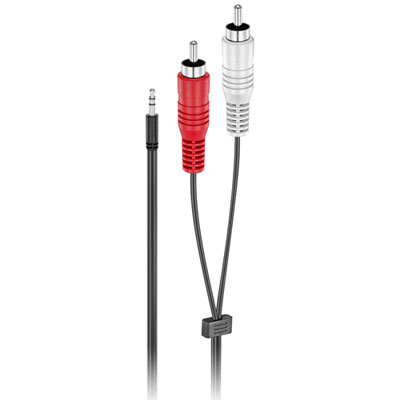 Your price for this item is $14.99
 -
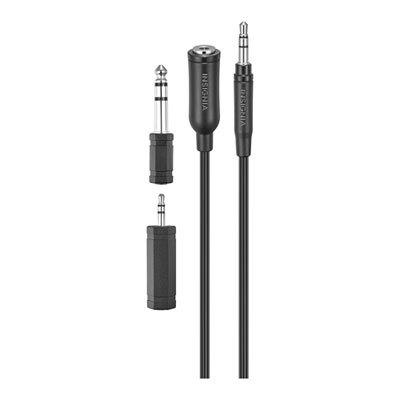 Your price for this item is $19.99
 -
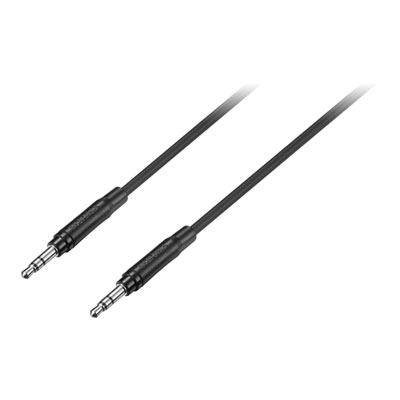 Your price for this item is $19.99
 -
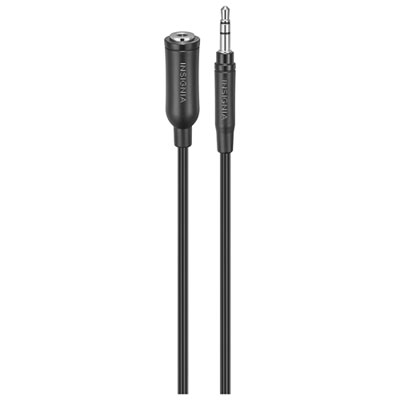 Your price for this item is $9.99
 -
 Your price for this item is $17.5
Discover more categories related to Speaker Connectors
Top Collections:
Pokemon Centers, Kindle Devices, Best Cell Phones Under $500, Canon G7X Cameras, Alarm Clock, Apple iPhones 16, iPhone 15 Apple, Calculator Scientific, iPhone 14 256GB, Budget Smartphones
Some products may be subject to Environmental Handling Fees
(EHF) depending on your province.
Learn more about EHFs.