Calculator Scientific
Are you in need of a reliable and accurate tool to assist with complex mathematical calculations? Look no further than our selection of scientific calculators. Whether you're a student, professional, or hobbyist, a scientific calculator is an essential device for tackling advanced mathematical problems with ease and precision. Explore our range of options designed to meet various needs and budgets, and take your number-crunching capabilities to the next level.
Sort
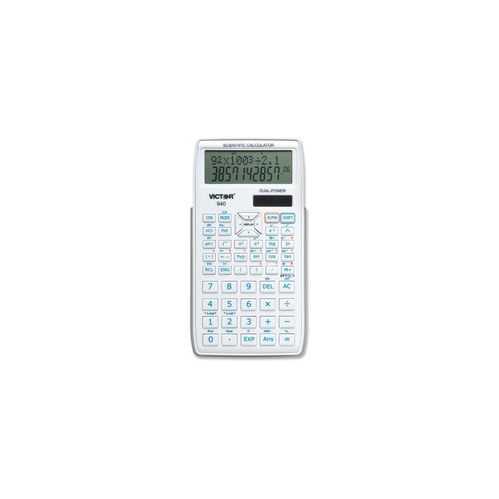
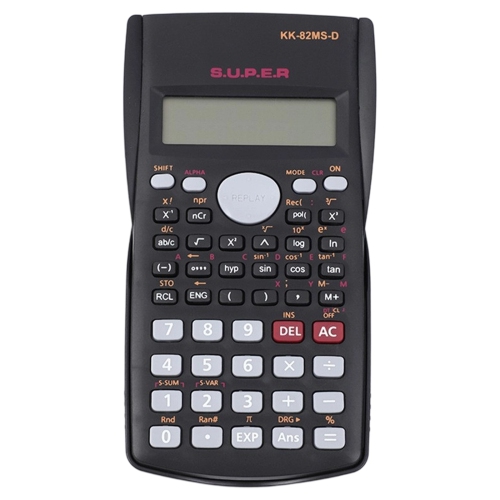
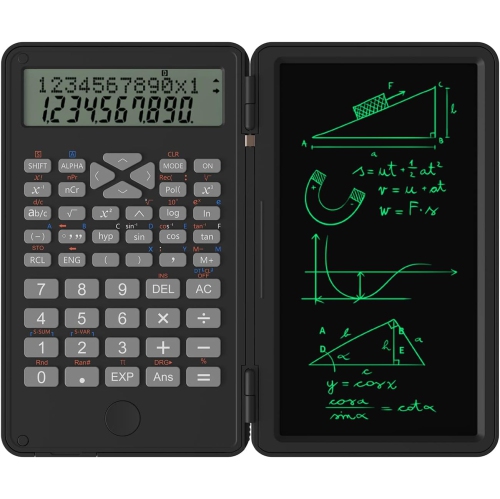
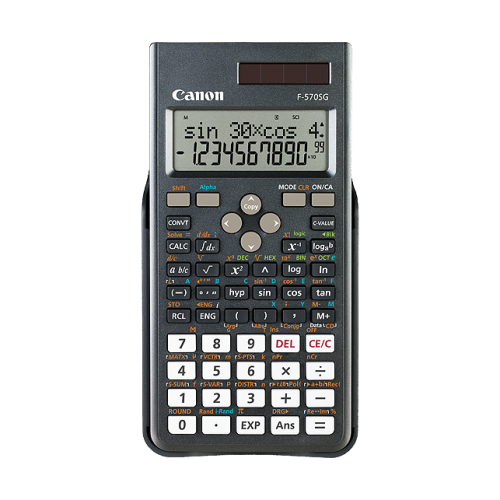
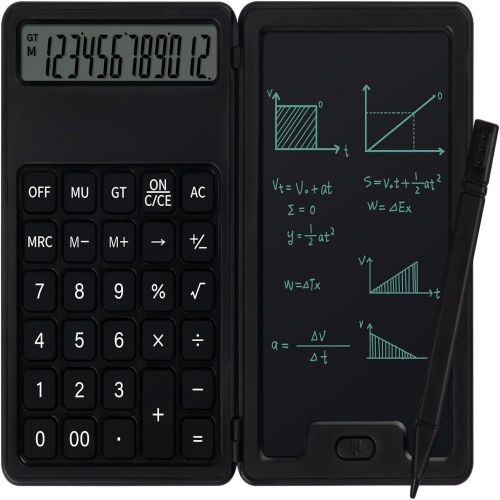
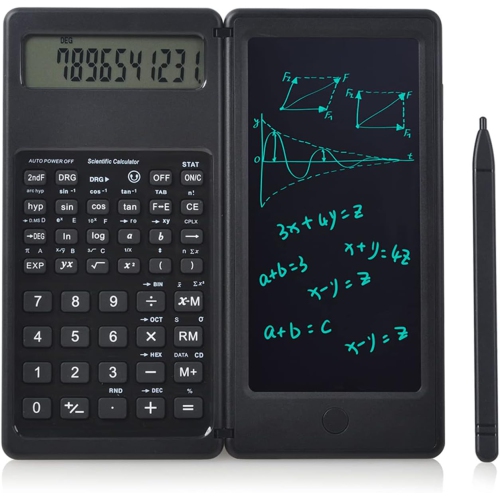
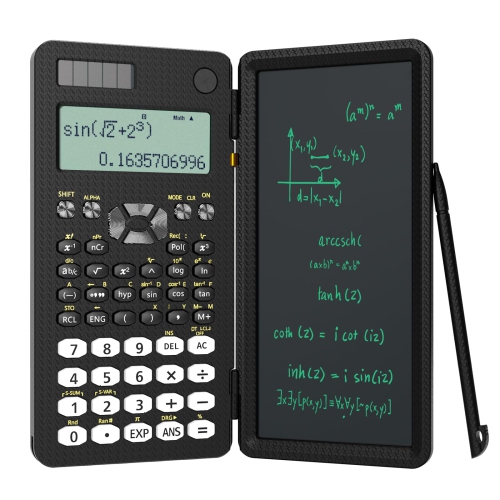
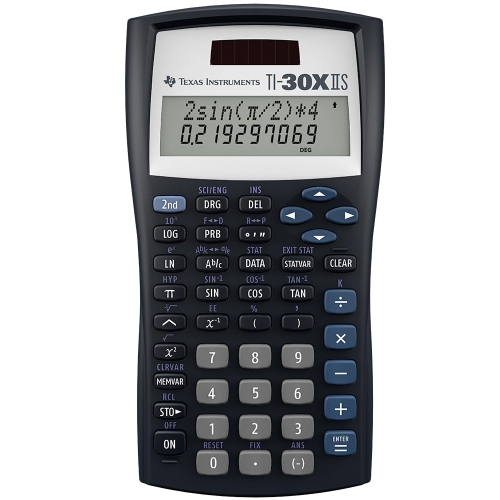
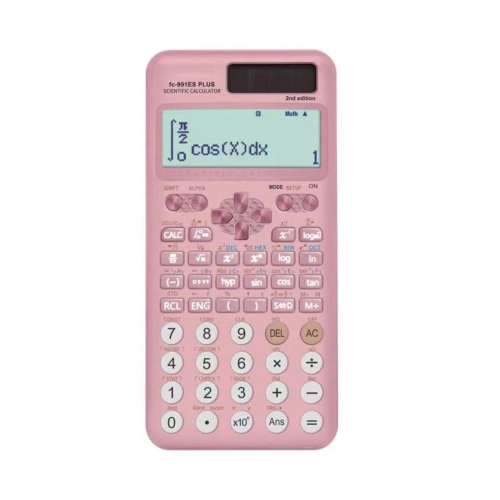
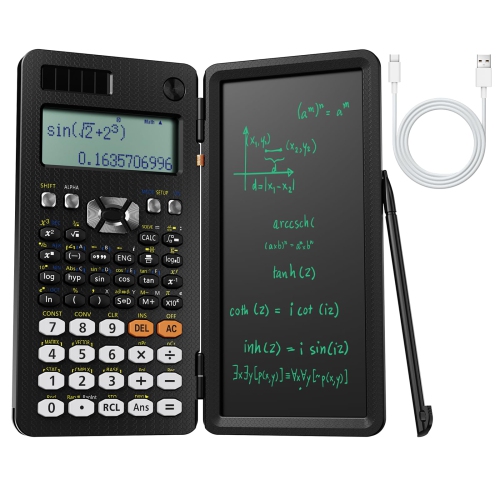
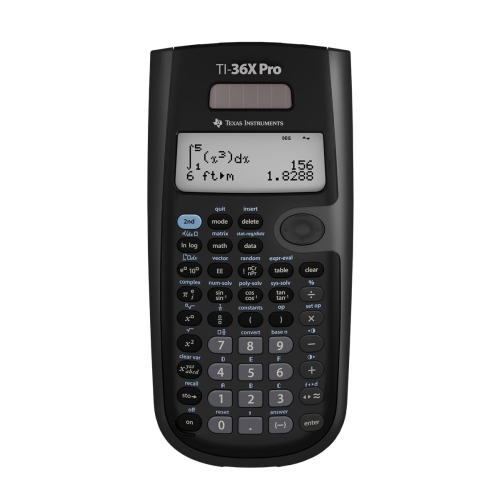
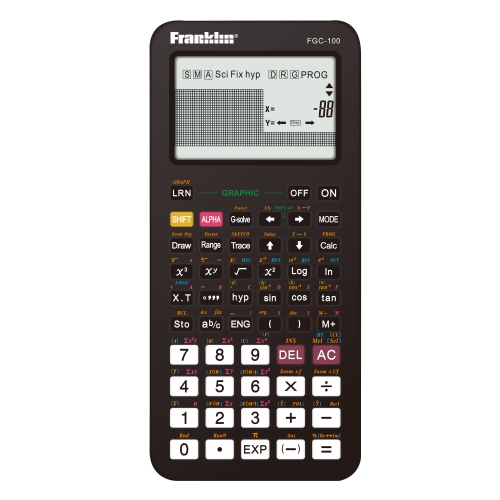
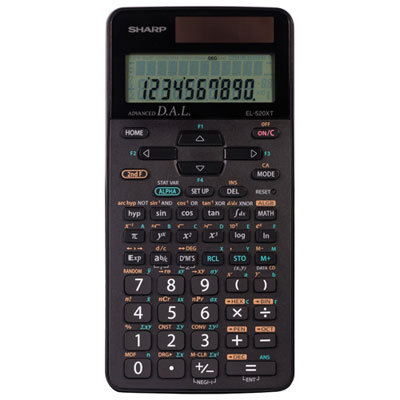

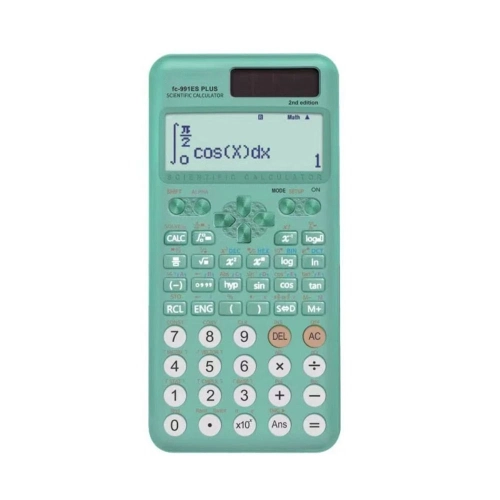
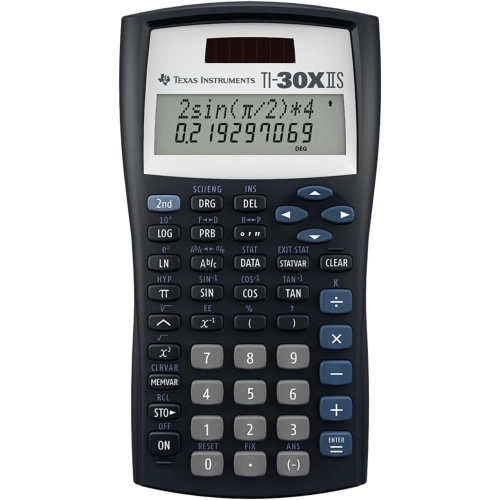
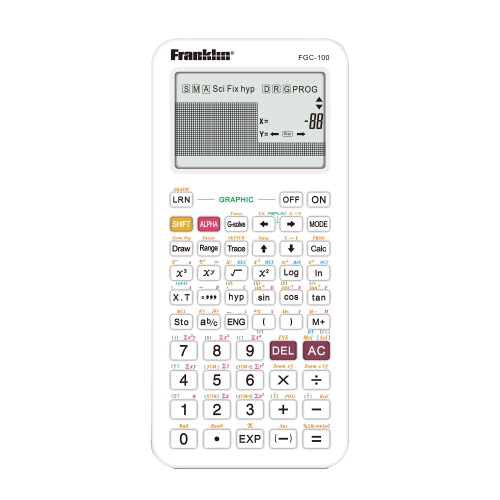
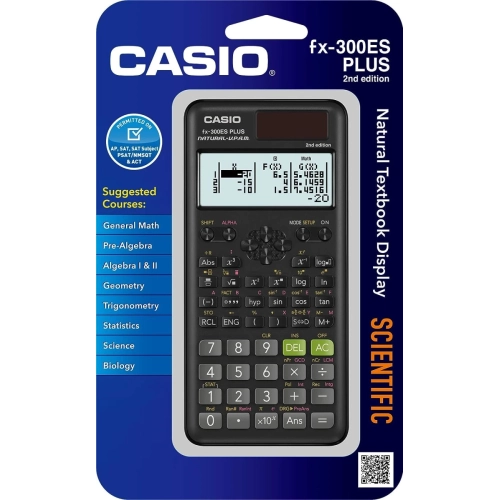
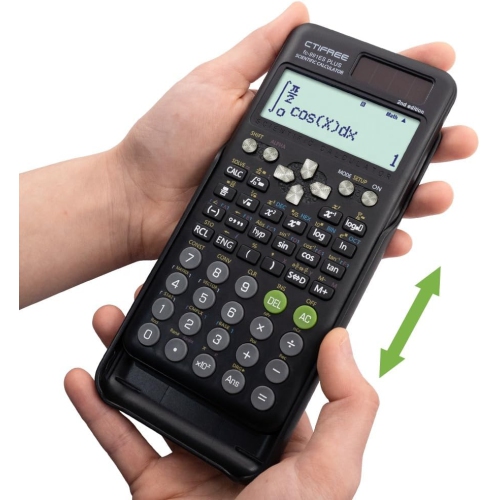
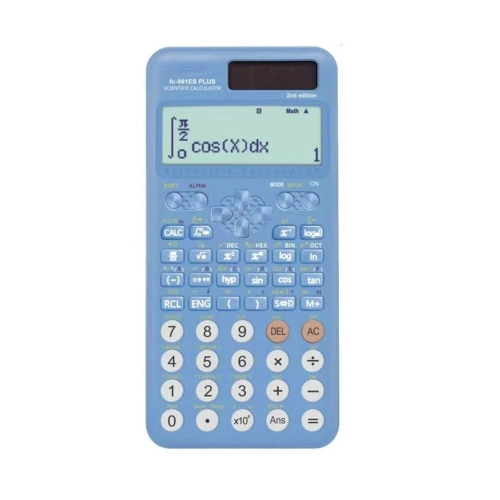
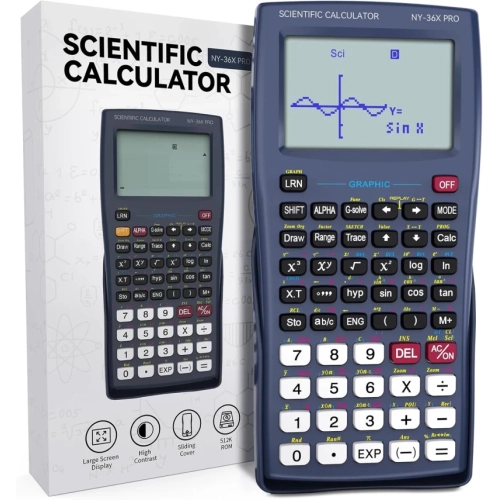
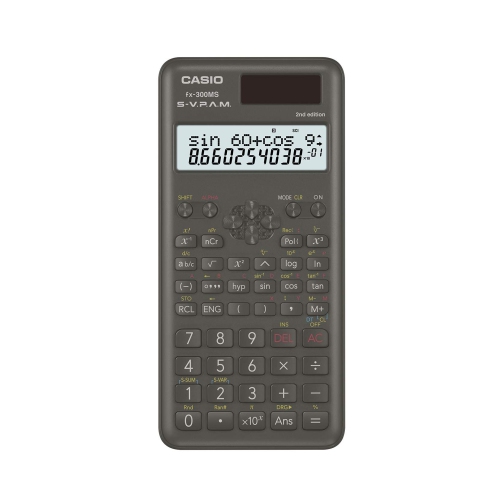
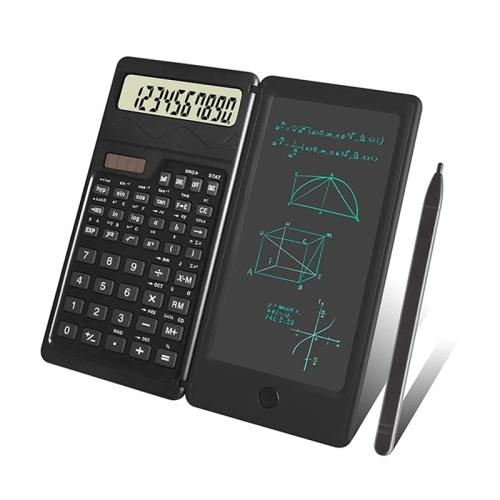
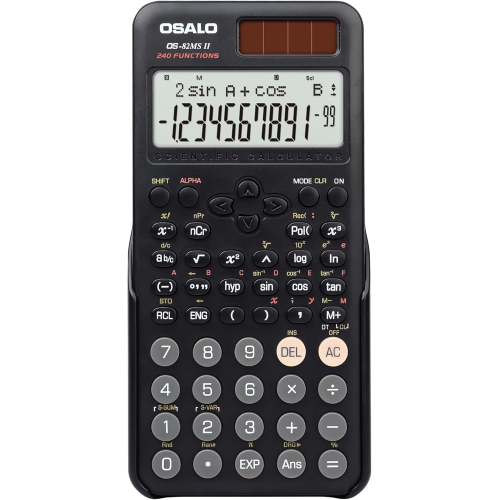
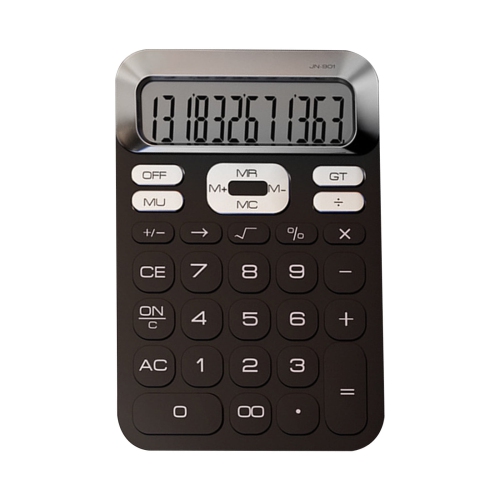
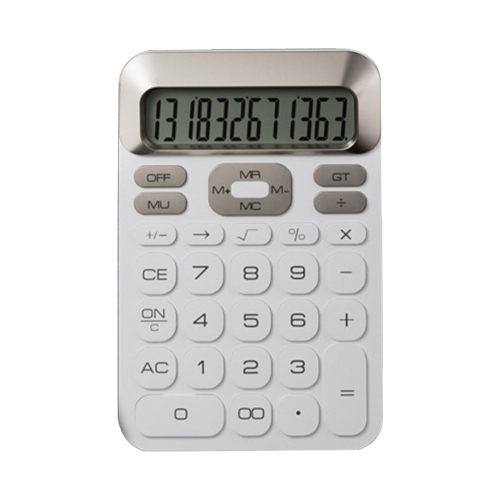
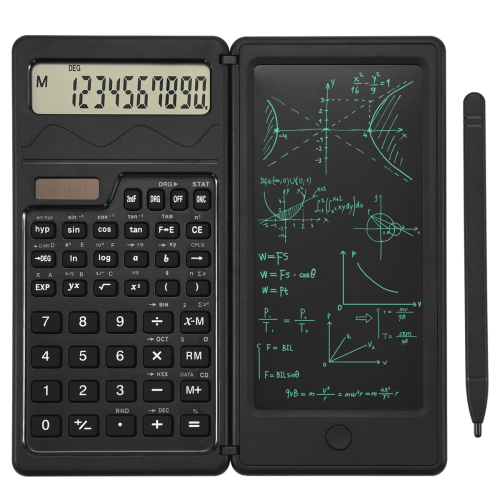

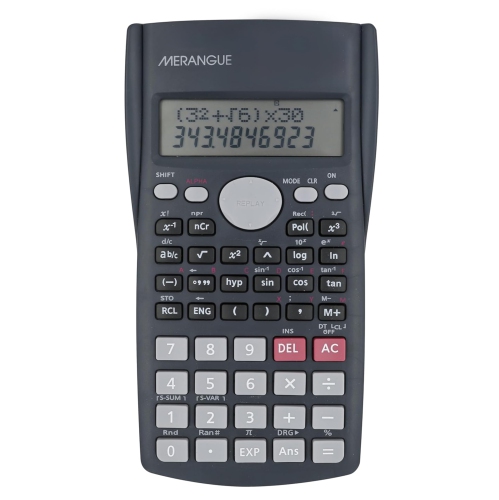

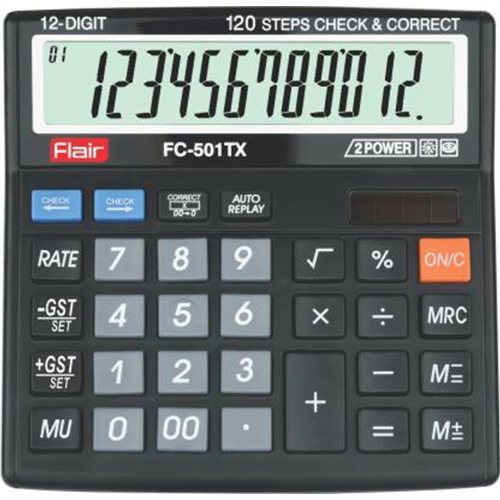
Support for complex calculations at school, work, or home
Scientific calculators are designed for learners, professionals, and curious problem-solvers who need more than basic addition, subtraction, multiplication, and division. They can help with fractions, powers, roots, logarithms, trigonometry, scientific notation, and other calculations that appear in classrooms, workshops, laboratories, and technical settings. A student may use one to check the steps behind a quadratic equation, while an apprentice may rely on it to work through measurements, angles, or electrical formulas. For someone returning to school, preparing for an exam, or brushing up on mathematics after time away from the classroom, a dependable scientific calculator can make complex work feel more manageable. Many people appreciate having a dedicated calculator because it keeps attention on the numbers instead of notifications, battery-saving settings, or switching between apps on a phone. The physical keypad also makes it easier to enter formulas in a familiar rhythm, with clearly arranged function keys and a display that keeps important figures visible. Scientific calculators can be useful for secondary school and post-secondary mathematics, physics, chemistry, engineering fundamentals, construction studies, accounting courses with technical requirements, and a wide range of professional training programs. They also make practical gifts for students, graduates, educators, or anyone setting up a home study area. During the cooler months, when evenings often become a little quieter and indoor study time increases, having the right calculator nearby can turn a kitchen table, desk, or shared workspace into a more organised place for learning.
When choosing a scientific calculator, start by considering the level of mathematics it needs to support. Basic scientific functions may be enough for introductory courses, while advanced learners may benefit from features such as equation solving, statistical analysis, regression calculations, complex-number support, matrix operations, or numerical integration and differentiation. It is worth checking whether the calculator uses natural textbook-style entry, as this can make fractions, exponents, and nested expressions easier to read and review. A multi-line display is helpful when checking an equation before pressing enter, especially when a small misplaced bracket or negative sign can change the result. Look for a keypad that feels comfortable and logical, with buttons that are easy to distinguish during long practice sessions. A protective cover can help keep the keys clean in a backpack, while a compact design makes it easier to carry between home, school, work, and examinations. Battery type and power options are also worth considering, particularly for people who spend long days away from an outlet. Some learners prefer solar-assisted operation for regular classroom use, while others value a replaceable battery for dependable performance in any lighting. Before making a purchase, check course, school, workplace, or examination requirements, since approved calculator policies can vary. If the intended user regularly works with more demanding formulas, comparing scientific calculators with Complex Calculators can help clarify which functions will be useful now and which may support future studies.
A scientific calculator is most useful when it becomes part of a consistent working routine. Keeping it beside notebooks, graph paper, reference sheets, or a laptop makes it easy to verify an answer without losing the thread of a lesson. It can be used to practise converting measurements, compare alternative solutions, test the effect of changing a variable, or confirm whether a final answer is reasonable. Developing good habits matters just as much as having the right functions: enter one step at a time, use parentheses carefully, check the angle mode before working with trigonometry, and round only at the end unless instructions say otherwise. It is also helpful to learn the calculator’s memory, fraction, and answer-recall functions, since these can reduce repeated typing and make multi-step work less error-prone. Parents and family members choosing a gift may want to consider the student’s current course level, upcoming subjects, and whether the calculator will need to meet examination rules. A durable, easy-to-read model can remain useful through several years of study, from early algebra practice to more specialised technical courses. For professionals, a scientific calculator can be a convenient backup for quick field checks, estimates, and formula-based tasks when a full computer is not practical. With the right balance of functions, readability, portability, and ease of use, these calculators provide a straightforward way to work through numbers with greater confidence, whether the calculation takes place in a classroom, at a workbench, or at a desk during a quiet study session.
When choosing a scientific calculator, start by considering the level of mathematics it needs to support. Basic scientific functions may be enough for introductory courses, while advanced learners may benefit from features such as equation solving, statistical analysis, regression calculations, complex-number support, matrix operations, or numerical integration and differentiation. It is worth checking whether the calculator uses natural textbook-style entry, as this can make fractions, exponents, and nested expressions easier to read and review. A multi-line display is helpful when checking an equation before pressing enter, especially when a small misplaced bracket or negative sign can change the result. Look for a keypad that feels comfortable and logical, with buttons that are easy to distinguish during long practice sessions. A protective cover can help keep the keys clean in a backpack, while a compact design makes it easier to carry between home, school, work, and examinations. Battery type and power options are also worth considering, particularly for people who spend long days away from an outlet. Some learners prefer solar-assisted operation for regular classroom use, while others value a replaceable battery for dependable performance in any lighting. Before making a purchase, check course, school, workplace, or examination requirements, since approved calculator policies can vary. If the intended user regularly works with more demanding formulas, comparing scientific calculators with Complex Calculators can help clarify which functions will be useful now and which may support future studies.
A scientific calculator is most useful when it becomes part of a consistent working routine. Keeping it beside notebooks, graph paper, reference sheets, or a laptop makes it easy to verify an answer without losing the thread of a lesson. It can be used to practise converting measurements, compare alternative solutions, test the effect of changing a variable, or confirm whether a final answer is reasonable. Developing good habits matters just as much as having the right functions: enter one step at a time, use parentheses carefully, check the angle mode before working with trigonometry, and round only at the end unless instructions say otherwise. It is also helpful to learn the calculator’s memory, fraction, and answer-recall functions, since these can reduce repeated typing and make multi-step work less error-prone. Parents and family members choosing a gift may want to consider the student’s current course level, upcoming subjects, and whether the calculator will need to meet examination rules. A durable, easy-to-read model can remain useful through several years of study, from early algebra practice to more specialised technical courses. For professionals, a scientific calculator can be a convenient backup for quick field checks, estimates, and formula-based tasks when a full computer is not practical. With the right balance of functions, readability, portability, and ease of use, these calculators provide a straightforward way to work through numbers with greater confidence, whether the calculation takes place in a classroom, at a workbench, or at a desk during a quiet study session.
Top selling and popular products
-
 Your price for this item is $23.99
 -
 Your price for this item is $25.99
 -
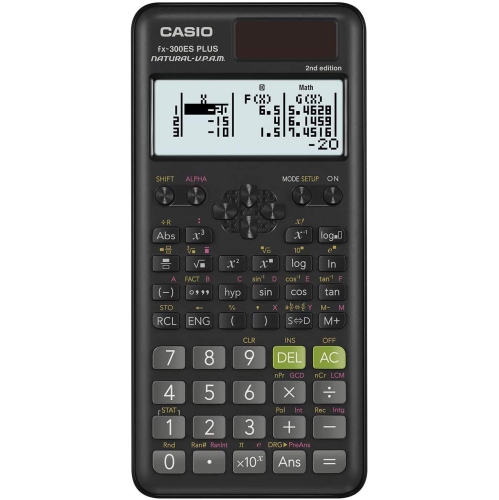 Your price for this item is $26.99
 -
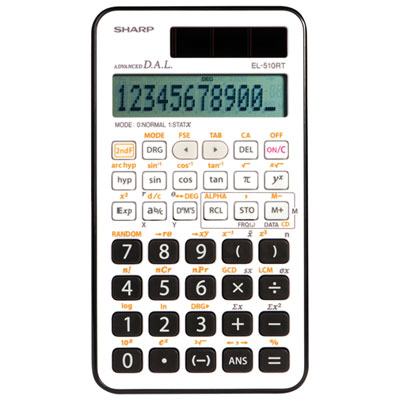 Your price for this item is $16.99
 -
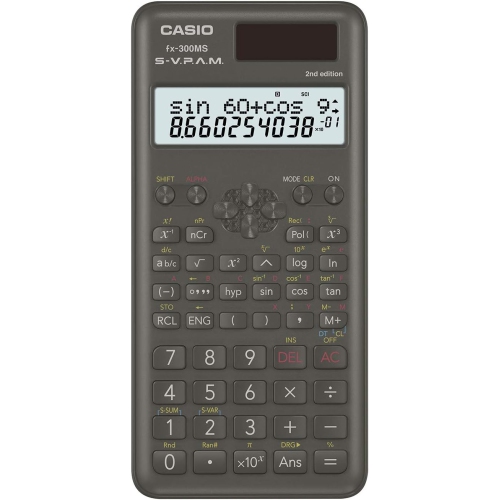 Your price for this item is $24.95
 -
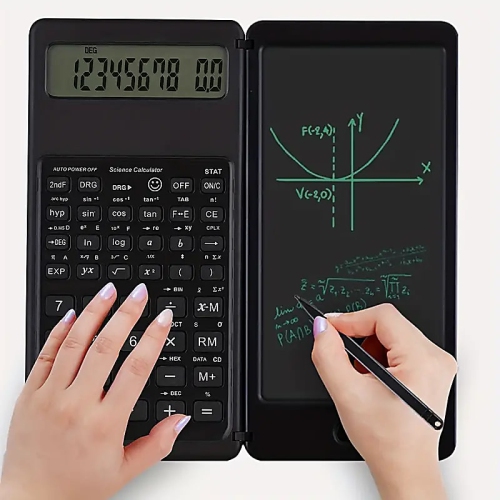 Your price for this item is $29.98
 -
 Your price for this item is $19.99
 -
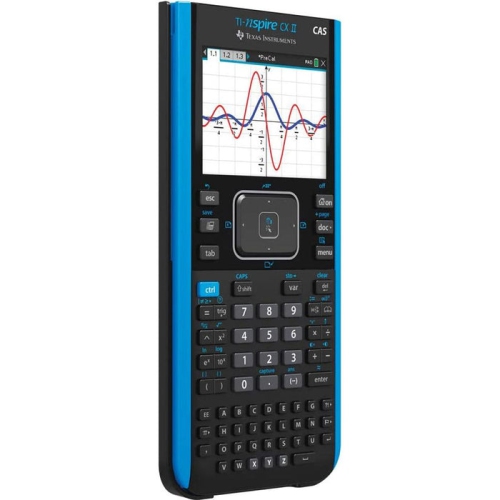 Your price for this item is $1822.99
Discover more categories related to Calculator Scientific

Top Collections:
Pokemon Centers, Kindle Devices, Best Budget Office Chairs, Apple iPhones 16, Best Laptops for Writers, iPhone 15 Apple, Canon G7X Cameras, Refurbished Apple Laptops, Alarm Clock, Motorola Razr Phones
Some products may be subject to Environmental Handling Fees
(EHF) depending on your province.
Learn more about EHFs.