Traditional TV Stands
Enhance the aesthetic appeal of your living space with our collection of traditional TV stands. Crafted with quality materials and timeless designs, these TV stands effortlessly blend style and functionality to elevate your home entertainment experience. Whether you prefer a classic wood finish or intricate detailing, our selection offers a variety of options to complement any decor style. Discover the perfect centerpiece for your television setup that not only showcases your screen but also provides ample storage for media essentials.
Sort
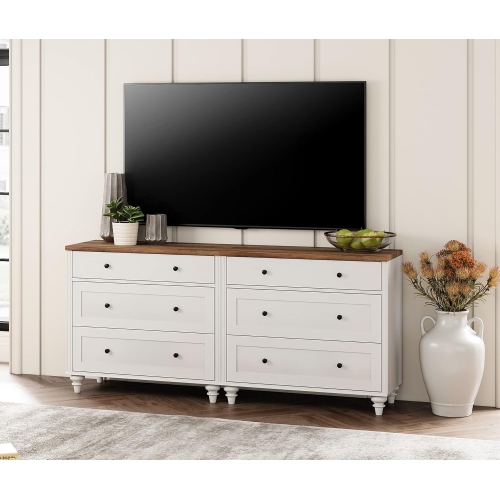
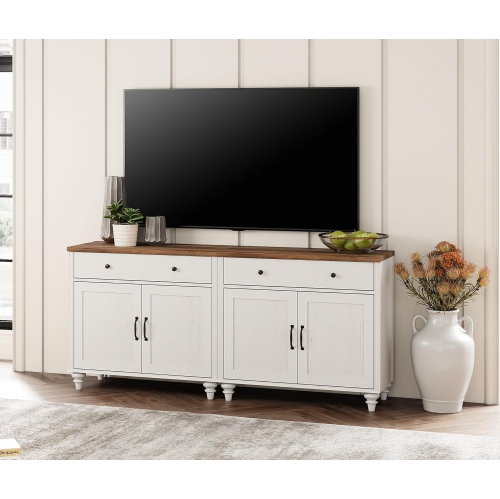
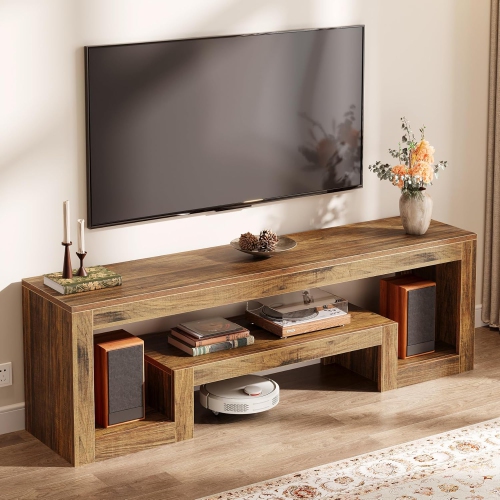

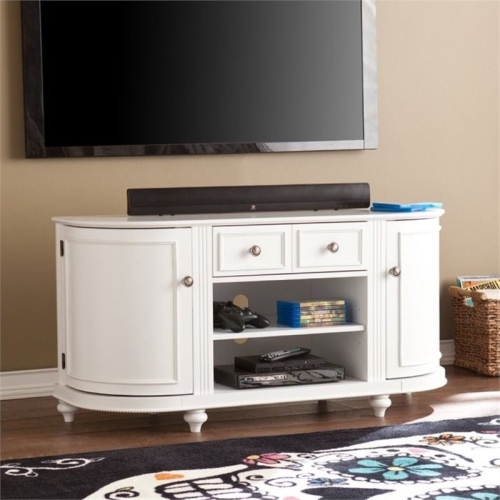
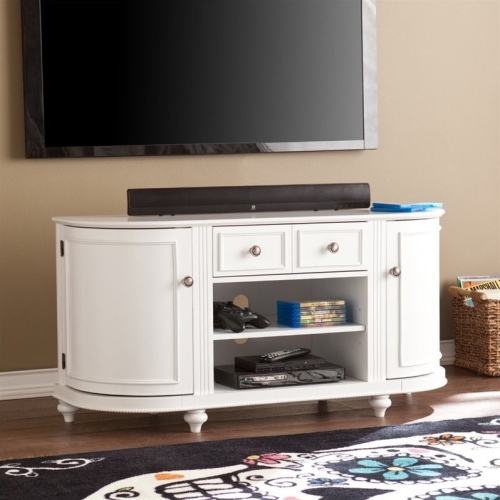

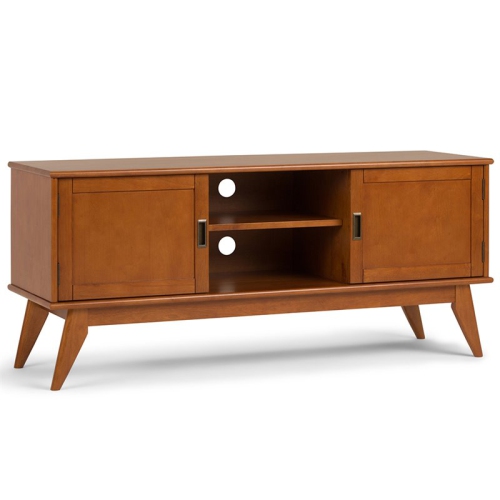

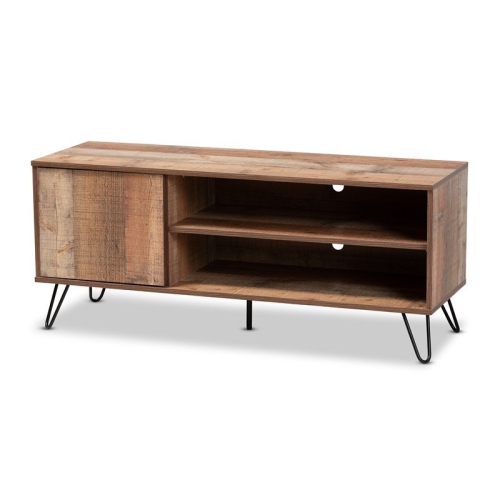
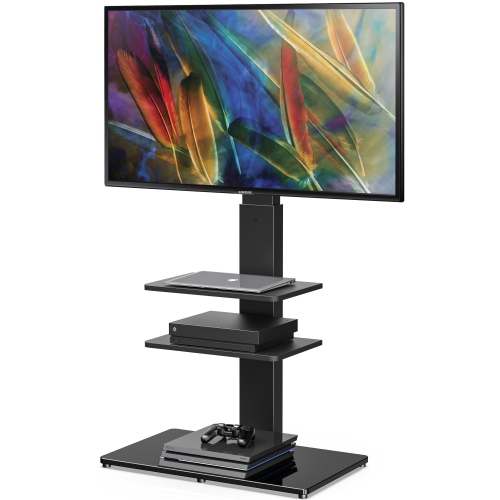
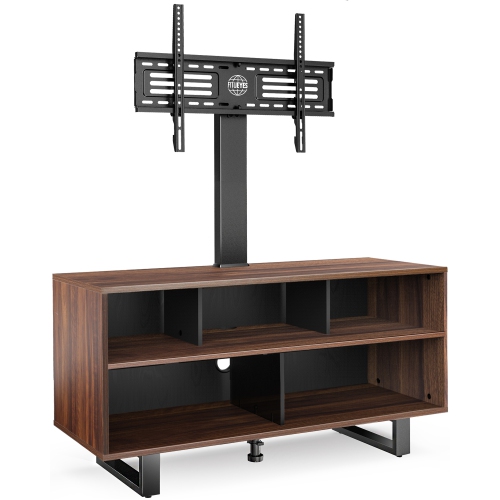
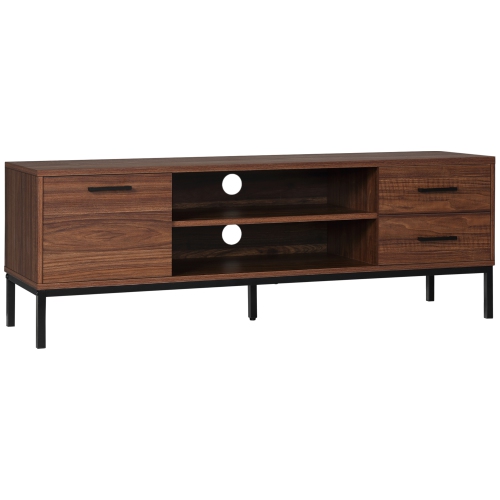


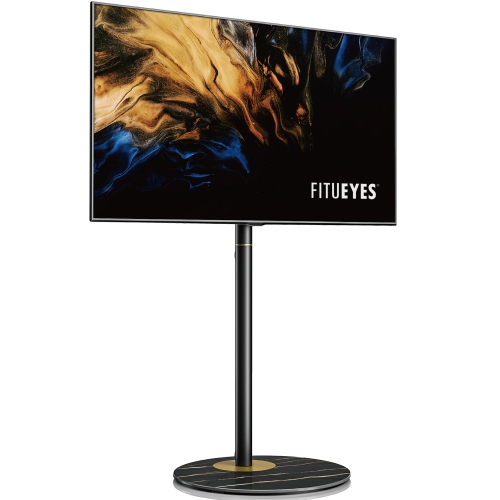
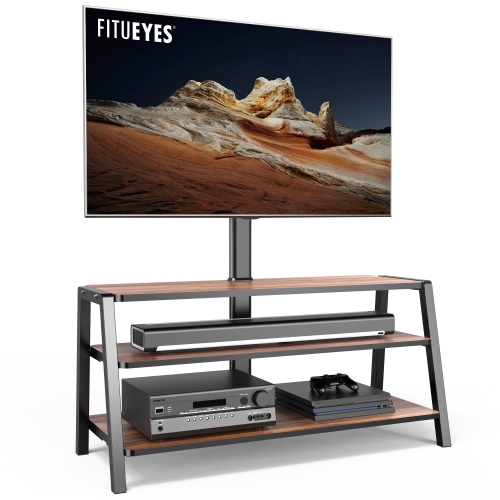
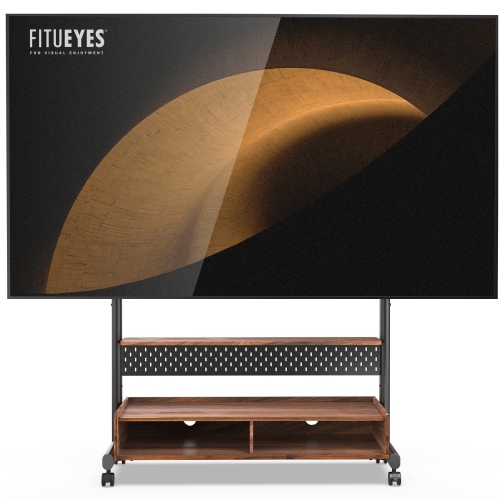
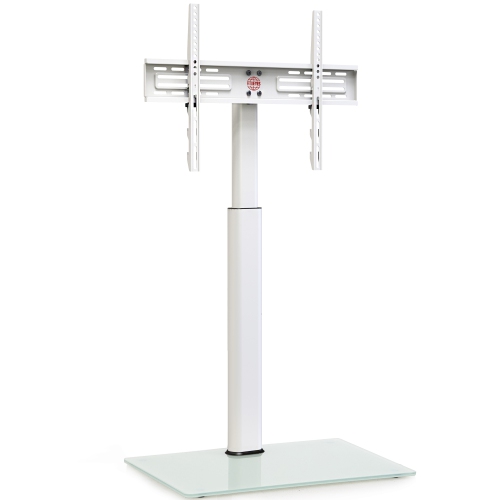
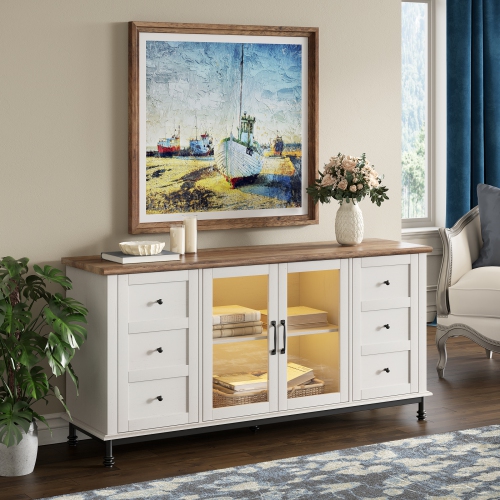
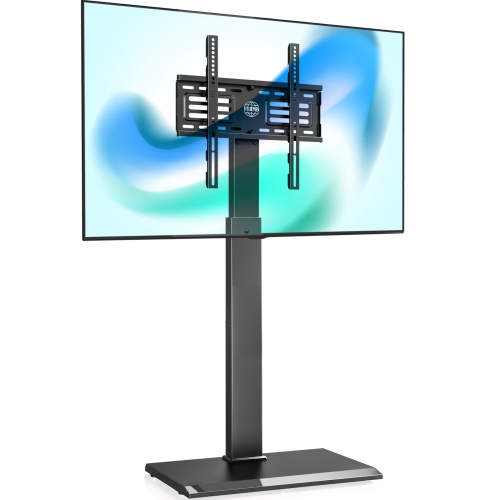
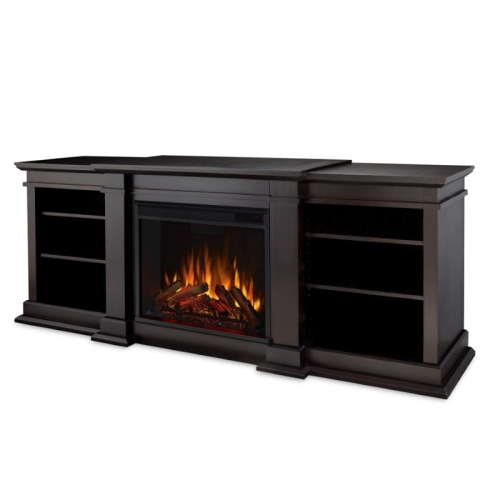
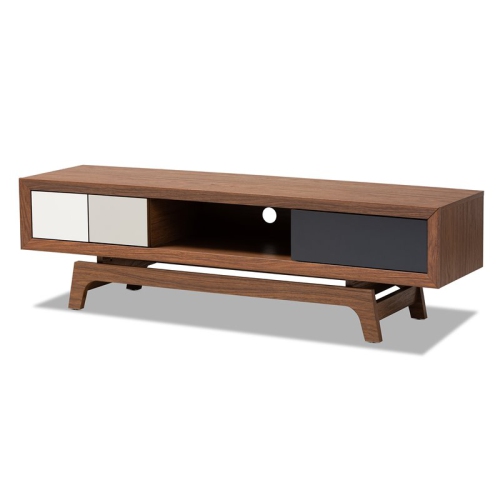
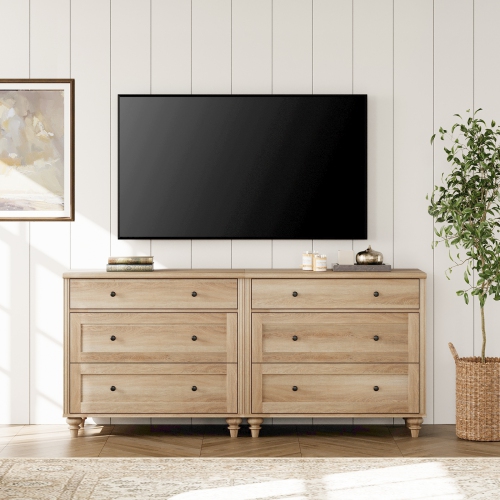
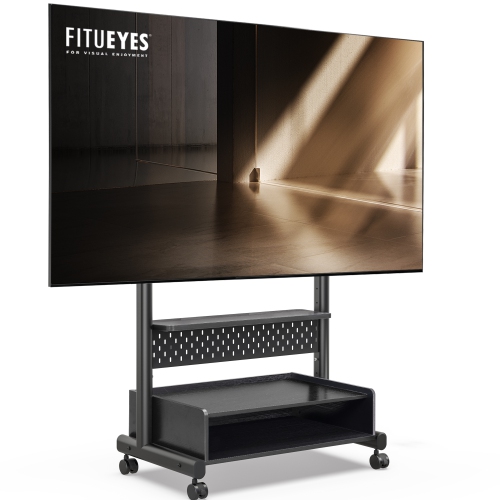
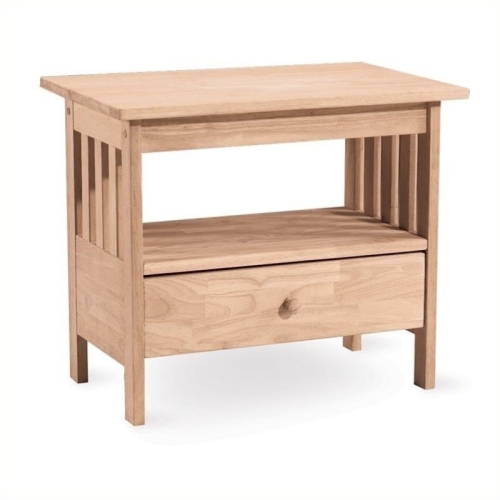
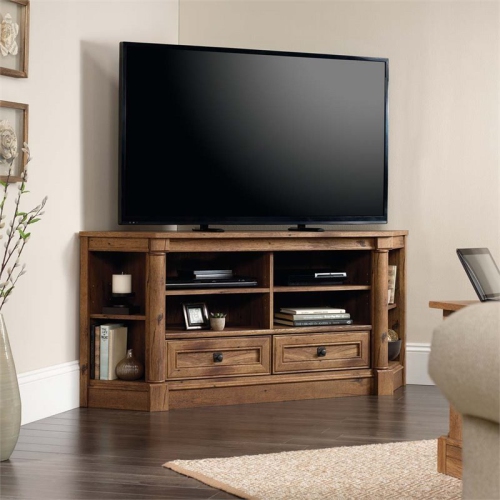
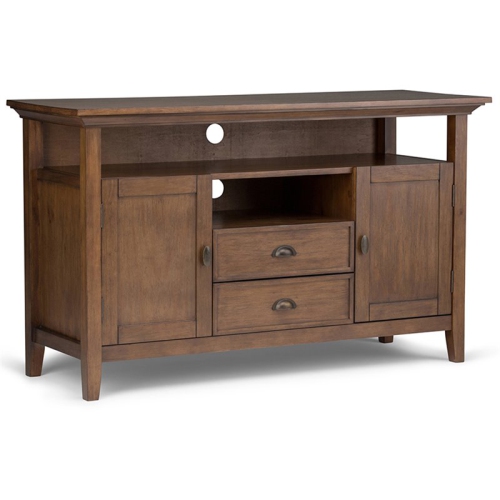
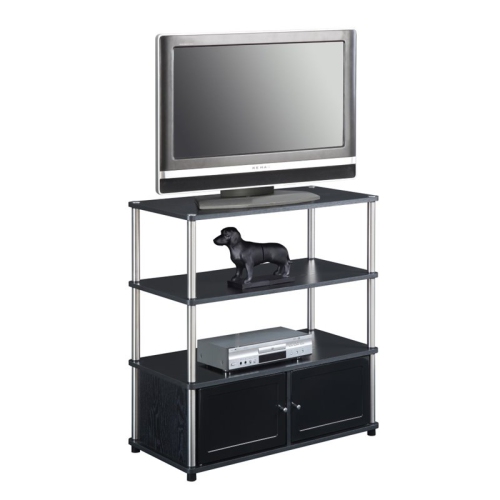
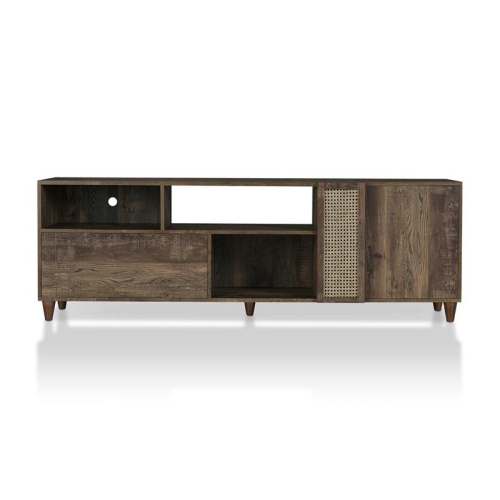
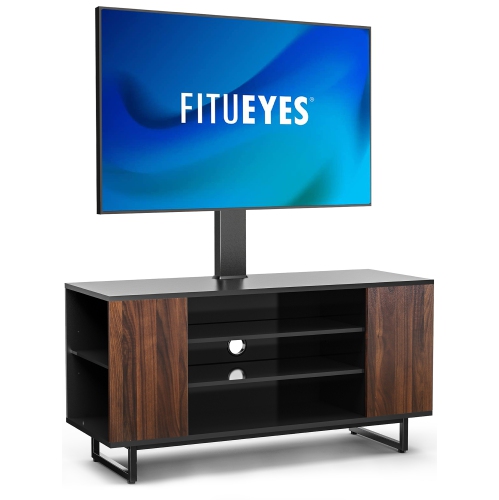
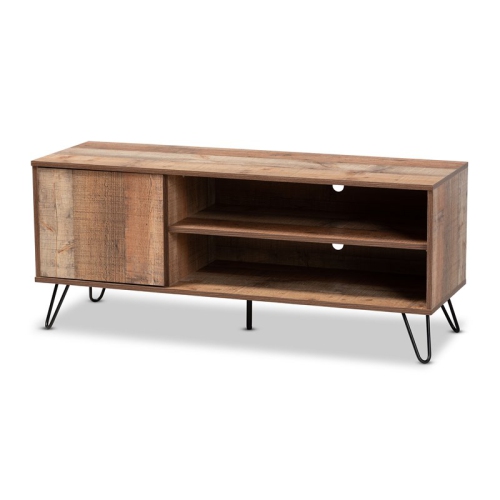
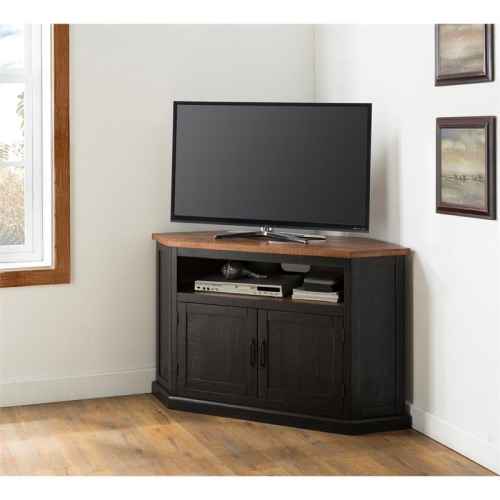
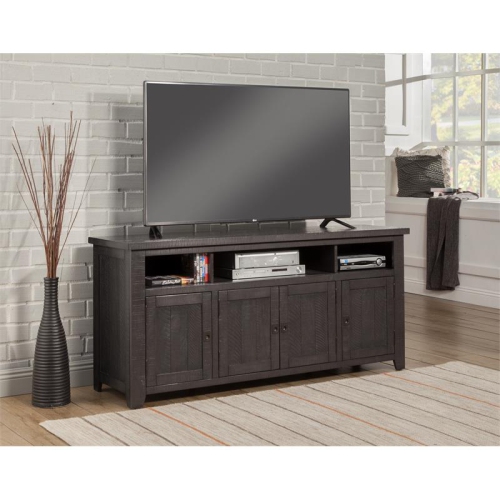
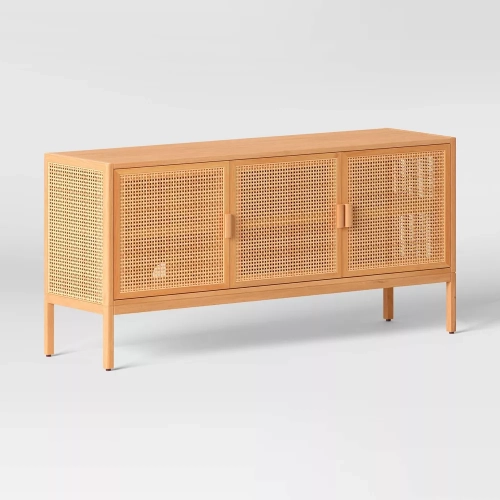
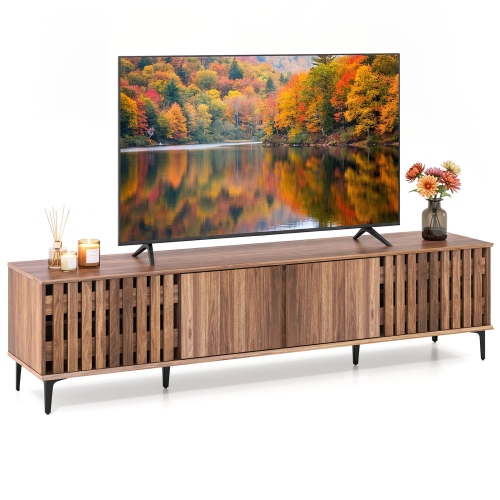
Classic cabinet details meet practical storage for modern entertainment
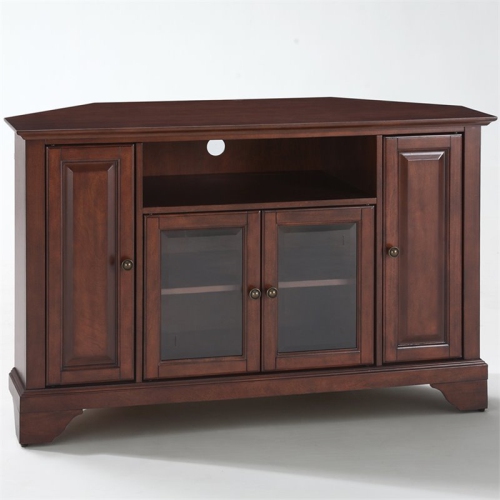
Traditional TV stands are furniture-style media consoles that combine a surface for a television with storage for entertainment equipment, accessories, and everyday living room essentials. Their defining features often include framed or raised-panel cabinet doors, shaped bases, crown-style moulding, and decorative metal hardware. Warm wood tones are common, but painted finishes in cream, white, grey, or black can bring the same classic character to a room. Unlike a minimalist platform that leaves most equipment exposed, a traditional TV console typically has a more substantial cabinet form, helping a television feel integrated with the rest of the furniture. A broad top, balanced door arrangement, and recessed plinth can sit comfortably alongside a rolled-arm sofa, a patterned rug, or a familiar collection of framed photographs. Within this style, details make a noticeable difference: turned feet and curved edges create a softer impression, while straight lines and restrained trim suit rooms that mix classic and contemporary furnishings. Materials also influence both appearance and everyday performance. Solid wood can show natural variations in grain and colour, while wood veneer offers a real-wood surface over a supporting core. Engineered wood is another common construction material, often finished with laminate, a printed surface, or veneer. These terms describe different constructions rather than a simple ranking of quality; panel thickness, joint design, hardware, and the quality of the finish all contribute to how a stand holds up. A smooth painted cabinet offers a different look from one with visible grain or an intentionally distressed finish. For a more timeworn interpretation of classic furniture styling, Vintage TV Stands offer a related direction. Traditional styling does not necessarily mean antique construction or an older piece of furniture. It describes a design language that can accommodate modern screens and media equipment while retaining the proportions and detailing of a conventional cabinet. That balance makes these stands a natural fit for living rooms, family rooms, and dedicated viewing spaces where the television shares attention with other furnishings.
The right proportions depend on the television, the room, and the equipment that needs to fit inside the cabinet. A television’s advertised screen size is measured diagonally, so that number alone does not establish whether its feet will sit safely on a stand. The actual width and depth of the TV base, the console’s usable top surface, and the manufacturer’s stated weight capacity are more useful measures of compatibility. Widely spaced television feet need particular attention, especially when the screen extends close to the ends of the cabinet. A console wider than the television often creates a more balanced furniture arrangement, but visual balance is separate from the support requirements specified by the manufacturers. Stand height affects viewing comfort as well. In a room with a low sofa, a tall cabinet can place the screen higher than feels comfortable during a full film; a taller seating arrangement may call for different proportions. The position of the screen relative to seated eye level matters more than matching the console to the height of a nearby bookcase. Depth deserves equal attention. A shallow cabinet may leave more walking space in a compact room, yet a receiver or games console can require additional clearance behind it for plugs, cables, and airflow. Interior measurements should account for shelf openings and door frames, not just the overall exterior dimensions. Adjustable shelves can make a cabinet more flexible when equipment changes, although each shelf still has its own load limit. In a smaller living room, a corner configuration can make use of an otherwise awkward junction between walls, provided the screen remains easy to see from the main seating. For a wall-mounted television, a traditional media console can provide storage below without supporting the screen itself. In either arrangement, nearby outlets, baseboards, door swings, and clear walking routes influence where the furniture works best. Glass-front doors can keep compatible infrared-controlled equipment accessible to a remote while giving the cabinet a more finished appearance, though reliable operation depends on the glazing, equipment placement, and remote technology.
Storage is a major part of the appeal of traditional entertainment furniture. Closed cupboards keep controllers, spare cables, and game cases out of sight, while open shelves give frequently used equipment a more accessible home. Drawers can separate small accessories that would otherwise collect beside the television, making it easier to find a charging lead or spare remote before settling down. In a shared family room, a combination of concealed and open storage accommodates different routines without leaving every accessory on display. In a quieter sitting room, cabinet doors can help the television area resemble a sideboard arrangement rather than a rack of electronics. Cable-management openings are useful for routing connections towards an outlet, but their position and size need to suit the plugs being used. They should not be assumed to provide all the ventilation an electronic component requires. Receivers, game systems, and other heat-producing equipment need the clearances specified by their manufacturers, whether the cabinet doors are open or closed. A soundbar also needs an unobstructed position that does not cover the television’s remote sensor or sit behind a raised cabinet edge. Everyday care is usually straightforward when matched to the surface finish: gentle dusting with a soft cloth, prompt attention to spills, and cleaning products approved by the furniture manufacturer help preserve the appearance. Excess moisture, abrasive pads, and harsh cleaners can damage painted surfaces, veneers, or protective coatings. Felt pads beneath accessories can reduce surface scratches, while dragging equipment across the top can leave marks even on a sturdy cabinet. Long-term durability also depends on careful assembly, evenly supported placement, secure hardware, and adherence to load limits. Where anti-tip restraints are supplied or specified, correct installation is an important part of setup, particularly in homes with children or pets; doors, drawers, and shelves should never serve as climbing steps. With suitable dimensions and a practical storage layout, a traditional TV stand can bring visual order to an entertainment area while remaining useful as screens, devices, and household routines change.
The right proportions depend on the television, the room, and the equipment that needs to fit inside the cabinet. A television’s advertised screen size is measured diagonally, so that number alone does not establish whether its feet will sit safely on a stand. The actual width and depth of the TV base, the console’s usable top surface, and the manufacturer’s stated weight capacity are more useful measures of compatibility. Widely spaced television feet need particular attention, especially when the screen extends close to the ends of the cabinet. A console wider than the television often creates a more balanced furniture arrangement, but visual balance is separate from the support requirements specified by the manufacturers. Stand height affects viewing comfort as well. In a room with a low sofa, a tall cabinet can place the screen higher than feels comfortable during a full film; a taller seating arrangement may call for different proportions. The position of the screen relative to seated eye level matters more than matching the console to the height of a nearby bookcase. Depth deserves equal attention. A shallow cabinet may leave more walking space in a compact room, yet a receiver or games console can require additional clearance behind it for plugs, cables, and airflow. Interior measurements should account for shelf openings and door frames, not just the overall exterior dimensions. Adjustable shelves can make a cabinet more flexible when equipment changes, although each shelf still has its own load limit. In a smaller living room, a corner configuration can make use of an otherwise awkward junction between walls, provided the screen remains easy to see from the main seating. For a wall-mounted television, a traditional media console can provide storage below without supporting the screen itself. In either arrangement, nearby outlets, baseboards, door swings, and clear walking routes influence where the furniture works best. Glass-front doors can keep compatible infrared-controlled equipment accessible to a remote while giving the cabinet a more finished appearance, though reliable operation depends on the glazing, equipment placement, and remote technology.
Storage is a major part of the appeal of traditional entertainment furniture. Closed cupboards keep controllers, spare cables, and game cases out of sight, while open shelves give frequently used equipment a more accessible home. Drawers can separate small accessories that would otherwise collect beside the television, making it easier to find a charging lead or spare remote before settling down. In a shared family room, a combination of concealed and open storage accommodates different routines without leaving every accessory on display. In a quieter sitting room, cabinet doors can help the television area resemble a sideboard arrangement rather than a rack of electronics. Cable-management openings are useful for routing connections towards an outlet, but their position and size need to suit the plugs being used. They should not be assumed to provide all the ventilation an electronic component requires. Receivers, game systems, and other heat-producing equipment need the clearances specified by their manufacturers, whether the cabinet doors are open or closed. A soundbar also needs an unobstructed position that does not cover the television’s remote sensor or sit behind a raised cabinet edge. Everyday care is usually straightforward when matched to the surface finish: gentle dusting with a soft cloth, prompt attention to spills, and cleaning products approved by the furniture manufacturer help preserve the appearance. Excess moisture, abrasive pads, and harsh cleaners can damage painted surfaces, veneers, or protective coatings. Felt pads beneath accessories can reduce surface scratches, while dragging equipment across the top can leave marks even on a sturdy cabinet. Long-term durability also depends on careful assembly, evenly supported placement, secure hardware, and adherence to load limits. Where anti-tip restraints are supplied or specified, correct installation is an important part of setup, particularly in homes with children or pets; doors, drawers, and shelves should never serve as climbing steps. With suitable dimensions and a practical storage layout, a traditional TV stand can bring visual order to an entertainment area while remaining useful as screens, devices, and household routines change.
Top selling and popular products
-
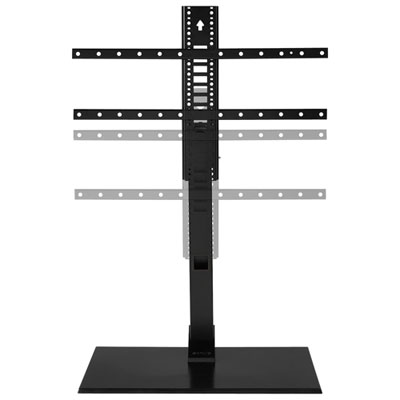 Your price for this item is $249.99
 -
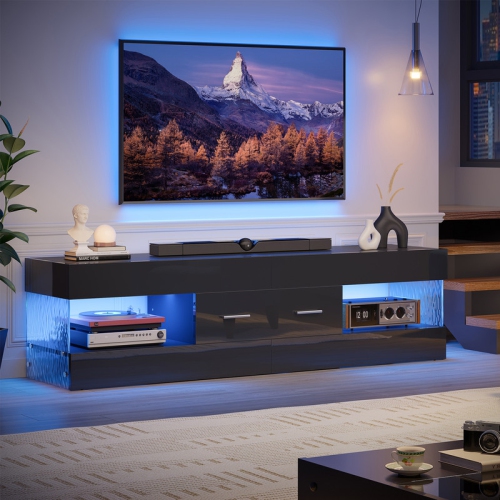 Your price for this item is $179.99
 -
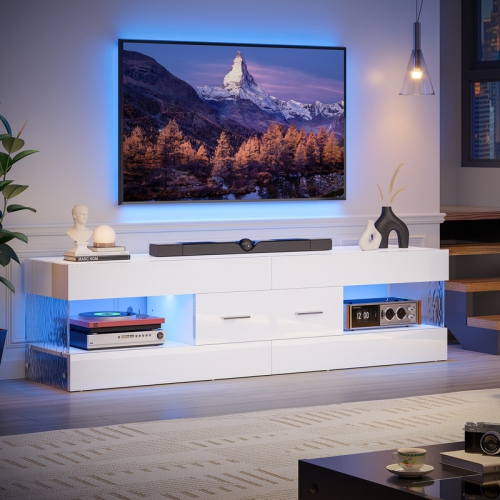 Your price for this item is $149.99
 -
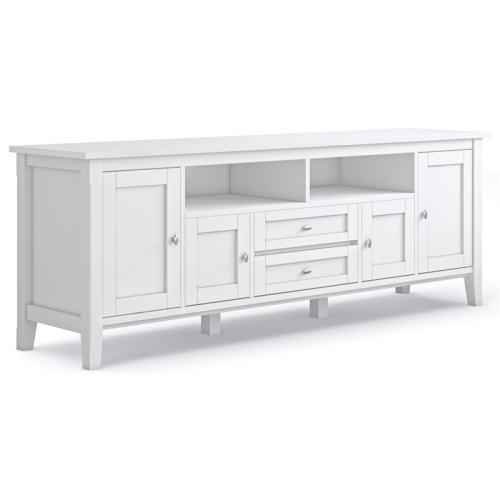 Your price for this item is $1522.15
 -
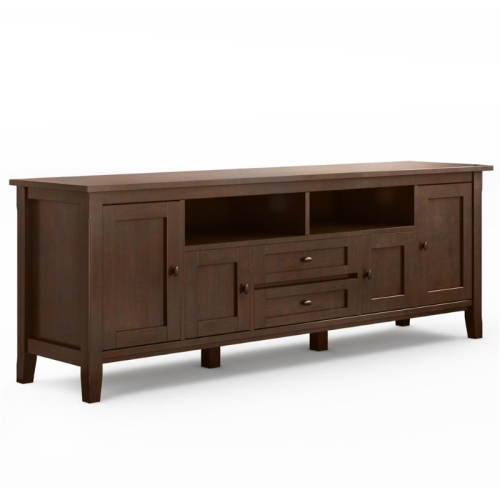 Your price for this item is $1535.26
 -
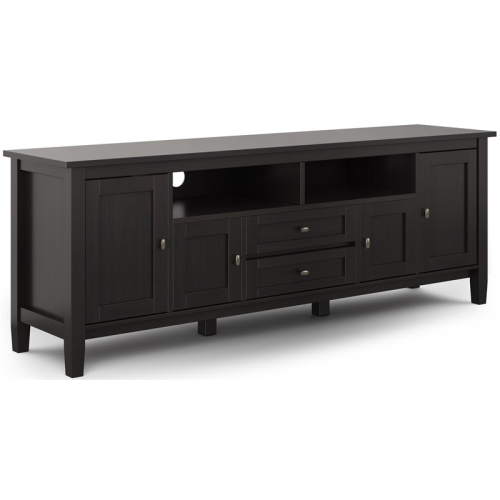 Your price for this item is $1505.85
 -
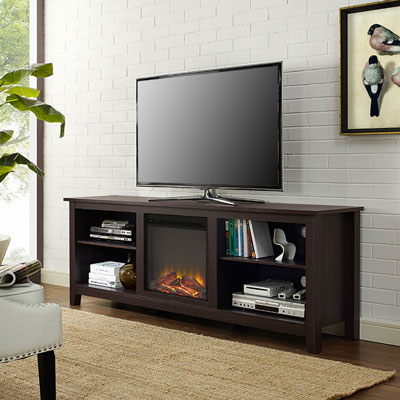 Your price for this item is $689.99
 -
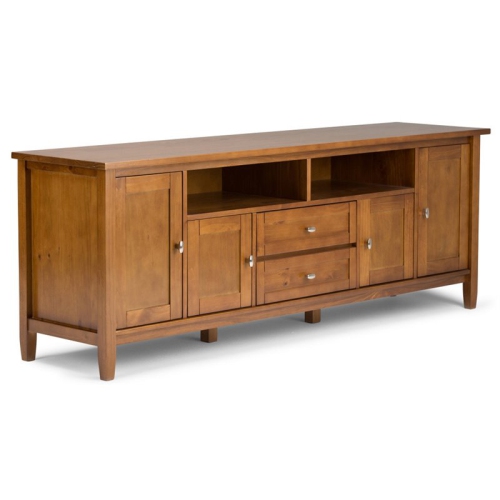 Your price for this item is $1522.01
Discover more categories related to Traditional TV Stands
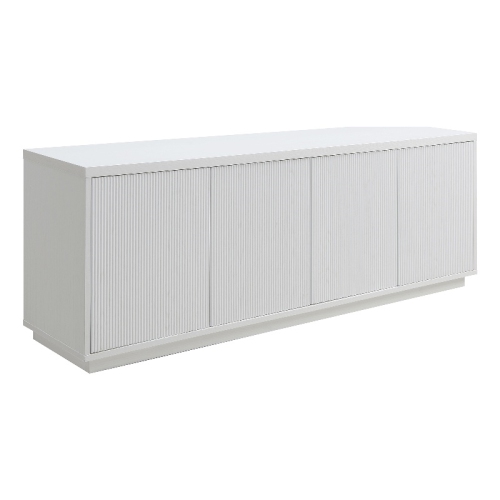
Top Collections:
Pokemon Centers, Kindle Devices, Best Budget Office Chairs, Apple iPhones 16, Best Laptops for Writers, iPhone 15 Apple, Canon G7X Cameras, Refurbished Apple Laptops, Alarm Clock, Motorola Razr Phones
Some products may be subject to Environmental Handling Fees
(EHF) depending on your province.
Learn more about EHFs.