White Speakers Wire
Looking for high-quality speaker wires to enhance your audio experience? Look no further than our selection of white speaker wires. Designed to deliver optimal sound performance, our white speaker wires are a versatile and reliable choice for connecting your speakers to your audio system. With their sleek white design, these speaker wires blend seamlessly into any room decor, making them a stylish and practical choice for any audio enthusiast.
Sort




Key considerations for a tidy home audio installation
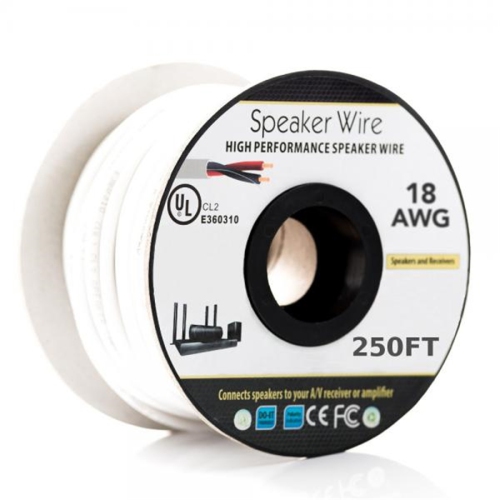
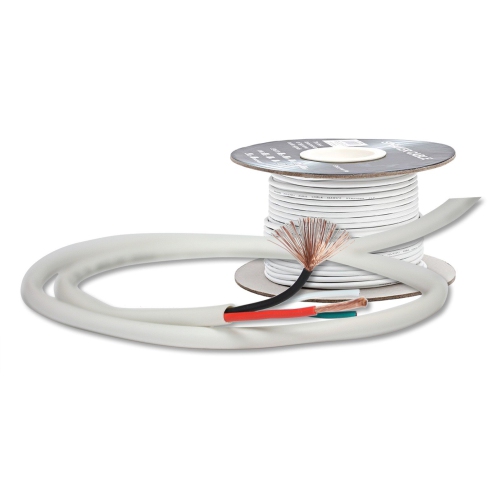
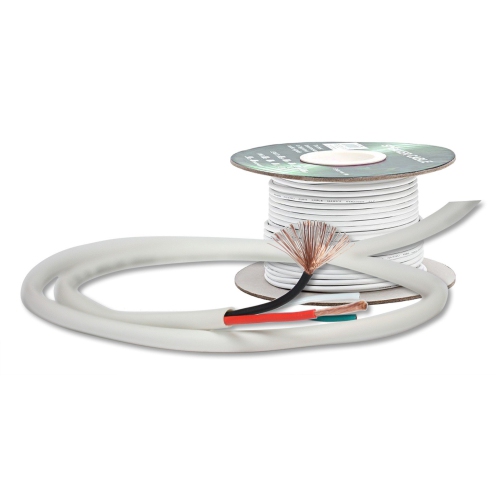
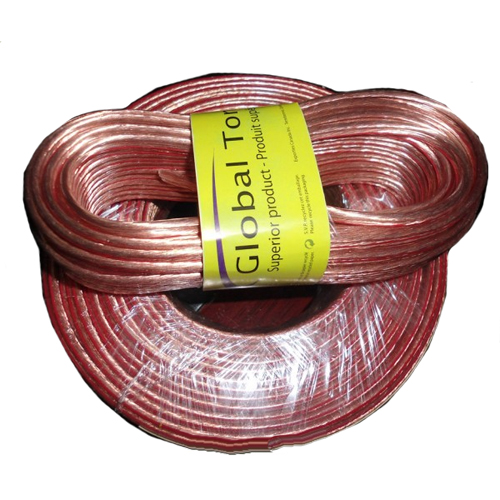
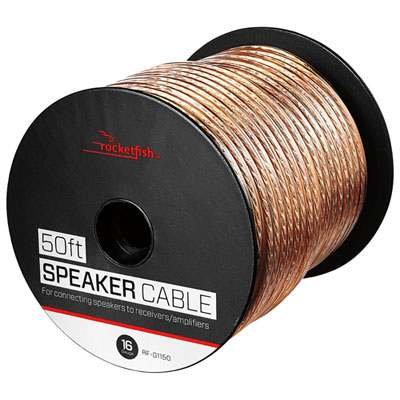
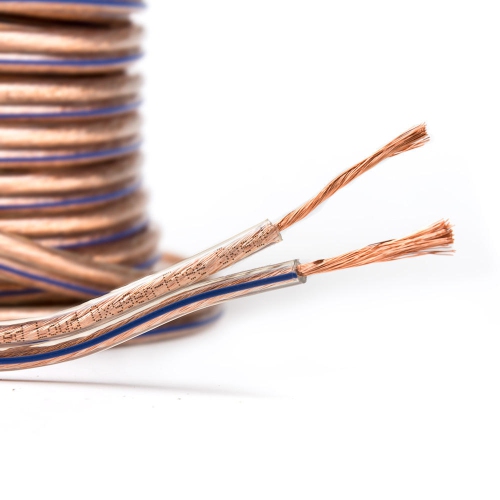
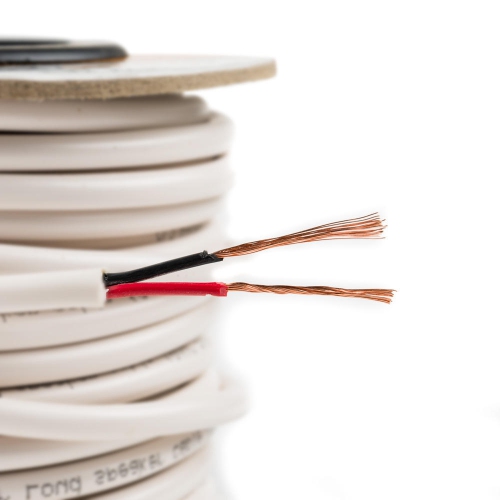
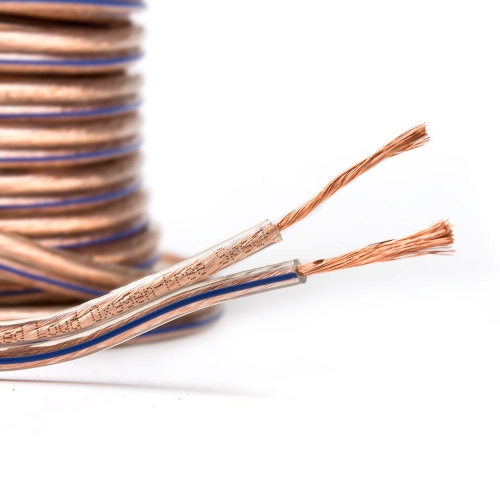
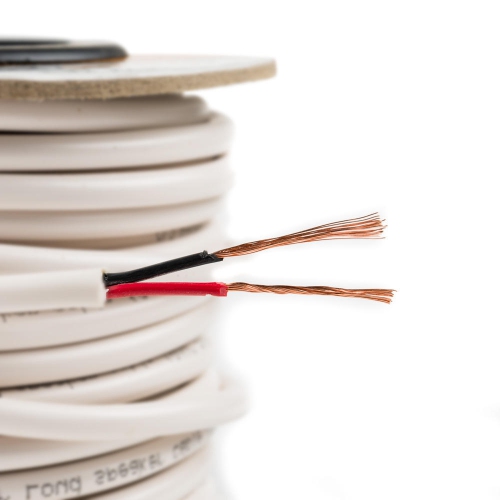
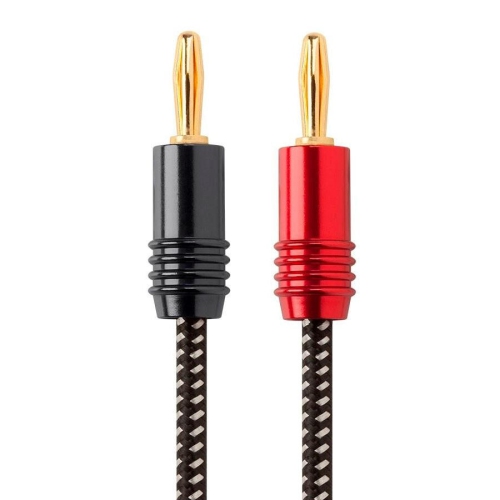
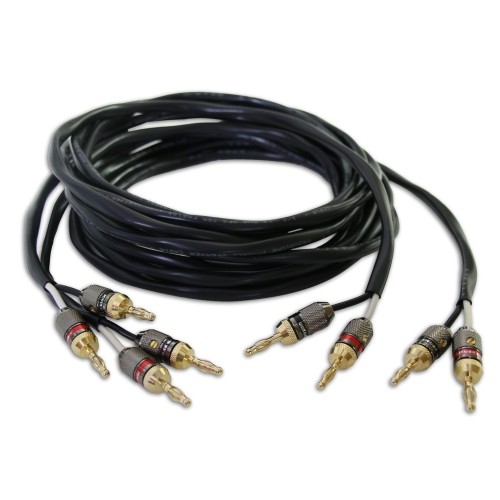
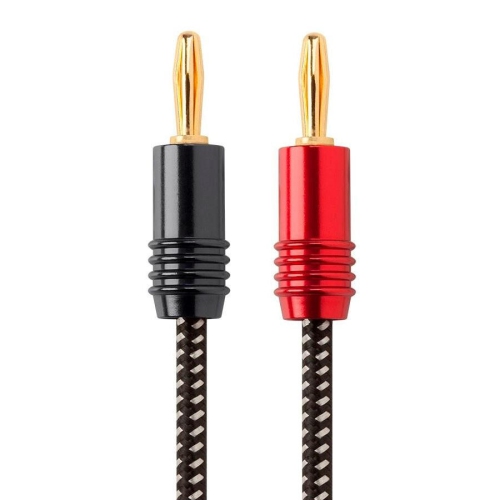
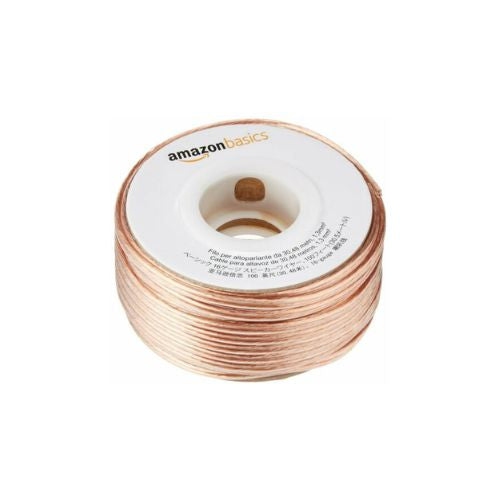
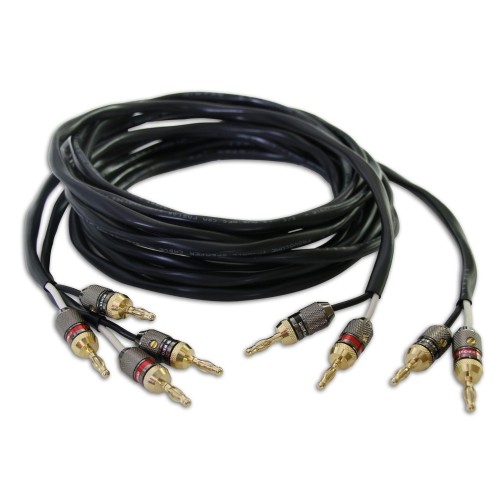
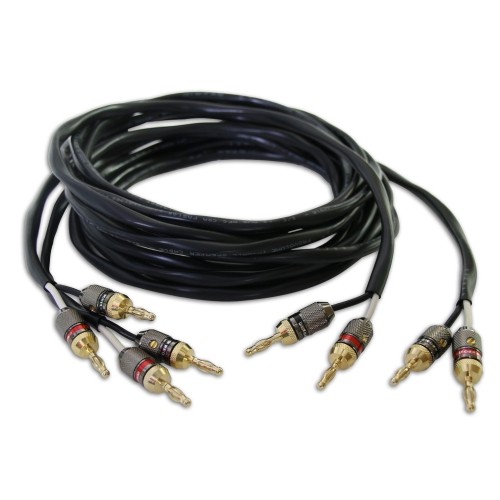
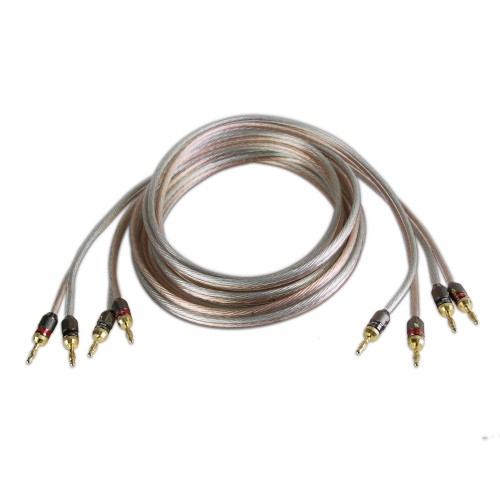
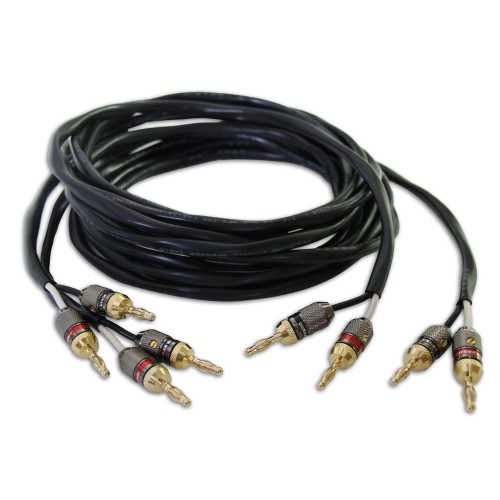
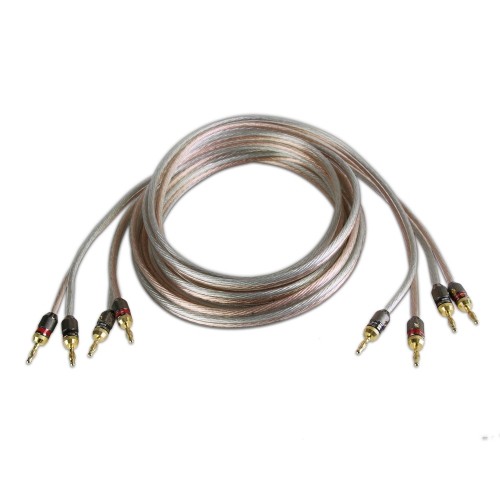
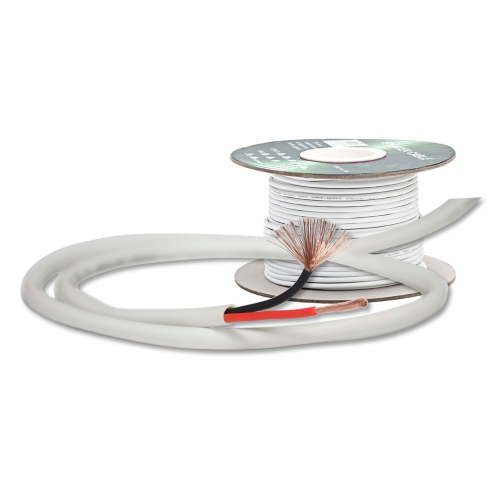
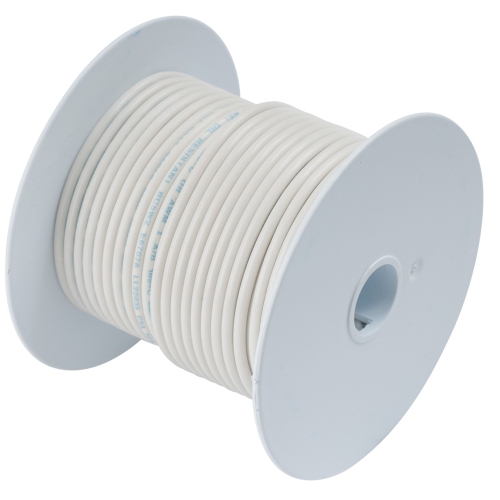
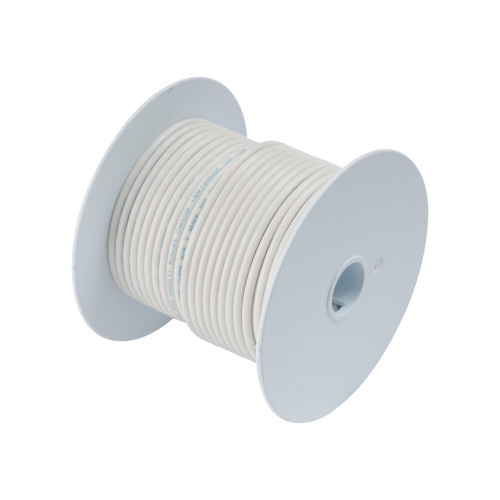
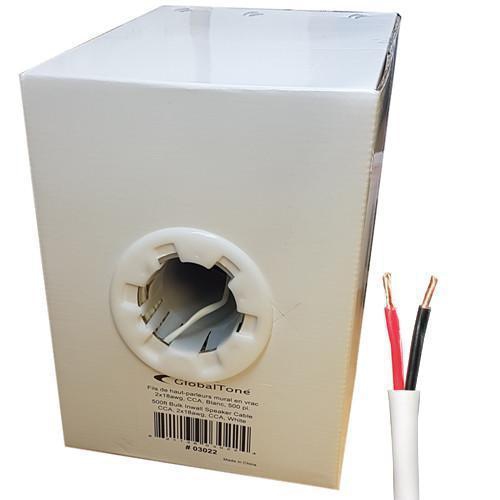
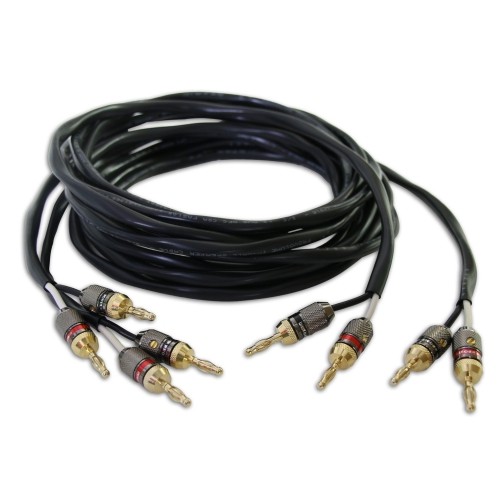
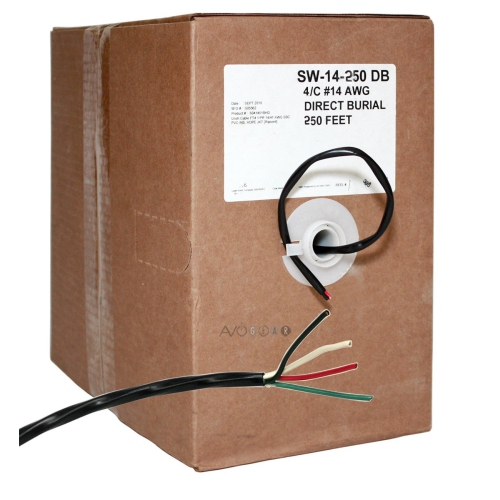
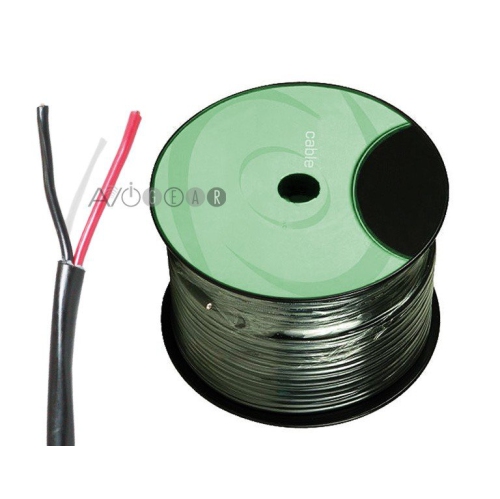
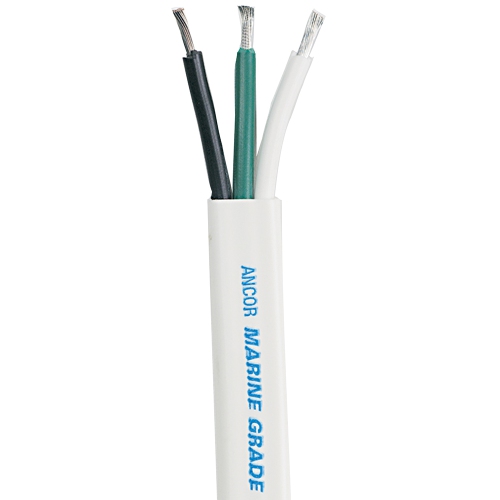
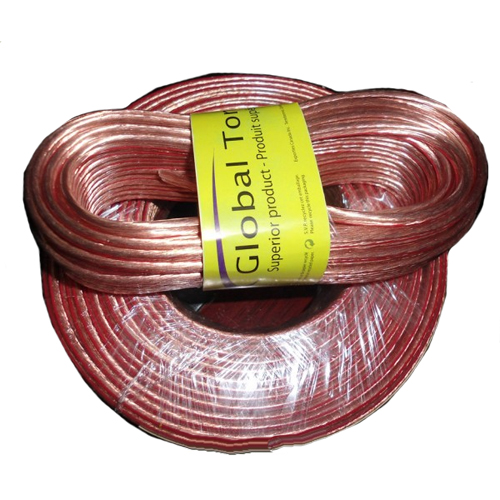
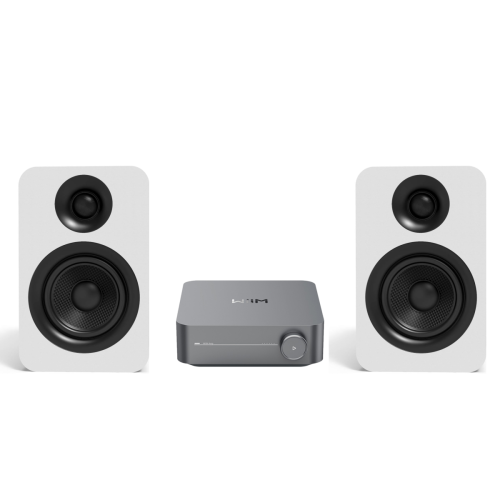
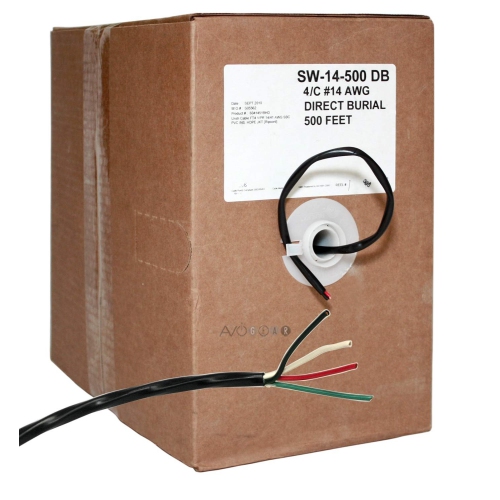
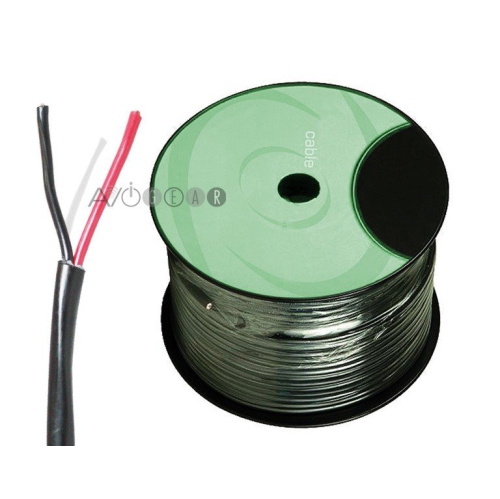
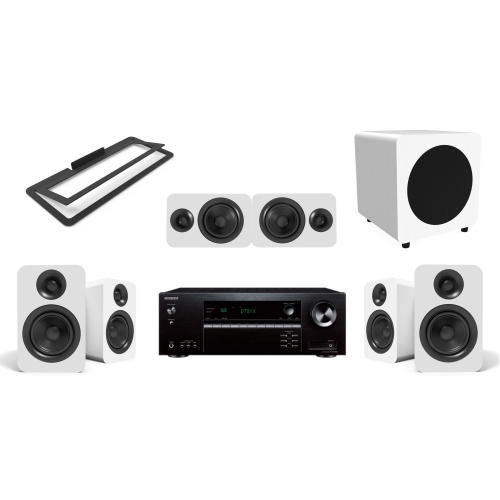
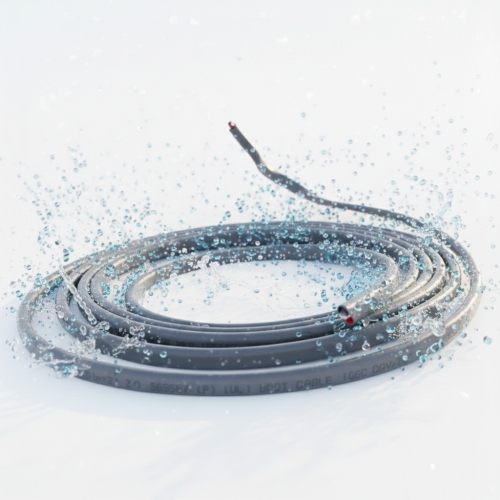
White speaker wire is a practical choice for building a neat, coordinated home audio setup without drawing attention to the cable itself. The light-coloured jacket can blend with painted baseboards, trim, shelving, ceilings, and pale walls, making it useful for everything from a compact stereo system to a multi-speaker home theatre. It can also help create a cleaner look when speakers are positioned across a room, along a hallway, or on opposite sides of a television. Browse a wider selection of Speaker Wires to compare lengths, gauges, jacket styles, and installation ratings for your project. Before choosing a cable, consider how far it must travel, where it will be installed, and which speakers or amplifier it will connect. A short run from an amplifier to bookshelf speakers may have different requirements from a long run around a finished room or through a wall. Measuring the route carefully is a good starting point, including the distance behind furniture, along corners, and between floors if applicable. Adding a little extra length at each end makes it easier to position equipment, strip the insulation, and make secure connections without putting strain on the terminals. White speaker wire is particularly well suited to rooms where appearance matters, such as living rooms, family rooms, bedrooms, dining areas, and open-concept spaces. It can be tucked beside a baseboard or routed discreetly around a door frame, while cable clips, raceways, or other suitable cable-management accessories can help keep it orderly. For installations behind drywall, inside ceilings, or through other concealed spaces, select wire with the appropriate in-wall safety rating, such as CL2 or CL3, and follow local electrical and building requirements. A cable intended only for exposed use should not automatically be placed inside a wall. When the installation is complex or requires opening finished walls, a qualified professional can help confirm that the route and materials are suitable.
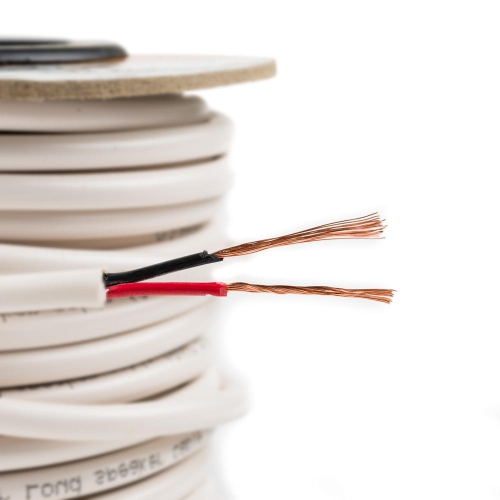
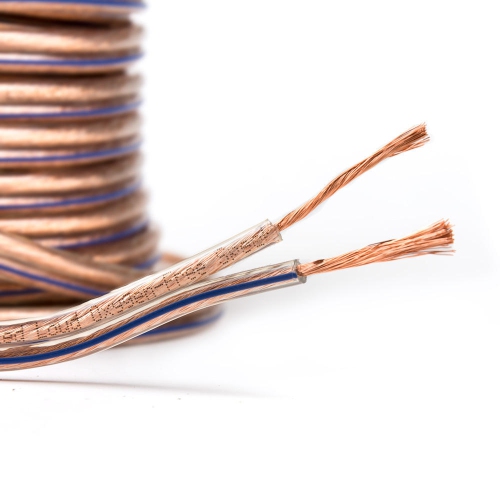
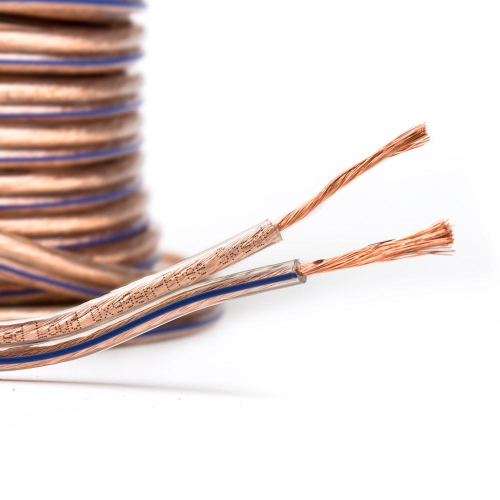
Wire gauge is another important consideration because it affects the cable’s thickness and suitability for different distances and power levels. Gauge is expressed in AWG, and lower numbers indicate thicker wire. For many everyday home audio arrangements, 14-gauge or 16-gauge wire offers a useful balance of performance, flexibility, and ease of installation. Thicker 12-gauge wire may be appropriate for longer runs, higher-powered systems, or speakers that demand more current, although the best choice depends on the amplifier, speaker specifications, and the length of the connection. Very long runs can introduce more resistance, so matching the gauge to the distance helps support consistent sound and reliable operation. A flexible jacket is helpful when the cable needs to follow corners or fit behind furniture, while a heavier jacket may be preferable where the wire will be handled often or placed in a more exposed location. Look for clear markings along the cable, particularly if both conductors are covered by the same white outer jacket. One conductor may have a stripe, ridge, printed text, or other identifying feature to distinguish it from the other. Keeping the same marked conductor connected to the positive terminal on both ends, with the unmarked conductor connected to the negative terminal, helps maintain correct polarity throughout the system. Reversing polarity on one speaker can affect the way the speakers work together and may reduce the sense of balanced bass or spacious sound. Before connecting the wire, turn off the amplifier or receiver, measure and cut carefully, and strip only enough insulation to make a clean connection. Loose strands should not touch adjacent terminals, since that can cause poor performance or potentially damage the equipment. Depending on the setup, bare wire may be connected directly to spring clips or binding posts, while banana plugs or other compatible connectors can make repeated connections more convenient and tidy. Check the terminal design on your equipment before purchasing accessories, and avoid forcing a connector into a socket that is not designed for it.
White speaker wire can suit a wide range of listeners and households. Someone moving into a new home may use it to connect speakers throughout a living area while keeping the décor uncluttered. A family updating a television room can run it to rear speakers for a more immersive film, sports, or gaming setup. Music listeners may use it to connect a receiver to floorstanding, bookshelf, or architectural speakers, while someone working on a renovation may appreciate a white jacket that is less noticeable against freshly painted walls. It can also be a thoughtful gift for a homeowner, audio enthusiast, student setting up a first apartment, or friend who enjoys improving their entertainment space. When giving speaker wire as part of a gift, it helps to know the approximate room size, the number of speakers, and whether the recipient plans to route the cable visibly or conceal it. Cable length is easy to overlook, so a measured plan is more useful than choosing based only on the appearance of the package. During the cooler months, indoor projects such as reorganizing a family room or creating a comfortable movie-watching area can be a convenient time to complete a speaker installation, especially when the layout is being adjusted around furniture and seasonal gatherings. Keep the wire away from sharp edges, heat sources, damp areas, and locations where it could be pinched under rugs or furniture. If it must cross a walking route, use a suitable protective channel rather than leaving it loose. A tidy installation is easier to inspect, less likely to be pulled accidentally, and simpler to modify later. By matching the wire’s gauge, length, jacket rating, polarity markings, and connector style to the equipment and installation route, shoppers can create a dependable audio connection that fits naturally into the room.
Wire gauge is another important consideration because it affects the cable’s thickness and suitability for different distances and power levels. Gauge is expressed in AWG, and lower numbers indicate thicker wire. For many everyday home audio arrangements, 14-gauge or 16-gauge wire offers a useful balance of performance, flexibility, and ease of installation. Thicker 12-gauge wire may be appropriate for longer runs, higher-powered systems, or speakers that demand more current, although the best choice depends on the amplifier, speaker specifications, and the length of the connection. Very long runs can introduce more resistance, so matching the gauge to the distance helps support consistent sound and reliable operation. A flexible jacket is helpful when the cable needs to follow corners or fit behind furniture, while a heavier jacket may be preferable where the wire will be handled often or placed in a more exposed location. Look for clear markings along the cable, particularly if both conductors are covered by the same white outer jacket. One conductor may have a stripe, ridge, printed text, or other identifying feature to distinguish it from the other. Keeping the same marked conductor connected to the positive terminal on both ends, with the unmarked conductor connected to the negative terminal, helps maintain correct polarity throughout the system. Reversing polarity on one speaker can affect the way the speakers work together and may reduce the sense of balanced bass or spacious sound. Before connecting the wire, turn off the amplifier or receiver, measure and cut carefully, and strip only enough insulation to make a clean connection. Loose strands should not touch adjacent terminals, since that can cause poor performance or potentially damage the equipment. Depending on the setup, bare wire may be connected directly to spring clips or binding posts, while banana plugs or other compatible connectors can make repeated connections more convenient and tidy. Check the terminal design on your equipment before purchasing accessories, and avoid forcing a connector into a socket that is not designed for it.
White speaker wire can suit a wide range of listeners and households. Someone moving into a new home may use it to connect speakers throughout a living area while keeping the décor uncluttered. A family updating a television room can run it to rear speakers for a more immersive film, sports, or gaming setup. Music listeners may use it to connect a receiver to floorstanding, bookshelf, or architectural speakers, while someone working on a renovation may appreciate a white jacket that is less noticeable against freshly painted walls. It can also be a thoughtful gift for a homeowner, audio enthusiast, student setting up a first apartment, or friend who enjoys improving their entertainment space. When giving speaker wire as part of a gift, it helps to know the approximate room size, the number of speakers, and whether the recipient plans to route the cable visibly or conceal it. Cable length is easy to overlook, so a measured plan is more useful than choosing based only on the appearance of the package. During the cooler months, indoor projects such as reorganizing a family room or creating a comfortable movie-watching area can be a convenient time to complete a speaker installation, especially when the layout is being adjusted around furniture and seasonal gatherings. Keep the wire away from sharp edges, heat sources, damp areas, and locations where it could be pinched under rugs or furniture. If it must cross a walking route, use a suitable protective channel rather than leaving it loose. A tidy installation is easier to inspect, less likely to be pulled accidentally, and simpler to modify later. By matching the wire’s gauge, length, jacket rating, polarity markings, and connector style to the equipment and installation route, shoppers can create a dependable audio connection that fits naturally into the room.
Top selling and popular products
-
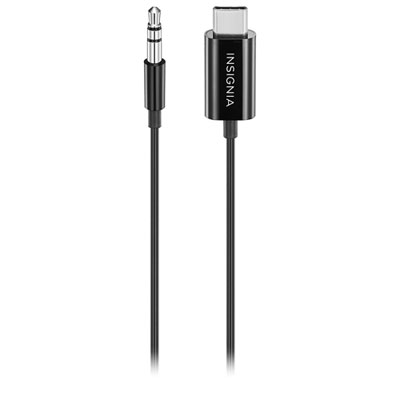 Your price for this item is $19.99
 -
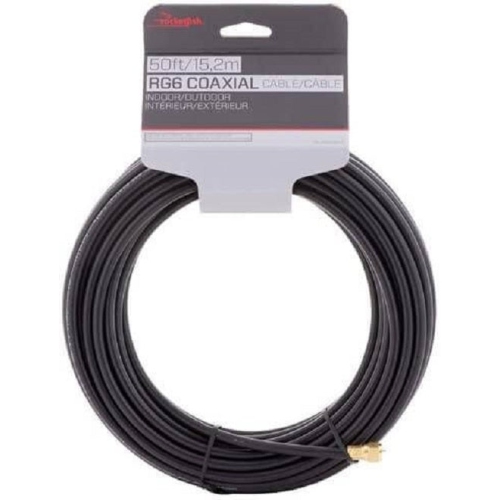 Your price for this item is $26.99
 -
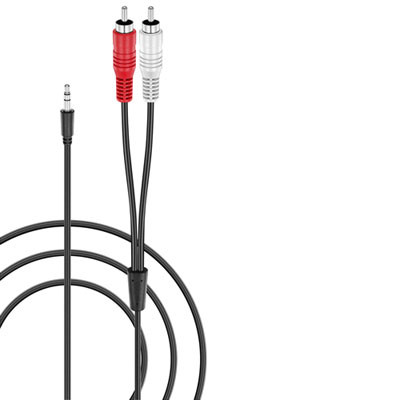 Your price for this item is $14.99
 -
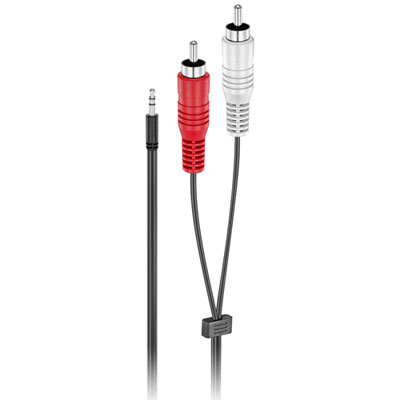 Your price for this item is $14.99
 -
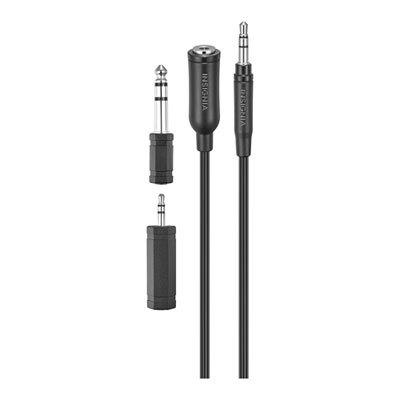 Your price for this item is $19.99
 -
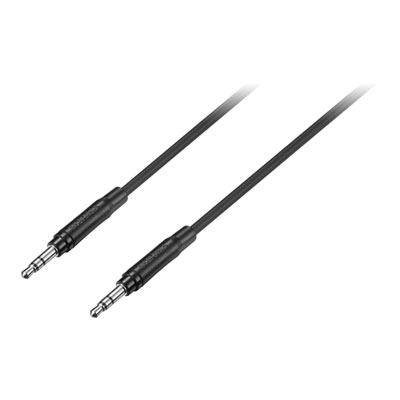 Your price for this item is $19.99
 -
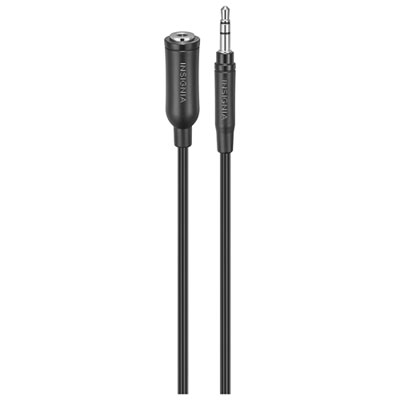 Your price for this item is $9.99
 -
 Your price for this item is $17.5
Discover more categories related to White Speakers Wire
Top Collections:
Pokemon Centers, Kindle Devices, Best Budget Office Chairs, Apple iPhones 16, Best Laptops for Writers, iPhone 15 Apple, Canon G7X Cameras, Refurbished Apple Laptops, Alarm Clock, Motorola Razr Phones
Some products may be subject to Environmental Handling Fees
(EHF) depending on your province.
Learn more about EHFs.