Wood And Glass TV Stands
Enhance your living room with a touch of elegance and functionality with our wood and glass TV stands. Combining the timeless appeal of wood with the sleek modernity of glass, these TV stands effortlessly blend style and practicality to elevate your entertainment experience.
Sort
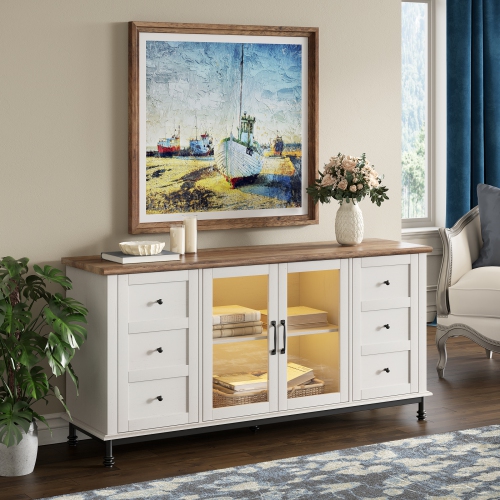
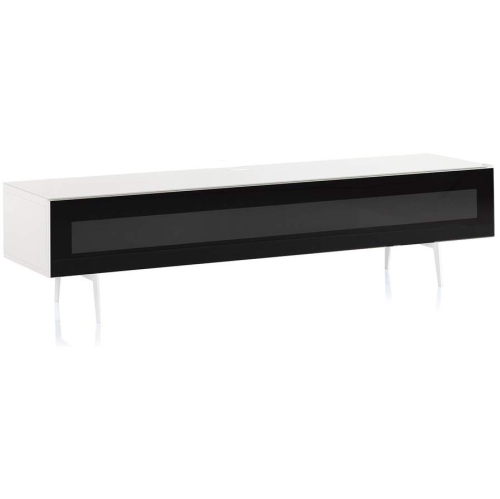
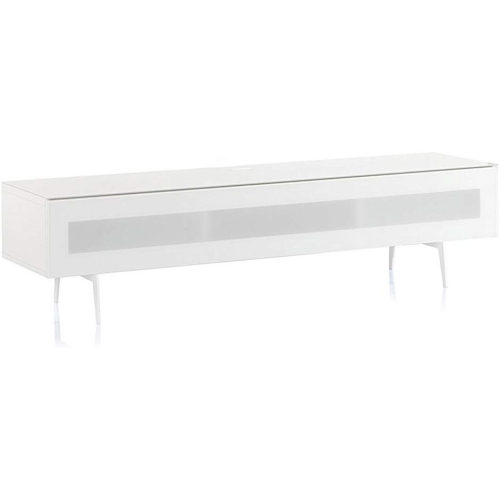
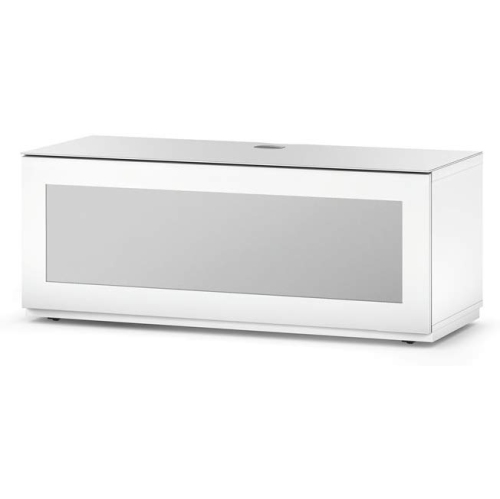
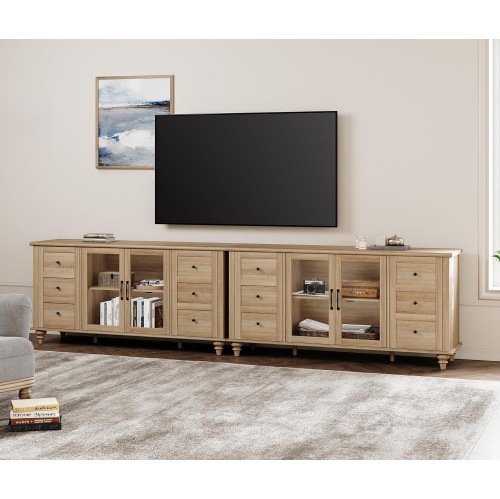
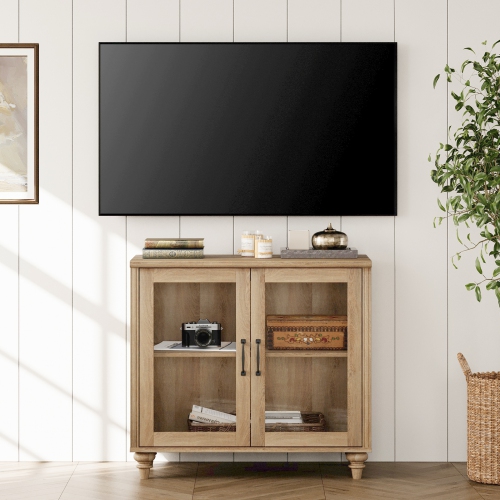
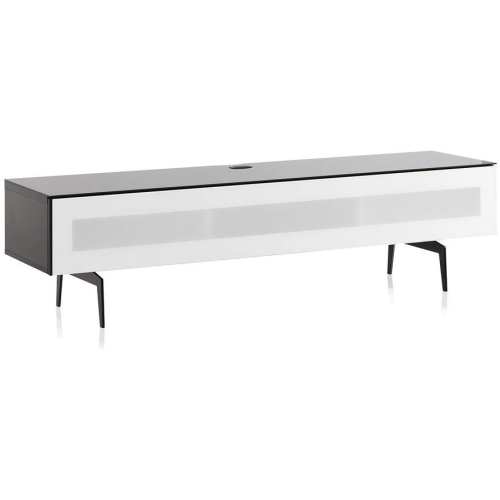
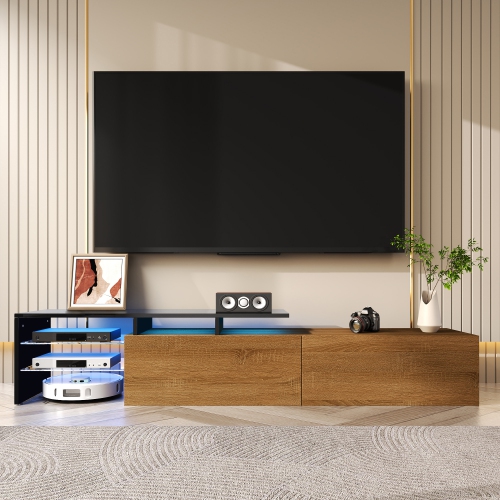
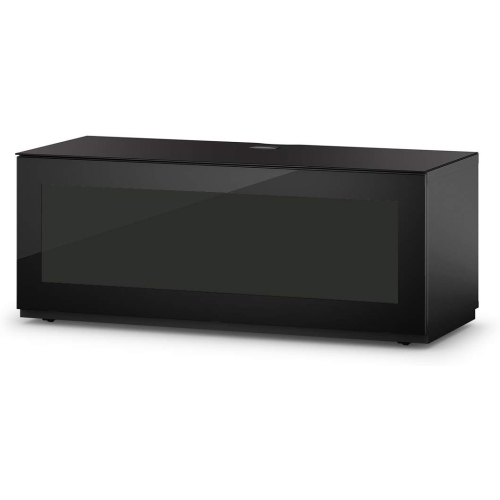
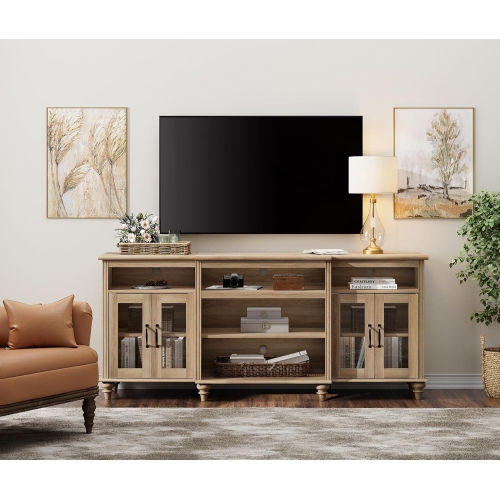
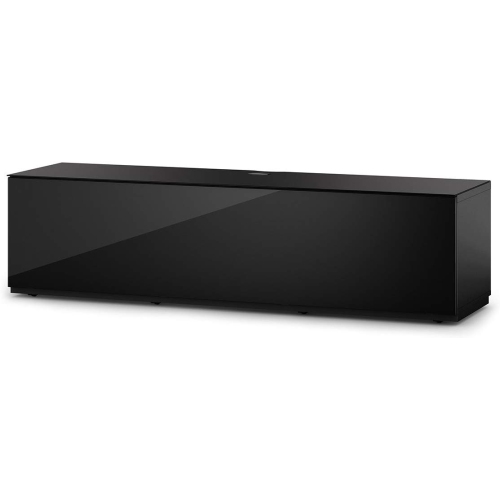
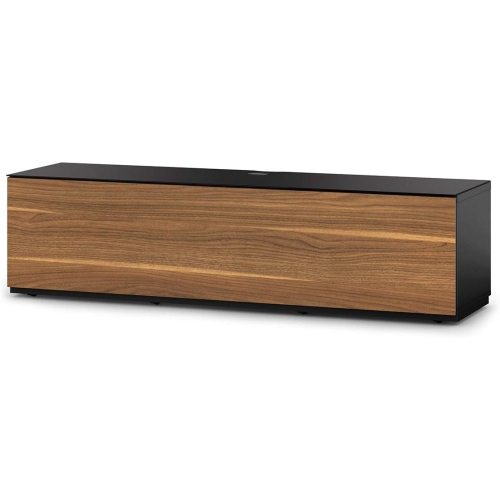

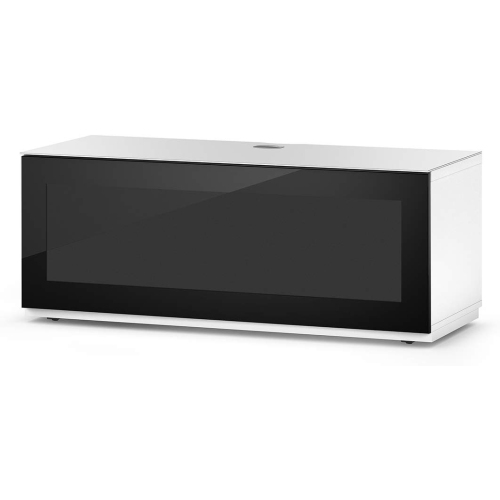
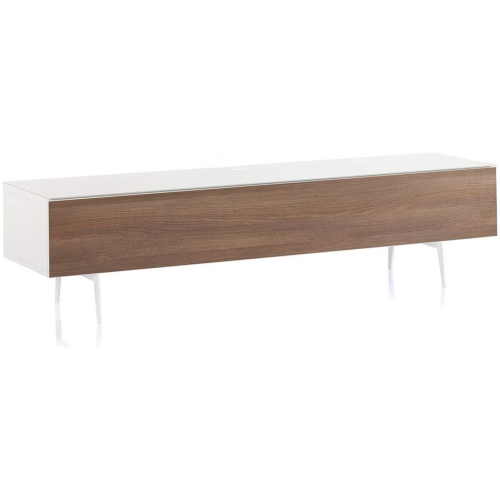
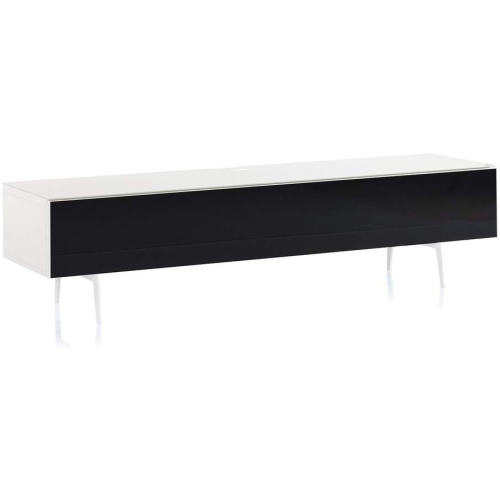
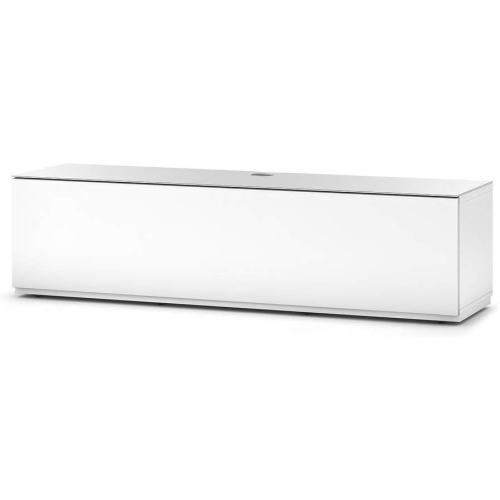
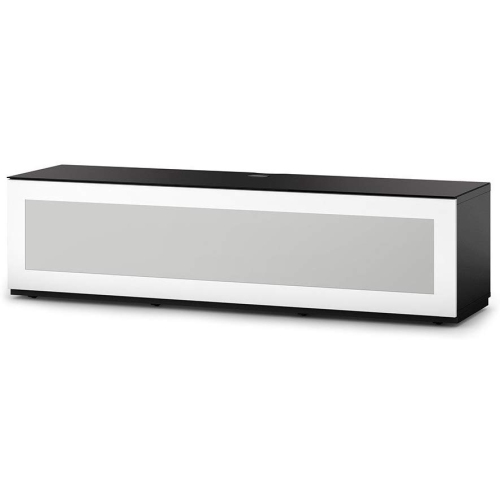

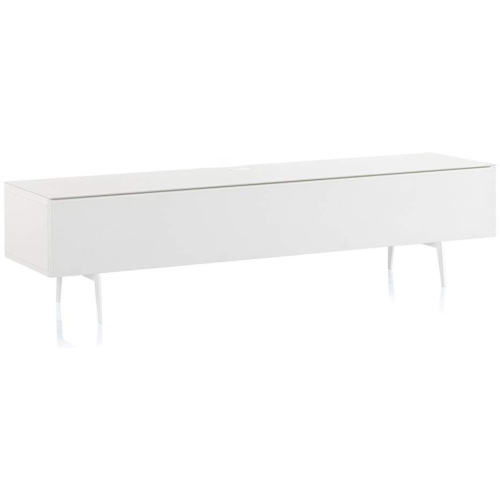

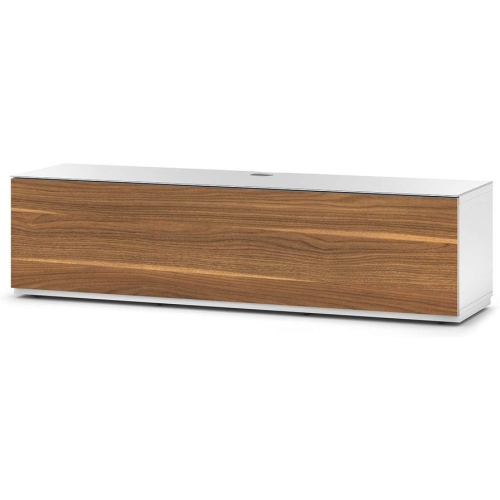
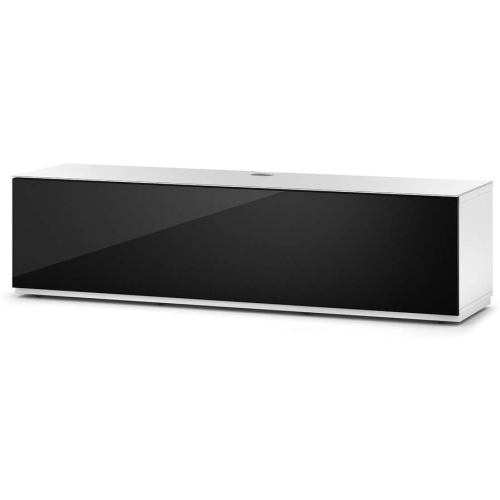
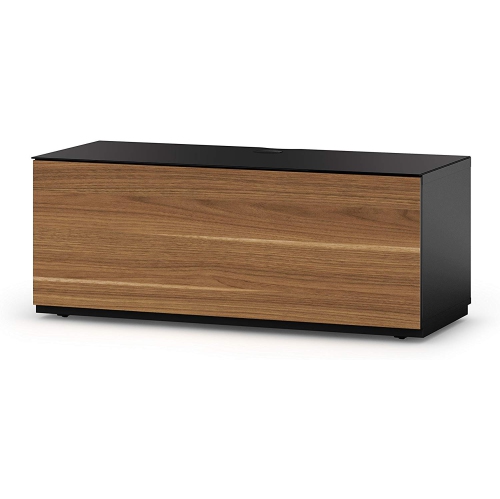
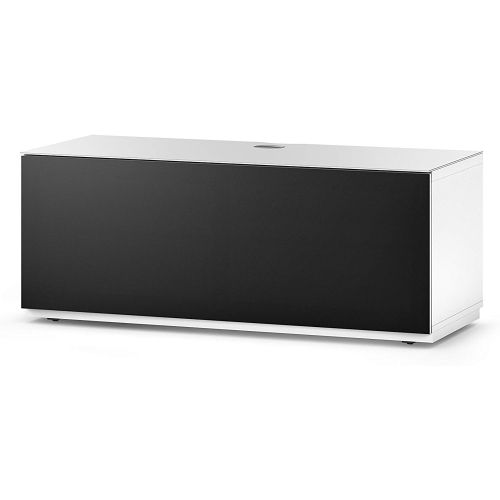
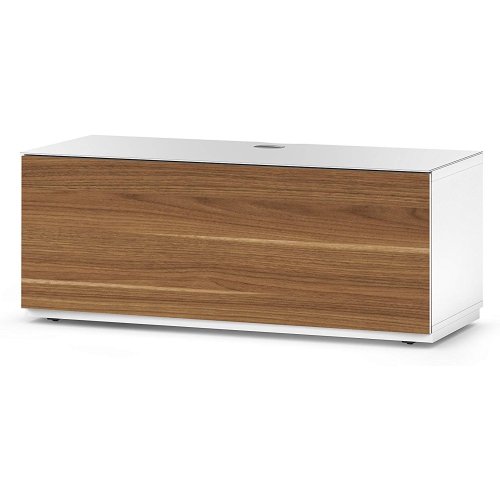
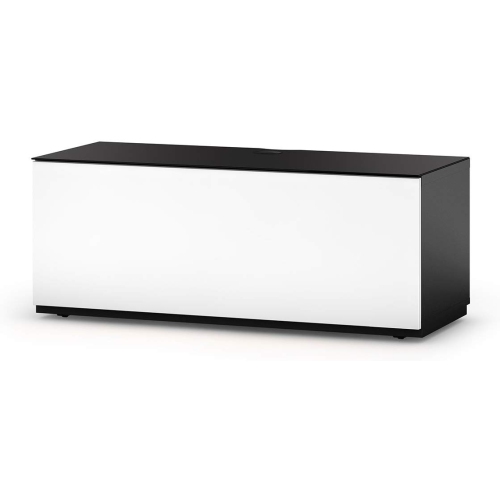
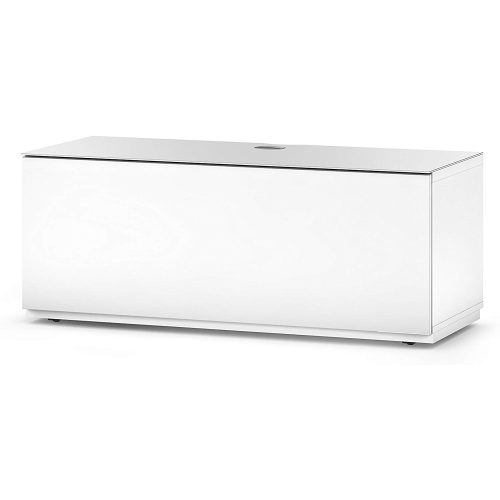
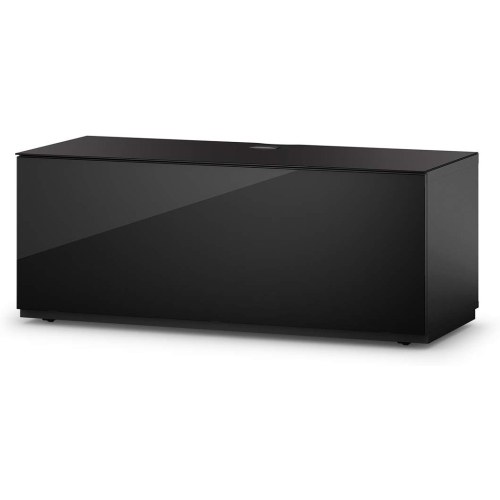
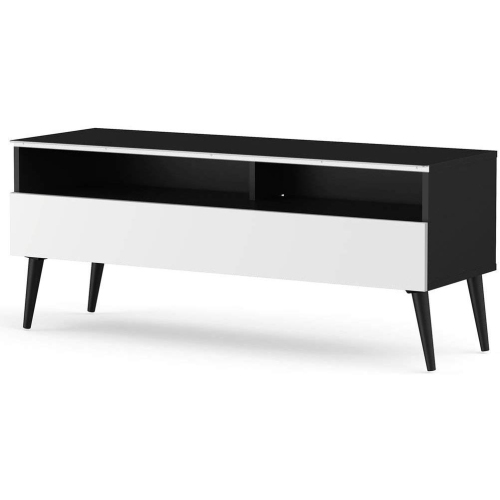
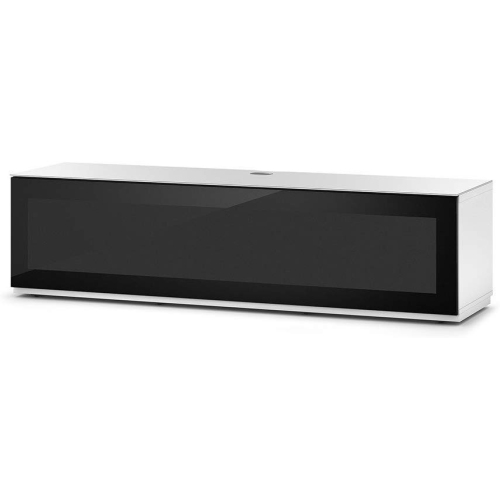
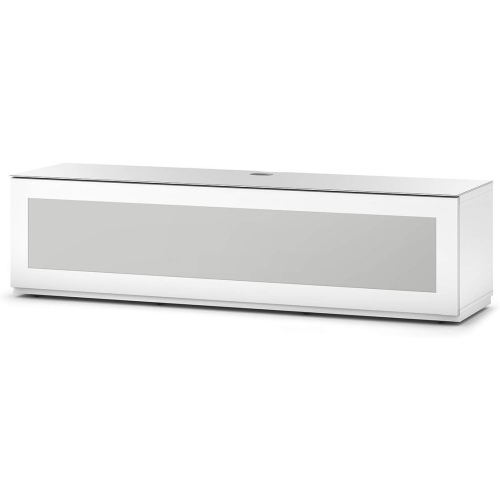
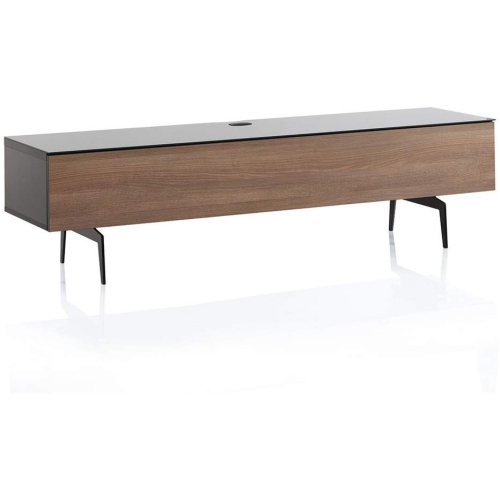
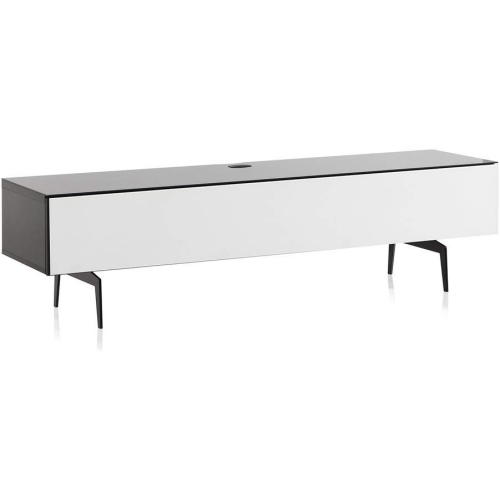

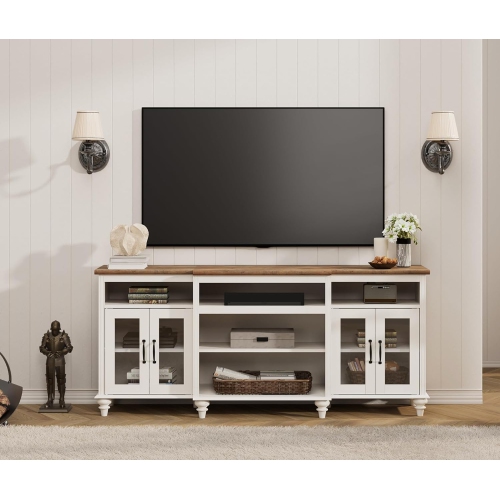
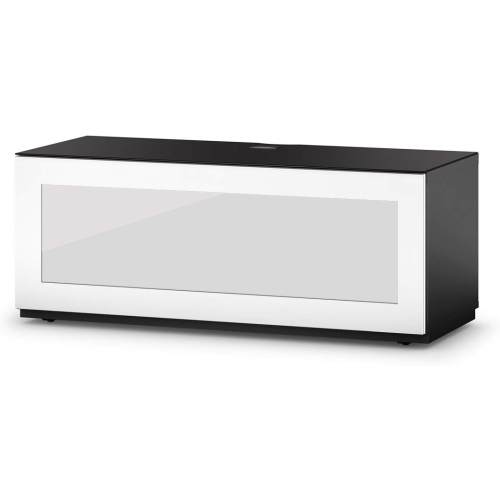
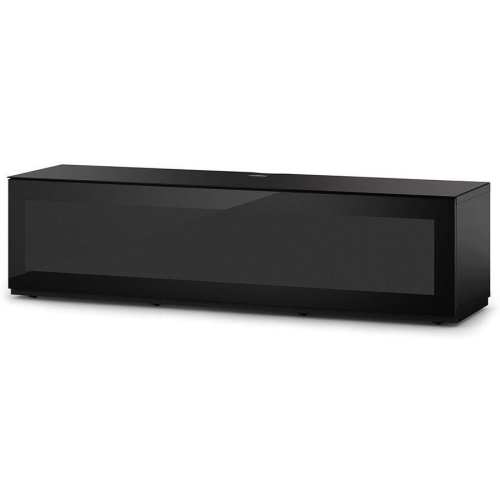
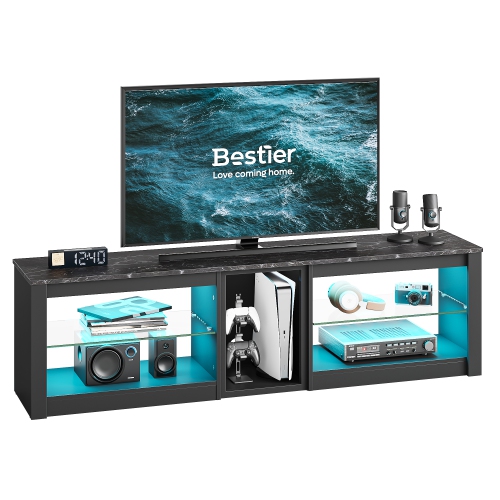
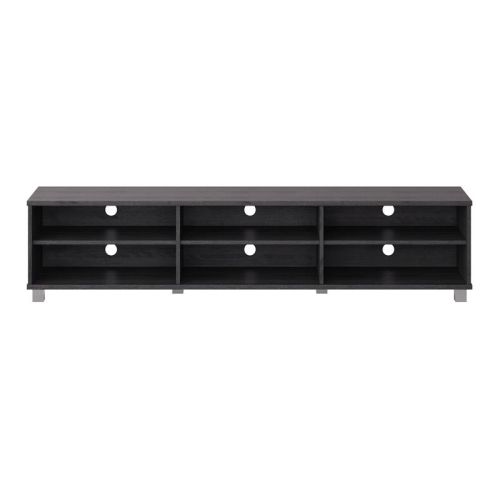
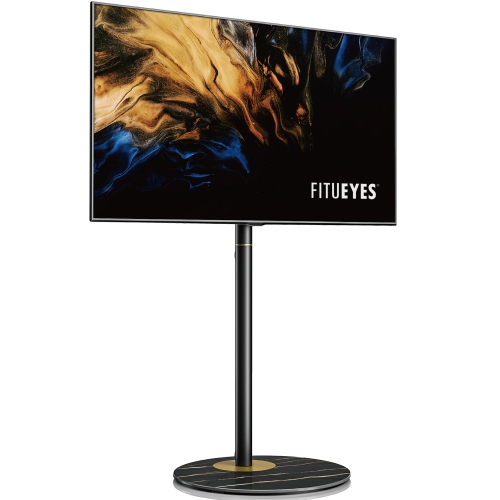
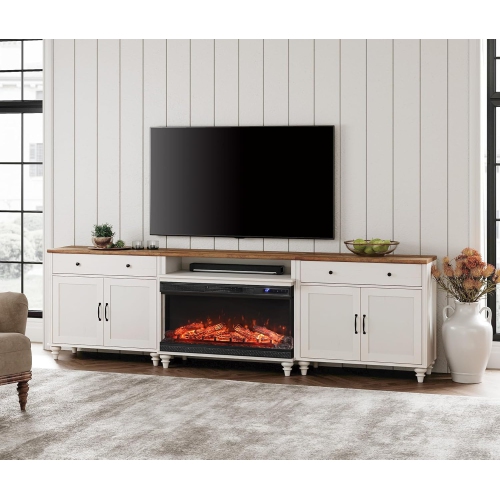
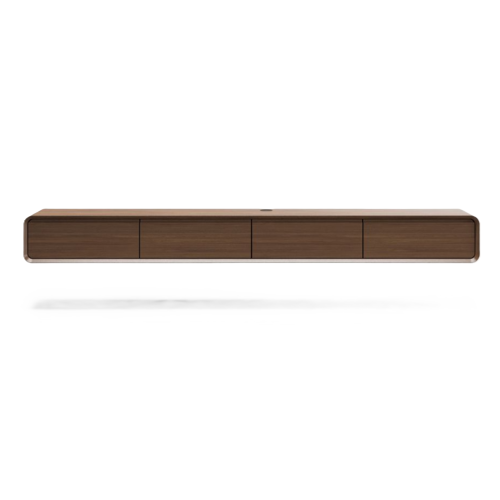
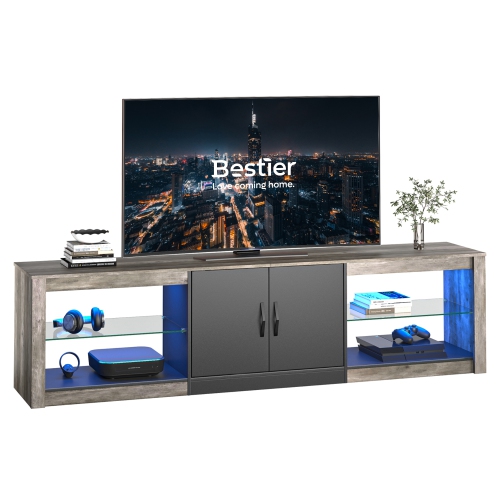
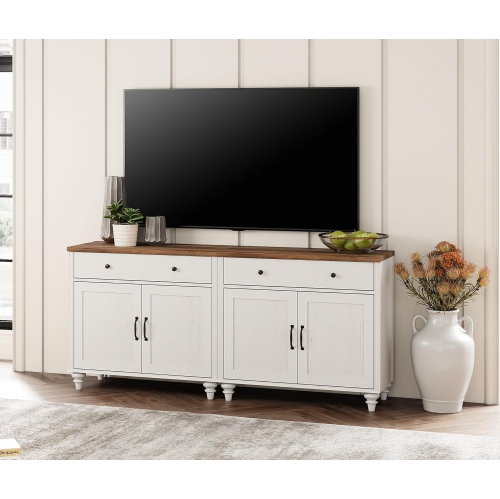
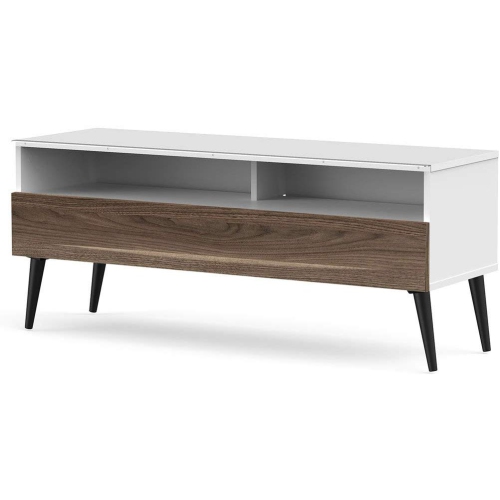
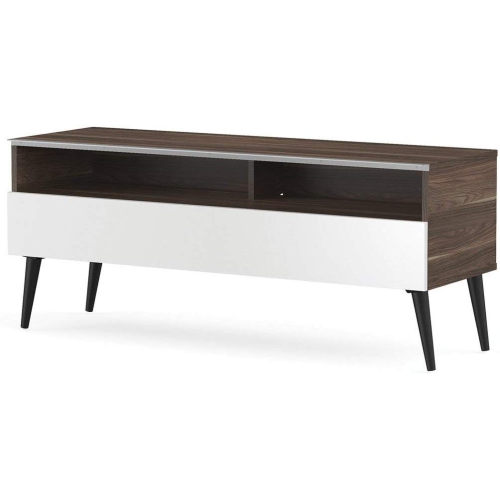
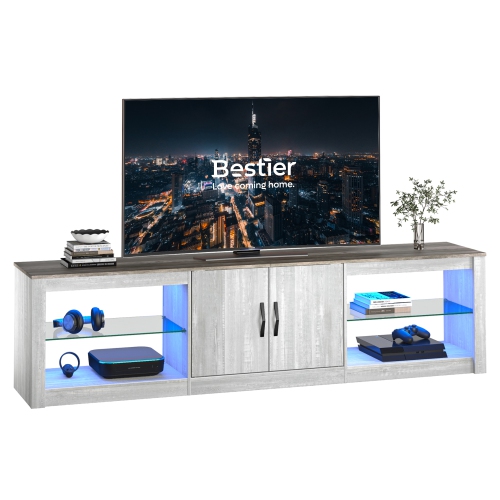
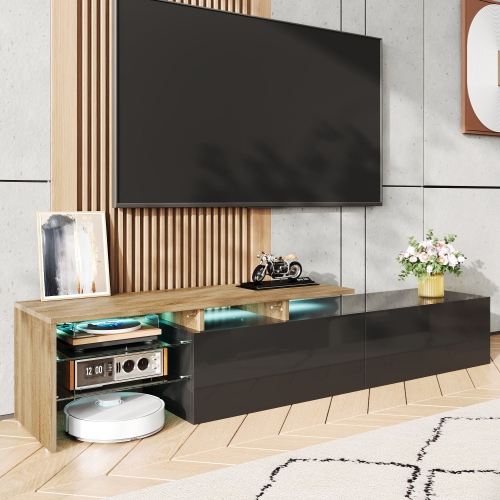

Storage and cable details support a polished television setup
Wood and glass TV stands bring together two materials that balance one another beautifully: the warmth, texture, and visual weight of wood with the light, open appearance of glass. This combination works well in living rooms, family rooms, bedrooms, apartments, and entertainment areas where a television needs a stable home without making the room feel crowded. Wood frames and shelves can add a grounded, welcoming quality, while glass doors or shelving allow you to display consoles, speakers, books, and decorative pieces without creating a solid visual block. Depending on the design, the wood may appear as a natural grain finish, a darker stained tone, or a painted surface, making it easier to coordinate with flooring, coffee tables, bookshelves, and existing furniture. A wood and glass TV stand can suit both relaxed and more polished spaces, from a comfortable room with a sectional and soft lighting to a streamlined media area arranged around a wall-mounted screen. During the cooler months, when more time is often spent watching films, sports, shows, and games indoors, a well-chosen stand helps create a comfortable focal point while keeping the surrounding area organised. These stands can also make thoughtful gifts for someone setting up a first home, refreshing a family room, or creating a dedicated entertainment space, particularly when their décor includes a mix of warm wood tones and contemporary glass accents.
Start by matching the stand to the size and weight of your television. The width of the furniture should provide a stable, visually balanced base, with enough surface area to accommodate the screen and leave room for careful placement of a soundbar or small decorative accessories. Always check the manufacturer’s stated weight capacity rather than relying on appearance alone, especially when the stand will support a larger television. It is also helpful to consider the depth of the unit and the available clearance around it. A deeper cabinet may provide useful storage for gaming consoles, audio-video receivers, streaming devices, and media accessories, but it should not interfere with walkways or make a smaller room feel compressed. Glass doors can conceal equipment, remotes, and cables while allowing infrared signals to pass through on many designs, helping the room look tidy without requiring every device to remain exposed. When comparing options, look for tempered glass where specified, as it is designed for greater resistance to everyday impacts than ordinary glass and breaks into smaller granules if severely damaged. Confirm the weight limits for individual shelves as well, since an audio receiver or gaming system may be considerably heavier than a compact streaming device. Adjustable shelves can be especially useful when components vary in height, while open shelving provides quick access and additional airflow for electronics.
Cable management is another practical detail that can make a noticeable difference once the stand is in place. Rear cutouts or openings allow power cords, HDMI cables, antenna leads, and speaker wires to pass through the cabinet instead of bunching beside the television. Before choosing a size, measure the wall area, the television, the components you plan to store, and the distance to the nearest power outlet. Leave enough space for ventilation around electronics, and avoid pressing cords sharply against the back panel. Closed storage can help keep controllers, remotes, discs, and other small accessories from collecting on the top surface, while open shelves make frequently used equipment easy to reach. A wood and glass design can also be styled in a way that feels personal without becoming busy: a few books, a framed photograph, or a small object can add character, while keeping the screen area clear preserves a calm sightline. For a lighter, more organic look, explore coordinating options such as Natural Wood TV Stands. Whether the stand is being used for everyday streaming, family gaming, movie nights, or a guest-room television, the right proportions and storage arrangement can make the entire setup easier to use. Pay attention to assembly requirements, door clearances, hardware, and the care instructions for both the wood surface and glass panels so the furniture remains attractive through changing routines and regular household use.
Start by matching the stand to the size and weight of your television. The width of the furniture should provide a stable, visually balanced base, with enough surface area to accommodate the screen and leave room for careful placement of a soundbar or small decorative accessories. Always check the manufacturer’s stated weight capacity rather than relying on appearance alone, especially when the stand will support a larger television. It is also helpful to consider the depth of the unit and the available clearance around it. A deeper cabinet may provide useful storage for gaming consoles, audio-video receivers, streaming devices, and media accessories, but it should not interfere with walkways or make a smaller room feel compressed. Glass doors can conceal equipment, remotes, and cables while allowing infrared signals to pass through on many designs, helping the room look tidy without requiring every device to remain exposed. When comparing options, look for tempered glass where specified, as it is designed for greater resistance to everyday impacts than ordinary glass and breaks into smaller granules if severely damaged. Confirm the weight limits for individual shelves as well, since an audio receiver or gaming system may be considerably heavier than a compact streaming device. Adjustable shelves can be especially useful when components vary in height, while open shelving provides quick access and additional airflow for electronics.
Cable management is another practical detail that can make a noticeable difference once the stand is in place. Rear cutouts or openings allow power cords, HDMI cables, antenna leads, and speaker wires to pass through the cabinet instead of bunching beside the television. Before choosing a size, measure the wall area, the television, the components you plan to store, and the distance to the nearest power outlet. Leave enough space for ventilation around electronics, and avoid pressing cords sharply against the back panel. Closed storage can help keep controllers, remotes, discs, and other small accessories from collecting on the top surface, while open shelves make frequently used equipment easy to reach. A wood and glass design can also be styled in a way that feels personal without becoming busy: a few books, a framed photograph, or a small object can add character, while keeping the screen area clear preserves a calm sightline. For a lighter, more organic look, explore coordinating options such as Natural Wood TV Stands. Whether the stand is being used for everyday streaming, family gaming, movie nights, or a guest-room television, the right proportions and storage arrangement can make the entire setup easier to use. Pay attention to assembly requirements, door clearances, hardware, and the care instructions for both the wood surface and glass panels so the furniture remains attractive through changing routines and regular household use.
Top selling and popular products
-
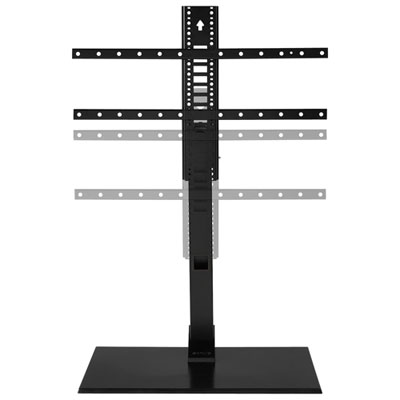 Your price for this item is $249.99
 -
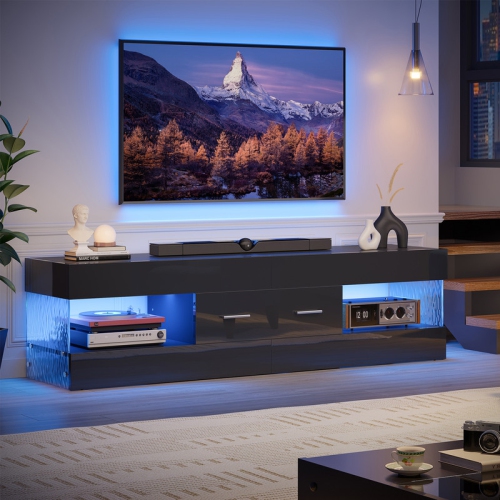 Your price for this item is $179.99
 -
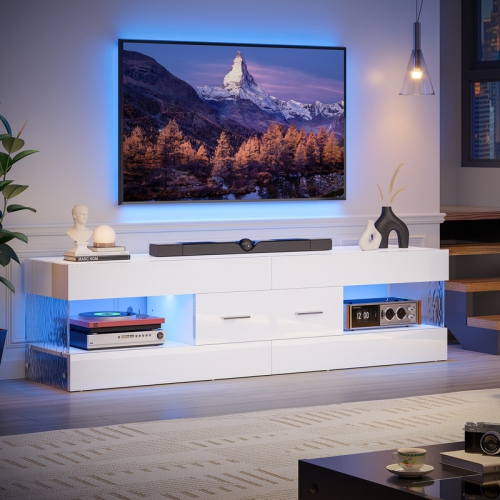 Your price for this item is $149.99
 -
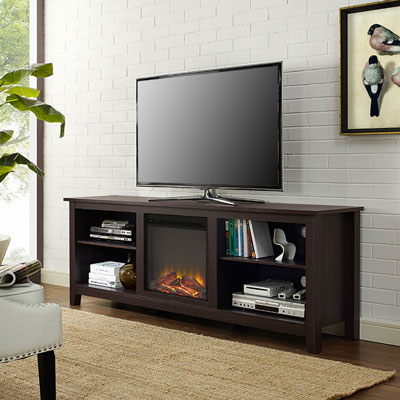 Your price for this item is $689.99
 -
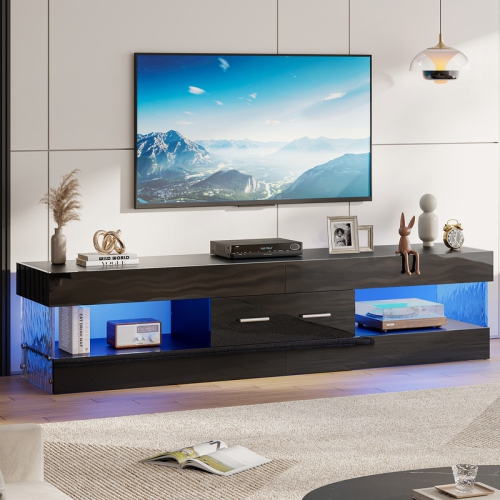 Your price for this item is $189.99
 -
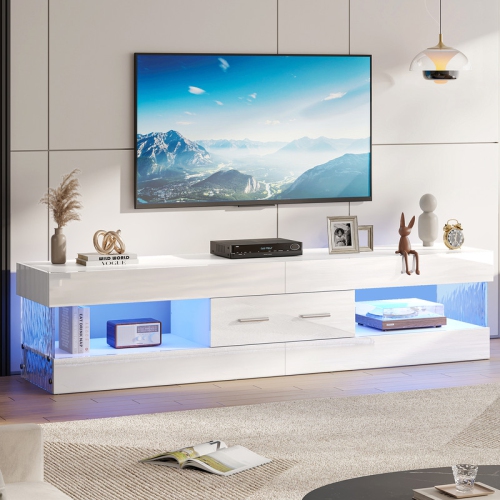 Your price for this item is $189.99
 -
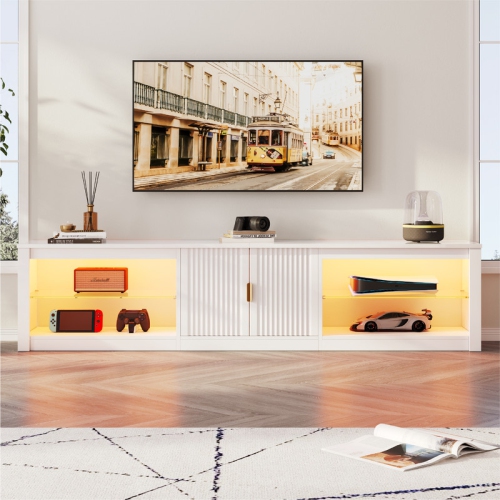 Your price for this item is $269.99
 -
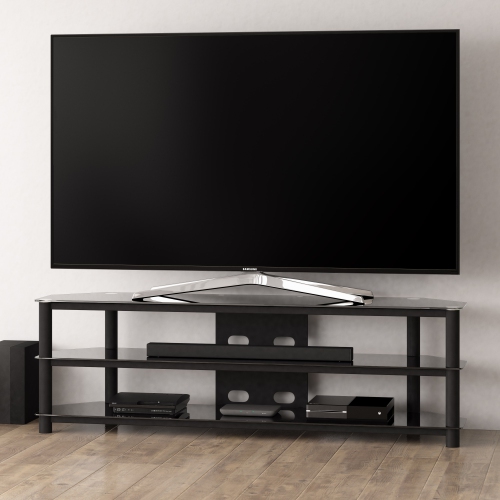 Your price for this item is $324.99
Discover more categories related to Wood And Glass TV Stands

Top Collections:
Pokemon Centers, Kindle Devices, Best Budget Office Chairs, Apple iPhones 16, Samsung Galaxy Phones, Canon G7X Cameras, iPhone 15 Apple, Flip Phones, Best Laptops for Writers, Alarm Clock
Some products may be subject to Environmental Handling Fees
(EHF) depending on your province.
Learn more about EHFs.