Solid Wood TV Stands
A solid wood TV stand is a great way to add style and functionality to your home. Solid wood furniture is made from a single piece of wood, which means it's more durable and will last longer than furniture made from multiple pieces. It also looks great and adds a touch of class to your living room.
Sort
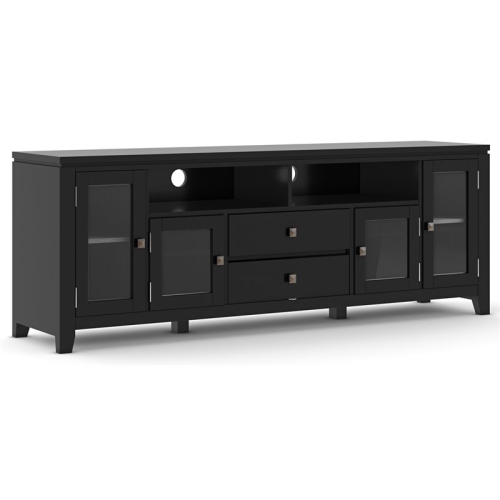
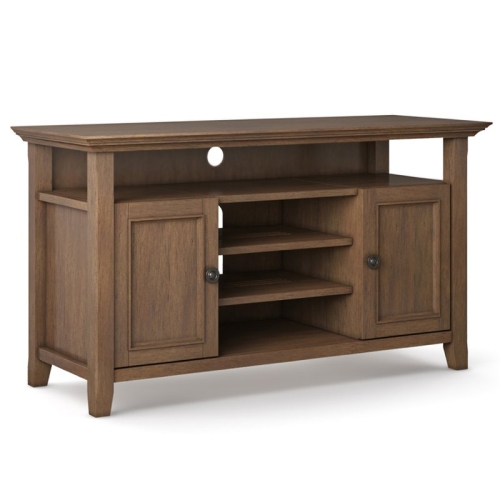
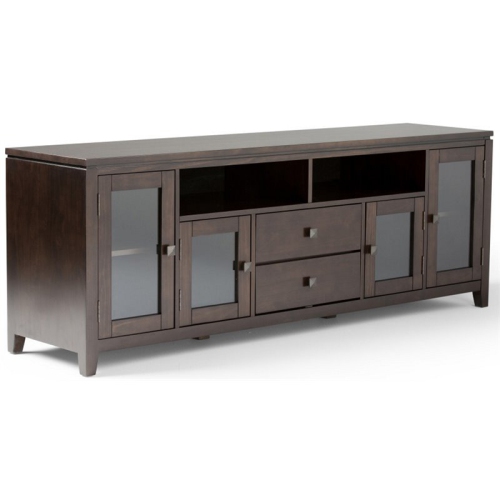
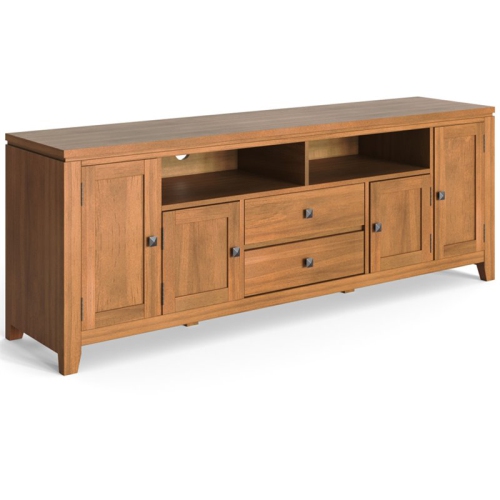
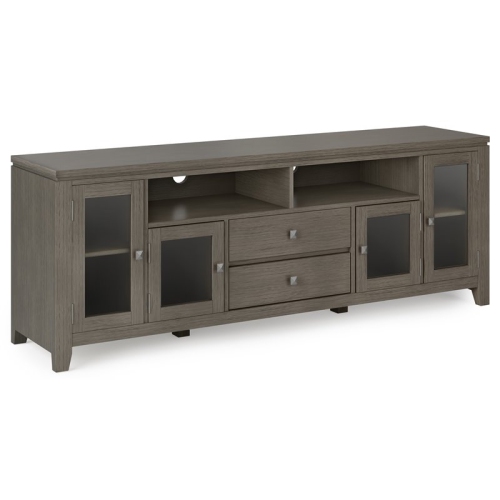
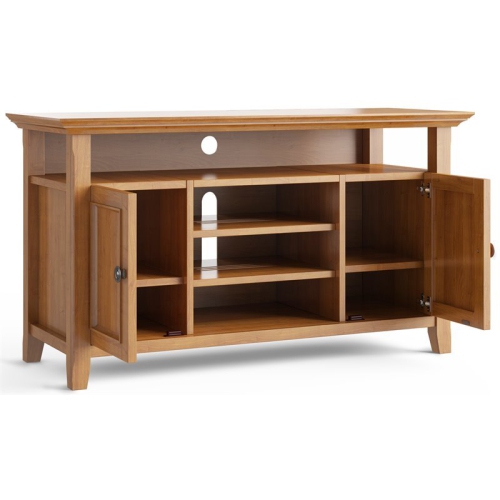
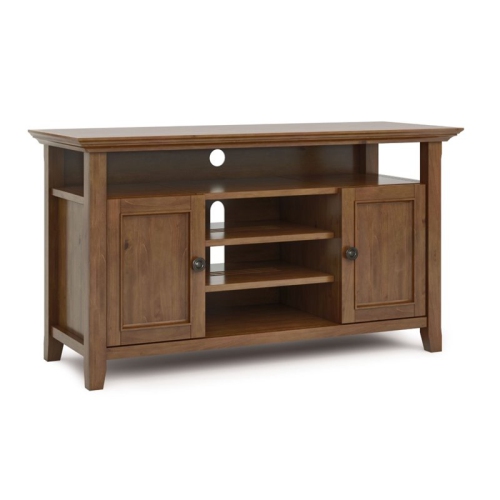
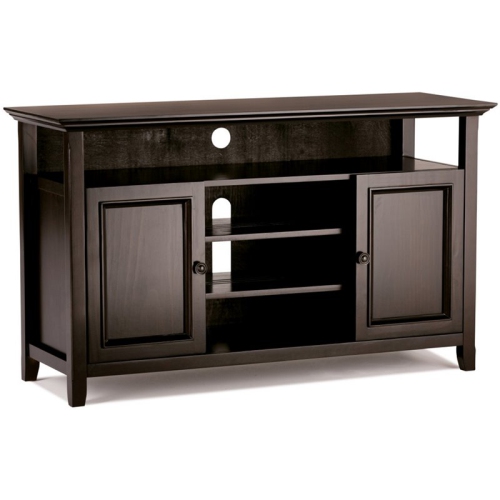
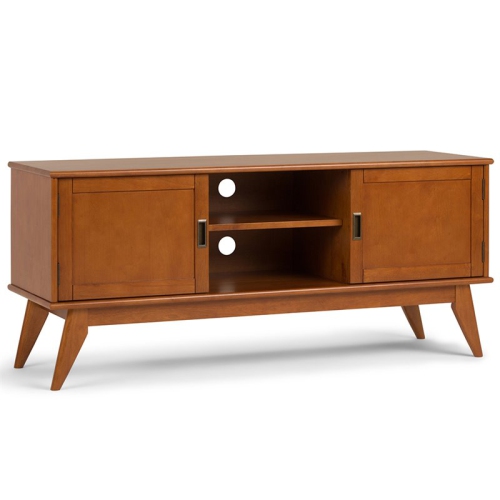
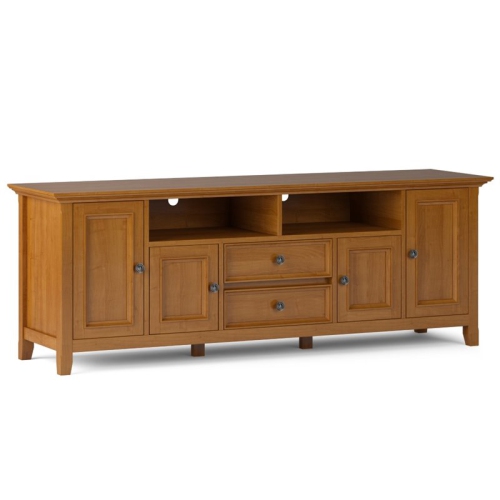
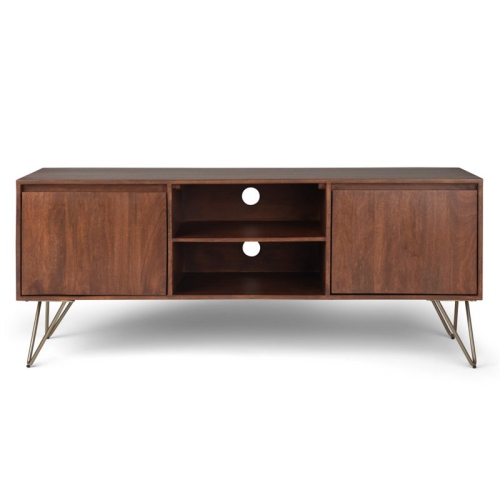
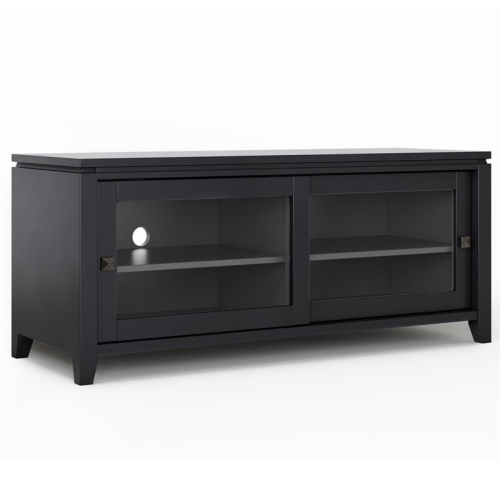

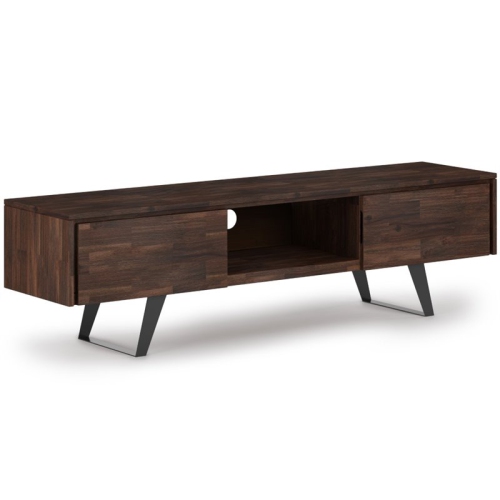
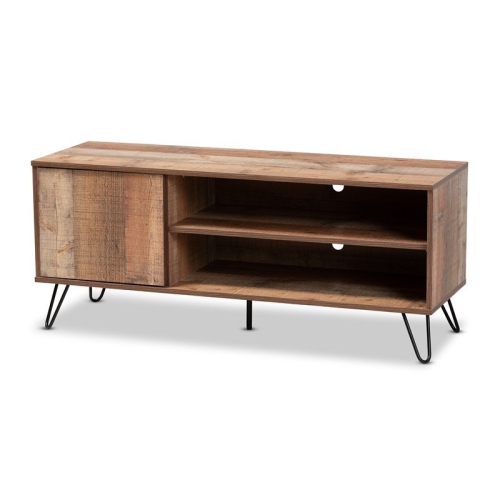
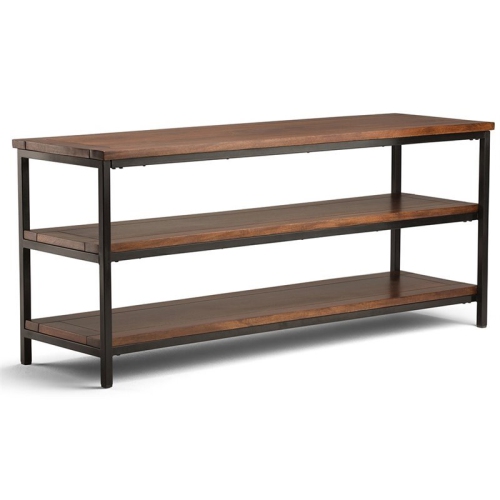

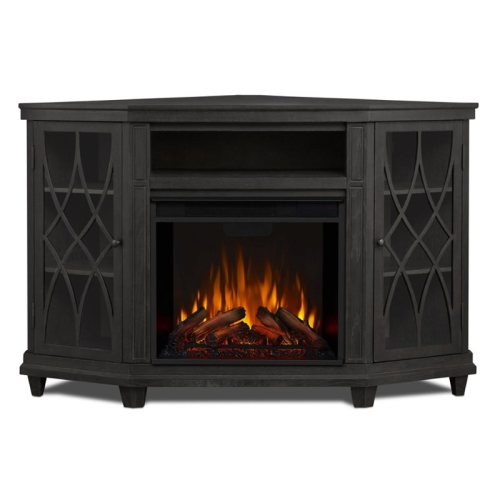
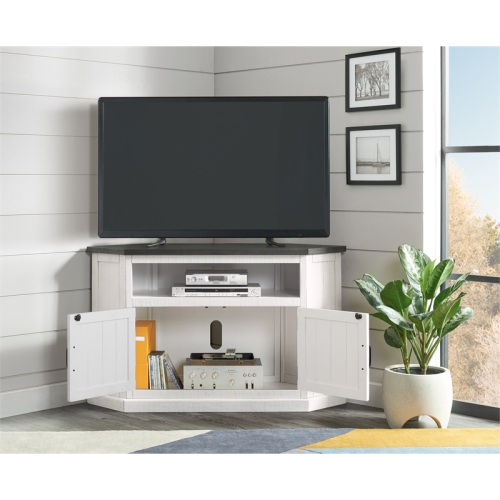
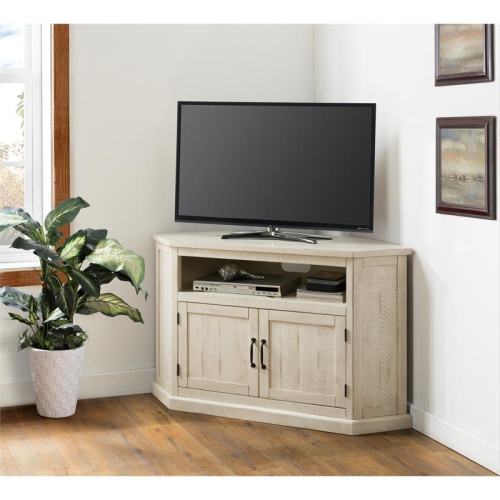
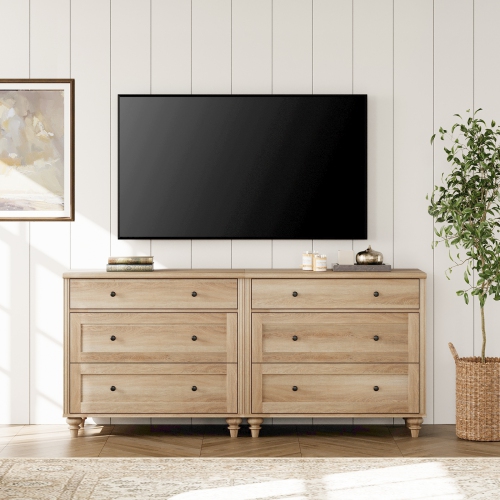
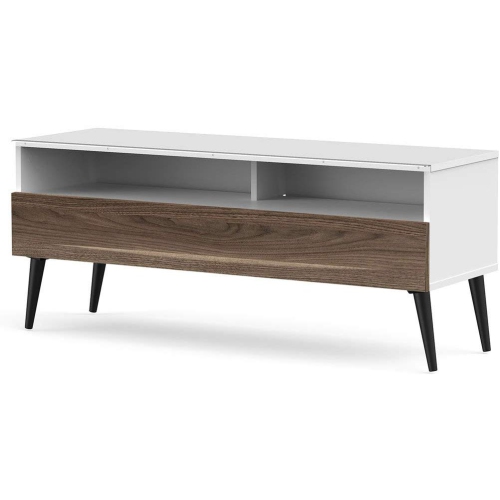
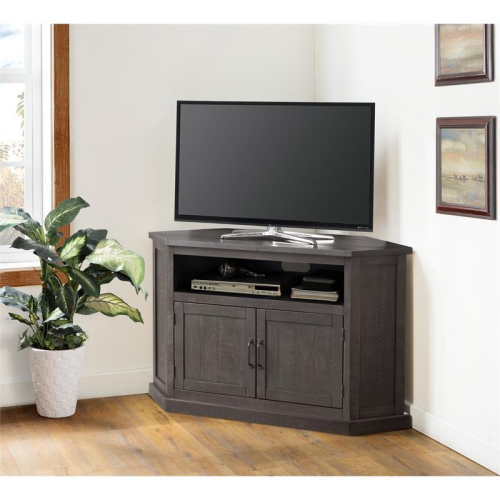
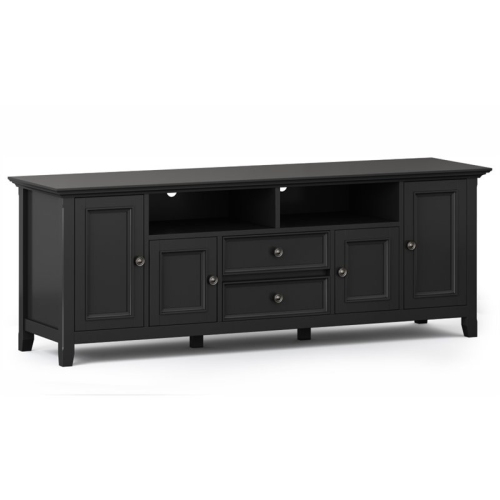
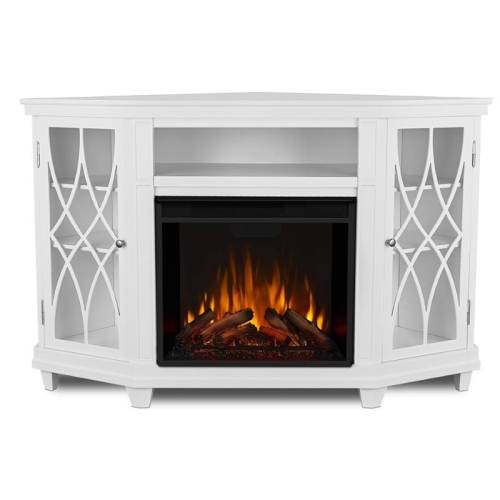
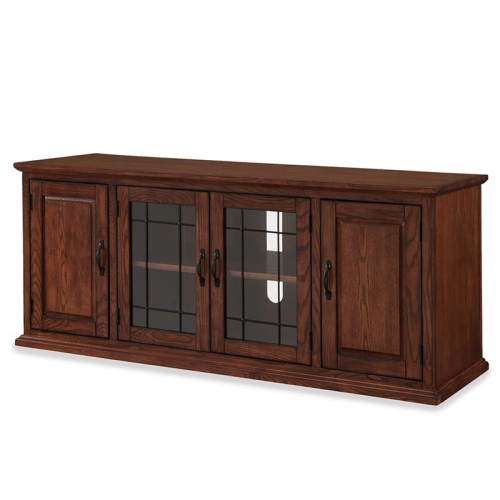
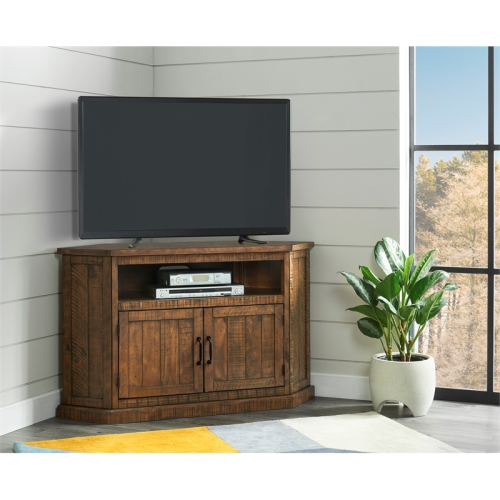
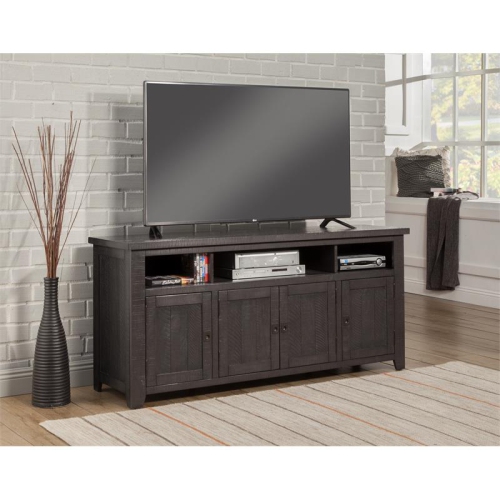
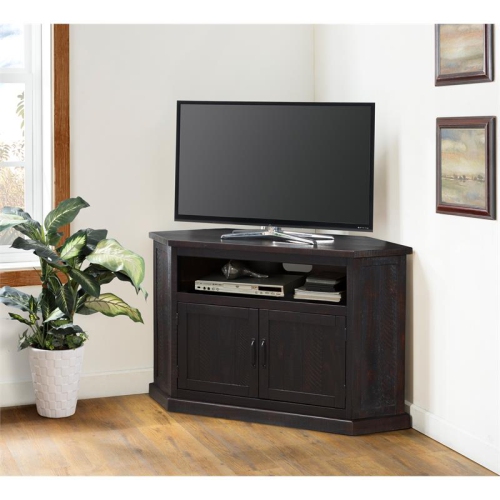
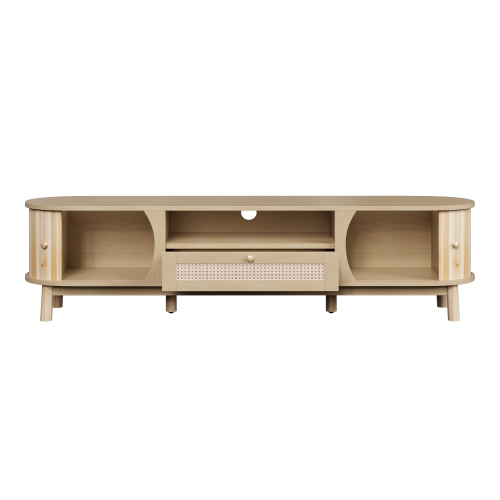
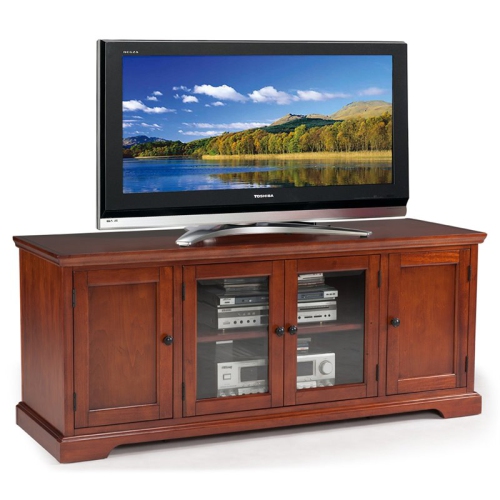
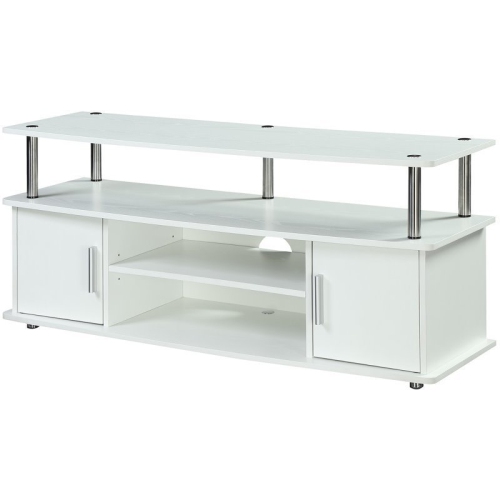
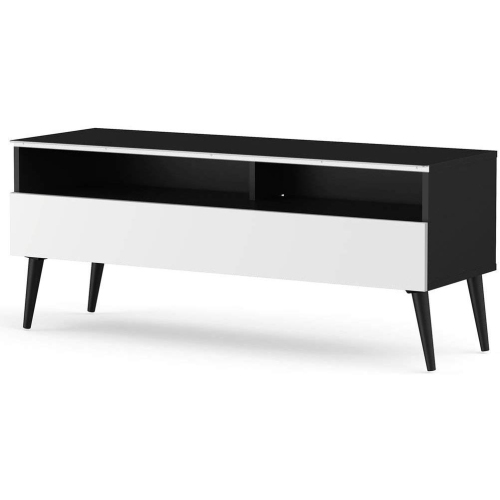
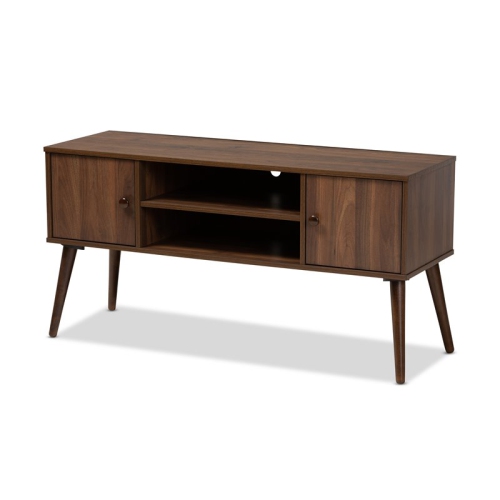
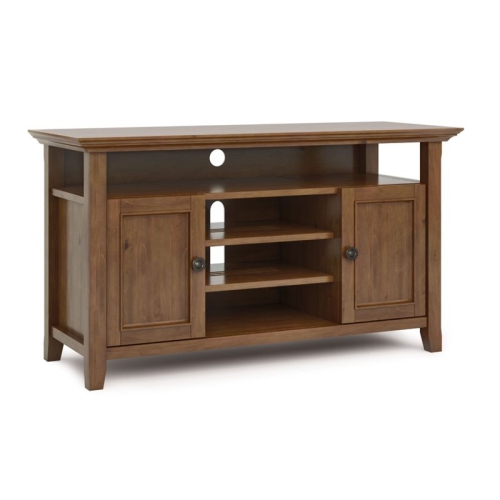
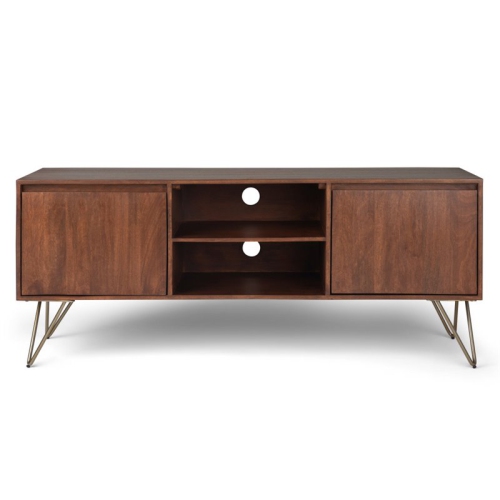
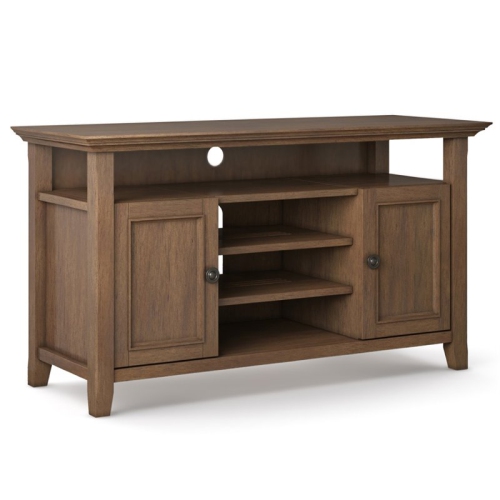
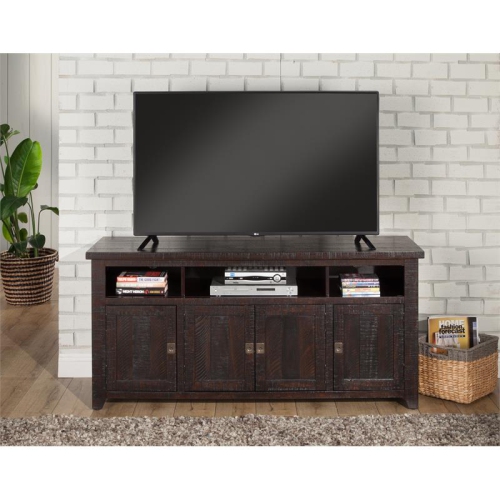
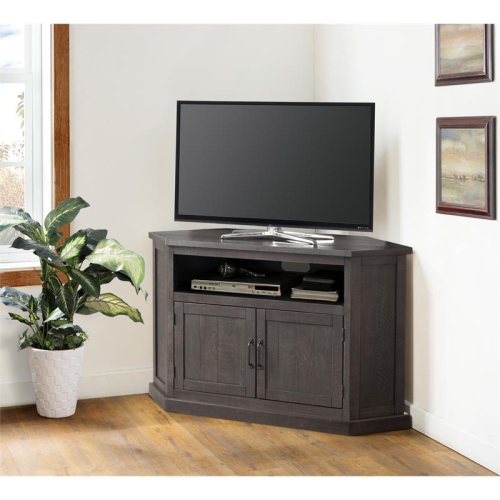
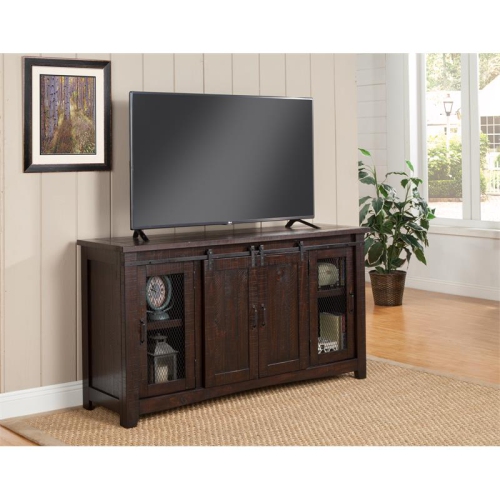
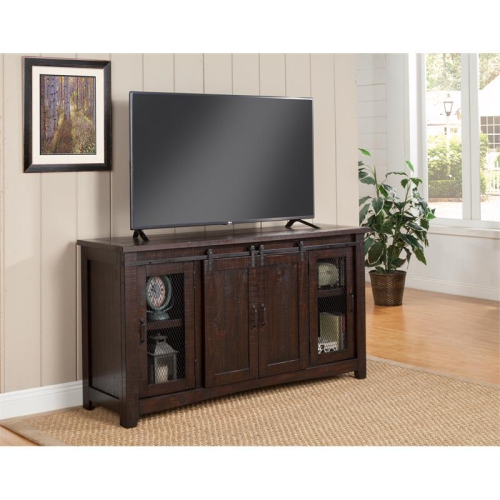
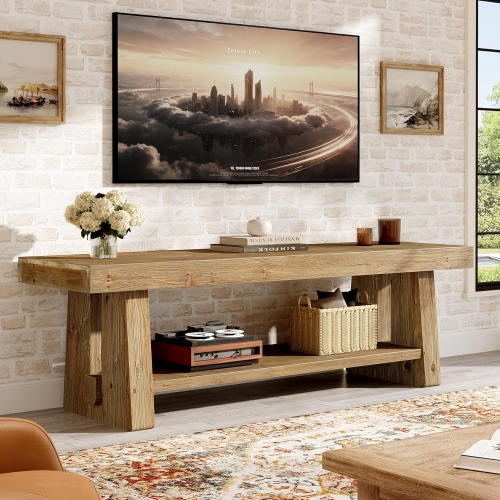
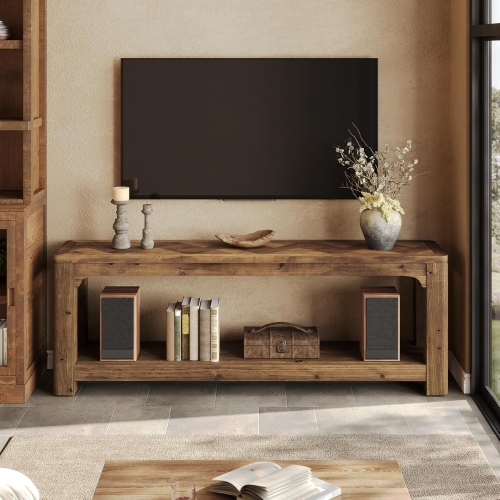
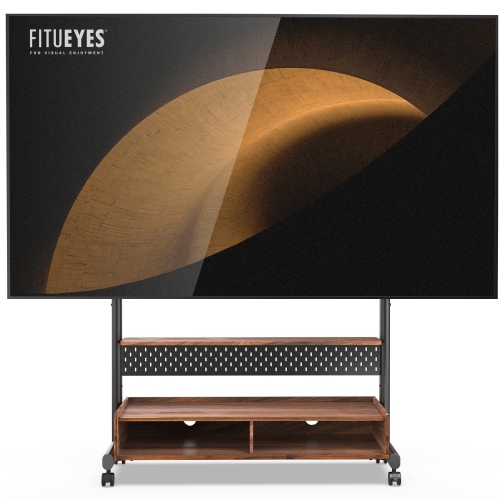
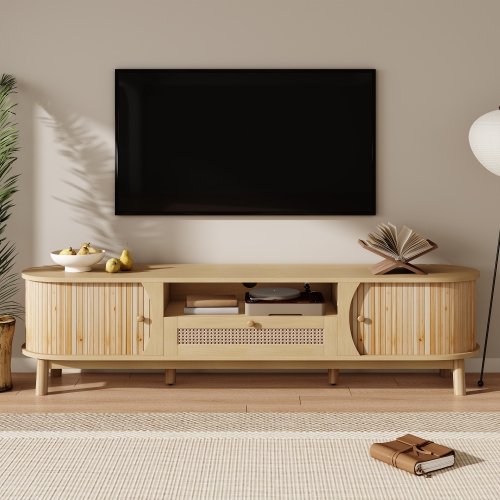
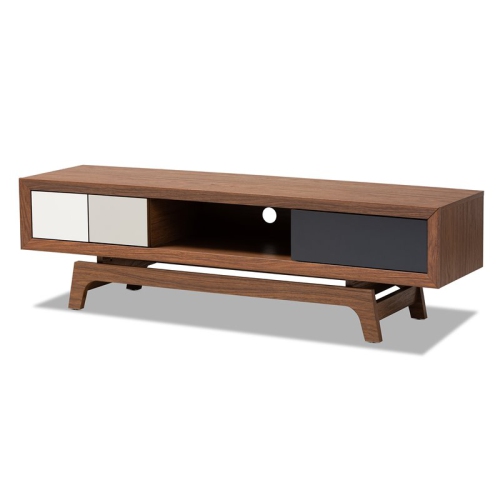
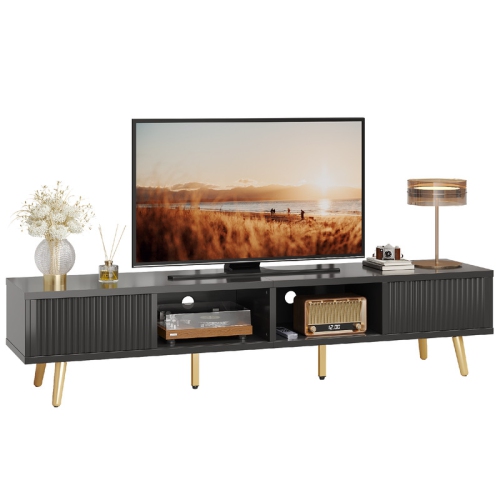

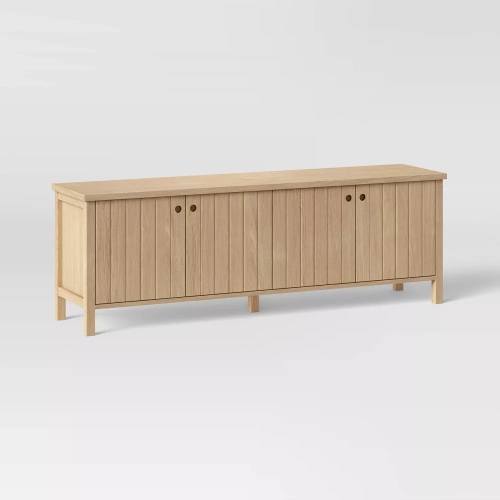
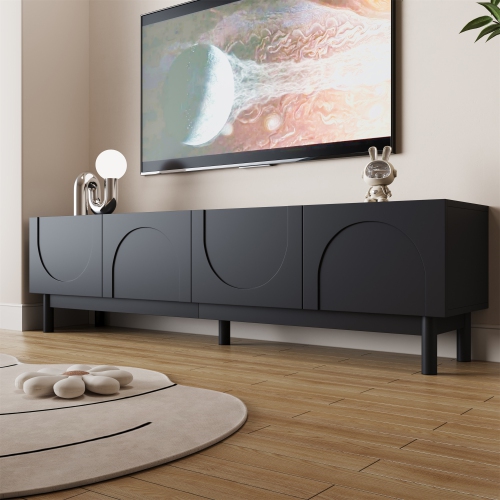
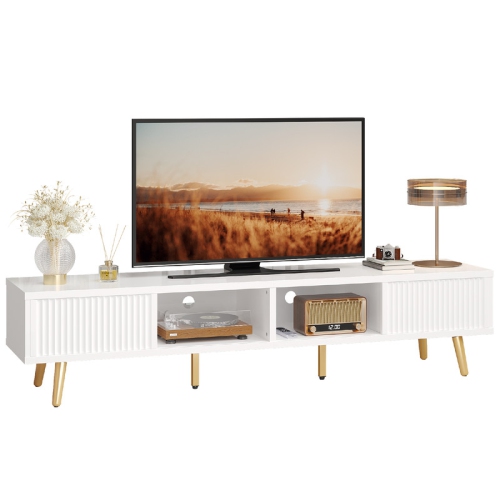
Natural wood grain meets sturdy support for your TV
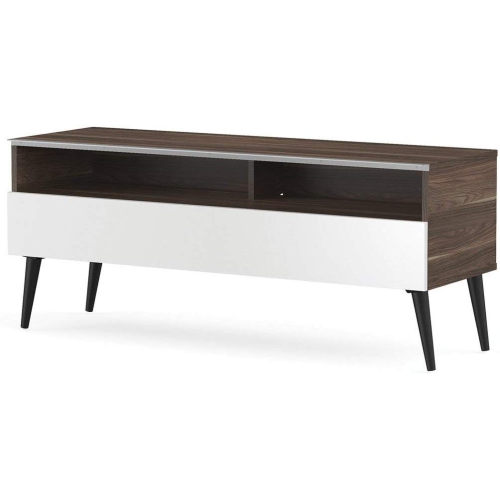
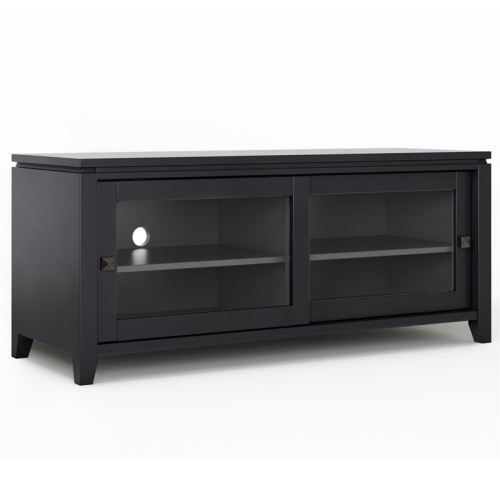
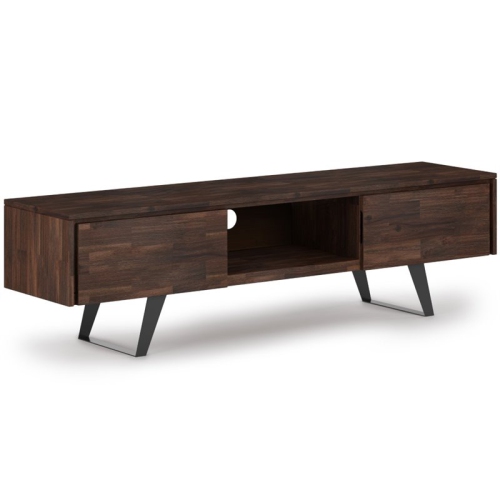
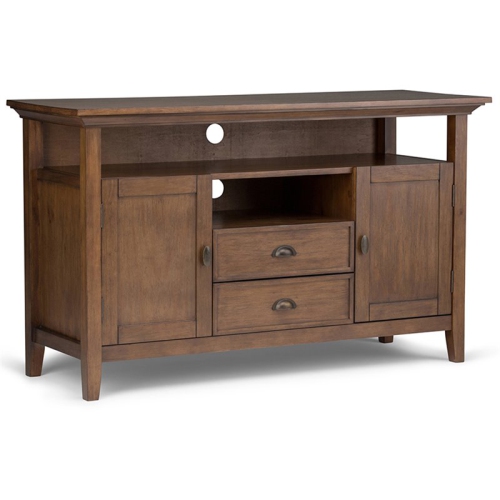
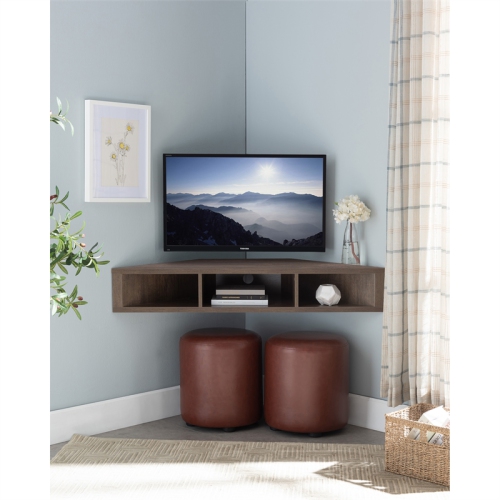
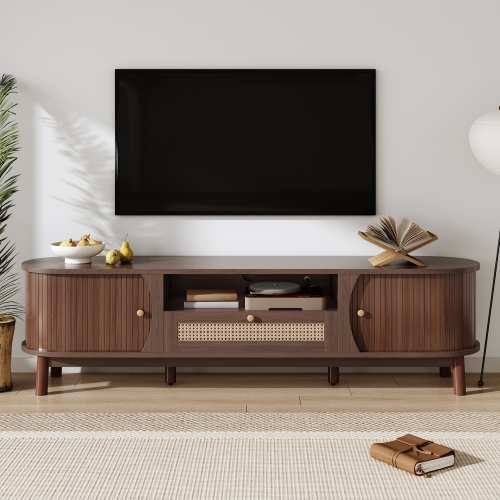
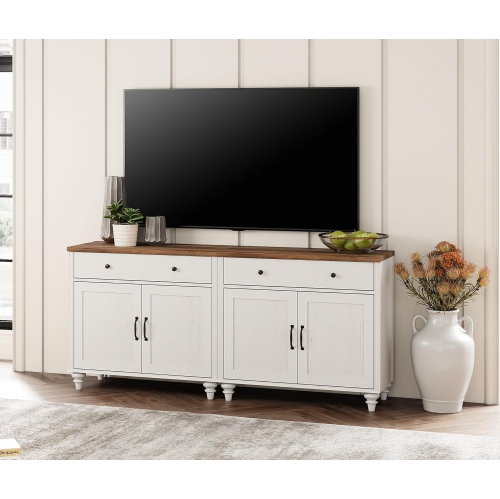
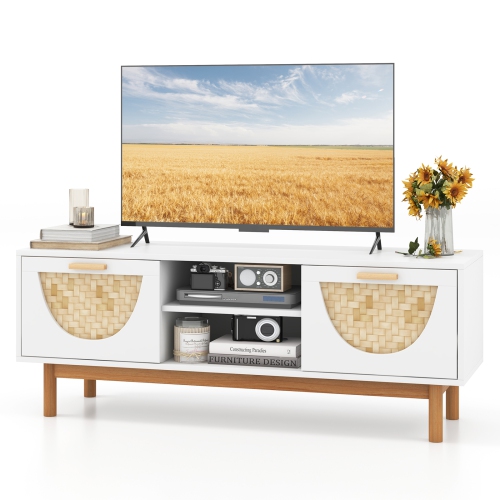
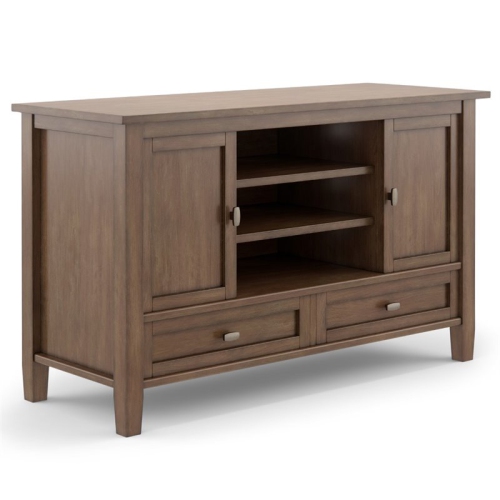
Solid wood TV stands bring natural texture and substantial support to a home entertainment setup, pairing a practical surface for a television with storage for the equipment that goes with it. Their appeal lies in both construction and appearance: grain patterns, small knots, and subtle colour variations give each piece a character that a uniform printed finish cannot fully reproduce. Oak often has a pronounced grain and a firm, hard-wearing surface, while walnut is known for its rich brown tones and distinctive patterning. Acacia can show striking contrasts between lighter and darker sections, and pine offers a softer surface with a relaxed, often rustic appearance. Wood species matters, but so do the joinery, finish, base design, and overall construction. A well-built stand should feel stable, with secure connections and doors or drawers that move smoothly. The description of the materials is also worth close attention, since a TV console may combine a solid wood top or frame with veneered panels, engineered wood shelving, or a different material for the back. Those details help distinguish an all-solid-wood design from mixed construction without assuming that every component is made the same way. Visually, solid wood media consoles suit far more than traditional rooms. A low profile, flat cabinet fronts, and slender legs can complement a modern living room, while framed doors, thicker tops, and visible grain lend themselves to farmhouse or cottage settings. Lighter finishes can keep a compact space feeling open; deeper tones create a stronger visual anchor beneath a large screen. Matching every wooden surface in the room is not necessary. Similar undertones, repeated shapes, or a shared metal finish can connect the stand with nearby tables and shelving. For movie nights, everyday television, or a shared family gaming space, the right piece feels like part of the room’s furniture rather than simply a place to put electronics.
Fit depends on the television’s actual dimensions and weight, not just its advertised screen size. A screen measurement is taken diagonally, so it does not describe the width of the television or the distance between its feet. With a tabletop setup, both feet or the entire pedestal base need to sit securely on the stand, within the manufacturer’s size and load limits. A top wider than the television generally gives the arrangement a more balanced appearance and leaves a useful margin at either side, but width alone does not establish compatibility. Stand depth, the shape of the television base, and the rated capacity of the top all matter. Height affects everyday comfort as well: the screen should sit at a comfortable viewing level from the usual seat, rather than requiring an upward tilt of the head through an entire film. A sound bar placed in front of the screen needs enough depth without blocking the picture, television sensor, or base. Beneath a wall-mounted television, a solid wood entertainment unit can hold connected equipment and visually ground the screen, although the wall mount must support the television independently. Room layout is just as important as screen fit. A long console can work well along an uninterrupted wall, while a shallower design may leave more walking space between the stand and a coffee table. Where the seating faces an angled layout or wall space is limited, Solid Wood Corner TV Stands offer shapes intended to make use of a corner. Their usable top dimensions and rear clearance still need to suit the television and its cables. Door swing, drawer extension, nearby floor vents, and access to electrical outlets are easy to overlook when picturing a finished room. Solid wood furniture can also be heavy, making doorway widths, stairs, and the route into the room practical considerations before positioning it.
Storage makes a TV stand useful long after the screen is switched off. Open shelves keep frequently used devices accessible, while cupboards and drawers can tuck away controllers, spare cables, headphones, and other small accessories that tend to gather around a television. Adjustable shelving offers flexibility for equipment of different heights, but shelf depth must account for plugs and cable bends behind a device, not just the size of its case. A receiver that fits neatly from the front may still need considerable space at the back and above it. Ventilation openings and open-backed compartments can help heat escape, although each device’s clearance requirements remain important, especially inside a closed cabinet. Cable cutouts are useful for routing leads toward an outlet without trapping them against the wall; accessible openings also make it easier to change a connection without moving the whole unit. Closed doors may interfere with infrared remote signals, depending on their material and design, so storage style should suit how the equipment operates. In a busy household, secure hardware, a stable base, and properly installed anti-tip restraints help address the risks of climbing or accidental pulling. Neither a heavy wooden cabinet nor a wide base replaces the anchoring required by the furniture and television manufacturers. Day-to-day care is usually straightforward when matched to the finish. A soft cloth removes dust, spills should be wiped up promptly, and felt pads beneath accessories help limit scratches. Harsh cleaners, excessive water, and abrasive cloths can damage protective coatings; oiled or waxed surfaces may require different maintenance from lacquered finishes. Solid wood responds to changes in indoor humidity, so keeping it away from radiators, fireplaces, and prolonged direct sunlight helps reduce uneven drying and fading. During the cooler months, indoor heating can make consistent humidity particularly helpful. Some surface wear can be repaired or refinished, depending on the construction and coating, though not every finish accepts the same treatment. With suitable care and sensible equipment placement, a solid wood TV stand can remain a useful focal point as televisions, consoles, and living room arrangements change.
Fit depends on the television’s actual dimensions and weight, not just its advertised screen size. A screen measurement is taken diagonally, so it does not describe the width of the television or the distance between its feet. With a tabletop setup, both feet or the entire pedestal base need to sit securely on the stand, within the manufacturer’s size and load limits. A top wider than the television generally gives the arrangement a more balanced appearance and leaves a useful margin at either side, but width alone does not establish compatibility. Stand depth, the shape of the television base, and the rated capacity of the top all matter. Height affects everyday comfort as well: the screen should sit at a comfortable viewing level from the usual seat, rather than requiring an upward tilt of the head through an entire film. A sound bar placed in front of the screen needs enough depth without blocking the picture, television sensor, or base. Beneath a wall-mounted television, a solid wood entertainment unit can hold connected equipment and visually ground the screen, although the wall mount must support the television independently. Room layout is just as important as screen fit. A long console can work well along an uninterrupted wall, while a shallower design may leave more walking space between the stand and a coffee table. Where the seating faces an angled layout or wall space is limited, Solid Wood Corner TV Stands offer shapes intended to make use of a corner. Their usable top dimensions and rear clearance still need to suit the television and its cables. Door swing, drawer extension, nearby floor vents, and access to electrical outlets are easy to overlook when picturing a finished room. Solid wood furniture can also be heavy, making doorway widths, stairs, and the route into the room practical considerations before positioning it.
Storage makes a TV stand useful long after the screen is switched off. Open shelves keep frequently used devices accessible, while cupboards and drawers can tuck away controllers, spare cables, headphones, and other small accessories that tend to gather around a television. Adjustable shelving offers flexibility for equipment of different heights, but shelf depth must account for plugs and cable bends behind a device, not just the size of its case. A receiver that fits neatly from the front may still need considerable space at the back and above it. Ventilation openings and open-backed compartments can help heat escape, although each device’s clearance requirements remain important, especially inside a closed cabinet. Cable cutouts are useful for routing leads toward an outlet without trapping them against the wall; accessible openings also make it easier to change a connection without moving the whole unit. Closed doors may interfere with infrared remote signals, depending on their material and design, so storage style should suit how the equipment operates. In a busy household, secure hardware, a stable base, and properly installed anti-tip restraints help address the risks of climbing or accidental pulling. Neither a heavy wooden cabinet nor a wide base replaces the anchoring required by the furniture and television manufacturers. Day-to-day care is usually straightforward when matched to the finish. A soft cloth removes dust, spills should be wiped up promptly, and felt pads beneath accessories help limit scratches. Harsh cleaners, excessive water, and abrasive cloths can damage protective coatings; oiled or waxed surfaces may require different maintenance from lacquered finishes. Solid wood responds to changes in indoor humidity, so keeping it away from radiators, fireplaces, and prolonged direct sunlight helps reduce uneven drying and fading. During the cooler months, indoor heating can make consistent humidity particularly helpful. Some surface wear can be repaired or refinished, depending on the construction and coating, though not every finish accepts the same treatment. With suitable care and sensible equipment placement, a solid wood TV stand can remain a useful focal point as televisions, consoles, and living room arrangements change.
Top selling and popular products
-
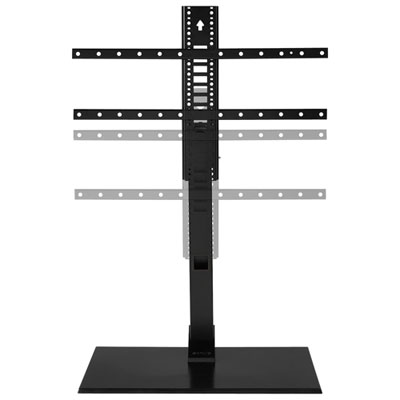 Your price for this item is $249.99
 -
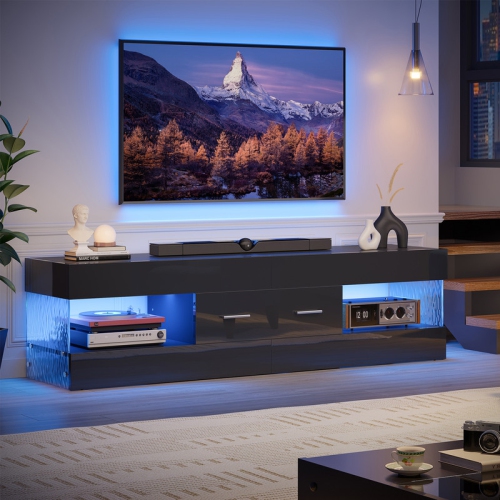 Your price for this item is $179.99
 -
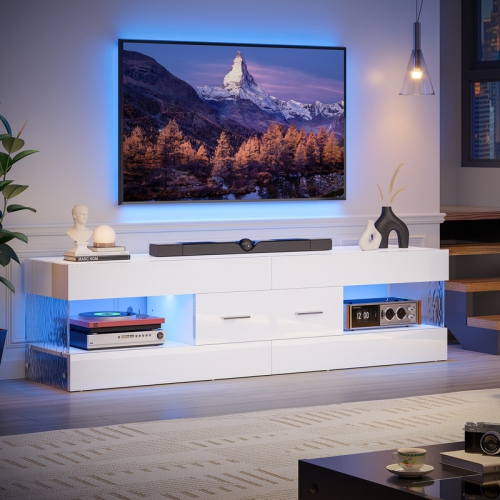 Your price for this item is $149.99
 -
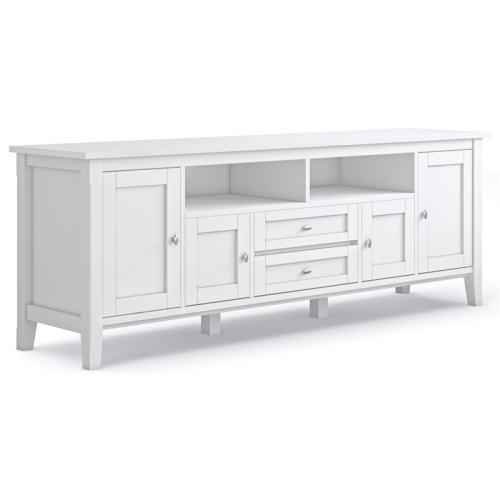 Your price for this item is $1522.33
 -
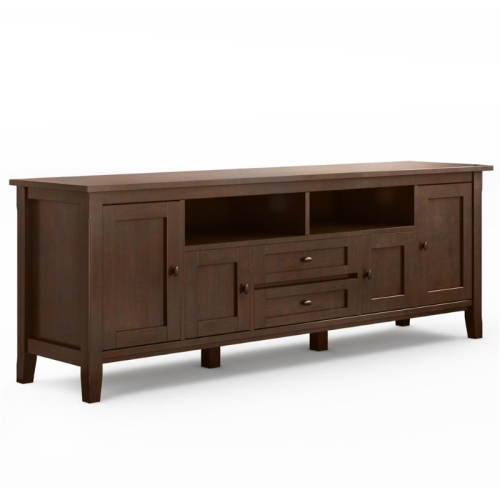 Your price for this item is $1537.45
 -
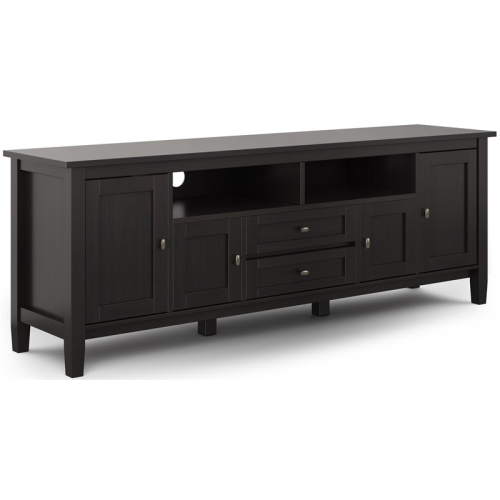 Your price for this item is $1506.03
 -
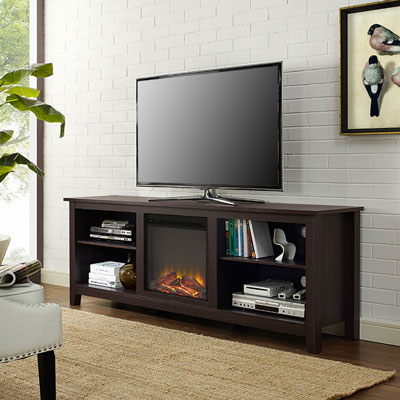 Your price for this item is $689.99
 -
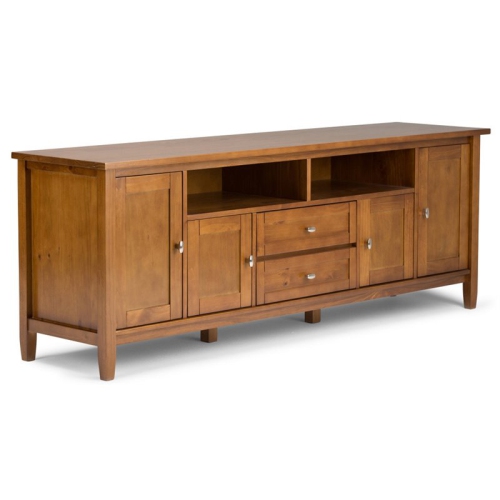 Your price for this item is $1524.15
Discover more categories related to Solid Wood TV Stands
Top Collections:
Pokemon Centers, Kindle Devices, Best Budget Office Chairs, Apple iPhones 16, Canon G7X Cameras, iPhone 15 Apple, Alarm Clock, Refurbished Apple Laptops, Flip Phones, Best Laptops for Writers
Some products may be subject to Environmental Handling Fees
(EHF) depending on your province.
Learn more about EHFs.