Dark TV Units
Transform your living space with a stylish dark TV unit that seamlessly combines functionality and elegance. Perfect for any home décor, these units offer a sophisticated backdrop for your entertainment setup while providing ample storage for all your media essentials. Whether you're looking to complement a modern minimalist aesthetic or add depth to a cozy traditional room, a dark TV unit is the versatile solution to elevate your viewing experience. Explore this selection to find the perfect fit for your home and create an inviting atmosphere that's both practical and chic.
Sort

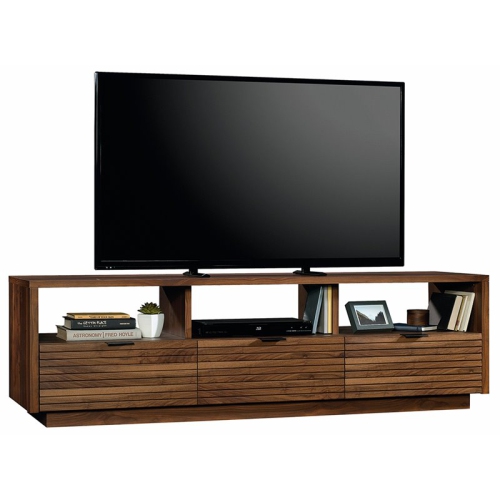
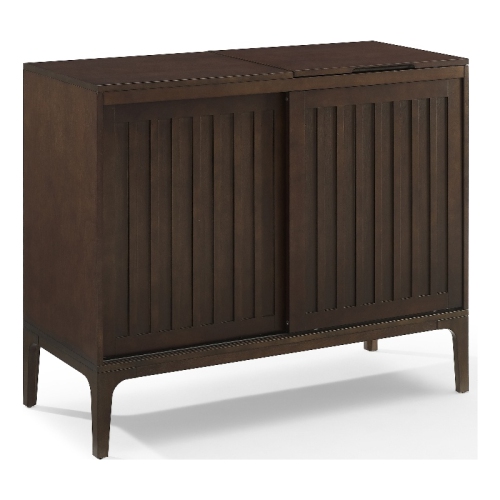
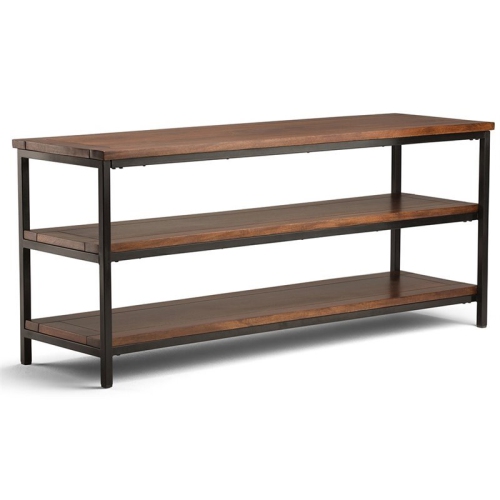
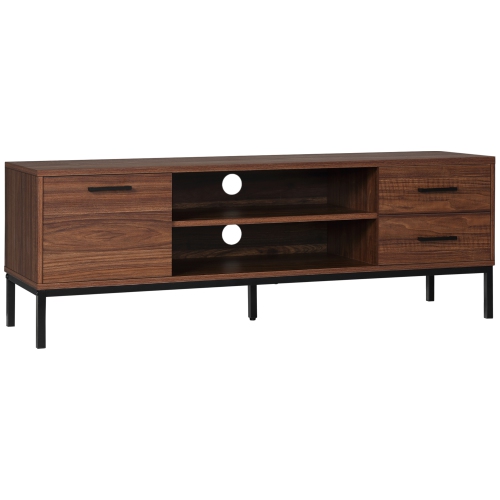
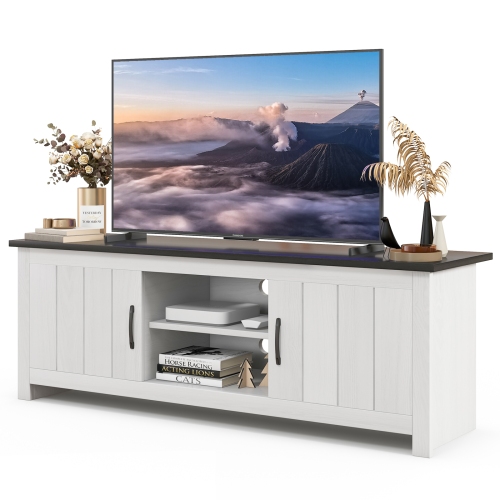
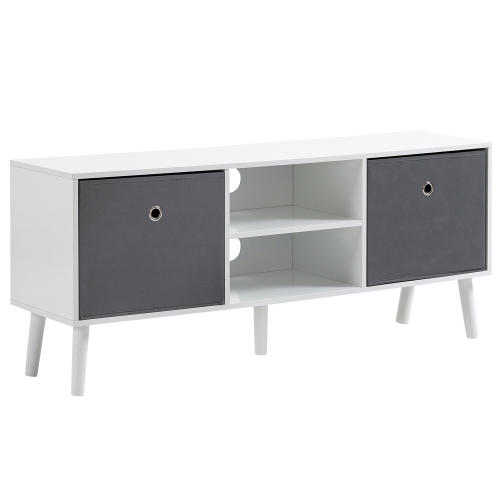

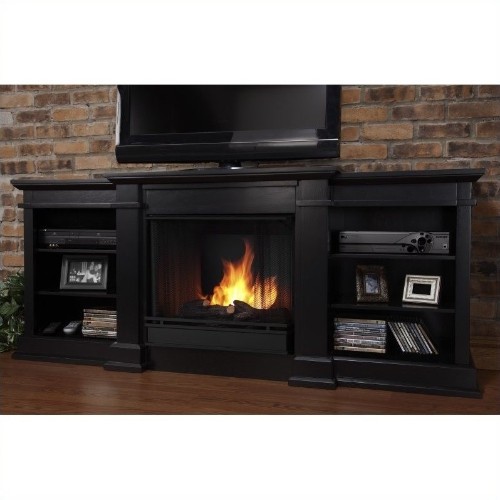
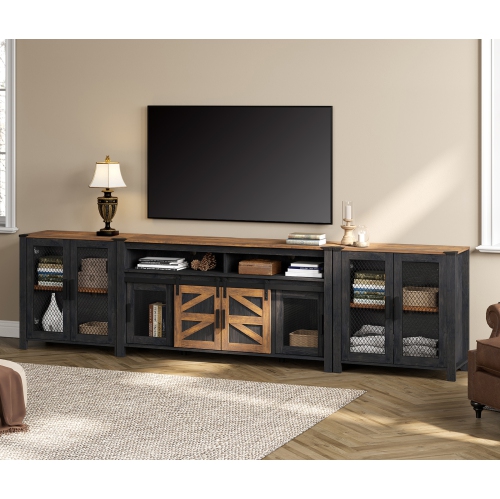
Dark finishes that tie your entertainment setup together
Dark TV units are television stands and media cabinets finished in shades such as black, charcoal, espresso, and deep brown. They give a living room, den, or bedroom a defined focal point while providing space for entertainment equipment and everyday storage. Depending on the design, a dark TV unit may combine open shelving, drawers, cupboards, and cable openings to keep the area around the screen tidy. The appeal goes beyond a modern look: dark finishes can visually blend with black televisions, speakers, and gaming consoles, making a collection of electronics feel more cohesive. A matte black cabinet with flat doors creates a quiet, understated backdrop, while dark wood grain brings warmth and texture to a room with soft upholstery and pale walls. Grooved fronts, metal legs, and recessed handles each change the character of the furniture without requiring a bold colour. For a balanced arrangement, pair a dark television stand with a lighter rug, warm wood flooring, or curtains that soften the contrast. In a smaller room, raised legs leave more floor visible, while a cabinet with a solid base has a more substantial presence. Neither approach is limited to one style of home; the proportions and surrounding furniture matter as much as the finish. A charcoal unit can sit comfortably beside a linen sofa, and a deep brown cabinet can connect naturally with existing wood furniture without matching every piece exactly. Finish samples, close-up photographs, and material descriptions are useful because black-brown and espresso tones can look different under daylight and warm lamps. During the cooler months, when evenings often centre on a film or a favourite series, a dark media unit can anchor a comfortable seating area without competing with what is on the screen.
The most useful purchase considerations for dark TV units are overall dimensions, supported weight, television compatibility, storage layout, and access for cables and ventilation. Start with the television’s actual width and the footprint of its base or feet rather than relying on screen size alone, since advertised screen measurements are taken diagonally. The entire television base should sit securely on the top surface, within the stand manufacturer’s size and weight limits. A unit wider than the screen can also create a more balanced appearance and leave room at either side, although any additional equipment must fit within the stated load capacity. Measure the available wall space, the distance to nearby doorways, and the clearance needed to open drawers or cupboard doors. A cabinet that fits neatly against the wall still needs to work with the coffee table and the path through the room. Height deserves equal attention: the centre of the screen should generally sit near seated eye level, with the final position adjusted for the sofa, viewing distance, and personal comfort. For arrangements that call for a lower profile, Low Black TV Units offer a focused starting point. A low cabinet can also sit beneath a wall-mounted television, providing storage without determining the screen’s mounting height. Before choosing a shelf layout, measure the width, height, and depth of each device, allowing extra room for plugs and the ventilation clearances specified by its manufacturer. A receiver may fit through a cabinet opening but still need more space behind it for connections. Open shelves make frequently used equipment accessible, while closed cupboards keep spare controllers, cables, and game cases out of sight. Adjustable shelves add flexibility when equipment changes. Check whether remote controls will work through closed doors; infrared devices typically need a clear signal path. Cable openings and accessible rear panels help keep connections manageable, but avoid tightly packing cords or blocking air vents simply to hide them.
Daily habits often reveal which dark TV cabinet will feel most useful after it is in place. In a shared family room, a combination of open and closed storage gives streaming equipment a permanent home while keeping puzzles, controllers, and other small belongings together. Picture the familiar end-of-evening tidy-up: the remote goes into a shallow drawer, a headset returns to its shelf, and charging cables stay within reach rather than disappearing behind the sofa. For someone furnishing a first apartment, one well-proportioned unit can provide both a television surface and valuable storage, particularly where there is little room for additional furniture. In a bedroom or compact den, a shallower cabinet may preserve walking space, provided it safely accommodates the television and any equipment. Gamers and film enthusiasts may place more value on generous shelf clearances, accessible connections, and space for a soundbar that does not obstruct the screen or its remote sensor. Materials and construction also influence everyday use. Solid wood, wood veneer, engineered wood, metal, and glass have different appearances and care requirements, so check the product specifications rather than judging durability by colour or weight alone. Dark glossy surfaces may show fingerprints, while dust can be noticeable on very dark finishes; a soft cloth and the manufacturer’s cleaning directions help maintain the surface without unnecessary abrasion. Door alignment, drawer operation, shelf load limits, and assembly requirements are worth reviewing before purchase, especially for furniture that will hold heavy electronics. In homes with children or pets, secure the television and furniture using suitable restraints as directed by the manufacturers, and keep tempting objects away from the top. Leave electrical outlets accessible and plan cable routes that do not cross walkways. A small lamp beside the seating area or suitable bias lighting behind the screen can soften the room’s contrast without adding distracting glare. With the right dimensions and storage arrangement, a dark TV unit becomes a practical part of the room: a place for the equipment you use, a little breathing space around the screen, and fewer loose accessories to gather before settling in.
The most useful purchase considerations for dark TV units are overall dimensions, supported weight, television compatibility, storage layout, and access for cables and ventilation. Start with the television’s actual width and the footprint of its base or feet rather than relying on screen size alone, since advertised screen measurements are taken diagonally. The entire television base should sit securely on the top surface, within the stand manufacturer’s size and weight limits. A unit wider than the screen can also create a more balanced appearance and leave room at either side, although any additional equipment must fit within the stated load capacity. Measure the available wall space, the distance to nearby doorways, and the clearance needed to open drawers or cupboard doors. A cabinet that fits neatly against the wall still needs to work with the coffee table and the path through the room. Height deserves equal attention: the centre of the screen should generally sit near seated eye level, with the final position adjusted for the sofa, viewing distance, and personal comfort. For arrangements that call for a lower profile, Low Black TV Units offer a focused starting point. A low cabinet can also sit beneath a wall-mounted television, providing storage without determining the screen’s mounting height. Before choosing a shelf layout, measure the width, height, and depth of each device, allowing extra room for plugs and the ventilation clearances specified by its manufacturer. A receiver may fit through a cabinet opening but still need more space behind it for connections. Open shelves make frequently used equipment accessible, while closed cupboards keep spare controllers, cables, and game cases out of sight. Adjustable shelves add flexibility when equipment changes. Check whether remote controls will work through closed doors; infrared devices typically need a clear signal path. Cable openings and accessible rear panels help keep connections manageable, but avoid tightly packing cords or blocking air vents simply to hide them.
Daily habits often reveal which dark TV cabinet will feel most useful after it is in place. In a shared family room, a combination of open and closed storage gives streaming equipment a permanent home while keeping puzzles, controllers, and other small belongings together. Picture the familiar end-of-evening tidy-up: the remote goes into a shallow drawer, a headset returns to its shelf, and charging cables stay within reach rather than disappearing behind the sofa. For someone furnishing a first apartment, one well-proportioned unit can provide both a television surface and valuable storage, particularly where there is little room for additional furniture. In a bedroom or compact den, a shallower cabinet may preserve walking space, provided it safely accommodates the television and any equipment. Gamers and film enthusiasts may place more value on generous shelf clearances, accessible connections, and space for a soundbar that does not obstruct the screen or its remote sensor. Materials and construction also influence everyday use. Solid wood, wood veneer, engineered wood, metal, and glass have different appearances and care requirements, so check the product specifications rather than judging durability by colour or weight alone. Dark glossy surfaces may show fingerprints, while dust can be noticeable on very dark finishes; a soft cloth and the manufacturer’s cleaning directions help maintain the surface without unnecessary abrasion. Door alignment, drawer operation, shelf load limits, and assembly requirements are worth reviewing before purchase, especially for furniture that will hold heavy electronics. In homes with children or pets, secure the television and furniture using suitable restraints as directed by the manufacturers, and keep tempting objects away from the top. Leave electrical outlets accessible and plan cable routes that do not cross walkways. A small lamp beside the seating area or suitable bias lighting behind the screen can soften the room’s contrast without adding distracting glare. With the right dimensions and storage arrangement, a dark TV unit becomes a practical part of the room: a place for the equipment you use, a little breathing space around the screen, and fewer loose accessories to gather before settling in.
Top selling and popular products
-
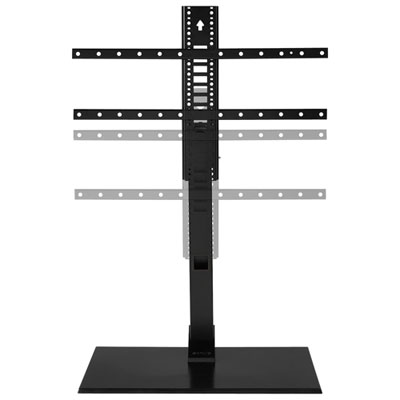 Your price for this item is $249.99
 -
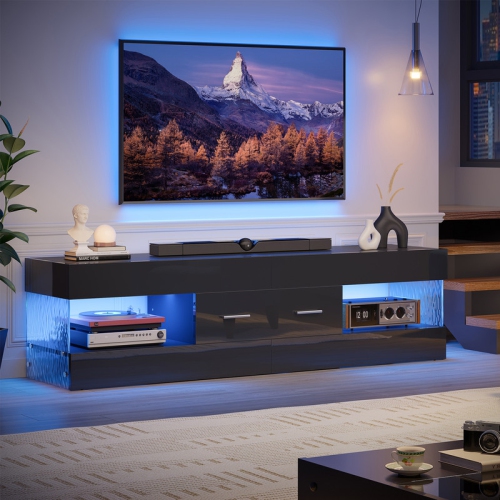 Your price for this item is $179.99
 -
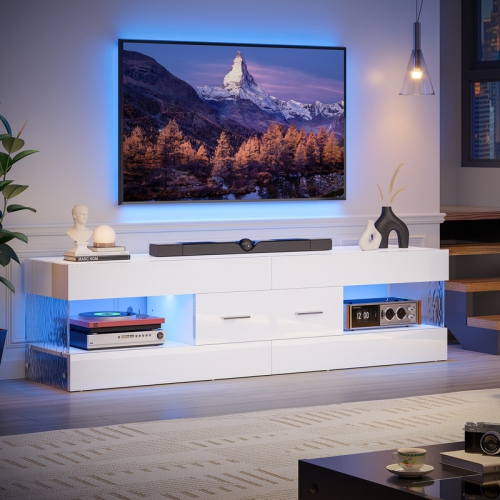 Your price for this item is $149.99
 -
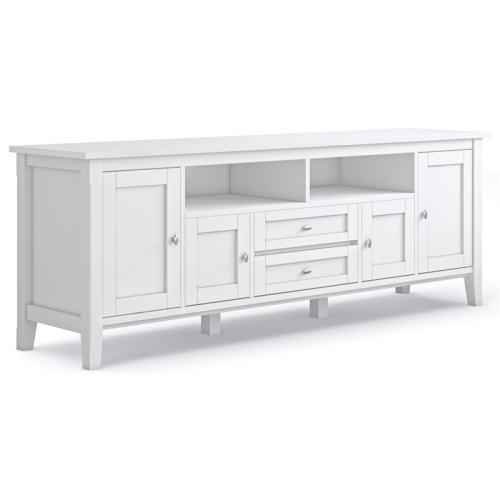 Your price for this item is $1522.15
 -
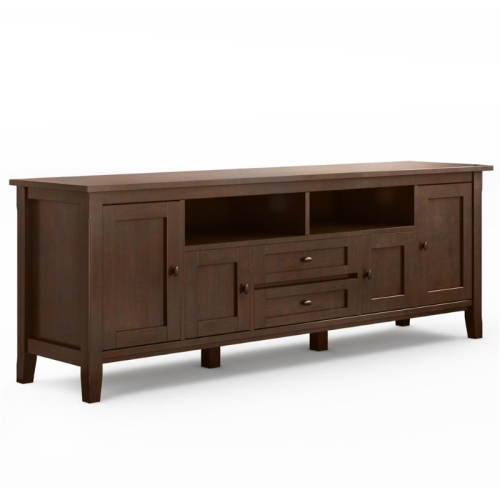 Your price for this item is $1535.26
 -
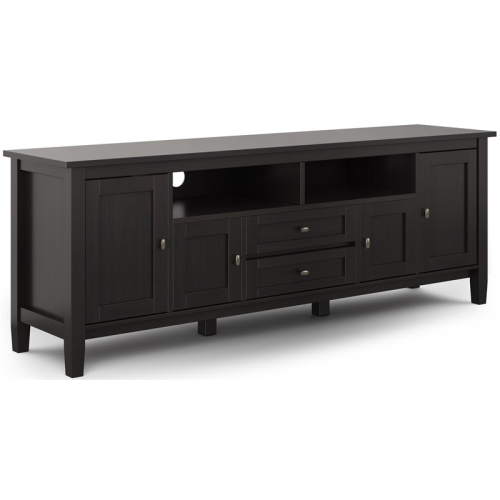 Your price for this item is $1505.85
 -
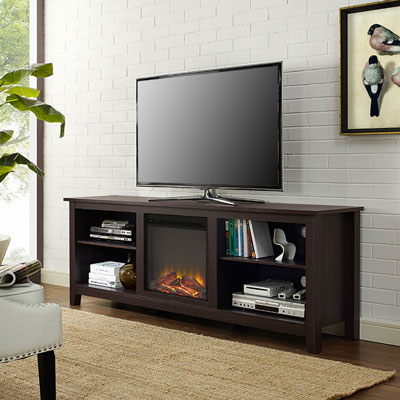 Your price for this item is $689.99
 -
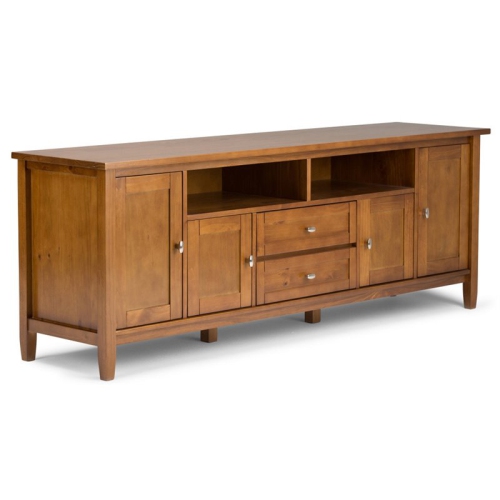 Your price for this item is $1522.01
Discover more categories related to Dark TV Units
Top Collections:
Pokemon Centers, Kindle Devices, Best Budget Office Chairs, Apple iPhones 16, Best Laptops for Writers, iPhone 15 Apple, Canon G7X Cameras, Refurbished Apple Laptops, Alarm Clock, Motorola Razr Phones
Some products may be subject to Environmental Handling Fees
(EHF) depending on your province.
Learn more about EHFs.