Gray TV Stands 70 Inch
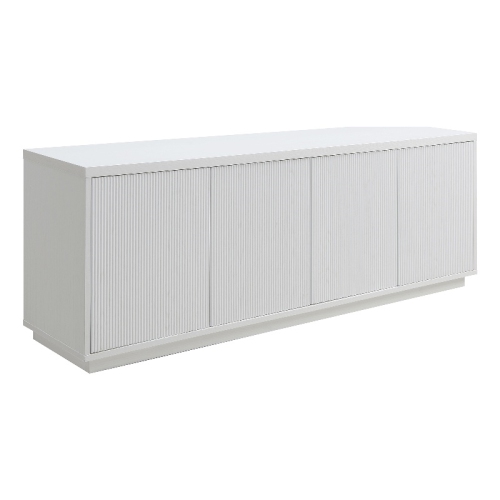
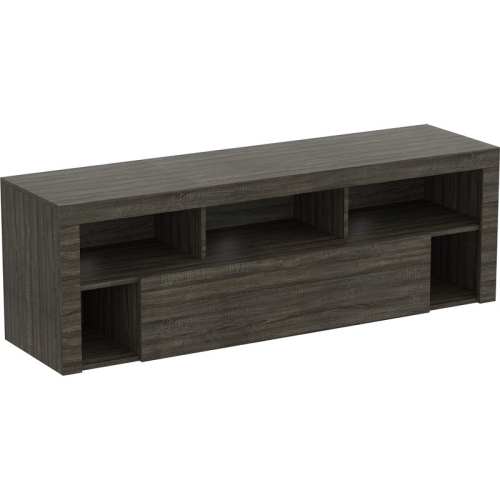
If you're looking for a gray TV stand that will hold your 70-inch television and keep it safe from the elements, you've come to the right place. These stands are made of high-quality materials and are designed to last. They're also available in a wide range of styles, so you can choose one that suits your needs and preferences.
Sort

Storage and layout tips for a polished media room
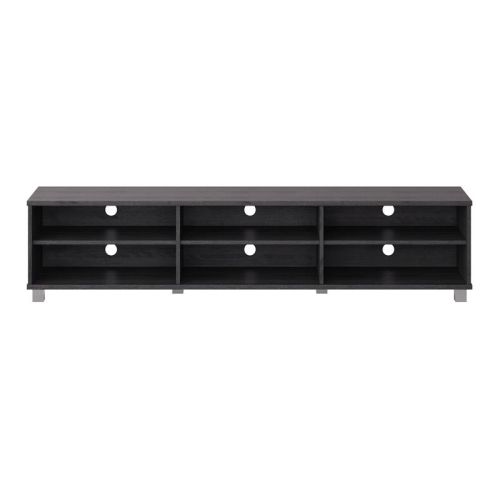
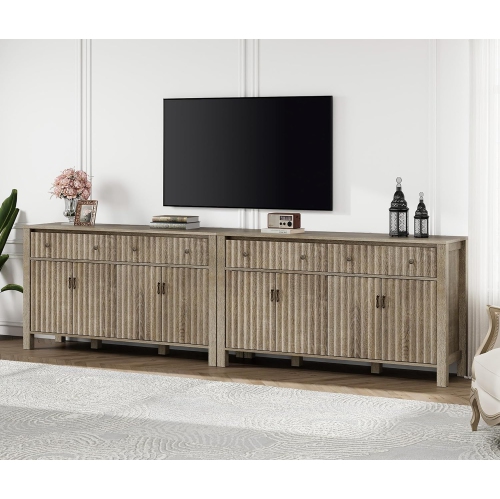
Gray TV stands for 70-inch televisions bring together screen support, storage, and a finished look for the living room, family room, basement, or media area. A 70-inch television is measured diagonally, so its actual width can vary by model; many large screens are close to 62 inches wide, while the bezel and base design can affect the amount of room they need. For a balanced arrangement, choose a stand that is wider than the television and confirm the stand’s maximum weight capacity before placing the screen on top. A broader console can create a more grounded appearance, give the television a little visual breathing room, and provide useful surface area for a soundbar, game console, streaming device, decorative objects, or framed photographs. In a spacious room, the extra width helps the television wall feel intentional rather than crowded, while in a smaller space, a low-profile design can preserve an open sightline and make the room feel less enclosed. Gray finishes work comfortably with a wide range of interiors, from pale walls and light upholstery to deep blue, charcoal, warm wood, and patterned fabrics. Depending on the tone and texture, gray can read as soft and relaxed, sleek and contemporary, or comfortably rustic. Look closely at the finish, since a smooth painted surface creates a different impression from textured wood grain, weathered detailing, or a combination of solid panels and glass doors. The right choice should suit the room’s existing furniture and the way the space is used, rather than simply matching the television.
Storage is one of the most practical reasons to choose a dedicated TV stand instead of placing a large screen on a basic table or wall shelf. Cabinets with doors are useful for keeping controllers, remotes, headphones, movies, board games, and other small accessories out of sight, helping the room look composed when the television is not in use. Open shelving makes frequently used equipment easier to reach and allows infrared signals from remotes to pass through without opening a door. Glass-front compartments can display consoles or decorative pieces while helping reduce the visual clutter created by loose cables and accessories. Drawers are convenient for smaller items that tend to collect around the television, such as charging cords, batteries, and manuals. Before selecting a configuration, measure the components you already own, including the depth of a game console, the height of a cable box, and the clearance needed around a receiver or media player. Proper airflow matters for electronics, so avoid tightly enclosing equipment unless the compartment includes sufficient openings or the manufacturer permits it. Cable-management cut-outs at the back can guide wires toward an outlet and make it easier to separate power cords from HDMI and speaker cables. If an electric fireplace feature is part of the design, review the required clearance, ventilation instructions, plug location, and heat settings carefully, especially if the unit will sit beneath a television or close to shelving. A stand with adjustable shelves can also accommodate equipment that may change over time, while a sturdy fixed shelf may be preferable for heavier components. For homes with children or pets, consider rounded edges, stable construction, and an anti-tip solution suitable for the wall and furniture. Keeping the television and stand level, securing loose cords, and following the assembly instructions can make the entire entertainment area more comfortable and dependable for everyday viewing.
A gray TV stand sized for a 70-inch television can be a thoughtful choice for someone moving into a new home, updating a shared family room, or creating a more organised movie and gaming space. It is especially useful for households where the television serves several purposes, such as evening shows, weekend films, live sports, music, video calls, and console gaming. During the cooler months, a well-arranged media area often becomes a natural gathering spot, with a comfortable chair angled toward the screen, soft lighting behind or beside the console, and storage close at hand for blankets, controllers, or game accessories. In an apartment or condo, a console can help define the living area without requiring a large entertainment wall, while a longer stand may provide valuable concealed storage in a room with limited cabinetry. In a basement recreation room, open shelving can make it simple to connect multiple devices, whereas a more streamlined cabinet style may be better suited to a formal sitting room. Take measurements of the full wall, nearby windows, doors, baseboards, vents, and power outlets before ordering, and use painter’s tape on the floor to outline the stand’s approximate footprint. This simple step shows how much walking space will remain and whether the television will be at a comfortable viewing height from the sofa. It is also worth considering whether the screen will sit directly on the console or be mounted above it, since either arrangement affects the height, cable routing, and placement of sound equipment. For more compact rooms or smaller screens, a coordinated alternative such as 60 Inch TV Stands Grey may provide a better proportion. A carefully chosen gray TV stand gives a 70-inch television a secure, polished foundation while making the rest of the room easier to organise, personalise, and enjoy.
Storage is one of the most practical reasons to choose a dedicated TV stand instead of placing a large screen on a basic table or wall shelf. Cabinets with doors are useful for keeping controllers, remotes, headphones, movies, board games, and other small accessories out of sight, helping the room look composed when the television is not in use. Open shelving makes frequently used equipment easier to reach and allows infrared signals from remotes to pass through without opening a door. Glass-front compartments can display consoles or decorative pieces while helping reduce the visual clutter created by loose cables and accessories. Drawers are convenient for smaller items that tend to collect around the television, such as charging cords, batteries, and manuals. Before selecting a configuration, measure the components you already own, including the depth of a game console, the height of a cable box, and the clearance needed around a receiver or media player. Proper airflow matters for electronics, so avoid tightly enclosing equipment unless the compartment includes sufficient openings or the manufacturer permits it. Cable-management cut-outs at the back can guide wires toward an outlet and make it easier to separate power cords from HDMI and speaker cables. If an electric fireplace feature is part of the design, review the required clearance, ventilation instructions, plug location, and heat settings carefully, especially if the unit will sit beneath a television or close to shelving. A stand with adjustable shelves can also accommodate equipment that may change over time, while a sturdy fixed shelf may be preferable for heavier components. For homes with children or pets, consider rounded edges, stable construction, and an anti-tip solution suitable for the wall and furniture. Keeping the television and stand level, securing loose cords, and following the assembly instructions can make the entire entertainment area more comfortable and dependable for everyday viewing.
A gray TV stand sized for a 70-inch television can be a thoughtful choice for someone moving into a new home, updating a shared family room, or creating a more organised movie and gaming space. It is especially useful for households where the television serves several purposes, such as evening shows, weekend films, live sports, music, video calls, and console gaming. During the cooler months, a well-arranged media area often becomes a natural gathering spot, with a comfortable chair angled toward the screen, soft lighting behind or beside the console, and storage close at hand for blankets, controllers, or game accessories. In an apartment or condo, a console can help define the living area without requiring a large entertainment wall, while a longer stand may provide valuable concealed storage in a room with limited cabinetry. In a basement recreation room, open shelving can make it simple to connect multiple devices, whereas a more streamlined cabinet style may be better suited to a formal sitting room. Take measurements of the full wall, nearby windows, doors, baseboards, vents, and power outlets before ordering, and use painter’s tape on the floor to outline the stand’s approximate footprint. This simple step shows how much walking space will remain and whether the television will be at a comfortable viewing height from the sofa. It is also worth considering whether the screen will sit directly on the console or be mounted above it, since either arrangement affects the height, cable routing, and placement of sound equipment. For more compact rooms or smaller screens, a coordinated alternative such as 60 Inch TV Stands Grey may provide a better proportion. A carefully chosen gray TV stand gives a 70-inch television a secure, polished foundation while making the rest of the room easier to organise, personalise, and enjoy.
Top selling and popular products
-
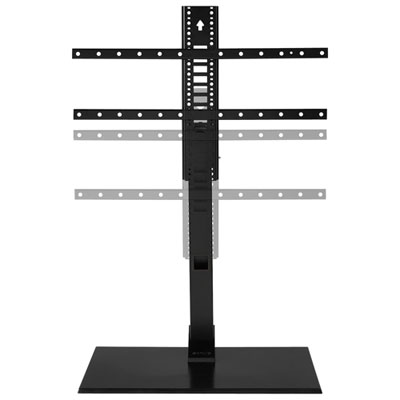 Your price for this item is $249.99
 -
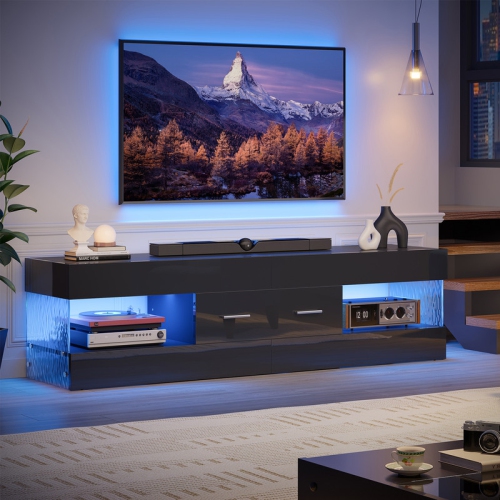 Your price for this item is $179.99
 -
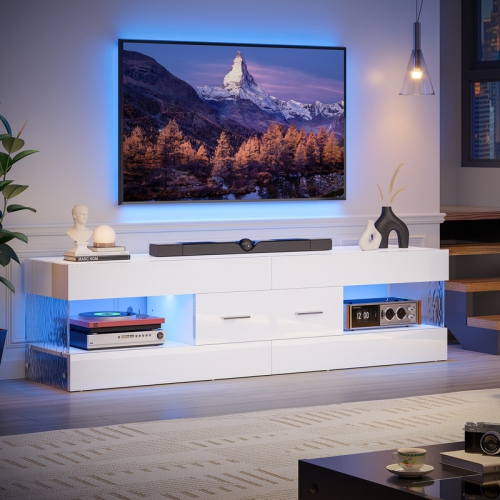 Your price for this item is $149.99
 -
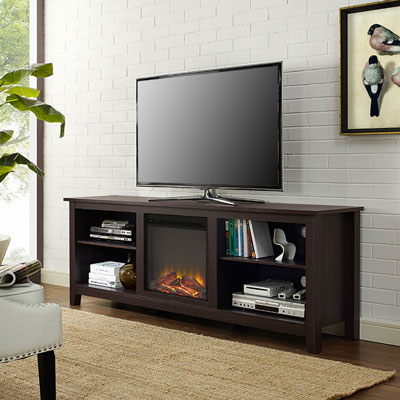 Your price for this item is $689.99
 -
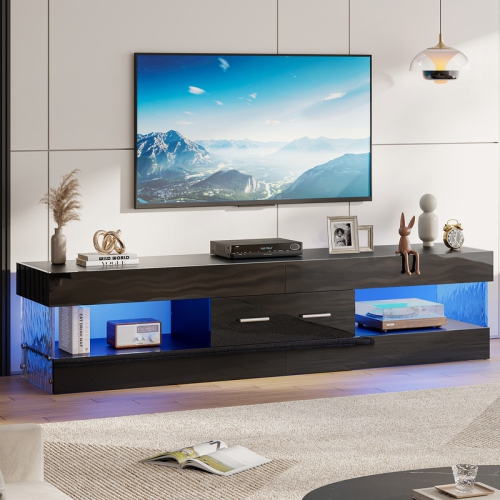 Your price for this item is $189.99
 -
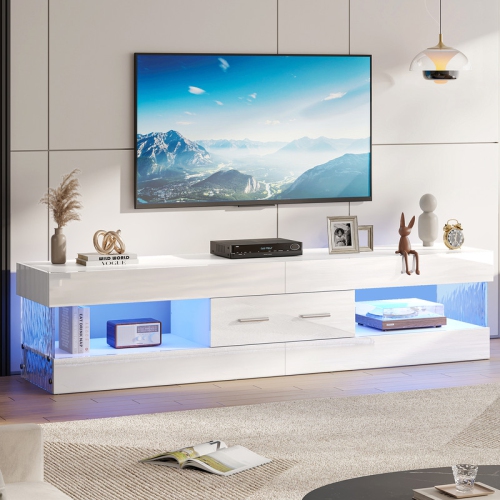 Your price for this item is $189.99
 -
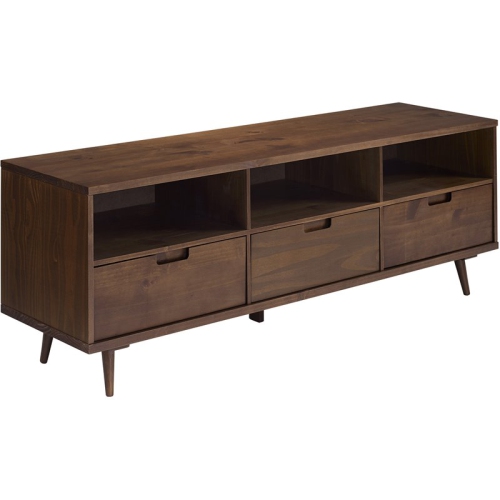 Your price for this item is $941.25
 -
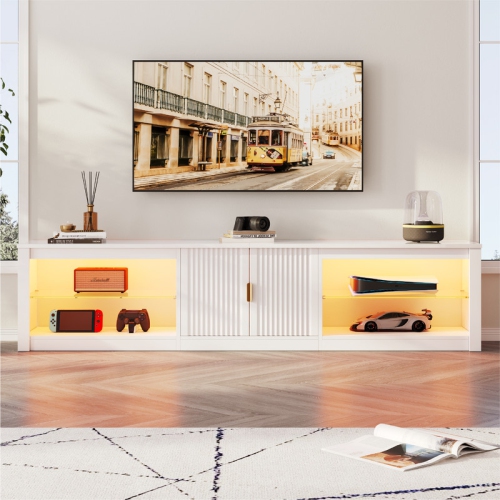 Your price for this item is $269.99
Discover more categories related to Gray TV Stands 70 Inch
Top Collections:
Pokemon Centers, Kindle Devices, Apple iPhones 16, Samsung Galaxy Phones, Canon G7X Cameras, iPhone 15 Apple, Flip Phones, Apple Wired Earphones, Best Budget Office Chairs, Refurbished Apple Laptops
Some products may be subject to Environmental Handling Fees
(EHF) depending on your province.
Learn more about EHFs.