White And Brown TV Stands
A TV stand is a piece of furniture that holds your television set and other electronic devices. It is used to store the television set in one place and to provide a place for other devices such as cable boxes, video game consoles, and DVD players. Here are some of the best white and brown TV stands on the market.
Sort
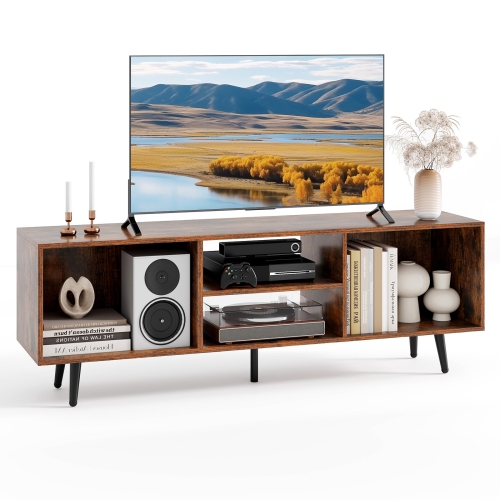
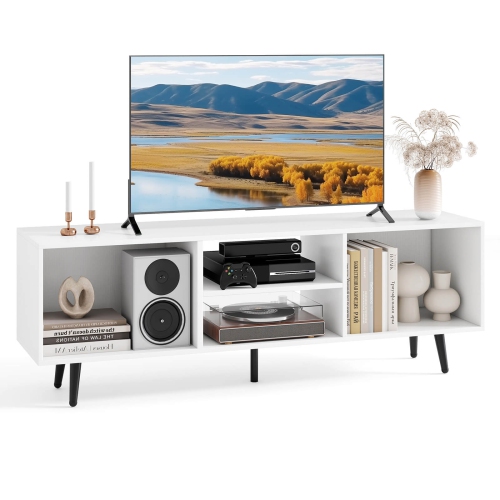
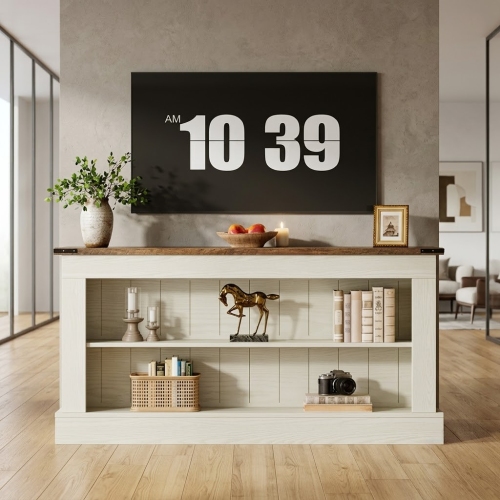
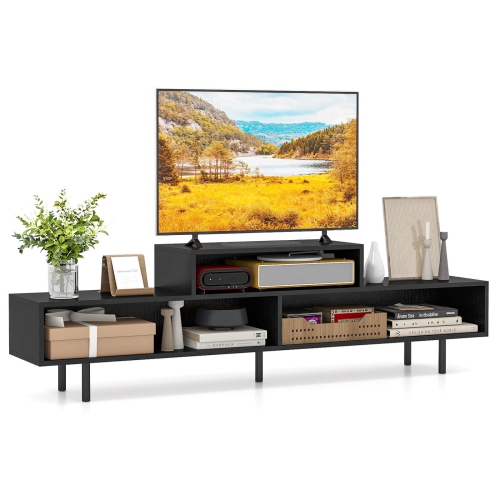
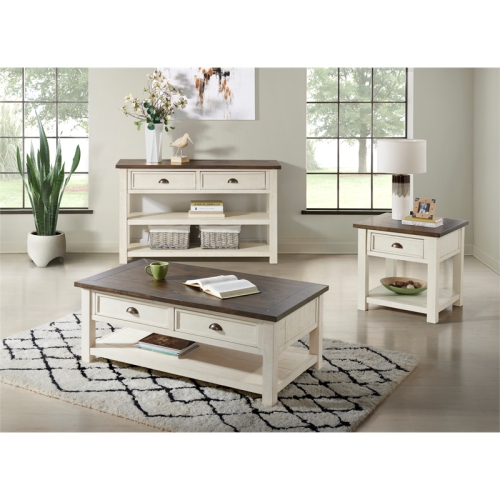
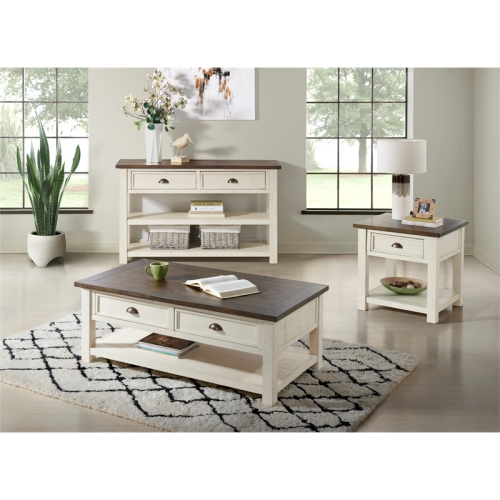
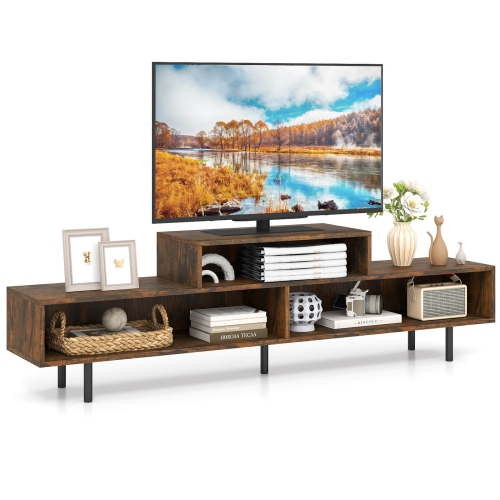
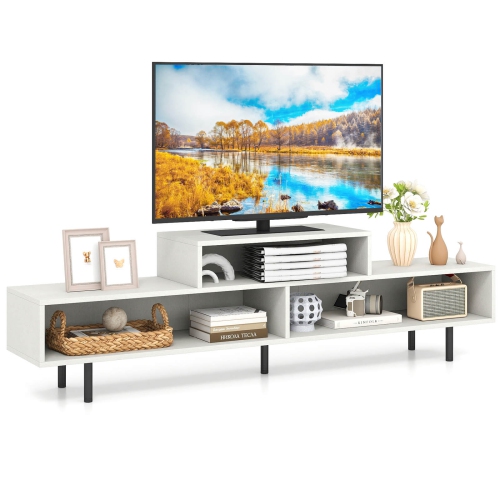
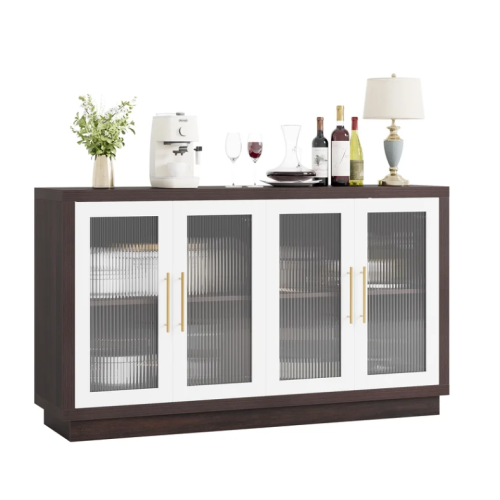
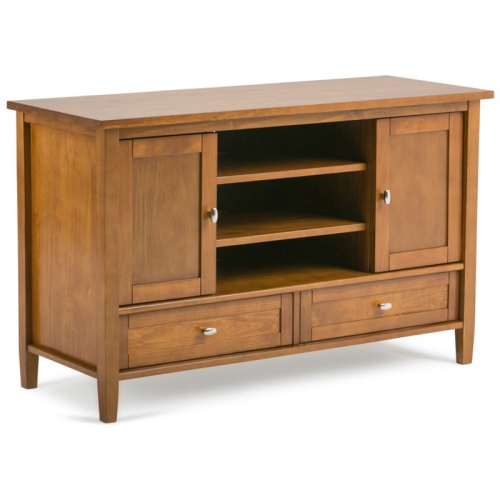
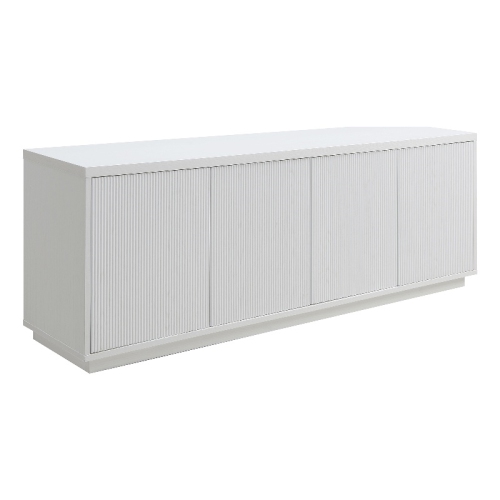
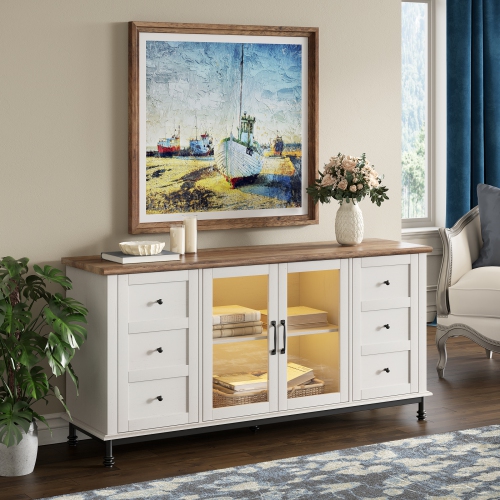
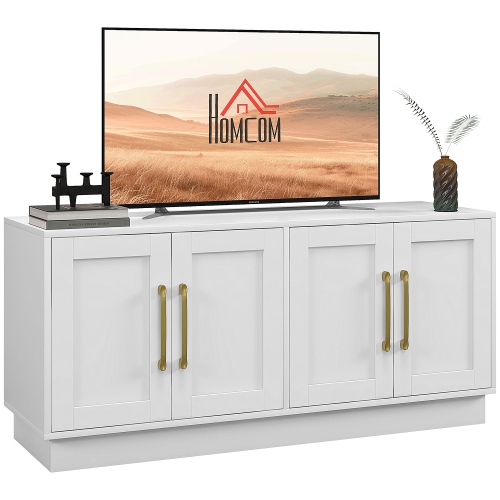
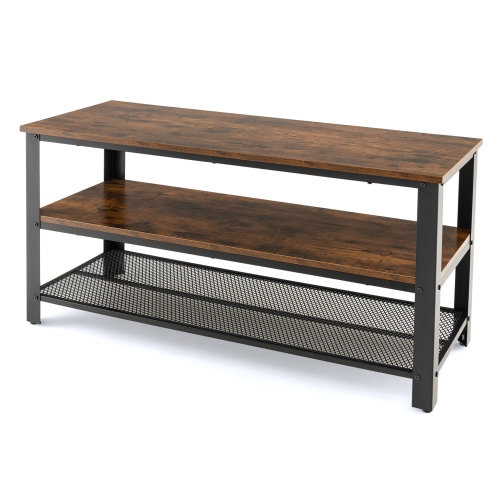
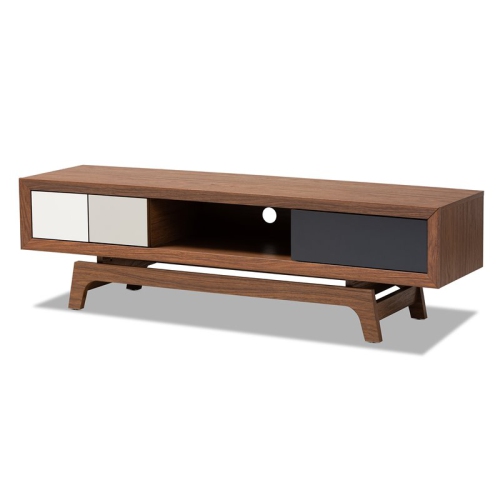
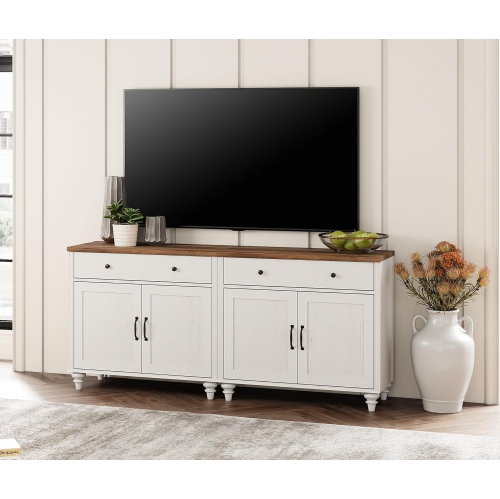
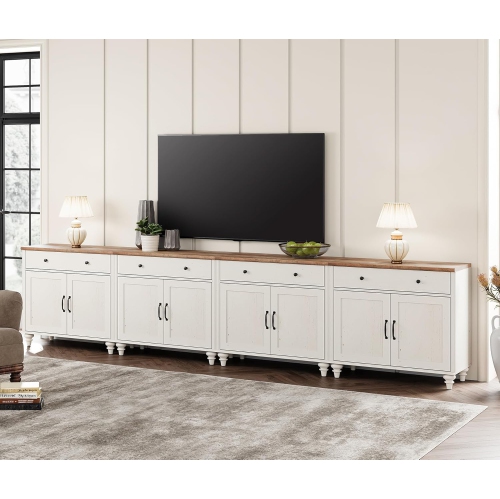
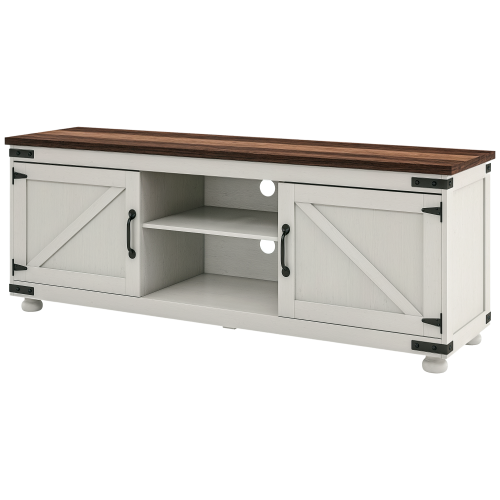
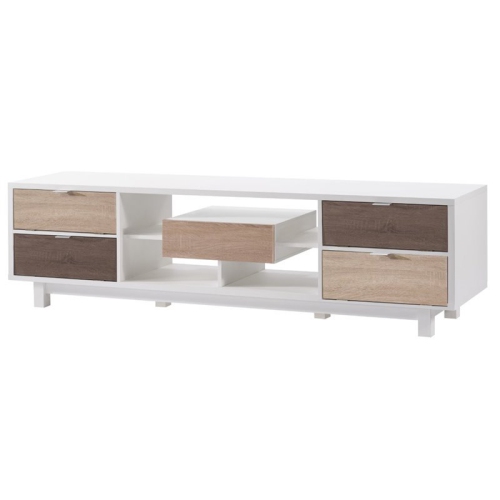
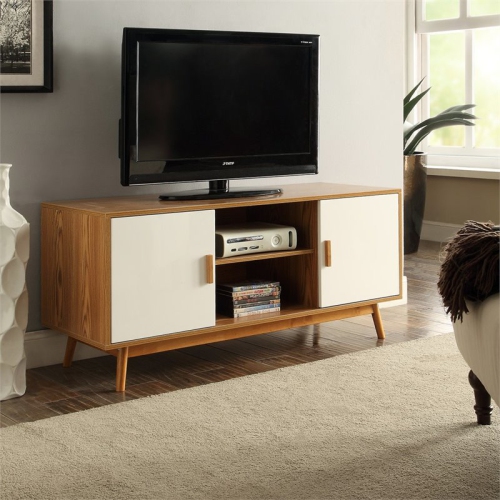
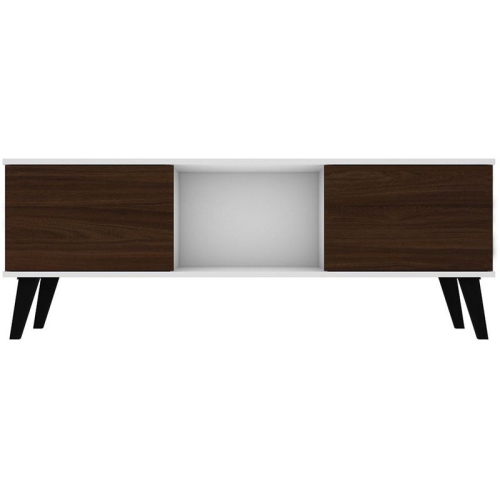
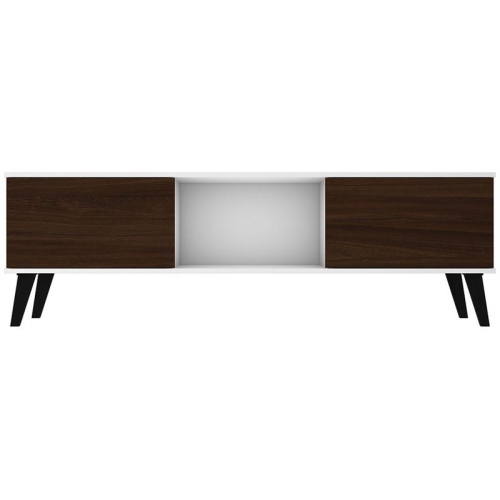
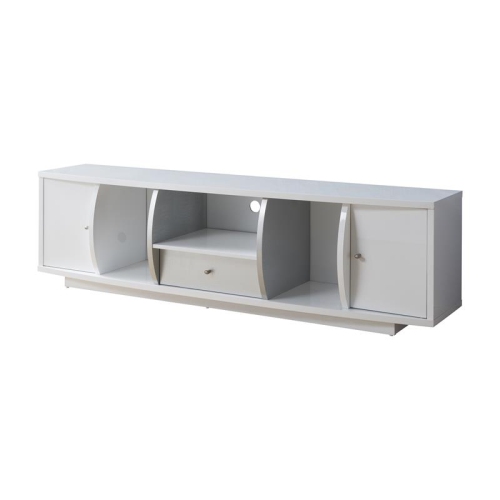
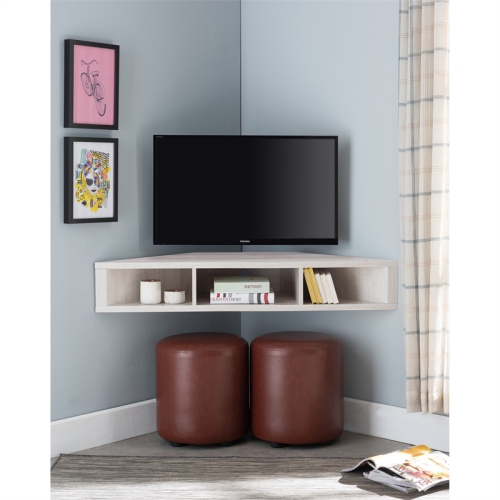

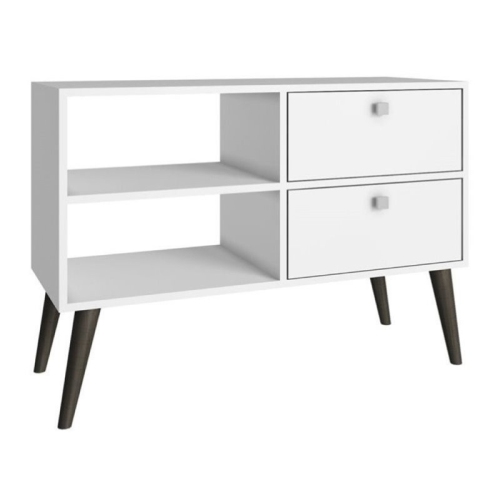

Two-tone finishes balance crisp white with warm wood tones
White and brown TV stands combine the crisp appearance of white surfaces with the warmth of brown wood tones, creating a two-tone foundation for a living room, family room, or bedroom entertainment setup. A white cabinet with a brown top can make a substantial piece of furniture feel visually lighter, while brown doors framed in white draw attention to grain patterns and storage details. The combination works across several furniture styles: straight edges and flat-front doors suit modern spaces, tapered legs and walnut-toned finishes suggest mid-century design, and panelled fronts or sliding barn-style doors bring a more rustic character. The particular shade of brown makes a noticeable difference. Pale oak-look finishes offer gentle contrast against white, medium browns sit comfortably beside many existing wood furnishings, and deep brown tones create a stronger outline. White finishes also vary, from bright white to softer, warmer shades, so their appearance can change beside cream upholstery, painted trim, or a pale rug. Matching every wood tone in a room is not necessary; repeating a similar undertone in a coffee table, shelving unit, or picture frame can help the arrangement feel connected. For a room that needs a gentler contrast without a prominent white component, Light Brown TV Stands offer another direction. Surface texture matters alongside colour. A matte white front has a quieter appearance than a glossy one, while a visible wood-grain pattern adds detail to an otherwise simple cabinet. Handles, hinges, and legs contribute to the overall effect as well: dark hardware gives white doors definition, while recessed pulls keep the front looking uncluttered. In a compact condo, an elevated stand with visible floor space beneath it can appear less bulky. In a larger family room, a wider, low-profile console can give the television a balanced base and leave room for a modest display at either end, provided those objects do not obstruct the screen or equipment.
A TV stand needs to fit the television, the room, and the equipment used around it. Screen size alone does not establish compatibility because a television’s advertised measurement is taken diagonally, rather than across its cabinet or between its feet. The useful measurements are the television’s actual width, the width and depth of its base or feet, and its weight, checked against the stand’s dimensions and stated load capacity. All supporting feet should sit fully on the top surface, with the television positioned according to the manufacturers’ instructions. A console wider than the screen often creates a more balanced appearance, but adequate support and rated capacity take priority over proportions. Height affects daily comfort, too. In a typical seated viewing arrangement, placing the screen’s centre near seated eye level is a helpful starting point; a tall cabinet may be better suited to some bedroom layouts than to a living room with a low sofa. For a wall-mounted television, the stand still needs enough usable surface and clearance for a sound bar, along with a practical route for cables. Storage becomes especially important when the setup includes a game console, receiver, streaming device, or disc player. Open shelves keep frequently used equipment accessible, while enclosed cabinets conceal controllers, cases, and spare cables. A mix of the two can keep everyday essentials close without leaving every accessory on display. Shelf openings should accommodate equipment depth, including plugs and cable bends behind it, and leave the ventilation space specified by each device’s manufacturer. Adjustable shelves make it easier to accommodate components of different heights. Some remotes require a clear line of sight, so solid cabinet doors may need to stay open during use. Cable openings and accessible rear panels simplify connections, especially when adding a device later. Outside the cabinet, allow room for doors and drawers to open without striking a coffee table, and keep walkways clear. Sliding doors can help where swing clearance is limited, although they usually leave only part of the storage accessible at once.
Materials and construction influence how a white and brown TV stand looks, feels, and holds up to everyday use. Solid wood can show natural variation in grain and colour, while wood veneer provides a real wood surface over a supporting core. Engineered wood with laminate or foil finishes can create a consistent white surface or brown wood-look pattern; its performance depends on the quality of the core, surface layer, edge treatment, and assembly. A brown finish does not necessarily indicate solid wood, just as a white finish does not identify the material beneath it, so material descriptions are useful when comparing construction. Drawers should move smoothly, doors should align evenly, and shelves should be used within their individual weight limits. Wide cabinets benefit from the support specified in their design, which may include centre legs or internal dividers. During assembly, a level position and correctly fitted hardware help doors close properly and prevent unnecessary strain on joints. Wall-mounted styles require suitable wall construction, appropriate fasteners, and installation that follows the supplied directions. For freestanding furniture, use any supplied anti-tip restraints as instructed, particularly in homes with children or pets, and follow the television manufacturer’s securing recommendations as well. Routine care is usually straightforward, but it should match the finish. A soft cloth removes dust from white fronts and wood-toned tops; for cleaning, follow the manufacturer’s directions and avoid leaving moisture along seams or edges. Abrasive pads and harsh cleaners can damage coatings, while felt pads beneath accessories help reduce surface scratches. Keeping drinks on coasters rather than directly on the console is useful in a room where movie nights and casual gatherings share the same space. Raised legs can make floor cleaning easier if there is enough clearance for a vacuum head, while a cabinet that sits close to the floor reduces the open area underneath. These practical details matter whether the stand is furnishing a first apartment, organizing a shared household’s entertainment equipment, or replacing a cabinet that no longer suits the room. The most useful combination brings together the preferred white-and-brown finish, dependable support, comfortable viewing height, and storage that fits the way the space is used.
A TV stand needs to fit the television, the room, and the equipment used around it. Screen size alone does not establish compatibility because a television’s advertised measurement is taken diagonally, rather than across its cabinet or between its feet. The useful measurements are the television’s actual width, the width and depth of its base or feet, and its weight, checked against the stand’s dimensions and stated load capacity. All supporting feet should sit fully on the top surface, with the television positioned according to the manufacturers’ instructions. A console wider than the screen often creates a more balanced appearance, but adequate support and rated capacity take priority over proportions. Height affects daily comfort, too. In a typical seated viewing arrangement, placing the screen’s centre near seated eye level is a helpful starting point; a tall cabinet may be better suited to some bedroom layouts than to a living room with a low sofa. For a wall-mounted television, the stand still needs enough usable surface and clearance for a sound bar, along with a practical route for cables. Storage becomes especially important when the setup includes a game console, receiver, streaming device, or disc player. Open shelves keep frequently used equipment accessible, while enclosed cabinets conceal controllers, cases, and spare cables. A mix of the two can keep everyday essentials close without leaving every accessory on display. Shelf openings should accommodate equipment depth, including plugs and cable bends behind it, and leave the ventilation space specified by each device’s manufacturer. Adjustable shelves make it easier to accommodate components of different heights. Some remotes require a clear line of sight, so solid cabinet doors may need to stay open during use. Cable openings and accessible rear panels simplify connections, especially when adding a device later. Outside the cabinet, allow room for doors and drawers to open without striking a coffee table, and keep walkways clear. Sliding doors can help where swing clearance is limited, although they usually leave only part of the storage accessible at once.
Materials and construction influence how a white and brown TV stand looks, feels, and holds up to everyday use. Solid wood can show natural variation in grain and colour, while wood veneer provides a real wood surface over a supporting core. Engineered wood with laminate or foil finishes can create a consistent white surface or brown wood-look pattern; its performance depends on the quality of the core, surface layer, edge treatment, and assembly. A brown finish does not necessarily indicate solid wood, just as a white finish does not identify the material beneath it, so material descriptions are useful when comparing construction. Drawers should move smoothly, doors should align evenly, and shelves should be used within their individual weight limits. Wide cabinets benefit from the support specified in their design, which may include centre legs or internal dividers. During assembly, a level position and correctly fitted hardware help doors close properly and prevent unnecessary strain on joints. Wall-mounted styles require suitable wall construction, appropriate fasteners, and installation that follows the supplied directions. For freestanding furniture, use any supplied anti-tip restraints as instructed, particularly in homes with children or pets, and follow the television manufacturer’s securing recommendations as well. Routine care is usually straightforward, but it should match the finish. A soft cloth removes dust from white fronts and wood-toned tops; for cleaning, follow the manufacturer’s directions and avoid leaving moisture along seams or edges. Abrasive pads and harsh cleaners can damage coatings, while felt pads beneath accessories help reduce surface scratches. Keeping drinks on coasters rather than directly on the console is useful in a room where movie nights and casual gatherings share the same space. Raised legs can make floor cleaning easier if there is enough clearance for a vacuum head, while a cabinet that sits close to the floor reduces the open area underneath. These practical details matter whether the stand is furnishing a first apartment, organizing a shared household’s entertainment equipment, or replacing a cabinet that no longer suits the room. The most useful combination brings together the preferred white-and-brown finish, dependable support, comfortable viewing height, and storage that fits the way the space is used.
Top selling and popular products
-
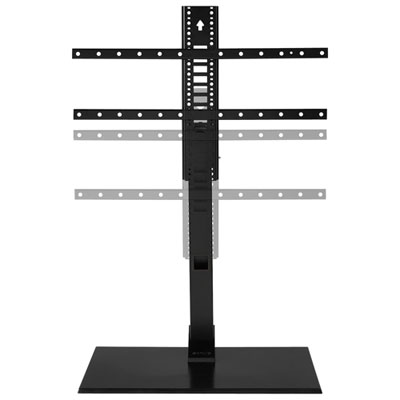 Your price for this item is $249.99
 -
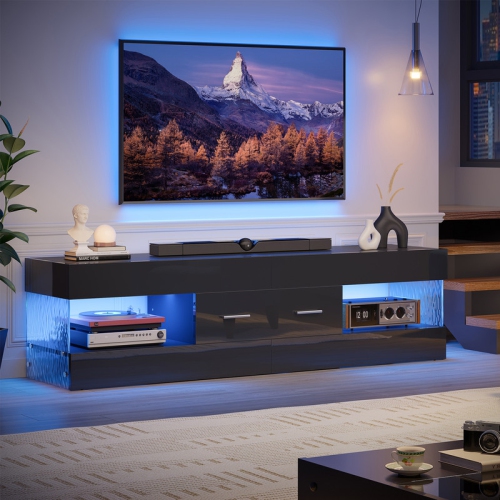 Your price for this item is $179.99
 -
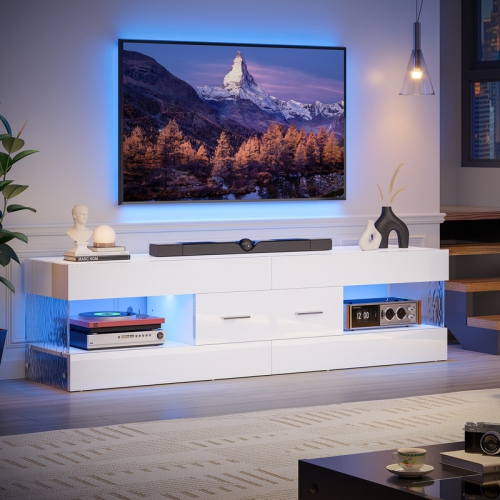 Your price for this item is $149.99
 -
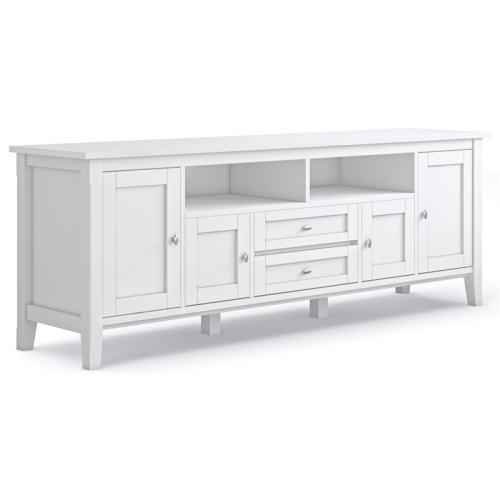 Your price for this item is $1522.15
 -
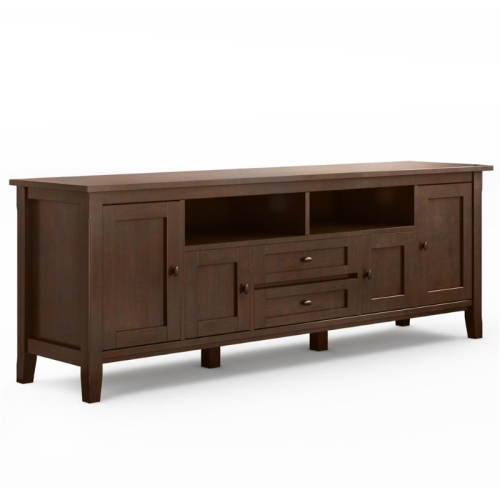 Your price for this item is $1535.26
 -
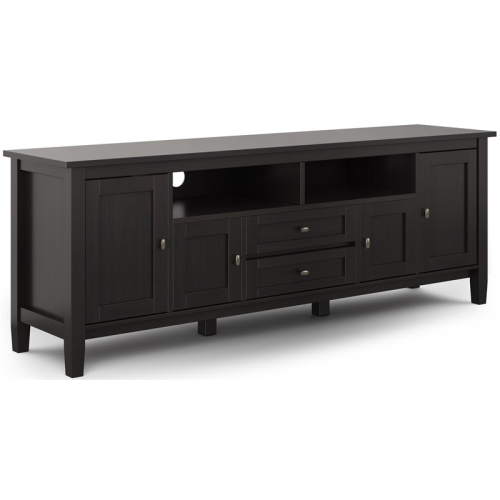 Your price for this item is $1505.85
 -
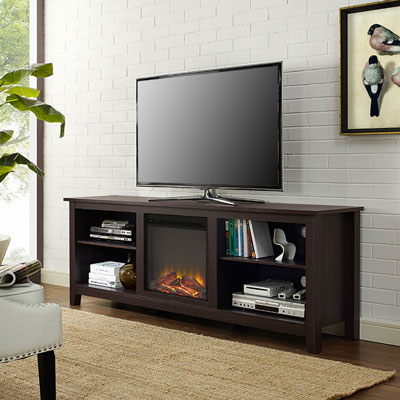 Your price for this item is $689.99
 -
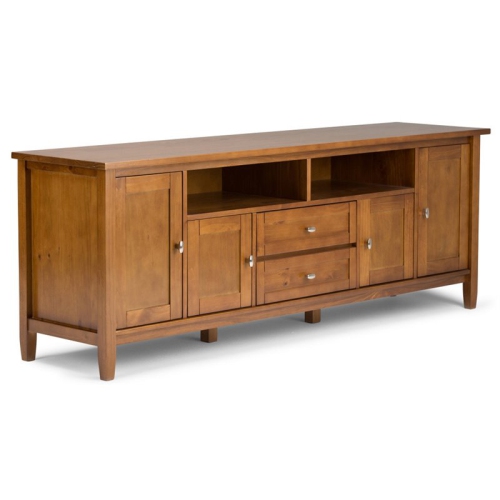 Your price for this item is $1522.01
Discover more categories related to White And Brown TV Stands
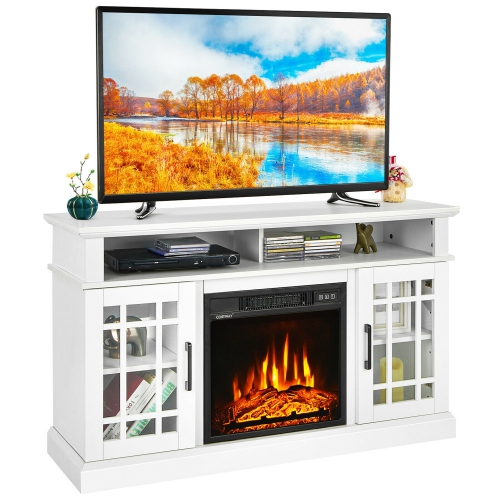
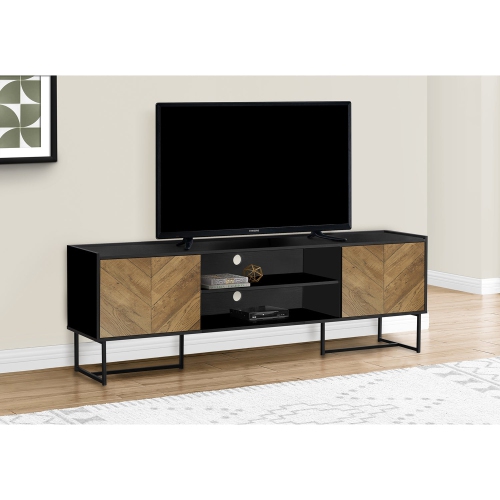
Top Collections:
Pokemon Centers, Kindle Devices, Best Budget Office Chairs, Apple iPhones 16, Best Laptops for Writers, iPhone 15 Apple, Canon G7X Cameras, Refurbished Apple Laptops, Alarm Clock, Motorola Razr Phones
Some products may be subject to Environmental Handling Fees
(EHF) depending on your province.
Learn more about EHFs.